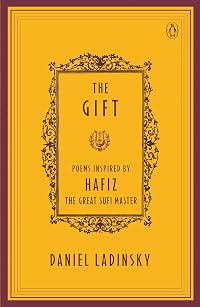
The Gift
by Hāfez
On This Page
Description
More than any other Persian poet, it is perhaps Hafiz who accesses the mystical, healing dimensions of poetry. With this collection of 250 of Hafiz's most intimate poems, translator Ladinsky has succeeded in capturing the essence of one of Islam's greatest poetic and religious voices. Each line imparts the qualities of this spiritual teacher: an audacious love that empowers lives, profound knowledge, wild generosity, and a sweet, playful genius unparalleled in world literature.--From show more publisher description. show lessTags
Recommendations
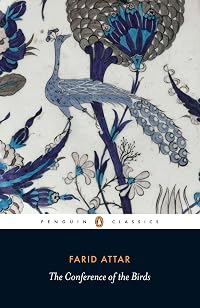
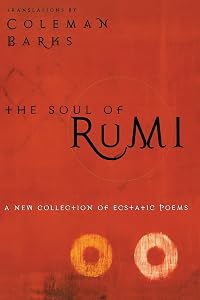
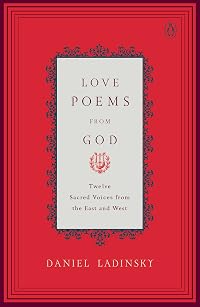
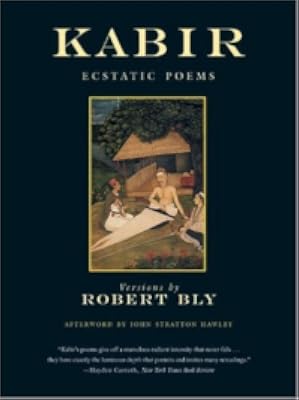
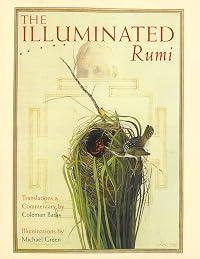
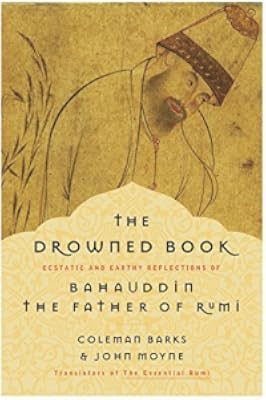
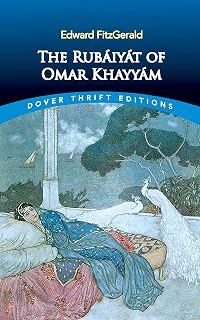
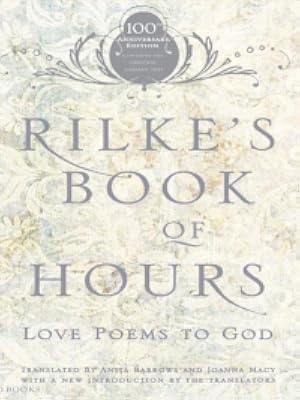

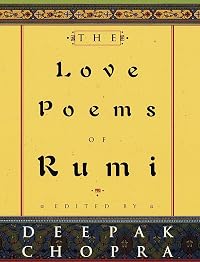
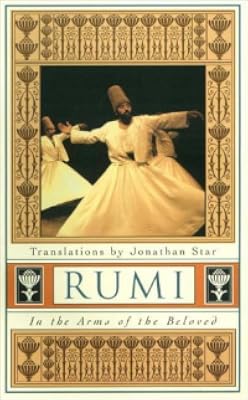

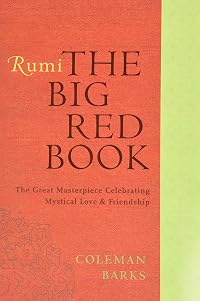
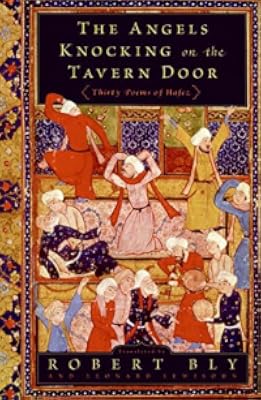


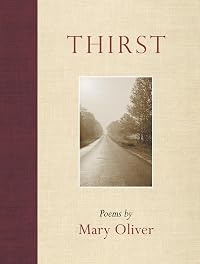
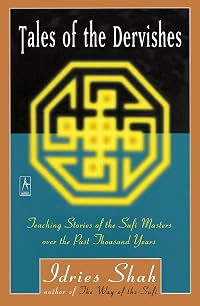
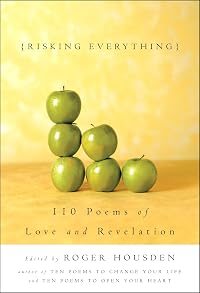
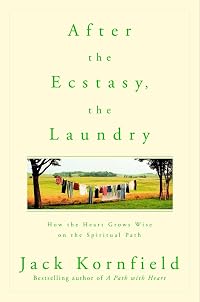

Member Recommendations
She by Saul Williams
by brianjungwi
Member Reviews
“I am
A hole in a flute
That the Christ’s breath moves through—
Listen to this
Music.”
These few lines made me buy this book. Hafiz is a loving and cherished spiritual guide for humanity. In various cultures for centuries, he has been referred to as the “Tongue of the Invisible,” because he still sings passionate, wild love songs to God. He asks us to join him in praising the many wonderful things in life. With every flag, chapel sound, tomb, masjid, and politician's brain being served, I vote for inscribing these words of Hafiz on every one: Dear ones, let's depose this earth with dance!
A hole in a flute
That the Christ’s breath moves through—
Listen to this
Music.”
These few lines made me buy this book. Hafiz is a loving and cherished spiritual guide for humanity. In various cultures for centuries, he has been referred to as the “Tongue of the Invisible,” because he still sings passionate, wild love songs to God. He asks us to join him in praising the many wonderful things in life. With every flag, chapel sound, tomb, masjid, and politician's brain being served, I vote for inscribing these words of Hafiz on every one: Dear ones, let's depose this earth with dance!
DNF'd 2025/08/18
I read one poem and liked it a lot.
I can't read the rest because I learned these are not poems by Hafiz translated by Daniel Ladinsky. These are original poems by Ladinsky, which at best are merely inspired by the Persian poet, Hafiz.
Hafiz is a 14th century much loved Sufi poet and cherished by Persians. This is a pernicious kind of theft. It's not cool to co-opt Hafiz's name. And Ladinsky continued to do the same in other works of poetry after the popularity of this book.
Penguin also should be ashamed.
Truth should matter. Even in a book of poetry.
For more information see this Al Jazeera editorial from 14 Jun 2020
https://www.aljazeera.com/opinions/2020/6/14/fake-hafez-how-a-supreme-persian-po....
I read one poem and liked it a lot.
I can't read the rest because I learned these are not poems by Hafiz translated by Daniel Ladinsky. These are original poems by Ladinsky, which at best are merely inspired by the Persian poet, Hafiz.
Hafiz is a 14th century much loved Sufi poet and cherished by Persians. This is a pernicious kind of theft. It's not cool to co-opt Hafiz's name. And Ladinsky continued to do the same in other works of poetry after the popularity of this book.
Penguin also should be ashamed.
Truth should matter. Even in a book of poetry.
For more information see this Al Jazeera editorial from 14 Jun 2020
https://www.aljazeera.com/opinions/2020/6/14/fake-hafez-how-a-supreme-persian-po....
A collection of 250 poems from the Sufi master Hafiz, who lived in the 14th century in what is now Iran. Unfortunately the vast majority of his output was destroyed by clerics and rulers who did not approve of it, and in what survives we can get glimpses of why that happened, since he wrote about enlightenment in a way that transcended the usual dogma. The sense of seeing God in everyone and everything, of delighting in life’s pleasures, and of using spiritual discipline to overcome our baser instincts all come through. I think the book’s length begins to work against it a little bit, as even with breaks, it begins to be repetitive, and I found my response to them was pretty uneven. They are ambiguous in the way that Rumi’s poems show more are which is lovely, but there is often a sense of Hafiz proclaiming himself to be the true spiritual teacher to listen to, which I didn’t care much for.
The translation from Ladinsky is certainly heartfelt, but I also disliked the occasional use of modern phrases (though he does provide an explanation for his thought process in the preface). I found his explanation for the number of chapters in the introduction off-putting (“Well, would it make sense if I said that I felt Hafiz didn’t want anything to get sore. That is, some honeymooners could benefit with a room-service waiter knocking now and then…”). It kind of gave the impression of one moved by the poet, but less scholarly in his approach. The result of it all was a mixed bag – certainly worth reading, but it fell a little short of being something I’d recommend without reservations.
Here’s one of the poems I liked the most:
Where is the door to God?
In the sound of a barking dog,
In the ring of a hammer,
In a drop of rain,
In the face of
Everyone
I see.
Here’s another:
Where does the real poetry
Come from?
From the amorous sighs
In this moist dark when making love
With form or
Spirit.
Where does poetry live?
In the eye that says, “Wow wee,”
In the overpowering felt splendor
Every sane mind knows
When it realizes – our life dance
Is only for a few magic
Seconds,
From the heart saying,
Shouting,
“I am so damn
Alive.” show less
The translation from Ladinsky is certainly heartfelt, but I also disliked the occasional use of modern phrases (though he does provide an explanation for his thought process in the preface). I found his explanation for the number of chapters in the introduction off-putting (“Well, would it make sense if I said that I felt Hafiz didn’t want anything to get sore. That is, some honeymooners could benefit with a room-service waiter knocking now and then…”). It kind of gave the impression of one moved by the poet, but less scholarly in his approach. The result of it all was a mixed bag – certainly worth reading, but it fell a little short of being something I’d recommend without reservations.
Here’s one of the poems I liked the most:
Where is the door to God?
In the sound of a barking dog,
In the ring of a hammer,
In a drop of rain,
In the face of
Everyone
I see.
Here’s another:
Where does the real poetry
Come from?
From the amorous sighs
In this moist dark when making love
With form or
Spirit.
Where does poetry live?
In the eye that says, “Wow wee,”
In the overpowering felt splendor
Every sane mind knows
When it realizes – our life dance
Is only for a few magic
Seconds,
From the heart saying,
Shouting,
“I am so damn
Alive.” show less
Hafiz, born as Shams-ud-din Muhammed around 1320 in Persia, is a most amazing poet who has a connection to the heart and to the divine so strong that anyone who listens cannot but feel the deep love and awareness in his words. His poems are sometimes short and sweet, sometimes slightly crazed, and other times seem to dance with delight and excitement. They touch something inside us that makes us say "Yes, this, I knew this!"
What
Would
Happen if God leaned down
And gave you a full wet
Kiss?
Hafiz
Doesn't mind answering astronomical questions like that.
What
Would
Happen if God leaned down
And gave you a full wet
Kiss?
Hafiz
Doesn't mind answering astronomical questions like that.
Wonderful book! These are deeply God intoxicated poems that will make you laugh, dance, cry and hopefully toss aside your lifeless images of God.
Slipping on my shoes
boiling water
toasting bread
buttering the sky;
That should be enough contact with God in one day
to make anyone crazy.
Slipping on my shoes
boiling water
toasting bread
buttering the sky;
That should be enough contact with God in one day
to make anyone crazy.
If you love Rumi, Hafiz will be paradise. Not only beautiful but humorous. The way Hafiz writes of God is with the love of a lover. After reading from the Gift, I want to feel for God the way Hafiz does. I want the ecstatic
Sufi experience. Everyone should read this at least once an experience true love.
Sufi experience. Everyone should read this at least once an experience true love.
There is a quote on the front of this book: "These translations should do for that great glorious mystic Hafiz what Coleman Barks' translations have done for Rumi. Seekers on all paths will benefit from the radiance they emit."
What more to say than that? These poems come from the same spiritual tradition as Rumi, the same sort of ecstatic state of delirious love. And the translations are in the same spirit as Barks'. Not just a literal translation from Farsi to English, but also a poetic translation into a more modern form. These are wonderful.
What more to say than that? These poems come from the same spiritual tradition as Rumi, the same sort of ecstatic state of delirious love. And the translations are in the same spirit as Barks'. Not just a literal translation from Farsi to English, but also a poetic translation into a more modern form. These are wonderful.
Members
- Recently Added By
Lists

Top Five Books of 2013
1,562 works; 721 members

Truly old classics
63 works; 6 members
Author Information

118+ Works 3,288 Members
Some Editions
Common Knowledge
- Canonical title
- The Gift
- People/Characters
- Allah; Hafiz
- Important places
- Persia, Iran
- Epigraph
- To God's magnificent masquerade - as us!
- Quotations
- You carry all the ingredients/To turn your existence into joy,/Mix them, mix/Them!
Classifications
- Genres
- Poetry, Religion & Spirituality, Fiction and Literature
- DDC/MDS
- 891.5511 — Literature & rhetoric Literatures of other languages East Indo-European and Celtic literatures Iranian literatures Modern Persian / Farsi literature (8th century CE to present) Persian poetry ca. 1000–1389
- LCC
- PK6465 .Z31 .L34 — Language and Literature Indo-Iranian languages and literatures Indo-Iranian philology and literature Iranian philology and literature New Persian Literature Individual authors or works H. a_fiz.
- BISAC
Statistics
- Members
- 1,041
- Popularity
- 24,794
- Reviews
- 15
- Rating
- (4.41)
- Languages
- English, German
- Media
- Paper, Ebook
- ISBNs
- 2
- ASINs
- 7