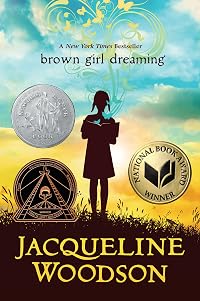
Brown Girl Dreaming
by Jacqueline Woodson
On This Page
Description
"Jacqueline Woodson, one of today's finest writers, tells the moving story of her childhood in mesmerizing verse. Raised in South Carolina and New York, Woodson always felt halfway home in each place. In vivid poems, she shares what it was like to grow up as an African American in the 1960s and 1970s, living with the remnants of Jim Crow and her growing awareness of the Civil Rights movement. Touching and powerful, each poem is both accessible and emotionally charged, each line a glimpse show more into a child's soul as she searches for her place in the world. Woodson's eloquent poetry also reflects the joy of finding her voice through writing stories, despite the fact that she struggled with reading as a child. Her love of stories inspired her and stayed with her, creating the first sparks of the gifted writer she was to become. Praise for Jacqueline Woodson: Ms. Woodson writes with a sure understanding of the thoughts of young people, offering a poetic, eloquent narrative that is not simply a story. but a mature exploration of grown-up issues and self-discovery."-The New York Times Book Review"-- "The author shares her childhood memories and reveals the first sparks that ignited her writing career in free-verse poems about growing up in the North and South"-- show lessTags
Recommendations
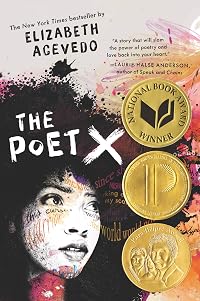
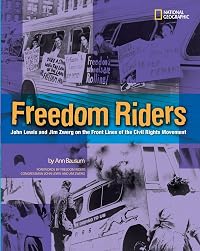
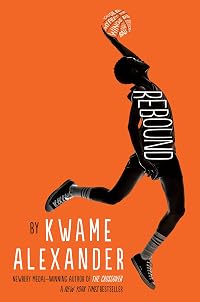
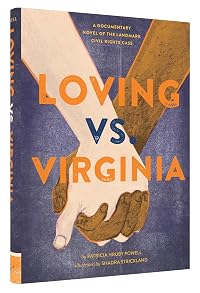

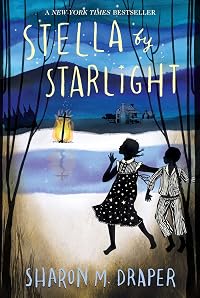
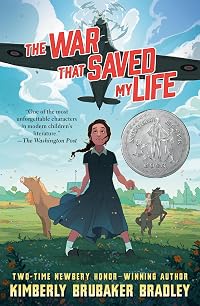
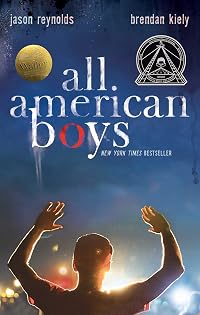
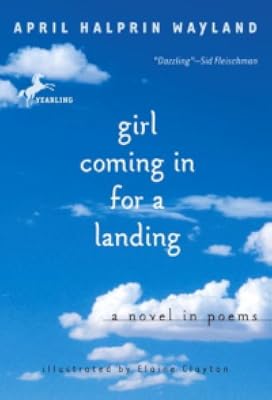
Member Recommendations
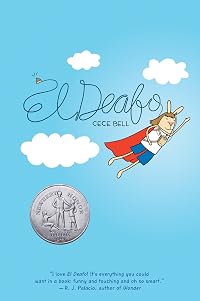
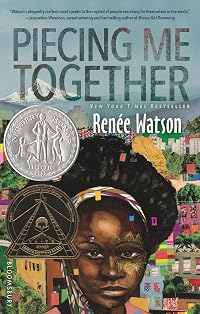
susanbooks Autobiography of a Familly Photo is a prose novel and stands beautifully on its own. Read alongside Brown Girl Dreaming, the earlier book seems like the nightmare, R-rated version of the later one. Both are stunning.
by anonymous user
Member Reviews
Beautifully written in free verse, this is a memoir of growing up in South Carolina and Brooklyn. Although her story is simple and short, she brings a wealth of images that allow the reader to empathize. Woodson dreamed of being an author in spite of having learning difficulties and not being able to come close to her sister’s scholastic achievements. Despite the conditions for African Americans in the sixties and seventies, Woodson was a happy child and relates her understanding of the growing civil rights movement, the strength of her family, and her dreams. If this had been written in prose it would simply have been an adult’s memoir. Free verse portrayed the candor of the child.
I don't understand free verse - it always sounded to me as a gimmick to allow you to go away with grammar and sentence rules without actually being bound with the conventions of poetry (rhyming and/or at least some kind of an order). So I did not expect a lot from this book - and after reading it, the format still does not make sense. But the book is worth reading despite the chosen format.
There are a lot of books about growing up black in the 60s - there are probably enough of them that start in the North, go South and then back North as well. And somehow Woodson manages to present another world - different from what you had believed. Some of the poems (or whatever we want to call the pieces) follow immediately one after the other; show more some are memories and scenes that seem unrelated but help to build a whole world. By the time you finish the book, you suddenly realize that you can see the world - with the marches and the problems, with the family struggles and friends and mainly - the world of a girl that needs to grow up in a world that does not always like her and that had a dream - to become a writer.
There does not seem to be anything too complex in the book (and it is written for children after all) but something seems to be working better than I expected - and the small glimpses allow you to add the missing pieces.
I wish Woodson had chosen a more conventional format for her memoir - I would have liked it a lot more in straight prose. Even if it was leaving the same gaps open -- the free verse is just a bit too free and too random for me I guess. Still - I do recommend this book - regardless of age. And I have a suspicion that someone younger or someone that grew up in the same places will like it a lot more than I did. show less
There are a lot of books about growing up black in the 60s - there are probably enough of them that start in the North, go South and then back North as well. And somehow Woodson manages to present another world - different from what you had believed. Some of the poems (or whatever we want to call the pieces) follow immediately one after the other; show more some are memories and scenes that seem unrelated but help to build a whole world. By the time you finish the book, you suddenly realize that you can see the world - with the marches and the problems, with the family struggles and friends and mainly - the world of a girl that needs to grow up in a world that does not always like her and that had a dream - to become a writer.
There does not seem to be anything too complex in the book (and it is written for children after all) but something seems to be working better than I expected - and the small glimpses allow you to add the missing pieces.
I wish Woodson had chosen a more conventional format for her memoir - I would have liked it a lot more in straight prose. Even if it was leaving the same gaps open -- the free verse is just a bit too free and too random for me I guess. Still - I do recommend this book - regardless of age. And I have a suspicion that someone younger or someone that grew up in the same places will like it a lot more than I did. show less
If you are an adult reading this review, go out and buy this for your child or grandchild, but read it yourself first. Brown Girl Dreaming is Jacqueline Woodson's memoir written for children in the middle grades, but it is appropriate for all ages, right up to the senior citizen. It is written in verse, and reveals her life as she moved from the South to New York in a single parent family, a problem that was rare when she was young, but one that would become prevalent in the black community, as well as the rest of the world, as decades passed. The book illustrated the path that led to progress and positive changes in the world of people of color and also indicated the failures and slow deterioration that developed in that society as show more well.
For me, this book was nostalgic, since a piece of it takes place in Brooklyn, and the author actually lived on Herzl Street, in Brooklyn, where my good friend Pearl lived when I was growing up, about a decade earlier. Many of her descriptions of games and neighborhoods were familiar to me and brought back so many happy memories. We shared a time, a place and a joy of living that is often absent in that neighborhood today. I was totally ignorant of the problems that existed, when I was young, and no young person today should grow up as ignorant of that struggle or of any other major struggle, for that matter, such as the Holocaust, as well.
Her lyrical presentation describes the history of the Civil Rights struggle in America succinctly and clearly. Middle grade children should have no problem understanding her underlying message of hope and also of despair. However, it would be better if the book was used as a teaching tool so that the political, social and moral conscience of the book could be further developed. The profound concepts, expressed so gently through Woodson’s memories, impart an understanding of the times that would be more accessible with the aid of an instructor. The poetry of her message will fill the reader with questions and also with wonder. In spite of so much hardship, there was optimism and hope that seems missing today. That is really the broader discussion that should arise for adults who read the book and the learning experience that a teacher could help the children obtain. How can the situation be improved? What are we doing wrong in society? What are the implications of history, then and now? Has any real progress been made? At some point do those persecuted assume they are now entitled to more than equal opportunity to make up for lost time and is it their due? Are these legitimate questions? They cannot be understood by a child without the help of an adult, and an adult should read it to become more aware and intimately involved with the problems clearly expressed in the book that are still being faced today.
The author and I had a lot in common, and yet we were worlds apart. We were brought up in the same area, perhaps a decade apart. We played together in the street, regardless of age or sex. We felt safe, except perhaps for the duck and cover of the Cold War air raid practice sirens. We experienced the same newsreels and world events. We both have a genetic gap in our front teeth. We both had someone in our lives who inspired us, who taught us right from wrong, good from bad behavior, honesty vs. dishonesty, proper language and appropriate dress, so that we presented a positive face to the world. So, we were not, and are still not, so different, after all. The answer to how to make those worlds come together again in a color blind way, may simply lie within the pages of this little, unassuming book. Anger, bias and hate is largely absent from it. In the hands of skilled teachers or open-minded readers, peace may finally be achievable for all people, no matter how different they are, if only they are willing to learn from mistakes and move on.
Of course, this may sound Pollyanna to many, and maybe it is even like wishful, unrealistic thinking, but it only takes one dedicated person to make a change, as Martin Luther King surely proved, as Ghandi surely proved. Evil exists only if we let it. This book gave me hope for the existence of its opposite. It reminded me of the idealism of my youth, a time when I believed the world could be a better place, although it was also a time when outside influences also often convinced me that it could not.
Perhaps we should all lose ourselves in hopefulness, rather than hopelessness. Jacqueline Woodson found her place in life, her gift to give to the world. Shout it from the rooftops that we are all family and provide the equality to all that has been guaranteed by law, but is still out of reach to so many because of ignorance and hate. Wipe out the ignorance and the hate will surely disappear as well. Believe in the ultimate goodness of people, rather than in judgment based on narrow-minded ideas about color, religion and station in life. show less
For me, this book was nostalgic, since a piece of it takes place in Brooklyn, and the author actually lived on Herzl Street, in Brooklyn, where my good friend Pearl lived when I was growing up, about a decade earlier. Many of her descriptions of games and neighborhoods were familiar to me and brought back so many happy memories. We shared a time, a place and a joy of living that is often absent in that neighborhood today. I was totally ignorant of the problems that existed, when I was young, and no young person today should grow up as ignorant of that struggle or of any other major struggle, for that matter, such as the Holocaust, as well.
Her lyrical presentation describes the history of the Civil Rights struggle in America succinctly and clearly. Middle grade children should have no problem understanding her underlying message of hope and also of despair. However, it would be better if the book was used as a teaching tool so that the political, social and moral conscience of the book could be further developed. The profound concepts, expressed so gently through Woodson’s memories, impart an understanding of the times that would be more accessible with the aid of an instructor. The poetry of her message will fill the reader with questions and also with wonder. In spite of so much hardship, there was optimism and hope that seems missing today. That is really the broader discussion that should arise for adults who read the book and the learning experience that a teacher could help the children obtain. How can the situation be improved? What are we doing wrong in society? What are the implications of history, then and now? Has any real progress been made? At some point do those persecuted assume they are now entitled to more than equal opportunity to make up for lost time and is it their due? Are these legitimate questions? They cannot be understood by a child without the help of an adult, and an adult should read it to become more aware and intimately involved with the problems clearly expressed in the book that are still being faced today.
The author and I had a lot in common, and yet we were worlds apart. We were brought up in the same area, perhaps a decade apart. We played together in the street, regardless of age or sex. We felt safe, except perhaps for the duck and cover of the Cold War air raid practice sirens. We experienced the same newsreels and world events. We both have a genetic gap in our front teeth. We both had someone in our lives who inspired us, who taught us right from wrong, good from bad behavior, honesty vs. dishonesty, proper language and appropriate dress, so that we presented a positive face to the world. So, we were not, and are still not, so different, after all. The answer to how to make those worlds come together again in a color blind way, may simply lie within the pages of this little, unassuming book. Anger, bias and hate is largely absent from it. In the hands of skilled teachers or open-minded readers, peace may finally be achievable for all people, no matter how different they are, if only they are willing to learn from mistakes and move on.
Of course, this may sound Pollyanna to many, and maybe it is even like wishful, unrealistic thinking, but it only takes one dedicated person to make a change, as Martin Luther King surely proved, as Ghandi surely proved. Evil exists only if we let it. This book gave me hope for the existence of its opposite. It reminded me of the idealism of my youth, a time when I believed the world could be a better place, although it was also a time when outside influences also often convinced me that it could not.
Perhaps we should all lose ourselves in hopefulness, rather than hopelessness. Jacqueline Woodson found her place in life, her gift to give to the world. Shout it from the rooftops that we are all family and provide the equality to all that has been guaranteed by law, but is still out of reach to so many because of ignorance and hate. Wipe out the ignorance and the hate will surely disappear as well. Believe in the ultimate goodness of people, rather than in judgment based on narrow-minded ideas about color, religion and station in life. show less
There's been a lot of buzz on LT over this book, and it's all justified. It's a free verse memoir/coming of age story, classified as YA. Don't let any one of those elements put you off; if you have reservations about any of them, set them aside, do yourself a favor, and READ THIS BOOK. As a child growing up in Ohio, South Carolina and Brooklyn, Jackie Woodson knew she was as good as anybody, but not brilliant like her older sister, not a singer like her older brother. She had a little trouble at first learning to read, but before long realized that words were like air to her, and her dream of being a writer became a living presence in her life wherever she went, whatever happened. Her story is full of ordinary people living through show more extraordinary history in the America of the 1960's and '70's. It is not free of trouble, but it is not fraught with tragedy, violence, abuse or grinding poverty either. Her memories are of a happy childhood, spotted with the losses and griefs that come to everyone, but protected as much as possible from the mean and the ugly by strong, wise adult guidance, and always, always warmed by love and the dream. A book that I will want to return to, as some of its "chapters" are exquisite stand-alone poetry. The whole thing is a gift from a brown girl who once thought she was not gifted like her siblings, but dared to dream anyway. Five stars.
Review written 2-19-15 show less
Review written 2-19-15 show less
Like a lot of the books I assigned in my young adult literature class without having actually read them, this hovers on the border between middle grade and young adult, and had I known that, I might not have assigned it. By the end of the book, Jackie is in the fourth grade, if I recall correctly. Yet-- and perhaps this is unavoidable if you're an African-American child in the 1960s South-- she has still undergone the processes that Roberta Seelinger Trites identifies as important to the adolescent novel: she has discovered the social forces that have shaped her. Not just the obvious one of race and racism, but also the dynamics of religion. Even from a young age, she's involved in protests and other forms of civil rights activism.
I was show more especially struck by how the book is an artistic coming of age. Her family are Jehovah's Witnesses, but she's not a very good one by her own admission, loving the stories of the Bible more than the theological answers it is supposed to provide (60). Acquiring a composition notebook even before she can write changes her life: "someone must have known that this / was all I needed" (154). As she gets older, she develops a talent for storytelling. Well, "talent" is understating it, actually; it's a desire or a passion or just a base need:
stories
are like air to me,
I breathe them in and let them out
over and over again. (247)
This need gets her in trouble for lying even though she doesn't see it that way:
It's hard to understand
the way my brain works—so different
from everybody around me.
How each new story
I'm told becomes a thing
that happens,
in some other way
to me...! (176)
Her uncle likes her stories, her mother insists they're lies, but she concludes, "Maybe the truth is somewhere in between / all that I'm told / and memory" (176). Well, of course it is, because this very book occupies such a location; one of the first poems is about how there are a number of contradictory stories about her birth (her mother, father, and grandmother each has a different account), but there's a sense in which they're all true, because each one of those tales is something someone told her about herself, indicating a way they wanted her to be, and so they became a way she was. When her classmates ask her about her stories' authenticity, she always asserts they're true: "Did that really happen? the kids in class ask. // Yeah, I say. If it didn't, how would I know what to write?" (291)
While teaching the book, I had my class read it alongside Walter Dean Myers's "Where Are the People of Color in Children's Books?" and an examination of the We Need Diverse Books website. The book engages with this kind of material, not just by being about a person of color, but the moment where Jackie picks up her first book about a person of color: "the picture book filled with brown people, more / brown people than I’d ever seen / in a book before." She says that if she hadn't seen it,
I'd never have believed
that someone who looked like me
could be in the pages of the book
that someone who looked like me had a story. (228)
So as much as she liked stories, the belief that her story was worth telling wouldn't have existed without a children's book about a person of color to inspire her-- and so she pays it forward, writing one of her own. In a way, the book doesn't end at the fifth grade, because there's an implied older Jackie, the one writing this book and looking backward at her childhood and figuring out who she is and how she came to be.
The book actually ends by explaining how stories construct your identity:
When there are many world
you can choose the one
you walk into each day.
[…]
Each day a new world
opens itself up you you. And all the worlds you are
[…] gather into one world
called You
where You decide
what each world
and each story
and each ending
will finally be. (319-20)
I guess this is the fundamental project of young adult literature, and that's why diverse books are so important. We need as many stories as we can get to decide who to be. show less
I was show more especially struck by how the book is an artistic coming of age. Her family are Jehovah's Witnesses, but she's not a very good one by her own admission, loving the stories of the Bible more than the theological answers it is supposed to provide (60). Acquiring a composition notebook even before she can write changes her life: "someone must have known that this / was all I needed" (154). As she gets older, she develops a talent for storytelling. Well, "talent" is understating it, actually; it's a desire or a passion or just a base need:
stories
are like air to me,
I breathe them in and let them out
over and over again. (247)
This need gets her in trouble for lying even though she doesn't see it that way:
It's hard to understand
the way my brain works—so different
from everybody around me.
How each new story
I'm told becomes a thing
that happens,
in some other way
to me...! (176)
Her uncle likes her stories, her mother insists they're lies, but she concludes, "Maybe the truth is somewhere in between / all that I'm told / and memory" (176). Well, of course it is, because this very book occupies such a location; one of the first poems is about how there are a number of contradictory stories about her birth (her mother, father, and grandmother each has a different account), but there's a sense in which they're all true, because each one of those tales is something someone told her about herself, indicating a way they wanted her to be, and so they became a way she was. When her classmates ask her about her stories' authenticity, she always asserts they're true: "Did that really happen? the kids in class ask. // Yeah, I say. If it didn't, how would I know what to write?" (291)
While teaching the book, I had my class read it alongside Walter Dean Myers's "Where Are the People of Color in Children's Books?" and an examination of the We Need Diverse Books website. The book engages with this kind of material, not just by being about a person of color, but the moment where Jackie picks up her first book about a person of color: "the picture book filled with brown people, more / brown people than I’d ever seen / in a book before." She says that if she hadn't seen it,
I'd never have believed
that someone who looked like me
could be in the pages of the book
that someone who looked like me had a story. (228)
So as much as she liked stories, the belief that her story was worth telling wouldn't have existed without a children's book about a person of color to inspire her-- and so she pays it forward, writing one of her own. In a way, the book doesn't end at the fifth grade, because there's an implied older Jackie, the one writing this book and looking backward at her childhood and figuring out who she is and how she came to be.
The book actually ends by explaining how stories construct your identity:
When there are many world
you can choose the one
you walk into each day.
[…]
Each day a new world
opens itself up you you. And all the worlds you are
[…] gather into one world
called You
where You decide
what each world
and each story
and each ending
will finally be. (319-20)
I guess this is the fundamental project of young adult literature, and that's why diverse books are so important. We need as many stories as we can get to decide who to be. show less
"We take our food out to her stoop just as the grown-ups
start dancing merengue, the women lifting their long dresses
to show off their fast-moving feet,
the men clapping and yelling,
Baila! Baila! until the living room floor disappears."
With Brown Girl Dreaming, Jacqueline Woodson has written a fascinating and moving book in free verse about her family and growing up black in America. Born in 1963, she starts in Ohio and then moves with her mother to Greenville, South Carolina, where segregation was only reluctantly being let go, and it was still safer to ride in the back of the bus. Later she moves again to the more liberal New York City, where she gets fairer treatment and a better education, but also sidewalks instead of mimosa trees. show more She misses her relatives and the more easy-going living: “the South is so heavy in her mouth my eyes fill up with the missing of everything and everyone I’ve ever known.” Her grandmother in Greenville makes her follow the strict religion of the Jehovah's Witnesses, but she is surrounded there by family love. The racial prejudice is frustrating, but balanced by the feeling of community in her immediate neighborhood, and her best friend Maria.
"Late August now
home from Greenville and ready
for what the last of the summer brings me.
All the dreams this city holds
right outside — just step through the door and walk
two doors down to where
my new best friend, Maria, lives. Every morning,
I call up to her window, Come outside
or she rings our bell, Come outside.
Her hair is crazily curling down past her back,
the Spanish she speaks like a song
I am learning to sing.
Mi amiga, Maria.
Maria, my friend."
Moving to New York is hard at first. “Who could love/ this place—where/ no pine trees grow, no porch swings move/ with the weight of/ your grandmother on them.” But as she settles in, she begins to understand her strength with words and storytelling, a strength that leads to the very book we're reading.
I don't know what caused Woodson to choose the free verse form, but it works beautifully. Easy to read and appropriate, it reminded me a bit of Spoon River Anthology. This was a special read. Four and a half stars. I'll be looking for others by this author. show less
start dancing merengue, the women lifting their long dresses
to show off their fast-moving feet,
the men clapping and yelling,
Baila! Baila! until the living room floor disappears."
With Brown Girl Dreaming, Jacqueline Woodson has written a fascinating and moving book in free verse about her family and growing up black in America. Born in 1963, she starts in Ohio and then moves with her mother to Greenville, South Carolina, where segregation was only reluctantly being let go, and it was still safer to ride in the back of the bus. Later she moves again to the more liberal New York City, where she gets fairer treatment and a better education, but also sidewalks instead of mimosa trees. show more She misses her relatives and the more easy-going living: “the South is so heavy in her mouth my eyes fill up with the missing of everything and everyone I’ve ever known.” Her grandmother in Greenville makes her follow the strict religion of the Jehovah's Witnesses, but she is surrounded there by family love. The racial prejudice is frustrating, but balanced by the feeling of community in her immediate neighborhood, and her best friend Maria.
"Late August now
home from Greenville and ready
for what the last of the summer brings me.
All the dreams this city holds
right outside — just step through the door and walk
two doors down to where
my new best friend, Maria, lives. Every morning,
I call up to her window, Come outside
or she rings our bell, Come outside.
Her hair is crazily curling down past her back,
the Spanish she speaks like a song
I am learning to sing.
Mi amiga, Maria.
Maria, my friend."
Moving to New York is hard at first. “Who could love/ this place—where/ no pine trees grow, no porch swings move/ with the weight of/ your grandmother on them.” But as she settles in, she begins to understand her strength with words and storytelling, a strength that leads to the very book we're reading.
I don't know what caused Woodson to choose the free verse form, but it works beautifully. Easy to read and appropriate, it reminded me a bit of Spoon River Anthology. This was a special read. Four and a half stars. I'll be looking for others by this author. show less
When we can't find my sister, we know
she is under the kitchen table, a book in her hand,
a glass of milk and a small bowl of peanuts beside her.
We know we can call Odella's name out loud,
slap the table hard with out hands,
dance around it singing
"She'll Be Coming 'Round the Mountain"
so many times the song makes us sick
and the circling makes us dizzy
and still
my sister will do nothing more
than slowly turn the page.
It would simple yet reductionist to describe this gem as Woodson's memoir of a childhood split between Greenville, South Carolina and the Brownville section of Brooklyn. Her family story bridges the late Jim Crow era of the deep South, the Great Migration, and the Civil Rights era. And yet, this is so much more. Written in free show more verse, Woodson's chapters rarely take up a page or two, sometimes only a couple lines. Isn't this exactly as our memories come to us? Sometimes absolutely vivid and clear, other times only in snatches of impressions and pictures. With time, her words wrap and wind and draw us in.
Woodson and I are nearly the same age, so those bursts of "aha!" may have come from moments of cultural recognition. We watched the same TV shows, pretended to 'smoke' the same candy cigarettes. What spoke to me is was more timeless -- her capturing of belonging to your people, your family, your community, and the power of telling and hearing one's stories. She and I both firmly agree and wholeheartedly believe: we truly do stand on the shoulders of those who came before and share a responsibility to those who come after.
My first five star read of the year, and easily on track to be one of my all time favorites. show less
she is under the kitchen table, a book in her hand,
a glass of milk and a small bowl of peanuts beside her.
We know we can call Odella's name out loud,
slap the table hard with out hands,
dance around it singing
"She'll Be Coming 'Round the Mountain"
so many times the song makes us sick
and the circling makes us dizzy
and still
my sister will do nothing more
than slowly turn the page.
It would simple yet reductionist to describe this gem as Woodson's memoir of a childhood split between Greenville, South Carolina and the Brownville section of Brooklyn. Her family story bridges the late Jim Crow era of the deep South, the Great Migration, and the Civil Rights era. And yet, this is so much more. Written in free show more verse, Woodson's chapters rarely take up a page or two, sometimes only a couple lines. Isn't this exactly as our memories come to us? Sometimes absolutely vivid and clear, other times only in snatches of impressions and pictures. With time, her words wrap and wind and draw us in.
Woodson and I are nearly the same age, so those bursts of "aha!" may have come from moments of cultural recognition. We watched the same TV shows, pretended to 'smoke' the same candy cigarettes. What spoke to me is was more timeless -- her capturing of belonging to your people, your family, your community, and the power of telling and hearing one's stories. She and I both firmly agree and wholeheartedly believe: we truly do stand on the shoulders of those who came before and share a responsibility to those who come after.
My first five star read of the year, and easily on track to be one of my all time favorites. show less
Members
- Recently Added By
Lists

National Book Award Finalists 2014
20 works; 16 members

VPL Middle Grade Books
86 works; 1 member

storage
51 works; 1 member

Best Autobiographies and Memoirs
370 works; 67 members

Hazel & Katniss & Harry & Starr Podcast
195 works; 1 member

Obama Reads
181 works; 3 members

.
184 works; 1 member

Robert F. Sibert Informational Book Medal
102 works; 1 member

Books recommended by Calgary Public Library staff
1,588 works; 4 members

Top Five Books of 2023
767 works; 317 members

Books Read in 2023
5,547 works; 145 members

SYES Library Wishlist
1,080 works; 4 members
Newbery Honor Books By year - II - 1981-2035
143 works; 4 members

Favorite Recent Poetry: 1980-2022
178 works; 70 members

Books Featured on Readers' Review of the Diane Rehm Show
161 works; 8 members

Top Five Books of 2020
982 works; 350 members

6th Grade
68 works; 4 members

Best Newbery Honor Books
257 works; 32 members

Books With Girls in Titles
27 works; 2 members

The Zora Canon
98 works; 4 members

Zora Canon
100 works; 6 members

Kids' Tour of the US in Books
50 works; 5 members

Books Read in 2017
4,249 works; 130 members

Books recommended by Barack Obama
295 works; 28 members

Scholastic 100 Best Read-Aloud Books
100 works; 8 members

Top Five Books of 2015
811 works; 241 members

Youth: BLM
265 works; 1 member
Author Information

53+ Works 36,875 Members
Jacqueline Woodson was born in Columbus, Ohio on February 12, 1963. She received a B.A. in English from Adelphi University in 1985. Before becoming a full-time writer, she worked as a drama therapist for runaways and homeless children in New York City. Her books include The House You Pass on the Way, I Hadn't Meant to Tell You This, Lena, and The show more Day You Begin. She won the Coretta Scott King Award in 2001 for Miracle's Boys. After Tupac and D Foster, Feathers, and Show Way won Newbery Honors. Brown Girl Dreaming won the E. B. White Read-Aloud Award in 2015. Her other awards include the Margaret A. Edwards Award for lifetime achievement in writing for young adults, the Los Angeles Times Book Prize, and the 2018 Astrid Lindgren Memorial Award. She was also selected as the Young People's Poet Laureate in 2015 by the Poetry Foundation. (Bowker Author Biography) show less
Some Editions
Awards and Honors
Awards
Distinctions
Notable Lists
Common Knowledge
- Canonical title
- Brown Girl Dreaming
- Original publication date
- 2014-08-28
- People/Characters
- Jacqueline "Jackie" Amanda Woodson; Mary Ann Irby (Mother); Jack Austin Woodson (Father); Caroline "Kay" Irby (Aunt); Hope Austin Woodson (Brother); Odella "Dell" Caroline Woodson (Sister) (show all 11); Gunnar Irby (Maternal Grandfather); Roman Woodson (Brother); Georgiana Scott Irby (Maternal Grandmother); Robert Leon Irby (Uncle); Maria Cortez-Ocasio
- Important places
- Columbus, Ohio, USA; Nelsonville, Ohio, USA; Greenville, South Carolina, USA; Brooklyn, New York, New York, USA
- Epigraph
- Hold fast to dreams/For if dreams die/Life is a broken-winged bird/That cannot fly.
Hold fast to dreams/For when dreams go/Life is a barren field/Frozen with snow.--Langston Hughes - Dedication
- This book is for my family--past, present and future. With love.
- First words
- I am born on a Tuesday at University Hospital Columbus, Ohio, USA--a country caught between Black and White.
- Last words
- (Click to show. Warning: May contain spoilers.)And all the worlds you are--Ohio and Greenville/Woodson and Irby/Gunnar's child and Jack's daughter/Jehovah's Witness and nonbeliever/listener and writer/Jackie and Jacqueline--gather into one world/called You/where You decide/what each world/and each story/and each ending/will finally be.
- Publisher's editor
- Paulsen, Nancy
- Original language
- English
Classifications
Statistics
- Members
- 5,487
- Popularity
- 2,433
- Reviews
- 416
- Rating
- (4.41)
- Languages
- 6 — Dutch, English, Italian, Portuguese, Spanish, Swedish
- Media
- Paper, Audiobook, Ebook
- ISBNs
- 29
- UPCs
- 1
- ASINs
- 11