On This Page
Description
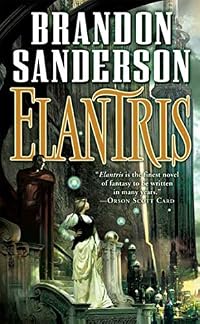
In 2005, Brandon Sanderson debuted with Elantris, an epic fantasy unlike any other then on the market. To celebrate its tenth anniversary, Tor is reissuing Elantris in a special edition, a fresh chance to introduce it to the myriad readers who have since become Sanderson fans. This new edition begins with a preface by author Dan Wells, the first person to read the completed novel, and a new afterword by Sanderson explaining how he came to write the book and its place in the Cosmere, the show more unified universe of all his Tor novels. Also included is the first book appearance of the short story "The Hope of Elantris," revealing interesting action referred to late in the novel, and an expanded version of the "Ars Arcanum" appendix, with more of the technical details of the book's magic that fans can never get enough of. Elantris was truly a milestone both for Sanderson and for the genre of epic fantasy. It deserves this special treatment, something Tor has done only once before, with Orson Scott Card's Ender's Game. Sanderson fans old and new will be excited to discover it.. show less
Tags
Recommendations


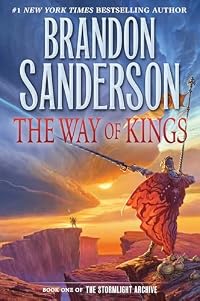
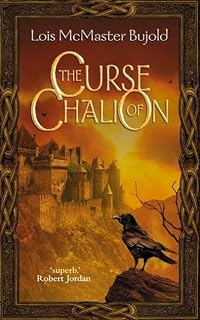
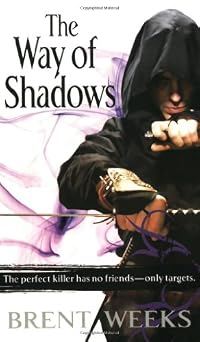
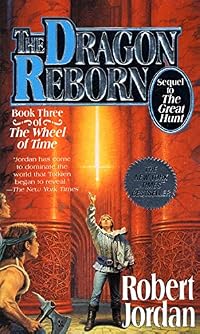



Member Recommendations

Member Reviews
This was so very disappointing. DNF on page 108
I think the biggest issue with this was the hype surrounding it. I went in expecting to astounded, to be completely and utterly blown away by the world and the characters. Instead, it was a whole lot of meh and some bad writing. I honestly do not see what 96% of people see. What on earth was good about this?
The dialogue was the biggest sin for me. Sanderson used my personal favorite method of conveying exposition, via dialogue, and somehow managed to fail completely at it. I could do better than he did. The only way for spoken exposition to work is entirely dependent on subtext. What the character says versus what they don't say. How they say it. Why they say it. What it says about them show more that they are the one saying it. What it says about them that they leave things out. What questions are answered in any given conversation and what new questions are unresolved. Dialogue isn't just to get info across about the world. It's to build characters and dynamics. It's the driving force of the narrative. None of it was done well.
It honestly felt like Sanderson was an overly enthusiastic DM who really wanted to tell about the cool lore he made, so he made a wiki about it and printed out the web pages. That's what the dialogue felt like. It said nothing about the characters conveying the information, except that they lacked personality. The unanswered questions lacked mystery and intrigue. I felt like I was playing the tutorial of an RPG and couldn't skip. It was mindnumbing.
The syntax of the dialogue was also bothersome. It felt anachronistic to me. Maybe I'm just pretentious, but I expect a certain level of...pretentiousness in my epic fantasy speech. These characters all spoke like normal, modern day people, with the occasional ~fancy~ word thrown in, just in case you forgot the setting.
The characters were forgettable. I only sort of liked one of them, Hrathen, and only because he had a hint of nuance. Most of them behaved like parodies of themselves, especially the king. Sarene was ridiculous and acted like a 90's feminist character. Raoden was too nice. Sometimes characters would just speak all their thoughts and motivations, usually to a Seon and usually Sarene, which just made them all seem like complete imbeciles. It would have been funny if it wasn't so annoying and unnatural. Again, a lack of subtext.
The world itself was alright. There were aspects of it that intrigued me, but not enough to continue reading on their merits alone. If I wanted a world without a story, I'd read his wiki. Overall, the world lacked presence. It didn't feel populated, didn't feel fully realized. It felt like the only people who existed were the people currently on the page, the only cities the ones currently being written about. This whole book took place in a proverbial white room and I hated it.
It just wasn't written well at all. It baffles me that this is so well-regarded because I feel like I was reading a different book than everyone else. Perhaps it's just because this was Sanderson's debut, but it was really bad. I'm not giving up on him, though, and hopefully his writing improves in later works. I am giving up on this book though. After the prologue, it was all downhill. show less
I think the biggest issue with this was the hype surrounding it. I went in expecting to astounded, to be completely and utterly blown away by the world and the characters. Instead, it was a whole lot of meh and some bad writing. I honestly do not see what 96% of people see. What on earth was good about this?
The dialogue was the biggest sin for me. Sanderson used my personal favorite method of conveying exposition, via dialogue, and somehow managed to fail completely at it. I could do better than he did. The only way for spoken exposition to work is entirely dependent on subtext. What the character says versus what they don't say. How they say it. Why they say it. What it says about them show more that they are the one saying it. What it says about them that they leave things out. What questions are answered in any given conversation and what new questions are unresolved. Dialogue isn't just to get info across about the world. It's to build characters and dynamics. It's the driving force of the narrative. None of it was done well.
It honestly felt like Sanderson was an overly enthusiastic DM who really wanted to tell about the cool lore he made, so he made a wiki about it and printed out the web pages. That's what the dialogue felt like. It said nothing about the characters conveying the information, except that they lacked personality. The unanswered questions lacked mystery and intrigue. I felt like I was playing the tutorial of an RPG and couldn't skip. It was mindnumbing.
The syntax of the dialogue was also bothersome. It felt anachronistic to me. Maybe I'm just pretentious, but I expect a certain level of...pretentiousness in my epic fantasy speech. These characters all spoke like normal, modern day people, with the occasional ~fancy~ word thrown in, just in case you forgot the setting.
The characters were forgettable. I only sort of liked one of them, Hrathen, and only because he had a hint of nuance. Most of them behaved like parodies of themselves, especially the king. Sarene was ridiculous and acted like a 90's feminist character. Raoden was too nice. Sometimes characters would just speak all their thoughts and motivations, usually to a Seon and usually Sarene, which just made them all seem like complete imbeciles. It would have been funny if it wasn't so annoying and unnatural. Again, a lack of subtext.
The world itself was alright. There were aspects of it that intrigued me, but not enough to continue reading on their merits alone. If I wanted a world without a story, I'd read his wiki. Overall, the world lacked presence. It didn't feel populated, didn't feel fully realized. It felt like the only people who existed were the people currently on the page, the only cities the ones currently being written about. This whole book took place in a proverbial white room and I hated it.
It just wasn't written well at all. It baffles me that this is so well-regarded because I feel like I was reading a different book than everyone else. Perhaps it's just because this was Sanderson's debut, but it was really bad. I'm not giving up on him, though, and hopefully his writing improves in later works. I am giving up on this book though. After the prologue, it was all downhill. show less
Honestly, this is closer to 3.5 stars. Main reasons it is not a 5: safe writing (no risk taking, not lively, overly measured pacing), Hrathen could have been one of the all-time greats of Fantasy, but he just comes in as a helluva character, instead. I think his story is immense and also if Sanderson wanted to work on prequels - this is the pivot point.
I recommend it to all fantasy readers. Its an above-average novel with plenty of soap opera moments and the pacing is slow enough to make you regret your choice in books by page 250. However, in for a penny-in for a pound, there are rewards to be had here and most soaps feel interminable, right?!
I recommend it to all fantasy readers. Its an above-average novel with plenty of soap opera moments and the pacing is slow enough to make you regret your choice in books by page 250. However, in for a penny-in for a pound, there are rewards to be had here and most soaps feel interminable, right?!
This is my fifth Cosmere novel, but Brandon Sanderson's first. I read Warbreaker first, and you can definitely see how Warbreaker is a rewriting of this: a city of gods who don't do anything, a princess in an arranged marriage arrives in a foreign city, the man she was to marry isn't what she thought, the princess recruits disaffected merchants to her cause in one-on-one meetings.
I liked Warbreaker better. The chapters here about the prince and the princess are okay, if plodding. (More on that in a bit.) But the chapters about the religious fanatic dude were interminably dull. You would think a Mormon would be able to write a religious fanatic with more nuance.
I think the big problem I am having with Brandon Sanderson novels is that show more they all feel very... incremental. A tiny bit of progress is made in each section, again and again and again. There are very rarely any big moments that seize you, it's just a very slow very steady climb to the end. There are things that should be big on the way, but something about the way he writes mean they never feel big; he doesn't seem to know how make the energy of the novel ebb and flow in a way that propels the reader forward. It's just plod plod plod until you get to the end—which as always is a totally uninteresting reveal about the magic system. Wow, the prince guy figured out how to write magic words! This is the kind of thing that in Le Guin would be the thematic, emotional, and character lynchpin of the novel... but here it's just a thing that explains all the elements of the "magic system" you never wanted explained to begin with. show less
I liked Warbreaker better. The chapters here about the prince and the princess are okay, if plodding. (More on that in a bit.) But the chapters about the religious fanatic dude were interminably dull. You would think a Mormon would be able to write a religious fanatic with more nuance.
I think the big problem I am having with Brandon Sanderson novels is that show more they all feel very... incremental. A tiny bit of progress is made in each section, again and again and again. There are very rarely any big moments that seize you, it's just a very slow very steady climb to the end. There are things that should be big on the way, but something about the way he writes mean they never feel big; he doesn't seem to know how make the energy of the novel ebb and flow in a way that propels the reader forward. It's just plod plod plod until you get to the end—which as always is a totally uninteresting reveal about the magic system. Wow, the prince guy figured out how to write magic words! This is the kind of thing that in Le Guin would be the thematic, emotional, and character lynchpin of the novel... but here it's just a thing that explains all the elements of the "magic system" you never wanted explained to begin with. show less
Tenía muy pendiente a este autor, no sabía con que libro comenzar y decidí leer este, su primer libro publicado y también muy alabado.
Absolutamente increíble, no es solamente la enorme calidad narrativa, sino también lo diferente que resulta esta historia épica con respecto a lo que normalmente leemos en este género.
Mientras que muchos autores de este género emulan fácilmente a J.J.R. Tolkien, quien puso sobre la mesa las bases sobre la novela de fantasía épica, Sanderson retoma las bases de la narrativa de fantasía y crea algo completamente diferente a lo generalizado, en esta edición, tanto la introducción como el prólogo, escritos por su editor y por un amigo escritor, comentan este hecho, pero no es hasta leerlo que show more puede uno darse cuenta perfectamente a que se refieren cuando hablan de lo diferente que resulta el género bajo la pluma de este escritor.
Me ha llamado la atención que Sanderson ha escrito una historia, sí, épica, sí, con personajes fantásticos e increíbles, pero que la verdadera lucha se encuentra en la religión, es la base de la historia, lo que genera el bien, el mal, la guerra y la búsqueda de poder político, pero no como poder político per se, sino en el hecho de contar con la fe de las personas convertirlas hacía una creencia cuando pertenecen a otra.
La cuestión es que Sanderson nunca propone cuál religión o creencia es mejor que otra, lo que propone es el poder que adquieren los líderes religiosos al tener más conversos, en lo que implica políticamente y socialmente, lo que llega a hacer un fanatismo en las personas.
Pero aún y cuando la base de la historia es la religión por supuesto la propuesta de Sanderson no se queda ahí, emula las clases sociales, las clases políticas, las luchas de poder y económicas, la segregación racial, el amor incondicional no al físico si no al ser, el aprender a ver más allá de la carcasa de una persona, la lealtad, el papel de las mujeres inteligentes en un mundo de hombres y muchas cosas que realmente son importantes y que han hecho de este libro algo digno de leerse.
Como he dicho, el estilo narrativo es absolutamente maravilloso y aunado a una historia increíblemente buena, original y diferente hace de este libro algo fuera de serie show less
Absolutamente increíble, no es solamente la enorme calidad narrativa, sino también lo diferente que resulta esta historia épica con respecto a lo que normalmente leemos en este género.
Mientras que muchos autores de este género emulan fácilmente a J.J.R. Tolkien, quien puso sobre la mesa las bases sobre la novela de fantasía épica, Sanderson retoma las bases de la narrativa de fantasía y crea algo completamente diferente a lo generalizado, en esta edición, tanto la introducción como el prólogo, escritos por su editor y por un amigo escritor, comentan este hecho, pero no es hasta leerlo que show more puede uno darse cuenta perfectamente a que se refieren cuando hablan de lo diferente que resulta el género bajo la pluma de este escritor.
Me ha llamado la atención que Sanderson ha escrito una historia, sí, épica, sí, con personajes fantásticos e increíbles, pero que la verdadera lucha se encuentra en la religión, es la base de la historia, lo que genera el bien, el mal, la guerra y la búsqueda de poder político, pero no como poder político per se, sino en el hecho de contar con la fe de las personas convertirlas hacía una creencia cuando pertenecen a otra.
La cuestión es que Sanderson nunca propone cuál religión o creencia es mejor que otra, lo que propone es el poder que adquieren los líderes religiosos al tener más conversos, en lo que implica políticamente y socialmente, lo que llega a hacer un fanatismo en las personas.
Pero aún y cuando la base de la historia es la religión por supuesto la propuesta de Sanderson no se queda ahí, emula las clases sociales, las clases políticas, las luchas de poder y económicas, la segregación racial, el amor incondicional no al físico si no al ser, el aprender a ver más allá de la carcasa de una persona, la lealtad, el papel de las mujeres inteligentes en un mundo de hombres y muchas cosas que realmente son importantes y que han hecho de este libro algo digno de leerse.
Como he dicho, el estilo narrativo es absolutamente maravilloso y aunado a una historia increíblemente buena, original y diferente hace de este libro algo fuera de serie show less
Possibly my favorite book by Brandon Sanderson, Elantris is a fast-paced, entertaining read. Unlike some of Sanderson's other works, Elantris is a stand-alone, and it leaves nothing wanting. The story takes place in a well-imagined world of political intrigue and magical mysteries, and the plot moves along at a brisk pace. While it's true that some plot elements may seem a bit contrived - or else just incredibly convenient - and the morals of the story are delivered with a less-than-subtle hand, the book kept me entertained and interested from cover to cover. It's perfect for anyone interested in a well-written stand-alone novel.
"I have found reason to become very religious lately." Ch 17, Pg 258
"It’s just hard to separate my personal self from my political self." Ch 35, Pg 442
Elantris is no masterpiece, but it is unique, and I love that. If you come to Elantris expecting an action heavy fantasy story like Mistborn, then this book will probably leave you wanting more. This book is more of a political drama in a unique fantasy setting. While I don't believe Elantris is for everyone, it is perfect for me.
Sanderson himself, and a few others online have noted that this book isn't his best writing, and I can see that, but only because I was looking for it. The good news is that there is not anything that is unforgivable. The only issue I have with the writing show more itself is that some of the narrative setups for major events in the plot could have been moved to an earlier place in the book to feel more natural, and also have more impact, but it is not a major issue for me. This is something that Sanderson not only improved by the time he wrote Mistborn, but this is something he mastered by the time he wrote Mistborn.
Now this is the part where I am become woke. Elantris should be escapist fantasy, but it's themes are more real and relevant than ever. This book should not be politically relevant, but it is. I don't think Elantris is deep by any means, but why is it a mirror to current events? Elantris' plot centers around the city of Elantris under a form of an apartheid regime, where no food or supplies ever goes in. Elantris is a literal open air prison. In the city of Kae, which surrounds the city of Elantris, there is a culture where they have normalized that anybody can be 'disappeared' and thrown into Elantris at any time, and no one talks about it. Religious extremists are dehumanizing the people of Elantris as a means to gain political power and colonize the nation of Arelon. The government of Arelon is a system where a person's wealth and material capital is directly related to their influence on the government. There is a group of the political elite secretly organizing into a vanguard to overthrow the current political systems and establish a more fair and equitable society. In Elantris, there is a literal commune where a classless and moneyless society is built off of the principles of mutual aid, and a positive belief about the good of humanity. Among a few other potent, and relevant themes. In Mistborn, there are a few themes that are similar, but it didn't seem like the story was focused around these elements. But with the quantity of all of these elements appearing together in Elantris, it is clearly intentional. Like Jesus Christ Sanderson, I was kind of feeling your messaging in Mistborn about religion, reason and prophecy, but goddamn dude... I didn't know you would pop off like this with such a stark political message... and this is Sanderson's first published book. And the thing is, Elantris doesn't really educate or scold it's audience into accepting the books messaging as the good and moral political position you should take. It doesn't say "this is a horrible thing, and it happens in the real world, and you should do something about it." Elantris just shows you horrible things, and if you have any empathy, then you are naturally inclined to side with the motivations of the main characters to seek justice for the horrible things that are happening... and takes the risk to have the reader to make the real world connections, instead of the book making the connections for them. This is the type of book that is 1000% woke, but it doesn't tell you that it is woke.
Here are a few quotes that were quite touching.
"Sarene calmed herself; force would never work with Eventeo. “Father,” she said, letting love and respect sound in her voice, “you taught me to be bold. You made me into something stronger than the ordinary. At times I cursed you, but mostly I blessed your encouragement. You gave me the liberty to become myself. Would you deny that now by taking away my right to choose?”
Her father’s white head hung silently in the dark room.
“Your lessons won’t be complete until you let go, Father,” Sarene said quietly. “If you truly believe the ideals that you gave me, then you will allow me to make this decision." Ch. 41, Pg 483.
"There, in the center of the most cursed city in the world, Spirit had constructed a society that exemplified Korathi teachings. The church taught of the blessings of unity; it was ironic that the only people who practiced such ideals were those who had been damned" Ch. 50, Pg. 534"
Title: Elantris
Series: Elantris
Order:
Author/Editor: Brandon Sanderson
Note (Accolades):
Genre/Subject: Fantasy, Cosmere
Pages: 638
Owned/Platform: Epub
Excitement: 7
Rating: 7
How did I hear about it: First published book of Brandon Sanderson's. It was recommended to read after Mistborn, according to a few different reading order lists online.
Finished: Yes
Read over the course of: A month or so
Date Finished: Tue, Jul 15, 2025
Reason Finished: Needing an entertaining book among my more rigorous books, and wanting to see the deeper story behind all of Sanderson's books.
Reason Dropped:
Expectations: Exceeded
Pacing Feel: Just Right
Style: Narrative
Worth My Time: Yes show less
"It’s just hard to separate my personal self from my political self." Ch 35, Pg 442
Elantris is no masterpiece, but it is unique, and I love that. If you come to Elantris expecting an action heavy fantasy story like Mistborn, then this book will probably leave you wanting more. This book is more of a political drama in a unique fantasy setting. While I don't believe Elantris is for everyone, it is perfect for me.
Sanderson himself, and a few others online have noted that this book isn't his best writing, and I can see that, but only because I was looking for it. The good news is that there is not anything that is unforgivable. The only issue I have with the writing show more itself is that some of the narrative setups for major events in the plot could have been moved to an earlier place in the book to feel more natural, and also have more impact, but it is not a major issue for me. This is something that Sanderson not only improved by the time he wrote Mistborn, but this is something he mastered by the time he wrote Mistborn.
Now this is the part where I am become woke. Elantris should be escapist fantasy, but it's themes are more real and relevant than ever. This book should not be politically relevant, but it is. I don't think Elantris is deep by any means, but why is it a mirror to current events? Elantris' plot centers around the city of Elantris under a form of an apartheid regime, where no food or supplies ever goes in. Elantris is a literal open air prison. In the city of Kae, which surrounds the city of Elantris, there is a culture where they have normalized that anybody can be 'disappeared' and thrown into Elantris at any time, and no one talks about it. Religious extremists are dehumanizing the people of Elantris as a means to gain political power and colonize the nation of Arelon. The government of Arelon is a system where a person's wealth and material capital is directly related to their influence on the government. There is a group of the political elite secretly organizing into a vanguard to overthrow the current political systems and establish a more fair and equitable society. In Elantris, there is a literal commune where a classless and moneyless society is built off of the principles of mutual aid, and a positive belief about the good of humanity. Among a few other potent, and relevant themes. In Mistborn, there are a few themes that are similar, but it didn't seem like the story was focused around these elements. But with the quantity of all of these elements appearing together in Elantris, it is clearly intentional. Like Jesus Christ Sanderson, I was kind of feeling your messaging in Mistborn about religion, reason and prophecy, but goddamn dude... I didn't know you would pop off like this with such a stark political message... and this is Sanderson's first published book. And the thing is, Elantris doesn't really educate or scold it's audience into accepting the books messaging as the good and moral political position you should take. It doesn't say "this is a horrible thing, and it happens in the real world, and you should do something about it." Elantris just shows you horrible things, and if you have any empathy, then you are naturally inclined to side with the motivations of the main characters to seek justice for the horrible things that are happening... and takes the risk to have the reader to make the real world connections, instead of the book making the connections for them. This is the type of book that is 1000% woke, but it doesn't tell you that it is woke.
Here are a few quotes that were quite touching.
"Sarene calmed herself; force would never work with Eventeo. “Father,” she said, letting love and respect sound in her voice, “you taught me to be bold. You made me into something stronger than the ordinary. At times I cursed you, but mostly I blessed your encouragement. You gave me the liberty to become myself. Would you deny that now by taking away my right to choose?”
Her father’s white head hung silently in the dark room.
“Your lessons won’t be complete until you let go, Father,” Sarene said quietly. “If you truly believe the ideals that you gave me, then you will allow me to make this decision." Ch. 41, Pg 483.
"There, in the center of the most cursed city in the world, Spirit had constructed a society that exemplified Korathi teachings. The church taught of the blessings of unity; it was ironic that the only people who practiced such ideals were those who had been damned" Ch. 50, Pg. 534"
Title: Elantris
Series: Elantris
Order:
Author/Editor: Brandon Sanderson
Note (Accolades):
Genre/Subject: Fantasy, Cosmere
Pages: 638
Owned/Platform: Epub
Excitement: 7
Rating: 7
How did I hear about it: First published book of Brandon Sanderson's. It was recommended to read after Mistborn, according to a few different reading order lists online.
Finished: Yes
Read over the course of: A month or so
Date Finished: Tue, Jul 15, 2025
Reason Finished: Needing an entertaining book among my more rigorous books, and wanting to see the deeper story behind all of Sanderson's books.
Reason Dropped:
Expectations: Exceeded
Pacing Feel: Just Right
Style: Narrative
Worth My Time: Yes show less
9/10
A little uneven in pacing, but engaging characters, a unique world, more political maneuvering and subterfuge than magic, and a wider story that the author hints at but does not fully explore make this book into one of my favorite reads this year.
A little uneven in pacing, but engaging characters, a unique world, more political maneuvering and subterfuge than magic, and a wider story that the author hints at but does not fully explore make this book into one of my favorite reads this year.
Members
- Recently Added By
Published Reviews
ThingScore 90
The author's skill at turning conventional fantasy on its head produces a tale filled with surprising twists and turns and a conclusion both satisfying and original.
added by Katya0133
A cut above the same-old, but hardly a classic.
added by Katya0133
A surprisingly satisfying, single-volume epic fantasy that invokes a complex, vibrant world.
added by Katya0133
Lists

Best Fantasy Novels
821 works; 361 members

Religion in Fantasy and Horror
38 works; 9 members

Princess Tales
130 works; 4 members

Top Five Books of 2016
795 works; 228 members

Best-selling Books by Latter-day Saints
58 works; 2 members

Books read in 2015
213 works; 5 members

Books Read in 2016
4,666 works; 197 members

Books Read in 2018
4,360 works; 110 members

Books Read in 2020
4,379 works; 124 members

Books Read in 2021
5,361 works; 113 members

Books Read in 2013
1,630 works; 51 members

Books Read in 2024
4,623 works; 126 members

Books Read in 2025
4,090 works; 97 members
Talk Discussions
Past Discussions
Book Discussion: Elantris Conclusion! Chapter 31 - The End in The Green Dragon (August 2012)
Chat about... Elantris by Brandon Sanderson in The SF&F Book Chat (August 2011)
Book Discussion: Elantris Prologue - Chapter 15 in The Green Dragon (March 2008)
Book Discussion: Elantris Chapters 16 - 30 in The Green Dragon (May 2007)
Author Information

Brandon Sanderson was born on December 19, 1975 in Lincoln, Nebraska. He received a bachelor's degree in English and a master's degree in creative writing from Brigham Young University. His first book, Elantris, was published in 2005. His other works include the Mistborn series, the Stormlight Archive series, Alcatraz Versus the Evil Librarians show more series, and the Reckoners series. In 2007, he was chosen by Harriet Rigney to complete A Memory of Light, book twelve in Robert Jordan's Wheel of Time series. He has continued the series with Towers of Midnight and A Memory of Light. In 2018 his title, White Sand Volume 2, made the Best Seller List. (Bowker Author Biography) show less

Brandon Sanderson is a LibraryThing Author, an author who lists their personal library on LibraryThing.
Some Editions
Awards and Honors
Series

Work Relationships
Common Knowledge
- Canonical title
- Elantris
- Original title
- Elantris
- Alternate titles
- Elantris: Tenth Anniversary Author's Definitive Edition
- Original publication date
- 2005-04-21
- People/Characters
- Raoden; Sarene; Hrathen; Galladon; Telrii; Iadon (show all 31); Dilaf; Kiin [Elantris]; Roial; Karata; Ahan; Eondel; Eventeo [Elantris]; Shuden; Aanden; Adien; Ashe [Elantris]; Daora; Daorn; Elao; Eshen; Fjon; Jalla [Elantris]; Lukel; Ketol; Kaise; Mareshe; Maare; Riil; Saolin; Shaor
- Important places
- Elantris; Arelon
- Important events
- Reod
- Dedication
- Dedicated to my mother,
Who wanted a doctor,
Ended up with a writer,
But loved him enough not to complain
(Very much). - First words
- Elantris was beautiful, once.
- Last words
- (Click to show. Warning: May contain spoilers.)He was our savior.
- Publisher's editor
- Feder, Moshe
- Blurbers
- Card, Orson Scott; Farland, David; Anderson, Kevin J.; Modesitt, L. E., Jr.; Kurtz, Katherine
- Original language
- English
- Canonical DDC/MDS
- 813.6
- Canonical LCC
- PS3619.A533
Classifications
Statistics
- Members
- 8,248
- Popularity
- 1,337
- Reviews
- 282
- Rating
- (4.02)
- Languages
- 15 — Catalan, Chinese, Czech, Dutch, English, French, German, Hungarian, Italian, Polish, Portuguese, Romanian, Russian, Spanish, Turkish
- Media
- Paper, Audiobook, Ebook
- ISBNs
- 68
- ASINs
- 32