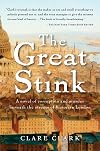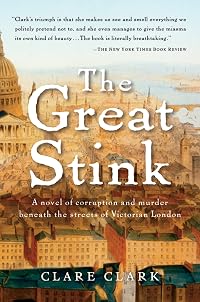
The Great Stink
by Clare Clark
On This Page
Description
Returning home from the battlefields of 1855 Crimea, William May struggles to recover from his experiences by working on London's new sewer system, a job that is compromised by a murder accusation that strains his tenuous hold on sanity.Tags
Recommendations
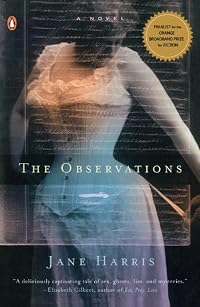
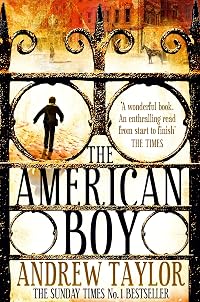

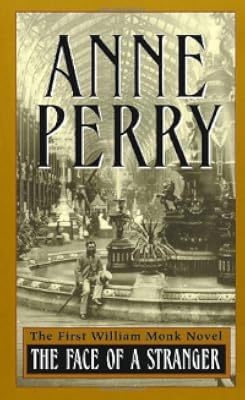
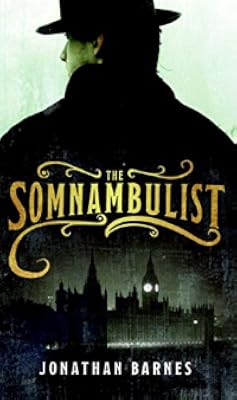







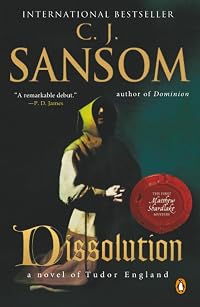
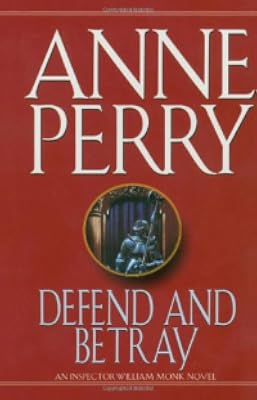
Member Recommendations

by Camaho
Member Reviews
first line: "Where the channel snaked to the right it was no longer possible to stand upright, despite the abrupt drop in the gradient."
This book gets really really dark in places. (Of course, I suppose one should expect that anything titled The Great Stink isn't likely to pull any punches....) The main characters are William (a PTSD-suffering veteran of the Crimean War) and Tom (one of London's poor, who makes his living collecting rats from the sewers and selling them for dog fights), whose paths cross briefly but significantly. There's a sort of Dickensian-Gothic sensibility to this novel, which is often quite disturbing (particularly to anyone sensitive to themes of self-mutilation or animal cruelty) but ultimately satisfying.
This book gets really really dark in places. (Of course, I suppose one should expect that anything titled The Great Stink isn't likely to pull any punches....) The main characters are William (a PTSD-suffering veteran of the Crimean War) and Tom (one of London's poor, who makes his living collecting rats from the sewers and selling them for dog fights), whose paths cross briefly but significantly. There's a sort of Dickensian-Gothic sensibility to this novel, which is often quite disturbing (particularly to anyone sensitive to themes of self-mutilation or animal cruelty) but ultimately satisfying.
I hope no reader would pick up Clare Clark's The Great Stink and expect sweetness and light. You'll get none of it. This is a well-written descent into the very depths of depravity, even if it's sometimes too heavy on the gory details (this is not a book to be read during mealtimes).
Combining a murder mystery with a Dickensian (the adjective if overused, but when the shoe fits, it must be worn) legal wrangle, Clark writes as crisply and vividly about the intricate details of London's early Victorian sewer development and the associated bureaucratic nightmares as she does about the intimate and disturbing aspects of her characters' lives (her main character, William May, is a Crimean War vet manifesting very severe symptoms of what would show more probably be diagnosed now as PTSD).
While somewhat predictable in terms of plot, Clark's writing style makes this very much worth a read. But don't say I didn't warn you - this is not for the queasy. Several times I had to put it away for a day or two in favor of something more pleasant. But when I finished it, I was glad to have done so.
http://philobiblos.blogspot.com/2008/08/book-review-great-stink.html show less
Combining a murder mystery with a Dickensian (the adjective if overused, but when the shoe fits, it must be worn) legal wrangle, Clark writes as crisply and vividly about the intricate details of London's early Victorian sewer development and the associated bureaucratic nightmares as she does about the intimate and disturbing aspects of her characters' lives (her main character, William May, is a Crimean War vet manifesting very severe symptoms of what would show more probably be diagnosed now as PTSD).
While somewhat predictable in terms of plot, Clark's writing style makes this very much worth a read. But don't say I didn't warn you - this is not for the queasy. Several times I had to put it away for a day or two in favor of something more pleasant. But when I finished it, I was glad to have done so.
http://philobiblos.blogspot.com/2008/08/book-review-great-stink.html show less
William May returns to England after having served in the Crimea and starts to work as a surveyor for the Metropolitan Board of Works, charged with the construction of a modern sewer system for London. Haunted by his own demons, he retreats to the underground tunnels where he feels safe and commits terrible acts of self-harm. Declared insane and framed for murder, it falls to a young, inexperienced lawyer to exonerate him.
From the first page the reader is thrown headlong into the secret world of the sewers of London with descriptions that bring the nauseating, claustrophobic conditions alive. Also within the first chapter, we are exposed to William's secret of deliberately cutting himself to extinguish the memories of the war and the show more appalling conditions in the field hospital in Scutari. Personally, I found these passages quite harrowing to read but they set the scene for the rest of the novel and if you can stomach the often graphic descriptions of the filth, squalor and gore both below and above ground, you will be rewarded with a novel that will open your eyes to the terrible living conditions during that time of Victorian England and you will never read another historical novel again without remembering the vision, ingenuity and determination of Joseph Bazalgette.
Meticulously researched and with wonderfully descriptive, evocative prose, Clare Clark's debut novel is astonishingly assured and its characters entirely believable and real, even though I found the appearance of the lawyer resembling a little bit too much a caricature straight out of Dickens. Don't expect this to be a historical murder mystery novel like I did when I picked it up; the first time you learn that there has even been a murder is on page 168, almost halfway through the novel, and it was not difficult to guess the identity of the murderer; I think the synopsis on the front cover is slightly misleading because I don't think that Clare Clark had intended to write that sort of book. In my opinion the novel is too bogged down with detail in places and would have benefited from some judicious editing but it was certainly time well spent, a valuable history lesson and I'm sure you will agree that you'll never read another novel like this again. show less
From the first page the reader is thrown headlong into the secret world of the sewers of London with descriptions that bring the nauseating, claustrophobic conditions alive. Also within the first chapter, we are exposed to William's secret of deliberately cutting himself to extinguish the memories of the war and the show more appalling conditions in the field hospital in Scutari. Personally, I found these passages quite harrowing to read but they set the scene for the rest of the novel and if you can stomach the often graphic descriptions of the filth, squalor and gore both below and above ground, you will be rewarded with a novel that will open your eyes to the terrible living conditions during that time of Victorian England and you will never read another historical novel again without remembering the vision, ingenuity and determination of Joseph Bazalgette.
Meticulously researched and with wonderfully descriptive, evocative prose, Clare Clark's debut novel is astonishingly assured and its characters entirely believable and real, even though I found the appearance of the lawyer resembling a little bit too much a caricature straight out of Dickens. Don't expect this to be a historical murder mystery novel like I did when I picked it up; the first time you learn that there has even been a murder is on page 168, almost halfway through the novel, and it was not difficult to guess the identity of the murderer; I think the synopsis on the front cover is slightly misleading because I don't think that Clare Clark had intended to write that sort of book. In my opinion the novel is too bogged down with detail in places and would have benefited from some judicious editing but it was certainly time well spent, a valuable history lesson and I'm sure you will agree that you'll never read another novel like this again. show less
Review: The Great Stink by Clare Clark
Well, not what I expected. After a slow start, I got through the obtrusive prominent smell, slimy gooey underground walls and walking through brown dirty mud and dodging floating live and dead rats through the twist and turns of the sewer system below London. I recuperated and adjusted to the story and have to say the plot, characters, murder and crimes were well organized, developed and interesting. After saying that, I did end up enjoying the book. I think it was the bowels (no pun intended) of London’s low class area atmosphere that kept me reading.
The story starts out telling about how a Russian soldier knifes William May during the Crimean War and how when William came home it left him show more suffering from depression, fatigue and in a needy state. Another soldier, Robert Rawlinson took in interest in William’s cause and helped him get a job as a surveyor working on the sewer project under London’s city. William had another problem that he took to the sewer tunnels with him. He had begun to cut himself whenever the pains of emotional war events haunted him unjustly, almost on a daily rate. Despite his affliction, William was a highly educated young man with a wife, a son and another child on the way. Things really started to go bad for him when a senior engineer asked him to take a bribe from one of the brick makers and overlook some of the materials that were being used and William declined. So the engineer set out to ruin William May. After that he started acting strange and his wife thought he was crazy and planned to leave him.
The author goes back and forth between May’s dilemma and that of another character named, “Long Arm Tom“, a suitable business man who sold live rats he got from the sewers. His partner in crime was a little white dog named, Lady. There was a vile undertaking event that went on in the back rooms of some of the establishments where Tom sold his rats. Then Tom himself also gets himself in a bit of a mess. However, Tom is shrewd and sets out for revenge….and as the story unfolds there is a smooth high class villain in the crowd, a murder takes place, blackmail in the sewers of London, a ship in the cove that manifest a prison of uncouth slimy characters, a fist time low-end lawyer trying to break his first time case wide open, and a criminal brought to justice or is he…?
Some of the scatological description of William’s afflictions and gruesome travels through the sewers might bother some and the story lags in a few places but the scenes between Tom and Lady his heartwarming. There is plenty of stink scenario’s to read about, events to unfold, and a mystery to be solve so go to the sewers Of London and hang around for awhile…. show less
Well, not what I expected. After a slow start, I got through the obtrusive prominent smell, slimy gooey underground walls and walking through brown dirty mud and dodging floating live and dead rats through the twist and turns of the sewer system below London. I recuperated and adjusted to the story and have to say the plot, characters, murder and crimes were well organized, developed and interesting. After saying that, I did end up enjoying the book. I think it was the bowels (no pun intended) of London’s low class area atmosphere that kept me reading.
The story starts out telling about how a Russian soldier knifes William May during the Crimean War and how when William came home it left him show more suffering from depression, fatigue and in a needy state. Another soldier, Robert Rawlinson took in interest in William’s cause and helped him get a job as a surveyor working on the sewer project under London’s city. William had another problem that he took to the sewer tunnels with him. He had begun to cut himself whenever the pains of emotional war events haunted him unjustly, almost on a daily rate. Despite his affliction, William was a highly educated young man with a wife, a son and another child on the way. Things really started to go bad for him when a senior engineer asked him to take a bribe from one of the brick makers and overlook some of the materials that were being used and William declined. So the engineer set out to ruin William May. After that he started acting strange and his wife thought he was crazy and planned to leave him.
The author goes back and forth between May’s dilemma and that of another character named, “Long Arm Tom“, a suitable business man who sold live rats he got from the sewers. His partner in crime was a little white dog named, Lady. There was a vile undertaking event that went on in the back rooms of some of the establishments where Tom sold his rats. Then Tom himself also gets himself in a bit of a mess. However, Tom is shrewd and sets out for revenge….and as the story unfolds there is a smooth high class villain in the crowd, a murder takes place, blackmail in the sewers of London, a ship in the cove that manifest a prison of uncouth slimy characters, a fist time low-end lawyer trying to break his first time case wide open, and a criminal brought to justice or is he…?
Some of the scatological description of William’s afflictions and gruesome travels through the sewers might bother some and the story lags in a few places but the scenes between Tom and Lady his heartwarming. There is plenty of stink scenario’s to read about, events to unfold, and a mystery to be solve so go to the sewers Of London and hang around for awhile…. show less
A murder ... in the sewers ... of old London town. Don't rely on the blurb of the back of the book, there is so much more to this book than a simple murder investigation. In fact at one point I wasn't even sure if a murder had taken place! (I've said too much ...)
This was a book club choice and some of the common complaints when we reviewed it were; the pace was too slow, the characters were not believable, it was more of a history book than a novel and (horror of horrors) it could be considerably shortened to get the same effect. I'd disagree (though I concede that there is a lot of history in there, Clare Clark has done a lot of research), the historical aspect of this novel makes it come alive, every detail (and I do mean EVERY show more detail(!!) - remember this is a book where a lot of the action is set in sewers) is so fully described you feel transported to Victorian London. I also felt the pace to be just right as Clare was concentrating on a small area / number of people within her story, she stayed with them and we build up a wonderful picture of the protagonist William May, a veteran from the Crimean War who escapes to the underground to work (and to cut himself to make himself feel alive again) away from people and the memories of the war. And of 'Long Arm Tom' who makes his living in the sewers collecting rats and ... I'm painting a grim picture here aren't I?
Suffice to say the story builds to the ending with the wrong man imprisoned in a prison barge in scenes very reminiscent of Dickens ... does truth and justice prevail? I'll leave it to you to find out. Fans of historical fiction will love this book about a not widely written about area of London and history. show less
This was a book club choice and some of the common complaints when we reviewed it were; the pace was too slow, the characters were not believable, it was more of a history book than a novel and (horror of horrors) it could be considerably shortened to get the same effect. I'd disagree (though I concede that there is a lot of history in there, Clare Clark has done a lot of research), the historical aspect of this novel makes it come alive, every detail (and I do mean EVERY show more detail(!!) - remember this is a book where a lot of the action is set in sewers) is so fully described you feel transported to Victorian London. I also felt the pace to be just right as Clare was concentrating on a small area / number of people within her story, she stayed with them and we build up a wonderful picture of the protagonist William May, a veteran from the Crimean War who escapes to the underground to work (and to cut himself to make himself feel alive again) away from people and the memories of the war. And of 'Long Arm Tom' who makes his living in the sewers collecting rats and ... I'm painting a grim picture here aren't I?
Suffice to say the story builds to the ending with the wrong man imprisoned in a prison barge in scenes very reminiscent of Dickens ... does truth and justice prevail? I'll leave it to you to find out. Fans of historical fiction will love this book about a not widely written about area of London and history. show less
A simple enough story, a murder mystery set in the dark and distasteful underbelly - literally - of Victorian London, but the reading of it is made laborious by the slack plot and plodding pace. The characters are vivid and complex enough to illustrate the different strata of society, from Tom the sewer scavenger ('tosher') to William May, an engineer working on the design of Bazalgette's great London sewer network, but none wholly convince; Tom and his cronies verge on Cockney caricatures, whilst May's erratic mental and emotional problems feel unresolved at the close of the story. As a secondary character, Sydney Rose, May's lawyer, is the most genuine and appealing figure in the novel, yet his purpose is solely practical and his show more absence too sudden and unexplained.
The atmosphere is evocative of nineteenth century London, and the language suitably Victorian, but the setting and the suspense are left too long to fester without progressing the story - a tighter pace would have improved this novel, as would a more satisfactory denouement (eventually explained in retrospect, instead of following through with the building tension of Rose's investigation).
I am tempted to read more about the facts of Bazalgette's great plan, however! Recommended by www.fictionalcities.co.uk show less
The atmosphere is evocative of nineteenth century London, and the language suitably Victorian, but the setting and the suspense are left too long to fester without progressing the story - a tighter pace would have improved this novel, as would a more satisfactory denouement (eventually explained in retrospect, instead of following through with the building tension of Rose's investigation).
I am tempted to read more about the facts of Bazalgette's great plan, however! Recommended by www.fictionalcities.co.uk show less
A sympathetic but flawed protagonist, a good mystery plot and a fascinating setting. Clark is a very good writer as well, and some of her paragraphs reward repeated reading just for their sheer artistry.
Members
- Recently Added By
Author Information

7 Works 2,020 Members
Some Editions
Awards and Honors
Common Knowledge
- Canonical title
- The Great Stink
- Original title
- The Great Stink
- Original publication date
- 2005
- People/Characters
- William May; Long Arm Tom
- Important places
- London, England, UK
- Important events
- Great Stink
- Dedication
- For Chris, always
- First words
- Where the channel snaked to the right it was no longer possible to stand upright, despite the abrupt drop in the gradient.
- Last words
- (Click to show. Warning: May contain spoilers.)The first bloom of spring.
Classifications
Statistics
- Members
- 743
- Popularity
- 38,035
- Reviews
- 20
- Rating
- (3.45)
- Languages
- 5 — Dutch, English, German, Italian, Portuguese
- Media
- Paper, Audiobook, Ebook
- ISBNs
- 22
- ASINs
- 6