On This Page
Description
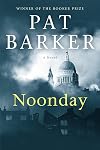
"A new novel from the Booker Prize winning Pat Barker, author of the Regeneration Trilogy, that unforgettably portrays London during the Blitz (her first portrayal of World War II) and reconfirms her place in the very top rank of British novelists. London, the Blitz, Autumn 1940. As the bombs fall on the blacked-out city, ambulance driver Elinor Brooke races from bomb sites to hospitals trying to save the lives of injured survivors, working alongside former friend Kit Neville, while her show more husband Paul Tarrant works as an air-raide warden. Once fellow students at the Slade School of Fine Art before the First World War destroyed the hopes of their generation, they now find themselves caught in another war, this time at home. As the bombing intensifies, the constant risk of death makes all three reach out for quick consolation. And into their midst comes the spirit medium Bertha Mason, grotesque and unforgettable, whose ability to make contact with the deceased finds vastly increased demands as death rains down from the skies. Old loves and obsessions resurface until Elinor is brought face to face with an almost impossible choice. Completing the story of Elinor Brooke, Paul Tarrant and Kit Neville begun with Life Class and continued with Toby's Room, Noonday is both a stand-alone novel and the climax of a trilogy. Writing about the Second World War for the first time, Pat Barker brings the besieged and haunted city of London into electrifying life in her most powerful novel since the Regeneration trilogy"-- show lessTags
Recommendations


































Member Recommendations


Member Reviews
Noonday is the third book in Pat Barker’s second war trilogy – which began with Life Class and Toby’s Room. The first two novels followed three young artists in the years immediately before, during and after the First World War. In Noonday we meet these characters again in middle age as bombs rain down on England during the autumn of 1940. I particularly loved Toby’s Room; although ridiculously I had forgotten the very end – and had to look it up on Wikipedia (wiki is great for spoiler littered plot summaries). However, I think Noonday would stand up perfectly well on its own, but I do think my reading was enhanced by having read and enjoyed the first two volumes.
Elinor Brooke (still using her maiden name professionally) is show more married to Paul Tarrant, they haven’t had children and as the novel begins Elinor is staying in the country with her sister Rachel, while their mother is dying. Rachel (critical and traditional as ever) and her husband have an evacuee Kenny from London staying with them, although have done little to make him feel welcome. Kenny feels particularly drawn to Paul, the one person who has shown him sympathy, so when during one of Paul’s visits, and following a particularly bad raid over London, Kenny begs him to take him home to find his mother. It seems already, even as early into the war as 1940 people were bringing their children home in large numbers. Paul helps Kenny find his mother, among the bomb damage and chaos of the East End, worrying whether he has done the right thing exposing the boy to such risk.
“Kenny looked around him. ‘it’s all gone’
Paul opened his mouth, but had no idea what to say. He was about to suggest that Kenny should come back inside the house, when at the far end of the street, they saw a woman walking towards them with a baby in her arms. Kenny ran towards her shouting, ‘Mam! Mam!’ she stopped, but then came on no more quickly. Her clothes were black and torn, her face blackened too. She might even be burnt, Paul thought. At any rate she’d lost her eyebrows. She looked dully at Kenny. ‘Oh it’s you.’”
london blitzBack in London Elinor is working as an ambulance driver, alongside her old friend Kit Neville, with whom relations have been a little strained since Elinor’s brother’s death in WW1. In the years since then Kit married Elinor’s best friend and spent several years in America before his divorce. With Paul working as an air raid warden, the three are well placed to view the daily devastation, loss and horror of the nightly raids upon the capital. Paul, Elinor and Kit are of that unlucky generation whose hopes, dreams and youth were effectively destroyed by the First World War, they fought, they lost loved ones, and they came home bearing the scars, physical and mental. The art the three created during that war made their names; they have become well established within the art world, and Elinor asked to become an official war artist, decides to paint the truth, not a sanitised version of it. Now more than twenty years later they are caught up in another war, a war which inevitably brings back memories of that earlier conflict, opens old wounds, and tests their relationships with one another to the limit. Old passions, griefs and obsessions come bubbling to the surface again.
What Pat Barker does so very brilliantly is to explore with devastating authenticity the nightmare that London became, a nightly hell almost unimaginable. Each new day showing newly created spaces where houses once stood, the last of the bodies cleared away, as Londoners try to carry on with their difficult lives. Pat Barker’s war ravaged London is an uncomfortable place to be, forget the stories of sing songs in shelters, and sharing of cocoa, this a place where children die, a place where people wander traumatised and heartbroken through the wreckage of their homes, I think we can all understand how anchorless we would feel if our home was suddenly gone. Part of Elinor’s story is told in diary form in which she describes beautifully how the loss of her own home makes her feel.
“I miss my house. It’s like grief for a person- an actual physical craving – and yes, I know it’s only bricks and mortar and it shouldn’t matter when every day – or rather every night- so many more important things are being lost. Lives, for God’s sake. And yet I can’t talk myself out of it. There’s a particular place – was a particular place – at the bottom of the basement stairs. You turn left and there’s a small window looking out on to the back garden and it has a cupboard underneath. I used to keep a jug of flowers there. We bought the jug in Deià, very cheap, but beautiful, and the flowers came from the garden in summer, in winter it was twigs and leaves, hemlock, I used to get it from the river bank here, catkins… Nothing cost more than a few pennies, but in that particular place, at particular times of day – late afternoon when the sun struck the window at a slight angle and shone through the leaves, delineating every vein on every leaf, it was perfection.”
We meet Bertha Mason, newly released from prison, a medium, who Paul comes across on several occasions, a ward maid in a hospital, her spiritualist evenings are packed with the bereaved. Bertha is an enormous woman, a foul mouthed northerner; she carries the dead with her.
I really think Noonday is quite brilliant, every bit as powerful as much of Pat Barker’s famous Regeneration trilogy. Noonday is the first novel of Barker’s which chronicles the Second World War, and it does so with breath-taking honesty and realism. show less
Elinor Brooke (still using her maiden name professionally) is show more married to Paul Tarrant, they haven’t had children and as the novel begins Elinor is staying in the country with her sister Rachel, while their mother is dying. Rachel (critical and traditional as ever) and her husband have an evacuee Kenny from London staying with them, although have done little to make him feel welcome. Kenny feels particularly drawn to Paul, the one person who has shown him sympathy, so when during one of Paul’s visits, and following a particularly bad raid over London, Kenny begs him to take him home to find his mother. It seems already, even as early into the war as 1940 people were bringing their children home in large numbers. Paul helps Kenny find his mother, among the bomb damage and chaos of the East End, worrying whether he has done the right thing exposing the boy to such risk.
“Kenny looked around him. ‘it’s all gone’
Paul opened his mouth, but had no idea what to say. He was about to suggest that Kenny should come back inside the house, when at the far end of the street, they saw a woman walking towards them with a baby in her arms. Kenny ran towards her shouting, ‘Mam! Mam!’ she stopped, but then came on no more quickly. Her clothes were black and torn, her face blackened too. She might even be burnt, Paul thought. At any rate she’d lost her eyebrows. She looked dully at Kenny. ‘Oh it’s you.’”
london blitzBack in London Elinor is working as an ambulance driver, alongside her old friend Kit Neville, with whom relations have been a little strained since Elinor’s brother’s death in WW1. In the years since then Kit married Elinor’s best friend and spent several years in America before his divorce. With Paul working as an air raid warden, the three are well placed to view the daily devastation, loss and horror of the nightly raids upon the capital. Paul, Elinor and Kit are of that unlucky generation whose hopes, dreams and youth were effectively destroyed by the First World War, they fought, they lost loved ones, and they came home bearing the scars, physical and mental. The art the three created during that war made their names; they have become well established within the art world, and Elinor asked to become an official war artist, decides to paint the truth, not a sanitised version of it. Now more than twenty years later they are caught up in another war, a war which inevitably brings back memories of that earlier conflict, opens old wounds, and tests their relationships with one another to the limit. Old passions, griefs and obsessions come bubbling to the surface again.
What Pat Barker does so very brilliantly is to explore with devastating authenticity the nightmare that London became, a nightly hell almost unimaginable. Each new day showing newly created spaces where houses once stood, the last of the bodies cleared away, as Londoners try to carry on with their difficult lives. Pat Barker’s war ravaged London is an uncomfortable place to be, forget the stories of sing songs in shelters, and sharing of cocoa, this a place where children die, a place where people wander traumatised and heartbroken through the wreckage of their homes, I think we can all understand how anchorless we would feel if our home was suddenly gone. Part of Elinor’s story is told in diary form in which she describes beautifully how the loss of her own home makes her feel.
“I miss my house. It’s like grief for a person- an actual physical craving – and yes, I know it’s only bricks and mortar and it shouldn’t matter when every day – or rather every night- so many more important things are being lost. Lives, for God’s sake. And yet I can’t talk myself out of it. There’s a particular place – was a particular place – at the bottom of the basement stairs. You turn left and there’s a small window looking out on to the back garden and it has a cupboard underneath. I used to keep a jug of flowers there. We bought the jug in Deià, very cheap, but beautiful, and the flowers came from the garden in summer, in winter it was twigs and leaves, hemlock, I used to get it from the river bank here, catkins… Nothing cost more than a few pennies, but in that particular place, at particular times of day – late afternoon when the sun struck the window at a slight angle and shone through the leaves, delineating every vein on every leaf, it was perfection.”
We meet Bertha Mason, newly released from prison, a medium, who Paul comes across on several occasions, a ward maid in a hospital, her spiritualist evenings are packed with the bereaved. Bertha is an enormous woman, a foul mouthed northerner; she carries the dead with her.
I really think Noonday is quite brilliant, every bit as powerful as much of Pat Barker’s famous Regeneration trilogy. Noonday is the first novel of Barker’s which chronicles the Second World War, and it does so with breath-taking honesty and realism. show less
It seems inevitable that the final novel in a trilogy which started with the Great War should end with the Blitz, and that the theme should be death. Death, grief, guilt at being alive, guilt at longing for death, and guilt at wishing another dead. Noonday is a fitting end to Pat Barker’s ‘Life Class’ trilogy, the tale of three young artists – Elinor Brooke, Paul Tarrant and Kit Neville – which started on the verge of the Great War in Life Class, and continued through the war in Toby’s Room. But although the context is war, there are a lot of other things going on.
The story opens with Elinor at the country home of her mother, who is dying. The assorted relatives wait, in the scorching heat, for death to arrive. Also present show more is Kenny, an evacuee sent from London to avoid death by bombing. So, the shadow of death is present from the very first page. Don’t forget about Kenny, he is important, particularly in the impact he has on Paul Tarrant – now Elinor’s husband. Paul’s connection with this sorry out-of-place boy leads him to a meeting with a medium, Bertha Mason. This is a story thread criticised by some readers as being irrelevant - and perhaps it is in that it doesn’t connect with either Elinor or Kit - but for me it falls within the theme of grief in war when it is common to not see the body of your loved one. Death, in war, surrounds everyone daily, is expected daily, but is not easier to accept. Perhaps it is understandable that in these circumstances, without a body to bury, communicating with ghosts becomes popular.
As with Life Class and Toby’s Room, the lives of the three protagonists are entwined like snakes. Elinor and Kit are London ambulance drivers, Paul is an air raid warden by night and official war artist by day. The Blitz is the fourth character on the page. The final third of the book is an intense description of the firebombing of the City, an experience which Barker describes with simplicity, urgency, and not a spare word.
Barker is one of my favourite living authors because she writes with such detail about small things, seemingly insignificant ordinary things, but which in her hands and in the context of her story, add layers of meaning. She pays equal attention to the lives of her three main protagonists, the interaction of their lives, and how their desires and motivations impact on each other. She does not step away from sharing an unpleasant thought or action, she tells it as it is, and for this she is a clear voice in a modern world of fiction in which characters often seem too ‘nice’. But that is not realistic and it is not Pat Barker’s way.
Read more of my book reviews at http://www.sandradanby.com/book-reviews-a-z/ show less
The story opens with Elinor at the country home of her mother, who is dying. The assorted relatives wait, in the scorching heat, for death to arrive. Also present show more is Kenny, an evacuee sent from London to avoid death by bombing. So, the shadow of death is present from the very first page. Don’t forget about Kenny, he is important, particularly in the impact he has on Paul Tarrant – now Elinor’s husband. Paul’s connection with this sorry out-of-place boy leads him to a meeting with a medium, Bertha Mason. This is a story thread criticised by some readers as being irrelevant - and perhaps it is in that it doesn’t connect with either Elinor or Kit - but for me it falls within the theme of grief in war when it is common to not see the body of your loved one. Death, in war, surrounds everyone daily, is expected daily, but is not easier to accept. Perhaps it is understandable that in these circumstances, without a body to bury, communicating with ghosts becomes popular.
As with Life Class and Toby’s Room, the lives of the three protagonists are entwined like snakes. Elinor and Kit are London ambulance drivers, Paul is an air raid warden by night and official war artist by day. The Blitz is the fourth character on the page. The final third of the book is an intense description of the firebombing of the City, an experience which Barker describes with simplicity, urgency, and not a spare word.
Barker is one of my favourite living authors because she writes with such detail about small things, seemingly insignificant ordinary things, but which in her hands and in the context of her story, add layers of meaning. She pays equal attention to the lives of her three main protagonists, the interaction of their lives, and how their desires and motivations impact on each other. She does not step away from sharing an unpleasant thought or action, she tells it as it is, and for this she is a clear voice in a modern world of fiction in which characters often seem too ‘nice’. But that is not realistic and it is not Pat Barker’s way.
Read more of my book reviews at http://www.sandradanby.com/book-reviews-a-z/ show less
The third in the trilogy about Elinor Brooke, Paul Tarrant and Kit Neville, Noonday moves from the end of World War I to the 1940 Blitz time in London. Elinor and Paul have married and both are engaged, along with Kit, as ambulance drivers and wardens responding to the casualties brought about by the night time bombings by the Nazis. Paul is still experiencing the after effects of a war injury to his knee. Kit received a disfiguring facial wound in WWI that even after many surgeries is grotesque. Elinor suffers deeply still from the loss of her brother Toby in the trenches.
Elinor and Paul have had some success as artists; Elinor has some work in the Tate Gallery. Kit is less successful and is better known as an art critic. Both Elinor show more and Paul are commissioned by Kenneth Clark to paint war-inspired thematic paintings, but Kit's work is ignored by the artistic elite and he is bitter over this.
Elinor's relations with her family are still strained and the book opens as she returns to the country home to attend to her mother's death. The family had taken in a child, Kenny, who was relocated from the war zone to the safety of the country side. Kenny is a bit of an odd child who obsesses about reuniting with his mother who appears to have lost interest in him. Kenny persuades Paul to take him back to London to see his mother. Shortly after they connect up Kenny and his mother, step-father and sister are moved to a basement shelter that receives a direct hit killing everyone inside. Paul is grief-stricken by this and seeks solace through a medium who claims she can contact Kenny. Paul doesn't believe this is possible, but still hangs on to the hope.
Kit Neville has long been in love with Elinor. Elinor has never gotten over the loss of Toby in the trenches. The recollection of the one-time incestuous relation between Toby and Elinor as young people is remembered vividly by Elinor. Kit had had a somewhat mysterious connection with Toby's death and his reticence to reveal this to Elinor has long troubled her.
Elinor's and Paul's marriage is deteriorating. Their flat is destroyed by the bomb and Elinor moves to the family's country cottage. Paul makes little effort to find a new place for the two of them and strikes up a shallow affair with a co-worker from his rescue squad. Elinor discovers the tryst and moves back to London to a flat of her own. Neville visits Elinor and they have sex, more a reaction on her part as she has no deep feelings about Kit. Paul becomes aware of Kit's episode with Elinor that sparks jealousy and a near violent encounter between he and Kit. Kit visits Elinor again and after being rebuffed he rapes her. Kit is killed in the collapse of a bombed building. Paul and Elinor make tepid attempts to reconcile; one thinks this will never be too successful. By the end of the novel, Elinor has a chance encounter with Kenny who had escaped the basement shelter before the collapse. This brings a ray of optimism that lives so disrupted by the Blitz will eventually be restored.
This is a story of emotional dissolution told through the devastation of the Blitz. As the city crumbles so do the relationships of the characters. The weak bonds that have held them together -- their common history through WWI , their love and marriage, their art -- have crumbled in the emotional devastation wrought by the horrors they encountered nightly. While the story ends on a note of optimism it is clear that the wounds they have suffered (like Kit's and Paul's war wounds and Elinor's loss of her beloved Toby) will never full heal.
Although this concluding story stands on its own, it is advisable to read LIfe Class and Toby's Room first. show less
Elinor and Paul have had some success as artists; Elinor has some work in the Tate Gallery. Kit is less successful and is better known as an art critic. Both Elinor show more and Paul are commissioned by Kenneth Clark to paint war-inspired thematic paintings, but Kit's work is ignored by the artistic elite and he is bitter over this.
Elinor's relations with her family are still strained and the book opens as she returns to the country home to attend to her mother's death. The family had taken in a child, Kenny, who was relocated from the war zone to the safety of the country side. Kenny is a bit of an odd child who obsesses about reuniting with his mother who appears to have lost interest in him. Kenny persuades Paul to take him back to London to see his mother. Shortly after they connect up Kenny and his mother, step-father and sister are moved to a basement shelter that receives a direct hit killing everyone inside. Paul is grief-stricken by this and seeks solace through a medium who claims she can contact Kenny. Paul doesn't believe this is possible, but still hangs on to the hope.
Kit Neville has long been in love with Elinor. Elinor has never gotten over the loss of Toby in the trenches. The recollection of the one-time incestuous relation between Toby and Elinor as young people is remembered vividly by Elinor. Kit had had a somewhat mysterious connection with Toby's death and his reticence to reveal this to Elinor has long troubled her.
Elinor's and Paul's marriage is deteriorating. Their flat is destroyed by the bomb and Elinor moves to the family's country cottage. Paul makes little effort to find a new place for the two of them and strikes up a shallow affair with a co-worker from his rescue squad. Elinor discovers the tryst and moves back to London to a flat of her own. Neville visits Elinor and they have sex, more a reaction on her part as she has no deep feelings about Kit. Paul becomes aware of Kit's episode with Elinor that sparks jealousy and a near violent encounter between he and Kit. Kit visits Elinor again and after being rebuffed he rapes her. Kit is killed in the collapse of a bombed building. Paul and Elinor make tepid attempts to reconcile; one thinks this will never be too successful. By the end of the novel, Elinor has a chance encounter with Kenny who had escaped the basement shelter before the collapse. This brings a ray of optimism that lives so disrupted by the Blitz will eventually be restored.
This is a story of emotional dissolution told through the devastation of the Blitz. As the city crumbles so do the relationships of the characters. The weak bonds that have held them together -- their common history through WWI , their love and marriage, their art -- have crumbled in the emotional devastation wrought by the horrors they encountered nightly. While the story ends on a note of optimism it is clear that the wounds they have suffered (like Kit's and Paul's war wounds and Elinor's loss of her beloved Toby) will never full heal.
Although this concluding story stands on its own, it is advisable to read LIfe Class and Toby's Room first. show less
The final part of a wartime trilogy, revisiting Elinor, Paul and Kit twenty years later, during the Second World War. I only wish I'd known that before reading this novel first and failing to connect with any of the characters! And of course Pat Barker once again conjures up powerful and poignant imagery of the 'home front', from the destruction of air raids to the strained ordinariness of everyday life.
The story begins with a young London lad, Kenny, who is evacuated from the bomb-ravaged city to the country, staying with Elinor's sister Rachel. When he tries to runaway, fearful for his mother and younger siblings, Paul agrees to take him home. Reunited with his family, who have been bombed out of their home, Kenny finds temporary show more sanctuary in a school air raid shelter, along with hundreds of his neighbours. I knew what was coming, having seen a programme about Hallsville Junior School, and how the true number of those killed was hushed up for years after the war. A thrilling introduction, but unfortunately, the rest of the novel is more or less a series of wartime horror stories pinned together by three very dull characters - without having read the previous two instalments, anyway. Barker recounts enough of the backstory to allow Noonday to stand alone, but I wasn't really interested in Paul and Elinor's failing middle class marriage, or the odious Kit's longing for his friend's wife. Bertha the northern 'spuggie', or spiritualist, was quite interesting, but nothing really happens with that thread of the story.
I might go back and read Life Class and Toby's Room, because I enjoyed the Regeneration trilogy, but not for Paul, Kit or Elinor's sake. show less
The story begins with a young London lad, Kenny, who is evacuated from the bomb-ravaged city to the country, staying with Elinor's sister Rachel. When he tries to runaway, fearful for his mother and younger siblings, Paul agrees to take him home. Reunited with his family, who have been bombed out of their home, Kenny finds temporary show more sanctuary in a school air raid shelter, along with hundreds of his neighbours. I knew what was coming, having seen a programme about Hallsville Junior School, and how the true number of those killed was hushed up for years after the war. A thrilling introduction, but unfortunately, the rest of the novel is more or less a series of wartime horror stories pinned together by three very dull characters - without having read the previous two instalments, anyway. Barker recounts enough of the backstory to allow Noonday to stand alone, but I wasn't really interested in Paul and Elinor's failing middle class marriage, or the odious Kit's longing for his friend's wife. Bertha the northern 'spuggie', or spiritualist, was quite interesting, but nothing really happens with that thread of the story.
I might go back and read Life Class and Toby's Room, because I enjoyed the Regeneration trilogy, but not for Paul, Kit or Elinor's sake. show less
Noonday is the final installment in Barker's Life Class trilogy (the second book is Toby's Room. The first novel followed art school students Elinor Brooke, Paul Tarrant, and Kit Neville as they face the outbreak of World War I; the second continues as Kit and Elinor's brother Toby hit the front lines, Paul signs on as a medic, and Elinor employs her artistic talent to help shape new faces for war-damaged veterans. Noonday jumps ahead to the London Blitz. Elinor and Paul have married, both work as artists, and they have a house in London that Elinor loves. As the novel opens, she is staying with her sister Rachel in the country, attending her mother's death watch. Both Paul and Elinor have volunteered in the war efforts, she as an show more ambulance driver, he assisting in rescue efforts. Paul visits the country house on weekends and forms an attachment with Kenny, an odd ginger-haired boy, one of the many children sent away from the city for safety. As for Kit, he is employed by Kenneth Clark's War Artists Advisory Committee--and he is still in love with Elinor.
Barker paints a devastating picture of the Blitz and the damage it did to buildings, bodies, and psyches. Giving us insights into characters involved in the rescue efforts brings even more horrors to the fore. Kenny's story is particularly touching, and Barker gives us another interesting character in Bertha, an overweight medium fulfilling people's need to connect with lost sons, husbands, and fathers. She also explores the dynamics of Elinor's strained family relations and her less-than-perfect marriage.
I would recommend reading the first two novels before this one as it will help you to understand the relationships among the various characters. show less
Barker paints a devastating picture of the Blitz and the damage it did to buildings, bodies, and psyches. Giving us insights into characters involved in the rescue efforts brings even more horrors to the fore. Kenny's story is particularly touching, and Barker gives us another interesting character in Bertha, an overweight medium fulfilling people's need to connect with lost sons, husbands, and fathers. She also explores the dynamics of Elinor's strained family relations and her less-than-perfect marriage.
I would recommend reading the first two novels before this one as it will help you to understand the relationships among the various characters. show less
An odd mixture. Pat Barker's books are always interesting and populated by memorable characters, but I couldn't help finding this one a little disappointing, at least compared to the first two parts of this trilogy. This one takes the characters from Life Class and Toby's Room and moves them forward to their middle age in the London blitz. Much of the writing, particularly the descriptions of the bombing and its aftermath is very powerful, but I felt the book was a little let down by a subplot involving a "spuggie" (Geordie slang for a holder of seances) that was never entirely resolved, at least from a rationalist perspective. Still worth reading, but not quite her best work.
The last in a trilogy but is able to be read as a stand alone. I did read the first, Life Class many years ago but it in that book that I first became acquainted with Kit, Eleanor and Paul, sparing artists. Now as London is being bombarded, Eleanor and Kit, though their relationship is strained, are working together as ambulance drivers. Paul and Eleanor have been married for several years and now Paul is working as an air raid warden.
Barker has a very literate style of writing and she is able to portray people at their worst and their best. The London Blitz, this very terrible time is shown through the eyes of these characters working at ground level. The constant bombing, the deaths, shelters, rationing, buildings there one minute, show more gone the next. The stoicism of the people, the courage of the workers trying to help. Such a visual depiction, Barker is able to render.
Also about the relationship between the three characters, how the war changes this and how they themselves change. A wonderful mix of history and the personal. Love that she does not overdramatize either. It ends not happily, but on a note of hope.
Love how this author writes, and enjoyed this story. show less
Barker has a very literate style of writing and she is able to portray people at their worst and their best. The London Blitz, this very terrible time is shown through the eyes of these characters working at ground level. The constant bombing, the deaths, shelters, rationing, buildings there one minute, show more gone the next. The stoicism of the people, the courage of the workers trying to help. Such a visual depiction, Barker is able to render.
Also about the relationship between the three characters, how the war changes this and how they themselves change. A wonderful mix of history and the personal. Love that she does not overdramatize either. It ends not happily, but on a note of hope.
Love how this author writes, and enjoyed this story. show less
Members
- Recently Added By
Lists

Top Five Books of 2016
795 works; 228 members

Fiction: Historical
288 works; 3 members
Author Information

31+ Works 21,416 Members
Pat Barker's most recent novel is Another World (FSG, 1999). She is also the author of the highly acclaimed Regeneration trilogy: Regeneration; The Eye in the Door, winner of the 1993 Guardian Fiction Prize; and The Ghost Road, winner of the 1996 Booker Prize. She lives in England. (Bowker Author Biography)
Some Editions
Awards and Honors
Distinctions
The Guardian Book of the Day (2015-09-09)
Notable Lists
Series

Work Relationships
Is contained in
Common Knowledge
- Canonical title
- Noonday
- Original publication date
- 2015
- Important places
- London, England, UK
- Important events
- The Blitz
Classifications
Statistics
- Members
- 291
- Popularity
- 110,658
- Reviews
- 15
- Rating
- (3.86)
- Languages
- English
- Media
- Paper, Audiobook, Ebook
- ISBNs
- 19
- ASINs
- 4