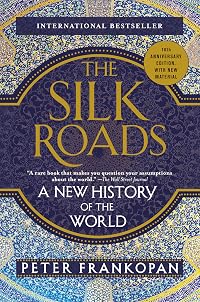
The Silk Roads: A New History of the World
by Peter Frankopan
On This Page
Description
"Our world was made on and by the Silk Roads. For millennia it was here that East and West encountered each other through trade and conquest, leading to the spread of ideas and cultures, the birth of the world's great religions, the appetites for foreign goods that drove economies and the growth of nations. From the first cities in Mesopotamia to the growth of Greece and Rome to the depredations by the Mongols and the Black Death to the Great Game and the fall of Communism, the fate of the show more West has always been inextricably linked to the East. The Silk Roads vividly captures the importance of the networks that crisscrossed the spine of Asia and linked the Atlantic with the Pacific, the Mediterranean with India, America with the Persian Gulf. By way of events as disparate as the American Revolution and the horrific world wars of the twentieth century, Peter Frankopan realigns the world, orientating us eastwards, and illuminating how even the rise of the West 500 years ago resulted from its efforts to gain access to and control these Eurasian trading networks. In an increasingly globalized planet, where current events in Asia and the Middle East dominate the world's attention, this magnificent work of history is very much a work of our times"-- show lessTags
Recommendations



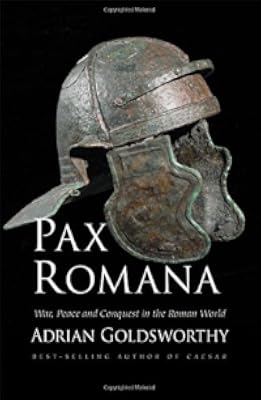
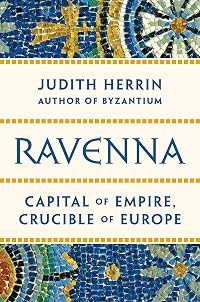

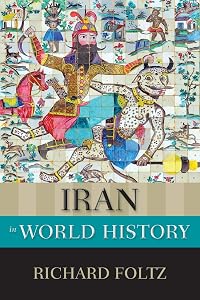

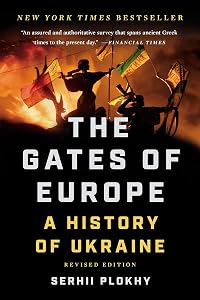
Member Recommendations
charlie68 Maybe a counter point to this book.
Member Reviews
This is an excellent “big picture” history. Frankopan knows his stuff and is able to write both clearly and concisely, without getting sidetracked or bogged down in minutiae. And this is very big picture. He covers the Crusades but doesn’t go into more than a handful of battles, for instance, and the battles are written up like, “the Christians fought the Muslims at this city and lost” and then he moves on. Sometimes I wished for a bit more information on a region or culture or event, but not often. His focus is more on how the various meetings of cultures altered the social and political landscapes. His thesis: it has always, always been about money, and never religion or anything else we get taught. (Subthesis: the West is show more freakin’ racist and screws everyone over.)
Frankopan does wander away from Asia occasionally, but he always ties his digressions back to there—so yes, the European takeover of the Americas is brought up, as is the African slave trade. He’s also pretty balanced in his analysis, never really boosting one culture over another and pointing out the achievements and flaws of both the East and the West. He quotes a lot of Asian primary sources as well, which I was pleased to see. All in all, it’s a very different slant to history, with non-Asian events being viewed through what was going on in Asia at the time.
His one stumbling block is his writing style. For the most part, he’s bland and detached, just laying out the facts, but if there’s a person or culture or event that’s important or for which we have lots of primary sources, he’ll dip into that point-of-view for paragraphs or even whole sections. Not a big problem for most of history, but when he starts quoting officials from the British Raj or, worse, Hitler and Stalin, it comes off as almost sympathetic. (Reading Hitler’s justifications of his own actions is terrifying, I can tell you.) While I get why he did that, I wish he’d signalled those moments more clearly or found a way to get those attitudes across without bringing the reader into people’s heads quite so much.
The book does get a bit faster and less comprehensive towards the end, say the last fifty years or so, but I’m about 99.9% certain that’s because a lot of the primary sources for that period are still classified. He does a good job with what’s known, though, and covers everything up to about 2010 or so. Overall, it’s a good and important read and I’d recommend it to anyone looking for an utterly different look at the world and questioning the West’s place in it.
Warnings: As this covers the last 2000 years of global history, go in expecting mentions of: war, slavery, genocide, Islamophobia, antisemitism, other forms of racism, white supremacy, colonial attitudes, dictatorships, religious intolerance, economic exploitation, and a lot of men in positions of power. (For starters.)
9/10 show less
Frankopan does wander away from Asia occasionally, but he always ties his digressions back to there—so yes, the European takeover of the Americas is brought up, as is the African slave trade. He’s also pretty balanced in his analysis, never really boosting one culture over another and pointing out the achievements and flaws of both the East and the West. He quotes a lot of Asian primary sources as well, which I was pleased to see. All in all, it’s a very different slant to history, with non-Asian events being viewed through what was going on in Asia at the time.
His one stumbling block is his writing style. For the most part, he’s bland and detached, just laying out the facts, but if there’s a person or culture or event that’s important or for which we have lots of primary sources, he’ll dip into that point-of-view for paragraphs or even whole sections. Not a big problem for most of history, but when he starts quoting officials from the British Raj or, worse, Hitler and Stalin, it comes off as almost sympathetic. (Reading Hitler’s justifications of his own actions is terrifying, I can tell you.) While I get why he did that, I wish he’d signalled those moments more clearly or found a way to get those attitudes across without bringing the reader into people’s heads quite so much.
The book does get a bit faster and less comprehensive towards the end, say the last fifty years or so, but I’m about 99.9% certain that’s because a lot of the primary sources for that period are still classified. He does a good job with what’s known, though, and covers everything up to about 2010 or so. Overall, it’s a good and important read and I’d recommend it to anyone looking for an utterly different look at the world and questioning the West’s place in it.
Warnings: As this covers the last 2000 years of global history, go in expecting mentions of: war, slavery, genocide, Islamophobia, antisemitism, other forms of racism, white supremacy, colonial attitudes, dictatorships, religious intolerance, economic exploitation, and a lot of men in positions of power. (For starters.)
9/10 show less
Peter Frankopan's "The Silk Road" is a magnificent book, even though I believe the title is a misnomer. The book starts in Central Asia, and while he mentions China and India briefly throughout the narrative, he does so more as an aside rather than making them the book's center.
In my assessment, he made a conscious strategic decision to make Central Asia the book's centerpiece. In today's politically charged atmosphere, we forget (or ignore) Central Asia's contribution to world history, culture, science, and the arts.
For instance, I read that the Middle East discovered philosophers like Aristotle and then exported their philosophy back to Europe. The Middle East also acted as a bridge between the East (Indians, for instance, developed show more critical concepts in mathematics and astronomy) and the West.
I did not know of the Western role in wanting to take over Iran's geographical and industrial assets, especially in the troubled years following World War II. I did not know of how the "Rus" rose, nor was I aware of how the Norsemen created systems (including the use of slave labor) to create enduring legacies.
The author used the concept of roads in developing the book's narrative, creating a smooth flow from one stage of the journey to the next. In this way, he brought several strands of history together in a seamless narrative.
History is not static. Events take place, and power equations change, sometimes causing turbulence and, at other times, not.
Peter Frankopan ends the book by concluding the world is changing once again. The power center moved from Central/Eastern/South Asia to the Western world and is now moving back again.
The book will educate you, and Peter Frankopan achieves this objective with this engaging narrative. show less
In my assessment, he made a conscious strategic decision to make Central Asia the book's centerpiece. In today's politically charged atmosphere, we forget (or ignore) Central Asia's contribution to world history, culture, science, and the arts.
For instance, I read that the Middle East discovered philosophers like Aristotle and then exported their philosophy back to Europe. The Middle East also acted as a bridge between the East (Indians, for instance, developed show more critical concepts in mathematics and astronomy) and the West.
I did not know of the Western role in wanting to take over Iran's geographical and industrial assets, especially in the troubled years following World War II. I did not know of how the "Rus" rose, nor was I aware of how the Norsemen created systems (including the use of slave labor) to create enduring legacies.
The author used the concept of roads in developing the book's narrative, creating a smooth flow from one stage of the journey to the next. In this way, he brought several strands of history together in a seamless narrative.
History is not static. Events take place, and power equations change, sometimes causing turbulence and, at other times, not.
Peter Frankopan ends the book by concluding the world is changing once again. The power center moved from Central/Eastern/South Asia to the Western world and is now moving back again.
The book will educate you, and Peter Frankopan achieves this objective with this engaging narrative. show less
The author's antidote to history that has been too Euro-centric is convincing. He argues that the Middle East and the Silk Road were the true center of the world, and indeed, as they were the crossroads between East and West, this is hard to argue. For centuries, places like Britain were a backwater. This began to change with the discovery of the New World and in particular Spain's exploitation of it. The Middle East reassumed its centrality, however, with the discovery of oil, and it has remained central to world politics ever since. Now China is re-creating the Silk Road for its own benefit.
Throughout the book, Frankopan provides fairly concise stories about the growth of Islam, the Mongol invasions of Europe, and a host of other show more topics. These are the clearest and most informative I have read. This book is not written in a simplistic manner, but neither is it burdened with incomprehensible academic speak. Highly, highly recommended. show less
Throughout the book, Frankopan provides fairly concise stories about the growth of Islam, the Mongol invasions of Europe, and a host of other show more topics. These are the clearest and most informative I have read. This book is not written in a simplistic manner, but neither is it burdened with incomprehensible academic speak. Highly, highly recommended. show less
The first half of the book is pretty good at covering the silk roads, although short shrift is given to pretty much anything east of Jerusalem, and the focus is more or less on how the trade routes affected the cities around the Mediterranean. The second half of the book covers events after Columbus, and the ways that exploitation of the New World catapulted the sad little backwater called Western Europe into the economic center of the world, and really at this point we leave the traditional route from Damascus to Luoyang behind to focus on worldwide empires, conquests, and other political matters. "A History of the World" is a much more correct title than "The Silk Roads", but it's a well-done history of the world if that's what you're show more looking for. show less
The Silk Roads is part of the genre of popular history books that purports to tell the history of the world through one particular theme or from one particular vantage point, and is better than most of them. Peter Frankopan is a trained historian, and so knows how to synthesise a great deal of information from cultures across Asia and Europe and the span of several centuries in a nuanced manner. As an example of a sweeping chronicle, there's much to admire here. The author knows how to keep a narrative moving at a brisk pace and when to throw in the occasional wry aside, which also helps the reader to move quickly through such a thick book. Frankopan's main point—that central Asia is far more central to world history than is popularly show more thought or than most Western textbooks teach—is well-made, if not exactly new. I found the early chapters of this book particularly engrossing, as Frankopan—a Byzantinist—is clearly most at home in those centuries.
Sadly, as the book progressed, I got a little more dissatisfied with it. Once the European Age of Exploration begins, the focus shifts so that we get more of a sense of how imperialist powers used Asia to fight their battles than anything else. This is, of course, an important story, and I learned some new things about British, French, and Russian involvement in Iran and Iraq to appal and depress me. But what I didn't get much of a sense of was the voices of those who lived in those regions and the reactions which they had to the forces swirling around their homes. Nor did I get a sense of the interactions between central Asia and the world to the south and east of it. There's little about China and nothing about, say, the Swahili coast. This serves to subtly, and I am sure unintentionally, reinforce the idea that the history of central Asia is important inasmuch as it helps to contextualise things that happened in the West. This may well be a function of the secondary scholarship on which Frankopan is drawing as he moves further and further from his areas of expertise, but it's a shame. show less
Sadly, as the book progressed, I got a little more dissatisfied with it. Once the European Age of Exploration begins, the focus shifts so that we get more of a sense of how imperialist powers used Asia to fight their battles than anything else. This is, of course, an important story, and I learned some new things about British, French, and Russian involvement in Iran and Iraq to appal and depress me. But what I didn't get much of a sense of was the voices of those who lived in those regions and the reactions which they had to the forces swirling around their homes. Nor did I get a sense of the interactions between central Asia and the world to the south and east of it. There's little about China and nothing about, say, the Swahili coast. This serves to subtly, and I am sure unintentionally, reinforce the idea that the history of central Asia is important inasmuch as it helps to contextualise things that happened in the West. This may well be a function of the secondary scholarship on which Frankopan is drawing as he moves further and further from his areas of expertise, but it's a shame. show less
Akkora hájp vette körül ezt a kötetet („a történelemtudomány rocksztárja”, mondja a fülszöveg, oda ne rohanjak), azt hittem, olyan újszerű elméletekkel fog bombázni, hogy az agyam kisül. Ehhez képest némileg lankadtan haladtam az elejével. Olybá tűnt, sima lineáris eseménytörténetet olvasok, ami komótosan baktat az ókortól napjainkig, egyetlen specifikuma, hogy a világ köldökének nem a Nyugatot, hanem Közép-Ázsiát tekinti. A régiót, ami egyfelől összeköti Európát Kínával és Indiával, lüktető artériája pedig a Selyemút. Másfelől pedig olyan, önjogukon is hatalmas birodalmak otthona, mint Perzsia vagy a Mogul Birodalom. Aztán egy idő után megbékéltem a helyzettel, és show more elkezdtem értékelni. Elsősorban azért, mert egy ilyen monstre összefoglalás egy kevéssé ismert, de annál lényegesebb régióról mindenképpen olyasmi, amit értékelni kell.
Frankopan mellesleg vérbeli ökonomistaként vizsgálja a történelmet. Értve ezalatt, hogy ő a birodalmak felemelkedését és bukását szinte mindig a gazdaságra, vagy pontosabban: a kereskedelemre vezeti vissza. Ebben a megközelítésben az „áru” a központi elem, vagyis valami, ami X-nek van, Y pedig meg akarja szerezni*. No most ha visszamegyünk ezer évet, azt látjuk, Kínának volt selyme, Északnak volt szőrméje, Délnek volt fűszere, satöbbi, satöbbi. Ők mind szerették volna megtalálni a maguk fogyasztóit. És itt jöttek be a képbe a kereskedők, akiket nevezzünk Z-nek. Ők voltak (az artériás metaforánál maradva) a szorgos kis vörösvértestek, akik az éltető oxigént (vagyis az árut) elvitték egyik helyről a másikra, közben persze lefölözték a maguk tisztes hasznát. Ezek a kereskedők Közép-Ázsia lakói voltak, és sikerük egyben azt is jelentette, hogy a térségben gombamód szaporodni kezdtek az olyan pompásabbnál pompásabb városok, mint mondjuk Szamarkand. Ebben a megközelítésben az iszlám vallás csak mellékszál – igaz, olyan mellékszál, ami pontosan lefektetett szabályrendszerével maximálisan kompatibilis a kereskedői mentalitással. A keresztes háborúk pedig nem többek, mint a periférián élő kellemetlen, hónaljszagú barbárok zsemzsegései.
(A szamarkandi múlt.)
(És a szamarkandi jövő - az új reptéri terminál.)
Mert tény, ami tény, Nyugat-Európa ebben az időszakban csak periféria, legalábbis Róma összeomlása után. De olyan periféria, ami többre vágyik. Ugorjunk csak a XV. századba (bocs, nem fogom rigorózusan követni Frankopan fejtegetéseit, csak ugrándozom itt, mint egy kölyökzerge), és mit látunk? Egy végtelenül potens Oszmán Birodalmat, ami épp most kebelezi be Konstantinápolyt. Közép-Ázsia tehát a csúcson, azt hihetnénk. De közben történik valami, ami halálos sebet ejt Közép-Ázsián, még ha nem is esik le nekik rögtön. Az, hogy a keresztények felülnek a vitorlásaikra, és elkezdik felfedezni a világot. Ezzel pedig tulajdonképpen kiveszik az egyenletből Z-t, a közép-ázsiai kereskedőt – a selyemutakat a tengerre helyezik át, szegény Z meg ott szomorkodik meló nélkül a tevéjével a sivatagban. Túlzok, persze, hogy túlzok, de azért a folyamat világos: a régió lassan jelentéktelenedni kezd, mert nem sok mindent tud nyújtani.
Európa pedig felemelkedik**. Karavellái megjelennek mindenhol, ahol nekik tetsző árut remélnek. És bizony ideje visszatérni az „áru” azon jellegzetességéhez, hogy X birtokában van, és Y meg akarja szerezni. Mert ugye a „szerzés” klasszikus és kulturált módja a vásárlás. De ha Y sokkal, de sokkal-sokkal-sokkal erősebb, mint X, akkor gondolhatja úgy, a vásárlás nem kötelező elem, behelyettesíthető az „elvevés” technikájával. És lőn. Európa olyan erős lett (most ne részletezzük, hogyan), hogy ő határozza meg a tranzakció feltételeit – és amit rákényszerít a többiekre, az néha közelebb áll az „elvevéshez”, mint a „vásárláshoz”. Ezt hívják imperializmusnak.
Ugorjunk megint. A karavellákat leváltották közben a vasból készült hadihajók, amelyek olajjal mennek. És bizony ez azt jelenti, hogy Közép-Ázsia megint felkerül a térképre, ugyanis van neki valami, ami hirtelen értékes lesz: olaja. És bár kezdetben úgy fest, a Nyugat itt is rá tudja kényszeríteni akaratát azokra, akik az erőforrásokat birtokolják, de a huszadik század ebben a tekintetben változást hoz: a nagyhatalmak egyre többször kudarcot vallanak, nagyobb kulimászba másznak bele, mint amiből ki lehet vergődni, rájönnek, hogy a nyers erőszak több problémát szül, mint amennyit megold. A súlypontok pedig ismét átrendeződnek. Hát, itt tartunk ma. Az átrendeződésnél. Csak mi is jó helyre rendeződjünk át.
Megjegyz: Mondhatjuk bravúrnak, hogy Frankopan egy olyan csontig lerágott témát is képes eredeti módon megközelíteni, mint a második világháború. Megközelítésében ugyanis a Szovjetunió lerohanása nem ideológiai kérdés volt, hanem Hitler azon félelmét tükrözte, hogy esetleg Németországot megfosztják bizonyos nélkülözhetetlen áruktól: az olajtól és (főleg) a búzától. Ezt megelőzendő próbál egyfelől eljutni Bakuig, másfelől pedig megszerezni a gazdag ukrán búzatermő vidékeket – és (nem mellesleg) eltakarítani onnan a felesleges kenyérpusztítónak ítélt helyi lakosságot, bármi áron.
Megjegyz.2.: Putyin, te meg másszál fel egy létrára, és essél le. Ezt csak úgy mondom, mindentől függetlenül.
* Beilleszthetők az egyenletbe az olyan, látszólag csak pusztítással járó támadások is, mint amivel a vikingek vagy a mongolok ajándékozták meg a civilizációt. Már csak azért is, mert ezek is tekinthetők egy bizonyos áru, mégpedig a „rabszolga” beszerzésére indított expedícióknak.
** Persze itt diverzifikálnunk kell. Amikor ugyanis Európa felemelkedéséről beszélünk, egy többrétegű folyamatot látunk, amiben először felemelkedik Velence, aztán lehanyatlik, mert a spanyolok és a portugálok elveszik előlük a show-t. Aztán az ibériaiaknak is leáldozik, amint felkel Nagy-Britannia napja, aki aztán több mint száz évre monopóliumot jelent be a világtengerekre, hogy aztán átadja a stafétát az USÁ-nak. Mindez kívülről nézve „nyugati sikertörténet”, belülről nézve viszont többlépcsős, belháborúkkal tarkított eseménysor. show less
Frankopan mellesleg vérbeli ökonomistaként vizsgálja a történelmet. Értve ezalatt, hogy ő a birodalmak felemelkedését és bukását szinte mindig a gazdaságra, vagy pontosabban: a kereskedelemre vezeti vissza. Ebben a megközelítésben az „áru” a központi elem, vagyis valami, ami X-nek van, Y pedig meg akarja szerezni*. No most ha visszamegyünk ezer évet, azt látjuk, Kínának volt selyme, Északnak volt szőrméje, Délnek volt fűszere, satöbbi, satöbbi. Ők mind szerették volna megtalálni a maguk fogyasztóit. És itt jöttek be a képbe a kereskedők, akiket nevezzünk Z-nek. Ők voltak (az artériás metaforánál maradva) a szorgos kis vörösvértestek, akik az éltető oxigént (vagyis az árut) elvitték egyik helyről a másikra, közben persze lefölözték a maguk tisztes hasznát. Ezek a kereskedők Közép-Ázsia lakói voltak, és sikerük egyben azt is jelentette, hogy a térségben gombamód szaporodni kezdtek az olyan pompásabbnál pompásabb városok, mint mondjuk Szamarkand. Ebben a megközelítésben az iszlám vallás csak mellékszál – igaz, olyan mellékszál, ami pontosan lefektetett szabályrendszerével maximálisan kompatibilis a kereskedői mentalitással. A keresztes háborúk pedig nem többek, mint a periférián élő kellemetlen, hónaljszagú barbárok zsemzsegései.
(A szamarkandi múlt.)
(És a szamarkandi jövő - az új reptéri terminál.)
Mert tény, ami tény, Nyugat-Európa ebben az időszakban csak periféria, legalábbis Róma összeomlása után. De olyan periféria, ami többre vágyik. Ugorjunk csak a XV. századba (bocs, nem fogom rigorózusan követni Frankopan fejtegetéseit, csak ugrándozom itt, mint egy kölyökzerge), és mit látunk? Egy végtelenül potens Oszmán Birodalmat, ami épp most kebelezi be Konstantinápolyt. Közép-Ázsia tehát a csúcson, azt hihetnénk. De közben történik valami, ami halálos sebet ejt Közép-Ázsián, még ha nem is esik le nekik rögtön. Az, hogy a keresztények felülnek a vitorlásaikra, és elkezdik felfedezni a világot. Ezzel pedig tulajdonképpen kiveszik az egyenletből Z-t, a közép-ázsiai kereskedőt – a selyemutakat a tengerre helyezik át, szegény Z meg ott szomorkodik meló nélkül a tevéjével a sivatagban. Túlzok, persze, hogy túlzok, de azért a folyamat világos: a régió lassan jelentéktelenedni kezd, mert nem sok mindent tud nyújtani.
Európa pedig felemelkedik**. Karavellái megjelennek mindenhol, ahol nekik tetsző árut remélnek. És bizony ideje visszatérni az „áru” azon jellegzetességéhez, hogy X birtokában van, és Y meg akarja szerezni. Mert ugye a „szerzés” klasszikus és kulturált módja a vásárlás. De ha Y sokkal, de sokkal-sokkal-sokkal erősebb, mint X, akkor gondolhatja úgy, a vásárlás nem kötelező elem, behelyettesíthető az „elvevés” technikájával. És lőn. Európa olyan erős lett (most ne részletezzük, hogyan), hogy ő határozza meg a tranzakció feltételeit – és amit rákényszerít a többiekre, az néha közelebb áll az „elvevéshez”, mint a „vásárláshoz”. Ezt hívják imperializmusnak.
Ugorjunk megint. A karavellákat leváltották közben a vasból készült hadihajók, amelyek olajjal mennek. És bizony ez azt jelenti, hogy Közép-Ázsia megint felkerül a térképre, ugyanis van neki valami, ami hirtelen értékes lesz: olaja. És bár kezdetben úgy fest, a Nyugat itt is rá tudja kényszeríteni akaratát azokra, akik az erőforrásokat birtokolják, de a huszadik század ebben a tekintetben változást hoz: a nagyhatalmak egyre többször kudarcot vallanak, nagyobb kulimászba másznak bele, mint amiből ki lehet vergődni, rájönnek, hogy a nyers erőszak több problémát szül, mint amennyit megold. A súlypontok pedig ismét átrendeződnek. Hát, itt tartunk ma. Az átrendeződésnél. Csak mi is jó helyre rendeződjünk át.
Megjegyz: Mondhatjuk bravúrnak, hogy Frankopan egy olyan csontig lerágott témát is képes eredeti módon megközelíteni, mint a második világháború. Megközelítésében ugyanis a Szovjetunió lerohanása nem ideológiai kérdés volt, hanem Hitler azon félelmét tükrözte, hogy esetleg Németországot megfosztják bizonyos nélkülözhetetlen áruktól: az olajtól és (főleg) a búzától. Ezt megelőzendő próbál egyfelől eljutni Bakuig, másfelől pedig megszerezni a gazdag ukrán búzatermő vidékeket – és (nem mellesleg) eltakarítani onnan a felesleges kenyérpusztítónak ítélt helyi lakosságot, bármi áron.
Megjegyz.2.: Putyin, te meg másszál fel egy létrára, és essél le. Ezt csak úgy mondom, mindentől függetlenül.
* Beilleszthetők az egyenletbe az olyan, látszólag csak pusztítással járó támadások is, mint amivel a vikingek vagy a mongolok ajándékozták meg a civilizációt. Már csak azért is, mert ezek is tekinthetők egy bizonyos áru, mégpedig a „rabszolga” beszerzésére indított expedícióknak.
** Persze itt diverzifikálnunk kell. Amikor ugyanis Európa felemelkedéséről beszélünk, egy többrétegű folyamatot látunk, amiben először felemelkedik Velence, aztán lehanyatlik, mert a spanyolok és a portugálok elveszik előlük a show-t. Aztán az ibériaiaknak is leáldozik, amint felkel Nagy-Britannia napja, aki aztán több mint száz évre monopóliumot jelent be a világtengerekre, hogy aztán átadja a stafétát az USÁ-nak. Mindez kívülről nézve „nyugati sikertörténet”, belülről nézve viszont többlépcsős, belháborúkkal tarkított eseménysor. show less
I had seen this book in bookshops but it was only when I was recommended to read it by a friend who is not much of a book reader himself, that I acquiesced and purchased a copy. I have not been disappointed. Surprised, somewhat, that Frankopan doesn't really cover the traditional silk route all that well .... some details about Marco Polo but not too much and nothing much about the lost cities in the deserts that served as staging posts for travellers. Nothing much about the spread of religions across the silk routes ...though he does mention it. But the sub-title is the key: "A New History of the World". And this is what Frankopan has set out to do. As he mentions in his preface, somewhere, a friend suggested that he could weave all show more his tales into one overall book with a common theme of "Silk Roads". Actually, it is a bit of a stretch when he draws in the Spanish invasion of the Americas and the plundering of their silver and gold...and calls this "The road of gold" and "The road of silver".... but he nevertheless manages to draw the various threads together in a reasonable way as part of his overall theme.
One of the ideas that Frankopan puts forward is the role of trade in both the growth and the undoing of regimes. The inflation in Spain caused by the flood of gold into Spain from the new world...the impact on the price ratio of silver to gold in China brought about by a flood of imports of sliver. The competition between the European countries for access to the spice markets in Asia.
Another thing that impressed me was the fact that Britain was partly able to expand so fast because she was protected by her island status and was able to keep expenditure on defence lower (in relative terms) than the French who had land borders plus sea borders and routes to protect. Somewhere else...can't remember where now.....there was another example of limited expenditure on defence allowing expansion in other directions....though I can't recall it off-hand. In fact the whole book is jam packed with interesting and curious facts...such as Gernaral Schwarzkopf's father having a role in Iran much earlier....including in the formation of "Savak" the Iranian intelligence organisation that terrorised its own people from 1957-1979.
I admit to being entranced with his erudition and his background reading....though sometimes I thought he either skimmed over things or didn't give due weight to something, For example, there seems to be rather little focus on China and the China end of the Silk Road. Sure he does bring in China quite a bit but given the importance of China, I felt it's role was somewhat underdone.
Clearly, Frankopan's intention was to give the focus to Persia/Iran/Iraq in this whole exercise and their importance in terms of the great historical dramas. I was somewhat bemused by his assessment p 410 that the US took an approach that was reasoned to the point of enlightenment; it was inevitable that countries that found themselves blessed with natural resources....would seek to maximise their positions. I might note that they were not so enlightened in 1938 when Mexican oil holdings were nationalised as PEMEX. The US fought fairly violently against the moves ...including bans on Mexican oil, withholding of expertise. etc.
I found myself wondering about the whole issue of writing history. Frankopan in many places points out the conflicting views held within a government or country, the competing interests, and hence the difficulty of taking decisions. Yet the historian seems to plump for a particular issue be it economic or supply lines being stretched too far, or suspicions about what other countries were up to...
I found the details about slavery quite confronting and the casual acceptance of it by most..... maybe all..... of the major religions, the indifference to family breakups and the massive numbers of people involved....especially within Europe not just from Africa. I wonder what happened to all those slaves taken by Vikings to Scandinavia, for example? Are their offspring reflected in the genetic makeup of current scandinavians? How long did the class distinctions linger from having a slave background? He cites figures of 250,00 to 400,000 new slaves a year to keep the Roman Empire functioning. One wonders what the death rate was like and what survival rates were like for slaves. Presumably, pretty low if you were consigned to the mines or to the galleys.
I found some of his most powerful sections were those closer to the time that I have lived through. The nationalisation of Anglo Iranian oil and the Suez Canal. The ham fisted responses by Britain. The contempt of the British for the Iranians and Iraqis ....and the subsequent humiliation of the British throughout the region...maybe the world. I wasn't aware that in the takeover of Baghdad that documents had been captured which showed incontrovertibly that Iraq had no weapons of mass destruction; that they were complying as best they could with the demand for inspections and the sheer dishonesty by the Bush administration in the Iraq invasion. Frankopan draws attention to the US double dealing, their dishonesty, the fact that the US had supplied both Saddam Hussain and Osama Bin Laden with weapons and training and the sheer inability to consider "what happens next?" Yet, Frankopan ....I guess to simplify.....attributes emotional responses to whole countries (or whole governments) such as this : "the Russians were delighted, therefore , when the British raised the question of the future of Constantinople...". Maybe somebody was delighted...but does this represent the reaction of the whole government? Who really knows?
I found his comments about the way the US administration has responded to events in the middle east....especially in the last 20 or so years to be both illuminating and terrifying. Commenting on the events after 9/11/2001 (When the world Trade Centre was brought down) Frankopan says: The determination to take control was overwhelming. Deposing existing regimes deemed destabilising and dangerous became paramount in the strategic thinking of the US and its allies. Priority was given to getting rid of clear and present dangers, with little thought to what would, could or should happen next. Fixing short term problems was more important than the long term scenario. This was explicit in the plans made against Afghanistan in the autumn of 2001.(p501).
.....The same short term thinking was evident in the case of Iraq, where the sharp focus on removing Saddam Hussain from power was set against a lack of planning on how the country would look in the future......
He writes well. Is clear and interesting. I never found myself bored. Sometimes overwhelmed by the changing fortunes of opposing parties. But he argues his case well. I was surprised to see quite a lot of low ranking reviews in Goodreads.....but for my part, quite happy to give it 5 stars. show less
One of the ideas that Frankopan puts forward is the role of trade in both the growth and the undoing of regimes. The inflation in Spain caused by the flood of gold into Spain from the new world...the impact on the price ratio of silver to gold in China brought about by a flood of imports of sliver. The competition between the European countries for access to the spice markets in Asia.
Another thing that impressed me was the fact that Britain was partly able to expand so fast because she was protected by her island status and was able to keep expenditure on defence lower (in relative terms) than the French who had land borders plus sea borders and routes to protect. Somewhere else...can't remember where now.....there was another example of limited expenditure on defence allowing expansion in other directions....though I can't recall it off-hand. In fact the whole book is jam packed with interesting and curious facts...such as Gernaral Schwarzkopf's father having a role in Iran much earlier....including in the formation of "Savak" the Iranian intelligence organisation that terrorised its own people from 1957-1979.
I admit to being entranced with his erudition and his background reading....though sometimes I thought he either skimmed over things or didn't give due weight to something, For example, there seems to be rather little focus on China and the China end of the Silk Road. Sure he does bring in China quite a bit but given the importance of China, I felt it's role was somewhat underdone.
Clearly, Frankopan's intention was to give the focus to Persia/Iran/Iraq in this whole exercise and their importance in terms of the great historical dramas. I was somewhat bemused by his assessment p 410 that the US took an approach that was reasoned to the point of enlightenment; it was inevitable that countries that found themselves blessed with natural resources....would seek to maximise their positions. I might note that they were not so enlightened in 1938 when Mexican oil holdings were nationalised as PEMEX. The US fought fairly violently against the moves ...including bans on Mexican oil, withholding of expertise. etc.
I found myself wondering about the whole issue of writing history. Frankopan in many places points out the conflicting views held within a government or country, the competing interests, and hence the difficulty of taking decisions. Yet the historian seems to plump for a particular issue be it economic or supply lines being stretched too far, or suspicions about what other countries were up to...
I found the details about slavery quite confronting and the casual acceptance of it by most..... maybe all..... of the major religions, the indifference to family breakups and the massive numbers of people involved....especially within Europe not just from Africa. I wonder what happened to all those slaves taken by Vikings to Scandinavia, for example? Are their offspring reflected in the genetic makeup of current scandinavians? How long did the class distinctions linger from having a slave background? He cites figures of 250,00 to 400,000 new slaves a year to keep the Roman Empire functioning. One wonders what the death rate was like and what survival rates were like for slaves. Presumably, pretty low if you were consigned to the mines or to the galleys.
I found some of his most powerful sections were those closer to the time that I have lived through. The nationalisation of Anglo Iranian oil and the Suez Canal. The ham fisted responses by Britain. The contempt of the British for the Iranians and Iraqis ....and the subsequent humiliation of the British throughout the region...maybe the world. I wasn't aware that in the takeover of Baghdad that documents had been captured which showed incontrovertibly that Iraq had no weapons of mass destruction; that they were complying as best they could with the demand for inspections and the sheer dishonesty by the Bush administration in the Iraq invasion. Frankopan draws attention to the US double dealing, their dishonesty, the fact that the US had supplied both Saddam Hussain and Osama Bin Laden with weapons and training and the sheer inability to consider "what happens next?" Yet, Frankopan ....I guess to simplify.....attributes emotional responses to whole countries (or whole governments) such as this : "the Russians were delighted, therefore , when the British raised the question of the future of Constantinople...". Maybe somebody was delighted...but does this represent the reaction of the whole government? Who really knows?
I found his comments about the way the US administration has responded to events in the middle east....especially in the last 20 or so years to be both illuminating and terrifying. Commenting on the events after 9/11/2001 (When the world Trade Centre was brought down) Frankopan says: The determination to take control was overwhelming. Deposing existing regimes deemed destabilising and dangerous became paramount in the strategic thinking of the US and its allies. Priority was given to getting rid of clear and present dangers, with little thought to what would, could or should happen next. Fixing short term problems was more important than the long term scenario. This was explicit in the plans made against Afghanistan in the autumn of 2001.(p501).
.....The same short term thinking was evident in the case of Iraq, where the sharp focus on removing Saddam Hussain from power was set against a lack of planning on how the country would look in the future......
He writes well. Is clear and interesting. I never found myself bored. Sometimes overwhelmed by the changing fortunes of opposing parties. But he argues his case well. I was surprised to see quite a lot of low ranking reviews in Goodreads.....but for my part, quite happy to give it 5 stars. show less
Members
- Recently Added By
Lists

Non-Fiction Worth Reading
1,016 works; 255 members

Unread books
1,063 works; 87 members

Evan's Wish List
86 works; 2 members

Books Read in 2016
4,666 works; 199 members

Books Read in 2020
4,379 works; 123 members

Hindu Kush
5 works; 1 member

Reading Glasses Podcast
410 works; 3 members
Books That Changed Our Perspective
423 works; 168 members

Books recommended in the history category on FiveBooks.com
329 works; 4 members

Library Non-Fiction
164 works; 1 member

World
18 works; 1 member
Author Information

13+ Works 6,091 Members
Peter Frankopan is a historian based at Oxford University. He is a senior research fellow at Worcester College, Oxford, and the director of the Oxford Centre for Byzantine Research at Oxford University. He is the author of The First Crusade: The Call from the East and The Silk Roads: A New History of the World. (Bowker Author Biography)
Some Editions
Awards and Honors
Awards
Distinctions
The Guardian Book of the Day (2015-11-06)
The Guardian Book of the Day (2015-09-29)
Notable Lists
Series
Belongs to Publisher Series
Work Relationships
Is contained in
Has the adaptation
Common Knowledge
- Canonical title
- The Silk Roads: A New History of the World
- Original title
- The Silk Roads: A New History of the World
- Alternate titles*
- The new silk roads : the present and future of the world
- Original publication date
- 2015
- People/Characters
- Prester John
- Important places
- Silk Road
- Epigraph
- We halted in the country of a tribe of Turks...we saw a group who worship snakes, a group who worship fish, and a group who worship cranes.
--Ibn Fadlan's Voyage to the Volga Bughars
I, Prester John, am the lord of lords, and I surpass all the kings of the entire world in wealth, virtue and power...Milk and honey flow freely in our lands; poison can do no harm, nor do any noisy frogs croak. There are no... (show all) scorpions, no serpents creeping in the grass.
--Purported letter of Prester John to Rome and Constatinople, twelfth century
He has a very large palace, entirely roofed with fine gold.
--Christopher Columbus' research notes on the Great Khan of the East, late fifteenth century
If we do not make relatively small sacrifices, and alter our policy, in Persia now, we shall both endanger our friendship with Russia and find in a comparatively near future...a situation where our very existence as an Empire... (show all) will be a stake.
--Sir George Clerk to Sir Edward Grey, British Foreign Secretary, 21 July 1914
The president would win even if we sat around doing nothing.
--Chief of Staff to Nursultan Nazarbayev, President of Kazakhstaan, shortly before 2005 elections. - Dedication
- To Katarina, Flora, Francis and Luke
- First words
- Preface: As a child, one of my most prized possessions was a large map of the world.
- Last words
- (Click to show. Warning: May contain spoilers.)The Silk Roads are rising again.
- Original language*
- Anglais (Royaume-Uni) (Royaume-Uni)
*Some information comes from Common Knowledge in other languages. Click "Edit" for more information.
Classifications
Statistics
- Members
- 4,178
- Popularity
- 3,677
- Reviews
- 67
- Rating
- (4.00)
- Languages
- 16 — Danish, Dutch, English, Estonian, Finnish, French, German, Greek, Italian, Polish, Portuguese, Romanian, Spanish, Swedish, Turkish, Chinese, traditional
- Media
- Paper, Audiobook, Ebook
- ISBNs
- 73
- UPCs
- 2
- ASINs
- 23