On This Page
Description
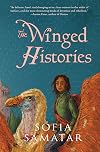
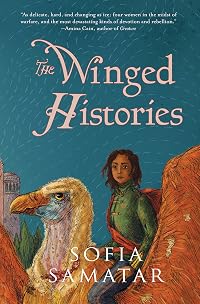
Four women -- a soldier, a scholar, a poet, and a socialite -- are caught up on opposing sides of a violent rebellion. As war erupts and their loyalties and agendas and ideologies come into conflict, the four fear their lives may pass unrecorded. Using the sword and the pen, the body and the voice, they struggle not just to survive, but to make history. Here is the much-anticipated companion novel to Sofia Samatar's World Fantasy Award-winning debut,A Stranger in Olondria. The Winged show more Histories is the saga of an empire -- and a family: their friendships, their enduring love, their arcane and deadly secrets. Samatar asks who makes history, who endures it, and how the turbulence of historical change sweeps over every aspect of a life and over everyone, no matter whether or not they choose to seek it out. Sofia Samatar is the author of the Crawford, British Fantasy, and World Fantasy award-winning novelA Stranger in Olondria. She also received the John W. Campbell Award. She has written for theGuardian,Strange Horizons, Lightspeed, and many other publications. She is working on a collection of stories. Her website is sofiasamatar.com. show lessTags
Recommendations





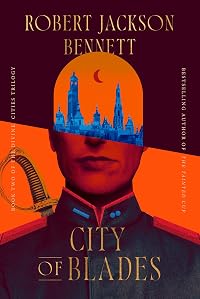
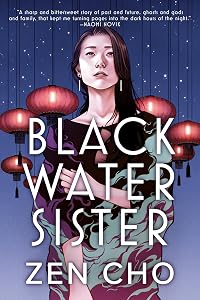
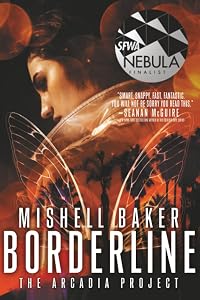
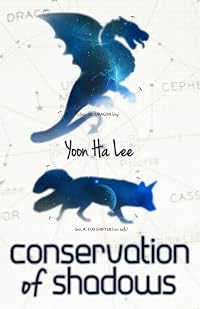

Member Recommendations

MyriadBooks For the writing, not the plot.

Jarandel Revolution in imaginary places, strong emphasis on familial and other bonds, on varied daily lives and experiences.
Member Reviews
A Stranger in Olondria could be loosely called a tale of what happened when a foreigner, enchanted by that country's literature, came to live among its inheritors and found they might not be quite what he expected.
The Winged Histories is also very much about that written and narrated legacy. Stories, histories, who gets to tell and transmit them beyond just the local equivalent of "the victors" or "dead men of high status" (not quite "dead white men" here since as far as I remember everyone seemed to be some shade of brown), why and how, their infinite wealth and complexity.
The book is divided into four parts with a protagonist for each. All women though a fifth man, Prince Andasya, features indirectly yet prominently as a brother, show more friend, love, and also the one the History of Olondria with a capital H will likely remember as the instigator of the major events it is likely to record.
Which he isn't, quite.
While far from just an empty figurehead or a puppet in the hands of the women of the family, he was also far from alone in it, as you will learn if you listen to the voices of others enmeshed in said events and many lesser and unrecorded events beneath the notice of History, yet ones without which the picture is staggeringly incomplete or maybe even false.
I nearly bounced off the first part, the one dedicated to the maiden of the sword Tavis.
It's as wonderfully written as everything else, but each chapter is headed by an excerpt, the first of which brought me to a screeching halt within maybe 2 lines because the tone was obviously either prophetic or hagiographic. I'm not too spoiler-averse while in the process of picking a read, but the author themselves handing me the cheat sheet of what will happen is a bit too much so I exercised my reader's discretion and skipped those excerpts.
It turns out I could have been more trusting. Yes, this is a book about who tells (hi)stories and how they do it and the interplay between them, and the author knew what she was doing but I didn't know that yet. And the experience was rather interesting anyway. Without the prophetic/hagiographic bits to tell you (maybe not quite accurately anyway) where all this is headed the main text feels a bit like the point of view character is wearing side-blinders and almost entirely lacks or rejects any projection into the future... a bit unusual and irritating.
But in a sense maybe she does live aimlessly for a long while after her escape, and despite being the linchpin of most of what will unfold, she only realizes what she really wants to do and how she might accomplish it as it emerges through accumulated present experience and remembrance of things past.
The second part is the tale of Tialon, the daughter of a priest of the Stone. Said Stone is covered with a multitude of tiny engraved sentences from various ages in many languages and for many purposes. It is a rather transparent but fascinating stand-in for any holy text you might care to name, or even recorded history in general, and what happens when people try to confiscate, control and manipulate the reading and telling of it in the name of a higher purpose for all-too-human ends.
Unnecessary hint : it's not pretty.
The third part is the tale of Seren, a young nomad woman whose tribe Tavis came to live with for a while before and after the uprising.
A singer and loremaster but one whose traditions dictate that only men compose their great tragedies while women craft lighter songs, she's gently prodded into reconsidering, to this reader's delight.
The fourth and last is the tale of Siski. Her struggle might seem at first somewhat petty and cowardly (or even non-existent), but it neatly ties events together.
And all things considered, while not putting herself in direct physical danger or hardship like her cousins who ran off to become soldiers, she may have been facing more directly and staving off forces no less formidable than the other protagonists.
Namely, the closest thing to an antagonist in the book : the matriarch of the family three of the five protagonists belong to, the one who placed them like so many chess piecesbefore some began to chomp at the bit and unravel her carefully laid dynastic plans .
I suppose a number of readers will love to hate the old woman and the character is not badly done, but for this reader she was soundly overwhelmed by what she was a mouthpiece for. I can't really remember her name or what she was supposed to look like, she simply was the incarnation of every person messing with the lives of others in the name of the biological/holy drive to cover as much territory and grab as many resources as they can for their own bloodline and those most like them.
Though the eyes of many will concentrate on the sound and furyand apparent inconclusive failure of the uprising , she and what she stands for are IMO the real dragon in the story, more than the Olondrian who really just crept in with their money and whose nobility some locals were more than happy to marry into, or the few if strategically placed zealots of the Stone.
Siski was the one who almost fell into the dragon's trap as she was barely becoming a woman, the one who remained longest and most vulnerable under its stare, its pressure to take a husband, the right husband as planned for her, to breed, to surrender her children to further dreams of wealth and power while being made to have none of her own. show less
The Winged Histories is also very much about that written and narrated legacy. Stories, histories, who gets to tell and transmit them beyond just the local equivalent of "the victors" or "dead men of high status" (not quite "dead white men" here since as far as I remember everyone seemed to be some shade of brown), why and how, their infinite wealth and complexity.
The book is divided into four parts with a protagonist for each. All women though a fifth man, Prince Andasya, features indirectly yet prominently as a brother, show more friend, love, and also the one the History of Olondria with a capital H will likely remember as the instigator of the major events it is likely to record.
Which he isn't, quite.
While far from just an empty figurehead or a puppet in the hands of the women of the family, he was also far from alone in it, as you will learn if you listen to the voices of others enmeshed in said events and many lesser and unrecorded events beneath the notice of History, yet ones without which the picture is staggeringly incomplete or maybe even false.
I nearly bounced off the first part, the one dedicated to the maiden of the sword Tavis.
It's as wonderfully written as everything else, but each chapter is headed by an excerpt, the first of which brought me to a screeching halt within maybe 2 lines because the tone was obviously either prophetic or hagiographic. I'm not too spoiler-averse while in the process of picking a read, but the author themselves handing me the cheat sheet of what will happen is a bit too much so I exercised my reader's discretion and skipped those excerpts.
It turns out I could have been more trusting. Yes, this is a book about who tells (hi)stories and how they do it and the interplay between them, and the author knew what she was doing but I didn't know that yet. And the experience was rather interesting anyway. Without the prophetic/hagiographic bits to tell you (maybe not quite accurately anyway) where all this is headed the main text feels a bit like the point of view character is wearing side-blinders and almost entirely lacks or rejects any projection into the future... a bit unusual and irritating.
But in a sense maybe she does live aimlessly for a long while after her escape, and despite being the linchpin of most of what will unfold, she only realizes what she really wants to do and how she might accomplish it as it emerges through accumulated present experience and remembrance of things past.
The second part is the tale of Tialon, the daughter of a priest of the Stone. Said Stone is covered with a multitude of tiny engraved sentences from various ages in many languages and for many purposes. It is a rather transparent but fascinating stand-in for any holy text you might care to name, or even recorded history in general, and what happens when people try to confiscate, control and manipulate the reading and telling of it in the name of a higher purpose for all-too-human ends.
Unnecessary hint : it's not pretty.
The third part is the tale of Seren, a young nomad woman whose tribe Tavis came to live with for a while before and after the uprising.
A singer and loremaster but one whose traditions dictate that only men compose their great tragedies while women craft lighter songs, she's gently prodded into reconsidering, to this reader's delight.
The fourth and last is the tale of Siski. Her struggle might seem at first somewhat petty and cowardly (or even non-existent), but it neatly ties events together.
And all things considered, while not putting herself in direct physical danger or hardship like her cousins who ran off to become soldiers, she may have been facing more directly and staving off forces no less formidable than the other protagonists.
Namely, the closest thing to an antagonist in the book : the matriarch of the family three of the five protagonists belong to, the one who placed them like so many chess pieces
I suppose a number of readers will love to hate the old woman and the character is not badly done, but for this reader she was soundly overwhelmed by what she was a mouthpiece for. I can't really remember her name or what she was supposed to look like, she simply was the incarnation of every person messing with the lives of others in the name of the biological/holy drive to cover as much territory and grab as many resources as they can for their own bloodline and those most like them.
Though the eyes of many will concentrate on the sound and fury
Siski was the one who almost fell into the dragon's trap as she was barely becoming a woman, the one who remained longest and most vulnerable under its stare, its pressure to take a husband, the right husband as planned for her, to breed, to surrender her children to further dreams of wealth and power while being made to have none of her own. show less
 This review was written for LibraryThing Early Reviewers.
This one is extremely difficult to review, mainly because I'm tempted more to appreciate it from afar rather than enjoy it up close. But there are passages where the reverse is entirely as true.
Whereas the first novel was a straightforward love of literature and myth made up out of whole cloth and full of love of the act of writing, itself, among so many who refuse to read, the sequel is nothing less than a shattered land following the events that led to war in the first, and not only shattered by war, but also as shattered in prose.
You see? I can appreciate the book's structure, it's sheer reliance on poetry and despair and song, (oh, especially song,) to convey a feeling, or a string of many layered and complex feelings and subjects, show more in the face of kings and monsters, family and one's love-life, of which there is quite a bit of LGBT, and quite beautifully done.
So much is either dense world-building in terms of myth, historical rumination, straight stream-of-consciousness. Only occasionally do we have a bit of traditional storytelling, and more often than not, there's stories within stories.
That's what I love.
What I didn't love so much was the lack of attention-grabbing plot among the wonderful prose, or, as the case may be, the sad fact that I lost interest. Multiple times. That's not to say that certain characters keep showing up to provide threads I can hold on to, or to see how each of them change and develop over time, or how their perceptions of love or singing give them perspective on their identities, but these gems were buried fairly deep in the labyrinth of the prose and often it was a real chore to pay attention.
I sometimes like to work for my read, it's true. But I want to feel like I'm going to get something really wonderful out of the challenge, too, and while this was all pretty wonderful poetry, I'm not sure it spoke to me as a whole.
There were certain parts, such as the love story and the songs that really got me, but the rest of the book was kind of a let down
At least in comparison to the previous one. show less
Whereas the first novel was a straightforward love of literature and myth made up out of whole cloth and full of love of the act of writing, itself, among so many who refuse to read, the sequel is nothing less than a shattered land following the events that led to war in the first, and not only shattered by war, but also as shattered in prose.
You see? I can appreciate the book's structure, it's sheer reliance on poetry and despair and song, (oh, especially song,) to convey a feeling, or a string of many layered and complex feelings and subjects, show more in the face of kings and monsters, family and one's love-life, of which there is quite a bit of LGBT, and quite beautifully done.
So much is either dense world-building in terms of myth, historical rumination, straight stream-of-consciousness. Only occasionally do we have a bit of traditional storytelling, and more often than not, there's stories within stories.
That's what I love.
What I didn't love so much was the lack of attention-grabbing plot among the wonderful prose, or, as the case may be, the sad fact that I lost interest. Multiple times. That's not to say that certain characters keep showing up to provide threads I can hold on to, or to see how each of them change and develop over time, or how their perceptions of love or singing give them perspective on their identities, but these gems were buried fairly deep in the labyrinth of the prose and often it was a real chore to pay attention.
I sometimes like to work for my read, it's true. But I want to feel like I'm going to get something really wonderful out of the challenge, too, and while this was all pretty wonderful poetry, I'm not sure it spoke to me as a whole.
There were certain parts, such as the love story and the songs that really got me, but the rest of the book was kind of a let down
At least in comparison to the previous one. show less
This book is a slow start but the momentum builds quickly to a startling and wrenching finish. Sofia Samatar is an AMAZING writer. Like, her prose is gorgeous and will wreck you and create an image that you will be haunted by long after you've put the book down. I think her choice of four female narrators throughout civil unrest was a smart choice, as it demonstrates the effects of war on women civilians. The narrative polyphony is broken up into four books, so you don't have to try and identify which woman is speaking. That said, this novel reminds me a lot of Virginia Woolf's The Waves, which is all about mourning the loss of something or someone.
Many thanks to my sister, who gave this a rave review. I think this is a contender for show more best book I've read this year. show less
Many thanks to my sister, who gave this a rave review. I think this is a contender for show more best book I've read this year. show less
Sofia Samatar's work is a revelation. Her prose has only become richer and more assured between her debut novel and this follow-up. The Winged Histories gives the stories of four women whose stories are linked by the events that shape them (and that they help to shape). The contexts of the complicated class and national histories the inform these women is described in such clear detail that I feel that I know them all, their histories and their inner realities. Amazing, incredible, lush, emotionally rich, politically fascinating, this is one of the most satisfying novels I have picked up in ages. It begs the reader in each moment to consider how histories are created, and the costs and inequalities behind how we all must fight to be a show more part of history, however it gets written show less
Can I smear tears on a piece of paper and call that a review?
This was GORGEOUS and emotionally bruising and so so wonderful and engaging and many other perfect words. There is so much world-building, a fascinating mythology, and beautiful language (I'm trying not to yell about Seren's little language lessons). There are amazing epigraphs, which I'm always a huge fan of. Samatar winds the stories of four very different women through a monumental period of Olondrian history, and it's one of the best reading experiences I've had in the last year.
Poetic and bloody, lovely and dark, this is a book to be SAVORED, and I will be re-reading it again soon, at a much slower pace. (And then maybe I'll write a much better review for this amazing show more book.) show less
This was GORGEOUS and emotionally bruising and so so wonderful and engaging and many other perfect words. There is so much world-building, a fascinating mythology, and beautiful language (I'm trying not to yell about Seren's little language lessons). There are amazing epigraphs, which I'm always a huge fan of. Samatar winds the stories of four very different women through a monumental period of Olondrian history, and it's one of the best reading experiences I've had in the last year.
Poetic and bloody, lovely and dark, this is a book to be SAVORED, and I will be re-reading it again soon, at a much slower pace. (And then maybe I'll write a much better review for this amazing show more book.) show less
The Winged Histories is a difficult book to review. Much like A Stranger in Olondria, it's full of gorgeous, dense prose. Prose that can often be too dense, and often led to me losing interest and nodding off.Undeniably well-written, I feel this is a book that's easier to appreciate than it is to actually enjoy. It's full of myth, reflecting on the past, and stream of consciousness. Only rarely do we get traditional straightforward storytelling, and it leads to a plot that's hard to follow and doesn't grab attention. I appreciate this book, and Samatar's got some of the most beautiful writing in the genre, but this one really just didn't grab me like Stranger in Olondria did.
Something strange happened to me with this book. I enjoyed the style and the prose, poetical, precise, with some beautiful sentences, and I also think the structure was interesting and promising, with those four women telling four different pieces of the story of the war in Olondria, until the puzzle, the novel, is completed. But, despite all that, the plot and the characters didn’t resonate with me at all, and I had to force myself to keep on reading.
I liked “Stranger in Olondria” slightly better, and although it’s not indispensable, I’d recommend starting with that first book, and if you like it, go ahead with “The Winged Stories”, I’m sure you’ll enjoy it too.
I liked “Stranger in Olondria” slightly better, and although it’s not indispensable, I’d recommend starting with that first book, and if you like it, go ahead with “The Winged Stories”, I’m sure you’ll enjoy it too.
This review was written for LibraryThing Early Reviewers.Members
- Recently Added By
Lists

Top Five Books of 2016
795 works; 228 members

LGBTQ+ Speculative Fiction
821 works; 51 members

5 Stars in '18
9 works; 1 member

2017 Hugo Eligible Novels
145 works; 14 members
Books Read in 2018
4,360 works; 110 members
Author Information

20+ Works 1,987 Members
All Editions
Awards and Honors
Awards
Distinctions
Series

Work Relationships
Has as a study
Common Knowledge
- Canonical title
- The Winged Histories
- Original title
- The Winged Histories
- Original publication date
- 2016-03
- People/Characters
- Tavis (Tav); Siski; Andasya (Dasya); Tialon of Velvalinhu; Seren; Ivrom
- Important places
- Olondria; Kestenya
- Dedication
- To the Reader:
Give me your hand. - First words
- But those on the border write no histories. Their book is memory. Their element is air.
- Last words
- (Click to show. Warning: May contain spoilers.)And holding her tight he sweeps from the room, he bursts between the pillars, up now, up, her boots torn off, a laugh torn from her throat, and there is green about them, and sky and sky and sky.
- Blurbers
- Cain, Amina; Sherman, Delia; Hopkinson, Nalo
- Original language
- English
Classifications
Statistics
- Members
- 360
- Popularity
- 87,557
- Reviews
- 20
- Rating
- (4.03)
- Languages
- English, Polish
- Media
- Paper, Ebook
- ISBNs
- 5
- ASINs
- 1