On This Page
Description
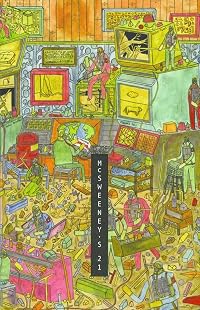
McSweeney's began in 1998 as a literary journal that published only works rejected from other magazines. Today, it attracts work from some of the finest writers in the country, including David Foster Wallace, Ann Cummins, Rick Moody, and William T. Vollmann. McSweeney's Issue 21 includes work by Roddy Doyle and Stephen Elliott, as well as the triumphant return of Arthur Bradford. There's also new stories (written by secretive and heretofore unknown authors) of beauty and acuity. Determined show more to find new voices, publish work of gifted but underappreciated writers, and push the literary form forward at all times, McSweeney's Issue 21 proves McSweeney's continued commitment to excellence. show lessTags
Recommendations














Member Reviews
McSweeney's 21 is a collection of short stories by the likes of Chloe Hooper, Joyce Carol Oates, Roddy Doyle, Miranda July and others. The stories are separated by quite amusing Ted L. Nancy-like "Letters to Ray," actual fan mail received by Ray Charles.
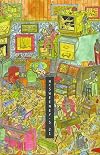
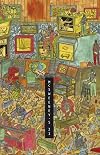
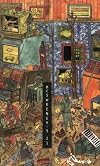
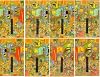
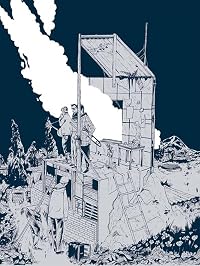
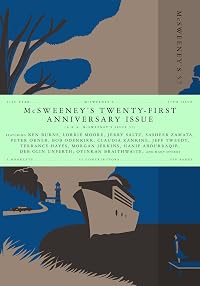
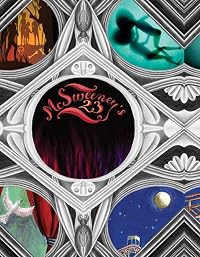
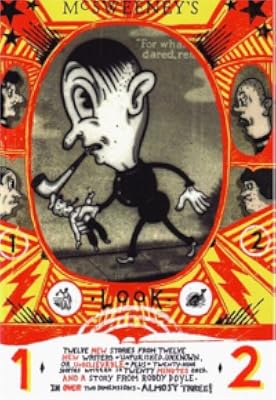
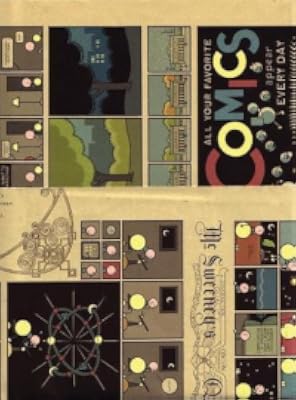
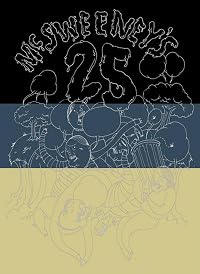
The design of this volume is fairly conventional, although according to the editor's note there are actually eight variant cover designs, and "the front cover includes a little flap that can be opened out across the exposed page-edges, allowing for an unending panorama, a revelatory 360-degree immersion into a packed and pointy world." Prior to each story, an artist (Robert Goodin, Leif Parsons, Nate Beaty, Matt Rota) offers a nine-panel graphic representation of the piece.
As I felt show more after reading McSweeney's 14, I enjoyed some of these more than others, but all were well written. Most managed to have a slightly creepy aspect to them, from a computer salesman's spectacularly unsuccessful attempt to impersonate a doctor, to Oates' take on Mark Twain's famous Angelfish Club and Roddy Doyle's psychotic nanny. The Ray Letters were a welcome break in between the fictional pieces, I found.
http://philobiblos.blogspot.com/2009/05/book-review-mcsweeneys-vol-21.html show less
The design of this volume is fairly conventional, although according to the editor's note there are actually eight variant cover designs, and "the front cover includes a little flap that can be opened out across the exposed page-edges, allowing for an unending panorama, a revelatory 360-degree immersion into a packed and pointy world." Prior to each story, an artist (Robert Goodin, Leif Parsons, Nate Beaty, Matt Rota) offers a nine-panel graphic representation of the piece.
As I felt show more after reading McSweeney's 14, I enjoyed some of these more than others, but all were well written. Most managed to have a slightly creepy aspect to them, from a computer salesman's spectacularly unsuccessful attempt to impersonate a doctor, to Oates' take on Mark Twain's famous Angelfish Club and Roddy Doyle's psychotic nanny. The Ray Letters were a welcome break in between the fictional pieces, I found.
http://philobiblos.blogspot.com/2009/05/book-review-mcsweeneys-vol-21.html show less
Holly Tavel's "The Last Words" is worth the price of admission for this collection. It is a brilliant story. The rest range from meh to pretty good. The Joyce Carol Oates story, "Grandpa Clemens & Angelfish 1906", was too deflating to an idol of American literature for me to really enjoy. There's something to be said for keeping author's private lives separate from their public personas. "The Pram" is a good old-fashioned spooky campfire story that gave me goosebumps. But "The Last Words" is really the last word in this anthology.
I remember this one as a good issue with good artwork, reprints of real letters sent to Ray Charles, a scary story from Roddy Doyle, and Mark Twain documented as a pervy grandpa by Joyce Carol Oates.
First and last are best.
haven't read
Ratings
Members
- Recently Added By
Author Information

Dave Eggers was born on March 12th, 1970, in Boston, Massachusetts. His family moved to Lake Forest, Illinois when he was a child. Eggers attended the University of Illinois at Urbana-Champaign, until his parents' deaths in 1991 and 1992. The loss left him responsible for his eight-year-old brother and later became the inspiration for his highly show more acclaimed memoir "A Heartbreaking Work of Staggering Genius". Published in 2000, the memoir was nominated for a nonfiction Pulitzer the following year. Eggers edits the popular "The Best American Nonrequired Reading" published annually. In 1998, he founded the independent publishing house, McSweeney's which publishes a variety of magazines and literary journals. Eggers has also opened several nonprofit writing centers for high school students across the United States. Eggers has written several novels and his title, A Hologram for the King, was a finalist for the 2012 National Book Award. His most recent work of fiction, entitled The Circle, was published in 2013. His recent nonfiction books are The Monk of Mokha (January 2018) and What Can a Citizen Do? (Illustrated by Shawn Harris)(September 2018). (Bowker Author Biography) show less
All Editions
Series

Work Relationships
Common Knowledge
- Canonical title
- McSweeney's 21
- Original publication date
- 2006-10-09
Classifications
Statistics
- Members
- 343
- Popularity
- 92,677
- Reviews
- 5
- Rating
- (3.84)
- Languages
- English
- Media
- Paper
- ISBNs
- 2
- ASINs
- 2