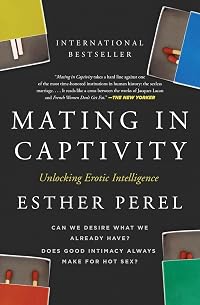
Mating in Captivity: Unlocking Erotic Intelligence
by Esther Perel
On This Page
Description
A New York City therapist examines the paradoxical relationship between domesticity and sexual desire and explains what it takes to bring lust home.One of the world's most respected voices on erotic intelligence, Esther Perel offers a bold, provocative new take on intimacy and sex. Mating in Captivity invites us to explore the paradoxical union of domesticity and sexual desire, and explains what it takes to bring lust home.
Drawing on more than twenty years of experience as a couples show more therapist, Perel examines the complexities of sustaining desire. Through case studies and lively discussion, Perel demonstrates how more exciting, playful, and even poetic sex is possible in long-term relationships. Wise, witty, and as revelatory as it is straightforward, Mating in Captivity is a sensational book that will transform the way you live and love.
. show less
Tags
Recommendations


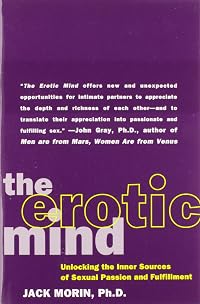

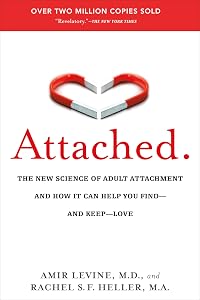
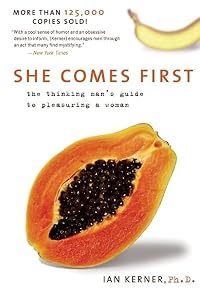
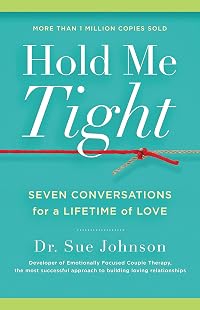


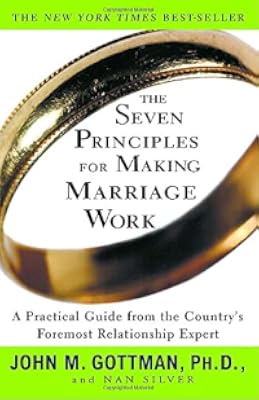
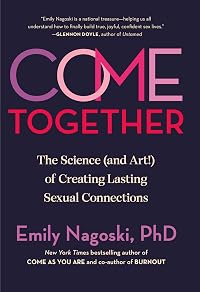
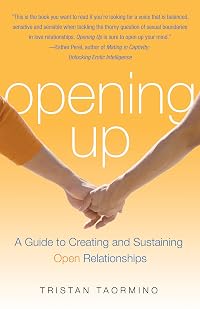

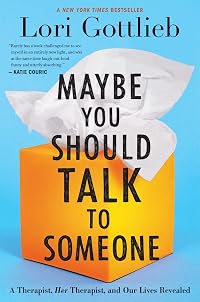



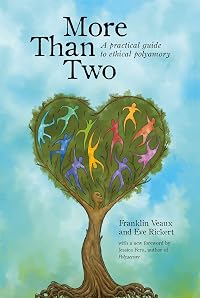
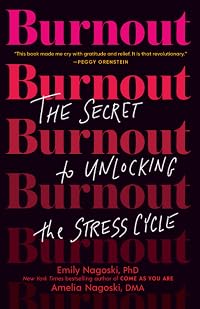
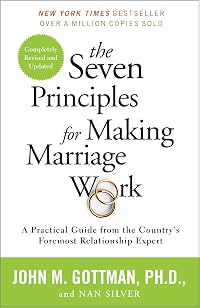

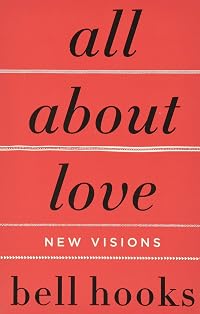
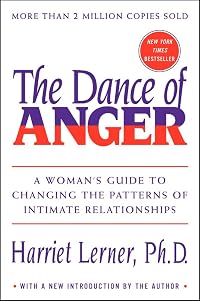
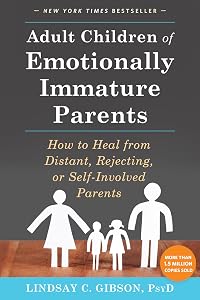
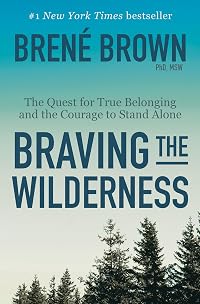
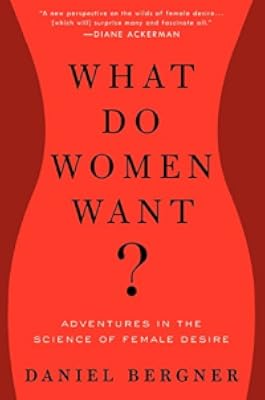

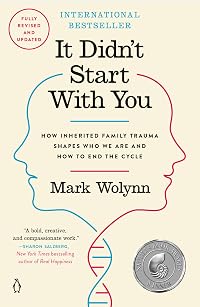

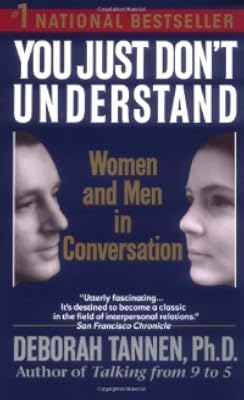

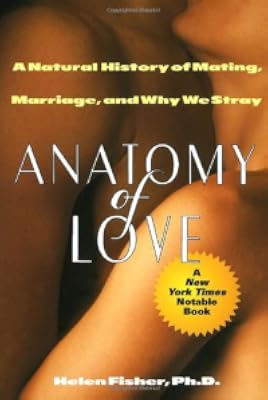

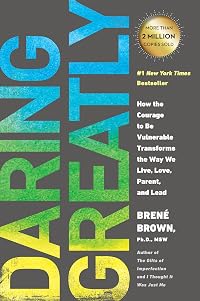
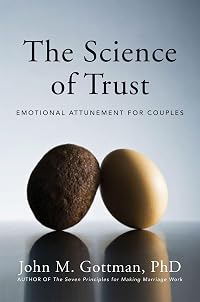
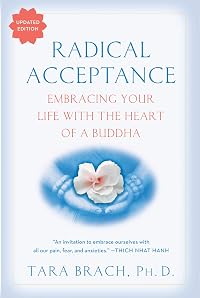
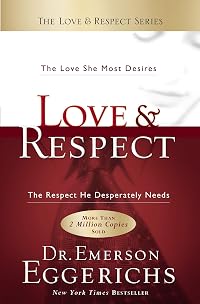
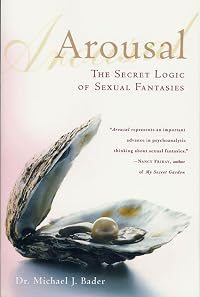
Member Recommendations
Member Reviews
Pat Benatar - Love is a Battlefield
Perel is a practicing family therapist, and this book is a tour through the wreckage of the American marriage. European, Jewist, sex-positive, and (most exotically) a psychodynamic theorist, she brings an outsider perspective to the American Protestant marriage to help unhappy couples have better sex.
Perel has a few major points which she touches on repeatedly. The first is that comfort and desire are competing psychological drives. Sustaining a relationship and a household over the long-term requires comfort; you would no more willfully stay in a constantly uncomfortable relationship than you would sleep in a painful bed. Yet too comfort comfort smothers desire, and a sexless marriage isn't going to show more work over the longer term.
Erotic desire is rooted in the depths of the individual psyche, and if it's defined by anything it is a a sense of paradox compared to the ordinary life. The ultra-competent decision-making business woman wants to be taken and ravished, the man afraid of expressing needs wants to be adored, someone afraid of intimacy prefers the clear rules of BDSM. In short, while erotic desires are full of strange creatures, they are not dragons to be slain but unique wonders to be cherished.
The last point is that sustained eroticism requires play, not work. Americans are great at work, but putting sex on your todo list means it becomes just another undone chore. Whatever brought the couple together in the first place was sustained, erotic play, and you have to find that again.
Perel takes a rather accommodating view of infidelity, which I see is to be blame for a lot of the one star reviews. Americans do hate a cheater. I'm not pro-infidelity, but she makes a good point that while an affair is a breach in a relationship, a divorce is scorched earth and it might be worth trying to repair the marriage.
Mating in Captivity is interesting, very readable, and while Perel's clients are tilted towards New York 1%s, the concepts are applicable in a lot of American relationships. The pyschodynamic theories are a strength and a flaw; they're not exactly scientific, but people are complex and reading about fantasies and suppressed urges is a lot more interesting than yet more neural scientism about oxytocin. show less
Perel is a practicing family therapist, and this book is a tour through the wreckage of the American marriage. European, Jewist, sex-positive, and (most exotically) a psychodynamic theorist, she brings an outsider perspective to the American Protestant marriage to help unhappy couples have better sex.
Perel has a few major points which she touches on repeatedly. The first is that comfort and desire are competing psychological drives. Sustaining a relationship and a household over the long-term requires comfort; you would no more willfully stay in a constantly uncomfortable relationship than you would sleep in a painful bed. Yet too comfort comfort smothers desire, and a sexless marriage isn't going to show more work over the longer term.
Erotic desire is rooted in the depths of the individual psyche, and if it's defined by anything it is a a sense of paradox compared to the ordinary life. The ultra-competent decision-making business woman wants to be taken and ravished, the man afraid of expressing needs wants to be adored, someone afraid of intimacy prefers the clear rules of BDSM. In short, while erotic desires are full of strange creatures, they are not dragons to be slain but unique wonders to be cherished.
The last point is that sustained eroticism requires play, not work. Americans are great at work, but putting sex on your todo list means it becomes just another undone chore. Whatever brought the couple together in the first place was sustained, erotic play, and you have to find that again.
Perel takes a rather accommodating view of infidelity, which I see is to be blame for a lot of the one star reviews. Americans do hate a cheater. I'm not pro-infidelity, but she makes a good point that while an affair is a breach in a relationship, a divorce is scorched earth and it might be worth trying to repair the marriage.
Mating in Captivity is interesting, very readable, and while Perel's clients are tilted towards New York 1%s, the concepts are applicable in a lot of American relationships. The pyschodynamic theories are a strength and a flaw; they're not exactly scientific, but people are complex and reading about fantasies and suppressed urges is a lot more interesting than yet more neural scientism about oxytocin. show less
Now this really could be a life-changing book if it hit the right person at the right time. The thesis is simple and powerful and the only problem with the book is that the personal stories pad out a simple message.
What Perel does is undermine the more dumb-ass aspects of the Anglo-Saxon approach to psychological fidelity and relationships in favour of a more European view that permits play, calculated deceit and fantasy in a way that is really quite shocking to contemporary femino-liberalism.
She is right and the tight-buttocked 'liberals' are wrong - the divorce rate and lack of ability to talk about sexuality with any erotic wisdom amongst grown persons is proof enough that she has identified a problem that is endemic to show more contemporary liberal culture.
This book is like Bataille without the neurosis and nasty bits and written with compassion as a challenge to generations of learned behaviour. Recommended as liberating. But it could have been snappier and less eager to join the self-help shelves in the book store. What is it with psychotherapists that they have to talk down to us? show less
What Perel does is undermine the more dumb-ass aspects of the Anglo-Saxon approach to psychological fidelity and relationships in favour of a more European view that permits play, calculated deceit and fantasy in a way that is really quite shocking to contemporary femino-liberalism.
She is right and the tight-buttocked 'liberals' are wrong - the divorce rate and lack of ability to talk about sexuality with any erotic wisdom amongst grown persons is proof enough that she has identified a problem that is endemic to show more contemporary liberal culture.
This book is like Bataille without the neurosis and nasty bits and written with compassion as a challenge to generations of learned behaviour. Recommended as liberating. But it could have been snappier and less eager to join the self-help shelves in the book store. What is it with psychotherapists that they have to talk down to us? show less
The unstated and unexamined assumption behind this book is that the only way for a long-term relationship to be healthy is if there is a lot of sex. Perel never addresses the fact that some people just don't want to have sex all that often and that's okay. Perel thinks that sex is more important than any other aspect of a relationship, and so it's okay to sacrifice other things that are great about a relationship - including a sense of safety and security - to make sure that there's lots of sex.
The premise of the book is that it can be hard to keep sex exciting in a long-term relationship. Perel thinks this is because sex thrives on a sense of novelty and exploration and even danger, and after you've been with someone for a long time, show more the novelty wears off. Her solution to this is of course to do some experimentation, but also to distance yourself from your long-term partner so that the sex feels new again. Which is fine if frequent and exciting penis-in-vagina sex is the only goal of your long-term relationship, but if you value a sense of closeness and security over sex, then this book will not be helpful. show less
The premise of the book is that it can be hard to keep sex exciting in a long-term relationship. Perel thinks this is because sex thrives on a sense of novelty and exploration and even danger, and after you've been with someone for a long time, show more the novelty wears off. Her solution to this is of course to do some experimentation, but also to distance yourself from your long-term partner so that the sex feels new again. Which is fine if frequent and exciting penis-in-vagina sex is the only goal of your long-term relationship, but if you value a sense of closeness and security over sex, then this book will not be helpful. show less
It's not as... opinionated? as I would have believed from reading other reviews of this book - it seems like other reviews and the material from the publishers emphasizes the more controversial ideas in the book, but the book itself is well reasoned, and more a collection of case studies and things you can learn about them then specific "one-size-fits-all" advice. The core idea is that both partners in a relationship have their own sexuality and sexual expression, and denying that / treating them as one ends up killing eroticism. I went into it skeptical, by page 15 I was convinced that the author knows what she's talking about, and read the rest of the book very quickly. Highly recommended.
It’s taken me a week after reading this to mull over what I think of it. It’s a brilliantly written, well argued book, and I agree with much of it. Perel shows how, through seeking absolute intimacy in long-term relationships, we chase away desire. Couples need to find a way to become mysterious to each other if they are to maintain physical passion.
However, I can’t follow Perel right the way along to her conclusion - stated more overtly in this Sunday’s Observer article - that monogamy is mostly either impossible, damaging or undesirable.
What Perel ultimately misses, I think, is that sex isn’t the only focus of a relationship. That intimacy that Perel finds so stifling is a positive choice for some of us. Maybe we even know, show more consciously or unconsciously, that we trade it for continuing passionate sex.
I would never dream of suggesting that everyone should choose a monogamous relationship - we should all be free to make our own deal with out partners, so long as it’s mutual - but for me, it’s the best decision I ever made. Nothing feels so good as that intense, intimate bond I have with Herbert. A loving partner nurtures you through the tough times; a hot lover only celebrates the good ones with you. I know which one I choose. show less
However, I can’t follow Perel right the way along to her conclusion - stated more overtly in this Sunday’s Observer article - that monogamy is mostly either impossible, damaging or undesirable.
What Perel ultimately misses, I think, is that sex isn’t the only focus of a relationship. That intimacy that Perel finds so stifling is a positive choice for some of us. Maybe we even know, show more consciously or unconsciously, that we trade it for continuing passionate sex.
I would never dream of suggesting that everyone should choose a monogamous relationship - we should all be free to make our own deal with out partners, so long as it’s mutual - but for me, it’s the best decision I ever made. Nothing feels so good as that intense, intimate bond I have with Herbert. A loving partner nurtures you through the tough times; a hot lover only celebrates the good ones with you. I know which one I choose. show less
Much of this book is hampered by a fairly narrow definition of a healthy sexual relationship (although not nearly as narrow as many books on the subject) and an annoying habit of cheering on Baby Boomer-style promiscuity but a dismissal of the sexual liberation of GenXers and Millennials. The solutions are also highly individual and impractical for most couples. The chapter on parenthood has some good insights, so it's not a total throwaway.
This book came at exactly the right time for me. It addresses an issue that I have been thinking about for a while. Sex in committed relationships. Why is it that even though you grow closer and closer to your partner that the passion in your sex life just dwindles away?
The author of "Mating in Captivity" seems to have found the answers to that. Esther Perel is a couples therapist and with the help of some case studies from her practice she illustrates how different aspects of our domestic life are holding us back from experiencing earth shattering passion with our life partners.
This book delivers new insights that other books on sex in marriages usually lack. Instead of advising to do whatever it takes to get closer to your partner show more and schedule time for sex, it suggests to emphasize one's independence and uniqueness. This in turn will create more of a gap between partners which seems to be necessary in order to have great sex.
I was hoping for a little more of guide on how to reconcile the erotic and the domestic. But then again Perel's intention wasn't on writing a How-To- Book. Nonetheless this book will open your eyes if you've ever wondered why your married sex life is nothing compared to your dating sex life back in the days. show less
The author of "Mating in Captivity" seems to have found the answers to that. Esther Perel is a couples therapist and with the help of some case studies from her practice she illustrates how different aspects of our domestic life are holding us back from experiencing earth shattering passion with our life partners.
This book delivers new insights that other books on sex in marriages usually lack. Instead of advising to do whatever it takes to get closer to your partner show more and schedule time for sex, it suggests to emphasize one's independence and uniqueness. This in turn will create more of a gap between partners which seems to be necessary in order to have great sex.
I was hoping for a little more of guide on how to reconcile the erotic and the domestic. But then again Perel's intention wasn't on writing a How-To- Book. Nonetheless this book will open your eyes if you've ever wondered why your married sex life is nothing compared to your dating sex life back in the days. show less
Members
- Recently Added By
Lists

TED 2013 Summer Reading List
190 works; 13 members

21 Books for a Better You
21 works; 4 members

Men's healing resources
747 works; 1 member

Healing resources
124 works; 1 member

spirituality and self growth
84 works; 1 member

Healing resources for women
588 works; 1 member
Author Information

Some Editions
Work Relationships
Is contained in
Common Knowledge
- Canonical title*
- L'intelligence érotique : Faire vivre le désir dans le couple
- Original title
- Mating in captivity
- Original publication date
- 2006
- Epigraph
- WILD THINGS IN CAPTIVITY
Wild things in captivity while they keep their own wild purity won’t breed, they mope, they die.
All men are in captivity, active with captive activity, and the best won’t breed, t... (show all)hough they don’t know why.
The great cage of our domesticity kills sex in a man, the simplicity of desire is distorted and twisted awry.
And so, with bitter perversity, gritting against the great adversity, the young ones copulate, hate it, and want to cry.
Sex is a state of grace. In a cage it can’t take place. Break the cage then, start in and try.
D. H. Lawrence - Dedication
- To my parents, Sala Ferlegier and Icek Perel. Their vitality lives on in me.
- First words
- The story of sex in committed modern couples often tells of a dwindling desire and includes a long list of sexual alibis, which claim to explain the inescapable death of eros.
- Quotations*
- Mais les faibles aussi détiennent une forme de pouvoir, qui se manifeste à travers la déférence, la passivité, la retenue, le fait de s'insinuer dans les bonnes grâces de quelqu'un, d'utiliser la posture morale de la vi... (show all)ctime.
La frustration que les gens éprouvent lorsque leur corps n'est pas touché, carressé, étreint et satisfait, les amène à se sentir acculés.
Il suffit que notre santé nous trahisse, que la mort vienne nous effleurer, pour que nous nous sentions envahis par une bouffée d'insatisfaction, que nous soyons saisis par la faim de quelque chose de meilleur. - Last words
- (Click to show. Warning: May contain spoilers.)Nurturing eroticism in the home is an act of open defiance.
- Publisher's editor
- Winston, Gail
- Original language
- English
- Canonical DDC/MDS
- 306.87; 306
*Some information comes from Common Knowledge in other languages. Click "Edit" for more information.
Classifications
- Genres
- General Nonfiction, Nonfiction
- DDC/MDS
- 306.87 — Society, government, & culture Social sciences, sociology & anthropology Social Behavior - Dating, Marriage, Divorce Marriage, partnerships, unions; family Intrafamily relationships
- LCC
- HQ734 .P397 — Social sciences The family. Marriage, Women and Sexuality The Family. Marriage. Women The family. Marriage. Home
- BISAC
Statistics
- Members
- 1,373
- Popularity
- 17,320
- Reviews
- 29
- Rating
- (3.79)
- Languages
- 14 — Chinese, Dutch, English, French, German, Greek, Italian, Norwegian (Bokmål), Norwegian, Polish, Romanian, Spanish, Swedish, Portuguese (Portugal)
- Media
- Paper, Audiobook, Ebook
- ISBNs
- 38
- ASINs
- 19