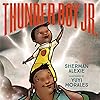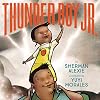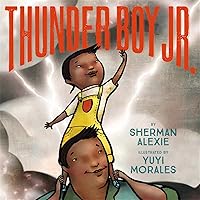
Thunder Boy Jr. (Bccb Blue Ribbon Picture Book Awards (Awards))
by Sherman Alexie
On This Page
Description
"Thunder Boy Jr. wants a normal name...one that's all his own. Dad is known as Big Thunder, but Little Thunder doesn't want to share a name"--Tags
Recommendations


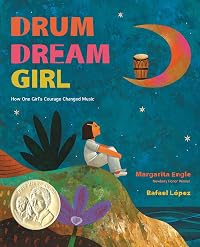
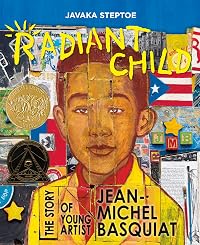
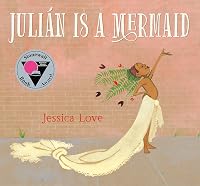
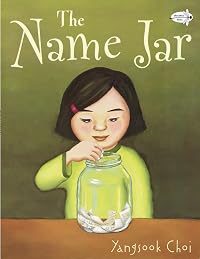

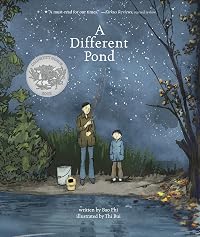
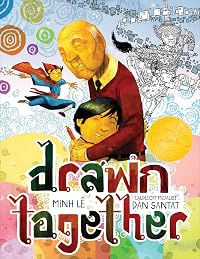
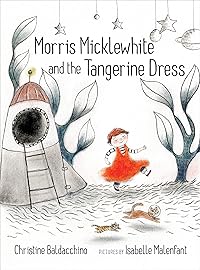
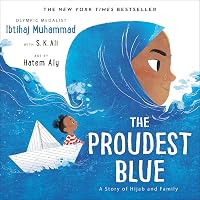
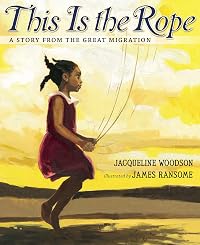
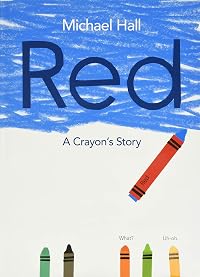
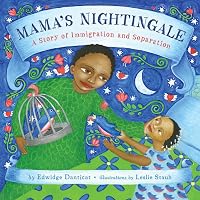
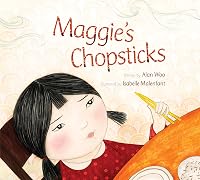
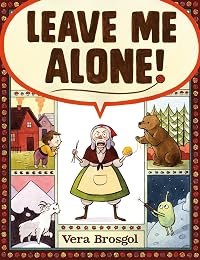
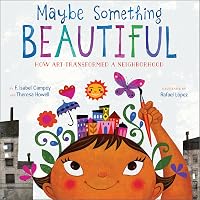
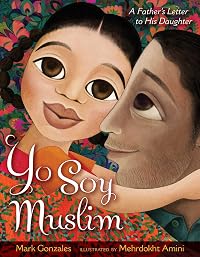
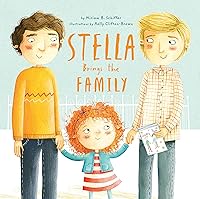
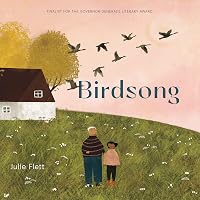
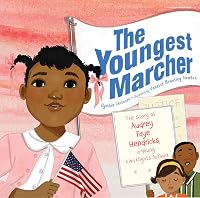
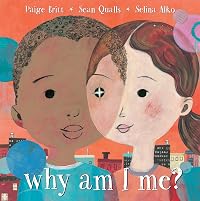
Member Recommendations
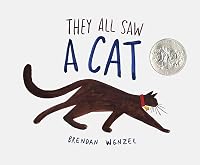
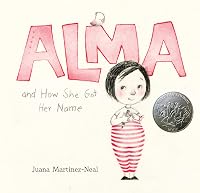
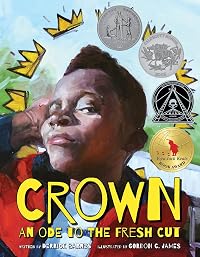
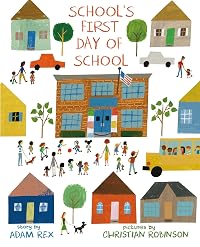
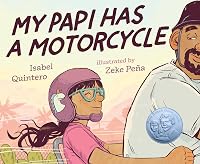
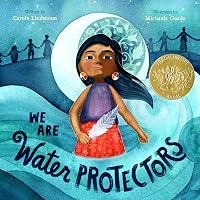
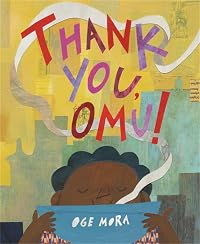
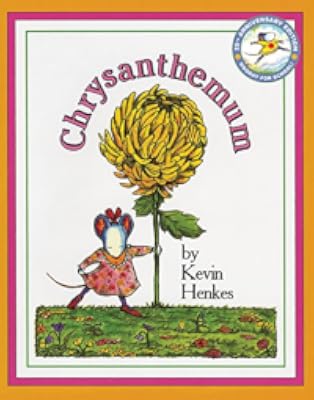
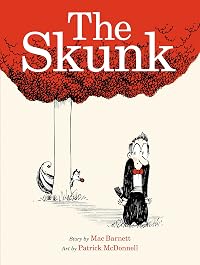
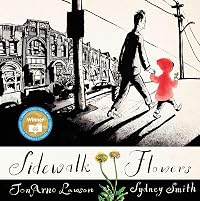
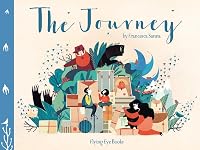
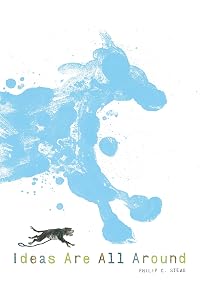
sweetiegherkin Both books about children who are initially unhappy about their given name
Member Reviews
Thunder Boy, Jr. is about a young boy who is not happy having the same name as his father. The central message is that personal identity is important. Despite the fact that he loves and admires his father, "Little Thunder" wants to have a name that represents his own unique personality and accomplishments. Without a special name of his own, he feels like he is just a mini-version of his father, when what he really wants is to be himself - especially since naming seems to be important in his culture. In the end, the boy's father renames him "Lightning", which celebrates their bond, yet respects Lightning's own personhood.
Celebrated Native American author Sherman Alexie, whose prolific output covers genres ranging from contemporary adult fiction (The Lone Ranger and Tonto Fistfight in Heaven) to screen-writing (Smoke Signals), young adult fiction (The Absolutely True Diary of a Part-Time Indian) to poetry (The Business of Fancydancing), makes his picture-book debut with this charming title, which follows the travails of a young boy who longs to establish his own identity. Thunder Boy Smith Jr., named for his father, Thunder Boy Smith Sr., hates his name, and wishes he could have one that reflects his own actions and personality, and that differentiates him from his father. His loving parent, fully aware of his struggles, suggests a name that allows him show more to maintain his familial ties, but also be himself...
The humorous story in Thunder Boy Jr. ably captures a young child's voice, reflecting his experiences and feelings in a convincing way. I've never thought about how those who are named after a parent might feel about the issue - do they resent it? feel overshadowed? - but it's certainly true that many children go through a phase where they don't like their own given name. As a child I myself disliked Abigail, and insisted upon being called Abby, something that is quite the reverse today, as I go by Abigail almost exclusively. Alexie's narrative reflects a widespread childhood experience, while also being culturally specific. Thunder Boy is Native American (no tribal nation is given), something reflected in the fact that one of his favorite activities is dancing at powwows. As always, it's good to see contemporary stories about Native American children, emphasizing that they live in the here and now (rather than some mythical past), and confront all of the same issues and experiences as anyone else. Every bit as engaging as the story, Mexican/American illustrator Yuyi Morales' artwork is a pleasure to peruse, with its use of vibrant colors and its shifting perspectives. Highly recommended to those looking for good picture-books with Native content, to fellow fans of Yuyi Morales, and to anyone who just wants an appealing story about a common childhood experience. show less
The humorous story in Thunder Boy Jr. ably captures a young child's voice, reflecting his experiences and feelings in a convincing way. I've never thought about how those who are named after a parent might feel about the issue - do they resent it? feel overshadowed? - but it's certainly true that many children go through a phase where they don't like their own given name. As a child I myself disliked Abigail, and insisted upon being called Abby, something that is quite the reverse today, as I go by Abigail almost exclusively. Alexie's narrative reflects a widespread childhood experience, while also being culturally specific. Thunder Boy is Native American (no tribal nation is given), something reflected in the fact that one of his favorite activities is dancing at powwows. As always, it's good to see contemporary stories about Native American children, emphasizing that they live in the here and now (rather than some mythical past), and confront all of the same issues and experiences as anyone else. Every bit as engaging as the story, Mexican/American illustrator Yuyi Morales' artwork is a pleasure to peruse, with its use of vibrant colors and its shifting perspectives. Highly recommended to those looking for good picture-books with Native content, to fellow fans of Yuyi Morales, and to anyone who just wants an appealing story about a common childhood experience. show less
Ok, so that campaign -- we need diverse books -- this is what they are talking about. A book that is about being a kid, any kid, with a kid-centered problem. Beautifully presented as both a universal I- want- to- be- different- from- my- parents story and simultaneously as a native american story, this one is charming, funny, and very celebratory about being who you are. Also? The art is excellent. I particularly love the companion animals and the little sister story that's going on in the background. They don't steal the show, but, wordlessly, they add family context that's very important, and extra appealing.
Thunder Boy Smith hates his name. According to him, it's not a "normal" name. And what's more, it's also his father's name. And while he loves his father, he doesn't want to share a name with him. Thunder Boy dreams up getting a new name that will reflect him better, but he doesn't know how to tell his dad this...
I stumbled upon this delightful children's book in my library and loved it. It's a fun way of looking at what can be a serious complaint for some kids -- many of us could probably relate to sometimes wishing we had a different name. This is arguably compounded more so for those who are named after a parent. (After reading this book, I also ended up reading Alexie's recent memoir in which he discusses how he did not like being a show more named after his father and being referred to as "Junior" for his entire childhood.) When I read this book aloud with my niece, we talked about how several people in our family are a junior or a third, and it was interesting for her to be able to make that personal connection to the book we were reading. This book could be paired nicely with Kevin Henkes's Chrysanthemum for more discussion about names and dealing with a name you don't like.
The illustrations are vibrant and show a lovely relationship between the title character and his father as well as with his younger sister and mother. show less
I stumbled upon this delightful children's book in my library and loved it. It's a fun way of looking at what can be a serious complaint for some kids -- many of us could probably relate to sometimes wishing we had a different name. This is arguably compounded more so for those who are named after a parent. (After reading this book, I also ended up reading Alexie's recent memoir in which he discusses how he did not like being a show more named after his father and being referred to as "Junior" for his entire childhood.) When I read this book aloud with my niece, we talked about how several people in our family are a junior or a third, and it was interesting for her to be able to make that personal connection to the book we were reading. This book could be paired nicely with Kevin Henkes's Chrysanthemum for more discussion about names and dealing with a name you don't like.
The illustrations are vibrant and show a lovely relationship between the title character and his father as well as with his younger sister and mother. show less
Thunder Boy Jr. is named after his dad, Thunder Boy Sr. His dad is called Big Thunder and he is called Little Thunder. He loves his dad, but he wishes he could have his own special name. He wants a name that recognizes an accomplishment or something cool that he has done in his lifetime. He desperately searches for a name that honors who he is. As he is losing hope, he and his dad finally come up with the perfect name for him. This book is funny, bursting with love, and it wonderfully celebrates the power of both connectedness and individuality.
Sherman Alexie, who won a multitude of awards for his young adult book, The Absolutely True Diary of a Part-Time Indian, here enters the children’s market with his first picture book. He explained to Ron Charles of The Washington Post that he wanted “to help correct an ongoing problem: the lack of brown-skinned kids in literature.”
Alexie’s sense of humor comes through in this fun story about a young boy who is a “junior,” named after his father. While the boy loves his dad, he wants an identity of his own, and throughout this story, proposes all sorts of alternate names. He wants a name that, as he says, “celebrates something cool that I’ve done.” He then lists some of these cool things, such as the time he touched a show more wild orca on the nose, or climbed a mountain.
As with his book for young adults, a lot of the humor is self-deprecating. For example, he confesses that “I learned to ride a bike when I was three, so maybe my name should be 'Gravity’s Best Friend.'”
The names he comes up with are quite humorous, but some Native American readers have expressed the worry that the book will provide ammunition for those who wish to make fun of Native Americans for the whole “Indian names” issue. I can see their point, but in my experience bullies don’t really need outside help; they are plenty able to be nasty with or without guidance. And when they can’t assemble facts, they merely adduce “alternate facts.” So why should we give up the positive aspects of the book for something that could happen in any event?
On the contrary, I would like to think that young children exposed to diverse cultures might learn to appreciate them in a positive way.
Illustrator Yuyi (pronounced “ZHOO-zhee” ) Morales is a 2015 Caldecott Honor winner, as well as the recipient of several Pura Belpré Awards. In this book she clearly had fun putting the text into pictures. She also employed speech bubbles, based on what was already in the text, making them part of the illustrations.
The author told NPR what he hopes kids will take away from this book:
“The idea that, you know, you don't have to be like your family to be a part of your family; that in fact you can extend the borders of your family. As one person, as one member of a family, you can make your unit larger with your ambitions and your ideas about yourself.”
Evaluation: This is a delightful book that one hopes will mitigate the negative elements of the current environment in which non-white cultures are disparaged. With proper guidance, the story in this book can be used in a positive way to illustrate the diversity of American culture. show less
Alexie’s sense of humor comes through in this fun story about a young boy who is a “junior,” named after his father. While the boy loves his dad, he wants an identity of his own, and throughout this story, proposes all sorts of alternate names. He wants a name that, as he says, “celebrates something cool that I’ve done.” He then lists some of these cool things, such as the time he touched a show more wild orca on the nose, or climbed a mountain.
As with his book for young adults, a lot of the humor is self-deprecating. For example, he confesses that “I learned to ride a bike when I was three, so maybe my name should be 'Gravity’s Best Friend.'”
The names he comes up with are quite humorous, but some Native American readers have expressed the worry that the book will provide ammunition for those who wish to make fun of Native Americans for the whole “Indian names” issue. I can see their point, but in my experience bullies don’t really need outside help; they are plenty able to be nasty with or without guidance. And when they can’t assemble facts, they merely adduce “alternate facts.” So why should we give up the positive aspects of the book for something that could happen in any event?
On the contrary, I would like to think that young children exposed to diverse cultures might learn to appreciate them in a positive way.
Illustrator Yuyi (pronounced “ZHOO-zhee” ) Morales is a 2015 Caldecott Honor winner, as well as the recipient of several Pura Belpré Awards. In this book she clearly had fun putting the text into pictures. She also employed speech bubbles, based on what was already in the text, making them part of the illustrations.
The author told NPR what he hopes kids will take away from this book:
“The idea that, you know, you don't have to be like your family to be a part of your family; that in fact you can extend the borders of your family. As one person, as one member of a family, you can make your unit larger with your ambitions and your ideas about yourself.”
Evaluation: This is a delightful book that one hopes will mitigate the negative elements of the current environment in which non-white cultures are disparaged. With proper guidance, the story in this book can be used in a positive way to illustrate the diversity of American culture. show less
This book shows a young child grappling with his identity as a person with a very Native American name. He doesn't like how it sounds and how it separates him from traditional white-American society, but he is proud of his father and comes to like how his heritage is represented in his name. I love the artwork because it appears collaged and vibrant, to match the boy's personality. The theme of the story is appreciating your ancestry and loving yourself for all of your differences. I would love to use this story in a diverse classroom setting because hearing kids tease one another about their names really upsets me and makes me want to show them how much they can appreciate their differences.
Members
- Recently Added By
Lists

Children's picture books with kids of color
129 works; 15 members

Rainbow Gardens Wish List: Seedlings & Saplings
104 works; 3 members
Author Information

60+ Works 31,073 Members
Sherman J. Alexie Jr. was born on October 7, 1966. His mother was Spokane Indian and his father was Coeur d'Alene Indian. Alexie grew up on the Spokane Indian Reservation in Wellpinit, Washington. He decided to attend high school off the reservation where he knew he would get a better education. He was the only Indian at the school, and excelled show more academically as well as in sports. After high school, he attended Gonzaga University for two years before transferring to Washington State University, where he graduated with a degree in American studies. He received the Washington State Arts Commission Poetry Fellowship in 1991 and the National Endowment for the Arts Poetry Fellowship in 1992. His collections of poetry included The Business of Fancydancing, First Indian on the Moon, The Summer of Black Widows, One Stick Song, and Face. His first collection of short stories, The Lone Ranger and Tonto Fistfight in Heaven, received a PEN/Hemingway Award for Best First Book of Fiction and a Lila Wallace-Reader's Digest Writers' Award. His other short story collections included The Toughest Indian in the World, Ten Little Indians, and War Dances. His first novel, Reservation Blues, received the Before Columbus Foundation's American Book Award and the Murray Morgan Prize. His other novels included Indian Killer, The Absolutely True Diary of a Part-Time Indian, and Flight. He won the Andrew Carnegie Medal for Excellence in Nonfiction in 2018 for You Don't Have to Say You Love Me: A Memoir. Alexie and Jim Boyd, a Colville Indian, collaborated on the album Reservation Blues, which contains the songs from the book of the same name. In 1997, Alexie collaborated with Chris Eyre, a Cheyenne/Arapaho Indian, on a film project inspired by Alexie's work, This is What it Means to Say Phoenix, Arizona, from the short story collection The Lone Ranger and Tonto Fistfight in Heaven. Smoke Signals debuted at the Sundance Film Festival in January 1998, winning two awards: the Audience Award and the Filmmakers Trophy. In 1999 the film received a Christopher Award. (Bowker Author Biography) show less
All Editions
Awards and Honors
Awards
Distinctions
Notable Lists
Common Knowledge
- Original title
- Thunder Boy Jr.
Classifications
Statistics
- Members
- 937
- Popularity
- 28,502
- Reviews
- 121
- Rating
- (4.29)
- Languages
- English, French
- Media
- Paper, Audiobook, Ebook
- ISBNs
- 10
- ASINs
- 1