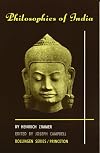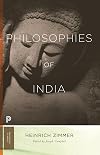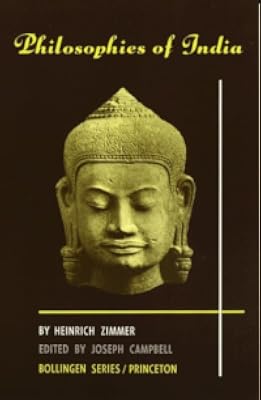
Philosophies of India
by Heinrich Robert Zimmer
On This Page
Description
A Princeton Classics edition of an essential work of twentieth-century scholarship on India Since its first publication, Philosophies of India has been considered a monumental exploration of the foundations of Indian philosophy. Based on the copious notes of Indologist, linguist, and art historian Heinrich Zimmer, and edited by Joseph Campbell, this book is organized into three sections. "The Highest Good" looks at Eastern and Western thought and their convergence; "The Philosophies of Time" show more discusses the philosophies of success, pleasure, and duty; and "The Philosophies of Eternity" presents the fundamental concepts of Buddhism, Brahmanism, Jainism, Sankhya and yoga, and Tantra. This work examines such areas as the Buddhist Tantras, Buddhist Genesis, the Tantric presentation of divinity, the preparation of disciples and the meaning of initiation, and the symbolism of the mandala-palace Tantric ritual and twilight language. It also delves into the Tantric teachings of the inner Zodiac and the fivefold ritual symbolism of passion. Appendices, a bibliography, and general and Sanskrit indexes are included. show lessTags
Recommendations


































Member Reviews
The volume is divided into four sections: The introduction places the position of the Buddhist Tantras within Mahayana Buddhism and recalls their early literary history, especially the Guhyasamahatantra; the section also covers Buddhist Genesis and the Tantric tradition. The foundations of the Buddhist Tantras are discussed and the Tantric presentation of divinity; the preparation of disciples and the meaning of initiation; symbolism of the mandala-palace Tantric ritual and the twilight language. This section explores the Tantric teachings of the inner Zodiac and the fivefold ritual symbolism of passion. The bibliographical research contains an analysis of the Tantric section of the Kanjur exegesis and a selected Western Bibliography of show more the Buddhist Tantras with comments. show less
1. The volume is divided into four sections: The introduction places the position of the Buddhist Tantras within Mahayana Buddhism and recalls their early literary history, especially the Guhyasamahatantra; the section also covers Buddhist Genesis and the Tantric tradition. The foundations of the Buddhist Tantras are discussed and the Tantric presentation of divinity; the preparation of disciples and the meaning of initiation; symbolism of the mandala-palace Tantric ritual and the twilight language. This section explores the Tantric teachings of the inner Zodiac and the fivefold ritual symbolism of passion. The bibliographical research contains an analysis of the Tantric section of the Kanjur exegesis and a selected Western Bibliography show more of the Buddhist Tantras with comments. SOURCE: GoodReads
2. from 2020 Part of: Routledge Library Editions: Buddhism: Since its first publication, Philosophies of India has been considered a monumental exploration of the foundations of Indian philosophy. Based on the copious notes of Indologist, linguist, and art historian Heinrich Zimmer, and edited by Joseph Campbell, this book is organized into three sections. “The Highest Good” looks at Eastern and Western thought and their convergence; “The Philosophies of Time” discusses the philosophies of success, pleasure, and duty; and “The Philosophies of Eternity” presents the fundamental concepts of Buddhism, Brahmanism, Jainism, Sankhya and yoga, and Tantra. This work examines such areas as the Buddhist Tantras, Buddhist Genesis, the Tantric presentation of divinity, the preparation of disciples and the meaning of initiation, and the symbolism of the mandala-palace Tantric ritual and twilight language. It also delves into the Tantric teachings of the inner Zodiac and the fivefold ritual symbolism of passion. Appendices, a bibliography, and general and Sanskrit indexes are included. show less
2. from 2020 Part of: Routledge Library Editions: Buddhism: Since its first publication, Philosophies of India has been considered a monumental exploration of the foundations of Indian philosophy. Based on the copious notes of Indologist, linguist, and art historian Heinrich Zimmer, and edited by Joseph Campbell, this book is organized into three sections. “The Highest Good” looks at Eastern and Western thought and their convergence; “The Philosophies of Time” discusses the philosophies of success, pleasure, and duty; and “The Philosophies of Eternity” presents the fundamental concepts of Buddhism, Brahmanism, Jainism, Sankhya and yoga, and Tantra. This work examines such areas as the Buddhist Tantras, Buddhist Genesis, the Tantric presentation of divinity, the preparation of disciples and the meaning of initiation, and the symbolism of the mandala-palace Tantric ritual and twilight language. It also delves into the Tantric teachings of the inner Zodiac and the fivefold ritual symbolism of passion. Appendices, a bibliography, and general and Sanskrit indexes are included. show less
Não lido
FILOSOFÍAS DE LA INDIA
Esta obra representa hasta hoy, en la
opinión de muchos especialistas, una de
las mejores introducciones generales a
un tema tan complejo como arduo de sintetizar,
Comienza presentando, en una
primera parte, los rasgos generales del
pensamiento índico en sí mismos y com-
parados con el de Occidente; dedica una
segunda parte a las "filosofías del tiempo",
es decir, a las teorías y técnicas
desarrolladas por la cultura índica en el
orden del poder, el placer y el deber;y
termina con las "filosofías de la eternidad"',
las grandes escuelas que buscan la
suprema realización: jainismo, budismo,
los seis sistemas brahmánicos, los Tantra.
l capítulo dedicado al budismo es una
de las más lúcidas y vívidas
interpretaciones show more de esa modalidad
de la sabiduría oriental.
Filosofias de la India es el fruto de
cursos destinados a estudiantes de la
Universidad de Columbia en la que Zimmer,
sorprendido por una muerte prematura,
no llegó a tratar con igual amplitud
los últimos capítulos; su colega Joseph
Campbell, profesor de mitología comparada
en el Sarah Lawrence College, los
reconstituyó basándose en los apuntes de
Zimmer y los complementó con abundantes
notas y apéndices.
El libro está dirigido al lector interesado
en filosofía, religiones e historia de
la cultura y no familiarizado con el
Oriente; pero a la vez, ningún especialista
puede desconocerlo, pues incluye puntos
de vista propios del autor -discutibles como
toda hipótesis, pero ricos en
sugerencias sobre ciertos aspectos
importantes del pensamiento hindú,
especialmente el origen preario del
Samkhya-Yoga show less
Esta obra representa hasta hoy, en la
opinión de muchos especialistas, una de
las mejores introducciones generales a
un tema tan complejo como arduo de sintetizar,
Comienza presentando, en una
primera parte, los rasgos generales del
pensamiento índico en sí mismos y com-
parados con el de Occidente; dedica una
segunda parte a las "filosofías del tiempo",
es decir, a las teorías y técnicas
desarrolladas por la cultura índica en el
orden del poder, el placer y el deber;y
termina con las "filosofías de la eternidad"',
las grandes escuelas que buscan la
suprema realización: jainismo, budismo,
los seis sistemas brahmánicos, los Tantra.
l capítulo dedicado al budismo es una
de las más lúcidas y vívidas
interpretaciones show more de esa modalidad
de la sabiduría oriental.
Filosofias de la India es el fruto de
cursos destinados a estudiantes de la
Universidad de Columbia en la que Zimmer,
sorprendido por una muerte prematura,
no llegó a tratar con igual amplitud
los últimos capítulos; su colega Joseph
Campbell, profesor de mitología comparada
en el Sarah Lawrence College, los
reconstituyó basándose en los apuntes de
Zimmer y los complementó con abundantes
notas y apéndices.
El libro está dirigido al lector interesado
en filosofía, religiones e historia de
la cultura y no familiarizado con el
Oriente; pero a la vez, ningún especialista
puede desconocerlo, pues incluye puntos
de vista propios del autor -discutibles como
toda hipótesis, pero ricos en
sugerencias sobre ciertos aspectos
importantes del pensamiento hindú,
especialmente el origen preario del
Samkhya-Yoga show less
Apr 17, 2024Spanish
> Babelio : https://www.babelio.com/livres/Zimmer-Les-Philosophies-de-lInde/224487
> LA PENSÉE INDIENNE. — […] Dans la catégorie philosophique et historique, viennent également de paraître deux grands livres. D’abord une réédition de l'indispensable traité de Heinrich Zimmer, les Philosophies de l'Inde, qui demeure malgré les ans l’un des exposés les plus justes et les plus profonds qui aient paru sur le sujet. Divisé en trois parties : le bien suprême, les philosophies du temps et les philosophies de l’éternité, il recouvre tout le champ de la pensée indienne, des grandes phases de l’hindouisme jusqu’au judaïsme et au bouddhisme du grand et du petit véhicule (Hinayâna et Mahâyânà). On ne retrouvera show more nulle part ailleurs une telle richesse en un seul livre.
*LES PHILOSOPHIES DE L'INDE, par Heinrich Zimmer, trad. de l'allemand par Marie-Simone Renou, coll. Payothèque, édit. Pavot 1978. 495 pages, $19.80. (Jean-Claude DUSSAULT)
—La presse, 2 décembre 1978, D. Arts et spectacles : https://collections.banq.qc.ca/ark:/52327/2408929 show less
> LA PENSÉE INDIENNE. — […] Dans la catégorie philosophique et historique, viennent également de paraître deux grands livres. D’abord une réédition de l'indispensable traité de Heinrich Zimmer, les Philosophies de l'Inde, qui demeure malgré les ans l’un des exposés les plus justes et les plus profonds qui aient paru sur le sujet. Divisé en trois parties : le bien suprême, les philosophies du temps et les philosophies de l’éternité, il recouvre tout le champ de la pensée indienne, des grandes phases de l’hindouisme jusqu’au judaïsme et au bouddhisme du grand et du petit véhicule (Hinayâna et Mahâyânà). On ne retrouvera show more nulle part ailleurs une telle richesse en un seul livre.
*LES PHILOSOPHIES DE L'INDE, par Heinrich Zimmer, trad. de l'allemand par Marie-Simone Renou, coll. Payothèque, édit. Pavot 1978. 495 pages, $19.80. (Jean-Claude DUSSAULT)
—La presse, 2 décembre 1978, D. Arts et spectacles : https://collections.banq.qc.ca/ark:/52327/2408929 show less
Jul 4, 2021 (Edited)French
Ratings
Members
- Recently Added By
Published Reviews
“Zimmer has introduced such order and coherence into the rich profusion of Indian thought that one wonders whether his services to Indian philosophy are not as great as his contribution to Western understanding of India.”
added by GalenWiley
“A great book.”
added by GalenWiley
“[A] major contribution to our understanding of Asia. It is both the most complete and most intelligent account of this extraordinarily rich and complex philosophical tradition yet written.”
added by GalenWiley
Author Information

25+ Works 1,541 Members
All Editions
Series
Belongs to Publisher Series
Meridian Books (MG6)
Bollingen Series (26)
Common Knowledge
- Original publication date
- 1951
- Important places
- India
- First words
- We of the Occident are about to arrive at a crossroads that was reached by the thinkers of India some seven hundred years before Christ.
- Last words
- (Click to show. Warning: May contain spoilers.)"Need I break the news as one breaks an earthen pot on the floor?"
- Original language
- English
Classifications
Statistics
- Members
- 471
- Popularity
- 64,257
- Reviews
- 5
- Rating
- (3.64)
- Languages
- 7 — English, French, German, Italian, Portuguese, Romanian, Spanish
- Media
- Paper, Ebook
- ISBNs
- 23
- ASINs
- 12