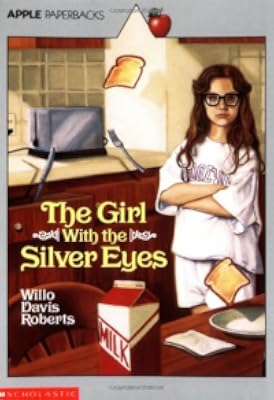
The Girl with the Silver Eyes
by Willo Davis Roberts
On This Page
Description
A 10-year-old girl, who has always looked different from other children, discovers that she not only has unusual powers but that there are others like her.Tags
Recommendations





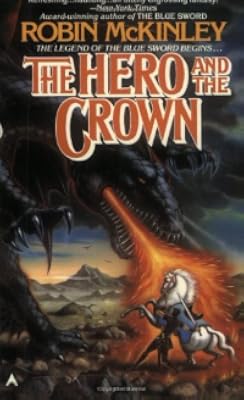
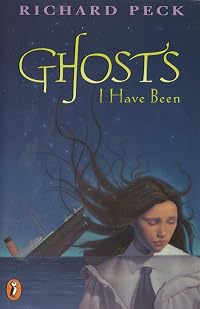

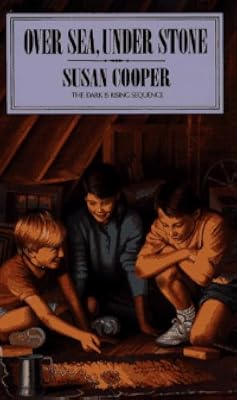

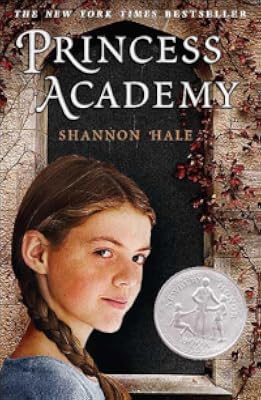




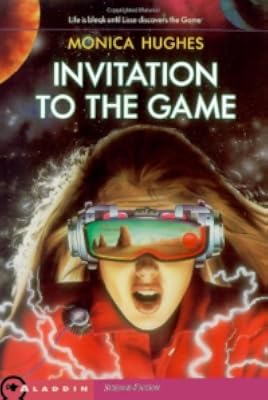
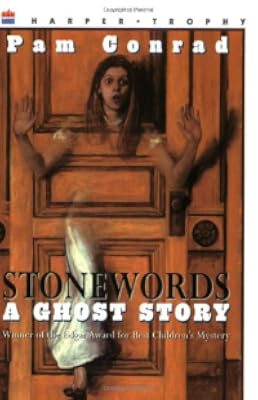
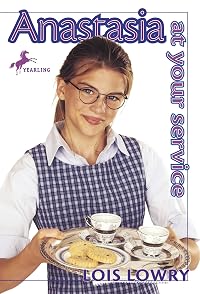


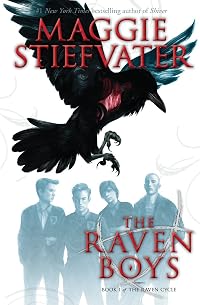

Member Recommendations


by persky


Member Reviews
4.5 stars
Yes, I know, I'm 51 reading a kid's book. Thing is, a good book is a good book regardless of the age it's aimed at and this is a good book, hands down. For years, I kind of hoped Ms. Roberts would revisit Katie and her friends to see how things had turned out for them, but I guess she'd said what she wanted to say and there was no more to say.
Katie is an odd kid, it's true. She has unusual colored eyes and has the gift? curse? of telekinesis or the ability to move objects with only her mind. She's also a fairly serious person and prefers to read to being rowdy, for all that she really wants friends. As a kid myself, I didn't see some of her behavior in the book as problematical, but as an adult, she does come across as a bit of show more a brat, but given that some of the adults around her are less than friendly, and see her as a troublemaker even when she's not, I cannot say that I blame her either.
As an adult, listening to the audio version of this book, I found I could analyze what about this book drew me in as a kid and there was a lot. A sense of not belonging, being different, and an outsider are the main topics of this story, but also finding people who look beyond the surface and see someone they like and can get along with and are accepting. Katie found those things in the end, though I wish the book were a bit longer so we could spend time with the other kids and get to know them too. The ending, I have to say, is just a little too pat.
As a so called adult, I can put the ideas and thoughts of this book into a context that make sense to me now: I too was different; being asexual and aromantic does put one outside of the so called "normal" teenage experience of finding a boy/girlfriend, etc. I was and still am socially awkward, shy, and a big time introvert too. Sadly, I never did develop into a Tomorrow Person. I found my people after I got out of high school and joined a couple of SF clubs - most of them are still friends.
[ETA] This is a very Gen-X book complete with divorced or working parents, latchkey kids, and a lot of alone time.
Thanks for letting me wander down memory lane Ms. Roberts. I hope you have found your peace too. show less
Yes, I know, I'm 51 reading a kid's book. Thing is, a good book is a good book regardless of the age it's aimed at and this is a good book, hands down. For years, I kind of hoped Ms. Roberts would revisit Katie and her friends to see how things had turned out for them, but I guess she'd said what she wanted to say and there was no more to say.
Katie is an odd kid, it's true. She has unusual colored eyes and has the gift? curse? of telekinesis or the ability to move objects with only her mind. She's also a fairly serious person and prefers to read to being rowdy, for all that she really wants friends. As a kid myself, I didn't see some of her behavior in the book as problematical, but as an adult, she does come across as a bit of show more a brat, but given that some of the adults around her are less than friendly, and see her as a troublemaker even when she's not, I cannot say that I blame her either.
As an adult, listening to the audio version of this book, I found I could analyze what about this book drew me in as a kid and there was a lot. A sense of not belonging, being different, and an outsider are the main topics of this story, but also finding people who look beyond the surface and see someone they like and can get along with and are accepting. Katie found those things in the end, though I wish the book were a bit longer so we could spend time with the other kids and get to know them too. The ending, I have to say, is just a little too pat.
As a so called adult, I can put the ideas and thoughts of this book into a context that make sense to me now: I too was different; being asexual and aromantic does put one outside of the so called "normal" teenage experience of finding a boy/girlfriend, etc. I was and still am socially awkward, shy, and a big time introvert too. Sadly, I never did develop into a Tomorrow Person. I found my people after I got out of high school and joined a couple of SF clubs - most of them are still friends.
[ETA] This is a very Gen-X book complete with divorced or working parents, latchkey kids, and a lot of alone time.
Thanks for letting me wander down memory lane Ms. Roberts. I hope you have found your peace too. show less
I had fond memories of this book from my middle school days, and recently managed to find a copy. I have to say, the intervening 30 years has not been kind to it.
The shape of the story is a familiar one. A young person has powers that make them special, but also mark them as different. They come of age and discover others like themselves, and are finally free to be who they are.
That's great, so far as it goes. The problem is that it's not a particularly good example of this story shape. The bulk of the story is composed of the protagonist's abysmal family situation. We are treated to dozens of examples of poor treatment bordering on abuse. And yet in the climax, most of that is ignored with a sudden change of heart on the part of show more Katie's mother. Even the mom's deadbeat boyfriend comes around, somehow. The ending feels rushed and unearned.
And what's worse, the book ends just as it's getting to an interesting part. Katie has found others like her and is about to embark on a new stage in her life. But we see none of it. The book simply ends, meaning that all we get is a hundred pages of child neglect followed by an empty conclusion.
I can see why I liked this book as a kid. The premise activated my imagination, and I was content to put myself in Katie's shoes and continue the story on my own. As an adult, and having read much better examples of this type of fiction, that's no longer enough. show less
The shape of the story is a familiar one. A young person has powers that make them special, but also mark them as different. They come of age and discover others like themselves, and are finally free to be who they are.
That's great, so far as it goes. The problem is that it's not a particularly good example of this story shape. The bulk of the story is composed of the protagonist's abysmal family situation. We are treated to dozens of examples of poor treatment bordering on abuse. And yet in the climax, most of that is ignored with a sudden change of heart on the part of show more Katie's mother. Even the mom's deadbeat boyfriend comes around, somehow. The ending feels rushed and unearned.
And what's worse, the book ends just as it's getting to an interesting part. Katie has found others like her and is about to embark on a new stage in her life. But we see none of it. The book simply ends, meaning that all we get is a hundred pages of child neglect followed by an empty conclusion.
I can see why I liked this book as a kid. The premise activated my imagination, and I was content to put myself in Katie's shoes and continue the story on my own. As an adult, and having read much better examples of this type of fiction, that's no longer enough. show less
A Classic Worth Revisiting
I read this for the first time nearly 30 years ago, when I was just a bit younger than Katie's age of 9. Its not overly invested in explaining why Katie is as she is, its more interested in showing us about how she relates to world around her.
In that way I can see how some folk have revisited this within the scope of Roberts exploring autism. Much like the X-Men were stand ins for everything from racial tensions to being gay, Katie's struggles with adapting to the world at large make her relatable on multiple levels.
She's gifted, quiet, precocious and emotionally detached (at least, against how other kids are). She draws comfort from reading, and wonders why exactly others find her disturbing. Including her show more mother, who she hasn't seen for six years (at least not regularly).
The first time I read this was also the first time I stayed awake all night reading. I barely noticed the time I was so absorbed in finding out of Katie would resolve the mystery of who she is.
Some of it is dated - there was no modernizing this as new editions released. Discussions about long distance telephone charges, having to use multiple maps to figure out where something was, and a phone book to find a person is all...well...a thing of the past. Certainly folk still use maps or phone books, but they would not be the first thing a kid Katie's age would suggest.
Left largely unexplored is Katie's father, Joe. He appears to be an adventurer some kind, as Katie mentions he was sometimes in Montana and sometimes in Texas. Maybe a salesman? Its left pretty vague other than "he was always on the move". show less
I read this for the first time nearly 30 years ago, when I was just a bit younger than Katie's age of 9. Its not overly invested in explaining why Katie is as she is, its more interested in showing us about how she relates to world around her.
In that way I can see how some folk have revisited this within the scope of Roberts exploring autism. Much like the X-Men were stand ins for everything from racial tensions to being gay, Katie's struggles with adapting to the world at large make her relatable on multiple levels.
She's gifted, quiet, precocious and emotionally detached (at least, against how other kids are). She draws comfort from reading, and wonders why exactly others find her disturbing. Including her show more mother, who she hasn't seen for six years (at least not regularly).
The first time I read this was also the first time I stayed awake all night reading. I barely noticed the time I was so absorbed in finding out of Katie would resolve the mystery of who she is.
Some of it is dated - there was no modernizing this as new editions released. Discussions about long distance telephone charges, having to use multiple maps to figure out where something was, and a phone book to find a person is all...well...a thing of the past. Certainly folk still use maps or phone books, but they would not be the first thing a kid Katie's age would suggest.
Left largely unexplored is Katie's father, Joe. He appears to be an adventurer some kind, as Katie mentions he was sometimes in Montana and sometimes in Texas. Maybe a salesman? Its left pretty vague other than "he was always on the move". show less
Kidlet contemporary scifi!
I was gifted this by a friend who really liked this when they were younger. I made a joke about Matilda at the time, but this predates it re: precocious girls who have telekinetic abilities. The story is dated in some ways (using a phonebook to find someone? The across the hall neighbor considers astronauts as a thing that were science fiction twenty years prior?) but the feelings of being alone and wanting to find others like you are timeless, as is suddenly living with an estranged parent.
I have some questions about the world the story takes place in that aren't addressed, but that's what imagination is for I suppose (and would a ten year old be super curious about Big Pharma?) Anyway, good elementary level show more science fiction. show less
I was gifted this by a friend who really liked this when they were younger. I made a joke about Matilda at the time, but this predates it re: precocious girls who have telekinetic abilities. The story is dated in some ways (using a phonebook to find someone? The across the hall neighbor considers astronauts as a thing that were science fiction twenty years prior?) but the feelings of being alone and wanting to find others like you are timeless, as is suddenly living with an estranged parent.
I have some questions about the world the story takes place in that aren't addressed, but that's what imagination is for I suppose (and would a ten year old be super curious about Big Pharma?) Anyway, good elementary level show more science fiction. show less
I absolutely loved this in middle school. The magic and wish fulfillment in a middle grade book were all normal, but the book conveyed a kind of surreal creepiness, too. The title alone did that, and the cover.
This had a flip side of Village of the Damned run up, with a sudden, now I have friends ending. As I really didn't like VotD and the environments Katie endures are so hostile, I wasn't really enjoying this much, then it ended. If I'd read a review or so I would have known it wasn't an adult novel nor quite what is now going as YA - high body count ending in cuddles - so I was reading it as an adult novel about a young girl, which it pretty much is until the last couple of chapters.
Katie Welker and her silver eyes has always been considered strange by her classmates and even by her own mother who does love her, but can’t understand what makes Katie stand apart. Katie has telekinetic powers which she has long learned to suppress around other people but which she uses alone for her convenience or to hassle people for fun and justice. After overhearing her mother talking about an experimental drug she took when she was pregnant with Katie, and finding a letter from one of mother’s friends who confides the strangeness of her own daughter, Katie begins putting two and two together, realizing there may be more kids out there like her.
Members
- Recently Added By
Lists

Best middle grade books
130 works; 24 members
Children's Science Fiction
33 works; 3 members

Main Character is aged 10-19
361 works; 6 members

Books With Body Parts in the Title
153 works; 8 members

Magic Realism
371 works; 52 members

Books Read in 2016
4,666 works; 197 members
Favorite Science Fiction by Women Authors
737 works; 202 members

1980s
356 works; 23 members
Books Read in 2018
4,360 works; 110 members

Favorite Childhood Books
1,646 works; 514 members

A Rainbow of Books: Colors in the Title
570 works; 24 members

Books for Fans of Stranger Things
84 works; 7 members

Books with Colourful Titles
171 works; 8 members

Female Protagonist
1,056 works; 57 members
Elevenses
316 works; 88 members

Frequently sought stories - Name that Book group
149 works; 11 members

ESP, psychic powers -- children's/young adult fiction
230 works; 8 members

EGBERTINA'S List of childhood books worthy of merit or unspeakable delight
155 works; 6 members
Talk Discussions
Past Discussions
YA Book, silver eyed kids who can move items w/their minds in Name that Book (May 2009)
Author Information

93+ Works 5,272 Members
Author Willo Davis Roberts was born in Grand Rapids, Michigan on May 29, 1928. Her first novel, Murder at Grand Bay, was published in 1955. The View from the Cherry Tree was originally meant to be an adult novel, but was then sold as a children's book; it was published in 1975 and started her career as a children's mystery writer. Roberts wrote a show more total of ninety-nine children and adult books during her lifetime and won numerous awards including the Mark Twain award for The Girl with the Silver Eyes (1980) and Baby-Sitting Is a Dangerous Job (1985) and the Edgar Allen Poe Award for Megan's Island (1988), The Absolutely True Story of My Visit to Yellowstone with the Terrible Rupes (1994), and Twisted Summer (1996). She died on November 19, 2004 from congestive heart failure. (Bowker Author Biography) show less
Some Editions
Awards and Honors
Awards
Series
Belongs to Publisher Series
Work Relationships
Common Knowledge
- Canonical title
- The Girl with the Silver Eyes
- Original publication date
- 1980
- People/Characters
- Katie Welker; Adam Cooper (Mr. C); Joy Katzenburger (Miss K); Hal Pollard (Mr. P); Dale Casey; Jackson Jones (show all 13); Monica Welker (Mom); Nathan Osmond; Eric VanAllsburg; Kerri Lamont; Annie Michaelmas (Mrs. M); Grandma Welker; Lobo (cat, lives with Annie Michaelmas)
- Important places
- USA
- Dedication
- Dedicated to my own "Katie," Kathleen Louise Roberts
- First words
- Katie sat on the small balcony of apartment 2-A, looking down over the front sidewalk.
- Last words
- (Click to show. Warning: May contain spoilers.)And when she looked at Kerri and Dale and Eric, she knew they were thinking the same thing.
Classifications
Statistics
- Members
- 1,318
- Popularity
- 18,269
- Reviews
- 26
- Rating
- (4.05)
- Languages
- English
- Media
- Paper, Audiobook, Ebook
- ISBNs
- 18
- ASINs
- 5