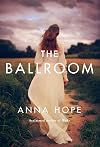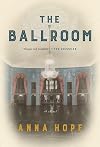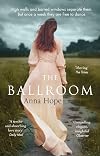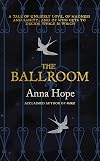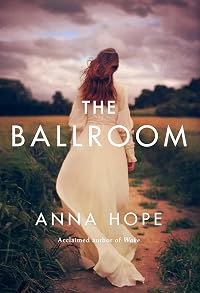
The Ballroom
by Anna Hope
On This Page
Description
"1911: Inside an asylum on the edge of the Yorkshire moors, where men and women are kept apart by high walls and barred windows, there is a ballroom, vast and beautiful. For one bright evening every week, they come together and dance. When John and Ella meet, it is a dance that will change two lives forever. Set during the heat wave in the summer of 1911 at the end of the Edwardian era, this is a tale of unlikely love and dangerous obsession, of madness and sanity, and the delicate balance show more between the two"-- show lessTags
Recommendations





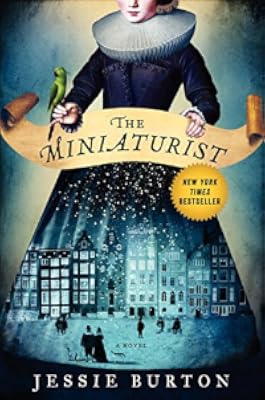
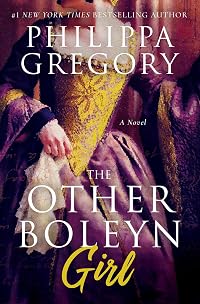
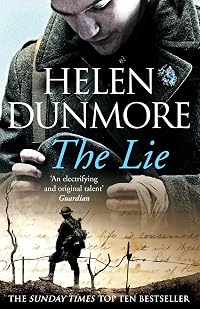
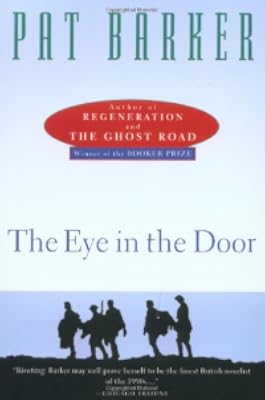

Member Recommendations
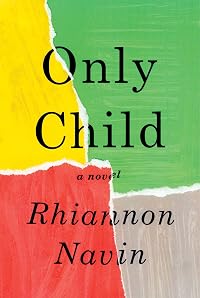
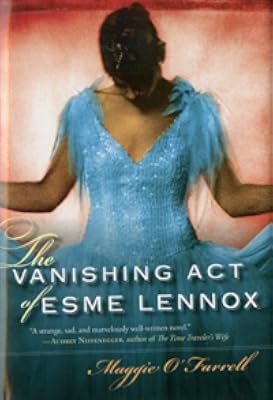
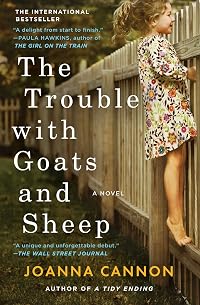
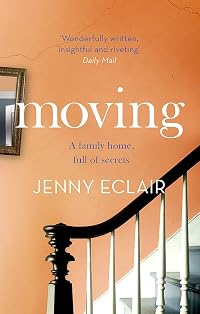
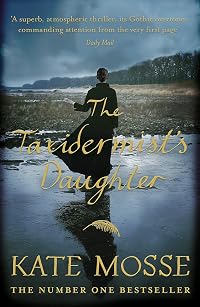
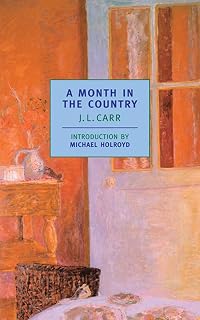
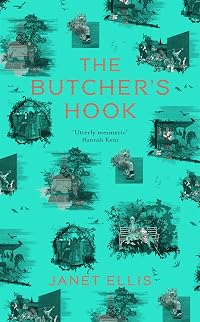
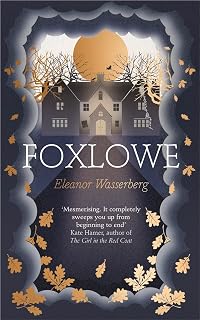
charl08 Novels explore institutional life before psychiatric drugs.
Member Reviews
I really liked this one....much more than I expected to. Yes, it's historical fiction; yes, it's a love story...but it's so much more and it's also beautifully written. Ella Fay is sent to an asylum because she broke a window in the factory where she works. John Mulligan is another patient there who also seems to have little, if any, true mental illness. He is mourning the death of his infant daughter and subsequent break-up of his marriage. They meet at a weekly ballroom dance, where male and female patients are brought together as a form of music therapy, led by Dr. Charles Fuller. Dr. Fuller is pioneering this kind of therapy, but also intrigued by eugenics and struggling against his homosexuality.
So, this book explores the treatment show more of the mentally ill, a topic that continues to be of interest today even though the specifics of the debate has changed. It also looks at societal expectations in terms of behaviour. And it's a fascinating story of how two people meet and fall in love. show less
So, this book explores the treatment show more of the mentally ill, a topic that continues to be of interest today even though the specifics of the debate has changed. It also looks at societal expectations in terms of behaviour. And it's a fascinating story of how two people meet and fall in love. show less
Historical fiction set in Yorkshire, England, in the early 1900s at Sharston, a mental asylum. Ella Fay is sent to the asylum for an outburst at her workplace. John Mulligan is suffering from melancholy after the death of his wife and child. Charles Fuller is a doctor attempting to treat the patients, but often inflicting more harm than healing due to the misguided notions of the time period. Charles establishes regular music and dancing in the ballroom, where Ella and John meet. The story follows their blossoming relationship and the doctor’s ambitions to publish a paper that will advance his career. We wonder if Ella and John ever needed to be confined in the first place, while watching the doctor’s mind and actions show more deteriorate.
The characters are realistic, and the plot is multifaceted. It is based upon a real institution of the time period. Though the plot and characters are fictional, the issues it explores were very real. It examines the prevailing concepts of eugenics and forced sterilization. It is sad to think that so many people who had fallen on hard times, or were poor, or had simply made a mistake were locked up with others who truly needed mental treatment. It will make the reader glad that mental issues are no longer handled the way they were in the early 1900s.
This novel is well-crafted and well-researched historical fiction. I found it a powerful story about the role of hope and personal connection in conditions of powerlessness. show less
The characters are realistic, and the plot is multifaceted. It is based upon a real institution of the time period. Though the plot and characters are fictional, the issues it explores were very real. It examines the prevailing concepts of eugenics and forced sterilization. It is sad to think that so many people who had fallen on hard times, or were poor, or had simply made a mistake were locked up with others who truly needed mental treatment. It will make the reader glad that mental issues are no longer handled the way they were in the early 1900s.
This novel is well-crafted and well-researched historical fiction. I found it a powerful story about the role of hope and personal connection in conditions of powerlessness. show less
Historical fiction set in Yorkshire, England, in the early 1900s at Sharston, a mental asylum. Ella Fay is sent to the asylum for an outburst at her workplace. John Mulligan is suffering from melancholy after the death of his wife and child. Charles Fuller is a doctor attempting to treat the patients, but often inflicting more harm than healing due to the misguided notions of the time period. Charles establishes regular music and dancing in the ballroom, where Ella and John meet. The story follows their blossoming relationship and the doctor’s ambitions to publish a paper that will advance his career. We wonder if Ella and John ever needed to be confined in the first place, while watching the doctor’s mind and actions show more deteriorate.
The characters are realistic, and the plot is multifaceted. It is based upon a real institution of the time period. Though the plot and characters are fictional, the issues it explores were very real. It examines the prevailing concepts of eugenics and forced sterilization. It is sad to think that so many people who had fallen on hard times, or were poor, or had simply made a mistake were locked up with others who truly needed mental treatment. It will make the reader glad that mental issues are no longer handled the way they were in the early 1900s.
This novel is well-crafted and well-researched historical fiction. I found it a powerful story about the role of hope and personal connection in conditions of powerlessness. show less
The characters are realistic, and the plot is multifaceted. It is based upon a real institution of the time period. Though the plot and characters are fictional, the issues it explores were very real. It examines the prevailing concepts of eugenics and forced sterilization. It is sad to think that so many people who had fallen on hard times, or were poor, or had simply made a mistake were locked up with others who truly needed mental treatment. It will make the reader glad that mental issues are no longer handled the way they were in the early 1900s.
This novel is well-crafted and well-researched historical fiction. I found it a powerful story about the role of hope and personal connection in conditions of powerlessness. show less
Set in 1911 in Sharston Asylum, West Yorkshire (based on the real-life Menston Asylum), this powerful, poignant story is told through three narrative voices. Ella, a young woman whose only “crime” had been to break a window at the mill where she worked in order to see the sky – an expression of her despair at the dreadful working conditions, as well as the abuse she experienced at home. John, an Irishman who, following the death of his young daughter and the breakdown of his marriage, had become depressed and was eventually admitted to the asylum. Charles, the asylum’s reluctant doctor, would rather be a musician but feels a need to prove himself to his father by achieving something important. Life in the asylum is harsh and the show more men and women are strictly segregated, except for two hours every Friday night when they are allowed to socialise in the beautiful ballroom, listen to music and dance. However, only some of the residents are chosen and they all know that any infraction of the rules will lead the withdrawal of the privilege. John feels an immediate attraction to Ella and writes her a letter but as she cannot read, her friend Clem, an avid reader, reads them to her and then writes a letter back for her. This exchange of letters forges an ever-closer relationship between the couple, offering them possibility of love and romance in the face of the loneliness and madness of their surroundings.
There were times when I found this a really difficult story to read because it so clearly evoked the horrors of what life was like for those deemed “unfit” for society in the early days of the twentieth century, a time when eugenics was gaining popularity as a means by which to “breed-out” the “dregs” of society – the violent, the feeble-minded, the addicts etc. I had known that Churchill had become convinced of the desirability of pursuing a programme of enforced sterilisation and had attempted to force through legislation to achieve this. However, it felt very uncomfortable to be reminded of how close this barbaric “solution” came to being enshrined in the 1913 Mental Deficiency Act, which legislated instead the need for enforced segregation, rather than sterilisation, to prevent reproduction.
Each of the characters felt convincing and I soon found myself caught up in the developing relationship between Ella and John, hoping for a good outcome for them but always fearing that the circumstances they found themselves in would stop them getting together. I loved that Ella found a friend in Clem, an emotionally fragile young woman, but an avid reader who found refuge in the books her affluent family kept her supplied with. What happened to her as the story progressed was one of the most disturbing aspects of this already deeply-disturbing story. However, the pivotal character in all their lives was Charles, a man who at first appeared, with his belief in the healing qualities of music, to care for the inmates. However, as his own troubled, repressed feelings begin to surface, his behaviour towards them becomes increasingly vengeful, sadistic and destructive.
The author used her great-great-grandfather experiences as an inmate at Menston Asylum to create a well-written but disturbing, haunting and unforgettable story. show less
There were times when I found this a really difficult story to read because it so clearly evoked the horrors of what life was like for those deemed “unfit” for society in the early days of the twentieth century, a time when eugenics was gaining popularity as a means by which to “breed-out” the “dregs” of society – the violent, the feeble-minded, the addicts etc. I had known that Churchill had become convinced of the desirability of pursuing a programme of enforced sterilisation and had attempted to force through legislation to achieve this. However, it felt very uncomfortable to be reminded of how close this barbaric “solution” came to being enshrined in the 1913 Mental Deficiency Act, which legislated instead the need for enforced segregation, rather than sterilisation, to prevent reproduction.
Each of the characters felt convincing and I soon found myself caught up in the developing relationship between Ella and John, hoping for a good outcome for them but always fearing that the circumstances they found themselves in would stop them getting together. I loved that Ella found a friend in Clem, an emotionally fragile young woman, but an avid reader who found refuge in the books her affluent family kept her supplied with. What happened to her as the story progressed was one of the most disturbing aspects of this already deeply-disturbing story. However, the pivotal character in all their lives was Charles, a man who at first appeared, with his belief in the healing qualities of music, to care for the inmates. However, as his own troubled, repressed feelings begin to surface, his behaviour towards them becomes increasingly vengeful, sadistic and destructive.
The author used her great-great-grandfather experiences as an inmate at Menston Asylum to create a well-written but disturbing, haunting and unforgettable story. show less
Well, I was not expecting that! From the cover - by which I realise you should never judge the book - I had this pegged as one of those wishy-washy historical novels set around the First World War, which it sort of is, but the local connection blew me away. From the first description of the asylum, which is the setting of the story, I thought, 'I know that building!' (Not personally, I hasten to add.) I work in an archives office in West Yorkshire, and instantly recognised High Royds, or the West Riding Pauper Lunatic Asylum, to give the former hospital a charming title. Also from Mark Davies' website, which I used to check that I was right - and yep, there are the black daisies in the entrance hall.
Anyway, location aside, the story is show more based - loosely - on the author's grandfather, an Irishman who was an inmate at High Royds. He died in his 50s, but his character in the book, John Mulligan, fights against his incarceration, and also the insidious attentions of rogue doctor Charles Fuller, who believes in eugenics and should probably be locked up instead of his patients. In fact, the doctor, and the sudden darkening of his personality and outlook, is the only character who didn't really work for me - he was fairly creepy to begin with, but then turned into a cackling caricature, hell bent on eradicating his patients to escape his own inner demons. John and Ella were sympathetic enough, however, and I wanted to read more about poor Clem.
A superbly atmospheric setting, local links, beautiful writing, well paced - most definitely recommended, even for readers who can't identify the asylum based on the pattern of the tiles! show less
Anyway, location aside, the story is show more based - loosely - on the author's grandfather, an Irishman who was an inmate at High Royds. He died in his 50s, but his character in the book, John Mulligan, fights against his incarceration, and also the insidious attentions of rogue doctor Charles Fuller, who believes in eugenics and should probably be locked up instead of his patients. In fact, the doctor, and the sudden darkening of his personality and outlook, is the only character who didn't really work for me - he was fairly creepy to begin with, but then turned into a cackling caricature, hell bent on eradicating his patients to escape his own inner demons. John and Ella were sympathetic enough, however, and I wanted to read more about poor Clem.
A superbly atmospheric setting, local links, beautiful writing, well paced - most definitely recommended, even for readers who can't identify the asylum based on the pattern of the tiles! show less
The Ballroom by Anna Hope is a 2016 McClelland & Stewart publication.
I really had no idea what to expect when I started this book. The synopsis was intriguing, but I couldn’t tell if this book was a romance or pure historical fiction. I suppose it’s a little bit of both, but I never could have guessed at the direction this book would take.
In 1911 Ella sealed her fate by committing the oh so heinous crime of breaking a window at the factory she worked as a spinner. She only wanted a glimpse of the outdoors, but was quickly diagnosed as hysterical and sent to Sharston Asylum.
If the patients are well behaved they are allowed to visit the ballroom, where they will meet the men who are housed in a separate location of the asylum, show more where they can hear music and dance.
This is where Ella meets John and a correspondence develops between them. But, Ella is under the watchful eye of her doctor, Charles Fuller, who is escaping his own private hell, as well as becoming interested in Eugenics.
Once the story got rolling the atmosphere swings from harrowing, to a sweet romance, to suspenseful, to horrifying, and then finally finds a peace of sorts by the end of the novel.
If you read this book, I can promise you, it will stick with you a long, long, long time. I have caught myself, in quiet moments, thinking about these characters, this unforgettably haunting story, that cast an unusually heavy spell over me.
The asylum is a very unlikely place for a couple to meet and fall in love, but, despite the heaviness and gloom, this is exactly what happens. It is also the setting for the development of a deep bond of friendship, between Ella and Clem, a woman who helps Ella cope with being locked away in such a bleak, oppressive, and terrifying place.
The atmosphere, and utter horror the patients, are subjected to, is a powerful eye opener, especially when the topic of Eugenics is raised. The power over the residents or ‘patients’ in the asylum in this era of time is astounding and made my skin crawl.
The story is told from John, Charles, and Ella’s first person perspectives, each chronicling their desires, hopes, goals, deep thoughts and feelings. Naturally, the story rolls on into a virtual nightmare, that is absolutely harrowing as, ironically, the good doctor descends into an insane madness of his own, which made my stomach roil, as a truly terrifying sense of foreboding hung thick in the air.
This story will give your emotions a real workout, will educate you, horrify you, and break your heart, but above all, will tell a tender, bittersweet and poignant love story, which is the part I’ve locked away in my heart and memory. If you close the book with dry eyes, you are a much stronger person than I. show less
I really had no idea what to expect when I started this book. The synopsis was intriguing, but I couldn’t tell if this book was a romance or pure historical fiction. I suppose it’s a little bit of both, but I never could have guessed at the direction this book would take.
In 1911 Ella sealed her fate by committing the oh so heinous crime of breaking a window at the factory she worked as a spinner. She only wanted a glimpse of the outdoors, but was quickly diagnosed as hysterical and sent to Sharston Asylum.
If the patients are well behaved they are allowed to visit the ballroom, where they will meet the men who are housed in a separate location of the asylum, show more where they can hear music and dance.
This is where Ella meets John and a correspondence develops between them. But, Ella is under the watchful eye of her doctor, Charles Fuller, who is escaping his own private hell, as well as becoming interested in Eugenics.
Once the story got rolling the atmosphere swings from harrowing, to a sweet romance, to suspenseful, to horrifying, and then finally finds a peace of sorts by the end of the novel.
If you read this book, I can promise you, it will stick with you a long, long, long time. I have caught myself, in quiet moments, thinking about these characters, this unforgettably haunting story, that cast an unusually heavy spell over me.
The asylum is a very unlikely place for a couple to meet and fall in love, but, despite the heaviness and gloom, this is exactly what happens. It is also the setting for the development of a deep bond of friendship, between Ella and Clem, a woman who helps Ella cope with being locked away in such a bleak, oppressive, and terrifying place.
The atmosphere, and utter horror the patients, are subjected to, is a powerful eye opener, especially when the topic of Eugenics is raised. The power over the residents or ‘patients’ in the asylum in this era of time is astounding and made my skin crawl.
The story is told from John, Charles, and Ella’s first person perspectives, each chronicling their desires, hopes, goals, deep thoughts and feelings. Naturally, the story rolls on into a virtual nightmare, that is absolutely harrowing as, ironically, the good doctor descends into an insane madness of his own, which made my stomach roil, as a truly terrifying sense of foreboding hung thick in the air.
This story will give your emotions a real workout, will educate you, horrify you, and break your heart, but above all, will tell a tender, bittersweet and poignant love story, which is the part I’ve locked away in my heart and memory. If you close the book with dry eyes, you are a much stronger person than I. show less
I got lost in this book early on – lost in a good way. The blossoming relationship of John and Ella, two patients in the Sharston Asylum, and the fire that burned in these characters pulled me in.
Descriptions of time, place and feelings were expertly done and made my senses come alive such as in this following example: “The dusk came, and the moon rose, golden, above the buildings ahead. Different shapes filled the sky – the whirling dance of bats – and when the edges of things were soft and the shadows began to merge he watched the path. He fingered the stalks in his pocket, his eyes on the trampled grass. The thought of her was like touching something hot.” There were many wonderful passages such as this within the bleak show more walls and grounds of the asylum from which the bulk of this story is told.
But who are the insane ones, the patients of the asylum or is it Dr. Charles Fuller, Medical Officer. Charles' perspective is as interesting as Ella and John’s, his obsessiveness and pathetic character spiraling downward repel yet captivate. show less
Descriptions of time, place and feelings were expertly done and made my senses come alive such as in this following example: “The dusk came, and the moon rose, golden, above the buildings ahead. Different shapes filled the sky – the whirling dance of bats – and when the edges of things were soft and the shadows began to merge he watched the path. He fingered the stalks in his pocket, his eyes on the trampled grass. The thought of her was like touching something hot.” There were many wonderful passages such as this within the bleak show more walls and grounds of the asylum from which the bulk of this story is told.
But who are the insane ones, the patients of the asylum or is it Dr. Charles Fuller, Medical Officer. Charles' perspective is as interesting as Ella and John’s, his obsessiveness and pathetic character spiraling downward repel yet captivate. show less
Members
- Recently Added By
Lists

Books Read in 2016
4,666 works; 199 members
Author Information

7+ Works 1,062 Members
Some Editions
Awards and Honors
Awards
Distinctions
Series
Belongs to Publisher Series
Common Knowledge
- Canonical title*
- La salle de bal
- Original title
- The ballroom
- Original publication date
- 2016-09-03 (1e édition originale anglaise, Doubleday) (1e édition originale anglaise, Doubleday); 2017-08-17 (1e traduction et édition française, Du monde entier, Gallimard) (1e traduction et édition française, Du monde entier, Gallimard); 2019-04-04 (Réédition française, Folio, Gallimard) (Réédition française, Folio, Gallimard)
- Epigraph*
- La salle, longue de 30 mètres et large de 15, est élégante de par ses dimensions et sa disposition générale. Elle est agrémentée de lambris et de frises en céramique de Burmantofts ainsi que de cordons, et au-dessus d... (show all)e fenêtres cintrées, qui constituent un ornement supplémentaire. À ces fenêtres des vitraux, où des oiseaux peints voletant autour de longues branches de mûriers créent un effet charmant. Le plafond voûté, à caissons brun clair et dorés, est rehaussé par diverses teintes en parfaite harmonie avec les nuances riches du lambris et de la frise, ainsi que par une magnifique galerie composée d’arcades en noyer. Tout au fond de la pièce se dresse une grande estrade aménagée avec tout le nécessaire en matière de coulisses et de cintres, et de la place pour loger l’orchestre derrière les lampes rasantes.
Ilkley Gazette, 1882
Le jardin de l’humanité est envahi de mauvaises herbes… l’engrais ne les transformera jamais en fleurs.
KARL PEARSON - Dedication*
- À John Mullarkey,
mon arrière-arrière-grand-père,
1863-1918.
Et pour Dave,
qui prouve, chaque jour,
que la magie est réalité. - First words*
- Prologue
Irlande, 1934
C’était une belle et douce journée. Elle marchait lentement, prudente sur le chemin semé d’ornières. [...]
Livre premier
1911
Hiver – Printemps
Ella
« Tu vas te calmer, oui ? résonnait la voix de l’homme. Tu vas te calmer, oui ? »
Elle émit un son. [...] - Original language*
- Anglais (Royaume-Uni) (Royaume-Uni)
*Some information comes from Common Knowledge in other languages. Click "Edit" for more information.
Classifications
Statistics
- Members
- 275
- Popularity
- 117,391
- Reviews
- 19
- Rating
- (3.86)
- Languages
- English, French, Italian
- Media
- Paper, Audiobook, Ebook
- ISBNs
- 20
- ASINs
- 4