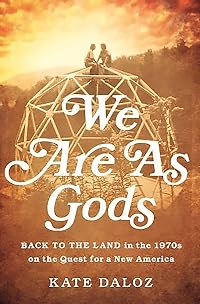
We Are As Gods: Back to the Land in the 1970s on the Quest for a New America
by Kate Daloz
On This Page
Description
"Between 1970 and 1974 ten million Americans abandoned the city, and the commercialism, and all the inauthentic bourgeois comforts of the Eisenhower-era America of their parents. Instead, they went back to the land. It was the only time in modern history that urbanization has gone into reverse. Kate Daloz follows the dreams and ideals of a small group of back-to-the-landers to tell the story of a nationwide movement and moment. And she shows how the faltering, hopeful, but impractical show more impulses of that first generation sowed the seeds for the organic farming movement and the transformation of American agriculture and food tastes. In the Myrtle Hill commune and neighboring Entropy Acres, high-minded ideas of communal living and shared decision-making crash headlong into the realities of brutal Northern weather and the colossal inconvenience of having no plumbing or electricity. Nature, it turns out, is not always a generous or provident host-frosts are hard, snowfalls smother roads, and small wood fires do not heat imperfectly insulated geodesic domes. Group living turns out to be harder than expected too. Being free to do what you want and set your own rules leads to some unexpected limitations: once the group starts growing a little marijuana they can no longer call on the protection of the law, especially against a rogue member of a nearby community. For some of the group, the lifestyle is truly a saving grace; they credit it with their survival. For others, it is a prison sentence. We Are As Gods (the first line of the Whole Earth Catalog, the movement's bible) is a poignant rediscovery of a seminal moment in American culture, whose influence far outlasted the communities that took to the hills and woods in the late '60s and '70s and remains present in every farmer's market, every store selling Stonyfield products, or Keen shoes, or Patagonia sportswear."-- "Between 1970 and 1974 ten million Americans abandoned the city, the commercialism, and all the inauthentic bourgeois comforts of the Eisenhower-era America of their parents. Instead, they went back to the land. It was the only time in modern history that urbanization has gone into reverse. Kate Daloz follows the dreams and ideals of a small group of back-to-the-landers to tell the story of a nationwide movement and moment. She shows how the faltering, hopeful, but impractical impulses of that first generation sowed the seeds for the organic farming movement and the transformation of American agriculture and food tastes. In the Myrtle Hill commune and neighboring Entropy Acres, high-minded ideas of communal living and shared decision-making crash headlong into the realities of brutal Northern weather and the colossal inconvenience of having no plumbing or electricity. Nature, it turns out, is not always a generous or provident host--frosts are hard, snowfalls smother roads, and small wood fires do not heat imperfectly insulated geodesic domes. Group living turns out to be harder than expected, too. Being free to do what you want and set your own rules leads to some unexpected limitations: once the group starts growing a little marijuana they can no longer call on the protection of the law, especially against a rogue member of a nearby community. For some of the group, the lifestyle is truly a saving grace; they credit it with their survival. For others, it is a prison sentence"-- show lessTags
Recommendations


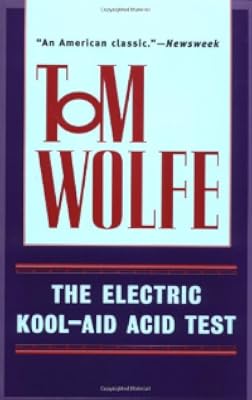
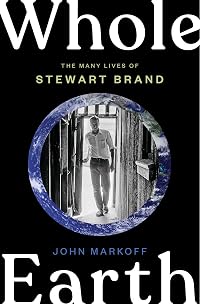
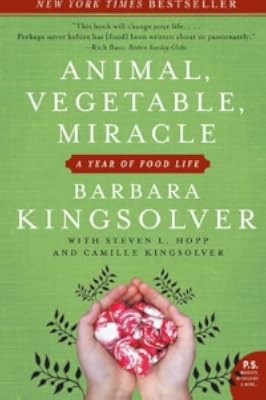
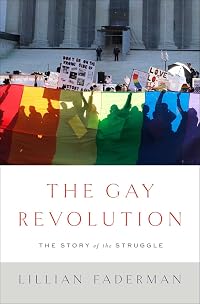



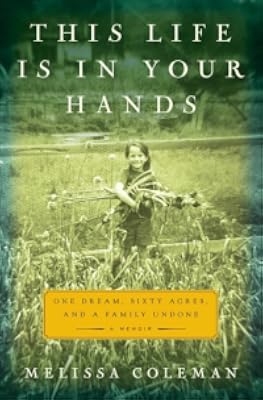
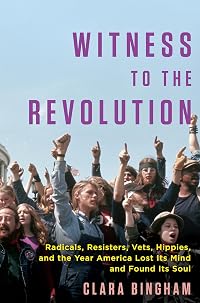
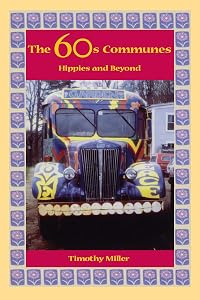









Member Recommendations

Member Reviews
Absolutely fantastic, highly recommend. I loved how the author looked at the particular via the Myrtle Hill Commune and via her own parents' back-to-the-land experience, but also looked at the bigger picture via the context of American history far past and in the time of the 1970s. It all worked together to make just the right reading magic.
This book also made me wonder if maybe this back-to-the-land movement explains why the dominant colors of the 1970s were mustard yellow, carrot orange, and every shade of brown imaginable? Just a thought.
This book also made me wonder if maybe this back-to-the-land movement explains why the dominant colors of the 1970s were mustard yellow, carrot orange, and every shade of brown imaginable? Just a thought.
Beautifully written, compelling account of life as it was during the back to the land movement in New England in the early 70s and the reverberating influences of those experiments to today. I loved being in the milieu, and gathered up so many insights relevant to life in community.
Ratings
Members
- Recently Added By
Author Information
1 Work 69 Members
Classifications
- Genres
- Nonfiction, History, Sociology, General Nonfiction, Biography & Memoir
- DDC/MDS
- 306.0973 — Society, government, & culture Social sciences, sociology & anthropology Social Behavior - Dating, Marriage, Divorce Social history North America United States
- LCC
- HN57 .D25 — Social sciences Social history and conditions. Social problems. Social reform Social history and conditions. Social problems. By region or country
- BISAC
Statistics
- Members
- 68
- Popularity
- 453,546
- Reviews
- 2
- Rating
- (3.88)
- Languages
- English
- Media
- Paper, Ebook
- ISBNs
- 2
- ASINs
- 1