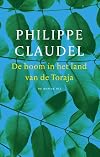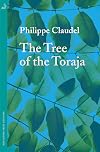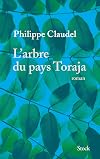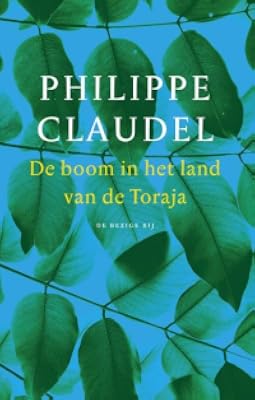
De boom in het land van de Toraja
by Philippe Claudel
On This Page
Description
A middle-aged filmmaker visits Indonesia and becomes entranced by the Toraja custom of interning the bodies of very young deceased children in the trunks of trees. In time, the trunk heals, encasing and protecting the tiny bodies as the tree grows slowly heavenwards. On his return to France, the filmmaker receives news that his dearest friend is dying of cancer, prompting a reflection on the part death occupies in our existence, our inability to confront our mortality and our struggle to show more conceive of a happy life after a devastating loss. For the Toraja, dying is a central part of being alive. Death is at the forefront of their culture, unlike the western preference for keeping death firmly in the shadows, unacknowledged until it begins to really breathe down your neck and simply cannot be ignored; a taboo subject to be feared and resented. Like the trees of the Toraja, this powerful novel encloses and preserves memories of lost loves and friendships, and contains the promise of rebirth and rebuilding, even after a terrible tragedy. show lessTags
Recommendations

















Member Reviews
Another disappointment from a writer, many of whose works for which I have enormous respect and admiration. Claudel starts promisingly with a story about the custom among a certain people in Java of placing the bodies of very young children who have died into the trunks of growing trees. As the tree heals, it entombs and protects the tiny bodies even as it grows slowly heavenward. The narrator then learns that a close friend is dying and this sets the stage for the remainder of the book: a reflection on the place of death in our existence. The book—fewer than 200 pages—ponders how we deal with mortality. I didn’t find any of his thoughts particularly insightful, original, or even interesting, though his writing is, as always, show more easy. A big disappointment. (To give the other side equal time, I herewith quote from the most “liked” review on goodreads which opens thus: “My heart is trembling with the beauty of this book, its humanity, its tenderness and compassion towards anything human - love, friendship, sex, childhood and parenthood, old and young age, illness, and above all - death.” Can’t please everyone, I guess.)
P.S. I have no clue what the other reviews here have to do with this little book. show less
P.S. I have no clue what the other reviews here have to do with this little book. show less
on pourrait presque croire à une autobiographie au début... J'y ai cru un moment ! Très bien écrit, un beau livre pour un beau/difficile sujet
De auteur is ook een filmmaker, hetgeen ook blijkt uit dit verhaal. Dit boek is biografisch getint. Het verhaal beschrijft het vechten tegen het ouder worden, het verval en de aftakeling van het lichaam. We lezen ook over de ziekte en de palliatieve levensfase van zijn enige vriend. In deze werkelijkheid van ondergang schrijft Claudel over 'zijn' relatie met een veel jongere vrouw waar hij in zekere zin afstand van wil nemen, want de relatie met zijn ex-vrouw bespeelt hem nog duidelijk. Die band verstevigt met de jaren, met de ouderdom mee en dit ondanks zijn scheiding... De liefde gekoppeld aan de rijpheid van het ouder worden beschrijft hij in tegenstelling tot de jeugdige liefde. De volgende passage in de tekst vat het geheel mooi show more samen : "Wat leert het lichaam ons over het leven? Betekent 'leven' dat je je geen zorgen maakt om het lichaam? Of ben je juist volledig in leven als je lichaam je laat lijden, je laat voelen dat je eraan bent onderworpen?..."
Dit boek zet wel degelijk aan het denken over het leven, het verval en de dood.
Dit verhaal, een biografie, wijkt af van de andere werken van Claudel. Maar het is even krachtig met een aangrijpende diepgang en even literair, knap geschreven. Krachtige boodschap die niet kan missen! show less
Dit boek zet wel degelijk aan het denken over het leven, het verval en de dood.
Dit verhaal, een biografie, wijkt af van de andere werken van Claudel. Maar het is even krachtig met een aangrijpende diepgang en even literair, knap geschreven. Krachtige boodschap die niet kan missen! show less
Jun 21, 2021Dutch
En las montañas de la isla indonesia de Célebes vive el pueblo de los toraya, conocido por unos ritos funerarios que se prolongan durante varios días y congregan a toda la comunidad. Cuando un bebé muere, por ejemplo, su cuerpo se deposita en el interior del tronco de un árbol centenario que, poco a poco, lo envuelve y se nutre de él. Así, al crecer, el árbol conduce a los niños hacia el cielo, un símbolo escultórico mediante el cual se mantienen próximos los seres amados que ya no están.
El narrador de esta historia, un cineasta profundamente afectado por el fallecimiento de Eugène, su mejor amigo y confidente, descubre en los árboles de los toraya la síntesis del misterio de la vida y la muerte, como una llave maestra show more capaz de abrir ese recinto hermético en el que las personas escondemos las vivencias más íntimas. Asomándose al abismo de la pérdida, el narrador se encuentra, paradójicamente, cara a cara con la intensidad del amor, ese enigma insondable que nos liga al futuro mientras el presente desgarra nuestro ser.
Reconocida y celebrada en sus obras más emblemáticas —Almas grises, La nieta del señor Linh y El informe de Brodeck—, la prosa depurada, poética y luminosa de Philippe Claudel brilla aún más en este texto intimista, de gran hondura filosófica, que es a la vez un homenaje a la amistad y una oda a la fragilidad de la vida. Un viaje interior lleno de esperanza que nos invita a valorar la belleza que encierra nuestra efímera existencia. show less
El narrador de esta historia, un cineasta profundamente afectado por el fallecimiento de Eugène, su mejor amigo y confidente, descubre en los árboles de los toraya la síntesis del misterio de la vida y la muerte, como una llave maestra show more capaz de abrir ese recinto hermético en el que las personas escondemos las vivencias más íntimas. Asomándose al abismo de la pérdida, el narrador se encuentra, paradójicamente, cara a cara con la intensidad del amor, ese enigma insondable que nos liga al futuro mientras el presente desgarra nuestro ser.
Reconocida y celebrada en sus obras más emblemáticas —Almas grises, La nieta del señor Linh y El informe de Brodeck—, la prosa depurada, poética y luminosa de Philippe Claudel brilla aún más en este texto intimista, de gran hondura filosófica, que es a la vez un homenaje a la amistad y una oda a la fragilidad de la vida. Un viaje interior lleno de esperanza que nos invita a valorar la belleza que encierra nuestra efímera existencia. show less
Apr 10, 2017Spanish
"Qu’est-ce que c’est les vivants? À première vue, tout n’est qu’évidence. Être avec les vivants. Être dans la vie. Mais qu’est-ce que cela signifie, profondément, être vivant? Quand je respire et marche, quand je mange, quand je rêve, suis- je pleinement vivant? Quand je sens la chaleur douce d’Elena, suis-je davantage vivant? Quel est le plus haut degré du vivant? "
Un cinéaste au mitan de sa vie perd son meilleur ami et réfléchit sur la part que la mort occupe dans notre existence. Entre deux femmes magnifiques, entre le présent et le passé, dans la mémoire des visages aimés et la lumière des rencontres inattendues, L’Arbre du pays Toraja célèbre les promesses de la vie.
Un cinéaste au mitan de sa vie perd son meilleur ami et réfléchit sur la part que la mort occupe dans notre existence. Entre deux femmes magnifiques, entre le présent et le passé, dans la mémoire des visages aimés et la lumière des rencontres inattendues, L’Arbre du pays Toraja célèbre les promesses de la vie.
Apr 8, 2019Spanish
Texto intimista , de gran hondura filosófica, que es a la vez un homenaje a la amistad y una oda a la fragilidad de la vida. Un viaje interior lleno de esperanza que nos invita a valorar la belleza que encierra nuestra efímera existencia.
Aug 16, 2017Spanish
Bon Claudel. La prochaine citation vaut à elle seule le lecture de ce «roman» :
«Il (…) est devenu mon meilleur ami. Je ne sais pas si je suis le sien. Je préfère ne plus me demander ce genre de chose. On ne sait jamais vraiment ce que nous sommes pour les autres et je dois à des désillusions de cette nature quelques uns de mes plus vifs chagrins.» Philippe Claudel_ L’arbre du pays Toraja, p. 23
«Il (…) est devenu mon meilleur ami. Je ne sais pas si je suis le sien. Je préfère ne plus me demander ce genre de chose. On ne sait jamais vraiment ce que nous sommes pour les autres et je dois à des désillusions de cette nature quelques uns de mes plus vifs chagrins.» Philippe Claudel_ L’arbre du pays Toraja, p. 23
Jun 8, 2016 (Edited)French
1
Members
- Recently Added By
Author Information

49+ Works 4,803 Members
Classifications
Statistics
- Members
- 107
- Popularity
- 303,741
- Reviews
- 7
- Rating
- (3.38)
- Languages
- 7 — Dutch, English, French, German, Italian, Spanish, Swedish
- Media
- Paper, Ebook
- ISBNs
- 10
- ASINs
- 3