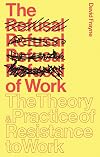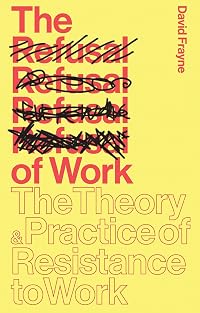
The Refusal of Work: The Theory and Practice of Resistance to Work
by David Frayne
On This Page
Description
"Paid work is absolutely central to the culture and politics of capitalist societies, yet today's work centered world is becoming increasingly hostile to the human need for autonomy, spontaneity and community. The grim reality of a society in which some are overworked, whilst others are condemned to intermittent work and unemployment, is progressively more difficult to tolerate. In this thought provoking book, David Frayne questions the central place of work in mainstream political visions show more of the future, laying bare the ways in which economic demands colonise our lives and priorities. Drawing on his original research into the lives of people who are actively resisting nine-to-five employment, Frayne asks what motivates these people to disconnect from work, whether or not their resistance is futile, and whether they might have the capaciity to inspire an alternative form of development, based on a reduction and social redistribution of work. A crucial dissection of the work-centred nature of modern society and emerging resistance to it, 'The Refusal of Work' is a bold call for a more humane and sustainable vision of social progress"--Page four of cover. show lessTags
Recommendations



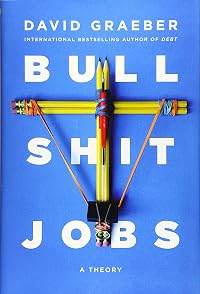
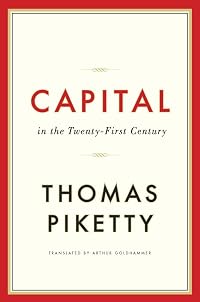

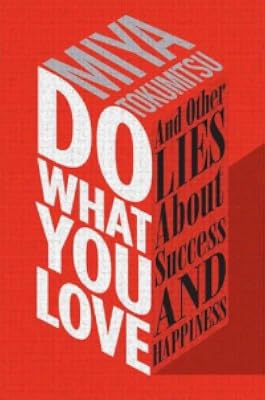
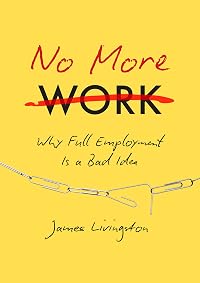



















Member Reviews
David Frayne looks deep into the accepted norm of a work-centered society. His argument is focused less on the economic value of work, but more on the various ways which society has equated work with a moral good. Even if your job is tedious, bad for your health, robbing you of time for your family or just to explore your interests, having a job is still seen as superior to unemployment.
His case studies offer a glimpse into the lives of individuals who have tried to negotiate a lesser presence of work within their daily priorities, showing the challenges they face but also forcing us to reconsider the image of the "idle unemployed." I highly recommend this book for anyone studying the workforce, but also just for those who are show more attempting to revisit the unhealthy relationship we have with our work. show less
His case studies offer a glimpse into the lives of individuals who have tried to negotiate a lesser presence of work within their daily priorities, showing the challenges they face but also forcing us to reconsider the image of the "idle unemployed." I highly recommend this book for anyone studying the workforce, but also just for those who are show more attempting to revisit the unhealthy relationship we have with our work. show less
Very interesting read. This book takes aim at the way our society enshrines the idea that virtually every adult should be working 40 hours a week (or, sadly, more). What if we were to question this idea? It makes points about how huge productivity gains could be used to shorten our working hours, but instead have mostly gone capital (aka line the pockets of big business owners). The author recognizes that we're nowhere near to achieving the goal of shortening our working hours, but provides a couple of starting points, such as creating a "politics of time". Worth a read for anyone working 9 to 5 (or worse) who dreams about things being different.
Ratings
Members
- Recently Added By
Lists

Books Read in 2016
4,666 works; 199 members

Books in the Bibliography of Digital Lethargy by Tung-Hui Hu
151 works; 3 members

Works referenced in Welcome to the Hyunam-Dong Bookshop
19 works; 1 member
Author Information
5 Works 111 Members
Common Knowledge
- First words
- It's eight o'clock in the morning.
- Last words
- (Click to show. Warning: May contain spoilers.)To any who would suggest that there is no alternative to the work-centred society, I submit that it is a profoundly sad society that cannot envisage a future where a sense of social solidarity and purpose are achieved through anything other than commodity relations.
Classifications
- Genres
- Economics, Nonfiction, General Nonfiction, Politics and Government
- DDC/MDS
- 331.011 — Society, government, & culture Economics Labor economics Theory Freedom of Labor
- LCC
- HD6971.8 — Social sciences Industries. Land use. Labor Industries. Land use. Labor Labor. Work. Working class Industrial relations
- BISAC
Statistics
- Members
- 102
- Popularity
- 318,165
- Reviews
- 2
- Rating
- (4.00)
- Languages
- English, Spanish
- Media
- Paper, Ebook
- ISBNs
- 9
- ASINs
- 2