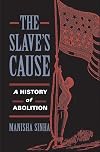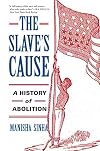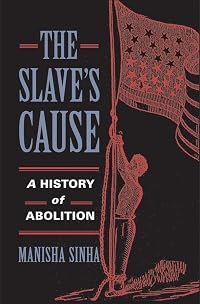
The Slave's Cause: A History of Abolition
by Manisha Sinha
On This Page
Description
A groundbreaking history of abolition that recovers the largely forgotten role of African Americans in the long march toward emancipation from the American Revolution through the Civil War Received historical wisdom casts abolitionists as bourgeois, mostly white reformers burdened by racial paternalism and economic conservatism. Manisha Sinha overturns this image, broadening her scope beyond the antebellum period usually associated with abolitionism and recasting it as a radical social show more movement in which men and women, black and white, free and enslaved found common ground in causes ranging from feminism and utopian socialism to anti-imperialism and efforts to defend the rights of labor. Drawing on extensive archival research, including newly discovered letters and pamphlets, Sinha documents the influence of the Haitian Revolution and the centrality of slave resistance in shaping the ideology and tactics of abolition. This book is a comprehensive new history of the abolition movement in a transnational context. It illustrates how the abolitionist vision ultimately linked the slave's cause to the struggle to redefine American democracy and human rights across the globe. show lessTags
Recommendations

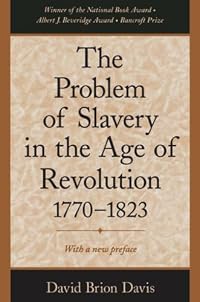
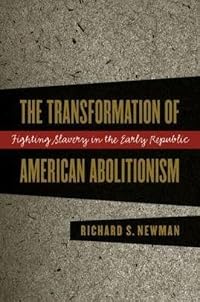
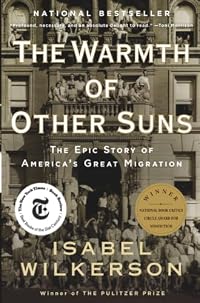
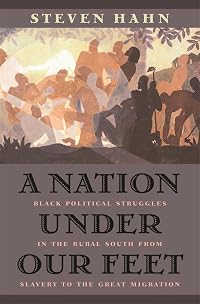






Member Reviews
I may not have been the right audience for this book dedicated to arguing that abolitionism wasn’t a white movement, but rather constantly influenced and guided by African-American voices, and otherwise more open to appeals to women’s rights and worker’s rights than it has sometimes been portrayed. (I'm not the right audience because I'm not embedded in that literature.) Sinha makes the case that self-emancipation—escape from slavery—produced some of the most influential voices on behalf of enslaved people. I also did learn this wonderful line from Frederick Douglass: “What O’Connell said of the history of Ireland may with greater truth be said of the negro’s. It may be ‘traced like a wounded man through a crowd, by show more the blood.’” (I hear Douglass is doing great things recently.) show less
Well-researched and I liked the emphasis on Black abolitionism. However, I found the writing awfully dry and the book required a lot of focus, so it was slow going.
An very, very detailed account of the history of abolition. Well researched and clearly written, with an exhaustive index available to find whatever it is you're looking for in this book.
326.80973 S61784s 2016
Ratings
Members
- Recently Added By
Published Reviews
ThingScore 100
Manisha Sinha’s tour de force ... There’s more than enough already in this weighty and distinguished tome to advance the study of abolitionism far beyond anything any of us imagined possible. In his magisterial Making of the English Working Class, the incomparable English historian, E.P. Thompson said that he intended to rescue the working class from the condescension of history. In her show more masterwork, The Slave’s Cause: A History of Abolition, Manisha Sinha heroically rescues abolitionism from the condescension of historians. show less
added by lquilter
Author Information

4+ Works 505 Members
Manisha Sinha is Draper Chair in American History at the University of Connecticut, and is the recipient of fellowships from the National Endowment for the Humanities, among several others.
Awards and Honors
Awards
Distinctions
Notable Lists
Common Knowledge
- Original title
- The Slave's Cause: A History of Abolition
- Important events
- Abolition of American Slavery
Classifications
- Genres
- History, Nonfiction, General Nonfiction
- DDC/MDS
- 973.711 — History & geography History of North America United States Civil War Era (1857-1865) James Buchanan (1857-1861) Causes
- LCC
- E441 .S557 — History of the United States United States Revolution to the Civil War, 1775/1783-1861 Slavery in the United States. Antislavery
- BISAC
Statistics
- Members
- 284
- Popularity
- 113,033
- Reviews
- 4
- Rating
- (4.10)
- Languages
- English, French
- Media
- Paper, Audiobook, Ebook
- ISBNs
- 8
- ASINs
- 3