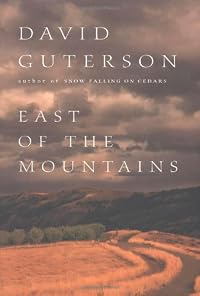
East of the Mountains
by David Guterson
On This Page
Description
In Washington State, a widowed doctor suffering from cancer takes a hunting trip, the real purpose of which is to commit suicide, which he will masquerade as an accident. But Dr. Ben Givens' resolve is tested by several events which reaffirm the joy of living--he cheats death by fighting off wolves and helps a girl give birth.Tags
Recommendations











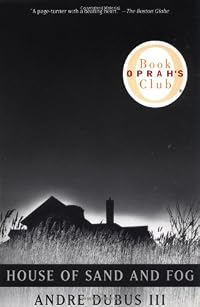
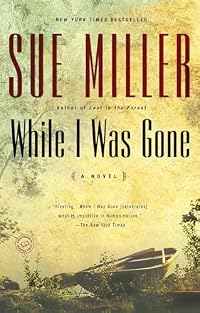


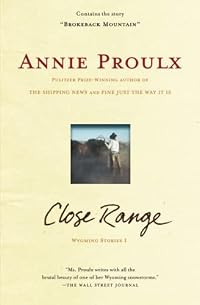



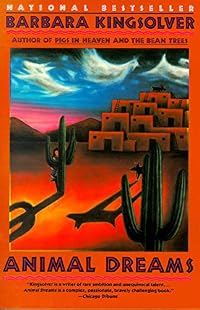


Member Recommendations

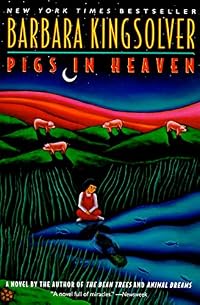
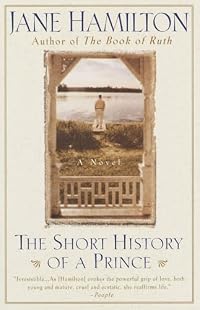
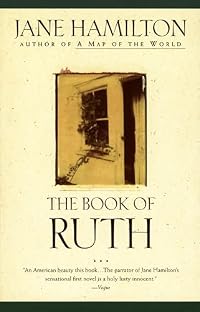
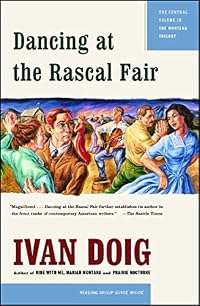
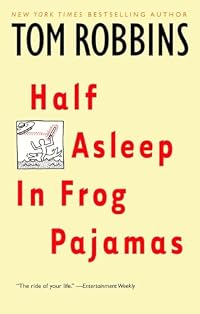
silva_44 This book reminds me of much of Barbara Kingsolver's fiction, in that it focuses, in part, on the plight of illegal immigrants, or other politically charged topics.
Member Reviews
This is an elegantly written novel about old age and death, looking back and hardly bearing to look forward. Dr. Ben Givens, a retired surgeon, learns he has terminal colon cancer and decides to take one last hunting trip with his two dogs and stage an elaborate accident for his suicide so as not to cause grief to his family. His wife died a year or so before and he sees only pain and suffering in the future as he declines. Things do not go according to plan, despite his careful preparations. The journey is back to where he was a child on a farm with orchards and cherries. Some of the novel is a typical road trip journey peppered with chance encounters with characters. Other chapters he looks back on his life in the Second World War and show more meeting his wife. His writing switches between the small stuff, what he ate, how things felt to the big landscape he is in. This isn't a landscape I know but David Guterson draws it well and beautifully. show less
[East of The Mountains] - David Guterson
5+★
It’s about a dying man’s final journey through a landscape that has always sustained him and provided him with hope and challenges. When he discovers that he has terminal cancer, retired heart surgeon Ben Givens refuses to simply sit back and wait. Instead he takes his two beloved dogs and goes on a last hunt, determined to end his life on his own terms. But as the people he meets and the memories over which he lingers remind him of the mystery of life’s endurance, his trek into the American West becomes much more than a final journey.
I first read this author’s [Snow Falling on Cedars] and really, really enjoyed it....so I looked forward to reading this one and I was in no way show more disappointed. He knows how to tell a story and make the reader feel the joy or the pain of his characters. As with all books there may be some sections that some readers will want to skim through I skipped through a lot of Ben’s service record in WWII…but it certainly took nothing away from the journey that Ben decided to make, and that is really what the story is about. Ben is almost dead when he and his dogs start the journey back to the east side of the mountains. He knows he’s more than likely not coming back… he expects to die…but he will do it on his own terms…just the way he has lived his life. Ben asks the question that the book poses throughout…”When all that has given joy and meaning to life has ebbed through death and change in our final years, what is the point of living?” It's thought provoking. Sometimes comforting and sometimes painful, but I don’t believe I have ever read a book that presents a more powerful challenge…daring the reader to put themselves for 279 pages in the shoes of Ben Givens and answer that question. show less
5+★
It’s about a dying man’s final journey through a landscape that has always sustained him and provided him with hope and challenges. When he discovers that he has terminal cancer, retired heart surgeon Ben Givens refuses to simply sit back and wait. Instead he takes his two beloved dogs and goes on a last hunt, determined to end his life on his own terms. But as the people he meets and the memories over which he lingers remind him of the mystery of life’s endurance, his trek into the American West becomes much more than a final journey.
I first read this author’s [Snow Falling on Cedars] and really, really enjoyed it....so I looked forward to reading this one and I was in no way show more disappointed. He knows how to tell a story and make the reader feel the joy or the pain of his characters. As with all books there may be some sections that some readers will want to skim through I skipped through a lot of Ben’s service record in WWII…but it certainly took nothing away from the journey that Ben decided to make, and that is really what the story is about. Ben is almost dead when he and his dogs start the journey back to the east side of the mountains. He knows he’s more than likely not coming back… he expects to die…but he will do it on his own terms…just the way he has lived his life. Ben asks the question that the book poses throughout…”When all that has given joy and meaning to life has ebbed through death and change in our final years, what is the point of living?” It's thought provoking. Sometimes comforting and sometimes painful, but I don’t believe I have ever read a book that presents a more powerful challenge…daring the reader to put themselves for 279 pages in the shoes of Ben Givens and answer that question. show less
With almost universally positive reviews, I was surprised how clunky East of the Mountains was. It feels written, as opposed to lived in; the characters feel constructed, the plot bolted together and the prose – which is one of the more commonly praised features – is over-detailed. Every minor thought and action is described, right down to a few lines going into the tying of shoelaces, proving a major drag on the pace of a plot that doesn't really have much substance to it anyway. The slew of place names in particular disrupt the flow, serving only to confuse rather than add texture.
Overall, the book is unconvincing in what it tries to do. Not only are the characters pulled off a shelf of the ready-made, but our protagonist, Ben, show more never convinces in the first place that he is going to suicide, and consequently his reappraisal and his pull back from the edge do not convince either. It all feels, as I said, bolted together, and you can feel the yaw as the plot points pivot and slump. It is very worthy, and maybe that's why it's not criticized very much, but I could not help but feel it was just sentimental Americana, capable only of inspiring a mild debate at some earnest Midwest book clubs. You just thirst for more texture, more appeal, as opposed to trivial details delivered by rote, and Ben's emotional journey remains unconvincing. show less
Overall, the book is unconvincing in what it tries to do. Not only are the characters pulled off a shelf of the ready-made, but our protagonist, Ben, show more never convinces in the first place that he is going to suicide, and consequently his reappraisal and his pull back from the edge do not convince either. It all feels, as I said, bolted together, and you can feel the yaw as the plot points pivot and slump. It is very worthy, and maybe that's why it's not criticized very much, but I could not help but feel it was just sentimental Americana, capable only of inspiring a mild debate at some earnest Midwest book clubs. You just thirst for more texture, more appeal, as opposed to trivial details delivered by rote, and Ben's emotional journey remains unconvincing. show less
Ben is a retired cardio-thoracic surgeon, a widower, a man with terminal cancer. As the story opens, he is planning a last hunting trip during which he intends to commit suicide in order to spare his daughter and grandson the pain of watching him waste away. He is a meticulous planner, choosing to make his death look accidental but once he actually leaves for this final journey over the Cascade Mountains, even his elaborate and careful plans are turned upside down. After a car accident on his way to his chosen hunting grounds, Ben and his dogs set out to fulfill his intentions both traveling with others and traipsing through the countryside of his childhood on foot. During the journey, Ben recalls his own early years and meditates on show more the changes in the area around him.
Guterson has written beautifully of the Washington orchards and mountains. His portrayal of the various small towns through which Ben passes is consummate. And he captures the isolation and solitude of the area and of his main character. The pace of the novel is slow and measured and there are no loud and climactic moments as Ben wanders through the detailed landscape of his beginnings. This is not action-packed; rather it is a peripatetic and thoughtful journey about mortality and humanity. The narrative focuses almost solely on Ben and his internal life during the 48 hours which he has determined to be his last. The quiet flow of this story will not be for everyone but for those who are in no rush to overlook the beautiful descriptiveness contained within these pages, this is a haunting and melancholic read. Recommended with reservations. show less
Guterson has written beautifully of the Washington orchards and mountains. His portrayal of the various small towns through which Ben passes is consummate. And he captures the isolation and solitude of the area and of his main character. The pace of the novel is slow and measured and there are no loud and climactic moments as Ben wanders through the detailed landscape of his beginnings. This is not action-packed; rather it is a peripatetic and thoughtful journey about mortality and humanity. The narrative focuses almost solely on Ben and his internal life during the 48 hours which he has determined to be his last. The quiet flow of this story will not be for everyone but for those who are in no rush to overlook the beautiful descriptiveness contained within these pages, this is a haunting and melancholic read. Recommended with reservations. show less
What will be the fate of East of the Mountains, the new David Guterson book that follows his huge bestseller Snow Falling on Cedars? The expectations for a book following a "monster bestseller" always seem to be driven by the marketing and promotional hype that surround the new title. My advice is to clear your mind ... sit down with the book ... and read.
The connection with the land that Guterson gives his main character, Ben Givens, is one of the best depictions of a love of nature in a work of fiction that I've ever read. What sends Ben off on the story's journey is the cold hard news that he has terminal cancer. Ben Givens is a good man in a hard place. This aged doctor and recent widower makes an important decision. He heads off show more into the American West with his two hunting dogs. This is to be the trio's last hunting trip. The beautiful descriptions of the different landscapes that they move through are only rivaled by the blunt and thoughtful way that the author writes of Ben's feelings.
I was sick for a few days while reading this book. When I feel sick, I tend to wear my favorite shirt and eat my comfort foods; East of the Mountains filled the bill as a very comfortable place (a disturbingly comfortable place) for my mind to be traveling. While there are several disturbing things that happen in the novel, it was the writing that just captured me. Some reviewers have said that the story is just a small little tale--ignore these people. There are many strong emotions very close to the surface all through this book. This book had everything that I expect from a strong novel.
(6/99) show less
The connection with the land that Guterson gives his main character, Ben Givens, is one of the best depictions of a love of nature in a work of fiction that I've ever read. What sends Ben off on the story's journey is the cold hard news that he has terminal cancer. Ben Givens is a good man in a hard place. This aged doctor and recent widower makes an important decision. He heads off show more into the American West with his two hunting dogs. This is to be the trio's last hunting trip. The beautiful descriptions of the different landscapes that they move through are only rivaled by the blunt and thoughtful way that the author writes of Ben's feelings.
I was sick for a few days while reading this book. When I feel sick, I tend to wear my favorite shirt and eat my comfort foods; East of the Mountains filled the bill as a very comfortable place (a disturbingly comfortable place) for my mind to be traveling. While there are several disturbing things that happen in the novel, it was the writing that just captured me. Some reviewers have said that the story is just a small little tale--ignore these people. There are many strong emotions very close to the surface all through this book. This book had everything that I expect from a strong novel.
(6/99) show less
Dr. Ben Givens, retired heart surgeon, is dying. With his beloved wife already dead and the cancer in his colon--a carefully kept secret--growing intolerably painful, he decides on a suicide that will spare his family the burden and himself the suffering of a lingering death. He will go bird hunting with his dogs, traveling from his adult home in Seattle to the Eastern Washington sageland of his youth, and there stage a fatal accident. Life intervenes. It intervenes most tellingly in a migrant worker's trailer at the farthest point in his journey, where Givens must perform a harrowing delivery, resurrecting skills learned decades ago and never practiced. Leaving the trailer at first light, he is struck by the change wrought in the last show more few hours. "Things looked different now," he realizes, and he returns home not to fight his cancer, but to endure it and to accept his death. It is an acceptance that seems fully earned because Guterson has traced its unsteady progress with extraordinary honesty, skill, and understanding.Summary HPL
A engrossing tale about how life keeps on happening, despite our plans. Like Odysseus, Ben meets strange characters on his way "home" who star in mini-episodes of the journey. Dialogue is Hemingway-style--spare and elliptical. Details are convincing, characters act in true and meaningful ways that impact Ben's trajectory.
Guterson remains objective; no preaching here. I feel that the story could have ended differently; it seemed that to be true to his nature, Ben himself decided to remain "east of the mountains", where the sun rises.
9 out of 10 Highly recommended to all! show less
A engrossing tale about how life keeps on happening, despite our plans. Like Odysseus, Ben meets strange characters on his way "home" who star in mini-episodes of the journey. Dialogue is Hemingway-style--spare and elliptical. Details are convincing, characters act in true and meaningful ways that impact Ben's trajectory.
Guterson remains objective; no preaching here. I feel that the story could have ended differently; it seemed that to be true to his nature, Ben himself decided to remain "east of the mountains", where the sun rises.
9 out of 10 Highly recommended to all! show less
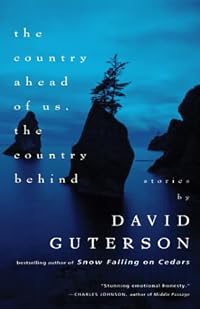
I really enjoyed Guterson's two earlier books: Snow Falling on Cedars, which was a best seller (96:17), and a wonderful collection of short stories: the country ahead of us, the country behind (96:24), so I was excited to learn that he had a new novel out. It is quite different from Snow..., and I think not quite as good.
The story centres on Ben Givens, a retired heart surgeon who has recently lost his wife, and is now dying of colon cancer. Givens, an outdoors person all of his life, decides that he will go on one last bird-hunting trip with his two dogs, and make his death look like a hunting accident to spare his daughter the anguish of coming to grips with his suicide. But the best laid plans ‘o mice and men...Ben has an accident show more on the highway that wrecks his vehicle; he is rescued by a young, footloose couple in a VW van who take him to a nearby town, and thus begins what can only be described as his Odyssean journey from a determination to end his life, back around to an appreciation of the value of maintaining it despite the grim prognosis. (The Odyssean theme is eternal; witness the success of Charles Frazier's Cold Mountain (97:36).) Like Odysseus, Givens meets a number of people who help or challenge him: the young couple who help him after the accident and who remind him of the fervent love he felt for his wife; the hitchhiker who introduces him to the glories of marijuana which he uses to dull the pain in his side; the young woman on a bus who challenges him to help an obviously ill itinerate worker; the veterinarian woman who patches up his dog after a fight with coyote-chasing wolfhounds; the owner of the wolfhounds who steals Givens' shotgun as compensation for Givens having killed one of the dogs; another itinerate worker whom Givens befriends and finds a job apple-picking and who leads him into a situation where he is called upon to save a teenage girl having a very difficult birth; the woman who then befriends him and drives him back home to Seattle. Throughout there are flashbacks to Ben's life on the apple-farm, the early death of his mother and its affect on his father, and his experience in WWII (undistinguished, but which led him to medicine).
Guterson has an eye for scenery and loves to dwell on his descriptions; he has also done a lot of research on the practice, challenges and heartbreaks of fruit farming which he uses to effect. Givens is a good character: well-developed and sympathetic and Guterson describes well the conflict and journey that Givens travels as incidents and reminders of life continually interrupt his plans to kill himself. The other characters are not well developed; they are stock-pieces that serve their purposes in the story and then disappear. I didn't think the novel was as well structured or as deep across a number of characters as was Snow..., but I enjoyed the writing and the struggle with the eternal questions of the value of life and love. show less
The story centres on Ben Givens, a retired heart surgeon who has recently lost his wife, and is now dying of colon cancer. Givens, an outdoors person all of his life, decides that he will go on one last bird-hunting trip with his two dogs, and make his death look like a hunting accident to spare his daughter the anguish of coming to grips with his suicide. But the best laid plans ‘o mice and men...Ben has an accident show more on the highway that wrecks his vehicle; he is rescued by a young, footloose couple in a VW van who take him to a nearby town, and thus begins what can only be described as his Odyssean journey from a determination to end his life, back around to an appreciation of the value of maintaining it despite the grim prognosis. (The Odyssean theme is eternal; witness the success of Charles Frazier's Cold Mountain (97:36).) Like Odysseus, Givens meets a number of people who help or challenge him: the young couple who help him after the accident and who remind him of the fervent love he felt for his wife; the hitchhiker who introduces him to the glories of marijuana which he uses to dull the pain in his side; the young woman on a bus who challenges him to help an obviously ill itinerate worker; the veterinarian woman who patches up his dog after a fight with coyote-chasing wolfhounds; the owner of the wolfhounds who steals Givens' shotgun as compensation for Givens having killed one of the dogs; another itinerate worker whom Givens befriends and finds a job apple-picking and who leads him into a situation where he is called upon to save a teenage girl having a very difficult birth; the woman who then befriends him and drives him back home to Seattle. Throughout there are flashbacks to Ben's life on the apple-farm, the early death of his mother and its affect on his father, and his experience in WWII (undistinguished, but which led him to medicine).
Guterson has an eye for scenery and loves to dwell on his descriptions; he has also done a lot of research on the practice, challenges and heartbreaks of fruit farming which he uses to effect. Givens is a good character: well-developed and sympathetic and Guterson describes well the conflict and journey that Givens travels as incidents and reminders of life continually interrupt his plans to kill himself. The other characters are not well developed; they are stock-pieces that serve their purposes in the story and then disappear. I didn't think the novel was as well structured or as deep across a number of characters as was Snow..., but I enjoyed the writing and the struggle with the eternal questions of the value of life and love. show less
Members
- Recently Added By
Published Reviews
ThingScore 25
In den USA lernt man im Kurs "kreatives Schreiben", daß der Anschein des Authentischen sehr wichtig ist: Fakten, Fakten, Fakten. Und so gerät auch Guterson in den Rausch der Aufzählungen. Aber statt authentisch zu wirken, ermüdet er den Leser sehr schnell durch seine Langatmigkeit. Seinen Ruf, ein sensibler Beschreiber von Natur, ein psychologisch versierter Autor zu sein, hat Guterson mit show more diesem zweiten Buch verspielt. show less
added by Indy133
Lists

Llibres que he llegit el 2020
50 works; 1 member

Mountain Adventures
26 works; 1 member
Author Information

24+ Works 20,458 Members
David Guterson was born in Seattle and later graduated from the University of Washington. Before becoming a full-time writer, Guterson was a high school English teacher and a contributing editor for Harper's Magazine. Guterson has published The Country Ahead of Us, The Country Behind, a collection of short stories, and Family Matters: Why Home show more Schooling Makes Sense, a nonfiction book. Snow Falling on Cedars is Guterson's most famous work; it has won the Pen/Faulkner Award and was an American Booksellers Book of the Year Nominee. (Bowker Author Biography) show less
Some Editions
Awards and Honors
Awards
Distinctions
Series
Belongs to Publisher Series
btb (72573)
Work Relationships
Common Knowledge
- Canonical title*
- Östlich der Berge
- Original title
- East of the mountains
- Original publication date
- 1999
- People/Characters
- Dr. Ben Givens
- Important places
- Seattle, Washington, USA; Columbia River, USA
- Epigraph
- There were ten thousand fruits to touch,/
Cherish in hand, lift down, and not let fall.
Robert Frost, 'After Apple Picking' - Dedication
- To Robin, always, and for Henry Shain - he loved the mountains
- First words
- On the night he had appointed his last among the living, Dr. Ben Givens did not dream, for his sleep was restless and visited by phantoms who guarded the portal to the world of dreams by speaking relentlessly of this world.
- Quotations
- If he seized the shotgun in this way, wholly willingly, embracing it, allowing the metal to prod his mouth, he could blow the top of his skull off without logistical difficulty. The knowledge that this was indeed possible, th... (show all)at such an act was not out of reach, suffused Dr. Givens with a glandular fear that washed through him like a wave.
- Last words
- (Click to show. Warning: May contain spoilers.)After awhile he took the telephone receiver and punched in his daughter's number. "Hello," she said. "Renee Givens-Kane."
"It's me," said Ben. "I'm home." - Original language*
- Anglais (Etats-Unis) (Etats-Unis)
*Some information comes from Common Knowledge in other languages. Click "Edit" for more information.
Classifications
Statistics
- Members
- 2,289
- Popularity
- 8,631
- Reviews
- 33
- Rating
- (3.50)
- Languages
- 13 — Czech, Danish, Dutch, English, Finnish, French, German, Italian, Japanese, Norwegian (Bokmål), Portuguese, Spanish, Swedish
- Media
- Paper, Audiobook, Ebook
- ISBNs
- 55
- UPCs
- 2
- ASINs
- 12