On This Page
Description
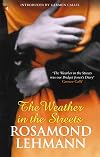
Taking up where AN INVITATION TO THE WALTZ left off, THE WEATHER IN THE STREETS shows us Olivia Curtis ten years older, a failed marriage behind her, thinner, sadder, and apprently not much wiser. A chance encounter on a train with a man who enchanted her as a teenager leads to a forbidden love affair and a new world of secret meetings, brief phone calls and snatched liaisons in anonymous hotel rooms. Years ahead of its time when first published, this subtle and powerful novel shocked even show more the most stalwart Lehmann fans with its searing honesty and passionate portrayal of clandestine love. show lessTags
Recommendations



















Member Recommendations

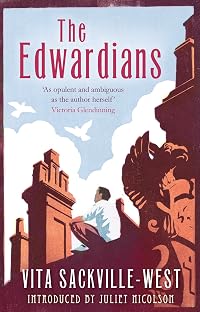
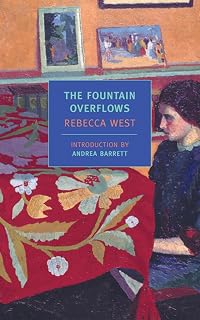
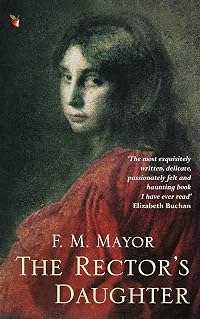
souloftherose Two books written by women and published in the 1930s which are both about women who find themselves trapped by the constraints of the society they live in and end up seeking happiness in ex-marital affairs. Both have been reissued by Virago press.
Member Reviews
Absolutely exquisite.
Ten years after Invitation to a Waltz, Olivia's life and personality have developed so heart-rendingly realistically. Couple this with Lehmann's beautifully intimate prose, and I am emotionally shredded. Olivia's inner stream of consciousness - her doubts and insecurities - often hits too close to home.
I almost wish this were a trilogy (or some Linklater-ian series where we catch up with Olivia every ten years) but perhaps for my poor heart, this was sequel enough. I'm already looking forward to rereading this in the future.
Ten years after Invitation to a Waltz, Olivia's life and personality have developed so heart-rendingly realistically. Couple this with Lehmann's beautifully intimate prose, and I am emotionally shredded. Olivia's inner stream of consciousness - her doubts and insecurities - often hits too close to home.
I almost wish this were a trilogy (or some Linklater-ian series where we catch up with Olivia every ten years) but perhaps for my poor heart, this was sequel enough. I'm already looking forward to rereading this in the future.
This is the sequel to "Invitation to the waltz", previous novel by Lehmann.
There is little to be found of that excitable creature, Olivia Curtis, who attended her first ball ten years ago and captured most of the readers' hearts in this new novel.
After a disastrous marriage, Olivia is returning home to visit her ill father, bumping into Rollo Spencer, her first love and seemingly twin soul, on the train.
Rollo is the same confident, attractive man, now married to Nicola, whereas Olivia is an "independent" woman interested in the new cultural movement of the big city: poets, painters and photographers are her acquaintances; she lives by the day without planning her future in the typical bohemian style.
Despite her apparently new show more appealing, Olivia is still the insecure and fearful creature who seeks approval and reassurance and, seeing Rollo after so many years arouse forgotten feelings in her, making her blunt and blind to the consequences of starting an affair with him.
What I most enjoyed about this novel is the way it's written because it gives you a real glimpse of how an affair might start and what it would actually be like. The book is no illusion, no sugary romance, no big drama, just life unfolded and steps taken and consequences to be dealt with. There's no judgement, only facts and again, the exposure of our weak and capricious souls, two adults playing a game we all know the result of.
Devastatingly cruel and sweet altogether, as life itself. show less
There is little to be found of that excitable creature, Olivia Curtis, who attended her first ball ten years ago and captured most of the readers' hearts in this new novel.
After a disastrous marriage, Olivia is returning home to visit her ill father, bumping into Rollo Spencer, her first love and seemingly twin soul, on the train.
Rollo is the same confident, attractive man, now married to Nicola, whereas Olivia is an "independent" woman interested in the new cultural movement of the big city: poets, painters and photographers are her acquaintances; she lives by the day without planning her future in the typical bohemian style.
Despite her apparently new show more appealing, Olivia is still the insecure and fearful creature who seeks approval and reassurance and, seeing Rollo after so many years arouse forgotten feelings in her, making her blunt and blind to the consequences of starting an affair with him.
What I most enjoyed about this novel is the way it's written because it gives you a real glimpse of how an affair might start and what it would actually be like. The book is no illusion, no sugary romance, no big drama, just life unfolded and steps taken and consequences to be dealt with. There's no judgement, only facts and again, the exposure of our weak and capricious souls, two adults playing a game we all know the result of.
Devastatingly cruel and sweet altogether, as life itself. show less
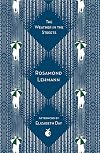
The Weather in the Streets is another book I picked up purely because of the cover. I love these new editions of Virago modern classics.
Anyway, the lovely cover made me ignore the blurb. This is not usually a bad thng because I do prefer to read books without knowing much about them. This also helps to avoid spoilers and to me even a plot summary can be a spoiler. Yes, I really do love to know very little about a book when I pick it up.
Interestingly, had I read the description, I would have learned that this is the sequel to another book, which I haven’t read: Invitation to the Waltz.
I didn’t know it was a sequel, but it is likely that I would have been less interested in the first book anyway as it is a coming of age story and show more those tend to not work for me.
The Weather in the Streets starts with a woman, Olivia, meeting an old acquaintance (Rollo) on a train. There is something very Noel Coward to the story, and I don’t just mean Still Life (Coward’s 1936 one-act play that was the basis of the classic film Brief Encounters). The dialogue and observations are very witty, or rather, sharp.
‘I’m afraid I’m not very grown-up,’ he said suddenly.
‘Nor am I.’
‘I should have said you were.’
‘Oh, no!’ There was a pause; and she added nervously: ‘I’ve noticed people with children don’t generally mind so much … about age, I mean. They seem to feel less anxious about time.’
‘Do they? I suppose they do,’ he said. ‘I expect it’s a good thing to have children.’
‘You haven’t got any?’
‘No,’ he said. ‘Have you?’
‘No.’
They made it a joke, and laughed … All the same, it was surprising he hadn’t produced an heir. Couldn’t, wouldn’t Nicola? … or what?
‘Then,’ she said, ‘there are the pleasures of the intellect. They’re said to be lasting. We must cultivate our intellects.’
‘Too late,’ he said. ‘One ought to make at least a beginning in youth, and I omitted to do so. The fact is, I don’t care much about the intellect. I’m afraid the scope of my pleasures is rather limited.’
‘Really?’
‘Confined in fact entirely to those of the senses.’
‘Oh, I see …’ She answered his odd comically inquiring look with a lift of the eyebrows. ‘Well, I suppose they’re all right. Only they’re apt to pall.’
‘Oh, are they?’
‘I was thinking of cake.’ She sighed. ‘It used to be my passion – especially chocolate, or any kind of large spicy bun. Now, it’s beginning to mean less … much less.’
He leaned back, laughing; the tension dissolved again.
This is not a comedy, tho. There is something tragic about both Olivia and Rollo.
Interestingly, The Weather on the Streets was also published in 1936 (same as Coward’s Still Life), and in a way Lehmann’s story picks up on similar themes. However, Olivia’s and Rollo’s stories take quite different turns.
I loved this book.
One of the reasons why was that this another example of 1930s literature showing us how modern some attitudes in the interwar period were and that there were people who dared to step out of the life that other people want for them and make their own choices, fully knowing the cost at which this decision may come.
Now, it would be delusional to think that the stories depicted by Lehmann were common or even widely accepted. They were not. And I am not coming away from this book with the conviction that there was a regression after the war in attitudes as to what was “socially acceptable” (even tho I do wonder about this).
However, Lehmann’s book does give visibility to characters who struggle with their lot in life and decide to seek more for themselves, while trying to not damage or hurt the people around them.
And Lehmann’s writing is just wonderful.
There is one particular scene where Olivia feels sick on a train. It’s only a single paragraph, and yet it is enough to let us know so, so much about what is going on with both the plot and the character.
This was just so very good. I love the way that Lehmann writes about even serious things and yet still keeps a light tone.
I am very keen to find out whether Lehmann’s other works are equally satisfying. show less
Anyway, the lovely cover made me ignore the blurb. This is not usually a bad thng because I do prefer to read books without knowing much about them. This also helps to avoid spoilers and to me even a plot summary can be a spoiler. Yes, I really do love to know very little about a book when I pick it up.
Interestingly, had I read the description, I would have learned that this is the sequel to another book, which I haven’t read: Invitation to the Waltz.
I didn’t know it was a sequel, but it is likely that I would have been less interested in the first book anyway as it is a coming of age story and show more those tend to not work for me.
The Weather in the Streets starts with a woman, Olivia, meeting an old acquaintance (Rollo) on a train. There is something very Noel Coward to the story, and I don’t just mean Still Life (Coward’s 1936 one-act play that was the basis of the classic film Brief Encounters). The dialogue and observations are very witty, or rather, sharp.
‘I’m afraid I’m not very grown-up,’ he said suddenly.
‘Nor am I.’
‘I should have said you were.’
‘Oh, no!’ There was a pause; and she added nervously: ‘I’ve noticed people with children don’t generally mind so much … about age, I mean. They seem to feel less anxious about time.’
‘Do they? I suppose they do,’ he said. ‘I expect it’s a good thing to have children.’
‘You haven’t got any?’
‘No,’ he said. ‘Have you?’
‘No.’
They made it a joke, and laughed … All the same, it was surprising he hadn’t produced an heir. Couldn’t, wouldn’t Nicola? … or what?
‘Then,’ she said, ‘there are the pleasures of the intellect. They’re said to be lasting. We must cultivate our intellects.’
‘Too late,’ he said. ‘One ought to make at least a beginning in youth, and I omitted to do so. The fact is, I don’t care much about the intellect. I’m afraid the scope of my pleasures is rather limited.’
‘Really?’
‘Confined in fact entirely to those of the senses.’
‘Oh, I see …’ She answered his odd comically inquiring look with a lift of the eyebrows. ‘Well, I suppose they’re all right. Only they’re apt to pall.’
‘Oh, are they?’
‘I was thinking of cake.’ She sighed. ‘It used to be my passion – especially chocolate, or any kind of large spicy bun. Now, it’s beginning to mean less … much less.’
He leaned back, laughing; the tension dissolved again.
This is not a comedy, tho. There is something tragic about both Olivia and Rollo.
Interestingly, The Weather on the Streets was also published in 1936 (same as Coward’s Still Life), and in a way Lehmann’s story picks up on similar themes. However, Olivia’s and Rollo’s stories take quite different turns.
I loved this book.
One of the reasons why was that this another example of 1930s literature showing us how modern some attitudes in the interwar period were and that there were people who dared to step out of the life that other people want for them and make their own choices, fully knowing the cost at which this decision may come.
Now, it would be delusional to think that the stories depicted by Lehmann were common or even widely accepted. They were not. And I am not coming away from this book with the conviction that there was a regression after the war in attitudes as to what was “socially acceptable” (even tho I do wonder about this).
However, Lehmann’s book does give visibility to characters who struggle with their lot in life and decide to seek more for themselves, while trying to not damage or hurt the people around them.
And Lehmann’s writing is just wonderful.
There is one particular scene where Olivia feels sick on a train. It’s only a single paragraph, and yet it is enough to let us know so, so much about what is going on with both the plot and the character.
This was just so very good. I love the way that Lehmann writes about even serious things and yet still keeps a light tone.
I am very keen to find out whether Lehmann’s other works are equally satisfying. show less
Olivia has run into an old (rich) childhood friend, on the train from London, to go to the country village where they grew up, where she is going to visit her sick dad, and Rollo is going to do some"shooting" on the estate. They can't help but get into a conversation about getting old, with each of their Dads not doing well.
P.20-21:
"He nodded; and after a moment said seriously: 'do you mind the idea of getting old?'
'terribly, I'm afraid. Teeth dropping out, wrinkles, fat and slow and pompous. No more feeling enthusiastic and expectant. No more - anything.'
'yes.' no more making love, did he mean? 'and feeling you've missed something important when it's too late.'
he nodded ruefully.
'it's the principle of the thing I object to. Being show more stalked down and counted out without a single word to say in the matter.'
'I know. In a trap, from the very start. Born in it, in fact.'
he said with a faint smile: 'I don't suppose we're quite the first people to resent it, do you?'
'no. And sometimes I think it may not be as bad as all that--that The worst is now, in the apprehension of it... And actually we'll just slip into it without a struggle, and accept it quite peacefully...' after all, dad had done this, and most people who grew old... 'we shan't long for our time over again.' "
When Olivia is invited to a dinner party at the estate on Saturday evening, she and Marigold, Rollo's sister, go into the "telephone room" to steal a few moments together to catch up on what they've been doing with their lives (it's been 10 years). More pondering about the getting old and the dead state is done by Marigold:
P.102
" 'I wonder if dying'll be a sort of dream too? Don't you? I can't believe it'll seem like me, me dying....! Have I really got to?' she opened her eyes to the widest, and they looked blank and blind with their dilated pupils, like eyes Made of Glass. 'I get moments when it sweeps over me -- in the middle of the night or when I'm by myself in the house -- and depressed. It's like dropping through a trap - door unexpectedly.' "
Well, Olivia and Rollo start having an "affair." You see, he hasn't had sex in ever-so-long, because wifey, after having a miscarriage, has taken to her bed and decided to be an invalid. I wanted to scream at Olivia's character, "DON'T DO IT:HE'LL JUST USE YOU!" But of course I was no smarter at her age, now was I?
At first, Olivia plays the understanding woman-on-the-side so well. But things start creeping up on her:
P.204:
"once after lunch, taking me back to Jocelyn's in the car, he stopped at a flower shop in the Fulham Road, he'd seen some pink lilies in the window he wanted to get me. He says it with flowers all right... white lilac too. He picked it out, Branch by branch, and the girl packed it up, and the lilies too, and Cherry - colored paper. My arms were full.he wandered around as he always does, and then stood looking at some sprays of Stephanotis, precious looking, in a glass on the shelf. 'I'll have these too,' he said, curt. She lifted them out to wrap up and he said, 'I want them sent, please. Give me a card.' he scribbled down mrs. R. Spencer and the address, no message. 'see they go at once, will you?'
outside he said, a little apologetic, 'it's her favorite flower.'
'it is heavenly,' I said, cool and bright. My arms were crammed with lilies and lilac, I shouldn't have minded. I wanted to throw them all away. I thought of her thanking him for the charming thought when he got back -- wearing them in her dress that night... Little guessing who'd given them a dirty look before they reached her. It's the only time he's ever been obviously tactless. It must have been he hadn't quite got his grip after rather a heavy lunch."
Of course, the predictable thing happens, to Olivia, as these things only happen to the woman. She's all on her own to deal with it, and even has to pawn the emerald ring and cigarette case he gave her to pay for it. It is a dreadful time for her, almost as bad for the reader as it is for Olivia's character. It all winds down to a dreary ending for the adulterers. She screams at him, runs out into the stormy night, gets lost, falls, and there's ol Rollo, looking for her, ready to walk her back to their room. She tells him she doesn't want to see him anymore, and she goes back on the train, not wanting to see him on the way back. Upon arriving, she hears how he got in a terrible accident with a truck on the way back to London, and she actually blames herself:
P.348:
she's [Rollo's wife] sitting by his bed, so quiet and sensible, thinking only of him, I'm delighted with her, let's hope she won't have a miscarriage. He's bandaged, he's under morphia. He's not out of danger. If he dies, I did it. He wouldn't mean to kill himself, but I meant it. I corrupted his confidence and destroyed his happiness. I accused and condemned him; I put death in him.
Where's that handkerchief... She began to search frantically, terror - struck, pulling open drawers and throwing things about. there it was, at last, in the place where she'd looked first - the blue and green silk handkerchief crumpled and neglected - torn too, where I tore it... She wrapped it around her wrist and tied it tightly. There. And never take the ring off for one moment day or night. Charms. And I will keep awake all night, holding on to him, without one moment relaxation... I'll save him... I shall do it - not her, or any of them... Will he know... Will he think of me?... Start now.
Anna! If Anna were here I could go and be in the same room as her. If I could see Simon...
It's no good, they're far away.
Start now."
I spent nearly the whole book wanting to shake up the protagonist and scream at her, for what a dumbass she was being. I wonder why it got such a strong reaction from me. After all these years that I don't even care about having a relationship anymore, it still rankles me that I gave a s*** about any man, and believed anything they said. show less
P.20-21:
"He nodded; and after a moment said seriously: 'do you mind the idea of getting old?'
'terribly, I'm afraid. Teeth dropping out, wrinkles, fat and slow and pompous. No more feeling enthusiastic and expectant. No more - anything.'
'yes.' no more making love, did he mean? 'and feeling you've missed something important when it's too late.'
he nodded ruefully.
'it's the principle of the thing I object to. Being show more stalked down and counted out without a single word to say in the matter.'
'I know. In a trap, from the very start. Born in it, in fact.'
he said with a faint smile: 'I don't suppose we're quite the first people to resent it, do you?'
'no. And sometimes I think it may not be as bad as all that--that The worst is now, in the apprehension of it... And actually we'll just slip into it without a struggle, and accept it quite peacefully...' after all, dad had done this, and most people who grew old... 'we shan't long for our time over again.' "
When Olivia is invited to a dinner party at the estate on Saturday evening, she and Marigold, Rollo's sister, go into the "telephone room" to steal a few moments together to catch up on what they've been doing with their lives (it's been 10 years). More pondering about the getting old and the dead state is done by Marigold:
P.102
" 'I wonder if dying'll be a sort of dream too? Don't you? I can't believe it'll seem like me, me dying....! Have I really got to?' she opened her eyes to the widest, and they looked blank and blind with their dilated pupils, like eyes Made of Glass. 'I get moments when it sweeps over me -- in the middle of the night or when I'm by myself in the house -- and depressed. It's like dropping through a trap - door unexpectedly.' "
Well, Olivia and Rollo start having an "affair." You see, he hasn't had sex in ever-so-long, because wifey, after having a miscarriage, has taken to her bed and decided to be an invalid. I wanted to scream at Olivia's character, "DON'T DO IT:HE'LL JUST USE YOU!" But of course I was no smarter at her age, now was I?
At first, Olivia plays the understanding woman-on-the-side so well. But things start creeping up on her:
P.204:
"once after lunch, taking me back to Jocelyn's in the car, he stopped at a flower shop in the Fulham Road, he'd seen some pink lilies in the window he wanted to get me. He says it with flowers all right... white lilac too. He picked it out, Branch by branch, and the girl packed it up, and the lilies too, and Cherry - colored paper. My arms were full.he wandered around as he always does, and then stood looking at some sprays of Stephanotis, precious looking, in a glass on the shelf. 'I'll have these too,' he said, curt. She lifted them out to wrap up and he said, 'I want them sent, please. Give me a card.' he scribbled down mrs. R. Spencer and the address, no message. 'see they go at once, will you?'
outside he said, a little apologetic, 'it's her favorite flower.'
'it is heavenly,' I said, cool and bright. My arms were crammed with lilies and lilac, I shouldn't have minded. I wanted to throw them all away. I thought of her thanking him for the charming thought when he got back -- wearing them in her dress that night... Little guessing who'd given them a dirty look before they reached her. It's the only time he's ever been obviously tactless. It must have been he hadn't quite got his grip after rather a heavy lunch."
Of course, the predictable thing happens, to Olivia, as these things only happen to the woman. She's all on her own to deal with it, and even has to pawn the emerald ring and cigarette case he gave her to pay for it. It is a dreadful time for her, almost as bad for the reader as it is for Olivia's character. It all winds down to a dreary ending for the adulterers. She screams at him, runs out into the stormy night, gets lost, falls, and there's ol Rollo, looking for her, ready to walk her back to their room. She tells him she doesn't want to see him anymore, and she goes back on the train, not wanting to see him on the way back. Upon arriving, she hears how he got in a terrible accident with a truck on the way back to London, and she actually blames herself:
P.348:
she's [Rollo's wife] sitting by his bed, so quiet and sensible, thinking only of him, I'm delighted with her, let's hope she won't have a miscarriage. He's bandaged, he's under morphia. He's not out of danger. If he dies, I did it. He wouldn't mean to kill himself, but I meant it. I corrupted his confidence and destroyed his happiness. I accused and condemned him; I put death in him.
Where's that handkerchief... She began to search frantically, terror - struck, pulling open drawers and throwing things about. there it was, at last, in the place where she'd looked first - the blue and green silk handkerchief crumpled and neglected - torn too, where I tore it... She wrapped it around her wrist and tied it tightly. There. And never take the ring off for one moment day or night. Charms. And I will keep awake all night, holding on to him, without one moment relaxation... I'll save him... I shall do it - not her, or any of them... Will he know... Will he think of me?... Start now.
Anna! If Anna were here I could go and be in the same room as her. If I could see Simon...
It's no good, they're far away.
Start now."
I spent nearly the whole book wanting to shake up the protagonist and scream at her, for what a dumbass she was being. I wonder why it got such a strong reaction from me. After all these years that I don't even care about having a relationship anymore, it still rankles me that I gave a s*** about any man, and believed anything they said. show less
The Weather in the Streets is Rosamund Lehmann's portrait of a mismatched love affair, an unwanted pregnancy, and its termination in 1930's England. You might think such a story would be cold and pessimistic, perhaps like Jean Rhys's Voyage in the Dark, given the harshness of the times and the inevitable tragedy incumbent to the plotline. But Lehmann takes us completely through an entire cycle of personal growth - from Clara's infatuation, to her disappointment, to her wisdom, to peace between her and Rollo, and even to the threshold of a possible recurrence of their affair.
Lehmann's gifts include an ear for dialogue, an eye for structure, a smile for satire, and an eyebrow for judgement. In this book she crafts, almost like Tolstoy, a show more portrait of several levels of society - the artistic, the aristocratic, and the middle class - as a backdrop for Clara's personal war and peace - an invasive (to Rollo's marriage) affair and a subsequent painful retreat.
But at all times, even when Lehmann's narrative changes gears from third person to first person during Clara's pregnancy and vivid morning sickness, you sense Clara's detached, almost Taoist, awareness and sense of strength that promises she will transcend this kink in her fate and "press on".
In our current era of sharply polarized arguments concerning "pro-life" and "pro-choice" and issues of guilt, I found it interesting how obliquely Lehmann transmuted the question of the emotional aftermath of Clara's abortion by shifting the focus of her subsequent sadness to the loss of the mentor of her artistic clique, Simon. It was also interesting to see how Clara in accepting the point of view of Lady Spencer regarding the sacredness of marriage found a moral foothold for terminating her pregnancy. Quite the opposite result of modern day advocates of "family values".
This was the first of Lehmann's books that I've read, but not the last. A classic story, nobly told. show less
Lehmann's gifts include an ear for dialogue, an eye for structure, a smile for satire, and an eyebrow for judgement. In this book she crafts, almost like Tolstoy, a show more portrait of several levels of society - the artistic, the aristocratic, and the middle class - as a backdrop for Clara's personal war and peace - an invasive (to Rollo's marriage) affair and a subsequent painful retreat.
But at all times, even when Lehmann's narrative changes gears from third person to first person during Clara's pregnancy and vivid morning sickness, you sense Clara's detached, almost Taoist, awareness and sense of strength that promises she will transcend this kink in her fate and "press on".
In our current era of sharply polarized arguments concerning "pro-life" and "pro-choice" and issues of guilt, I found it interesting how obliquely Lehmann transmuted the question of the emotional aftermath of Clara's abortion by shifting the focus of her subsequent sadness to the loss of the mentor of her artistic clique, Simon. It was also interesting to see how Clara in accepting the point of view of Lady Spencer regarding the sacredness of marriage found a moral foothold for terminating her pregnancy. Quite the opposite result of modern day advocates of "family values".
This was the first of Lehmann's books that I've read, but not the last. A classic story, nobly told. show less
e all know that They Never Leave Their Wives, and we know from the beginning that this book is unlikely to end happily for Olivia, its charming heroine. She's a nice middle-class girl, trying to live the bohemian life on no money in 1930s London; Rollo, her lover, is the heir to a baronetcy, rich, handsome, successful- and married. She's on a losing wicket from the start, but she can't resist him; soon she's staying in on the offchance he might call round and lying to her friends and family in the time-honoured manner. The reader is subtly shown that there are two truths here: on the one hand there is a genuine love story- Olivia and Rollo really love each other- but on the other, this is the account of Olivia's desperate struggle for show more the status, wealth and social acceptance she would get as the recognised partner of an alpha male like Rollo. The materialistic aspects of the affair are described in luscious detail- the emerald ring, the weekend trips in expensive cars, the extravagant lunches and lavish gifts of books and flowers- as are the glimpses of Rollo's wealthy lifestyle that make Olivia covet the position of his wife. To conclude: this is both a touching love story and a cynical account of the relations between men and women, all in Rosamond Lehmann's crisp, poetic, humorous prose. show less
Absolutely loved this book. I finished it (very) late last night and have been thinking about the characters on and off all day today. Surely that is a sign of a great book. Written in 1936 this novel was years ahead of it's time, with it's story of an extra marital affair, secret meetings and hotel rooms and the resulting consequences.
Olivia is ten years older than when we last met her in the also brilliant An invitation to the waltz. Her marriage has broken down, and she lives with her cousin Etty in a small London house, works for a photographer and associates with other artists and writers in a somewhat bohemian style existence. Things begin to change when she meet Rollo Spencer, whom she had fantasised about in her youth, on a show more train.
Like so many other authors of this period I have found the real brilliance of Rosamund Lehmann is in the detail - her writing is exquisite - but her sense of time and place, her characterisation, and the way in which those characters speak to the reader is just excellent. The way in which, for example, Rosamund Lehmann portrays Olivia's sister's children, as they play in the garden, in one small (not especially important) section is a fine example, it was just so beautifully written I was thoroughly impressed. show less
Olivia is ten years older than when we last met her in the also brilliant An invitation to the waltz. Her marriage has broken down, and she lives with her cousin Etty in a small London house, works for a photographer and associates with other artists and writers in a somewhat bohemian style existence. Things begin to change when she meet Rollo Spencer, whom she had fantasised about in her youth, on a show more train.
Like so many other authors of this period I have found the real brilliance of Rosamund Lehmann is in the detail - her writing is exquisite - but her sense of time and place, her characterisation, and the way in which those characters speak to the reader is just excellent. The way in which, for example, Rosamund Lehmann portrays Olivia's sister's children, as they play in the garden, in one small (not especially important) section is a fine example, it was just so beautifully written I was thoroughly impressed. show less
Members
- Recently Added By
Lists

The Guardian's 1000 Novels Everyone Must Read
1,005 works; 547 members

Favourite Virago Modern Classics
183 works; 38 members

Top Five Books of 2013
1,562 works; 721 members

Recommend the 20 best books you've read in the last five years
2,168 works; 606 members

In or About the 1930s
198 works; 27 members

Backlisted
109 works; 9 members

Love Triangles in Literature
108 works; 15 members

Books Read in 2023
5,547 works; 145 members

Literature About Adultery
69 works; 10 members
Books referenced in A Very Great Profession: The Woman's Novel 1914-39
199 works; 6 members
Backlisted Podcast
65 works; 3 members

Books We Discovered On LibraryThing
530 works; 130 members

Favourite Books
1,819 works; 316 members
Author Information

24+ Works 3,107 Members
Some Editions
Awards and Honors
Notable Lists
Series

Belongs to Publisher Series
Work Relationships
Is contained in
Common Knowledge
- Canonical title
- The Weather in the Streets
- Original publication date
- 1936
- People/Characters
- Olivia Curtis
- Related movies
- The Weather in the Streets (1984 | IMDb)
- First words
- Turning over in bed, she was aware of a summons: Rouse yourself.
The poet - and the novelist - may prove to be a prophet. (Introduction) - Last words
- (Click to show. Warning: May contain spoilers.)"It was fun, wasn't it, darling?"
(Click to show. Warning: May contain spoilers.)It helps Rollo's reader - if not Rollo himself - bear a little more unbearable reality. (Introduction)
Classifications
Statistics
- Members
- 603
- Popularity
- 48,407
- Reviews
- 21
- Rating
- (3.87)
- Languages
- 6 — English, French, German, Italian, Norwegian (Bokmål), Spanish
- Media
- Paper, Ebook
- ISBNs
- 20
- ASINs
- 15