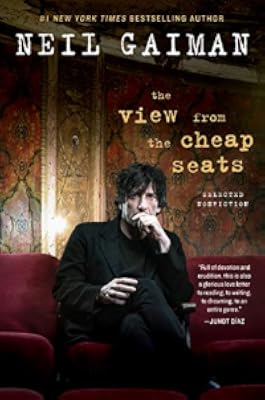
The View from the Cheap Seats
by Neil Gaiman
On This Page
Description
"An enthralling collection of nonfiction essays on a myriad of topics--from art and artists to dreams, myths, and memories--observed in #1 New York Times bestselling author Neil Gaiman's probing, amusing, and distinctive style. An inquisitive observer, thoughtful commentator, and assiduous craftsman, Neil Gaiman has long been celebrated for the sharp intellect and startling imagination that informs his bestselling fiction. Now, The View from the Cheap Seats brings together for the first time show more ever more than sixty pieces of his outstanding nonfiction. Analytical yet playful, erudite yet accessible, this cornucopia explores a broad range of interests and topics, including (but not limited to): authors past and present; music; storytelling; comics; bookshops; travel; fairy tales; America; inspiration; libraries; ghosts; and the title piece, at turns touching and self-deprecating, which recounts the author's experiences at the 2010 Academy Awards in Hollywood. Insightful, incisive, witty, and wise, The View from the Cheap Seats explores the issues and subjects that matter most to Neil Gaiman--offering a glimpse into the head and heart of one of the most acclaimed, beloved, and influential artists of our time"-- show lessTags
Recommendations
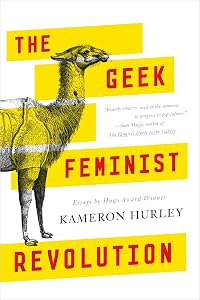
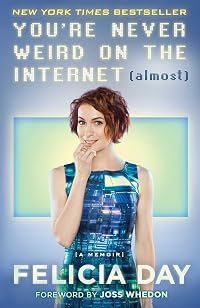
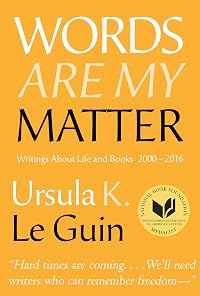
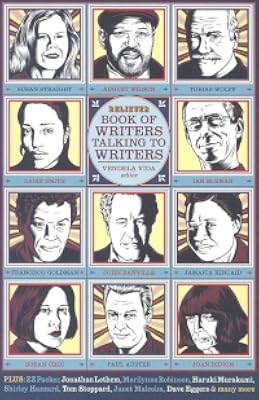

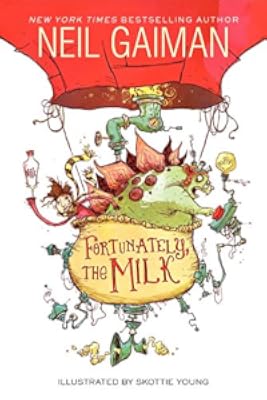
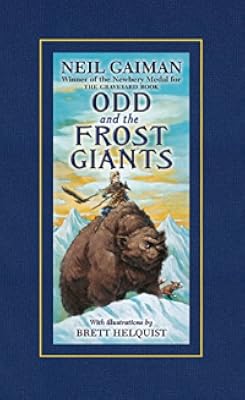
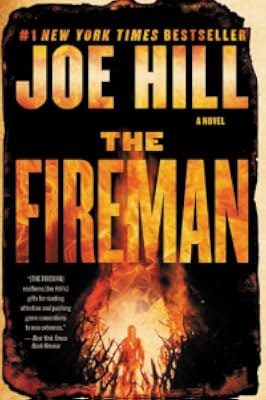
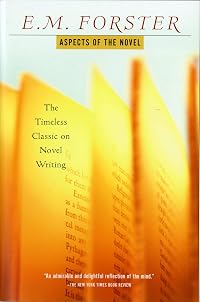

Member Recommendations
Member Reviews
This is a collection of miscellaneous non-fiction bits and pieces by Neil Gaiman from the late 90s through about 2016, when the book was published. And when I say "miscellaneous," I mean it. There are speeches given at various venues, a lot of introductions to other people's novels (or short story collections or comics), even things he wrote for the liner notes of albums. It should feel interesting -- because Gaiman is always interesting -- but kind of disjointed and slight. After all, lots of these pieces are very short, most of them are out of their proper context, and, because they were never meant to appear all together like this, there is inevitably a little bit of repetition, as Gaiman tells the same anecdote or makes the same show more point in more than one place.
And yet I found myself strangely engrossed, interested in everything Gaiman had to say, even when he was introducing works I'd never read by people I'd never heard of. 500 pages of this, and, I swear, I never got tired of it. I think that's in large part because it's not as disjointed as you'd expect, since almost all of these pieces involve variations on the same broad subject matter: stories, storytelling, and storytellers of all kinds. And, boy, is this a topic Gaiman can talk about intelligently, compellingly, and eloquently. I could listen to him going on all day. Or, apparently, for the five days or so it took me to read the book. show less
And yet I found myself strangely engrossed, interested in everything Gaiman had to say, even when he was introducing works I'd never read by people I'd never heard of. 500 pages of this, and, I swear, I never got tired of it. I think that's in large part because it's not as disjointed as you'd expect, since almost all of these pieces involve variations on the same broad subject matter: stories, storytelling, and storytellers of all kinds. And, boy, is this a topic Gaiman can talk about intelligently, compellingly, and eloquently. I could listen to him going on all day. Or, apparently, for the five days or so it took me to read the book. show less
This is taking me a long time to read, because it's so rich and heady. I want to savor the insights and spend time thinking. It's a great collection for the Gaiman enthusiast, if a bit repetitive at times in theme (given how many of the essays are talks or graduation speeches, that's not so surprising, and even those are really interesting in how they develop over time.)
Finally finished it. Loved it. Particularly love that Neil is so willing to share his life with us -- to open a window on his friendships, on his challenges and his history and his family. It gives me a sense of connection to him that is comforting to me, for all it is not real. I also really enjoyed getting to know the other parts of Neil Gaiman's work -- the show more journalism, the comics. I'm one of the myth and fairy tale readers. I started to know him as a poet in obscure fairy tale retelling collections, before I ever found his prose.
I find myself swinging back and forth between wanting to give up my day job and find a way, like Gaiman, to make the art my soul and center, and trying to find a way to channel my everyday fury at the fact of the day job like Pratchett did, into my art. Thank you, Neil, for both of these examples. They are massively inspiring.
advanced reader's copy provided by Edelweiss. show less
Finally finished it. Loved it. Particularly love that Neil is so willing to share his life with us -- to open a window on his friendships, on his challenges and his history and his family. It gives me a sense of connection to him that is comforting to me, for all it is not real. I also really enjoyed getting to know the other parts of Neil Gaiman's work -- the show more journalism, the comics. I'm one of the myth and fairy tale readers. I started to know him as a poet in obscure fairy tale retelling collections, before I ever found his prose.
I find myself swinging back and forth between wanting to give up my day job and find a way, like Gaiman, to make the art my soul and center, and trying to find a way to channel my everyday fury at the fact of the day job like Pratchett did, into my art. Thank you, Neil, for both of these examples. They are massively inspiring.
advanced reader's copy provided by Edelweiss. show less
I'm not sure why I approach every Neil Gaiman book as though I'm not going to like it, but I do. It's quite weird when I look at my bookshelves as see all the Gaiman books and comics I own, knowing I enjoyed each of them, and yet, for some reason, I'm always reluctant to pick up another one.
Weird.
But that's exactly what happened with this one. I saw it in the book store. I read the back cover. I thought, no, I wouldn't enjoy that.
And then, next thing I know, I'm reading it. And, as usual, enjoying the hell out of it.
I enjoyed this book so much. Maybe it was the sections where he talks writing. Maybe when he's talking comics. Maybe it's when he's talking about all the cool books he's read, many of which I have as well. Maybe it's all show more the cool authors and musicians he's talked to, authors and musicians that I enjoy.
Or maybe it's just that I love Gaiman's outlook on life, on writing, on creativity, on all of it.
And yet, I guarantee you, regardless of how much I loved this book--and really, I loved it a lot--the next time I see something by him, I'll likely approach it with some trepidation.
Then, I'll find myself reading and loving it too.
Weird. show less
Weird.
But that's exactly what happened with this one. I saw it in the book store. I read the back cover. I thought, no, I wouldn't enjoy that.
And then, next thing I know, I'm reading it. And, as usual, enjoying the hell out of it.
I enjoyed this book so much. Maybe it was the sections where he talks writing. Maybe when he's talking comics. Maybe it's when he's talking about all the cool books he's read, many of which I have as well. Maybe it's all show more the cool authors and musicians he's talked to, authors and musicians that I enjoy.
Or maybe it's just that I love Gaiman's outlook on life, on writing, on creativity, on all of it.
And yet, I guarantee you, regardless of how much I loved this book--and really, I loved it a lot--the next time I see something by him, I'll likely approach it with some trepidation.
Then, I'll find myself reading and loving it too.
Weird. show less
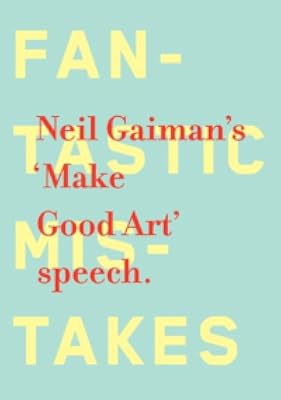
As much as I enjoyed reading the essays, articles, speeches, and ephemera in this book, I found it a touch trite. Anyone who has been a fan of Gaiman will have read the majority of the familiar pieces (for god’s sake, Make Good Art has its own book!) through his blog or through links on the internet, and I found that the less familiar pieces were that way for a reason. The majority of the later are introductions to other writer’s books, commentary on music, and the like which I found rather uninteresting because I had no connection with the topics that he was discussing. Sure, it’s an opportunity to discover authors, music, and subjects that Gaiman personally enjoys, but most of these aren’t really a secret if one reads his blog show more anyways so I ended up skipping much of this material. That being said, if one self-selects away from these sections of the book there’s plenty of interesting material that if slightly better selected would have garnered this review a slightly more positive spin. Gaiman’s discussions of libraries, the value of reading, and on the tropes of various genres (mythic/fantasy literature and comics being the forerunners) are classic pieces, and I only wish that he (and his editors) had chosen to dedicate this collection along those specific lines rather than presenting a selection of varying materials. But there’s always time for that as Gaiman continues to write, make speeches, and blog about all things under the sun (and the moon) - more than enough for another selected collection, I’m sure! show less
I'll be honest here: I can't stand Neil Gaiman's fiction writing style. I'm not saying he doesn't write well, I'm saying it's just not for me. And that's not from lack of trying: I've read three of his books and... no. Just no.
HOWEVER, I know he must do some things right because of how renown he is in the writing world. Plus, I believe that even though his style doesn't appeal to me, he has a few things to teach me about writing. So, I decided to give this selected nonfiction book a try.
It wasn't entirely what I expected what with very few essays about the writing world. Nevertheless, I enjoyed it greatly! I mean it when I say 500 pages wasn't enough! I read it every night before going to bed and I was always looking forward to what show more Neil had to say next.
As much as his fiction writing style repels me, I admit his nonfiction style is excellent! It's honest, straightforward, vulnerable and funny. It's charming in his own way.
It was fun to see what made up this author and he got us close to several celebrities in different fields. It was like a "behind-the-scenes" view.
I loved it!
Now, I'll be off buying it to put it in my writing books section, even though it's not about writing per se. But I still think this book is important. At least to me.
If you love Neil Gaiman: read it!
If you don't like his writing style: read it, too! It might show you different sides of things, opinions, people. It might make you fall in love with his nonfiction writing style, just like it did me. show less
HOWEVER, I know he must do some things right because of how renown he is in the writing world. Plus, I believe that even though his style doesn't appeal to me, he has a few things to teach me about writing. So, I decided to give this selected nonfiction book a try.
It wasn't entirely what I expected what with very few essays about the writing world. Nevertheless, I enjoyed it greatly! I mean it when I say 500 pages wasn't enough! I read it every night before going to bed and I was always looking forward to what show more Neil had to say next.
As much as his fiction writing style repels me, I admit his nonfiction style is excellent! It's honest, straightforward, vulnerable and funny. It's charming in his own way.
It was fun to see what made up this author and he got us close to several celebrities in different fields. It was like a "behind-the-scenes" view.
I loved it!
Now, I'll be off buying it to put it in my writing books section, even though it's not about writing per se. But I still think this book is important. At least to me.
If you love Neil Gaiman: read it!
If you don't like his writing style: read it, too! It might show you different sides of things, opinions, people. It might make you fall in love with his nonfiction writing style, just like it did me. show less
I was lucky enough to get a review copy of The View from the Cheap Seats, and after reading it, Ive come to one inescapable conclusion: Neil Gaiman is an evil genius with supernatural powers. It's the only explanation. How else could he write a book that's a collection of speeches, introductions, and essays that's not only a great read, but makes me want to run out and buy copies of all of the books he writes about.
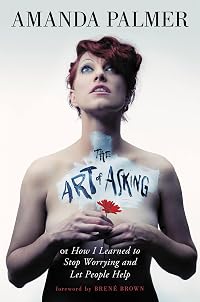
The book includes a selection of nonfiction that Gaiman has written throughout his career. The earliest seems to be a review of a book called [Gumshoe] the he wrote for Punch back in 1989, and the most ones dating to 2015. He writes on a lot of topics. There are plenty of essays on books and comics as would be expected from a show more professional in those fields. There are also several on music including a few, to no surprise on [[Amanda Palmer]]. There are even some deeply moving essays, including tributes to deceased writers and friends and an article on the plight of Syrian refugees.
If you're a fan of science fiction, fantasy, horror, comic books, or just like good essays, then this is book is a must have. show less
The book includes a selection of nonfiction that Gaiman has written throughout his career. The earliest seems to be a review of a book called [Gumshoe] the he wrote for Punch back in 1989, and the most ones dating to 2015. He writes on a lot of topics. There are plenty of essays on books and comics as would be expected from a show more professional in those fields. There are also several on music including a few, to no surprise on [[Amanda Palmer]]. There are even some deeply moving essays, including tributes to deceased writers and friends and an article on the plight of Syrian refugees.
If you're a fan of science fiction, fantasy, horror, comic books, or just like good essays, then this is book is a must have. show less
Picking up Neil Gaiman’s non-fiction collection, THE VIEW FROM THE CHEAP SEATS, is daunting because of its length and breadth. However, you will find it to be highly accessible, entertaining and positively addicting. Reading this book is a little like having a long conversation with a much-admired parent who’s seen it all. He succinctly reveals his intention in the dedication to his infant son, Ash: “These were some of the things your father loved and said and cared about and believed, a long time ago.”
Previously, my experience with Gaiman’s work consisted of just one novel (THE OCEAN AT THE END OF THE LANE), where he captures for adult readers the confusion and dangers that inhabit the childhood of a very imaginative boy who show more lives in a world of books. That theme was a great introduction to this collection because it was a snapshot of an articulate man with many interests and an inquisitive nature. He is friendly, self-deprecating, funny, insightful, encouraging, iconoclastic and passionate about many things, especially pop culture. As readers, we get to go along for the ride and it covers a lot of territory but is never boring.
As a prolific and successful author, one should not be surprised that Gaiman’s prominent themes involve reading and writing. The collection if chock filled with great advice for both writers and readers. “Most of the things I’ve got right over the years, I’d got right because I got them wrong first." “I’ve learned over the years that everything is more or less the same amount of work, so you may as well set your sights high and try and do something really cool." “Go, and make interesting mistakes, make amazing mistakes, make glorious and fantastic mistakes. Break rules. Leave the world more interesting for your being here. Make good art.” “…because somewhere out there is someone who needs that story.” “Sometimes you return to a book and find that it’s better than you remembered, better than you had hoped: all the things that you had loved were still there, but that it’s even more packed with things that you appreciate. It’s deeper, cleaner, wiser.” “If you do not value libraries then you do not value information or culture or wisdom.”
Another prominent impression is how much of a fan Gaiman is of other authors. He spends a large portion of this collection encouraging you to appreciate these people as much as he does. The people he is passionate about are mostly his mentors and role models in the fantasy/SF genre (a topic he also has interesting ideas about), including Poe, Wells, Lovecraft, Adams, Ellison, King, and Bradbury. I especially loved his takes on classical films like “The Bride of Frankenstein” and “They Might Be Giants,” and the film industry in general with his impressions of the Sundance Film Festival.
Yet it was surprising also to learn how passionate Gaiman is about other things like the Syrian refugee crisis, the music of Lou Reed and especially to be introduced to his rock-star wife, Amanda Palmer of the Dresden Dolls.
This book is not just for graphic novel, fantasy and science fiction aficionados. It is for everyone because it is full of important ideas that easily extrapolate to other life situations. There just might something here that will change your life. show less
Previously, my experience with Gaiman’s work consisted of just one novel (THE OCEAN AT THE END OF THE LANE), where he captures for adult readers the confusion and dangers that inhabit the childhood of a very imaginative boy who show more lives in a world of books. That theme was a great introduction to this collection because it was a snapshot of an articulate man with many interests and an inquisitive nature. He is friendly, self-deprecating, funny, insightful, encouraging, iconoclastic and passionate about many things, especially pop culture. As readers, we get to go along for the ride and it covers a lot of territory but is never boring.
As a prolific and successful author, one should not be surprised that Gaiman’s prominent themes involve reading and writing. The collection if chock filled with great advice for both writers and readers. “Most of the things I’ve got right over the years, I’d got right because I got them wrong first." “I’ve learned over the years that everything is more or less the same amount of work, so you may as well set your sights high and try and do something really cool." “Go, and make interesting mistakes, make amazing mistakes, make glorious and fantastic mistakes. Break rules. Leave the world more interesting for your being here. Make good art.” “…because somewhere out there is someone who needs that story.” “Sometimes you return to a book and find that it’s better than you remembered, better than you had hoped: all the things that you had loved were still there, but that it’s even more packed with things that you appreciate. It’s deeper, cleaner, wiser.” “If you do not value libraries then you do not value information or culture or wisdom.”
Another prominent impression is how much of a fan Gaiman is of other authors. He spends a large portion of this collection encouraging you to appreciate these people as much as he does. The people he is passionate about are mostly his mentors and role models in the fantasy/SF genre (a topic he also has interesting ideas about), including Poe, Wells, Lovecraft, Adams, Ellison, King, and Bradbury. I especially loved his takes on classical films like “The Bride of Frankenstein” and “They Might Be Giants,” and the film industry in general with his impressions of the Sundance Film Festival.
Yet it was surprising also to learn how passionate Gaiman is about other things like the Syrian refugee crisis, the music of Lou Reed and especially to be introduced to his rock-star wife, Amanda Palmer of the Dresden Dolls.
This book is not just for graphic novel, fantasy and science fiction aficionados. It is for everyone because it is full of important ideas that easily extrapolate to other life situations. There just might something here that will change your life. show less
Members
- Recently Added By
Lists

Short Nonfiction Collections
51 works; 4 members

Books Read in 2016
4,666 works; 199 members

Books Read in 2017
4,249 works; 130 members

Midwest
16 works; 2 members

Books Read in 2019
4,052 works; 110 members

Books We'd Want on a Desert Island
203 works; 131 members
Author Information

844+ Works 450,011 Members
Neil Gaiman was born in Portchester, England on November 10, 1960. He worked as a journalist and freelance writer for a time, before deciding to try his hand at comic books. Some of his work has appeared in publications such as Time Out, The Sunday Times, Punch, and The Observer. His first comic endeavor was the graphic novel series The Sandman. show more The series has won every major industry award including nine Will Eisner Comic Industry Awards, three Harvey Awards, and the 1991 World Fantasy Award for best short story, making it the first comic ever to win a literary award. He writes both children and adult books. His adult books include The Ocean at the End of the Lane, which won a British National Book Awards, and the Locus Award for Best Fantasy Novel for 2014; Stardust, which won the Mythopoeic Award as best novel for adults in 1999; American Gods, which won the Hugo, Nebula, Bram Stoker, SFX, and Locus awards; Anansi Boys; Trigger Warning: Short Fictions and Disturbances; and The View from the Cheap Seats: Selected Nonfiction, which is a New York Times Bestseller. His children's books include The Day I Swapped My Dad for Two Goldfish; Coraline, which won the Elizabeth Burr/Worzalla, the BSFA, the Hugo, the Nebula, and the Bram Stoker awards; The Wolves in the Walls; Odd and the Frost Giants; The Graveyard Book, which won the Newbery Award in 2009 and The Sandman: Overture which won the 2016 Hugo Awards Best Graphic Story. (Bowker Author Biography) show less
Awards and Honors
Common Knowledge
- Canonical title
- The View from the Cheap Seats
- Original title
- The View from the Cheap Seats
- Original publication date
- 2016
- People/Characters
- Neil Gaiman; Amanda Palmer
- Dedication
- For Ash, who is new, for when he is grown.
These were some of the things your father loved and said and cared about and believed, a long time ago. - First words
- I fled, or at least, backed awkwardly away from journalism because I wanted the freedom to make things up. I did not want to be nailed to the truth; or to be more accurate, I wanted to be able to tell the truth without ever n... (show all)eeding to worry about the facts.-Introduction
I believe that it is difficult to kill an idea because ideas are invisible and contagious, and they move fast. -Credo - Last words
- (Click to show. Warning: May contain spoilers.)Then I pick up my pen, and I start to write.
- Blurbers
- del Toro, Guillermo; Diaz, Junot; Ferguson, Craig; Fry, Stephen; Gilbert, Elizabeth; Morgan, Caitlin
- Original language
- English
- Canonical DDC/MDS
- 824.914
- Canonical LCC
- PR6057.A319 A6
Classifications
Statistics
- Members
- 1,941
- Popularity
- 10,967
- Reviews
- 90
- Rating
- (3.92)
- Languages
- 6 — English, German, Hungarian, Italian, Portuguese, Spanish
- Media
- Paper, Audiobook, Ebook
- ISBNs
- 22
- ASINs
- 11