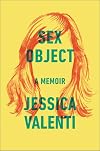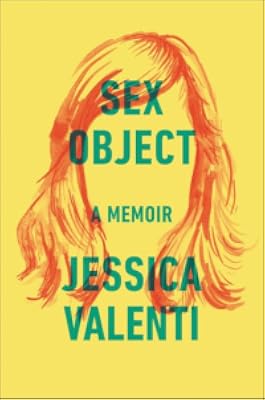
Sex Object: A Memoir
by Jessica Valenti
On This Page
Description
"Who would I be if I lived in a world that didn't hate women?" Hailed by the Washington Post as "one of the most visible and successful feminists of her generation," Jessica Valenti has been leading the national conversation on gender and politics for over a decade. Now, in a memoir that Publishers Weekly calls "bold and unflinching," Valenti explores the toll that sexism takes on women's lives, from the everyday to the existential. From subway gropings and imposter syndrome to sexual show more awakenings and motherhood, Sex Object reveals the painful, embarrassing, and sometimes illegal moments that shaped Valenti's adolescence and young adulthood in New York City. In the tradition of writers like Joan Didion and Mary Karr, Sex Object is a profoundly moving tour de force that is bound to shock those already familiar with Valenti's work, and enthrall those who are just finding it"-- show lessTags
Recommendations
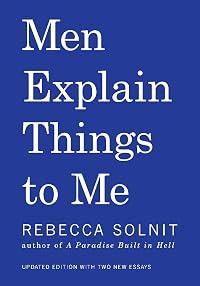
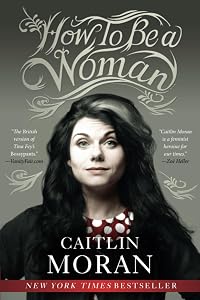
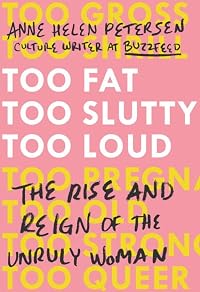
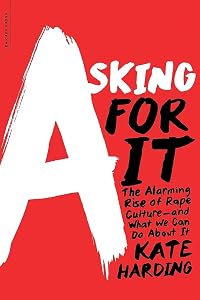
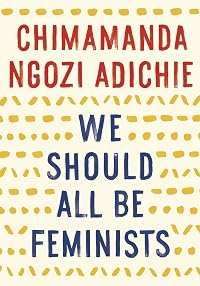
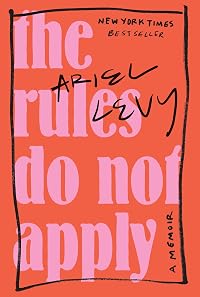
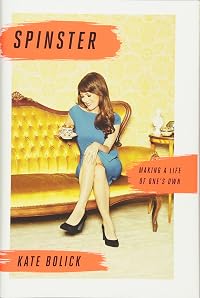
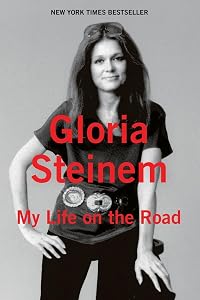
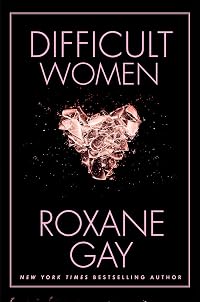
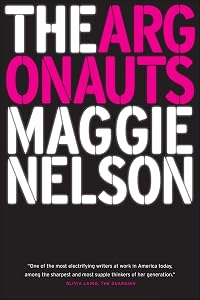
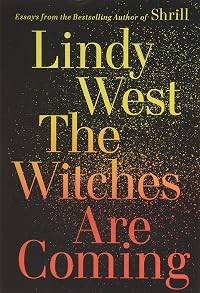
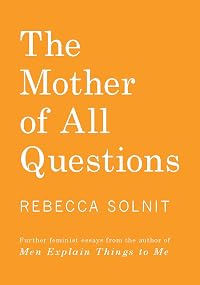
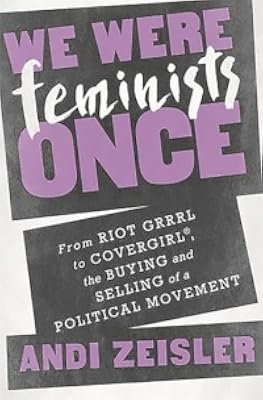
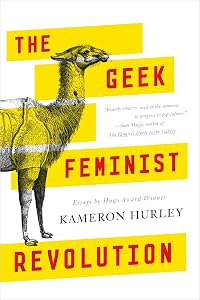
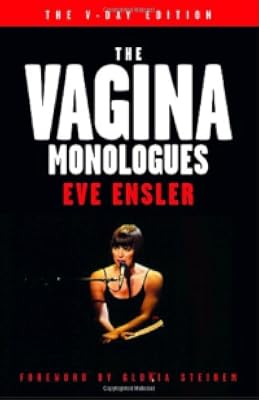
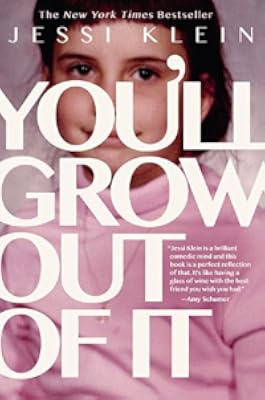

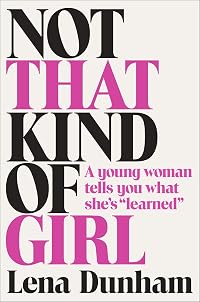
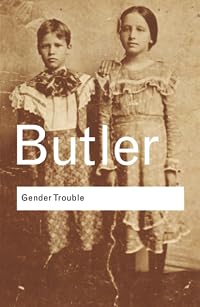
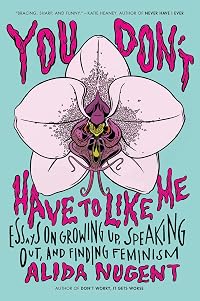
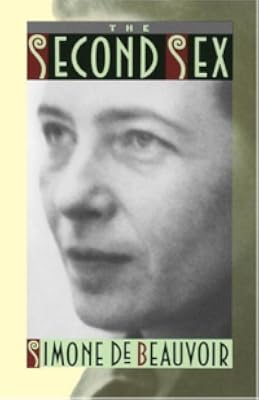
Member Recommendations
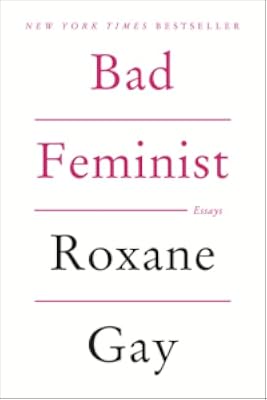
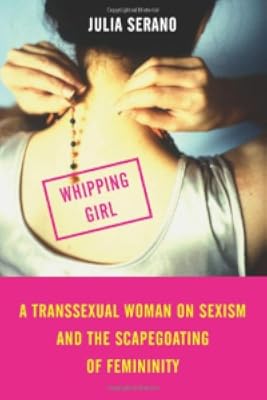
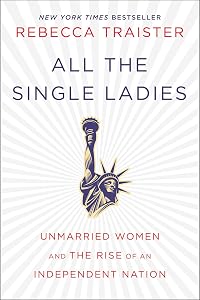
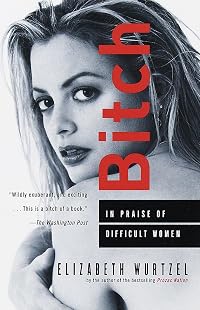
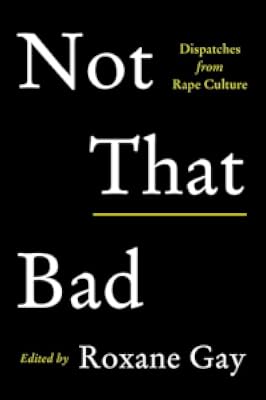
BarnesBookshelf Both memoirs deal with tough subject matter and growing up in New York City.
Member Reviews
If you liked Roxanne Gay's Bad Feminist then you'll love this!
This book was great in that I found it to be quite humanising.
Valenti writes about growing up in an overtly sexualised world and the way that has shaped her and contributed to her attitudes and feminism.
This book does a great job in laying out why it is that feminists are often referred to as angry (and it's extremely easy to see why we are). Each chapter consists of various small acts of violence or trespass that Valenti has experienced and while they, and the way that she reacts to these situations are entirely unique to her - they aren't. They're horribly familiar.
I love that Valenti didn't shy away from all of her attitudes - whether or not they aligned with the perfect show more mystical "feminist" that we're often told we need to be to call ourselves feminist (yet another unattainable ideology that women must strive for - if that's not a resounding call for why feminism is still relevant then i honestly don't know what is). show less
This book was great in that I found it to be quite humanising.
Valenti writes about growing up in an overtly sexualised world and the way that has shaped her and contributed to her attitudes and feminism.
This book does a great job in laying out why it is that feminists are often referred to as angry (and it's extremely easy to see why we are). Each chapter consists of various small acts of violence or trespass that Valenti has experienced and while they, and the way that she reacts to these situations are entirely unique to her - they aren't. They're horribly familiar.
I love that Valenti didn't shy away from all of her attitudes - whether or not they aligned with the perfect show more mystical "feminist" that we're often told we need to be to call ourselves feminist (yet another unattainable ideology that women must strive for - if that's not a resounding call for why feminism is still relevant then i honestly don't know what is). show less
The foundational question of this book is "Who would I be if I lived in a world that didn't hate women?" Valenti writes her memoir from the point of view of an object attempting to find the humanity is owed to her, but is inherently denied through the ignorance, aggression, and confounding logic of power systems. The stories within made me physically and emotionally sick. Obviously everyone should read it.
Jessica Valenti makes no excuses for the language she uses or for the principles in which she believes. From the stories she tells about her childhood and the years beyond, she's been dealing with chauvinism and men who are pigs for decades. She is not alone. I could absolutely relate to some, although not all, of her essays.
As a grandmother, I don't spend much time thinking about the times I've been groped or had men expose themselves to me. But it has happened multiple times. Listening to the audiobook, and hearing Valenti describe her experiences in crude detail, made me heartbroken and angry for every woman, girl, and child who's lived through this. And especially for the ones who don't live through it. Let me also be clear, I say show more it was crude detail, not because of the frank language Valenti uses but because the men were crude in the first place. That's putting it nicely.
On the other hand, I didn't have a strong connection to Valenti's experiences with pregnancy and parenthood since mine have been radically different. I believe her essays have value and deserve to be told. Connecting and listening to other women is a part of empowering us all.
I'm a feminist, and I believe women's rights are still very much at risk. The final essay in this book is a list of email, Twitter, and Facebook responses Valenti received. Just when I thought I'd become numb to her style of writing with f-bombs and other cursing, she reads us some completely heinous stuff. When men stop judging women based on their looks and sexuality, the world will improve. When men stop treating women like objects instead of valid humans, feminism won't be such a fight. We have a long, long way to go and I appreciate Valenti for shining a light on the reasons why. show less
As a grandmother, I don't spend much time thinking about the times I've been groped or had men expose themselves to me. But it has happened multiple times. Listening to the audiobook, and hearing Valenti describe her experiences in crude detail, made me heartbroken and angry for every woman, girl, and child who's lived through this. And especially for the ones who don't live through it. Let me also be clear, I say show more it was crude detail, not because of the frank language Valenti uses but because the men were crude in the first place. That's putting it nicely.
On the other hand, I didn't have a strong connection to Valenti's experiences with pregnancy and parenthood since mine have been radically different. I believe her essays have value and deserve to be told. Connecting and listening to other women is a part of empowering us all.
I'm a feminist, and I believe women's rights are still very much at risk. The final essay in this book is a list of email, Twitter, and Facebook responses Valenti received. Just when I thought I'd become numb to her style of writing with f-bombs and other cursing, she reads us some completely heinous stuff. When men stop judging women based on their looks and sexuality, the world will improve. When men stop treating women like objects instead of valid humans, feminism won't be such a fight. We have a long, long way to go and I appreciate Valenti for shining a light on the reasons why. show less
File this under "Hard to Read." I've experienced sexism for sure, but the level of objectification Valenti described was shocking to me. In the end, I was left thinking about how it's so important to name misogyny even when it's relatively minor. All of these instances add up. They create a culture of misogyny. How else could an unrepentant misogynist be elected to the nation's highest office? A lot of men *and* women who don't see the harm in treating women like nothing more than sex objects.
There were some really brilliant, well-articulated passages in this book. Valenti is fierce and vulnerable at the same time, laying bare some of the most intimate thoughts, anxieties, and experiences. Despite all this awesomeness, I was often confused by the book. I couldn't tell if it was meant to be a memoir telling a mostly linear story, or if each chapter was meant to be a semi-standalone essay. There was a lot of repetition of ideas and events with little variation. Even after finishing it, I'm not sure either way. The constant switching from first person to second person and back again irritates the hell out of me. It doesn't come across as a mistake or lack of skill, just a stylistic choice that really rankles me. So, solid show more three-stars; the parts I loved I really loved, same for the parts I hated. show less
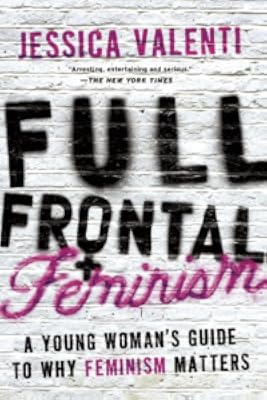
Sex Object is not at all the book I thought it was going to be but I'm not entirely sure what I expected either. I had read Valenti's book Full Frontal Feminism a while back and had a sense of her style of feminism and that how she feels about the way women relate to men. Of course, not all feminism is about men but they are the half of the population and we need them for procreation.
Still, I'm pretty sure I missed the "memoir" part of this book for a long time and thought it was another feminist commentary on the titled subject, which I am very interested in. There is a lot out there about the way women are viewed as sex objects and Valenti does get into it a bit in Full Frontal Feminism but I figured she had just dedicated the whole show more book to it this time. She is one of those writers for me that I'm always willing to see what she has to say. I don't perfectly agree with everything she says (change your name if you want to) but I do get what she's saying in a lot of ways and appreciate her point of view.
Nevertheless, this is a memoir, not a feminist commentary on being treated like we were created specifically for the male gaze and usage by men. In the book, Valenti recounts all the ways she was made to feel like a sex object by those around her. The problem with the book and the title is that her experience is not that unique among women. Pervy teacher who just wants a hug for a good grade? Flashed or catcalled on the street? Talked about as if your sole reason for being is how much someone wants to have sex with you?
Yep. I have either had similar experiences or known at least one person personally that has had it. These are not little pieces of the universe that Valenti happened to stumble onto because she was a slut or something. These are all a part of the female experience and what makes it obvious that we are still sex objects in a lot of ways to a lot of men. Even men who don't really believe women to be just sex objects will refer to us as such when we've pissed them off. And apologize profusely to the women in the room that they don't mean us, in my experience. Because it's the worst thing they can call women and there's really something wrong with that. Why is my worth directly correlated to whether or not you want to have sex me and whether or not I'm willing to? And why does that only last insofar as it's appropriate for me to want to?
This is why we feminists call it a rigged system against us so much. It is. The experiences Valenti talks about in this book are all reasons why I love the idea of the Slut Walk and Reclaim the Night. All those things about women that so directly correlate our value to someone's views of who we should be having sex with, who we should want to have sex with, and whether or not we will have sex with them need to be eliminated.
Well, there are two ways to equalize any given number, though. We can lower the one number to the other (as in men can stop looking at us this way) or raise the lower number up to meet the other, as in we could constantly reduce men to sex objects. They say they'll like it, but just as Valenti points out in the book, they don't really know what they're talking about. They like it when an available, attractive woman ogles them a bit in a way that doesn't feel threatening. The problem is that we are constantly assaulted by the more threatening kind of gaze in these circumstances. It's the kind of look that makes men worry about what happens to them in jail. Yeah, I don't really want to do that either. I've seen it happen, though, and I've known plenty of guys who are not in the habit of doing this, so maybe it will equalize one day....
I'm not really counting on it happening in my lifetime, but I have hope for the new generation. I borrowed the audiobook from my library, read by the author. Click on the cover to be redirected to Booklikes for purchase options or add it to Goodreads for later. While I think most women would enjoy the book, I want men to read it so they can see what we're talking about better when we say things like "women are treated like sex objects". show less
Still, I'm pretty sure I missed the "memoir" part of this book for a long time and thought it was another feminist commentary on the titled subject, which I am very interested in. There is a lot out there about the way women are viewed as sex objects and Valenti does get into it a bit in Full Frontal Feminism but I figured she had just dedicated the whole show more book to it this time. She is one of those writers for me that I'm always willing to see what she has to say. I don't perfectly agree with everything she says (change your name if you want to) but I do get what she's saying in a lot of ways and appreciate her point of view.
Nevertheless, this is a memoir, not a feminist commentary on being treated like we were created specifically for the male gaze and usage by men. In the book, Valenti recounts all the ways she was made to feel like a sex object by those around her. The problem with the book and the title is that her experience is not that unique among women. Pervy teacher who just wants a hug for a good grade? Flashed or catcalled on the street? Talked about as if your sole reason for being is how much someone wants to have sex with you?
Yep. I have either had similar experiences or known at least one person personally that has had it. These are not little pieces of the universe that Valenti happened to stumble onto because she was a slut or something. These are all a part of the female experience and what makes it obvious that we are still sex objects in a lot of ways to a lot of men. Even men who don't really believe women to be just sex objects will refer to us as such when we've pissed them off. And apologize profusely to the women in the room that they don't mean us, in my experience. Because it's the worst thing they can call women and there's really something wrong with that. Why is my worth directly correlated to whether or not you want to have sex me and whether or not I'm willing to? And why does that only last insofar as it's appropriate for me to want to?
This is why we feminists call it a rigged system against us so much. It is. The experiences Valenti talks about in this book are all reasons why I love the idea of the Slut Walk and Reclaim the Night. All those things about women that so directly correlate our value to someone's views of who we should be having sex with, who we should want to have sex with, and whether or not we will have sex with them need to be eliminated.
Well, there are two ways to equalize any given number, though. We can lower the one number to the other (as in men can stop looking at us this way) or raise the lower number up to meet the other, as in we could constantly reduce men to sex objects. They say they'll like it, but just as Valenti points out in the book, they don't really know what they're talking about. They like it when an available, attractive woman ogles them a bit in a way that doesn't feel threatening. The problem is that we are constantly assaulted by the more threatening kind of gaze in these circumstances. It's the kind of look that makes men worry about what happens to them in jail. Yeah, I don't really want to do that either. I've seen it happen, though, and I've known plenty of guys who are not in the habit of doing this, so maybe it will equalize one day....
I'm not really counting on it happening in my lifetime, but I have hope for the new generation. I borrowed the audiobook from my library, read by the author. Click on the cover to be redirected to Booklikes for purchase options or add it to Goodreads for later. While I think most women would enjoy the book, I want men to read it so they can see what we're talking about better when we say things like "women are treated like sex objects". show less
The day this book (which I had pre-ordered) was released, it was in the 80s out. I was walking home from work wearing two tank tops and covered with a sweater, because even though I was walking 1.5 miles home (uphill) in 80 degree weather, I have big boobs, and those of us with big boobs know that hot weather clothing and a large chest don’t mix well if one wants to make it through the day without leers and snide comments. Of course, that’s not a guarantee that such comments and looks won’t come, as evidenced by the fact that on my way home, a man blocked my path, hovered about a foot away, made a move like he was going to walk away, then turned back with his hand out, making to grab my chest. He didn’t; instead he laughed and show more kept walking, while I told him to fuck off.
Good times.
Ms. Valenti’s memoir includes some similar stories, although her focus tends to be on her actions and reactions not necessarily to specific instances, but on how those instances are part of a larger, non-stop cacophony of shit that women deal with. Teachers who turn out to be creepers. Authority figures who don’t take threats to women seriously. Men who rape unconscious women but don’t really see anything wrong with it (*cough* Brock Turner *cough*), men who whip out their penises on subways or rub up against women on subways to get off (I, like Ms. Valenti, have experienced both of these things as well). Her own way of navigating this world involved drugs (mostly cocaine, and pot) and sex, at least as she has highlighted in this memoir. It follows her from youth through your daughter’s birth and beyond; however, I don’t think it actually really is fully chronological, although I could be wrong.
I believe I understand what Ms. Valenti was going for in framing her memoir this way, but I’m not entirely sure this book is successful in that regard. Each individual essay is mostly okay, although they all jump around in tenses so often that I actually did find myself having trouble understanding them at times. The topic areas and what she said will likely stick with me, but the organization of this memoir made it hard for me to really feel like I was connecting to the material, or to the author. I adore Ms. Valenti’s writings – Full Frontal Feminism and The Purity Myth are two of my favorite books – but this one won’t be added to that list. show less
Good times.
Ms. Valenti’s memoir includes some similar stories, although her focus tends to be on her actions and reactions not necessarily to specific instances, but on how those instances are part of a larger, non-stop cacophony of shit that women deal with. Teachers who turn out to be creepers. Authority figures who don’t take threats to women seriously. Men who rape unconscious women but don’t really see anything wrong with it (*cough* Brock Turner *cough*), men who whip out their penises on subways or rub up against women on subways to get off (I, like Ms. Valenti, have experienced both of these things as well). Her own way of navigating this world involved drugs (mostly cocaine, and pot) and sex, at least as she has highlighted in this memoir. It follows her from youth through your daughter’s birth and beyond; however, I don’t think it actually really is fully chronological, although I could be wrong.
I believe I understand what Ms. Valenti was going for in framing her memoir this way, but I’m not entirely sure this book is successful in that regard. Each individual essay is mostly okay, although they all jump around in tenses so often that I actually did find myself having trouble understanding them at times. The topic areas and what she said will likely stick with me, but the organization of this memoir made it hard for me to really feel like I was connecting to the material, or to the author. I adore Ms. Valenti’s writings – Full Frontal Feminism and The Purity Myth are two of my favorite books – but this one won’t be added to that list. show less
Members
- Recently Added By
Lists

Best Feminist Literature
188 works; 26 members

HarperCollins Publishers
144 works; 3 members

Angry Women Reading List
17 works; 2 members

Women's History Month: Suggested Reads
63 works; 6 members

Reading Glasses Podcast
410 works; 3 members

The War on Cars podcast
108 works; 1 member
Author Information

8+ Works 3,608 Members
Jessica Valenti is a columnist for The Guardian US and the author of numerous books including the national bestseller Full Frontal Feminism. In 2004 she founded the award-winning Feministing.com which Columbia Journalism review called "head and shoulders above almost any writing on women's issues in mainstream media." Her writing has appeared in show more the New York Times, Washington Post, The Nation, and Ms. She lives in Brooklyn with her family. show less
Awards and Honors
Common Knowledge
- People/Characters
- Jessica Valenti
Classifications
- Genres
- Nonfiction, Sexuality and Gender Studies, Biography & Memoir, General Nonfiction
- DDC/MDS
- 305.42092 — Society, government, & culture Social sciences, sociology & anthropology Social group - Age, Gender, Ethnicity Women Social role and status of women Standard subdivisions History, geographic treatment, biography Biography
- LCC
- HQ1413 .V35 .A3 — Social sciences The family. Marriage, Women and Sexuality The Family. Marriage. Women Women. Feminism
- BISAC
Statistics
- Members
- 554
- Popularity
- 53,749
- Reviews
- 13
- Rating
- (3.62)
- Languages
- English
- Media
- Paper, Audiobook, Ebook
- ISBNs
- 11
- UPCs
- 1
- ASINs
- 4