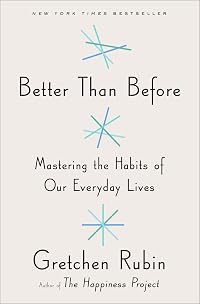
Better Than Before: Mastering the Habits of Our Everyday Lives
by Gretchen Rubin
On This Page
Description
"Habits are the invisible architecture of our lives. Rubin provides an analytical and scientific framework from which to understand these habits--as well as change them for good. Infused with her compelling voice and funny stories, she illustrates the core principles of habit formation with dozens of strategies that she uses herself and tests out on others. Rubin provides tools to help readers better understand themselves, and presents a clear, practical menu of strategies so readers can show more take an individualized approach. She tackles each strategy herself and in doing so shows us the importance of knowing ourselves and our own habit tendencies. Armed with self-knowledge, we can pursue habits in ways that will truly work for us, not against us. Going to the gym can be as easy, effortless, and automatic as putting on a seatbelt. We can file expense reports, take time for fun, or pass up that piece of carrot cake without having to decide. With a foundation of good habits, we can build a life that reflects our values and goals"-- show lessTags
Recommendations
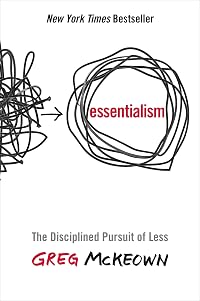
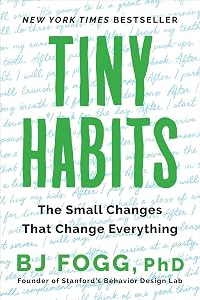
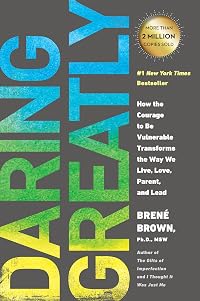
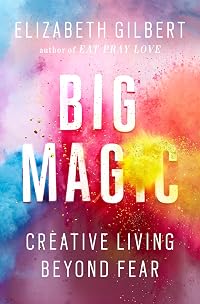
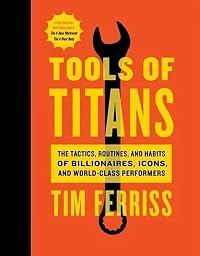
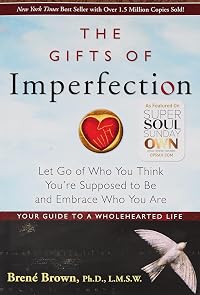
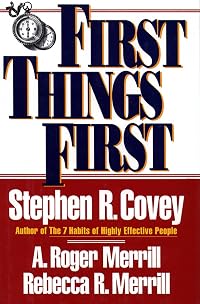
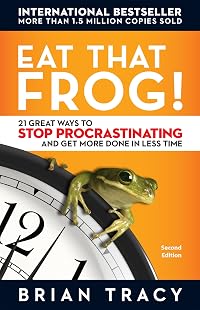

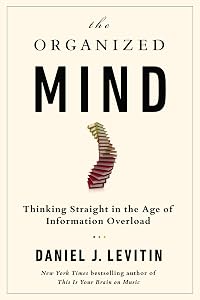
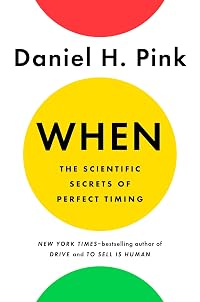
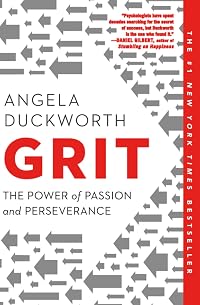
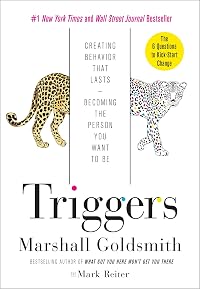

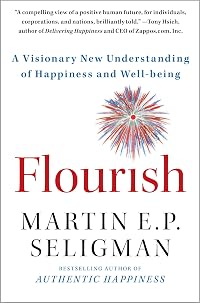
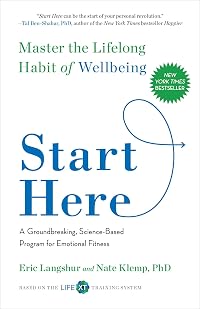
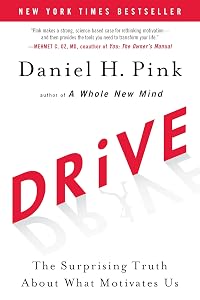
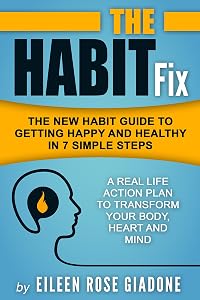
Member Recommendations
Deesirings Adams suggest having "systems" rather than goals. Developing good habits appears to be a key system in Adams' approach to success and Rubin's book elaborates on how to do that. These two books therefore complement each other.
Member Reviews
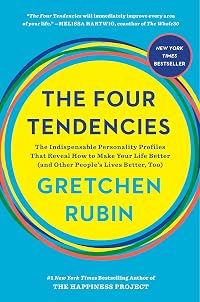
Most of you will realize that this isn't my typical sort of book. It's a self-help book about using habits to build a better life. The author starts by categorizing people into four broad categories: upholder (follows through with both inner and outer expectations), obliger (follows outer expectations but has trouble with inner expectations), questioner (obvious), and rebel (obvious).
I read this because one of my friends whose thoughts and intelligence I absolutely trust has been raving about the author - her books and her podcasts - for over a year to me. We've been talking a lot at work about good leadership and she thinks that understanding these different personality traits really helps her leadership of a varied group of people.
I show more get it and I did think there were some interesting suggestions in this book, but overall I was really, really annoyed by the author's tone. I suspect she was trying to use self-deprecating humor sometimes, but she came off as very smug. And the whole book was based around her life as an upholder set up vs. "the others". As if she was doing it all right and everyone else should aim to be like her. So annoying.
And then there was the troubling fact that she and I have almost the same habits and tendencies which made me wonder if everyone I know thinks I'm as annoying as she was to me!
So, I don't know, it came highly recommended but I can't think of anyone here who would really like it. show less
I read this because one of my friends whose thoughts and intelligence I absolutely trust has been raving about the author - her books and her podcasts - for over a year to me. We've been talking a lot at work about good leadership and she thinks that understanding these different personality traits really helps her leadership of a varied group of people.
I show more get it and I did think there were some interesting suggestions in this book, but overall I was really, really annoyed by the author's tone. I suspect she was trying to use self-deprecating humor sometimes, but she came off as very smug. And the whole book was based around her life as an upholder set up vs. "the others". As if she was doing it all right and everyone else should aim to be like her. So annoying.
And then there was the troubling fact that she and I have almost the same habits and tendencies which made me wonder if everyone I know thinks I'm as annoying as she was to me!
So, I don't know, it came highly recommended but I can't think of anyone here who would really like it. show less
Don't let the fact that I took two months to read this book make you think it's slow or not worthwhile. It took me that long because, much like "Daring Greatly," some of the truth bombs took me time to process. But I had to finish it today because I was out of renewals from the library, so I dug in and read the last 75 pages. This book is life changing. I have pages of notes so I can still go back and reference the pieces that made me evaluate how I spend my time and live my life. Must read.
Loved the beginning. And then just when I thought the book would start repeating itself, the author surprised me with her intensity. Gretchen Rubin is fiercely determined to life-hack her way to humanity 2.0.
A couple of thoughts while reading:
- I appreciate Gretchen's methods. From her POV, all good habits are achievable in some form or another. Plus, she's diligent about self-evaluation. I don't have the mental energy to devote my time the way she does, which I suspect is part of her Upholder tendency. I prefer a play-to-your-strengths / leverage-your-energy approach. Take the habits that come easy and focus on those. Rethink the hard ones. In effect, don't swim against the tide.
- Gretchen must be aware of how extraordinarily fortunate show more she is to have both the flexibility and the financial resources necessary to pursue mastery of her habits. This isn't an excuse for the rest of us to slack off, but surely she must realize the majority of her readers, even those with a comfortable middle class lifestyle, have to juggle career and family and personal fulfillment within a stark range of inflexible constraints.
- According to the tendency categories from early on in the book, I am undoubtedly a Questioner. That said, I question her seemingly blind devotion to the habit over what quality improvement it's supposed to aid. Exercise is an excellent example. As a lifelong acquirer and reformer of habits I'm extra sensitive to the trap of going through the motions. With exercise it's easy to do a lot while accomplishing very little. (And sometimes very little could be something unwelcome like repetitive strain injury.) Proper exercise needs to be focused, frequently varied, and never overdone; otherwise its value goes way down. Coincidentally, this was what I was thinking when I read this line from Gretchen, "The fact that I can easily read magazines while I exercise may suggest that I'm not exercising very hard—and I'm not. But at least I'm showing up." Gretchen, I know from the rest of the book that you're better than that. Maybe it's my Questioner tendency speaking through, but habits need to produce qualitative outcomes. Otherwise they should be banished or reformed. (She seems to realize this by the end of the book regarding her mediation practice. The sessions weren't giving her the ROI she was hoping for so she stopped.)
- And finally, I loved the "Secrets of Adulthood" bits of wisdom scattered throughout the book. show less
A couple of thoughts while reading:
- I appreciate Gretchen's methods. From her POV, all good habits are achievable in some form or another. Plus, she's diligent about self-evaluation. I don't have the mental energy to devote my time the way she does, which I suspect is part of her Upholder tendency. I prefer a play-to-your-strengths / leverage-your-energy approach. Take the habits that come easy and focus on those. Rethink the hard ones. In effect, don't swim against the tide.
- Gretchen must be aware of how extraordinarily fortunate show more she is to have both the flexibility and the financial resources necessary to pursue mastery of her habits. This isn't an excuse for the rest of us to slack off, but surely she must realize the majority of her readers, even those with a comfortable middle class lifestyle, have to juggle career and family and personal fulfillment within a stark range of inflexible constraints.
- According to the tendency categories from early on in the book, I am undoubtedly a Questioner. That said, I question her seemingly blind devotion to the habit over what quality improvement it's supposed to aid. Exercise is an excellent example. As a lifelong acquirer and reformer of habits I'm extra sensitive to the trap of going through the motions. With exercise it's easy to do a lot while accomplishing very little. (And sometimes very little could be something unwelcome like repetitive strain injury.) Proper exercise needs to be focused, frequently varied, and never overdone; otherwise its value goes way down. Coincidentally, this was what I was thinking when I read this line from Gretchen, "The fact that I can easily read magazines while I exercise may suggest that I'm not exercising very hard—and I'm not. But at least I'm showing up." Gretchen, I know from the rest of the book that you're better than that. Maybe it's my Questioner tendency speaking through, but habits need to produce qualitative outcomes. Otherwise they should be banished or reformed. (She seems to realize this by the end of the book regarding her mediation practice. The sessions weren't giving her the ROI she was hoping for so she stopped.)
- And finally, I loved the "Secrets of Adulthood" bits of wisdom scattered throughout the book. show less
I have to start by saying that I do like Gretchen Rubin, but this book needs a trigger warning for people with food and eating disorders; I also feel as though there’s a lot of fat phobia. She begins the book by saying that she’s not going to define any habits here as the reader should choose some for themselves to work on, but I’d say that the vast majority of “bad” habits she talks about have to do with food and weight and what’s “healthy.” I got massively turned off by all of it, even though in general her research is interesting with a lot making sense.
I think Rubin needed someone as a test case who is the opposite of her. She’s such a perfectionist Upholder that it didn’t sound like she had any problems at all show more maintaining her habits, and unfortunately she comes off as sanctimonious. Then she gets so hyped up to want to help (change) others that I’m surprised she hasn’t lost some friends and acquaintances. Also, I read The Four Tendencies a few years ago, and this book is definitely just a warm up to that as you can tell that it was the book she really wanted to write once she had the chance. show less
I think Rubin needed someone as a test case who is the opposite of her. She’s such a perfectionist Upholder that it didn’t sound like she had any problems at all show more maintaining her habits, and unfortunately she comes off as sanctimonious. Then she gets so hyped up to want to help (change) others that I’m surprised she hasn’t lost some friends and acquaintances. Also, I read The Four Tendencies a few years ago, and this book is definitely just a warm up to that as you can tell that it was the book she really wanted to write once she had the chance. show less
A detour, but as I read her earlier two and was waiting for its publication, it fit within an exception. Better Than Before is a better fit for those who come to it with some knowledge of Rubin. So, read the Happiness Project first. At least 50% of the books I've read since, and many of the things I've done, are a direct result of having read that book. Not bad for a book I stumbled upon during Borders' clearance sale almost 4 years ago. An oft leveled criticism is that Rubin lives a privileged life (her father-in-law is Robert Rubin) and accordingly is out of touch. I reject the criticism, philosophical concern has almost always been exclusive preserve for the leisured. Who else would have time to seriously contemplate happiness, their show more own or in general. That doesn't make it less important; probably, it is more important that those who spend time and reflect on it, do so. show less
I thought I might find this book somewhat repetitive, having already read her previous book, "The Happiness Project." But this book breaks new ground and is loaded with insights. Everyone will take what they need from it - she provides many, many suggestions and ways to approach making and breaking good and bad habits (mostly with a focus on making good new ones). Not everything will resonate with everyone, but everyone should find something to inspire them here. Of course, only those who are really eager to change are likely to pick it up. Probably this is not a great book to give as a gift unless you are absolutely certain it will be welcome. Also - an index would be a great addition. The author uses a lot of terms and categories show more (Upholder, Finisher, etc.) and it would be helpful to be able to review what they all mean and also jump to the ones that apply to oneself. show less
I found two things in this book to be useful in trying to establish new and healthier habits. They are:
1. I am a person who does best with external accountability and validation. Even the reward and goal system of an app works better than attempting to change using sheer will.
2. Put your new habits into a calendar. For example, actually schedule time for meditation. Then you get reminders and have a visual of the habit you are trying to establish.
I found the author's voice to be too smug and self-satisfied to entirely enjoy. There is also the question of her unacknowledged privilege - gym memberships and treadmill work stations are not available to everyone.
Still, finding out which type of personality you are in relation to life show more changes can be very helpful as it was for me. show less
1. I am a person who does best with external accountability and validation. Even the reward and goal system of an app works better than attempting to change using sheer will.
2. Put your new habits into a calendar. For example, actually schedule time for meditation. Then you get reminders and have a visual of the habit you are trying to establish.
I found the author's voice to be too smug and self-satisfied to entirely enjoy. There is also the question of her unacknowledged privilege - gym memberships and treadmill work stations are not available to everyone.
Still, finding out which type of personality you are in relation to life show more changes can be very helpful as it was for me. show less
Members
- Recently Added By
Lists

Books Read in 2018
4,360 works; 110 members

Books Read in 2019
4,052 works; 108 members
Author Information

32+ Works 9,863 Members
Gretchen Craft Rubin was editor in chief of the Yale Law Journal. She clerked on the Supreme Court under Justice Sandra Day O'Connor and served as counsel to FCC Chairman Reed Hundt. An adjunct professor at Yale, she currently lives in Manhattan. (Publisher Provided) Gretchen Rubin started her career in law and was clerking for Justice Sandra Day show more O'Connor when she realized she wanted to be a writer. She writes on the linked subjects of habits, happiness, and human nature on her daily blog as well as in books. Her books include Happier at Home, The Happiness Project, and Better Than Before: Mastering the Habits of Our Everyday Lives. (Bowker Author Biography) show less
Some Editions
Common Knowledge
- Original publication date
- 2015
- Dedication
- For my family, again
- First words
- For as long as I can remember, one of my favorite features in any book, magazine, play, or TV show has been the "before and after."
- Last words
- (Click to show. Warning: May contain spoilers.)Together, we can help each other to do better than before.
- Blurbers
- Lamott, Anne; Cain, Susan; Duhigg, Charles; Huffington, Arianna; Heath, Dan; Brown, Brené (show all 7); Grant, Adam
Classifications
Statistics
- Members
- 1,493
- Popularity
- 15,479
- Reviews
- 51
- Rating
- (3.73)
- Languages
- 8 — Dutch, English, Finnish, French, German, Italian, Portuguese, Spanish
- Media
- Paper, Audiobook, Ebook
- ISBNs
- 29
- UPCs
- 1
- ASINs
- 13