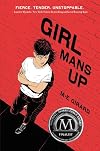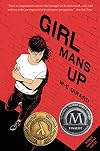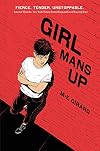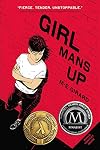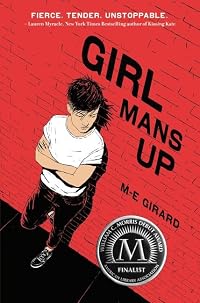
Girl Mans Up
by M-E Girard
On This Page
Description
"In Ontario, Pen is a sixteen-year-old girl who looks like a boy. She's fine with it, but everyone else is uncomfortable--especially her Portuguese immigrant parents and her manipulative neighbor who doesn't want her to find a group of real friends"--Tags
Recommendations
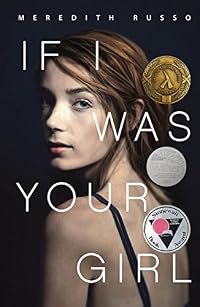
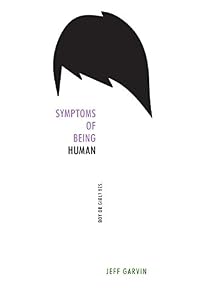
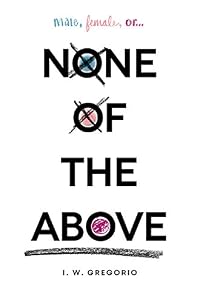

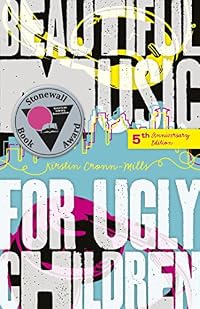
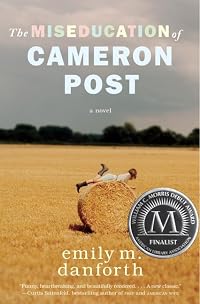
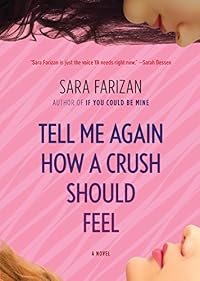
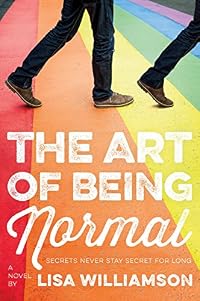
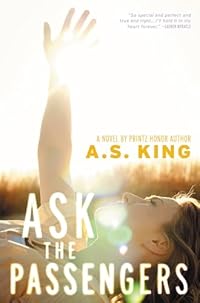
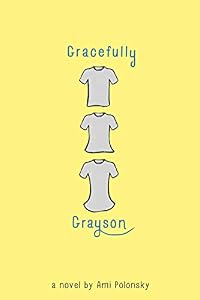
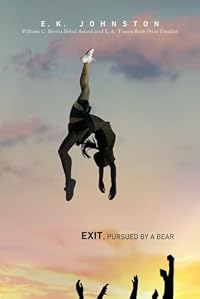
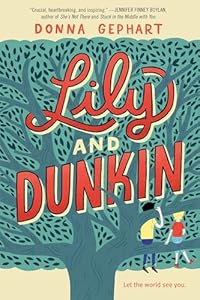
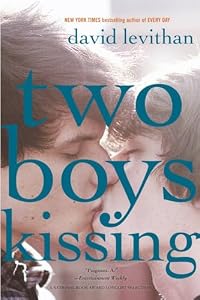
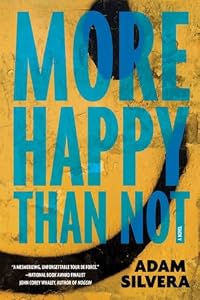
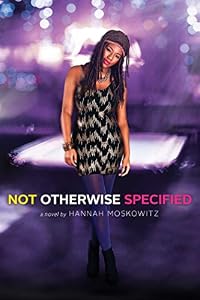
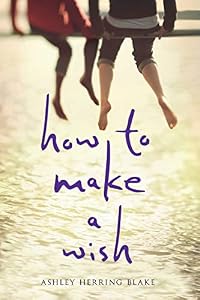
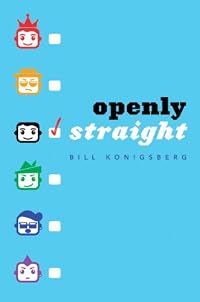
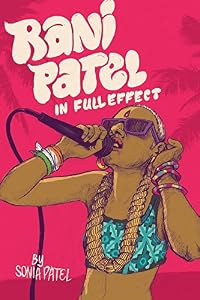
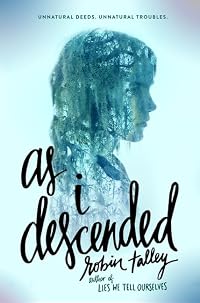
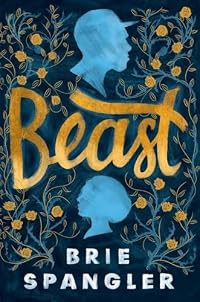
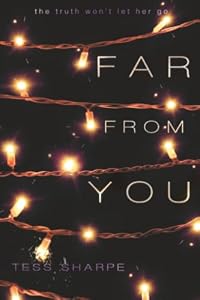
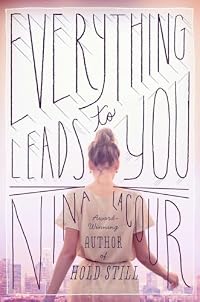
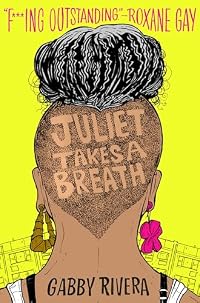
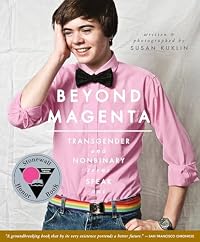
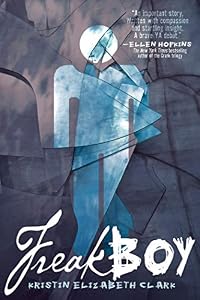
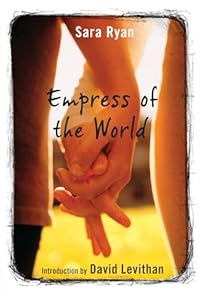
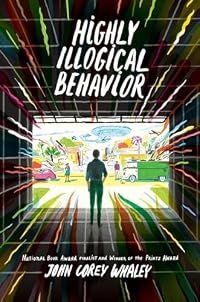
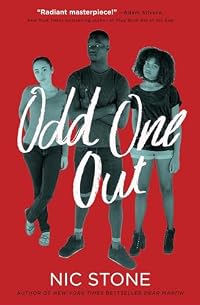
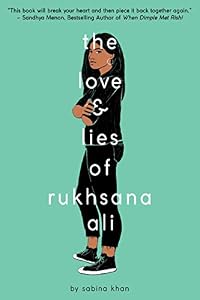
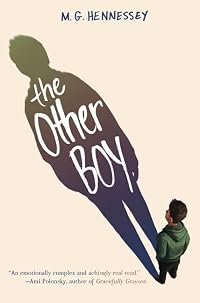
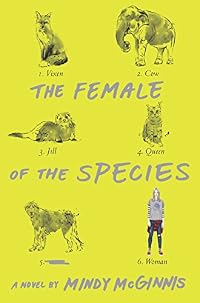
Member Recommendations
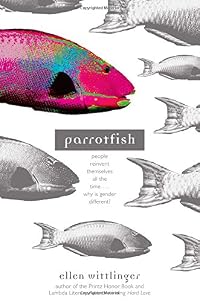
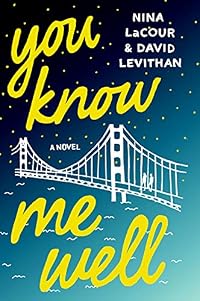
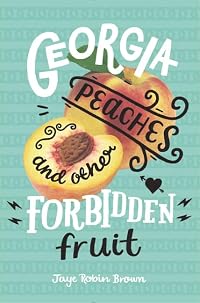
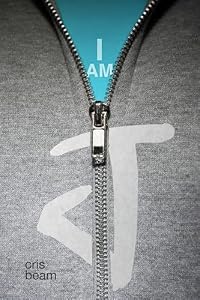
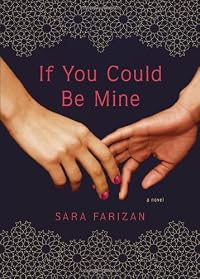
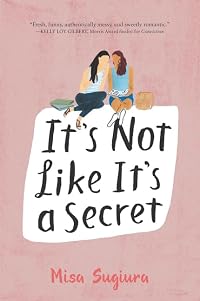
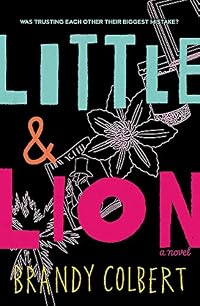
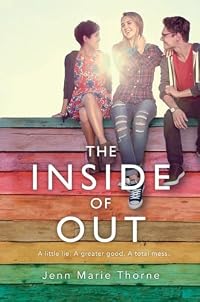
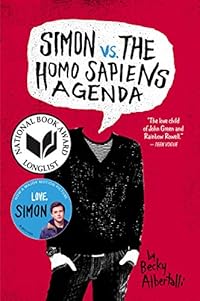
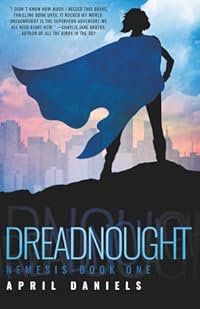
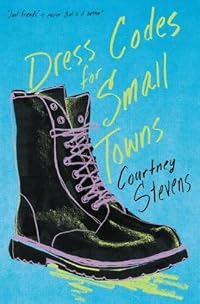
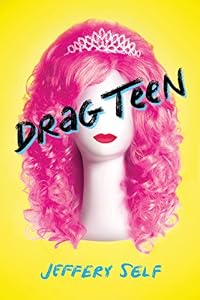
beyondthefourthwall Young people navigating homophobia in small towns, starting wonderful new relationships, and gradually learning how they want to stand up for themselves. Linn's book is twistier but more hopeful; Girard's is bleaker but relies less on coincidence.
Member Reviews
Girl mans up was...amazing. It's as if I know these characters in person. I see a lot of me in Pen and I'm so grateful for this book (and this representation!!!). Must have been one of my favorite books I read in 2018, for sure
What I liked:
- Butch! Butch! Butch!
- How Pen's gender identity crisis was written because I. FEEL. YA!!!! It's so satisfying seeing my feelings and my thoughts being written down. In a book!!!
The thing is, I’m not a boy, but I don’t want to be that girl either. I just want everyone to screw off and let me do my own thing for once.
- Depicting of non-functional friendship . Yes and the drama, too. I mean, it's real. Everyone has a bad friend, sometimes it's just necessary to cut them off. Pen and Colby's show more friendship was complicated, but in the end, Pen knows what's good for her and just, move on. So that's like a lesson for anyone who's in a toxic friendship, you don't settle for the douchey
- Pen and Blake. Aslskjdd babes.
- Olivia and Pen's friendship. I love how they slowly become friends because at first Pen was like "no def not friends just some girl I know" but they went through some tough shit together and now they're best friends.
- Yeah while we're on it, this friendship is my favorite because I want to rub it on some people's face, you know people who say "I'm ok with that but just don't fall for me" when you come out to them.
- Okay Johnny?? That guy is the best!! Protective and supportive, what more can you ask from a brother? (Maybe proper hygene but I'm sure Johnny got that, too, damn he's so perfect)
- Those last few chapters made me tear up a bit
- Pen is actually me minus the gaming tbh I can relate so much to her
What I didn't like
- Can't think of any really. Sounds wild but I am so happy this book exists and I need more!!!
- Saw some comments about Pen's attitude (i'm not like the other girls) and I just want to say: That's the fucking point!!!! Aaahhh I did this all the time and the whole debate made me feel like a bad person sometimes but dude that's just ... the struggle, you know? show less
What I liked:
- Butch! Butch! Butch!
- How Pen's gender identity crisis was written because I. FEEL. YA!!!! It's so satisfying seeing my feelings and my thoughts being written down. In a book!!!
The thing is, I’m not a boy, but I don’t want to be that girl either. I just want everyone to screw off and let me do my own thing for once.
- Depicting of non-functional friendship . Yes and the drama, too. I mean, it's real. Everyone has a bad friend, sometimes it's just necessary to cut them off. Pen and Colby's show more friendship was complicated, but in the end, Pen knows what's good for her and just, move on. So that's like a lesson for anyone who's in a toxic friendship, you don't settle for the douchey
- Pen and Blake. Aslskjdd babes.
- Olivia and Pen's friendship. I love how they slowly become friends because at first Pen was like "no def not friends just some girl I know" but they went through some tough shit together and now they're best friends.
- Yeah while we're on it, this friendship is my favorite because I want to rub it on some people's face, you know people who say "I'm ok with that but just don't fall for me" when you come out to them.
- Okay Johnny?? That guy is the best!! Protective and supportive, what more can you ask from a brother? (Maybe proper hygene but I'm sure Johnny got that, too, damn he's so perfect)
- Those last few chapters made me tear up a bit
- Pen is actually me minus the gaming tbh I can relate so much to her
What I didn't like
- Can't think of any really. Sounds wild but I am so happy this book exists and I need more!!!
- Saw some comments about Pen's attitude (i'm not like the other girls) and I just want to say: That's the fucking point!!!! Aaahhh I did this all the time and the whole debate made me feel like a bad person sometimes but dude that's just ... the struggle, you know? show less
Full disclosure: I've known [a:M-E Girard|7847846|M-E Girard|https://d2arxad8u2l0g7.cloudfront.net/authors/1448722327p2/7847846.jpg] for a few years now, and consider her a friend. Having said that, I would have honoured her wishes (which she indicated at a recent book launch for this novel) which were, "If you like the book, let me know. If you hate it, don't tell me." She said it jokingly, of course, but I would have followed that advice.
The good news is, I truly enjoyed this, which may surprise even the author. When I originally expressed my interest to read it, she looked at me surprised. Me, a straight, white guy, married with two kids, and...old? What interest would I have in a novel about a queer 16-year-old?
Turns out, a lot.
I show more will be honest, I do tend to avoid fiction with gay protagonists, not because of anything other than it's simply not my normal area of interest for reading. But lately, I've also become aware that my own fiction never tends to go there, so I came at this almost from an aspect of research. How is a queer protagonist handled?
And the answer to that question leads directly into why I enjoyed this novel. One more side-trip, then I promise I'll get around to the review. Knowing quite a few friends that fall into the LGBTQ categories, one of the things I find--at times--is that they can sometimes allow themselves to be defined by the fact that they are L, G, B, T, or Q. Please forgive me if I'm offending anyone, that's not my intent. I'll try and explain this as best I can, because it does go directly to what I consider a strength of this novel.
When I think of myself, I don't fall into a single category. I don't label myself as straight, or white, or male, just as I don't singularly define myself as a writer, or a father, or a husband, or a son, or a brother. I'm not just an athiest, or a teacher, or a smartass. I'm all of those things. They are all part of what makes me me. So I find myself frustrated when I hear someone tend to define themselves as gay, for example, because, again, I know they're so much more than just their sexual preference. I hope that makes sense, and again, I apologize if I've offended anyone by not explaining myself well enough.
Anyway, back to GMU. For me, the single biggest strength of this story was the characters. You can help but hurt for Olivia, you can't help falling in love with Blake, and most importantly, you can't help rooting for Pen. Because these characters--all of the major characters--are more than just a single defining characteristic. This was my great surprise with Pen, and my great delight. She wasn't necessarily just a queer character, she was a real character, struggling with real issues, real insecurities, real life choices. And, though I've never been attracted to someone of the same sex, I saw what this looked like through a multidimensional character, and I believed.
At the same time, Girard's brilliant use of Portugese parents with a slight language barrier, really brought home the idea how hard it is to express a truth to someone who may not be able to understand it, rather than not wanting to. That really added a richness to the plot.
I truly enjoyed this novel, right from the first page to the last. Well done, M-E. I'm proud of you. show less
The good news is, I truly enjoyed this, which may surprise even the author. When I originally expressed my interest to read it, she looked at me surprised. Me, a straight, white guy, married with two kids, and...old? What interest would I have in a novel about a queer 16-year-old?
Turns out, a lot.
I show more will be honest, I do tend to avoid fiction with gay protagonists, not because of anything other than it's simply not my normal area of interest for reading. But lately, I've also become aware that my own fiction never tends to go there, so I came at this almost from an aspect of research. How is a queer protagonist handled?
And the answer to that question leads directly into why I enjoyed this novel. One more side-trip, then I promise I'll get around to the review. Knowing quite a few friends that fall into the LGBTQ categories, one of the things I find--at times--is that they can sometimes allow themselves to be defined by the fact that they are L, G, B, T, or Q. Please forgive me if I'm offending anyone, that's not my intent. I'll try and explain this as best I can, because it does go directly to what I consider a strength of this novel.
When I think of myself, I don't fall into a single category. I don't label myself as straight, or white, or male, just as I don't singularly define myself as a writer, or a father, or a husband, or a son, or a brother. I'm not just an athiest, or a teacher, or a smartass. I'm all of those things. They are all part of what makes me me. So I find myself frustrated when I hear someone tend to define themselves as gay, for example, because, again, I know they're so much more than just their sexual preference. I hope that makes sense, and again, I apologize if I've offended anyone by not explaining myself well enough.
Anyway, back to GMU. For me, the single biggest strength of this story was the characters. You can help but hurt for Olivia, you can't help falling in love with Blake, and most importantly, you can't help rooting for Pen. Because these characters--all of the major characters--are more than just a single defining characteristic. This was my great surprise with Pen, and my great delight. She wasn't necessarily just a queer character, she was a real character, struggling with real issues, real insecurities, real life choices. And, though I've never been attracted to someone of the same sex, I saw what this looked like through a multidimensional character, and I believed.
At the same time, Girard's brilliant use of Portugese parents with a slight language barrier, really brought home the idea how hard it is to express a truth to someone who may not be able to understand it, rather than not wanting to. That really added a richness to the plot.
I truly enjoyed this novel, right from the first page to the last. Well done, M-E. I'm proud of you. show less
This book gets points for portraying teens behaving like real teens. Whether they are making tough choices, dealing with conflict, interacting with friends/frenemies, or simply doing stupid things and grappling with uncertainty -- it all felt authentically done (as opposed to a lot of what teens do and say in books, despite authors' best efforts). In addition, not everything is neatly tied up in a bow at the end. Pen's parents are kind of awful but I think not atypical of first-generation parents wanting to give the American dream to their children, so though I wanted to sympathize they made it challenging.
teen faces down hostility, making her own decisions about loyalty, respect, and gender.
Sixteen-year-old Pen (not Penelope) has always been butch, including her habit of wearing her brother’s clothes even though her mother says it makes her look like a “punk druggy.” Old friend Colby, who accepted her gender presentation when they were 9, now insists that everyone around him prove loyalty through service: one guy procures weed, another does Colby’s homework, and Pen’s his wingman with girls. Pen’s awkward, volatile, and abrupt—and confused about loyalty—but Colby’s a real jerk. Then a girl named Blake with “crazy blond hair…and a lot of black makeup” falls for Pen, and they have a hot romance. To Colby’s show more menacing fury, Pen also befriends his most recent castoff, Olivia, even accompanying Olivia to her abortion. Pen’s parents say the ongoing gender persecution she endures is her own fault, castigating her in (italicized) Portuguese and broken English, making home life unbearable—until Pen decides for herself what respeito (respect) really means. The good things in her life, she realizes, are Blake, Olivia, video games, the supportive older brother who helps her leave home—and her gender identity, which (though unlabeled) is squarely in the nonbinary range. Pen’s family is Portuguese and, like most other characters, presumably white; Olivia’s “Asian” with no further designation.
A strong genderqueer lesbian character, imperfect, independent, and deserving of every cheer. (Fiction. 14 & up)
(Kirkus Review) show less
Sixteen-year-old Pen (not Penelope) has always been butch, including her habit of wearing her brother’s clothes even though her mother says it makes her look like a “punk druggy.” Old friend Colby, who accepted her gender presentation when they were 9, now insists that everyone around him prove loyalty through service: one guy procures weed, another does Colby’s homework, and Pen’s his wingman with girls. Pen’s awkward, volatile, and abrupt—and confused about loyalty—but Colby’s a real jerk. Then a girl named Blake with “crazy blond hair…and a lot of black makeup” falls for Pen, and they have a hot romance. To Colby’s show more menacing fury, Pen also befriends his most recent castoff, Olivia, even accompanying Olivia to her abortion. Pen’s parents say the ongoing gender persecution she endures is her own fault, castigating her in (italicized) Portuguese and broken English, making home life unbearable—until Pen decides for herself what respeito (respect) really means. The good things in her life, she realizes, are Blake, Olivia, video games, the supportive older brother who helps her leave home—and her gender identity, which (though unlabeled) is squarely in the nonbinary range. Pen’s family is Portuguese and, like most other characters, presumably white; Olivia’s “Asian” with no further designation.
A strong genderqueer lesbian character, imperfect, independent, and deserving of every cheer. (Fiction. 14 & up)
(Kirkus Review) show less
This book was provided to me as an uncorrected digital review copy by the publisher, via Edelweiss.
All Pen wants is to be the kind of girl she’s always been. So why does everyone have a problem with it? They think the way she looks and acts means she’s trying to be a boy—that she should quit trying to be something she’s not. If she dresses like a girl, and does what her folks want, it will show respect. If she takes orders and does what her friend Colby wants, it will show her loyalty.
But respect and loyalty, Pen discovers, are empty words. Old-world parents, disintegrating friendships, and strong feelings for other girls drive Pen to see the truth—that in order to be who she truly wants to be, she’ll have to man up.
Girl show more Mans Up is currently the most satisfying read of the year for me. I was happy with the depiction of Pen, a girl who doesn’t really feel like a girl, but doesn’t want to be a boy either. She digs girls, but doesn’t feel comfortable with the labels gay, lesbian, or queer. The thing about Pen is that she isn’t interested in putting other peoples’ questions about her gender or sexual preference to rest. She just wants to be allowed to be herself, without being treated like she’s a freak. This rings very true to me, and I feel it will do the same with teenagers. Even those who aren’t going through the same circumstances as Pen, will recognize the frustration of feeling that you have to fit into everyone else’s expectations, and God help you if you don’t. At the heart of it, this book is about acceptance: Acceptance of one self and of others, even if the only acceptance you can give others means accepting that they are asshats.
I would recommend this book to any teenager who struggles with needing the approval of others. I also highly recommend this to parents of tweens and teens, because a little understanding can cover a lot of hurts. show less
All Pen wants is to be the kind of girl she’s always been. So why does everyone have a problem with it? They think the way she looks and acts means she’s trying to be a boy—that she should quit trying to be something she’s not. If she dresses like a girl, and does what her folks want, it will show respect. If she takes orders and does what her friend Colby wants, it will show her loyalty.
But respect and loyalty, Pen discovers, are empty words. Old-world parents, disintegrating friendships, and strong feelings for other girls drive Pen to see the truth—that in order to be who she truly wants to be, she’ll have to man up.
Girl show more Mans Up is currently the most satisfying read of the year for me. I was happy with the depiction of Pen, a girl who doesn’t really feel like a girl, but doesn’t want to be a boy either. She digs girls, but doesn’t feel comfortable with the labels gay, lesbian, or queer. The thing about Pen is that she isn’t interested in putting other peoples’ questions about her gender or sexual preference to rest. She just wants to be allowed to be herself, without being treated like she’s a freak. This rings very true to me, and I feel it will do the same with teenagers. Even those who aren’t going through the same circumstances as Pen, will recognize the frustration of feeling that you have to fit into everyone else’s expectations, and God help you if you don’t. At the heart of it, this book is about acceptance: Acceptance of one self and of others, even if the only acceptance you can give others means accepting that they are asshats.
I would recommend this book to any teenager who struggles with needing the approval of others. I also highly recommend this to parents of tweens and teens, because a little understanding can cover a lot of hurts. show less
Girl Mans Up covers a lot of ground... family relationships, both good and bad, frienships, also both good and bad, teen pregnancy, being a lesbian, respect, loyalty, doing the right thing, and above all, being true to yourself.
The narrator, Pen, is a Junior in a Catholic high school in the suburbs near Toronto. She knows who she is, but nearly everyone else seems to want her to be something else. She dresses like a boy, acts like a boy, hangs out with boys, and loves video games. She has trouble at school and at home because of it. The only two people who seem to really accept he as she is are her adult brother, Johnny, and her low-life friend Colby. Johnny is awesome. Colby is scum. And a big element of the book is Pen's growing show more realization that her best friend is a pretty horrible person.
Pen has a crush on Blake, a girl works at the gamer's store in the mall, and is also a fellow student. Pen describes how she feels having a crush, and how she feels when that crush turns out to have the hots for her too, and Girard's writing is absolutely spot-on. Anyone who has ever had a crush (and I think that's about everyone) will recognize those feelings. Doesn't matter if you're hetero, lesbian, gay... those feelings towards your crush are the same.
Although the book will surely be embraced mainly by a lesbian audience, it is entirely accessible to anyone, teen or older, regardless of sexual orientation. Because it's just a damn good book. show less
The narrator, Pen, is a Junior in a Catholic high school in the suburbs near Toronto. She knows who she is, but nearly everyone else seems to want her to be something else. She dresses like a boy, acts like a boy, hangs out with boys, and loves video games. She has trouble at school and at home because of it. The only two people who seem to really accept he as she is are her adult brother, Johnny, and her low-life friend Colby. Johnny is awesome. Colby is scum. And a big element of the book is Pen's growing show more realization that her best friend is a pretty horrible person.
Pen has a crush on Blake, a girl works at the gamer's store in the mall, and is also a fellow student. Pen describes how she feels having a crush, and how she feels when that crush turns out to have the hots for her too, and Girard's writing is absolutely spot-on. Anyone who has ever had a crush (and I think that's about everyone) will recognize those feelings. Doesn't matter if you're hetero, lesbian, gay... those feelings towards your crush are the same.
Although the book will surely be embraced mainly by a lesbian audience, it is entirely accessible to anyone, teen or older, regardless of sexual orientation. Because it's just a damn good book. show less
this book has a lot of good stuff on gender presentation & the alienation of nonconformity but also kind of fails on the insidious (queer) misogyny front & w/ that is a really irresponsible thing to present to teens :( death to any media w/ "she's not like other girls--she's COOL" sentiments & whats up w/ how the characters who start off being supportive all end up so deeply flawed you cant remember what support looks like & also why is every YA novel tempted to address sixteen social issues in 350 pages & also why did i read this book when i know that YA novels make me wanna walk in2 the sun SOS anyway maybe im just a gay grinch but if your coming out coming of age novel doesnt have a few more freaks & queers to pad things out it show more paints a really unfortunate & unrealistic portrait of the world 4 young queers & also one last gripe--these parents are the least strict "mean parents" i've ever encountered in a novel like they talk mad shit but don't do anything 2 enforce. my ass wld have been at conversion camp if i pulled any of this funny business. show less
Members
- Recently Added By
Lists

Recommend the 20 best books you've read in the last five years
2,168 works; 601 members

Relationships: LGTBQ
40 works; 2 members

School library books removed after TX state legislator inquiry
429 works; 6 members

Books recommended by Calgary Public Library staff
1,588 works; 4 members

Books Read in 2026
1,737 works; 62 members

Books Set in Canada
57 works; 10 members
Author Information

4 Works 472 Members
Awards and Honors
Awards
Distinctions
Notable Lists
Common Knowledge
- Original publication date
- 2016-09-06
- Dedication
- FOR MELISSA, MY REAL-LIFE PEN.
- First words
- THERE ARE FOUR OF US DUDES SITTING HERE right now, and I kick all of their butts when it comes to video games—and I’m not even a dude in the first place.
- Last words
- (Click to show. Warning: May contain spoilers.)That’s the kind of girl I want to be.
- Original language
- English
Classifications
- Genres
- LGBTQ+, Teen, Fiction and Literature, Young Adult
- DDC/MDS
- 813.6 — Literature & rhetoric American literature in English American fiction in English 2000-
- LCC
- PZ7.1 .G583 .G — Language and Literature Fiction and juvenile belles lettres Fiction and juvenile belles lettres Juvenile belles lettres
- BISAC
Statistics
- Members
- 431
- Popularity
- 70,733
- Reviews
- 13
- Rating
- (3.87)
- Languages
- English
- Media
- Paper, Audiobook, Ebook
- ISBNs
- 14
- ASINs
- 3