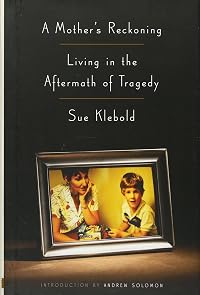
A Mother's Reckoning: Living in the Aftermath of Tragedy
by Sue Klebold
On This Page
Description
The acclaimed New York Times bestseller by Sue Klebold, mother of one of the Columbine shooters, about living in the aftermath of Columbine.On April 20, 1999, Eric Harris and Dylan Klebold walked into Columbine High School in Littleton, Colorado. Over the course of minutes, they would kill twelve students and a teacher and wound twenty-four others before taking their own lives.
For the last sixteen years, Sue Klebold, Dylan’s mother, has lived with the indescribable grief and shame of show more that day. How could her child, the promising young man she had loved and raised, be responsible for such horror? And how, as his mother, had she not known something was wrong? Were there subtle signs she had missed? What, if anything, could she have done differently?
These are questions that Klebold has grappled with every day since the Columbine tragedy. In A Mother’s Reckoning, she chronicles with unflinching honesty her journey as a mother trying to come to terms with the incomprehensible. In the hope that the insights and understanding she has gained may help other families recognize when a child is in distress, she tells her story in full, drawing upon her personal journals, the videos and writings that Dylan left behind, and on countless interviews with mental health experts.
Filled with hard-won wisdom and compassion, A Mother’s Reckoning is a powerful and haunting book that sheds light on one of the most pressing issues of our time. And with fresh wounds from the Newtown and Charleston shootings, never has the need for understanding been more urgent.
Includes a PDF of acknowledgments and resources from the book.
All author profits from the book will be donated to research and to charitable organizations focusing on mental health issues.
— Washington Post, Best Memoirs of 2016
. show less
Tags
Recommendations





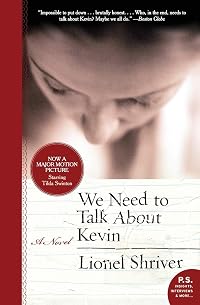
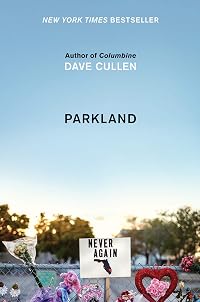
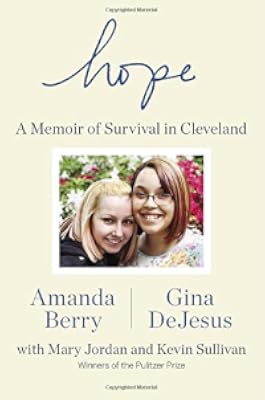
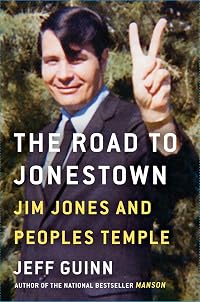
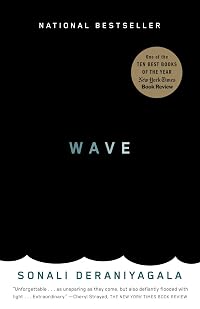
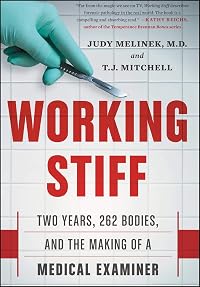
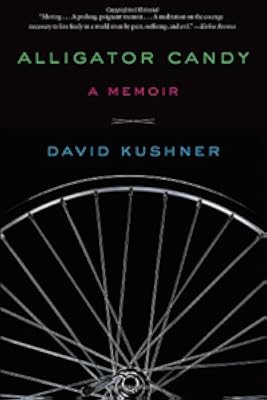
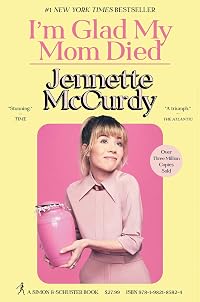







Member Recommendations
Member Reviews
This book profoundly impacted me, much more so than I expected. If you are a parent of teenage or pre-teenage kids, this book will leaving your mind reeling for days afterwards, as this is a book not just about how a seemingly very normal young man did the unthinkable, but how adroit teenagers can be at hiding serious mental health problems from their parents.
Dylan Klebold was one of the two teenage killers from the Columbine High School tragedy who murdered 12 students and a teacher before taking their own lives. Almost 20 years later, his mother has written this searingly honest book of their family's lives post the tragedy and in the months leading it up to it.
Contrary to the assumptions most of us would naturally jump to, this was show more not a child from a broken home, or a child who had endured or witnessed any kind of mental cruelty or neglect. His parents were loving, supportive, Joe normal parents who did all the things most good parents do. If he went on a sleepover Sue phoned to check they would not be watching a violent movie. There were no guns allowed in their house (despite living in a State where gun ownership was relatively commonplace). He was taught to hold doors open for people and to generally be respectful.
The pain that the Klebold family have been left with is incomprehensible. In this book, Sue Klebold never shies away from the lifetime of pain her child has caused those 13 families and all the children who were wounded or psychologically scarred from the event, and it's evident she carries that pain and guilt with her on a daily basis, along with the pain of trying to understand why her own child would want to hurt other people in such a brutal way, and why they never saw any indication that he wanted to end his own life. Theirs was/is not a grief many people felt they were entitled to because of what their son had done, and as Dylan was no longer here to take the blame himself they were the living pariahs left to carry the shame on his behalf and the relentless accusations that they were to blame as parents.
It seems there was no way they could ever have known about the massacre that was to come, as they had no reason to suspect their child had access to weapons, and indeed he had never shown much of an interest in them. Whilst the other murderer seemed to possess psychotic tendencies, the evidence Sue Klebold has gathered in the years since the atrocity seem to point to her own son's involvement stemming from severe depression (how balanced she can be on this point though is up for debate). As a parent, this was the part that caught in my throat, as Klebold explains how her son so adeptly hid from them that he was having any mental illness problems. In her work with suicide loss survivors in the years since, this seems to be a very common thread - that children who are depressed will often hide it so successfully from their parents so that their suicides come like a bolt from the blue.
Is Sue Klehold kidding herself by focusing on her son's suicide as well as the murders he committed? In balance, no, I don't think so. In this well-written book, she is open that there are no answers as to why depression should lead her son to commit mass murder, and why her child was a completely different person at the end of his life to the person she thought he was. What she feels most guilt over, and what I think we can all resonate with, is that she and her husband missed the signs of his mental illness, believing a few warning signs were simply typical teenage prickliness.
This is a book I think I will remember for a long, long time because of that point. Whilst with the grace of God not any of us here will ever experience the depths to which her child sank, the risk of suicide in young people is something that we can never kid ourselves only happens to other people's families.
4.5 stars - read it and remember it. show less
Dylan Klebold was one of the two teenage killers from the Columbine High School tragedy who murdered 12 students and a teacher before taking their own lives. Almost 20 years later, his mother has written this searingly honest book of their family's lives post the tragedy and in the months leading it up to it.
Contrary to the assumptions most of us would naturally jump to, this was show more not a child from a broken home, or a child who had endured or witnessed any kind of mental cruelty or neglect. His parents were loving, supportive, Joe normal parents who did all the things most good parents do. If he went on a sleepover Sue phoned to check they would not be watching a violent movie. There were no guns allowed in their house (despite living in a State where gun ownership was relatively commonplace). He was taught to hold doors open for people and to generally be respectful.
The pain that the Klebold family have been left with is incomprehensible. In this book, Sue Klebold never shies away from the lifetime of pain her child has caused those 13 families and all the children who were wounded or psychologically scarred from the event, and it's evident she carries that pain and guilt with her on a daily basis, along with the pain of trying to understand why her own child would want to hurt other people in such a brutal way, and why they never saw any indication that he wanted to end his own life. Theirs was/is not a grief many people felt they were entitled to because of what their son had done, and as Dylan was no longer here to take the blame himself they were the living pariahs left to carry the shame on his behalf and the relentless accusations that they were to blame as parents.
It seems there was no way they could ever have known about the massacre that was to come, as they had no reason to suspect their child had access to weapons, and indeed he had never shown much of an interest in them. Whilst the other murderer seemed to possess psychotic tendencies, the evidence Sue Klebold has gathered in the years since the atrocity seem to point to her own son's involvement stemming from severe depression (how balanced she can be on this point though is up for debate). As a parent, this was the part that caught in my throat, as Klebold explains how her son so adeptly hid from them that he was having any mental illness problems. In her work with suicide loss survivors in the years since, this seems to be a very common thread - that children who are depressed will often hide it so successfully from their parents so that their suicides come like a bolt from the blue.
Is Sue Klehold kidding herself by focusing on her son's suicide as well as the murders he committed? In balance, no, I don't think so. In this well-written book, she is open that there are no answers as to why depression should lead her son to commit mass murder, and why her child was a completely different person at the end of his life to the person she thought he was. What she feels most guilt over, and what I think we can all resonate with, is that she and her husband missed the signs of his mental illness, believing a few warning signs were simply typical teenage prickliness.
This is a book I think I will remember for a long, long time because of that point. Whilst with the grace of God not any of us here will ever experience the depths to which her child sank, the risk of suicide in young people is something that we can never kid ourselves only happens to other people's families.
4.5 stars - read it and remember it. show less
I've read books written by victims of crimes, but none written by perpetrators or their families. Sue Klebold writes with sensitivity, honesty and candor about the tragedy at Columbine. Not only was her son Dylan a killer but he also took his own life, a fact that often gets buried and ignored. Perhaps most frightening of all was that Dylan's rage, hopelessness and despair was hidden and fell under everyone's radar. No one in his family and none of his friends had any inkling that he was capable of committing such destructive acts. How can this be? Sue asks. As she reads, interviews and talks with others she tries to get at some answers. Thankfully Klebold doesn't offer simple resolutions here as so many others have done; blaming video show more games, absent parenting, bullying, mental illness or lax gun control laws. The truth is far more complex. Klebold does an excellent job of describing her journey of grief and guilt without diminishing Dylan's culpability, as well as hers and her family's. A thoughtful, well researched memoir. show less
 This review was written for LibraryThing Early Reviewers.
A very honest book from the mother of Dylan Klebold. She explains the tragedy from the day it occurs and then jumps back in time as she tries to discover what went wrong with her son. She bares a lot of her family's soul as they come to terms with the fact that their son had a hand in this awful event. She has to deal with the grief of losing her son, the grief that her son committed this atrocious act, the grief over all of the people who lost their lives or were affected by this, and the grief of the media and others blaming her and her family. It is such an insight to read about an event like Columbine from this perspective. This book also gives some great advice on suicide signs and perhaps prevention. While saying I enjoyed this show more book may sound strange, I did find her story quite interesting and I was engrossed in the book from start to finish. A lot of times the parents of the shooters in these tragedies are treated like criminals as well. This book makes the reader realize that perhaps the parents are victims as well. show less
I read this book as a Brit who was only 4 when Columbine happened. It was something mentioned on the peripherals of my life, some brief awareness of the two boys in trench coats shooting at students, not knowing much about the facts of the case, but you could say I was entirely detached from the event. And I think that's why I was able to go into this book without prejudice.
The reviews here are absolutely infuriating.
The reviews where people criticise Sue for defending her family and how she raised her kids... of course she's going to do that??? She received endless abuse, hate mail, blame and threats from essentially the entire world, so it is totally understandable that she wants to set the record straight! Who wouldn't? She would show more be damned if she did and damned if she didn't. She mentions in the book that people already viewed her negatively, so why not share her experience to at least try to set the record straight?
Also, the frankly idiotic reviews talking about how couldn't she have recognised the anger in Dylan as a child?! You all only say this IN HINDSIGHT. There are countless kids out there who behave like Dylan did as a kid and as a teenager that don't do what he did, and turn out to be great human beings. Do you kick off at their parents for not recognising that their kid is a little angry or too independent? No. She also covers in the book how even 4 year olds can deceive adults and FBI experts. Teens are excellent at hiding things and their true feelings.
I feel that even if Sue did everything "right" (as if her parenting had any influence at all) he would've never admitted to his mother what he was planning and she may never have been able to prevent it even if he did tell her. The world is placing far too much on Sue and her family's shoulders.
What Sue does an excellent job of is drilling into the readers' head the warning signs of depression in adolescents (they present slightly differently to adult depression). If you have a teenager at home that you're worried about, Sue shares the things she regrets not doing or saying with her son (as well as some anecdotes of parents whose child committed suicide whilst they were unaware of their feelings) and knows now what signs/opportunities that she missed, largely because she assumed her family were fine and happy, so it could be incredibly informative to a parent who doesn't know what to do for their teen. It's probably not the first resource to go to, but it's certainly very eye opening at how little parents know and understand about poor mental health in adolescents. She has done an excellent job of turning the tragedy into something positive by spreading such awareness.
My heart goes out to Sue, for the sad loss of her son who could've gone on to do great things (most likely if he had not met Eric). My heart goes out to her for the intense emotions, stress and trauma she experienced whilst having the community point their finger at her and send her abuse and hate, instead of seeing her simply as a grieving mother who has absolutely no culpability in the tragedy. I hope Dylan's family have learned to ignore the idiots that criticise them and focus on the positive comments and support from people around the world. We're out there.
And although I know Eric was the main instigator of all of this, due to his psychopathy/personality disorder, and despite not knowing absolutely anything about his family or upbringing, I still have the ability to see Eric as a human being separate from his family. His actions are his alone. It's the same for Dylan. Keep their families out of it! show less
The reviews here are absolutely infuriating.
The reviews where people criticise Sue for defending her family and how she raised her kids... of course she's going to do that??? She received endless abuse, hate mail, blame and threats from essentially the entire world, so it is totally understandable that she wants to set the record straight! Who wouldn't? She would show more be damned if she did and damned if she didn't. She mentions in the book that people already viewed her negatively, so why not share her experience to at least try to set the record straight?
Also, the frankly idiotic reviews talking about how couldn't she have recognised the anger in Dylan as a child?! You all only say this IN HINDSIGHT. There are countless kids out there who behave like Dylan did as a kid and as a teenager that don't do what he did, and turn out to be great human beings. Do you kick off at their parents for not recognising that their kid is a little angry or too independent? No. She also covers in the book how even 4 year olds can deceive adults and FBI experts. Teens are excellent at hiding things and their true feelings.
I feel that even if Sue did everything "right" (as if her parenting had any influence at all) he would've never admitted to his mother what he was planning and she may never have been able to prevent it even if he did tell her. The world is placing far too much on Sue and her family's shoulders.
What Sue does an excellent job of is drilling into the readers' head the warning signs of depression in adolescents (they present slightly differently to adult depression). If you have a teenager at home that you're worried about, Sue shares the things she regrets not doing or saying with her son (as well as some anecdotes of parents whose child committed suicide whilst they were unaware of their feelings) and knows now what signs/opportunities that she missed, largely because she assumed her family were fine and happy, so it could be incredibly informative to a parent who doesn't know what to do for their teen. It's probably not the first resource to go to, but it's certainly very eye opening at how little parents know and understand about poor mental health in adolescents. She has done an excellent job of turning the tragedy into something positive by spreading such awareness.
My heart goes out to Sue, for the sad loss of her son who could've gone on to do great things (most likely if he had not met Eric). My heart goes out to her for the intense emotions, stress and trauma she experienced whilst having the community point their finger at her and send her abuse and hate, instead of seeing her simply as a grieving mother who has absolutely no culpability in the tragedy. I hope Dylan's family have learned to ignore the idiots that criticise them and focus on the positive comments and support from people around the world. We're out there.
And although I know Eric was the main instigator of all of this, due to his psychopathy/personality disorder, and despite not knowing absolutely anything about his family or upbringing, I still have the ability to see Eric as a human being separate from his family. His actions are his alone. It's the same for Dylan. Keep their families out of it! show less
This book is a heart breaker. My daughter bought two copies of this book by mistake and very generously gave one copy to me. It should have been pretty far down my pile of TBR, since I have 6 library books piled up, 2 books to read and review, and hundreds of my own books piled up all around me. However, I looked into the book and started reading and while I would have to sometimes put it down to take a breathe, I couldn't start another book until I finished this one. Sue Klebold is the mother of Dylan Klebold, one of the shooters in the Columbine killings. This is her story of trying to find out what happened to make her son do such a thing. The introduction by Andrew Solomon is frightening. He, like almost everyone else, thought the show more worst of the Klebold family and the son they raised. What in world went on in their world to turn out a child who would kill other children? He says, "The ultimate message of this book is terrifying; you may not know your own children, and, worse yet, your children may be unknowable to you. The stranger you fear may be your own son or daughter." Sue Klebold wrote this book to try and find out what caused her son to change from the golden haired boy to one of the Columbine killers. The author's profits all go to research and charitable organizations focusing on mental health issues. Definitely recommended but difficult to read. show less
I can count on one hand the number of books that have been this affecting. It is brutal to read an account of love, grief, and incomprehension as honest as this. Klebold's insight that murder-suicides spring from suicide radically changed my worldview in a way few things have done in recent memory. There are a few stumbles, as when she says that suicidal people are “hiding” their intentions from those around them, or that video games (vice other elements she understands such as alcohol or guns) contribute to mass shootings. But they are so obvious precisely because they are such outliers. At its heart, A Mother's Reckoning is a 295-page koan: What are the limits of love? How should one weigh a lifetime of human goodness and flaws show more against a day of unspeakable violence? When and why do feelings of hopelessness tip irrevocably to death, and how can we work to prevent the people around us from reaching that point? show less
This review was written for LibraryThing Early Reviewers.A thoughtful, terrifying, and incredibly wise memoir from the mother of murder/suicide victim. Ms. Klebold founder her world upended on the horrible day when her son went to school and together with his friend began shooting his fellow students. The tragedy at Columbine put school shootings on the map, and brought the parents of the perpetrators into the media's crosshairs. Tortured by the thought of what her son had done and her inability to know, understand, or anticipate it - the author began a journey of discovery. Whether she wanted to or not, it was now her mission to learn where she went wrong and what she could do to help other parents.
In this book, she opens her and her son's diaries, searching for answers. On the face of show more things, the Klebolds were good parents, even great parents. They were involved, engaged, and in many ways, over-protective. They thought something was wrong with their son, but they grossly underestimated how serious it was. The asked teachers, counselors, and every other authority figure in their boy's life. Everyone else told them they were doing everything right. The truth is that so little is taught to parents about teenage depression and its consequences. The Klebolds were not prepared to look for or decode the warning signs of despair and suicidal ideation. Ms. Klebold wants to ensure that other parents have the tools and knowledge that she did not.
This is a very important book - one that recognizes there are no easy answers to these sorts of events. As the author says, it's not helpful to ask "why?" but rather "how?" Much thought-provoking content. show less
In this book, she opens her and her son's diaries, searching for answers. On the face of show more things, the Klebolds were good parents, even great parents. They were involved, engaged, and in many ways, over-protective. They thought something was wrong with their son, but they grossly underestimated how serious it was. The asked teachers, counselors, and every other authority figure in their boy's life. Everyone else told them they were doing everything right. The truth is that so little is taught to parents about teenage depression and its consequences. The Klebolds were not prepared to look for or decode the warning signs of despair and suicidal ideation. Ms. Klebold wants to ensure that other parents have the tools and knowledge that she did not.
This is a very important book - one that recognizes there are no easy answers to these sorts of events. As the author says, it's not helpful to ask "why?" but rather "how?" Much thought-provoking content. show less
Members
- Recently Added By
Published Reviews
ThingScore 100
Klebold’s powerful urge to defend herself all these years was surpassed only by her desire to disappear. She felt she was “cringing like a frightened animal” in the months and years after the tragedy, suffering panic attacks so debilitating she came to understand her son’s suicidal impulses. She lost 25 pounds, numbly stumbling through radiation for breast cancer but refusing show more chemotherapy because she was, all agreed, too broken to survive it. Eventually, Klebold found her way forward with a mission of suicide prevention, and she provides a precise education on the subject in “A Mother’s Reckoning.” She earns our pity, our empathy and, often, our admiration; and yet the book’s ultimate purpose is to serve as a cautionary tale, not an exoneration. show less
added by rybie2
Lists

Recommend the 20 best books you've read in the last five years
2,168 works; 607 members

True Crime
156 works; 1 member

Books about Gun Violence
54 works; 1 member

Books Read in 2016
4,666 works; 199 members

Books Read in 2019
4,052 works; 108 members
Author Information
4 Works 1,014 Members
Some Editions
Awards and Honors
Distinctions
Notable Lists
Common Knowledge
- Original title
- A Mother's Reckoning: Living in the Aftermath of Tragedy
- Original publication date
- 2016
- People/Characters
- Dylan Klebold; Eric Harris; Sue Klebold; Tom Klebold; Byron Klebold
- Important places
- Littleton, Colorado, USA
- Important events
- Columbine School Shootings
- Epigraph
- And must I, indeed, Pain, live with you
All through my life? - sharing my fire, my bed,
Sharing - oh, worst of all things! - the same head? -
And, when I feed myself, feeding you too?
--Edna St. Vincent Millay - Dedication
- To all who feel alone, hopeless, and desparate -
even in the arms of those who love them. - First words
- Introduction: We have consistently blamed parents for the apparent defect of their children.
Preface: On April 20, 1999, Eric Harris and Dylan Klebold armed themselves with guns and explosives and walked into Columbine High School - Last words
- (Click to show. Warning: May contain spoilers.)I did not know, and the greatest regret of my life is that I did not teach Dylan.
- Original language
- English US
Classifications
- Genres
- Biography & Memoir, General Nonfiction, Nonfiction
- DDC/MDS
- 373.09788 — Society, government, & culture Education Secondary education
- LCC
- LB3013.33 .C6 .K55 — Education Theory and practice of education Theory and practice of education School administration and organization School management and discipline
- BISAC
Statistics
- Members
- 1,012
- Popularity
- 25,821
- Reviews
- 84
- Rating
- (4.11)
- Languages
- 5 — Dutch, English, German, Italian, Korean
- Media
- Paper, Audiobook, Ebook
- ISBNs
- 21
- ASINs
- 3

