On This Page
Description
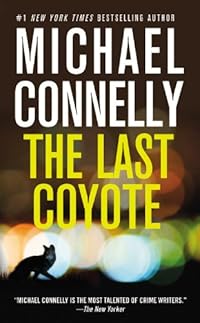
Suspended from his job with the LAPD, Harry Bosch must face the darkest parts of his past to track down his mother's killer . . . even if it costs him his life.Harry Bosch's life is on the edge. His earthquake-damaged home has been condemned. His girlfriend has left him. He's drinking too much. And after attacking his commanding officer, he's even had to turn in his L.A.P.D. detective's badge. Now, suspended indefinitely pending a psychiatric evaluation, he's spending his time investigating show more an unsolved crime from 1961: the brutal slaying of a prostitute who happened to be his own mother.
Even after three decades, Harry's questions generate heat among L.A.'s top politicos. And as the truth begins to emerge, it becomes more and more apparent that someone wants to keep it buried. Someone very powerful...very cunning...and very deadly.
Edgar Award-winning author Michael Connelly has created a dark, fast-paced suspense thriller that cuts to the core of Harry Bosch's character. Once you start it, there's no turning back. show less
Tags
Recommendations



Member Reviews
A very well-written police thriller, with the rogue cop Harry Bosch on leave due to assaulting his superior in the department. While on leave he has to undergo therapy with a psychologist trained for working with police and that is where this book starts.
Along the way, we watch Bosch struggle to stay in house house, condemned after a recent earthquake, and make a decision to investigate the death of his mother when he was only 11 and living in a home for troubled boys. This was the early 60's, and Bosch was also drafted to Vietnam. His mother's death had never been solved so he uses his police detecting skills and contacts to start looking.
As one would expect, he finds more than he bargained for: several former cops, a pimp who "ran" show more his late mother and was later killed in a hit-and-run, a contender for District Attorney who drops out of the race, and all kinds of twists and turns and dead ends and branches leading to more places than the LA Freeway system that Connelly describes.
I recommend this book as a standalone, and a good one to start with on the Harry Bosch series as it gives a lot of detail about his background. show less
Along the way, we watch Bosch struggle to stay in house house, condemned after a recent earthquake, and make a decision to investigate the death of his mother when he was only 11 and living in a home for troubled boys. This was the early 60's, and Bosch was also drafted to Vietnam. His mother's death had never been solved so he uses his police detecting skills and contacts to start looking.
As one would expect, he finds more than he bargained for: several former cops, a pimp who "ran" show more his late mother and was later killed in a hit-and-run, a contender for District Attorney who drops out of the race, and all kinds of twists and turns and dead ends and branches leading to more places than the LA Freeway system that Connelly describes.
I recommend this book as a standalone, and a good one to start with on the Harry Bosch series as it gives a lot of detail about his background. show less
From Sartre to Connelly: Last year, at a meeting, a colleague told me she had found my website and mentioned how diverse my reading was. I guess she was right. (Hi, Barbara!)
I came from an exhausting read and needed something to just plain enjoy, to read-wallow in, and to indulge in - and “The Last Coyote” was pretty much the perfect book for that.
Harry, on leave for attacking his superior, Pounds, makes it his mission to finally solve his mother’s murder. Most of the people from back then, the 60s, are dead and/or unwilling to talk. The rest are still among the high-and-mighty and Bosch doesn’t play nice with the latter kind of person.
Harry also attends mandatory counselling sessions with a therapist. I really liked this part show more of the narration on many levels: In 1997, getting professional help and allowing others to help was still not entirely normalised. Maybe not quite stigmatised anymore, people, especially men, wouldn’t (in general) talk about such topics openly.
Not only is this therapy positively depicted here, but the old stigma is addressed in constructive ways. It also gives us more of Bosch’s personal background, which I immensely enjoyed because Bosch is a complex character.
»“These stories, Harry,” she finally said, “these stories that you tell are heartbreaking in their own way. It makes me see the boy who became the man. It makes me see the depth of the hole left by your mother’s death. You know, you would have a lot to blame her for and no one would blame you for doing it.”«
He’s gloriously imperfect and broken but instead of simply going into denial which is Harry’s first instinctive reaction, he opens up. He makes the decision to work on himself and it showed.
I really liked the psychologist as well: A very down-to-earth person who takes Harry very seriously and who is very transparent for him as well.
»You’re not understanding what I’m saying. I don’t want any guilty person to get away, especially with murder. But what I am talking about here is you. You are my only concern here.«
During his investigation, Harry meets a woman, of course, in whom he finds both a lover and his match…
»“Something tells me it’s a good story.”
“What’s that?”
“Whatever it is you’re doing. If you ever feel like telling it, the number’s in the paper. But you already know that.”
Bosch nodded. He was speechless. He stepped through the door and closed it behind him.«
I grinned broadly over their interactions as I liked pretty much everything about those two.
»“You want to come home with me, Bosch?”
Now he hesitated. Not because there was any deliberation in his answer. But he wanted her to have the chance to withdraw it in case she had spoken too quickly. After a moment of silence from her he smiled and nodded.
“Yes, I would like that.”«
Of course, Bosch is Bosch and, thus, not everything is as consensual as the previous quotation implies…
»IN THE MORNING Bosch awoke first. He took a shower and borrowed Jasmine’s toothbrush without asking.«
As always, this novel was wonderfully written: very smooth, readable, intelligent prose that is greatly structured in every possible way. I became so immersed in the story, I didn’t even get to think “just one more page!”. I just read on, ignoring everything else.
The mystery itself is thrilling and engaging but for me at least, it’s the characters who really make or break a story, not just the twists (which are there and done well!) or the suspense (definitely there!).
Everything in this novel “just works” extremely well. Within and without its genre, it stands tall and proud among its bookish siblings.
Five stars out of five.
»There was one story after the traffic report that caught his attention. An octopus on display at a city aquarium in San Pedro had apparently killed itself by pulling a water circulation tube out of its tank fitting with one of its tentacles. The tank emptied and the octopus died. Environmental groups were calling it suicide, a desperate protest by the octopus against its captivity. Only in L.A., Bosch thought as he turned the radio off. A place so desperate even the marine life was killing itself.«
Blog | Facebook | Twitter | Mastodon | Instagram | Pinterest | Medium | Matrix | Tumblr
Ceterum censeo Putin esse delendam show less
I came from an exhausting read and needed something to just plain enjoy, to read-wallow in, and to indulge in - and “The Last Coyote” was pretty much the perfect book for that.
Harry, on leave for attacking his superior, Pounds, makes it his mission to finally solve his mother’s murder. Most of the people from back then, the 60s, are dead and/or unwilling to talk. The rest are still among the high-and-mighty and Bosch doesn’t play nice with the latter kind of person.
Harry also attends mandatory counselling sessions with a therapist. I really liked this part show more of the narration on many levels: In 1997, getting professional help and allowing others to help was still not entirely normalised. Maybe not quite stigmatised anymore, people, especially men, wouldn’t (in general) talk about such topics openly.
Not only is this therapy positively depicted here, but the old stigma is addressed in constructive ways. It also gives us more of Bosch’s personal background, which I immensely enjoyed because Bosch is a complex character.
»“These stories, Harry,” she finally said, “these stories that you tell are heartbreaking in their own way. It makes me see the boy who became the man. It makes me see the depth of the hole left by your mother’s death. You know, you would have a lot to blame her for and no one would blame you for doing it.”«
He’s gloriously imperfect and broken but instead of simply going into denial which is Harry’s first instinctive reaction, he opens up. He makes the decision to work on himself and it showed.
I really liked the psychologist as well: A very down-to-earth person who takes Harry very seriously and who is very transparent for him as well.
»You’re not understanding what I’m saying. I don’t want any guilty person to get away, especially with murder. But what I am talking about here is you. You are my only concern here.«
During his investigation, Harry meets a woman, of course, in whom he finds both a lover and his match…
»“Something tells me it’s a good story.”
“What’s that?”
“Whatever it is you’re doing. If you ever feel like telling it, the number’s in the paper. But you already know that.”
Bosch nodded. He was speechless. He stepped through the door and closed it behind him.«
I grinned broadly over their interactions as I liked pretty much everything about those two.
»“You want to come home with me, Bosch?”
Now he hesitated. Not because there was any deliberation in his answer. But he wanted her to have the chance to withdraw it in case she had spoken too quickly. After a moment of silence from her he smiled and nodded.
“Yes, I would like that.”«
Of course, Bosch is Bosch and, thus, not everything is as consensual as the previous quotation implies…
»IN THE MORNING Bosch awoke first. He took a shower and borrowed Jasmine’s toothbrush without asking.«
As always, this novel was wonderfully written: very smooth, readable, intelligent prose that is greatly structured in every possible way. I became so immersed in the story, I didn’t even get to think “just one more page!”. I just read on, ignoring everything else.
The mystery itself is thrilling and engaging but for me at least, it’s the characters who really make or break a story, not just the twists (which are there and done well!) or the suspense (definitely there!).
Everything in this novel “just works” extremely well. Within and without its genre, it stands tall and proud among its bookish siblings.
Five stars out of five.
»There was one story after the traffic report that caught his attention. An octopus on display at a city aquarium in San Pedro had apparently killed itself by pulling a water circulation tube out of its tank fitting with one of its tentacles. The tank emptied and the octopus died. Environmental groups were calling it suicide, a desperate protest by the octopus against its captivity. Only in L.A., Bosch thought as he turned the radio off. A place so desperate even the marine life was killing itself.«
Blog | Facebook | Twitter | Mastodon | Instagram | Pinterest | Medium | Matrix | Tumblr
Ceterum censeo Putin esse delendam show less
This is the 4th Bosch novel written, the 6th Bosch novel I've ready and the 7th novel I've read by Michael Connelly. I keep reading this author because I started reading him in my last happy year of marriage. My mother in law sent me a bunch of Connelly novels and it's a way for me to keep that relationship alive.
I'm also figuring some of what makes Connelly great. Bosch is a character defined by pain - his personal pain, the pain he causes those who get close to him and the collective pain of Los Angeles that results in the murders he investigates.
The framing story for The Last Coyote involves therapy sessions Bosch is undergoing after assaulting his superior officer. It's clear to me that that's the glue that connects me to this show more story more so than the others I've read. I'm not violent, but I am currently in therapy. The larger setting for the novel is the aftermath of the big Los Angeles quake in the '90s. On this backdrop of destruction and involuntary leave Bosch starts an investigation of his mother's 1961 murder.
The plot offers plenty of political intrigue that paint dark shadows onto the landscape that Bosch has been and continues to navigate. Becoming a homicide detective, Spoilerkilling a serial killer who preyed on prostitutes, getting demoted to the Hollywood division that has originally investigated his mother's murder have all led Bosch toward this investigation. It's not clear what solving the case will mean for Bosch, but it's continued to hook me as a reader.
Connelly has a habit of Spoilerintroducing victims and killers and central characters in earlier books. It makes the sum of his stories a bit larger than the individual books. Having read some of the novels out of order, they still manage to be solid mysteries.
As the pieces were furiously shifting into place, there's a pair of scenes that highlight what I love about this author. Connelly meticulously describes the process of getting a fingerprint off of some paper. Bosch observes and names the chemicals the tech is using. The tech narrates what he's doing with phrases like, "here come the clouds." It's a tightly written dramatization of a pivotal clue coming into focus just as the the plot is. He follows that by opening the next chapter by describing the sunset in terms of the finger printing chemicals. He's mentioned sunsets earlier in the novel. It's beautiful and deep and a ton of character development all wrapped up in the procedural minutiae needed to make this type of crime novel believable.
Not everything in the book rises to that level of craft, but it shows up when it needs to and I'm hooked for the next dozen novels. show less
I'm also figuring some of what makes Connelly great. Bosch is a character defined by pain - his personal pain, the pain he causes those who get close to him and the collective pain of Los Angeles that results in the murders he investigates.
The framing story for The Last Coyote involves therapy sessions Bosch is undergoing after assaulting his superior officer. It's clear to me that that's the glue that connects me to this show more story more so than the others I've read. I'm not violent, but I am currently in therapy. The larger setting for the novel is the aftermath of the big Los Angeles quake in the '90s. On this backdrop of destruction and involuntary leave Bosch starts an investigation of his mother's 1961 murder.
The plot offers plenty of political intrigue that paint dark shadows onto the landscape that Bosch has been and continues to navigate. Becoming a homicide detective, Spoilerkilling a serial killer who preyed on prostitutes, getting demoted to the Hollywood division that has originally investigated his mother's murder have all led Bosch toward this investigation. It's not clear what solving the case will mean for Bosch, but it's continued to hook me as a reader.
Connelly has a habit of Spoilerintroducing victims and killers and central characters in earlier books. It makes the sum of his stories a bit larger than the individual books. Having read some of the novels out of order, they still manage to be solid mysteries.
As the pieces were furiously shifting into place, there's a pair of scenes that highlight what I love about this author. Connelly meticulously describes the process of getting a fingerprint off of some paper. Bosch observes and names the chemicals the tech is using. The tech narrates what he's doing with phrases like, "here come the clouds." It's a tightly written dramatization of a pivotal clue coming into focus just as the the plot is. He follows that by opening the next chapter by describing the sunset in terms of the finger printing chemicals. He's mentioned sunsets earlier in the novel. It's beautiful and deep and a ton of character development all wrapped up in the procedural minutiae needed to make this type of crime novel believable.
Not everything in the book rises to that level of craft, but it shows up when it needs to and I'm hooked for the next dozen novels. show less
As much as I love murder mysteries, I usually dread the ones in which the doughty detective/spry private eye/intuitive amateur sleuth gets embroiled in a case that’s personal, e.g. getting threatened by a criminal who’s now devoted his/her total existence to taking revenge upon the crimesolver, or trying to unravel a past crime that’s had the clichéd ‘profound effect’ on who or what our hero has grown into.
Well, the latter case is just exactly what you get in The Last Coyote, Michael Connelly’s 1997 installment in the Harry Bosch series.
I love the Bosch novels, but I’d avoided this one due to my phobia. But I shouldn’t have. Connelly makes this tired setup hum, as Bosch, who’s been suspended for being Bosch, gets all show more sweaty and wobbly thinking about his mom’s murder decades ago. Brilliant stuff, and highly recommended. show less
Well, the latter case is just exactly what you get in The Last Coyote, Michael Connelly’s 1997 installment in the Harry Bosch series.
I love the Bosch novels, but I’d avoided this one due to my phobia. But I shouldn’t have. Connelly makes this tired setup hum, as Bosch, who’s been suspended for being Bosch, gets all show more sweaty and wobbly thinking about his mom’s murder decades ago. Brilliant stuff, and highly recommended. show less
I know reading paperback crime fiction is good for nothing. Like being intoxicated. The high is short and the thrill seldom sees next day. A week later I will forget the plot and half of the characters. Why bother?
But, one of these days a book will hit the spot so good the hangover is worth it. The prose delicious. The flow so smooth that before I realised, it is the end. The dead tree equivalence of that-bottle-Jay-the-friendly-bartender-hid-under-the-counter. "The Last Coyote", written by Michael Connelly, does that for me.
The four-hundred-page fiction sees veteran L.A.P.D detective Harry Bosch, while suspended from the department, went on a quest for the truth of his mother's murder thirty years ago. While this setting is hardly show more anything innovative, what is standing out is the "legwork". Go to places, talk to people, chasing leads and bumping into walls. Sounds simple but it is done incredibly well in this book. Locations are drawn out in broke strokes but it is good enough for the cast of vivid, fleshed-out characters - cops, bureaucrats, reporter, politician, was-cop, was-reporter, was-politician, crook and criminal. The conversations are well-written and convincing. Connelly cleverly create tension and suspense in even the most mundane inquiry by putting Bosch out of his comfort zone - stripped off his badge and gun, Bosch is left with his instincts and experiences playing for and against the system. This, combined with his quick temper, creates a natural force that propels the story forward.
I guess, after all, what I enjoy most from a book like this is not the mystery. It is the hero's quest that counts. I simply enjoy seeing someone going to heaven for its climate and through hell for its company.
Originally posted at: https://www.buemlned.me/2019/review-the-last-coyote show less
But, one of these days a book will hit the spot so good the hangover is worth it. The prose delicious. The flow so smooth that before I realised, it is the end. The dead tree equivalence of that-bottle-Jay-the-friendly-bartender-hid-under-the-counter. "The Last Coyote", written by Michael Connelly, does that for me.
The four-hundred-page fiction sees veteran L.A.P.D detective Harry Bosch, while suspended from the department, went on a quest for the truth of his mother's murder thirty years ago. While this setting is hardly show more anything innovative, what is standing out is the "legwork". Go to places, talk to people, chasing leads and bumping into walls. Sounds simple but it is done incredibly well in this book. Locations are drawn out in broke strokes but it is good enough for the cast of vivid, fleshed-out characters - cops, bureaucrats, reporter, politician, was-cop, was-reporter, was-politician, crook and criminal. The conversations are well-written and convincing. Connelly cleverly create tension and suspense in even the most mundane inquiry by putting Bosch out of his comfort zone - stripped off his badge and gun, Bosch is left with his instincts and experiences playing for and against the system. This, combined with his quick temper, creates a natural force that propels the story forward.
I guess, after all, what I enjoy most from a book like this is not the mystery. It is the hero's quest that counts. I simply enjoy seeing someone going to heaven for its climate and through hell for its company.
Originally posted at: https://www.buemlned.me/2019/review-the-last-coyote show less
In my exploration of this crime/thriller series I have arrived at an important marker for the definition of Harry Bosch’s character, one where his past is explored in depth opening a window on how that past shaped his personality.
As The Last Coyote opens, Bosch is home on involuntary leave after he threw his superior officer through a glass wall: while his situation is being examined, he’s been remanded to a series of counseling sessions with the department’s psychiatrist, Dr. Hinojos, where he keeps resisting the doctor’s attempts at understanding what makes him tick. Feeling increasingly restless, despite being busy with trying to fix his house after a damaging earthquake, he decides to tackle a cold case that is very close show more and personal - his mother’s murder, which happened when he was a young boy, and is still unsolved.
The investigation will not only compel Bosch to revisit the past with all its hurts, but most importantly will force him to face himself and understand why he is the person he is now - not to mention that, story-wise, this is a journey that provides many surprises for the reader as well: since I met this character through the TV version first, I thought I knew how events would move forward, but I was delighted to discover that, despite the similarities, there are many narrative threads that are completely different, so I’m certain that future books will offer as many unforeseen developments as this one did.
There is an interesting parallel here between Bosch’s house - marked for demolition since the earthquake undermined its foundations - and his present life: in previous books we saw him always pushing the boundaries and going out of his way to thumb his nose at people in authority, but now he has indeed crossed a dangerous line, and it hardly matters that his commanding officer is an inept bureaucrat with a penchant for stupid taunts, the fight that ended with the lieutenant flying through a glass wall might very well be the last straw in a long series of insubordinate stunts. So, just as the house is condemned - no matter how much work Bosch puts into it - his whole career is in a precarious situation, and the decision of pursuing the investigation in his mother’s murder seems like the only element in his life he can control: until now we saw Bosch relentlessly seeking the truth for the victims of his cases, in this instance he does the same for himself and his mother.
The reason his mother’s murder is still a cold case some 35 years after the fact is two-fold: on one side there were not enough clues that would lead to a suspect, and on the other she was a hooker, which placed her very low on the scale of “worthy” subjects - this must be at the roots of Bosch’s personal philosophy concerning victims, that everybody counts, or nobody counts. His dogged determination to get to the roots of every case he’s assigned to must come from the realization that justice is not dealt impartially or fairly, and that a victim’s standing determines the level of energy poured into any given case. What’s interesting here is that Bosch does not feel “tainted” by the knowledge of his mother’s profession, that even in his adult years he holds on to the awareness of her love for him; there is a sentence that sums up his feelings quite clearly and shows the depth of his sense of loss - and ultimately the vulnerability he tries to conceal from the world:
“I don’t blame her for anything. I blame the man who took her from me. […] All I know is that she did all she could to get me out of there.[…] She never stopped trying. She just ran out of time.”
As the investigation proceeds - revealing some unexpected ties into the Los Angeles political scene - so does Bosch’s journey of self-discovery thanks to Dr. Hinojos’ treatment: I really enjoyed the psychiatrist’s character because this is the first woman in the series who does not bend or break under the detective’s rough manners, but instead faces him head on and even forces him to look inside himself and dig for the truth. I hope this is the first in a hopefully long list of female characters who can be strong without being either a proverbial dark lady or a heartless operator, the indication that - narratively speaking - times are changing and moving toward a less biased point of view.
Story-wise, The Last Coyote offers a compelling look into Bosch’s investigation as the old clues are lined up and explored, leading toward interesting directions - and a few red herrings that made the final revelation even more remarkable. I enjoyed many of the twists scattered through the book, particularly the one where Bosch quite childishly uses his boss’ identity to mask his inquiries and get broader access, only to have this prank backfire in a spectacularly dramatic way.
This book has all the flavor of a turning point in the series: the past is finally dealt with, the damaged house, Bosch’s lair and refuge if you want, is torn down - there are many indications that the next volume will see some changes both in the main character and in the way he faces his job. Curiosity will certainly lead me to the next volume in the series in a very short while… show less
As The Last Coyote opens, Bosch is home on involuntary leave after he threw his superior officer through a glass wall: while his situation is being examined, he’s been remanded to a series of counseling sessions with the department’s psychiatrist, Dr. Hinojos, where he keeps resisting the doctor’s attempts at understanding what makes him tick. Feeling increasingly restless, despite being busy with trying to fix his house after a damaging earthquake, he decides to tackle a cold case that is very close show more and personal - his mother’s murder, which happened when he was a young boy, and is still unsolved.
The investigation will not only compel Bosch to revisit the past with all its hurts, but most importantly will force him to face himself and understand why he is the person he is now - not to mention that, story-wise, this is a journey that provides many surprises for the reader as well: since I met this character through the TV version first, I thought I knew how events would move forward, but I was delighted to discover that, despite the similarities, there are many narrative threads that are completely different, so I’m certain that future books will offer as many unforeseen developments as this one did.
There is an interesting parallel here between Bosch’s house - marked for demolition since the earthquake undermined its foundations - and his present life: in previous books we saw him always pushing the boundaries and going out of his way to thumb his nose at people in authority, but now he has indeed crossed a dangerous line, and it hardly matters that his commanding officer is an inept bureaucrat with a penchant for stupid taunts, the fight that ended with the lieutenant flying through a glass wall might very well be the last straw in a long series of insubordinate stunts. So, just as the house is condemned - no matter how much work Bosch puts into it - his whole career is in a precarious situation, and the decision of pursuing the investigation in his mother’s murder seems like the only element in his life he can control: until now we saw Bosch relentlessly seeking the truth for the victims of his cases, in this instance he does the same for himself and his mother.
The reason his mother’s murder is still a cold case some 35 years after the fact is two-fold: on one side there were not enough clues that would lead to a suspect, and on the other she was a hooker, which placed her very low on the scale of “worthy” subjects - this must be at the roots of Bosch’s personal philosophy concerning victims, that everybody counts, or nobody counts. His dogged determination to get to the roots of every case he’s assigned to must come from the realization that justice is not dealt impartially or fairly, and that a victim’s standing determines the level of energy poured into any given case. What’s interesting here is that Bosch does not feel “tainted” by the knowledge of his mother’s profession, that even in his adult years he holds on to the awareness of her love for him; there is a sentence that sums up his feelings quite clearly and shows the depth of his sense of loss - and ultimately the vulnerability he tries to conceal from the world:
“I don’t blame her for anything. I blame the man who took her from me. […] All I know is that she did all she could to get me out of there.[…] She never stopped trying. She just ran out of time.”
As the investigation proceeds - revealing some unexpected ties into the Los Angeles political scene - so does Bosch’s journey of self-discovery thanks to Dr. Hinojos’ treatment: I really enjoyed the psychiatrist’s character because this is the first woman in the series who does not bend or break under the detective’s rough manners, but instead faces him head on and even forces him to look inside himself and dig for the truth. I hope this is the first in a hopefully long list of female characters who can be strong without being either a proverbial dark lady or a heartless operator, the indication that - narratively speaking - times are changing and moving toward a less biased point of view.
Story-wise, The Last Coyote offers a compelling look into Bosch’s investigation as the old clues are lined up and explored, leading toward interesting directions - and a few red herrings that made the final revelation even more remarkable. I enjoyed many of the twists scattered through the book, particularly the one where Bosch quite childishly uses his boss’ identity to mask his inquiries and get broader access, only to have this prank backfire in a spectacularly dramatic way.
This book has all the flavor of a turning point in the series: the past is finally dealt with, the damaged house, Bosch’s lair and refuge if you want, is torn down - there are many indications that the next volume will see some changes both in the main character and in the way he faces his job. Curiosity will certainly lead me to the next volume in the series in a very short while… show less
After being on the cusp of mental breakdown for years, Bosch has finally lost it. After comparatively minor provocation (but tangentially related to his mother), Bosch put his superior's head through a glass wall. Forced onto involuntary leave, he begins to look into the crime that has haunted him since childhood: his mother's murder. This excruciatingly painful and personal case leads Bosch into the darkness of the past and causes him to cross more lines than ever before. It's a powerful, agonizing, and gripping story, and I couldn't put it down until I reached the last page.
However, I was left with troubling doubts about the series. Maybe I read it is just that any book was bound to be a letdown after The Concrete Blonde. Much of the show more plot of Last Coyote centers around Bosch's explosive and unrestrained temper, but to me, this characterization seemed contradictory. Bosch seemed to always be burning with inner anger and pain, but always under tight control. His childhood memory of being pulled out of the swimming pool to be informed of his mother's death exemplified his general demeanour. Hearing the news, he dove deep into the dark waters, letting the depths swallow his screams and the water hide his tears. This is the guy who, in the last book, sat calmly, his face a mask, as he was accused of murder and scheming and called a monster. Bosch's previous actions made him seem someone who controlled and used his pent-up anger, releasing it in calculated bursts. But according to this story, he's had a "problem" with his "unrestrained temper" this whole time.
Isolation and loss are major themes of this story. However, this sudden isolation felt scripted and unnatural to me. The desertion of Bosch's love interest, Sylvia, is essentially unexplained--except it is thematically convenient. I feel Connelly has a pattern of treating women as plot devices rather than characters: in each book, a female character is introduced to provide reactions and explication in accordance to the story's theme. This female is then discarded between books, obviating any necessity of any female character development. One of the series' major themes is Bosch's repudiation of the way society treats outcasts and prostitutes. It is therefore rather ironic that Connelly exploits his female characters to develop these themes and disposes of them as soon as they are no longer useful.
I found Bosch a problematic protagonist in this book. He is definitely a rounded and empathetic antihero: deeply driven, with a problematic ethical code and a tendency to make terrible mistakes that have drastic consequences. This book adds new facets to his character by exploring the past he has repressed. But it hit me that he hasn't grown as a character; he's regressed. I'm tired of his apparent desire to alienate everyone around him and troubled and repulsed by his willingness to let ends justify means. This was a hard book to read, not least because so much of Bosch's pain, so much of his isolation, is due his own self-destructive behaviour. Tangentially, the way this book turned all the symbolism and metaphor into straightforward statements from a psychologist made the conclusions feel forced and superficial to me. I loved the relationship developing between Bosch and Irving, but I was irritated by Bosch's antagonism towards a man who has repeatedly stuck his neck out for Bosch. The two characters act as foils: while Bosch rampages towards his own goals and ignores the damage his actions inflict on others, Irving is the voice of practicality and law: a bureaucrat who cynically weighs the cost of his choices. Bosch repeatedly declares that his actions in pursuit of justice for the dead are "right," despite any illegality or cost to innocents. I was left with the sense that, despite grief at the consequence of his actions, Bosch would not rethink his path. It is not just that Bosch doesn't trust the system; he believes that the rules do not apply to him. Despite the opportunities this book provided for self-evaluation, I was left with an unsatisfying sense that Bosch was confirmed in his belief that he had the right to act as judge, jury, and executioner in the pursuit of his own ideal of justice. Perhaps as the series continues, he will begin to reconsider his actions, but I think I'll wait a bit to find out. show less
However, I was left with troubling doubts about the series. Maybe I read it is just that any book was bound to be a letdown after The Concrete Blonde. Much of the show more plot of Last Coyote centers around Bosch's explosive and unrestrained temper, but to me, this characterization seemed contradictory. Bosch seemed to always be burning with inner anger and pain, but always under tight control. His childhood memory of being pulled out of the swimming pool to be informed of his mother's death exemplified his general demeanour. Hearing the news, he dove deep into the dark waters, letting the depths swallow his screams and the water hide his tears. This is the guy who, in the last book, sat calmly, his face a mask, as he was accused of murder and scheming and called a monster. Bosch's previous actions made him seem someone who controlled and used his pent-up anger, releasing it in calculated bursts. But according to this story, he's had a "problem" with his "unrestrained temper" this whole time.
Isolation and loss are major themes of this story. However, this sudden isolation felt scripted and unnatural to me. The desertion of Bosch's love interest, Sylvia, is essentially unexplained--except it is thematically convenient. I feel Connelly has a pattern of treating women as plot devices rather than characters: in each book, a female character is introduced to provide reactions and explication in accordance to the story's theme. This female is then discarded between books, obviating any necessity of any female character development. One of the series' major themes is Bosch's repudiation of the way society treats outcasts and prostitutes. It is therefore rather ironic that Connelly exploits his female characters to develop these themes and disposes of them as soon as they are no longer useful.
I found Bosch a problematic protagonist in this book. He is definitely a rounded and empathetic antihero: deeply driven, with a problematic ethical code and a tendency to make terrible mistakes that have drastic consequences. This book adds new facets to his character by exploring the past he has repressed. But it hit me that he hasn't grown as a character; he's regressed. I'm tired of his apparent desire to alienate everyone around him and troubled and repulsed by his willingness to let ends justify means. This was a hard book to read, not least because so much of Bosch's pain, so much of his isolation, is due his own self-destructive behaviour. Tangentially, the way this book turned all the symbolism and metaphor into straightforward statements from a psychologist made the conclusions feel forced and superficial to me. I loved the relationship developing between Bosch and Irving, but I was irritated by Bosch's antagonism towards a man who has repeatedly stuck his neck out for Bosch. The two characters act as foils: while Bosch rampages towards his own goals and ignores the damage his actions inflict on others, Irving is the voice of practicality and law: a bureaucrat who cynically weighs the cost of his choices. Bosch repeatedly declares that his actions in pursuit of justice for the dead are "right," despite any illegality or cost to innocents. I was left with the sense that, despite grief at the consequence of his actions, Bosch would not rethink his path. It is not just that Bosch doesn't trust the system; he believes that the rules do not apply to him. Despite the opportunities this book provided for self-evaluation, I was left with an unsatisfying sense that Bosch was confirmed in his belief that he had the right to act as judge, jury, and executioner in the pursuit of his own ideal of justice. Perhaps as the series continues, he will begin to reconsider his actions, but I think I'll wait a bit to find out. show less
Members
- Recently Added By
Lists

Jarett's Books
86 works; 1 member

Books Read in 2015
3,299 works; 126 members

Books Read in 2018
4,360 works; 110 members

The 100 Best Crime Novels and Thrillers since 1945
100 works; 6 members

Books - Connolly, Michael: Bosch
44 works; 1 member
Talk Discussions
Past Discussions
Chat in Book Discussion : The Last Coyote by Michael Connelly (March 2023)
Author Information

160+ Works 154,697 Members
Michael Connelly was born in Philadelphia, Pennsylvania on July 21, 1956. He graduated from the University of Florida in 1980 where he majored in journalism and minored in creative writing. After graduation, he worked at newspapers in Daytona Beach and Fort Lauderdale, Florida, specializing in the crime beat. In 1986, he interviewed survivors of a show more plane crash with two other reporters and the magazine story subsequently written on the crash was on the short list for the Pulitzer Prize for feature writing. This story led to a job as a crime reporter for the Los Angeles Times. After three years there, he began writing his first novel. His first novel, The Black Echo, was published in 1992 and won the Edgar Award for best first novel. He is the author of the Harry Bosch series, the Jack McEvoy series, and the Mickey Haller series. He has won numerous awards including the Anthony Award, Macavity Award, Shamus Award, Dilys Award, Nero Award, Barry Award, Ridley Award, Maltese Falcon Award (Japan), .38 Caliber Award (France), Grand Prix Award (France), Premio Bancarella Award (Italy), and the Pepe Carvalho Award (Spain). (Bowker Author Biography) show less
Some Editions
Awards and Honors
Awards
Distinctions
Series


Belongs to Publisher Series
Work Relationships
Is contained in
The Closers / Chasing the Dime / Echo Park / The Overlook / The Poet / The Last Coyote / The Concrete Blonde / Lost Light / The Black Echo by Michael Connelly
The Closers / Chasing the Dime / The Brass Verdict / The Last Coyote / Trunk Music / City of Bones by Michael Connelly
The Black Echo / The Black Ice / The Concrete Blonde / The Last Coyote / The Poet / Trunk Music / Blood Work / Angels Flight / Void Moon / A Darkness More Than Night / City of Bones / Lost Light / The Narrows / The Closers / The Lincoln Lawyer / Echo Park / The Overlook / The Brass Verdict / Nine Dragons / The Reversal by Michael Connelly
Common Knowledge
- Canonical title
- The Last Coyote
- Original title
- The Last Coyote
- Original publication date
- 1995-06-01
- People/Characters
- Hieronymus 'Harry' Bosch; Jerry Edgar; Harvey 'Ninety-eight' Pounds; Irvin Irving; Carmen Hinojos; Jake McKittrick (show all 27); Meredith Roman (Katherine Register); Johnny Fox (Jonathan Vaughn); Arno Conklin; Gordon Mittel; Leroy Ruben; Brad Hirsch; Jasmine Corian; Olive Eno; Elisabeth Shivone; Angel Brockman; Earl Sizemore; Jerry Toliver; Monte Kim; Larry Sakai; Keisha Russell; Geneve Beaupre; Ms. Sharp; Dan Washington; Gowdy; Henry Korchmar; Roger Goff
- Important places
- California, USA; Los Angeles, California, USA
- Epigraph
- [None]
- Dedication
- This is for Marcus Grupa
- First words
- "Any thoughts that you'd like to start with?"
- Last words
- (Click to show. Warning: May contain spoilers.)Bosch didn't know if she was the one, but for the moment he held on with everything he had left.
- Original language
- English
- Disambiguation notice
- ISBN 0752846833 is for The Harry Bosch Novels Volume Two
Classifications
Statistics
- Members
- 4,257
- Popularity
- 3,544
- Reviews
- 109
- Rating
- (3.95)
- Languages
- 15 — Czech, Danish, Dutch, English, French, German, Italian, Korean, Norwegian (Bokmål), Norwegian, Polish, Russian, Spanish, Swedish, Turkish
- Media
- Paper, Audiobook, Ebook
- ISBNs
- 116
- ASINs
- 24