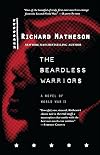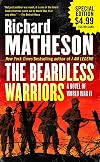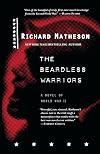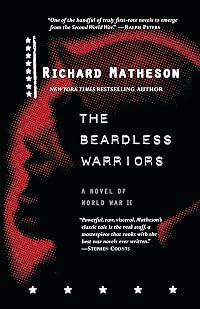
The Beardless Warriors
by Richard Matheson
On This Page
Description
In 1944, long before he wrote such classic novels as I Am Legend and What Dreams May Come, author Richard Matheson served as an eighteen-year-old replacement in the 87th Division during the latter part of the war in Europe. His tour of duty there inspired this acclaimed novel about a group of equally young and inexperienced soldiers thrown into the fury of combat. The Beardless Warriors are a squad of teenage U.S. infantrymen fighting their way across Germany during the final weeks of the show more war. Under fire and in over their heads, the fresh-faced young men must grow up fast if they ever hope to see home again. Everett Hackermeyer is the latest soldier to join the squad, "Hack," a troubled youth from a hellish family background, faces a new kind of inferno on the front lines, only to discover hidden reserves he never knew he possessed. Ironically, he doesn't come to value his own life until he runs the very real chance of losing it. show lessTags
Recommendations












Member Recommendations
Member Reviews
Too limited to be considered a great war novel, The Beardless Warriors is still a solid addition to the 'war is hell' genre. It comes from the able pen of Richard Matheson (better known for I Am Legend and other inventive horror/sci-fi fare, including some of the best Twilight Zone episodes) and draws on his own experiences as an infantryman in World War Two, so you know it won't be a waste of time.
It charts ten days on the front line as America's citizen soldiers fight through into Germany in the cold winter of 1944. Told from the perspective of a green draftee, Private Hackermeyer, The Beardless Warriors is essentially a sensory experience. The following two paragraphs are very much typical of the content of the book:
"Shells came in show more endless waves. The slope jerked and shuddered. Earth was torn apart – soil, roots, rocks and grass spraying up in dark fountains. Waves of concussion flooded across the ground in turbulent coils. A suffocating pall of smoke began to cover everything like night returning, dry and reeking of ammoniac cordite. For sixteen everlasting minutes the slope was a leaping, choking, deafening inferno.
Then sudden, pressing silence… Gray smoke drifting over Hackermeyer's foxhole… Behind him, someone crying out in agony, "Medic! Medic!" Abruptly, Cooley's voice commanding them: "Get ready." Immediately thereafter, the wildfire crackle of machine guns, the bark of rifle fire…" (pg. 142)
If you can handle that for 250 pages – ceaselessly – then you might get some worth out of the book. It is like a blow-by-blow narration of a single-player Call of Duty mission: every command, every explosion, every piece of mortar or shrapnel, every pause or crouch or footstep forward. Every sight, smell and sound. It is a good account, mind, but many readers will feel starved of plot.
Insofar as there is a plot, it concerns Hackermeyer's drastic change in character over the ten days of combat. Put through the wringer, he goes from a taciturn and nervous greenhorn, through bewilderment and disenchantment and towards combat effectiveness and finally, fatalism. This jars at first, given the short timespan, but Matheson then begins to chart it ably enough. The characters never leap from the page, but Hackermeyer's burgeoning father-son relationship with Sergeant Cooley works well, and at the end of the novel you find yourself wanting them to live. Sensory but never sensationalized, Matheson's war-is-hell document is dependable but don't expect it to transcend itself. show less
It charts ten days on the front line as America's citizen soldiers fight through into Germany in the cold winter of 1944. Told from the perspective of a green draftee, Private Hackermeyer, The Beardless Warriors is essentially a sensory experience. The following two paragraphs are very much typical of the content of the book:
"Shells came in show more endless waves. The slope jerked and shuddered. Earth was torn apart – soil, roots, rocks and grass spraying up in dark fountains. Waves of concussion flooded across the ground in turbulent coils. A suffocating pall of smoke began to cover everything like night returning, dry and reeking of ammoniac cordite. For sixteen everlasting minutes the slope was a leaping, choking, deafening inferno.
Then sudden, pressing silence… Gray smoke drifting over Hackermeyer's foxhole… Behind him, someone crying out in agony, "Medic! Medic!" Abruptly, Cooley's voice commanding them: "Get ready." Immediately thereafter, the wildfire crackle of machine guns, the bark of rifle fire…" (pg. 142)
If you can handle that for 250 pages – ceaselessly – then you might get some worth out of the book. It is like a blow-by-blow narration of a single-player Call of Duty mission: every command, every explosion, every piece of mortar or shrapnel, every pause or crouch or footstep forward. Every sight, smell and sound. It is a good account, mind, but many readers will feel starved of plot.
Insofar as there is a plot, it concerns Hackermeyer's drastic change in character over the ten days of combat. Put through the wringer, he goes from a taciturn and nervous greenhorn, through bewilderment and disenchantment and towards combat effectiveness and finally, fatalism. This jars at first, given the short timespan, but Matheson then begins to chart it ably enough. The characters never leap from the page, but Hackermeyer's burgeoning father-son relationship with Sergeant Cooley works well, and at the end of the novel you find yourself wanting them to live. Sensory but never sensationalized, Matheson's war-is-hell document is dependable but don't expect it to transcend itself. show less
This book, follows a small platoon during two weeks in December, 1944, through the eyes of Ernest Hackermeyer, an 18-year-old replacement, just over the French border in Germany. “Hack” soon shows an aptitude, or at least a recklessness, with regard to fighting, and Cooley, the platoon sergeant, a much older man takes Hack under his wing, soon promoting him to assistant squad leader after the death of his other corporal. It’s not fun: cold, wet, moving back and forth, seeing little of the big picture, seemingly fighting for the same area over and over, having nothing to do but clean weapons.
"Wish I was a crab sometimes," he said. "Nice and warm down here. Lots of places for houses too." Finally he sighed. "Aw, you can't catch show more them," he said. He grimaced and drew in a quick breath. "Look like real crabs though," he said."
"What exciting comestible do you prepare, Hackermeyer?" "Huh?" "What's cooking?" "Pork and egg yolk." Guthrie blew out smoke. "Baby poo," he said. Hackermeyer didn't know what he meant until he opened the can.”
The intermittent shelling and its effect on the troops is vividly portrayed.
"More shells exploded. Hackermeyer felt as if the deafening bursts would crush his skull in. Suddenly, he realized that the cotton had fallen from his right ear. He looked around for it, then gave up and jammed the end of a gloved finger into his ear instead. Overhead, the mortar shells screamed shrilly as they fluttered downward. Infrequently, one of them passed through the latticework of boughs and exploded on the ground. . . "Now he noticed the colorless slime that was dripping from the lacerated tree trunks. As if many men had blown their noses on them. Hackermeyer's gaze moved dumbly from tree to tree. He couldn't stop because he knew that he was looking at all that remained of Linstrom. His stomach started heaving as nausea bubbled in him. Abruptly he remembered what he'd said when Linstrom had asked how close the shells could come.”
Cooley, Hack’s sergeant, is much older -- and wiser -- than the recruits, fresh as replacements, and he has a son in Guadalcanal so he despairs every time another 18-year-old replacement joins the platoon. He sees Hack has a son-figure, but worries that Hack, after only a week at the front, has become manic for killing Germans. Hack, who had lost his father at a young age, wants nothing better than to please Cooley, a sees him as a father figure, but then when Cooley orders him to do something, takes it as a criticism and he despairs of being unable to please the sergeant.
"Nope." Cooley shook his head once more. "I'll tell you what you got to relate, and it ain't weapons to the ground. It's one guy to another guy. You got to teach a man what he can expect from his buddies in combat. If he knows that, it don't matter if the ground ain't worth anything or if his weapon don't even work. He'll still know what the score is." Cooley picked up his new hand. "How do you teach soldiers human nature? . . . He paused. "Look, Hack," he said. "I know I told you it's your job to kill Krauts. It is-and you're doing a hell of a job. But ... well, you got to watch out you don't get so-fired up about it you can't stop. It's a job, Hack, not a way of life, if you know what I mean." Cooley spat to one side. "Let's face it, son," he said. "When we kill, we ain't men, we're animals.”
Matheson, before he began writing science fiction, served as a replacement infantryman and fifteen years after the war wrote this to document his experiences. This was his first novel and some of the characters seem stereotypical, but they work as seen through the eyes of Hack. Cooley is perhaps a bit almost too good to be true, the omnipotent and omnipresent sergeant, but his character fits also. The true horror is that we older folks send off children to fight our battles. Probably one of the most authentic appearing books to come out of WW II. I Would rank it up with the [b:The Naked and the Dead|12467|The Naked and the Dead|Norman Mailer|http://photo.goodreads.com/books/1276221820s/12467.jpg|2223651]. show less
"Wish I was a crab sometimes," he said. "Nice and warm down here. Lots of places for houses too." Finally he sighed. "Aw, you can't catch show more them," he said. He grimaced and drew in a quick breath. "Look like real crabs though," he said."
"What exciting comestible do you prepare, Hackermeyer?" "Huh?" "What's cooking?" "Pork and egg yolk." Guthrie blew out smoke. "Baby poo," he said. Hackermeyer didn't know what he meant until he opened the can.”
The intermittent shelling and its effect on the troops is vividly portrayed.
"More shells exploded. Hackermeyer felt as if the deafening bursts would crush his skull in. Suddenly, he realized that the cotton had fallen from his right ear. He looked around for it, then gave up and jammed the end of a gloved finger into his ear instead. Overhead, the mortar shells screamed shrilly as they fluttered downward. Infrequently, one of them passed through the latticework of boughs and exploded on the ground. . . "Now he noticed the colorless slime that was dripping from the lacerated tree trunks. As if many men had blown their noses on them. Hackermeyer's gaze moved dumbly from tree to tree. He couldn't stop because he knew that he was looking at all that remained of Linstrom. His stomach started heaving as nausea bubbled in him. Abruptly he remembered what he'd said when Linstrom had asked how close the shells could come.”
Cooley, Hack’s sergeant, is much older -- and wiser -- than the recruits, fresh as replacements, and he has a son in Guadalcanal so he despairs every time another 18-year-old replacement joins the platoon. He sees Hack has a son-figure, but worries that Hack, after only a week at the front, has become manic for killing Germans. Hack, who had lost his father at a young age, wants nothing better than to please Cooley, a sees him as a father figure, but then when Cooley orders him to do something, takes it as a criticism and he despairs of being unable to please the sergeant.
"Nope." Cooley shook his head once more. "I'll tell you what you got to relate, and it ain't weapons to the ground. It's one guy to another guy. You got to teach a man what he can expect from his buddies in combat. If he knows that, it don't matter if the ground ain't worth anything or if his weapon don't even work. He'll still know what the score is." Cooley picked up his new hand. "How do you teach soldiers human nature? . . . He paused. "Look, Hack," he said. "I know I told you it's your job to kill Krauts. It is-and you're doing a hell of a job. But ... well, you got to watch out you don't get so-fired up about it you can't stop. It's a job, Hack, not a way of life, if you know what I mean." Cooley spat to one side. "Let's face it, son," he said. "When we kill, we ain't men, we're animals.”
Matheson, before he began writing science fiction, served as a replacement infantryman and fifteen years after the war wrote this to document his experiences. This was his first novel and some of the characters seem stereotypical, but they work as seen through the eyes of Hack. Cooley is perhaps a bit almost too good to be true, the omnipotent and omnipresent sergeant, but his character fits also. The true horror is that we older folks send off children to fight our battles. Probably one of the most authentic appearing books to come out of WW II. I Would rank it up with the [b:The Naked and the Dead|12467|The Naked and the Dead|Norman Mailer|http://photo.goodreads.com/books/1276221820s/12467.jpg|2223651]. show less
The problem with being a replacement soldier in a miitary unit is the resentment by the veterans for the loss of the man you replaced. You don't get the soft jobs. Richard Matherson survived that period of his life and went on to a career writing Horror or Science fiction novels. I believe he was definitely traumatised by his military service. It is a good example of the post WWII American novel.
departure from usual style for matheson. obviously informed from experience. not quite up to classic war novel but very good.
A good war novel by Richard Matheson, who served in the ETO in WWII.
Ratings
Members
- Recently Added By
Lists

World War II Books
34 works; 1 member
Author Information

291+ Works 30,197 Members
Richard Matheson was born on February 20, 1926 in Allendale, New Jersey. He was eight when his stories appeared in a local newspaper, the Brooklyn Eagle. He served during World War II. He received a degree in journalism from the University of Missouri in 1949. In 1950 he first was noticed as an upcoming writer-to-watch, starting with the short show more story Born of Man and Woman. He wrote numerous novels and short stories during his lifetime including I am Legend, The Shrinking Man, What Dreams May Come, and Hell House. He won the World Fantasy Convention's Life Achievement Award, the Bram Stoker Award for Life Achievement, the Hugo Award, the Golden Spur Award, and the Writer's Guild Award. He also was inducted into the Science Fiction Hall of Fame in 2010. When Hollywood approached him for the rights to his novel The Shrinking Man, he negotiated the chance to write the screenplay. This began a long career in screenwriting and adapting. He wrote the screenplay for Steven Spielberg's Duel and 16 episodes of the television series The Twilight Zone. He won an Edgar Allan Poe Award in 1973 for The Night Stalker. He died on June 23, 2013 at the age of 87. (Bowker Author Biography) show less
Work Relationships
Is abridged in
Common Knowledge
- Canonical title
- The Beardless Warriors
- Original publication date
- 1960
- Important places*
- Bastenaken, Luxemburg, België; België
- Related movies
- The Young Warriors (1967 | IMDb)
- Epigraph
- There never was a war that was not inward... - Marianne Moore: In Distrust of Merits
- Dedication
- With love, for my sons Richard and Christian. May the reading of this story be the closest they ever come to war.
- First words
- When Hackermeyer joined the second squad of the third platoon of C Company, the first thing he heard was Sergeant Cooley blowing his top.
- Blurbers
- Peters, Ralph; Coonts, Stephen
*Some information comes from Common Knowledge in other languages. Click "Edit" for more information.
Classifications
Statistics
- Members
- 117
- Popularity
- 278,501
- Reviews
- 5
- Rating
- (3.67)
- Languages
- Dutch, English
- Media
- Paper, Ebook
- ISBNs
- 6
- ASINs
- 6