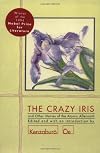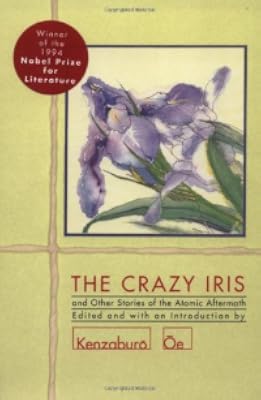
The Crazy Iris and Other Stories of the Atomic Aftermath
by Kenzaburō Ōe (Editor)
On This Page
Description
An anthology of stories about Japan after the atom bomb is edited by an acclaimed writer and surveys Japan's best storytellers on the bomb's impact on the daily lives of peasants, artists, and children.Tags
Recommendations







Member Reviews
In his outstanding introduction, Nobel Laureate Kenzaburō Ōe writes about the treatment of the atomic bombings of Hiroshima and Nagasaki in literature. Not only survivor stories, but the "second-generation survivors" (children of survivors), and other writers who struggle with the import to humanity. In choosing the stories for inclusion in this anthology, Ōe tried to include writers from all three categories as well as covering a range of topics: the large number of Koreans killed in the bombings, discrimination against survivors, and the future of the world as long as there are nuclear weapons.
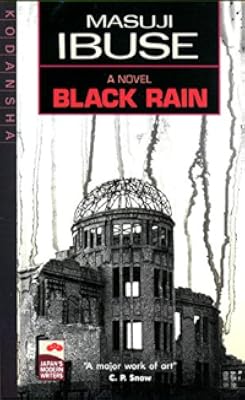
"The Crazy Iris" by Masuji Ibuse. Ibuse did not experience the bombings directly, but is the author of the highly acclaimed novel [Black show more Rain]. In "The Crazy Iris" he addresses the bombing of Hiroshima from the prospective of the provinces, specifically Fukuyama, about 100 miles outside the city.
"Summer Flower" and "The Land of Heart's Desire" by Tamiki Hara. Hara is a well-known intellectual who lived through the bombing of Hiroshima. He fought the censorship of the Allied Occupation to publish "Summer Flower" and other accounts. He was so distraught by American President Truman's statements regarding the possible use of nuclear weapons in the Korean War that he committed suicide.
"Human Ashes" by Katsuzō Oda. Oda is one of the survivors who felt compelled to document their experiences, despite not being a professional writer. He was a student when he and his parents fled to Hiroshima from the bombings in Osaka.
"Fireflies" by Yōko Ōta. Already a published author by the time she survived the Hiroshima bombing, she turned all her attentions to writing about the aftermath and particularly the physical and mental anguish of survivors. In this story, she meets a young woman horribly disfigured by keloid scars. It begins at the monument to Tamiki Hara.
"The Colorless Paintings" by Ineko Sata. Although she was not a survivor, Sata lived in Nagasaki and wrote about the victims. In this story, she writes about a survivor-painter whose depression is reflected in his artwork.
"The Empty Can" by Kyōko Hayashi. Hayashi survived the bombing of Nagasaki as a young girl. In "The Empty Can" she writes about her classmates, particularly one girl who brings the bones of her parents to school in an empty can.
"The House of Hands" by Mitsuharu Inoue. Inoue was not a survivor, but wrote extensively about the discrimination faced by survivors. In this story, he writes about four women who are ostracized because they had come to the village orphanage after the bombing and now cannot bear children. The village unites against them fearing that their community will become buraku, an outcast community, if word gets out that their women "bleed".
"The Rite" by Hiroko Takenishi. Takenishi is a survivor and intellectual who, in this story, wrote about the inner life of a young woman who pushes away her lover because of fears about how the radiation might have effected her ability to have children. She reflects that although there are rites that help ease the passing of people, there aren't rites suitable for the loss caused by the bombings.
I read this collection on this the 77th anniversary of the bombing of Hiroshima and Nagasaki. Despite the difficult topic, many of the stories were beautifully expressed, and I learned a lot about the lived experience of Japanese survivors. show less
"The Crazy Iris" by Masuji Ibuse. Ibuse did not experience the bombings directly, but is the author of the highly acclaimed novel [Black show more Rain]. In "The Crazy Iris" he addresses the bombing of Hiroshima from the prospective of the provinces, specifically Fukuyama, about 100 miles outside the city.
"Summer Flower" and "The Land of Heart's Desire" by Tamiki Hara. Hara is a well-known intellectual who lived through the bombing of Hiroshima. He fought the censorship of the Allied Occupation to publish "Summer Flower" and other accounts. He was so distraught by American President Truman's statements regarding the possible use of nuclear weapons in the Korean War that he committed suicide.
"Human Ashes" by Katsuzō Oda. Oda is one of the survivors who felt compelled to document their experiences, despite not being a professional writer. He was a student when he and his parents fled to Hiroshima from the bombings in Osaka.
"Fireflies" by Yōko Ōta. Already a published author by the time she survived the Hiroshima bombing, she turned all her attentions to writing about the aftermath and particularly the physical and mental anguish of survivors. In this story, she meets a young woman horribly disfigured by keloid scars. It begins at the monument to Tamiki Hara.
"The Colorless Paintings" by Ineko Sata. Although she was not a survivor, Sata lived in Nagasaki and wrote about the victims. In this story, she writes about a survivor-painter whose depression is reflected in his artwork.
"The Empty Can" by Kyōko Hayashi. Hayashi survived the bombing of Nagasaki as a young girl. In "The Empty Can" she writes about her classmates, particularly one girl who brings the bones of her parents to school in an empty can.
"The House of Hands" by Mitsuharu Inoue. Inoue was not a survivor, but wrote extensively about the discrimination faced by survivors. In this story, he writes about four women who are ostracized because they had come to the village orphanage after the bombing and now cannot bear children. The village unites against them fearing that their community will become buraku, an outcast community, if word gets out that their women "bleed".
"The Rite" by Hiroko Takenishi. Takenishi is a survivor and intellectual who, in this story, wrote about the inner life of a young woman who pushes away her lover because of fears about how the radiation might have effected her ability to have children. She reflects that although there are rites that help ease the passing of people, there aren't rites suitable for the loss caused by the bombings.
I read this collection on this the 77th anniversary of the bombing of Hiroshima and Nagasaki. Despite the difficult topic, many of the stories were beautifully expressed, and I learned a lot about the lived experience of Japanese survivors. show less
Note Oe is the editor of this collection, not the author.
Ratings
Members
- Recently Added By
Author Information

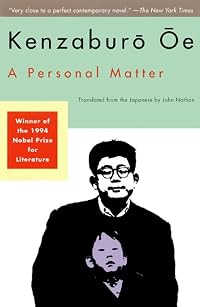
Kenzaburo Oe was born on January 31, 1935. He was born in a small village on the island of Shikoku, Japan. A winner of numerous Japanese literary prizes, Oe came to manhood during World War II and the occupation. At Tokyo University, Oe studied Jean-Paul Sartre and absorbed many popular leftist ideas. These influences appear in his early writings, show more which often deal with contemporary issues. With the birth of his deformed son, father and son became the new focus of his work. In his two books, A Personal Matter (1964) and A Healing Family (1996), Oe describes the pain involved with accepting his brain-damaged son and the small victories involved their lives as his son progressed. In 1994, Oe won the Nobel Prize for Literature. (Bowker Author Biography) show less
All Editions
Common Knowledge
- Canonical title
- The Crazy Iris and Other Stories of the Atomic Aftermath
- Alternate titles
- Nan to mo shirenai mirai ni.
- Original publication date
- 1984 (original Japanese) (original Japanese); 1985 (English: various) (English: various)
- Important places
- Hiroshima, Japan; Nagasaki, Japan
- Important events
- Atomic Bombings of Hiroshima and Nagasaki (1945)
- Original language
- Japanese
Classifications
- Genre
- Fiction and Literature
- DDC/MDS
- 895.630108358 — Literature & rhetoric Literatures of other languages Literatures of East and Southeast Asia Japanese Japanese fiction By type
- LCC
- PL782 .E8 .N3 — Language and Literature Languages and literatures of Eastern Asia, Africa, Oceania Languages of Eastern Asia, Africa, Oceania Japanese language and literature Japanese literature Collections
- BISAC
Statistics
- Members
- 183
- Popularity
- 177,005
- Reviews
- 2
- Rating
- (3.93)
- Languages
- English
- Media
- Paper
- ISBNs
- 3
- ASINs
- 1