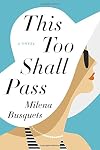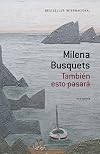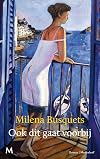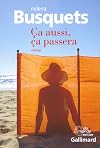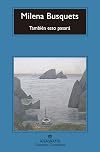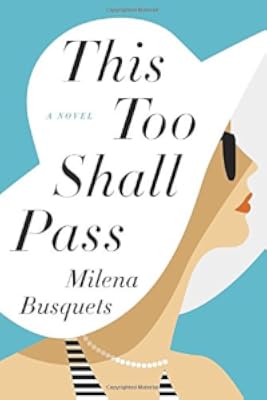
This Too Shall Pass
by Milena Busquets
On This Page
Description
An irresistible, vivid, and wise story of one woman's reckoning with loss and loveBlanca is forty years old and motherless. Shaken by the unexpected death of the most important person in her life, she suddenly realizes that she has no idea what her future will look like.
To ease her dizzying grief and confusion, Blanca turns to her dearest friends, her closest family, and a change of scenery. Leaving Barcelona behind, she returns to Cadaqués, on the coast, accompanied by her two sons, show more two ex-husbands, and two best friends, and makes a plan to meet her married lover for a few stolen moments as well. Surrounded by those she loves most, she spends the summer in an impossibly beautiful place, finding ways to reconnect and understand what it means to truly, happily live on her own terms, just as her mother would have wanted.
A refreshingly frank and ruefully funny portrait of a grieving daughter, THIS TOO SHALL PASS explores how our deepest relationships are changed by tragedy, with bonds often becoming stronger in ways we never expected. show less
Tags
Recommendations












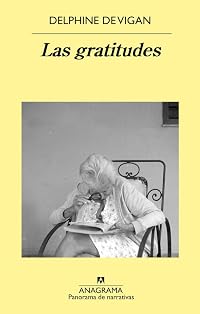
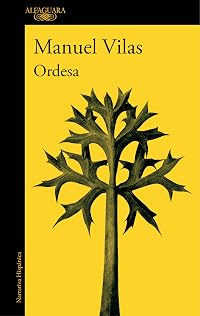


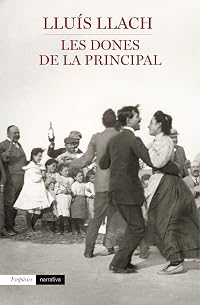


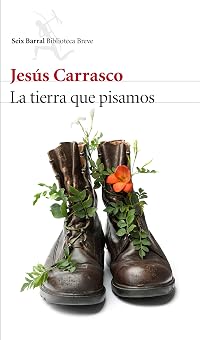

Member Reviews
Milena Busquets novel “This Too Shall Pass” is evocative, honest, and touching. The narrator and main character, Blanca, is trying to recover from the death of her mother. Surrounded by her ex-husbands, friends, children, lover, and those who knew her mother, she works on reimagining her life now that she must go on without her emotional core.
Busquets’ description of the coastal town of Cadaques was such that I pulled up Travel Advisor and began planning a vacation there. But Busquets’ true gift is in describing the truisms of life without flippancy or mawkishness. An example of the writing that captivated me:
“What we have inside always ends up expressing itself. We become who we are, beauty and youth only camouflage it for a show more time.”
“I used to measure how much I could trust a person by asking myself whether they would have been a collaborator in occupied France, but now my trial by fire is whether they would send me to a nursing home.”
“When you fall in love—she insists she’s not, that he’s just a lover and nothing more, a strong sign she probably is—the way you think about your object of desire never corresponds with reality, especially with regards to physical allure. How good it would be if we could only preserve this truth for the next time round, but love always returns the settings back to zero, and if we’re lucky, the next man that comes along will once again be the most handsome, sexy, smart, fun and amazing man in the world, even though he’s really a halfwit hunchback.”
“But I think I’d have fallen in love with Cadeques even if I had only stopped by one afternoon on my way somewhere else, even if I were from the other side of the world and shared no cultural baggage, no language, no memories, nothing else that tied me to the steep, craggy landscape and its cul-de-sac shoreline where the silky pink sunsets are whipped by a black wind to fade over the sea, where everything pushes you out toward the clouds and the sky.”
The pain of losing one’s parents, and especially one’s mother, can be overwhelming. Blanca looks for solace and understanding from the normal sources—sex, alcohol, irresponsibility. But it’s only when she is honest about her complicated relationship with her mother, and how that has affected her relationships with others, that she can begin to get back on her feet.
I enjoyed this book. The style of writing was different, but actually heightened by appreciation for the work. show less
Busquets’ description of the coastal town of Cadaques was such that I pulled up Travel Advisor and began planning a vacation there. But Busquets’ true gift is in describing the truisms of life without flippancy or mawkishness. An example of the writing that captivated me:
“What we have inside always ends up expressing itself. We become who we are, beauty and youth only camouflage it for a show more time.”
“I used to measure how much I could trust a person by asking myself whether they would have been a collaborator in occupied France, but now my trial by fire is whether they would send me to a nursing home.”
“When you fall in love—she insists she’s not, that he’s just a lover and nothing more, a strong sign she probably is—the way you think about your object of desire never corresponds with reality, especially with regards to physical allure. How good it would be if we could only preserve this truth for the next time round, but love always returns the settings back to zero, and if we’re lucky, the next man that comes along will once again be the most handsome, sexy, smart, fun and amazing man in the world, even though he’s really a halfwit hunchback.”
“But I think I’d have fallen in love with Cadeques even if I had only stopped by one afternoon on my way somewhere else, even if I were from the other side of the world and shared no cultural baggage, no language, no memories, nothing else that tied me to the steep, craggy landscape and its cul-de-sac shoreline where the silky pink sunsets are whipped by a black wind to fade over the sea, where everything pushes you out toward the clouds and the sky.”
The pain of losing one’s parents, and especially one’s mother, can be overwhelming. Blanca looks for solace and understanding from the normal sources—sex, alcohol, irresponsibility. But it’s only when she is honest about her complicated relationship with her mother, and how that has affected her relationships with others, that she can begin to get back on her feet.
I enjoyed this book. The style of writing was different, but actually heightened by appreciation for the work. show less
 This review was written for LibraryThing Early Reviewers.
"For some strange reason, I never considered what it would be like to be forty…And yet here I am. It's my mother's funeral, and if that's not enough, I'm forty…Illness evicted her from her throne so cruelly in the end, it completely destroyed her kingdom, and pretty much screwed us all up one way or another."
Cadaqués, a remote Spanish village, buffeted by savage winds, isolated by mountains, breathtaking sunrises and only accessible by a "hellish" road.
Bianca and her larger-than-life mother shared 40 years of love, laughter and fun; a life together that Bianca thought would never end. Throughout the years, they shared this zany life with a cadre of poets and free spirits drawn to her mother like a moth to the flame. These adults show more lived life to its fullest with her effervescent mother as the center of their world. And yet when the insidious creeping disease (Parkinson's) showed up progressively dimming her mind and froze her smile, the friends that couldn't live outside her shadow were nowhere to be found.
Most people go through the grieving process by reaching out for support from others or keeping themselves so busy there is no time for deep reflection. Some go to the opposite extreme by withdrawing from loved ones and friends; avoiding places that remind them of their lost loved one. And some act-out by engaging in what most people would consider dangerous or socially unacceptable behavior.
We find Bianca floundering in her grief. She is no longer someone's daughter. She doesn't know who her mother was in the end. Will she face the same fate? Question upon question fills her mind. She tries to mute her pain and confusion through frequent sex. Sex is "the only thing that momentarily alleviates the sting of death-and life-...is sex. It only lasts a few seconds, though..." (Some readers may be offended by the occasional use of the word f*** or the many references to her sexual escapades.)
She leaves Barcelona to return to her mother's house in Cadaqués on the Mediterranean. Cadaqués, a remote Spanish village, buffeted by savage winds, isolated by mountains, breathtaking sunrises and only accessible by a "hellish" road but to the adventurous and brave…paradise. Accompanying her are her two sons, two ex-husbands, and two best friends...and a married lover who sneaks in from time to time.
Surrounded by those that love her, she progresses through her bereavement..first numb and stunned then moving deeper through memories and reflection until finally she comes out the other side at peace. She comes to know that it is okay for her to become an adult without needing her mother's approval or guidance.
The last memory of her mother that she shares with us is perhaps the most poignant.
I still occasionally tell myself the story you told me once, when you [were] consoling me after my father died...A very powerful emperor gathered all his wise men and… said to them, "I want a short sentence that serves all possible circumstances." [Following] months of contemplation…"We have the phrase, sire. This too shall pass."
My personal thoughts? It was a great read on a rainy day. It is only 169 pages long. The descriptions of Spain and Cadaqués make me want to pack my travel bags. And I must admit it brought back some personally difficult moments as I sat by my mother's death bed; and it is true...This too shall pass. But it is never forgotten. show less
Cadaqués, a remote Spanish village, buffeted by savage winds, isolated by mountains, breathtaking sunrises and only accessible by a "hellish" road.
Bianca and her larger-than-life mother shared 40 years of love, laughter and fun; a life together that Bianca thought would never end. Throughout the years, they shared this zany life with a cadre of poets and free spirits drawn to her mother like a moth to the flame. These adults show more lived life to its fullest with her effervescent mother as the center of their world. And yet when the insidious creeping disease (Parkinson's) showed up progressively dimming her mind and froze her smile, the friends that couldn't live outside her shadow were nowhere to be found.
Most people go through the grieving process by reaching out for support from others or keeping themselves so busy there is no time for deep reflection. Some go to the opposite extreme by withdrawing from loved ones and friends; avoiding places that remind them of their lost loved one. And some act-out by engaging in what most people would consider dangerous or socially unacceptable behavior.
We find Bianca floundering in her grief. She is no longer someone's daughter. She doesn't know who her mother was in the end. Will she face the same fate? Question upon question fills her mind. She tries to mute her pain and confusion through frequent sex. Sex is "the only thing that momentarily alleviates the sting of death-and life-...is sex. It only lasts a few seconds, though..." (Some readers may be offended by the occasional use of the word f*** or the many references to her sexual escapades.)
She leaves Barcelona to return to her mother's house in Cadaqués on the Mediterranean. Cadaqués, a remote Spanish village, buffeted by savage winds, isolated by mountains, breathtaking sunrises and only accessible by a "hellish" road but to the adventurous and brave…paradise. Accompanying her are her two sons, two ex-husbands, and two best friends...and a married lover who sneaks in from time to time.
Surrounded by those that love her, she progresses through her bereavement..first numb and stunned then moving deeper through memories and reflection until finally she comes out the other side at peace. She comes to know that it is okay for her to become an adult without needing her mother's approval or guidance.
The last memory of her mother that she shares with us is perhaps the most poignant.
I still occasionally tell myself the story you told me once, when you [were] consoling me after my father died...A very powerful emperor gathered all his wise men and… said to them, "I want a short sentence that serves all possible circumstances." [Following] months of contemplation…"We have the phrase, sire. This too shall pass."
My personal thoughts? It was a great read on a rainy day. It is only 169 pages long. The descriptions of Spain and Cadaqués make me want to pack my travel bags. And I must admit it brought back some personally difficult moments as I sat by my mother's death bed; and it is true...This too shall pass. But it is never forgotten. show less
This review was written for LibraryThing Early Reviewers.Blancas Mutter ist verstorben, die wohl der wichtigste Mensch in ihrem Leben war und Blanca zu dem Menschen 'machte', der sie heute ist. Nicht immer entwickeln sich aus solchen Erkenntnissen positive Gefühle, doch in diesem Fall entstand eine große Liebe. Blanca liebt ihre Mutter über alles und in den Tagen nach deren Tod ist sie ihr fast immer gegenwärtig, bei den unterschiedlichsten Gelegenheiten. Die Ich-Erzählung aus Blancas Perspektive habe ich wie einen Brief an die Mutter empfunden: Sie erzählt ihr von den Tagen nach der Beerdigung, wie sie sich versucht abzulenken und dennoch stets auf's Neue ihre Mutter in den Vordergrund rückt. Menschen, Orte, Gesten, Gefühle - immer wieder werden dadurch Erinnerungen hervorgerufen, show more denen Blanca sich hingibt. Voller Wehmut und Schmerz, aber auch mit Zärtlichkeit, Freude und voller Liebe. Dies mag nun Manchen allzu sehr nach Rosarot klingen, doch es gibt auch Rückblicke, die deutlich machen, dass die Mutter-Tochter-Beziehung nicht nur harmonisch war. Doch die Liebe überwiegt...
In diesem Buch gibt es so viele wunderbare und schöne Sätze, dass ich vermutlich ganze Wände damit tapezieren könnte ;-) Beispiele gefällig? Also: "Du hast mich so rigoros und nachhaltig gegen jede nicht spielerische Form von Unterwerfung erzogen, dass ich noch nicht einmal Feministin werden musste." oder "In deinen Augen rechtfertigte die Liebe eigentümliche Verhaltensweisen, die du unter allen anderen Umständen verurteilt hättest. Wenn ein Kellner ... dir die Suppe über's Kleid schüttete und du, eben dabei, dich zu beschweren, vom Maître erfuhrst, er sei verliebt ..., sahst du ihn wohlwollend an und sagtest: "Ach so, na dann..." Und aßest seelenruhig weiter in deinem suppendurchtränkten Rock." oder ""Leichtigkeit ist eine Form von Eleganz", sage ich, "leicht und fröhlich zu leben ist sauschwer." "Du verwechselst Leichtigkeit mit Schlendrian, Blanquita."" Vielleicht ist es das, was das Leben von Blanca und ihrer Familie ausmacht: Die Leichtigkeit und die Liebe, was sich auch in den noch immer sehr guten Beziehungen zu ihren Ex-Ehemännern zeigt, den Vätern ihrer beiden Söhne.
Doch es ist nicht nur die Liebe zum andern Geschlecht, sondern ganz allgemein die Liebe zum Leben, die Liebe an sich. Deutlich wird das besonders auf den letzten Seiten, wo Blanca ihrer Mutter eine wundervolle Dankesrede und Liebeserklärung schreibt, die alleine schon das ganze Buch lohnt. "Von dir habe ich die Liebe auf den ersten Blick als einzig mögliche Form, sich zu verlieben (du hattest recht), die Liebe zur Kunst, zu den Büchern, den Museen, zum Ballett, die Freigiebigkeit in Gelddingen, die großen Gesten in den passenden Momenten, die Rigorosität im Handeln und im Reden. Das völlige Fehlen von Schuldgefühlen und die Freiheit und die Verantwortlichkeit, die damit verbunden sind.... Du hast mir auch das irre Lachen geschenkt, die Freude am Leben, die völlige Hingabe, den Spaß an jedem Spiel, die Abneigung gegen alles, was in deinen Augen das Leben kleiner machte und einem die Luft nahm: Knauserigkeit, Mangel an Loyalität, Neid, Angst, Dummheit und Grausamkeit. Und den Sinn für Gerechtigkeit. Die Aufsässigkeit. Das überwältigende Erkennen von Glück in den Momenten, wenn man es in Händen hält und ehe es wieder davon fliegt.... Und die Grandezza, eine Fähigkeit, die Dinge zu benennen, sie zu sehen, eine aufrichtige Toleranz den Schwächen und Unzulänglichkeiten anderer Menschen gegenüber...".
Auch wenn das Hauptthema dieses Buches der Tod eines Menschen sein mag, ist es für mich viel mehr eine Hommage an das Leben und die Liebe. show less
In diesem Buch gibt es so viele wunderbare und schöne Sätze, dass ich vermutlich ganze Wände damit tapezieren könnte ;-) Beispiele gefällig? Also: "Du hast mich so rigoros und nachhaltig gegen jede nicht spielerische Form von Unterwerfung erzogen, dass ich noch nicht einmal Feministin werden musste." oder "In deinen Augen rechtfertigte die Liebe eigentümliche Verhaltensweisen, die du unter allen anderen Umständen verurteilt hättest. Wenn ein Kellner ... dir die Suppe über's Kleid schüttete und du, eben dabei, dich zu beschweren, vom Maître erfuhrst, er sei verliebt ..., sahst du ihn wohlwollend an und sagtest: "Ach so, na dann..." Und aßest seelenruhig weiter in deinem suppendurchtränkten Rock." oder ""Leichtigkeit ist eine Form von Eleganz", sage ich, "leicht und fröhlich zu leben ist sauschwer." "Du verwechselst Leichtigkeit mit Schlendrian, Blanquita."" Vielleicht ist es das, was das Leben von Blanca und ihrer Familie ausmacht: Die Leichtigkeit und die Liebe, was sich auch in den noch immer sehr guten Beziehungen zu ihren Ex-Ehemännern zeigt, den Vätern ihrer beiden Söhne.
Doch es ist nicht nur die Liebe zum andern Geschlecht, sondern ganz allgemein die Liebe zum Leben, die Liebe an sich. Deutlich wird das besonders auf den letzten Seiten, wo Blanca ihrer Mutter eine wundervolle Dankesrede und Liebeserklärung schreibt, die alleine schon das ganze Buch lohnt. "Von dir habe ich die Liebe auf den ersten Blick als einzig mögliche Form, sich zu verlieben (du hattest recht), die Liebe zur Kunst, zu den Büchern, den Museen, zum Ballett, die Freigiebigkeit in Gelddingen, die großen Gesten in den passenden Momenten, die Rigorosität im Handeln und im Reden. Das völlige Fehlen von Schuldgefühlen und die Freiheit und die Verantwortlichkeit, die damit verbunden sind.... Du hast mir auch das irre Lachen geschenkt, die Freude am Leben, die völlige Hingabe, den Spaß an jedem Spiel, die Abneigung gegen alles, was in deinen Augen das Leben kleiner machte und einem die Luft nahm: Knauserigkeit, Mangel an Loyalität, Neid, Angst, Dummheit und Grausamkeit. Und den Sinn für Gerechtigkeit. Die Aufsässigkeit. Das überwältigende Erkennen von Glück in den Momenten, wenn man es in Händen hält und ehe es wieder davon fliegt.... Und die Grandezza, eine Fähigkeit, die Dinge zu benennen, sie zu sehen, eine aufrichtige Toleranz den Schwächen und Unzulänglichkeiten anderer Menschen gegenüber...".
Auch wenn das Hauptthema dieses Buches der Tod eines Menschen sein mag, ist es für mich viel mehr eine Hommage an das Leben und die Liebe. show less
This was an artful meditation on maternal loss. Situated in Spain using second person narration, Busquets invites readers in a month of her life after the death of her mother. Blanca, main character struggles with accepting and finalizing the loss of her mother. She spends a weekend surrounding herself with her closest friends, ex husbands and sons and her lover at her family summer home. She drinks, screws, smokes pot and fades in and out of coping with upsurging feelings regarding her mother. This process brings out dry humor, classism, and philosophy regarding aging, youth and dying. This is a heartfelt short work and deserves every star I gave it! Thank you Librarything for sending it my way!
This review was written for LibraryThing Early Reviewers.This is a short, languid novel of the narrator's sadness and ennui in a seaside town in summer where she grew up. After her mother's death, she is stunned by grief using drugs, sex and alcohol to cope as she looks back at memories of her mother, her boyfriends, her two ex-husbands, while contemplating mortality. The author offers some lovely passages: "Nacho belongs to the summer just like the boating trips do, or the naps in the hammock, or the freshly baked bread we buy straight from the oven on our way home after being out all night, kneaded by the arms of drowsy men who watch us devour it with sad eyes." Or "I could describe each and every corner of my mother's house. I know and remember the changing colors of the mahogany shelves show more where she kept her books, from mahogany to garnet and finally black according to the time of day and when dusk fell. I know the exact temperature of my father's hands, like bread fresh out of the oven, and in a snap I could draw you the half-empty glass of red wine he always kept in the kitchen."
I could smell the Med at Cadaques and the fresh bread. Not much happens, little plot, but moments and musings, yet I wanted to pick the book up every evening and be back in Spain. Maybe it has a Catalonian sensibility, the painful loss she feels, the distanced lovers, her two young sons, close friendships with women, the warmth of the sun, the sleeplessness. Who is the narrator once she is no longer a daughter? "I will never be seen through your eyes again," she says in the imaginary conversation with her belated mother which threads through the book.
"A seductive voice" says the back of the book, a "summery, sexy , cool," "one of the most elegant books you'll read" declares the French paper. So the seductive elegance enticed me enough to finish the book in a day or two. show less
I could smell the Med at Cadaques and the fresh bread. Not much happens, little plot, but moments and musings, yet I wanted to pick the book up every evening and be back in Spain. Maybe it has a Catalonian sensibility, the painful loss she feels, the distanced lovers, her two young sons, close friendships with women, the warmth of the sun, the sleeplessness. Who is the narrator once she is no longer a daughter? "I will never be seen through your eyes again," she says in the imaginary conversation with her belated mother which threads through the book.
"A seductive voice" says the back of the book, a "summery, sexy , cool," "one of the most elegant books you'll read" declares the French paper. So the seductive elegance enticed me enough to finish the book in a day or two. show less
This novella is as a letter written from a grieving daughter to her recently deceased mother. Its flow is a stream of consciousness as the daughter struggles with a myriad of emotions experienced through grief. Their relationship was a complex one and daughter Blanca struggles with this raw grief in some ways that appear healthy and in some unhealthy ones much of the time - doing whatever it takes to cope. She surrounds herself with those whom she loves, her children, ex-husbands, a married lover, and friends in an effort to ease through the grief. There's even the thought of a possible new lover to distract her from her frayed emotions.
Although well written, at times the book's language and some of the characters' behavior is a bit show more coarse and may be offensive to some readers.
I am grateful to publisher Penguin Random House and LibraryThing Early Reviewers for having provided a free copy of this book. Their generosity, however, has not influenced this review - the words of which are mine alone.
+++++++++++++++++++++++
Personal thoughts...
Struggling with my own emotions regarding a parent in failing health, I found a kindred voice through the exquisite prose:
"When I get home I'm going to burn every last stitch of clothing I have on today - they're all drenched in exhaustion and sadness, there's nothing worth saving."
"I will never be seen through your eyes again....My place in this world was through your gaze..."
"I don't like being an orphan; I'm not made for this depth of sadness. Or maybe I am, maybe it's the precise size of pain, maybe it's the only dress left that can fit me."
"Little by little, unawares, the weight of your dwindling happiness found its place on my shoulders."
"I separated myself from you for a while, because I realized that if I didn't you wouldn't be the only casualty left in the wreckage."
"Occasionally, I'd answer thinking, today she's calling just to tell me she loves me and she's sorry for having abandoned me, and you'd called to talk about money and to reproach me because I was the one who had abandoned you."
"Illness evicted her from her throne so cruelly in the end,..."
"I guess all funerals I attend from now on will be yours."
"We had discussed death so many times, but we never thought the bitch would take your head before taking the rest, that she would leave you with a few little crumbs of intermittent lucidity, just enough to make you suffer a little bit more."
" Hope is the hardest facial expression to fake, and the ability to express it diminishes with every broken dream;..."
"Nobody warns you that you have to become your mother when she's dying."
"And so my my head once again succumbs to my body, and your death recedes a few more steps into the distance and as if by magic, my frozen blood begins to flow again." show less
Although well written, at times the book's language and some of the characters' behavior is a bit show more coarse and may be offensive to some readers.
I am grateful to publisher Penguin Random House and LibraryThing Early Reviewers for having provided a free copy of this book. Their generosity, however, has not influenced this review - the words of which are mine alone.
+++++++++++++++++++++++
Personal thoughts...
Struggling with my own emotions regarding a parent in failing health, I found a kindred voice through the exquisite prose:
"When I get home I'm going to burn every last stitch of clothing I have on today - they're all drenched in exhaustion and sadness, there's nothing worth saving."
"I will never be seen through your eyes again....My place in this world was through your gaze..."
"I don't like being an orphan; I'm not made for this depth of sadness. Or maybe I am, maybe it's the precise size of pain, maybe it's the only dress left that can fit me."
"Little by little, unawares, the weight of your dwindling happiness found its place on my shoulders."
"I separated myself from you for a while, because I realized that if I didn't you wouldn't be the only casualty left in the wreckage."
"Occasionally, I'd answer thinking, today she's calling just to tell me she loves me and she's sorry for having abandoned me, and you'd called to talk about money and to reproach me because I was the one who had abandoned you."
"Illness evicted her from her throne so cruelly in the end,..."
"I guess all funerals I attend from now on will be yours."
"We had discussed death so many times, but we never thought the bitch would take your head before taking the rest, that she would leave you with a few little crumbs of intermittent lucidity, just enough to make you suffer a little bit more."
" Hope is the hardest facial expression to fake, and the ability to express it diminishes with every broken dream;..."
"Nobody warns you that you have to become your mother when she's dying."
"And so my my head once again succumbs to my body, and your death recedes a few more steps into the distance and as if by magic, my frozen blood begins to flow again." show less
This review was written for LibraryThing Early Reviewers.This is a short, languid novel of the narrator's sadness and ennui in a seaside town in summer where she grew up. After her mother's death, she is stunned by grief using drugs, sex and alcohol to cope as she looks back at memories of her mother, her boyfriends, her two ex-husbands, while contemplating mortality. The author offers some lovely passages: "Nacho belongs to the summer just like the boating trips do, or the naps in the hammock, or the freshly baked bread we buy straight from the oven on our way home after being out all night, kneaded by the arms of drowsy men who watch us devour it with sad eyes." Or "I could describe each and every corner of my mother's house. I know and remember the changing colors of the mahogany shelves show more where she kept her books, from mahogany to garnet and finally black according to the time of day and when dusk fell. I know the exact temperature of my father's hands, like bread fresh out of the oven, and in a snap I could draw you the half-empty glass of red wine he always kept in the kitchen."
I could smell the Med at Cadaques and the fresh bread. Not much happens, little plot, but moments and musings, yet I wanted to pick the book up every evening and be back in Spain. Maybe it has a Catalonian sensibility, the painful loss she feels, the distanced lovers, her two young sons, close friendships with women, the warmth of the sun, the sleeplessness. Who is the narrator once she is no longer a daughter? "I will never be seen through your eyes again," she says in the imaginary conversation with her belated mother which threads through the book.
"A seductive voice" says the back of the book, a "summery, sexy , cool," "one of the most elegant books you'll read" declares the French paper. So the seductive elegance enticed me enough to finish the book in a day or two. show less
I could smell the Med at Cadaques and the fresh bread. Not much happens, little plot, but moments and musings, yet I wanted to pick the book up every evening and be back in Spain. Maybe it has a Catalonian sensibility, the painful loss she feels, the distanced lovers, her two young sons, close friendships with women, the warmth of the sun, the sleeplessness. Who is the narrator once she is no longer a daughter? "I will never be seen through your eyes again," she says in the imaginary conversation with her belated mother which threads through the book.
"A seductive voice" says the back of the book, a "summery, sexy , cool," "one of the most elegant books you'll read" declares the French paper. So the seductive elegance enticed me enough to finish the book in a day or two. show less
Members
- Recently Added By
Published Reviews
ThingScore 75
Blanca’s mother has passed and her whole world is in turmoil. She has to find a way to cope with her grief. She decides to enlist her dearest friends, family and to go to a different location. She heads to Cadaqués, on the coast. With her are her two sons, two ex-husbands, two best friends. She plans a rendezvous with her married lover. With the ones that she loves she tries to find a way show more to cope with her mother’s death and try to learn how to live on her own. She has no idea just what her future has in store for her. Join Blanca on her search to find happiness and to see what she can do to survive on her own without her mother.
I received a complimentary copy from Blogging For Books for this review. show less
I received a complimentary copy from Blogging For Books for this review. show less
added by Jean_Kellman
Lists

International Dublin Literary Award Longlist 2018
22 works; 2 members
Author Information

9+ Works 587 Members
Some Editions
Awards and Honors
Awards
Series
Belongs to Publisher Series
Gallimard, Folio (6291)
Common Knowledge
- Canonical title
- This Too Shall Pass
- Original title
- También esto pasará
- Original publication date
- 2014
- Important places
- Cadaqués, Catalonia, Spain
- Dedication*
- Para Noé y Héctor.
Y para Esteban y Esther - First words*
- Por alguna extraña razón, nunca pensé que llegaría a los cuarenta años.
- Quotations*
- Debe de ser intolerable tener todavía los ojos abiertos y pensar que hay lugares que ya no volverás a ver nunca, que se cierren las posibilidades antes que los ojos.
- Last words*
- (Click to show. Warning: May contain spoilers.)Anteayer, llevé tu chaqueta a la tintorería, me la devolverán el jueves, "como nueva", me han dicho.
- Original language
- Spanish
*Some information comes from Common Knowledge in other languages. Click "Edit" for more information.
Classifications
Statistics
- Members
- 481
- Popularity
- 62,906
- Reviews
- 130
- Rating
- (3.00)
- Languages
- 15 — Catalan, Czech, Dutch, English, Estonian, Finnish, French, German, Greek, Italian, Portuguese, Romanian, Spanish, Swedish, Turkish
- Media
- Paper, Audiobook, Ebook
- ISBNs
- 42
- ASINs
- 9