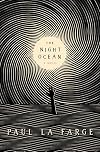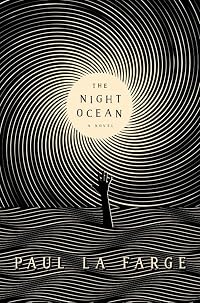
The Night Ocean
by Paul La Farge
On This Page
Description
"From the award-winning author and New Yorker contributor, a riveting novel about secrets and scandals, psychiatry and pulp fiction, inspired by the lives of H.P. Lovecraft and his circle. Marina Willett, M.D., has a problem. Her husband, Charlie, has become obsessed with H.P. Lovecraft, in particular with one episode in the legendary horror writer's life: In the summer of 1934, the "old gent" lived for two months with a gay teenage fan named Robert Barlow, at Barlow's family home in central show more Florida. What were the two of them up to? Were they friends--or something more? Just when Charlie thinks he's solved the puzzle, a new scandal erupts, and he disappears. The police say it's suicide. Marina is a psychiatrist, and she doesn't believe them. A tour-de-force of storytelling, The Night Ocean follows the lives of some extraordinary people: Lovecraft, the most influential American horror writer of the 20th century, whose stories continue to win new acolytes, even as his racist views provoke new critics; Barlow, a seminal scholar of Mexican culture who killed himself after being blackmailed for his homosexuality (and who collaborated with Lovecraft on the beautiful story "The Night Ocean"); his student, future Beat writer William S. Burroughs; and L.C. Spinks, a kindly Canadian appliance salesman and science-fiction fan -- the only person who knows the origins of The Erotonomicon, purported to be the intimate diary of Lovecraft himself. As a heartbroken Marina follows her missing husband's trail in an attempt to learn the truth, the novel moves across the decades and along the length of the continent, from a remote Ontario town, through New York and Florida to Mexico City. The Night Ocean is about love and deception -- about the way that stories earn our trust, and betray it"-- show lessTags
Recommendations

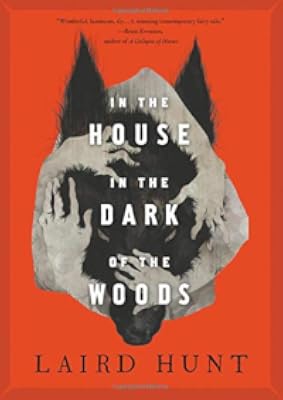
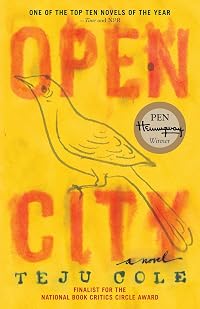
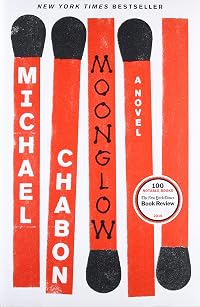
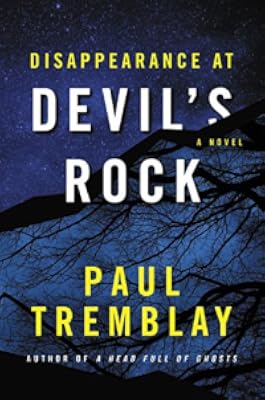

Member Recommendations
Member Reviews
“No reality, but in books”
In his affecting novel The Night Ocean, Paul La Farge crafts a truly intricate tapestry of interwoven historical fact and fantasy, one that kept me enraptured and craving more. Building a mysterious and compelling narrative that travels back and forth through time, he grapples with the fraught legacy of H.P. Lovecraft, one in conversation with the true horrors of the twentieth century and the sexual, racial, and social realities of the twenty-first century. Like the best work of Lovecraft, La Farge writes with a pseudo-authentic voice, imbuing real life with eerie meaning, interrogating truth, fiction, and the fuzzy liminal space between them, capturing and critiquing the strange appeal of the horror author show more and of fandom in general.
Narrated by Dr. Marina Willett, a New York psychologist whose husband Charlie has disappeared in typical Lovecraftian fashion after his investigations into Lovecraft’s relationship with his young fan Robert H. Barlow began to spiral out of control, Marina too finds herself investigating Charlie’s research. Relying on the unreliable and eventful life of an unassuming elderly Canadian, Leo Spinks, who back in 1952 published the Erotonomicon, a salacious lost diary of Lovecraft himself admitting his sexual relationship with Barlow, Marina delves into a dozen striking stories within stories. Leo seems to know more than he lets on, and in fact, is the axle upon which the story revolves. Or is he?
It turns out that, like the Necronomicon of Lovecraft’s writing, what is real and what is imaginary begins to blur, as hoaxes and revelations compete for the reader’s attention. Just when you think the truth is coming out and a great revelation is at hand, it is pulled away, leaving our narrator and the reader scrambling for meaning. In this Russian nesting doll of a narrative, the way La Farge interweaves these narratives into a believable whole provides a perfect homage and criticism of Lovecraft’s place in fandom and popular culture, and why he remains relevant.
I write about other works that use Lovecraft as a fictional character in my article Lovecraft Reanimated at Fandom Fanatics. show less
In his affecting novel The Night Ocean, Paul La Farge crafts a truly intricate tapestry of interwoven historical fact and fantasy, one that kept me enraptured and craving more. Building a mysterious and compelling narrative that travels back and forth through time, he grapples with the fraught legacy of H.P. Lovecraft, one in conversation with the true horrors of the twentieth century and the sexual, racial, and social realities of the twenty-first century. Like the best work of Lovecraft, La Farge writes with a pseudo-authentic voice, imbuing real life with eerie meaning, interrogating truth, fiction, and the fuzzy liminal space between them, capturing and critiquing the strange appeal of the horror author show more and of fandom in general.
Narrated by Dr. Marina Willett, a New York psychologist whose husband Charlie has disappeared in typical Lovecraftian fashion after his investigations into Lovecraft’s relationship with his young fan Robert H. Barlow began to spiral out of control, Marina too finds herself investigating Charlie’s research. Relying on the unreliable and eventful life of an unassuming elderly Canadian, Leo Spinks, who back in 1952 published the Erotonomicon, a salacious lost diary of Lovecraft himself admitting his sexual relationship with Barlow, Marina delves into a dozen striking stories within stories. Leo seems to know more than he lets on, and in fact, is the axle upon which the story revolves. Or is he?
It turns out that, like the Necronomicon of Lovecraft’s writing, what is real and what is imaginary begins to blur, as hoaxes and revelations compete for the reader’s attention. Just when you think the truth is coming out and a great revelation is at hand, it is pulled away, leaving our narrator and the reader scrambling for meaning. In this Russian nesting doll of a narrative, the way La Farge interweaves these narratives into a believable whole provides a perfect homage and criticism of Lovecraft’s place in fandom and popular culture, and why he remains relevant.
I write about other works that use Lovecraft as a fictional character in my article Lovecraft Reanimated at Fandom Fanatics. show less
A wonderful novel about the world of weird fiction, its fans and phantoms. The spirit of H.P. Lovecraft is at or near the center of each character's obsession, drawing both suspecting and unsuspecting into the muck of his character and the murk of a vanishing stretch of literary time. With Robert H. Barlow, Lovecraft's friend, collaborator, and executor, as Imp of the Perverse. La Farge's style is plain but exploratory, without the self-infatuation of the fanboy. You needn't like Lovecraft to love this novel; I don't, and I do. For a West Coast complement, see Jake Arnott's The House of Rumour.
When Marina's husband Charles checks out of the mental hospital after having a breakdown and disappears with only his clothes left behind at the shore of a lake, she retraces his footsteps in the hopes he might still be alive. Charles had recently published a successful book about H. P. Lovecraft and Robert Barlow, which was later exposed as based on a hoax perpetrated by L. C. Spinks, who also wrote an erotic diary purported to be by Lovecraft about Barlow but was yet another hoax.
This book really hit all of my buttons. It's about writers and writing and books, and so many American genre writers of the early twentieth century and their associates turn up as characters that it's like being at the most fascinating cocktail party. show more (WIlliam S. Burroughs was my favorite of them, absolutely.) There are stories nested within stories within stories, and no narrator can be trusted. In the end, fact and fiction become inextricably blurred, but this is largely the point. I loved it. show less
This book really hit all of my buttons. It's about writers and writing and books, and so many American genre writers of the early twentieth century and their associates turn up as characters that it's like being at the most fascinating cocktail party. show more (WIlliam S. Burroughs was my favorite of them, absolutely.) There are stories nested within stories within stories, and no narrator can be trusted. In the end, fact and fiction become inextricably blurred, but this is largely the point. I loved it. show less
This is a book where my opinion of it has changed the longer I've been away from it. It's a strange book, and honestly its structure was nearly its undoing for me.
The majority of the book is conducted in a way where the narrator is twice removed from the retelling of events, and when Marina does make an appearance, it's a single line of dialogue every 50 pages or so. This is contrary to the hook of the book, which promises her mission to get the truth of her husband's disappearance and apparent suicide, but her perspective doesn't resurface until the very end of the book, when she (finally) takes center stage, which means her own despair lacks punch.
Had I written this right after finishing, I probably would have given this two stars, show more because it's own structure and scholarly conceit nearly sabotages the whole book. But I'm glad I waited, because it's allowed the shape of the story to settle into my mind, like a slow developing photo.
There's lots to like about the book. There are fun twists and turns as it plays with alternative interpretations of Lovecraft as a person in history. On one hand presenting him as a repressed and tortured soul, and another as a heartless racist. The same dichotomy is played it in different fashions with each of the other primary characters, LC Spinks and her husband himself. This is the point of the book, and what has ultimately swayed my opinion on it. Ultimately, this book is about the impossible search for truth.
Marina is desperately looking for revelation on what happened to her husband. She wants to understand his actions, even if it means she must follow his own obsessions to do so. She is forced to chase research that leads her several unreliable narrators deep. The motivations of their lies are not made clear, and perhaps the author's suggestion is that the motivation is meaningless, even thoughtless,much as the jellyfish that stings Marina at the end of the book.
The implication is that to get to the truth is impossible. More specifically, to get to the truth of a person is impossible. We see glimpses, quick reflections shining off of a facet of one's personality, but we interpret it according to our own desires, and either their deception, or our own willful ignorance conceals the entirety of the individual. You don't ever see the whole, and perhaps that's for the best. For, if you look closer, the book may even be suggesting that there is no truth of consequence, and your search through those black waters will at best get you stung, and at worst you will drown, only to become lost in the dark.
And that, that, is something worth thinking on, and earns the book its extra star. show less
The majority of the book is conducted in a way where the narrator is twice removed from the retelling of events, and when Marina does make an appearance, it's a single line of dialogue every 50 pages or so. This is contrary to the hook of the book, which promises her mission to get the truth of her husband's disappearance and apparent suicide, but her perspective doesn't resurface until the very end of the book, when she (finally) takes center stage, which means her own despair lacks punch.
Had I written this right after finishing, I probably would have given this two stars, show more because it's own structure and scholarly conceit nearly sabotages the whole book. But I'm glad I waited, because it's allowed the shape of the story to settle into my mind, like a slow developing photo.
There's lots to like about the book. There are fun twists and turns as it plays with alternative interpretations of Lovecraft as a person in history. On one hand presenting him as a repressed and tortured soul, and another as a heartless racist. The same dichotomy is played it in different fashions with each of the other primary characters, LC Spinks and her husband himself. This is the point of the book, and what has ultimately swayed my opinion on it. Ultimately, this book is about the impossible search for truth.
Marina is desperately looking for revelation on what happened to her husband. She wants to understand his actions, even if it means she must follow his own obsessions to do so. She is forced to chase research that leads her several unreliable narrators deep. The motivations of their lies are not made clear, and perhaps the author's suggestion is that the motivation is meaningless, even thoughtless,
The implication is that to get to the truth is impossible. More specifically, to get to the truth of a person is impossible. We see glimpses, quick reflections shining off of a facet of one's personality, but we interpret it according to our own desires, and either their deception, or our own willful ignorance conceals the entirety of the individual. You don't ever see the whole, and perhaps that's for the best. For, if you look closer, the book may even be suggesting that there is no truth of consequence, and your search through those black waters will at best get you stung, and at worst you will drown, only to become lost in the dark.
And that, that, is something worth thinking on, and earns the book its extra star. show less
This book is a bizarre and beautifully written tribute to the Unreliable Narrator and to writers in general. Highly recommended for all libraries.
Favorite lines:
"This is how transmigration works. Words take you over. And you may inhabit others in the form of words."
"The American id could not be educated, Spinks thought. It needed horror in order to stay awake and to justify its most pleasureful pursuit, the destruction of helpless people who had never done anything wrong. America is truly Lovecraft's country: fearful because it cannot love."
Favorite lines:
"This is how transmigration works. Words take you over. And you may inhabit others in the form of words."
"The American id could not be educated, Spinks thought. It needed horror in order to stay awake and to justify its most pleasureful pursuit, the destruction of helpless people who had never done anything wrong. America is truly Lovecraft's country: fearful because it cannot love."
Mystery Wrapped in Deceit
Paul La Farge conjures up a myth regarding the sexual life of weird science writer H. P. Lovecraft. In best metafiction style, he makes it feel so real that you find yourself wondering and then searching for a copy of the supposed “Erotonomicon,” purported to be Lovecraft’s own account of his love life, particularly his relationship with Robert Barlow, author and anthropologist, when Barlow was a thirteen-year-old boy.
To further the ruse, La Farge has even created a webpage for the reissuing of the volume by fictitious Black Hour Books. Further, he festooned the book with dozens of real science fiction and fantasy writers, most still well known within the genre, and footnotes, all of which lends further show more veracity to the tale. It’s all quite masterfully done, and educational to boot.
He then couches all this in a mystery concerning a freelance writer, Charlie Willett, who writes a book claiming that Barlow did not commit suicide in 1951 (which he did, of course; La Farge even includes a copy of his death certificate in the novel text, but who wants to believe truth when fantasy is so much more appealing?). In Charlie’s telling, Barlow authored the “Erotonomicon,” which he explains in his book titled “The Book of the Law of Love.” When, after enjoying considerable notoriety, Charlie’s book is exposed as completely wrong. In despair, he kills himself. It’s left to his wife Marina Willett, a psychiatrist, to discover who wrote the “Erotonomicon” and for what purpose.
Here’s where the whole affair gets even more delicious. Enter L. C. Spinks, whom Marina hunts down in Parry Sound, Ontario (yes, a real town). Is the “Erotonomicon” real and witten by Barlow? L. C. Spinks tell his story, the real origin of the “Erotonomicon.” Wait, though, is it real? Is Spinks who he professes to be? Time for yet another unraveling of fact and fiction.
Here’s the thing about The Night Ocean: the fiction about Lovecraft, about the “Erotonomicon,” even about L. C. Spink’s version of how it “truly” came about, all of it proves much more satisfying than the reality revealed at the end. And what are you, the reader, left with at the end? Well, engaged as you become in myth and make-believe, in the concoction of fibs and big lies, you begin to understand the attraction that conspiracies hold for even the most rational among us. For don’t we all just hate loose ends and voids, not to mention uncomfortable and unsatisfying reality? The experience of The Night Ocean (incidentally, the title of a story filled with a subtext of sexual longing written by Lovecraft and Barlow in the time they shared), in addition to being quite a story, helps us understand the attraction.
(Please note that La Farge’s little subterfuge with Black Hour Books can be maddening. If you are curious, click on Black Hour Books. show less
Paul La Farge conjures up a myth regarding the sexual life of weird science writer H. P. Lovecraft. In best metafiction style, he makes it feel so real that you find yourself wondering and then searching for a copy of the supposed “Erotonomicon,” purported to be Lovecraft’s own account of his love life, particularly his relationship with Robert Barlow, author and anthropologist, when Barlow was a thirteen-year-old boy.
To further the ruse, La Farge has even created a webpage for the reissuing of the volume by fictitious Black Hour Books. Further, he festooned the book with dozens of real science fiction and fantasy writers, most still well known within the genre, and footnotes, all of which lends further show more veracity to the tale. It’s all quite masterfully done, and educational to boot.
He then couches all this in a mystery concerning a freelance writer, Charlie Willett, who writes a book claiming that Barlow did not commit suicide in 1951 (which he did, of course; La Farge even includes a copy of his death certificate in the novel text, but who wants to believe truth when fantasy is so much more appealing?). In Charlie’s telling, Barlow authored the “Erotonomicon,” which he explains in his book titled “The Book of the Law of Love.” When, after enjoying considerable notoriety, Charlie’s book is exposed as completely wrong. In despair, he kills himself. It’s left to his wife Marina Willett, a psychiatrist, to discover who wrote the “Erotonomicon” and for what purpose.
Here’s where the whole affair gets even more delicious. Enter L. C. Spinks, whom Marina hunts down in Parry Sound, Ontario (yes, a real town). Is the “Erotonomicon” real and witten by Barlow? L. C. Spinks tell his story, the real origin of the “Erotonomicon.” Wait, though, is it real? Is Spinks who he professes to be? Time for yet another unraveling of fact and fiction.
Here’s the thing about The Night Ocean: the fiction about Lovecraft, about the “Erotonomicon,” even about L. C. Spink’s version of how it “truly” came about, all of it proves much more satisfying than the reality revealed at the end. And what are you, the reader, left with at the end? Well, engaged as you become in myth and make-believe, in the concoction of fibs and big lies, you begin to understand the attraction that conspiracies hold for even the most rational among us. For don’t we all just hate loose ends and voids, not to mention uncomfortable and unsatisfying reality? The experience of The Night Ocean (incidentally, the title of a story filled with a subtext of sexual longing written by Lovecraft and Barlow in the time they shared), in addition to being quite a story, helps us understand the attraction.
(Please note that La Farge’s little subterfuge with Black Hour Books can be maddening. If you are curious, click on Black Hour Books. show less
Mystery Wrapped in Deceit
Paul La Farge conjures up a myth regarding the sexual life of weird science writer H. P. Lovecraft. In best metafiction style, he makes it feel so real that you find yourself wondering and then searching for a copy of the supposed “Erotonomicon,” purported to be Lovecraft’s own account of his love life, particularly his relationship with Robert Barlow, author and anthropologist, when Barlow was a thirteen-year-old boy.
To further the ruse, La Farge has even created a webpage for the reissuing of the volume by fictitious Black Hour Books. Further, he festooned the book with dozens of real science fiction and fantasy writers, most still well known within the genre, and footnotes, all of which lends further show more veracity to the tale. It’s all quite masterfully done, and educational to boot.
He then couches all this in a mystery concerning a freelance writer, Charlie Willett, who writes a book claiming that Barlow did not commit suicide in 1951 (which he did, of course; La Farge even includes a copy of his death certificate in the novel text, but who wants to believe truth when fantasy is so much more appealing?). In Charlie’s telling, Barlow authored the “Erotonomicon,” which he explains in his book titled “The Book of the Law of Love.” When, after enjoying considerable notoriety, Charlie’s book is exposed as completely wrong. In despair, he kills himself. It’s left to his wife Marina Willett, a psychiatrist, to discover who wrote the “Erotonomicon” and for what purpose.
Here’s where the whole affair gets even more delicious. Enter L. C. Spinks, whom Marina hunts down in Parry Sound, Ontario (yes, a real town). Is the “Erotonomicon” real and witten by Barlow? L. C. Spinks tell his story, the real origin of the “Erotonomicon.” Wait, though, is it real? Is Spinks who he professes to be? Time for yet another unraveling of fact and fiction.
Here’s the thing about The Night Ocean: the fiction about Lovecraft, about the “Erotonomicon,” even about L. C. Spink’s version of how it “truly” came about, all of it proves much more satisfying than the reality revealed at the end. And what are you, the reader, left with at the end? Well, engaged as you become in myth and make-believe, in the concoction of fibs and big lies, you begin to understand the attraction that conspiracies hold for even the most rational among us. For don’t we all just hate loose ends and voids, not to mention uncomfortable and unsatisfying reality? The experience of The Night Ocean (incidentally, the title of a story filled with a subtext of sexual longing written by Lovecraft and Barlow in the time they shared), in addition to being quite a story, helps us understand the attraction.
(Please note that La Farge’s little subterfuge with Black Hour Books can be maddening. If you are curious, click on Black Hour Books. show less
Paul La Farge conjures up a myth regarding the sexual life of weird science writer H. P. Lovecraft. In best metafiction style, he makes it feel so real that you find yourself wondering and then searching for a copy of the supposed “Erotonomicon,” purported to be Lovecraft’s own account of his love life, particularly his relationship with Robert Barlow, author and anthropologist, when Barlow was a thirteen-year-old boy.
To further the ruse, La Farge has even created a webpage for the reissuing of the volume by fictitious Black Hour Books. Further, he festooned the book with dozens of real science fiction and fantasy writers, most still well known within the genre, and footnotes, all of which lends further show more veracity to the tale. It’s all quite masterfully done, and educational to boot.
He then couches all this in a mystery concerning a freelance writer, Charlie Willett, who writes a book claiming that Barlow did not commit suicide in 1951 (which he did, of course; La Farge even includes a copy of his death certificate in the novel text, but who wants to believe truth when fantasy is so much more appealing?). In Charlie’s telling, Barlow authored the “Erotonomicon,” which he explains in his book titled “The Book of the Law of Love.” When, after enjoying considerable notoriety, Charlie’s book is exposed as completely wrong. In despair, he kills himself. It’s left to his wife Marina Willett, a psychiatrist, to discover who wrote the “Erotonomicon” and for what purpose.
Here’s where the whole affair gets even more delicious. Enter L. C. Spinks, whom Marina hunts down in Parry Sound, Ontario (yes, a real town). Is the “Erotonomicon” real and witten by Barlow? L. C. Spinks tell his story, the real origin of the “Erotonomicon.” Wait, though, is it real? Is Spinks who he professes to be? Time for yet another unraveling of fact and fiction.
Here’s the thing about The Night Ocean: the fiction about Lovecraft, about the “Erotonomicon,” even about L. C. Spink’s version of how it “truly” came about, all of it proves much more satisfying than the reality revealed at the end. And what are you, the reader, left with at the end? Well, engaged as you become in myth and make-believe, in the concoction of fibs and big lies, you begin to understand the attraction that conspiracies hold for even the most rational among us. For don’t we all just hate loose ends and voids, not to mention uncomfortable and unsatisfying reality? The experience of The Night Ocean (incidentally, the title of a story filled with a subtext of sexual longing written by Lovecraft and Barlow in the time they shared), in addition to being quite a story, helps us understand the attraction.
(Please note that La Farge’s little subterfuge with Black Hour Books can be maddening. If you are curious, click on Black Hour Books. show less
Members
- Recently Added By
Lists

Best Contemporary Literary Fiction (Around the Last 30 Years)
388 works; 124 members

Best Horror Books
281 works; 85 members

Weird and Weirder Fiction
270 works; 35 members

Rooster Summer Reading Challenge 2017
6 works; 3 members

LGBTQIA Horror
172 works; 7 members

Writers as Characters in Fiction
120 works; 19 members

Shirley Jackson Award Winners and Shortlist 2007-2020
77 works; 6 members

Books Read in 2017
4,249 works; 130 members

Stories Inspired by Other Fiction
127 works; 24 members

2018 Hugo Eligible Novels
170 works; 16 members

Historical Figures in Fiction
51 works; 5 members

Kirkus Starred Fiction Reviews of Books Published in 2017
412 works; 7 members

Books Read in 2018
4,360 works; 110 members

Books With Water Words in the Title
186 works; 12 members

Retellings of the Stories of HP Lovecraft
7 works; 1 member

2010s
241 works; 3 members

Genre Benders: Historical Speculative Fiction
22 works; 7 members

At the Library
217 works; 1 member
Author Information

11+ Works 900 Members
Awards and Honors
Awards
Distinctions
Common Knowledge
- Original publication date
- 2017
- People/Characters
- Charlie Willett; Marina Willett; H. P. Lovecraft; Sonia Haft Greene; L. C. Spinks; Joseph Curwen (show all 17); Samuel Roth; William S. Burroughs; S. T. Joshi; Gilles Baron; Samuel Loveman; Alfred Kroeber; Whittaker Chambers; Violet Schmidt; Jessica Ng; Doris Baumgardt; Pablo Martínez del Rio
- Important places
- Mexico City, Mexico; New York, New York, USA
- Dedication
- For Robert Kelly
- Canonical DDC/MDS
- 813.54
- Canonical LCC
- PS3562.A269
Classifications
- Genres
- Fiction and Literature, General Fiction, Horror, Historical Fiction, Mystery
- DDC/MDS
- 813.54 — Literature & rhetoric American literature in English American fiction in English 1900-1999 1945-1999
- LCC
- PS3562 .A269 — Language and Literature American literature American literature Individual authors 1961-
- BISAC
Statistics
- Members
- 495
- Popularity
- 61,109
- Reviews
- 33
- Rating
- (3.45)
- Languages
- Czech, English
- Media
- Paper, Audiobook, Ebook
- ISBNs
- 8
- ASINs
- 2