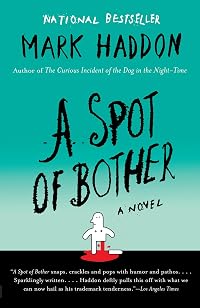
A Spot of Bother
by Mark Haddon
On This Page
Description
George Hall is an unobtrusive man. A little distant, perhaps, a little cautious, not quite at ease with the emotional demands of fatherhood or of manly bonhomie. The secret of contentment, George felt, lay in ignoring many things completely. Some things in life can't be ignored, however: his tempestuous daughter Katie's deeply inappropriate boyfriend Ray, for instance, or the sudden appearance of a red circular rash on his hip. At 57, George is settling down to a comfortable retirement, show more building a shed in his garden and enjoying the freedom to be alone when he wants. But then he runs into a spot of bother. That red circular rash on his hip: George convinces himself it's skin cancer. And the deeply inappropriate Ray? Katie announces he will become her second husband. The planning for these frowned-upon nuptials proves a great inconvenience to George's wife, Jean, who is carrying on a late-life affair with her husband's ex-colleague. The Halls do not approve of Ray, for vague reasons summed up by their son Jamie's observation that Ray has strangler's hands. Jamie himself has his own problems -- his tidy and pleasant life comes apart when he fails to invite his lover, Tony, to Katie's wedding. And Katie, a woman whose ferocious temper once led to the maiming of a carjacker, can't decide if she loves Ray, or loves the wonderful way he has with her son Jacob. Unnoticed in the uproar, George quietly begins to go mad. The way these damaged people fall apart -- and come together -- as a family is the true subject of Haddon's hilarious and disturbing portrait of a dignified man trying to go insane politely. A Spot of Bother is Mark Haddon's unforgettable follow-up to theinternationally beloved bestseller The Curious Incident of the Dog in the Night-time. Once again, Haddon proves a master of a story at once hilarious, poignant, dark, and profoundly human. Here the madness -- literally -- of family life proves rich comic fodder for Haddon's crackling prose and bittersweet insights into misdirected love. show lessTags
Recommendations

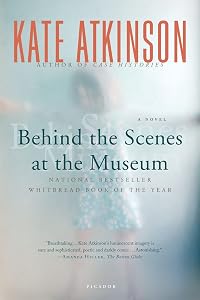
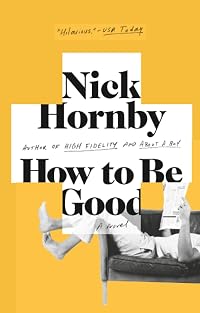
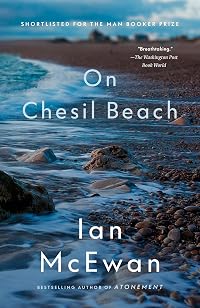
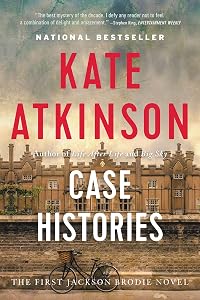
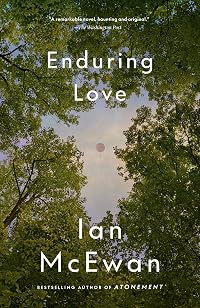
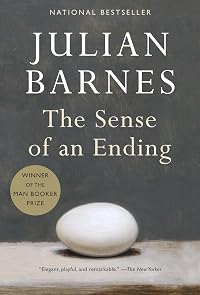
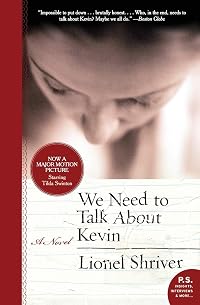
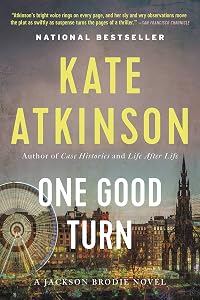



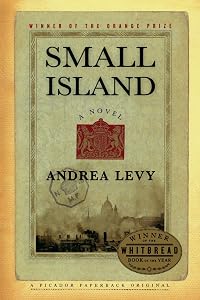
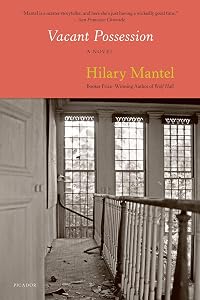
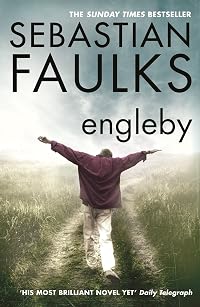
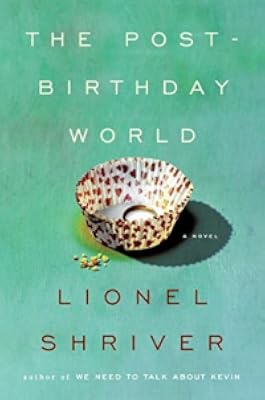
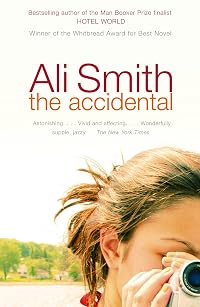
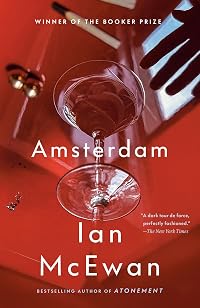
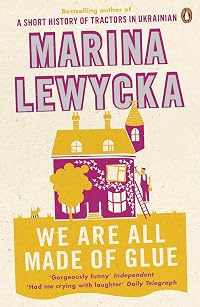
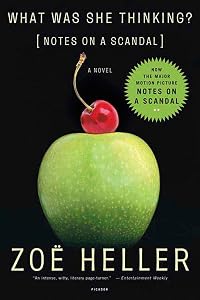


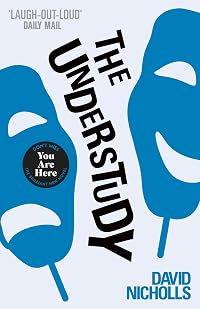
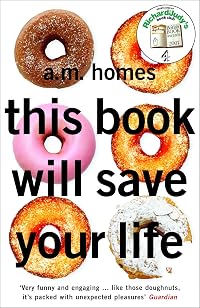
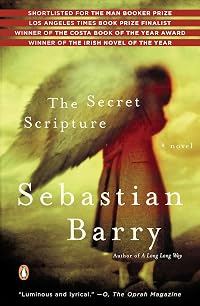
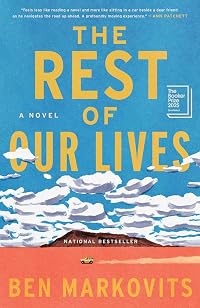


Member Recommendations
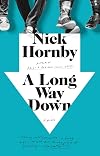
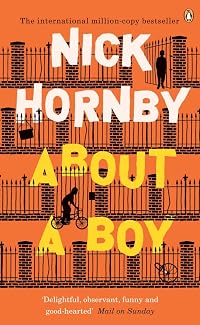
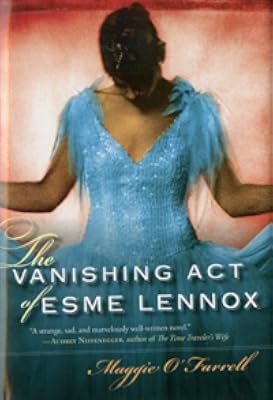
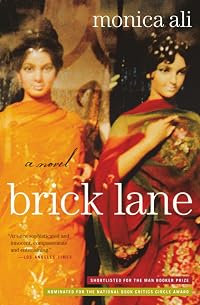
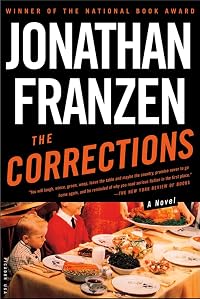
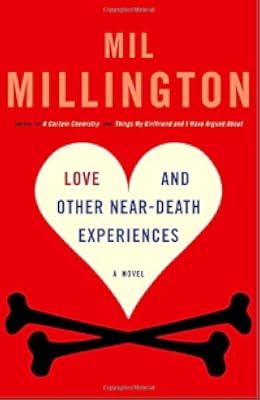
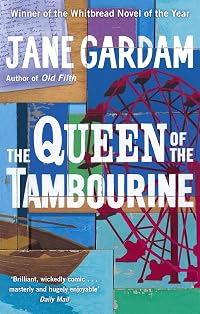
SimoneA The writing style of Mark Haddon in this book reminds me very much of Nick Hornby.
Also recommended by sturlington
20
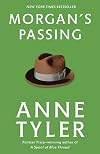
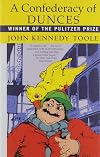
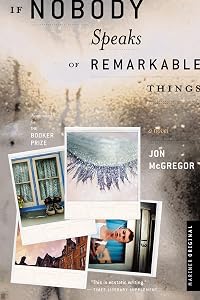
ehines Both fine comic writers with the ability to make us sympathize with the most ridiculous characters without at all reducing the ridiculous quotient.
10

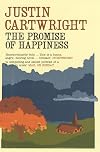
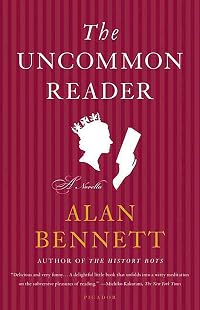
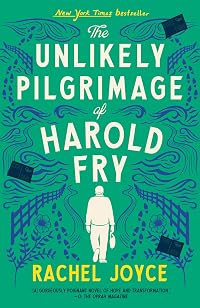
SimoneA Both books tell the story of a middle aged man who has to get to terms with himself and his situation in a dry and funny way.
sturlington Midlife crises, hypochondria
Member Reviews
"A Spot Of Bother" is a humane, humorous look a man slowly unravelling in retirement and the reaction of his family to his slide into mental illness. It gets us inside the heads of an older couple and their adult children, showing, with a mix of wit, acute social observation and admirable empathy, how they try to cope with lives that are not the ones that they expected to live but are the only ones they have.
As the title suggests, this is a very polite, very English view of dealing with personal crises by trying to pretend that they're not happening, or, if they are, then convincing yourself that they can be fixed by carrying on as normal for as long as possible.
George Hall has always been a quiet, responsible man. Now he is slowly, show more quietly, and with as little inconvenience to others as he can manage, being overwhelmed by mental illness. He suffers from constant anxiety and panic attacks that bring him to his knees. He has convinced himself that what his doctor diagnoses as eczema is really a fatal form of cancer.
He is aware that this is probably not a rational conclusion but it's not a belief he can free himself from. Nor can he share that belief with others, especially with the way things are with his family. So he continues alone until he does something that no one can ignore. Although this sounds like a source of humour and is handled lightly at times, the thing that came through most strongly to me was how George's illness isolated him, leaving him deeply afraid, quietly desperate and totally unable to ask for help. This felt very real to me.
Jean, George's wife of many years is portrayed honestly and non-judgementally. Given her frustration at having George under her feet all the time after decades of having to live her life mostly in his absence and her affair with an ex-colleague of George's, she could have been a stock comedy figure. Instead, we see the world through her eyes understand that her life and her loves aren't that simple.
George and Jean are put under stress by their children who are going through dramas of their own and who both seem to be attracted to men who are not from either the class of the culture that their parents would have chosen.
Their divorced with one child daughter, Katie, announces her intention to marry the not-quiet-smart-enough-or-well-read-enough Ray. He's very nice of course and so good with Katie's son. He's solid, dependable chap, but is he really someone their daughter should marry?
Their gay but only recently come out of the closet son, Jamie has a relationship with a very working-class young man that the family has never met. The upcoming wedding stresses Jamie's relationship and makes him question the comfortable but perhaps overly-safe life he's built for himself.
What I enjoyed most about this book was the skilled storytelling. The chapters are short. Each one immerses the reader in the mind of a member of the family. The plot is carefully crafted to get the most humour and tension from the interlocking characters while the voices of the characters keep the story real, reflecting the ambiguities and confusions and complex emotions of people who are dealing with what life is dishing out to them.
I recommend listening to the audiobook version of "A Spot Of Bother". It's narrated with skill and precision by Alex Jennings. show less
As the title suggests, this is a very polite, very English view of dealing with personal crises by trying to pretend that they're not happening, or, if they are, then convincing yourself that they can be fixed by carrying on as normal for as long as possible.
George Hall has always been a quiet, responsible man. Now he is slowly, show more quietly, and with as little inconvenience to others as he can manage, being overwhelmed by mental illness. He suffers from constant anxiety and panic attacks that bring him to his knees. He has convinced himself that what his doctor diagnoses as eczema is really a fatal form of cancer.
He is aware that this is probably not a rational conclusion but it's not a belief he can free himself from. Nor can he share that belief with others, especially with the way things are with his family. So he continues alone until he does something that no one can ignore. Although this sounds like a source of humour and is handled lightly at times, the thing that came through most strongly to me was how George's illness isolated him, leaving him deeply afraid, quietly desperate and totally unable to ask for help. This felt very real to me.
Jean, George's wife of many years is portrayed honestly and non-judgementally. Given her frustration at having George under her feet all the time after decades of having to live her life mostly in his absence and her affair with an ex-colleague of George's, she could have been a stock comedy figure. Instead, we see the world through her eyes understand that her life and her loves aren't that simple.
George and Jean are put under stress by their children who are going through dramas of their own and who both seem to be attracted to men who are not from either the class of the culture that their parents would have chosen.
Their divorced with one child daughter, Katie, announces her intention to marry the not-quiet-smart-enough-or-well-read-enough Ray. He's very nice of course and so good with Katie's son. He's solid, dependable chap, but is he really someone their daughter should marry?
Their gay but only recently come out of the closet son, Jamie has a relationship with a very working-class young man that the family has never met. The upcoming wedding stresses Jamie's relationship and makes him question the comfortable but perhaps overly-safe life he's built for himself.
What I enjoyed most about this book was the skilled storytelling. The chapters are short. Each one immerses the reader in the mind of a member of the family. The plot is carefully crafted to get the most humour and tension from the interlocking characters while the voices of the characters keep the story real, reflecting the ambiguities and confusions and complex emotions of people who are dealing with what life is dishing out to them.
I recommend listening to the audiobook version of "A Spot Of Bother". It's narrated with skill and precision by Alex Jennings. show less
My opinion of Haddon from The Curious Incident... is pretty much intact: ho-hum. Bother is a quick read for 375 pages, there's quite a few chuckles and even one or two pretty poignant things about love and aging (though it hammers the fear-of-your-body-decaying theme into the ground without ever coming close to the poignancy of, say, Philip Roth's Everyman). Problem is it's just so incredibly predictable. Once we've gotten to know the characters (hypochondriac father, philandering mother, gay son and his lover, brash daughter and her fiancé whom everyone assumes is an asshole even though he never actually gives anyone any reason to think so) they just plod on like that, whining and being dysfunctional-lite for 300 pages until the end, show more which turns out exactly as you'd have guessed 30 pages in. A better writer might have made those 300 pages between setup and resolution fascinating in themselves, but here it's mostly the distance we have to travel to get to the end - ironic for a novel about not letting fear of the ending stop you from enjoying life. show less
Although I guess I can see why certain fans don't like this one as much as Haddon's first book, I liked it just as well. It has the same flavor as the first, but with multiple main characters instead of just one. (I did not find them to be too many, as others are saying.)
Mark Haddon still does a fantastic job of showing rather than telling in terms of his characters--he really has a wonderful way of letting the reader get inside the characters' heads. I think that was part of what made his first novel great, and he has held onto that in this one.
Haddon writes well and is able to portray his characters both in angst and in happiness, which adds to the plot since one finds themselves identifying with the feelings of love, confusion, and show more upset. It is also an interesting perspective of how parents try to relate and understand their grown children and their decisions.
What made this one almost better than Curious Incident was the abundance of poignant moments. This book does not lack for meaningful segments but also doesn't overdo it. I sat and thought about certain passages sometimes --they really made me think.
I highly recommend this book to those who liked the first book for more than just its focus on a kid with a developmental disorder. He was very interesting, but I liked this family much more. They were more real, and quite a bit dysfunctional as any other family, only they had much more class, being English and all.
The only parts of the book I had a hard time with, were (1) that the panic attacks were difficult to deal with, if you've ever had one. (2) The "scissors" scene made me cringe, and race through -- I cannot understand anyone being that sick, they could do this to themselves. But then again, I am a big baby when it comes to pain, having had so much of it already. (3) I had a hard time with the ending, what with the (very English??) "let's get over with this, and on with things" attitude the main character seemed to suddenly BE ABLE to develope.. if you have EVER been depressed, this does not happen quite so quickly, or so easily. I don't care if you're English, and have that "stiff upper lip" mentality. That man needed LOTS more therapy, and anti-depressants. (And maybe this is why so many people are having a hard time with this book. Who among us is really all that comfortable with mental illness....??)
My favorite passage, of which there were many:
"What was Jamie going to say? It seemed so obvious what he felt. But when he tried to put it into words it sounded so clumsy and unconvincing and sentimental. If only you could lift a lid on the top of your head and say, 'Look.'" (243) show less
Mark Haddon still does a fantastic job of showing rather than telling in terms of his characters--he really has a wonderful way of letting the reader get inside the characters' heads. I think that was part of what made his first novel great, and he has held onto that in this one.
Haddon writes well and is able to portray his characters both in angst and in happiness, which adds to the plot since one finds themselves identifying with the feelings of love, confusion, and show more upset. It is also an interesting perspective of how parents try to relate and understand their grown children and their decisions.
What made this one almost better than Curious Incident was the abundance of poignant moments. This book does not lack for meaningful segments but also doesn't overdo it. I sat and thought about certain passages sometimes --they really made me think.
I highly recommend this book to those who liked the first book for more than just its focus on a kid with a developmental disorder. He was very interesting, but I liked this family much more. They were more real, and quite a bit dysfunctional as any other family, only they had much more class, being English and all.
The only parts of the book I had a hard time with, were (1) that the panic attacks were difficult to deal with, if you've ever had one. (2) The "scissors" scene made me cringe, and race through -- I cannot understand anyone being that sick, they could do this to themselves. But then again, I am a big baby when it comes to pain, having had so much of it already. (3) I had a hard time with the ending, what with the (very English??) "let's get over with this, and on with things" attitude the main character seemed to suddenly BE ABLE to develope.. if you have EVER been depressed, this does not happen quite so quickly, or so easily. I don't care if you're English, and have that "stiff upper lip" mentality. That man needed LOTS more therapy, and anti-depressants. (And maybe this is why so many people are having a hard time with this book. Who among us is really all that comfortable with mental illness....??)
My favorite passage, of which there were many:
"What was Jamie going to say? It seemed so obvious what he felt. But when he tried to put it into words it sounded so clumsy and unconvincing and sentimental. If only you could lift a lid on the top of your head and say, 'Look.'" (243) show less
WARNING: This review contains spoilers.
****
This book could have been a mess in the hands of a less careful writer. There are so many stories going on and it would be a real chore to sort them all out and make them interact properly, but Mark Haddon manages to juggle them all without giving any of them short shrift.
The main plotline is about George, the father in this family, who believes he is going mad and that the lesion on his hip is cancer, which is slowly killing him. Meanwhile, his wife, Jean, is having an affair with one of his former work colleagues, his daughter, Katie, is marrying again (and not entirely sure of her reasons for marrying Ray), and his son, Jamie, is worrying about whether he should invite his boyfriend, Tony, show more to the wedding. Mishaps and setbacks occur, and everyone has a bit of a nutty episode, but things patch themselves up as they often do in dysfunctional families.
I was worried with this book that it would just feature a family riddled with dysfunction just for the sake of being dysfunctional, but the characters could all have these kinds of problems. Maybe not more than one or two per family, but these problems are certainly within the realm of possibility. The writing was also observant and very poignant in parts; for example, the scene where George is watching a documentary about a man dying of cancer. The thoughts he has on death are rather frightening because they're things you think about but don't usually want to think about lest they prey incessantly on your mind.
Mark Haddon also finds time to poke fun at a book I presume he read and found boring (Consciousness Explained, by Daniel Dennett) and perfectly encapsulate (some of) my thoughts on children:
"George had always felt uncomfortable around small children. He knew they were not very clever. That was the point. That was why they went to school. But they could sense fear."
Actually, Mark Haddon did a good job of portraying family life overall. He managed to capture the joy of small moments and how utterly annoying our relatives can be at times. It was an unsentimental but not an unfeeling perspective, and I enjoyed it very much. If you liked his previous novel, check out this one. show less
****
This book could have been a mess in the hands of a less careful writer. There are so many stories going on and it would be a real chore to sort them all out and make them interact properly, but Mark Haddon manages to juggle them all without giving any of them short shrift.
The main plotline is about George, the father in this family, who believes he is going mad and that the lesion on his hip is cancer, which is slowly killing him. Meanwhile, his wife, Jean, is having an affair with one of his former work colleagues, his daughter, Katie, is marrying again (and not entirely sure of her reasons for marrying Ray), and his son, Jamie, is worrying about whether he should invite his boyfriend, Tony, show more to the wedding. Mishaps and setbacks occur, and everyone has a bit of a nutty episode, but things patch themselves up as they often do in dysfunctional families.
I was worried with this book that it would just feature a family riddled with dysfunction just for the sake of being dysfunctional, but the characters could all have these kinds of problems. Maybe not more than one or two per family, but these problems are certainly within the realm of possibility. The writing was also observant and very poignant in parts; for example, the scene where George is watching a documentary about a man dying of cancer. The thoughts he has on death are rather frightening because they're things you think about but don't usually want to think about lest they prey incessantly on your mind.
Mark Haddon also finds time to poke fun at a book I presume he read and found boring (Consciousness Explained, by Daniel Dennett) and perfectly encapsulate (some of) my thoughts on children:
"George had always felt uncomfortable around small children. He knew they were not very clever. That was the point. That was why they went to school. But they could sense fear."
Actually, Mark Haddon did a good job of portraying family life overall. He managed to capture the joy of small moments and how utterly annoying our relatives can be at times. It was an unsentimental but not an unfeeling perspective, and I enjoyed it very much. If you liked his previous novel, check out this one. show less
From the author of The Incident with the Dog in the Nighttime, this quietly rollicking (so English!) novel is well worth its occasional longeurs-- like your family is. It presses its readers performatively to just be a little more patient, a little more open-eyed, a little less judgmental, a little more inventive-- and even the spot of bother that is paranoid depression with big sharp teeth, dysfunctional family dynamics given wings by class consciousness, and the daily sorrow that nibbles the soul can be transformed. Not made to go away, but transformed. Humor helps. A lot. You'll like this, I think. It revolves around a wedding. I want to be Ray.
I think Mark Haddon may be becoming one of my favorite authors. I read TCIOTDITNT a couple of years ago and just loved it. Shortly thereafter, I found a copy of A Spot of Bother at a library sale and picked it up, and regret to say that it has taken it this long for me to take if off my bookshelf to read it, but that's to the TIOLI Challenge, I finally worked my way around to it. And loved it. And can't wait to read more Mark Haddon.
Haddon's way of taking something that would probably be either ignored or looked upon uneasily because it should be a subject best left alone is amazing (in TCIOTDITNT, it is Christopher and his Asperger syndrome, in ASOB, it's George and his insanity). What's more amazing to me is how he can create a story show more that is both unsettling-ly funny and deceptively touching out of something that by all rights should be uncomfortable. To me, this speaks volumes about his ability as an author.
George's slow yet steady fall into madness is the base ingredient for the story, but it's the cast of characters and situations that surround George that really add the spice to the story. His wife, Jean, who is having an affair with his ex-coworker David. His daughter Katie, and her on-again-off-again fiancé Ray and her son from her first marriage, Jacob. His son Jaimie, and his boyfriend, Tony. All these characters come and go through the pages of George's story, all trying to deal with their own lives and issues while all are slowly piecing together the possibility that George may in fact be losing his mind.
It's a darkly comic story that I couldn't put down. Haddon seems to have a way with this stories like this, because the same thing happened with TCIOTDITNT; once I let the story pick me up, it wasn't going to let me go until I'd finished the book. Recommended, especially if you enjoyed TCIOTDITNT. show less
Haddon's way of taking something that would probably be either ignored or looked upon uneasily because it should be a subject best left alone is amazing (in TCIOTDITNT, it is Christopher and his Asperger syndrome, in ASOB, it's George and his insanity). What's more amazing to me is how he can create a story show more that is both unsettling-ly funny and deceptively touching out of something that by all rights should be uncomfortable. To me, this speaks volumes about his ability as an author.
George's slow yet steady fall into madness is the base ingredient for the story, but it's the cast of characters and situations that surround George that really add the spice to the story. His wife, Jean, who is having an affair with his ex-coworker David. His daughter Katie, and her on-again-off-again fiancé Ray and her son from her first marriage, Jacob. His son Jaimie, and his boyfriend, Tony. All these characters come and go through the pages of George's story, all trying to deal with their own lives and issues while all are slowly piecing together the possibility that George may in fact be losing his mind.
It's a darkly comic story that I couldn't put down. Haddon seems to have a way with this stories like this, because the same thing happened with TCIOTDITNT; once I let the story pick me up, it wasn't going to let me go until I'd finished the book. Recommended, especially if you enjoyed TCIOTDITNT. show less
This was a long book, but in a lot of ways quite short: short chapters, very short paragraphs, short snappy wit. And it’s an easy read – fairly whizzes by in a whirl of choc ices, nursery rhymes, Valium and sex.
About halfway through I did get a bit confused as the plot became convoluted and at one point someone got punched in the face and despite rapid re-reading of earlier sections I could not fully understand why. Around about chapter 56 I began to wonder how many times Jamie needed to state that he had ‘f***ed up’ before we were deemed to have got the message, and some of the touchy-feely stuff got dangerously toe-curling. It reminded me of a cake that comes out of the oven to all intents and purposes perfectly risen, it’s show more only when you slice it and the middle is a bit gooey that you think, actually it’s not perfect after all.
It’s an enjoyable read overall though, and it keeps the laughs coming thick and fast. Only when the mental breakdown storyline cranks up does it start feeling slightly darker (and inappropriate to be laughing). There is serious stuff amongst the wit, but it is the wit that I will remember. show less
About halfway through I did get a bit confused as the plot became convoluted and at one point someone got punched in the face and despite rapid re-reading of earlier sections I could not fully understand why. Around about chapter 56 I began to wonder how many times Jamie needed to state that he had ‘f***ed up’ before we were deemed to have got the message, and some of the touchy-feely stuff got dangerously toe-curling. It reminded me of a cake that comes out of the oven to all intents and purposes perfectly risen, it’s show more only when you slice it and the middle is a bit gooey that you think, actually it’s not perfect after all.
It’s an enjoyable read overall though, and it keeps the laughs coming thick and fast. Only when the mental breakdown storyline cranks up does it start feeling slightly darker (and inappropriate to be laughing). There is serious stuff amongst the wit, but it is the wit that I will remember. show less
Members
- Recently Added By
Published Reviews
ThingScore 75
“A Spot of Bother” isn’t nearly as audacious, and in other hands and other media, its plot elements wouldn’t amount to much, maybe a weepy nighttime soap or a lesser Steve Martin comedy.
But Haddon is too gifted and too ambitious to write a hacky second novel. In fact, he’s so wondrously articulate, so rigorous in thinking through his characters’ mind-sets, that “A Spot of show more Bother” serves as a fine example of why novels exist. Really, does any other art form do nuance so well, or the telling detail or the internal monologue? show less
But Haddon is too gifted and too ambitious to write a hacky second novel. In fact, he’s so wondrously articulate, so rigorous in thinking through his characters’ mind-sets, that “A Spot of show more Bother” serves as a fine example of why novels exist. Really, does any other art form do nuance so well, or the telling detail or the internal monologue? show less
added by sneuper
Just as he flawlessly mastered the voice of a boy with Asperger's in The Curious Incident, here Haddon has filled 390 pages with sharp and witty observations about family and daily life.
This a superb novel, and I was shocked when it didn't made the Man Booker longlist. There may be a perfectly obvious, simple reason for its omission. After reading it though, I can't think of an explanation show more that's good enough. show less
This a superb novel, and I was shocked when it didn't made the Man Booker longlist. There may be a perfectly obvious, simple reason for its omission. After reading it though, I can't think of an explanation show more that's good enough. show less
added by sneuper
And that's what's so surprising about A Spot of Bother: how unsurprising it is. It's never less than pleasurable to read and there are good jokes and funny situations; it's just that it never tries to be much more than good jokes or funny situations.
It's not that this is a bad book - it isn't. It's amusing and brisk and charming. But readers could be forgiven for wanting - and expecting - more.
It's not that this is a bad book - it isn't. It's amusing and brisk and charming. But readers could be forgiven for wanting - and expecting - more.
added by sneuper
Lists

Fiction Featuring Cranky, Eccentric Old Folks
80 works; 35 members

Mental health fiction
55 works; 18 members

Recommend the 20 best books you've read in the last five years
2,168 works; 607 members

Best Family Stories
241 works; 22 members

Best 21st Century Books (So Far)
679 works; 86 members

Fiction For Men
142 works; 11 members

Love Triangles in Literature
108 works; 15 members

Dysfunctional Families
133 works; 7 members

Books Read in 2009
464 works; 11 members

Books Read in 2015
3,299 works; 129 members

Books About Older People
50 works; 11 members

Llibres que he llegit el 2007
24 works; 1 member

Literature About Adultery
69 works; 10 members

Biggest Disappointments
606 works; 168 members

Literature About Mental Illness
37 works; 5 members

Books You Couldn't Finish
202 works; 32 members
Author Information

42+ Works 57,830 Members
Author and screenwriter Mark Haddon was born in Northampton, U.K. in 1962. He received a B.A. in English from Merton College and a MSc in English Literature from Edinburgh University. Since 1996, he has worked on numerous television projects. He has won two BAFTAs and The Royal Television Society Best Children's Drama for Microsoap, which he show more created and wrote 12 out of 25 episodes. He also wrote the screenplay for the BBC television adaption of Fungus the Bogeyman. He has written fifteen children's books including the Agent Z series. In 1994, he was shortlisted for the Smarties Prize for The Real Porky Philips. He won the 2003 Whitbread Book of the Year Award for his novel The Curious Incident of the Dog in the Night-time, which provides a realistic insight into what it is like to have autism. He currently lives in Oxford with his family. He was runner-up for the BBC National Short Story Award with his title 'Bunny'. (Bowker Author Biography) show less
Some Editions
Awards and Honors
Awards
Distinctions
Common Knowledge
- Canonical title*
- Una cosa da nulla
- Original title
- A Spot of Bother
- Original publication date
- 2006
- People/Characters
- George Hall; Jean Hall; Katie Hall; Jamie Hall; Ray Phillips; Jacob (show all 7); David Simmons
- Important places
- Peterborough, Cambridgeshire, England, UK; England, UK
- Dedication
- To My Continuity Girl
- First words
- It began when George was trying on a black suit in Allders the week before Bob Green's funeral.
- Quotations
- 1. The human mind was not designed for sunbathing and light novels. Not on consecutive days at any rate. The human mind was designed for doing stuff, making spears, hunting antelope...
2. ...moths like flying hamste... (show all)rs...
3. ...graffiti only counted if it was spelt correctly
4. What they failed to teach you at school was that the whole business of being human just got messier and more complicated as you get older. - Last words
- (Click to show. Warning: May contain spoilers.)He turned the page and stood up to find a corkscrew.
*Some information comes from Common Knowledge in other languages. Click "Edit" for more information.
Classifications
Statistics
- Members
- 6,062
- Popularity
- 2,102
- Reviews
- 192
- Rating
- (3.53)
- Languages
- 18 — Catalan, Chinese, Czech, Danish, Dutch, English, Finnish, French, German, Greek, Hungarian, Italian, Norwegian (Bokmål), Polish, Slovenian, Spanish, Swedish, Portuguese (Portugal)
- Media
- Paper, Audiobook, Ebook
- ISBNs
- 67
- ASINs
- 16