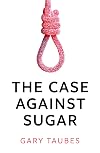
The Case Against Sugar
by Gary Taubes
On This Page
Description
"From the best-selling author of Why We Get Fat, a groundbreaking, eye-opening expose that makes the convincing case that sugar is the tobacco of the new millennium: backed by powerful lobbies, entrenched in our lives, and making us very sick. Among Americans, diabetes is more prevalent today than ever; obesity is at epidemic proportions; nearly 10% of children are thought to have nonalcoholic fatty liver disease. And sugar is at the root of these, and other, critical society-wide, show more health-related problems. With his signature command of both science and straight talk, Gary Taubes delves into Americans' history with sugar: its uses as a preservative, as an additive in cigarettes, the contemporary overuse of high-fructose corn syrup. He explains what research has shown about our addiction to sweets. He clarifies the arguments against sugar, corrects misconceptions about the relationship between sugar and weight loss; and provides the perspective necessary to make informed decisions about sugar as individuals and as a society"-- show lessTags
Recommendations
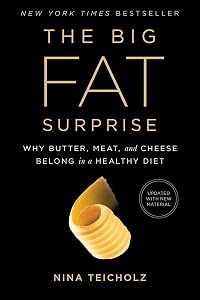
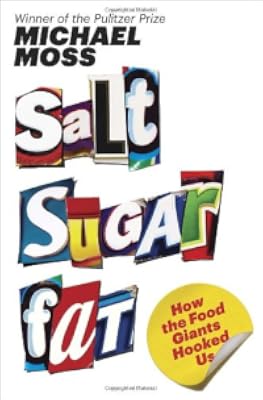
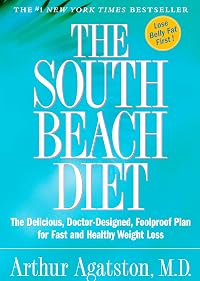
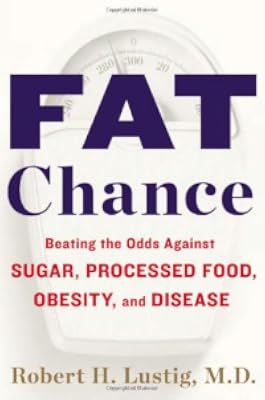









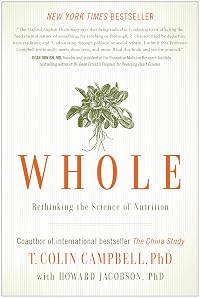

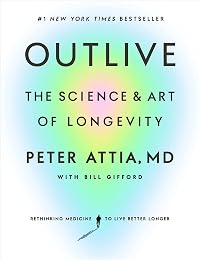
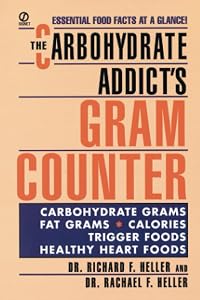
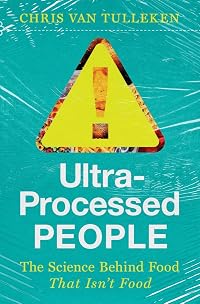
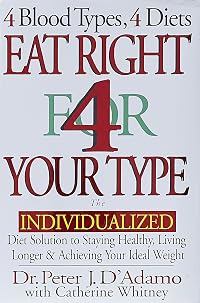

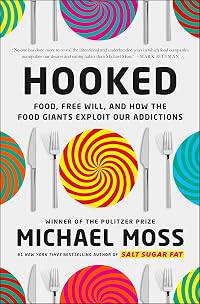
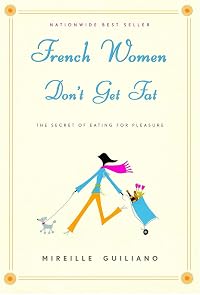
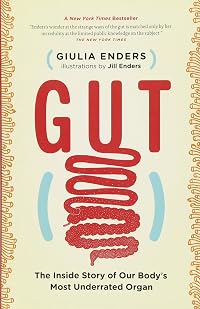

Member Recommendations
by anonymous user

supersidvicious Gary Taubes explains clearly why you should stop eating sugar now, whilst Penny Le Couteur tells in detail (shape of molecule included being a chemist) history of sugar with other 15 interesting molecules.
Member Reviews
A frankly terrifying study of the true causes of all "Western Diseases". Mr. Taubes makes the unpopular yet persuasive argument that sugar might very well be the primary cause of obesity, diabetes, heart disease, gout, Alzheimer's and cancer. He makes the analogy that sugar is to these diseases as cigarettes are to smoking.
We all know sugar is bad for us, but the question is: How much is too much?
We all know sugar is bad for us, but the question is: How much is too much?
Spoiler alert: sugar is bad for you!
For real though. This book is SO bleak. Taubes thinks sugar is the root of all “Western” diseases like diabetes, cancer, Alzheimer’s, etc. and there is pretty much nothing we can do about it because of the way our bodies metabolize sugars and how those mechanisms affect fetuses in the womb, which become more predisposed to these diseases. So it’s basically an endless, unbreakable cycle.
The most frustrating, though understandable, part of this book is that there is no definitive answer to the question “how much is too much?” His point is that we can’t really know how much sugar is too much because there’s no way to reliably find the answer to that question. But I’m so frustrated!! show more Give me some guidance, sir, because I just sat through this horribly bleak 400 page book about how our bodies are going to shit, so I’m gonna need something to make me feel better about the fact that every time I put sugar in my coffee I’m gonna feel guilty. ugh!! show less
For real though. This book is SO bleak. Taubes thinks sugar is the root of all “Western” diseases like diabetes, cancer, Alzheimer’s, etc. and there is pretty much nothing we can do about it because of the way our bodies metabolize sugars and how those mechanisms affect fetuses in the womb, which become more predisposed to these diseases. So it’s basically an endless, unbreakable cycle.
The most frustrating, though understandable, part of this book is that there is no definitive answer to the question “how much is too much?” His point is that we can’t really know how much sugar is too much because there’s no way to reliably find the answer to that question. But I’m so frustrated!! show more Give me some guidance, sir, because I just sat through this horribly bleak 400 page book about how our bodies are going to shit, so I’m gonna need something to make me feel better about the fact that every time I put sugar in my coffee I’m gonna feel guilty. ugh!! show less
Well written, however not really scientifically sound. When Taubes claims that perhaps a calorie might just not be a calorie to some people based on their sensitivities/metabolic syndrome/diabetes/etc -- it's just not true. A calorie is a calorie. Just like a pound is a pound, or 1 mL of water is 1 mL of water. It's physics.
Seems like just another book trying to sell the reader on "this is the problem," when the problem with obesity and all of the diseases that come with it, or as Taubes describes as diseases of modernization, is simply overconsumption. There is no ONE magic bullet, unfortunately.
So as interesting as it was to read from the historical perspectives on sugar (for me as a historian), as my M.D. wife would say "saying a show more calorie isn't a calorie is just bad science." Taubes' thesis falls short here -- a theory that just can't hold its weight in ....well....sugar. show less
Seems like just another book trying to sell the reader on "this is the problem," when the problem with obesity and all of the diseases that come with it, or as Taubes describes as diseases of modernization, is simply overconsumption. There is no ONE magic bullet, unfortunately.
So as interesting as it was to read from the historical perspectives on sugar (for me as a historian), as my M.D. wife would say "saying a show more calorie isn't a calorie is just bad science." Taubes' thesis falls short here -- a theory that just can't hold its weight in ....well....sugar. show less
This, the third of Gary Taubes' books I have read, makes me question yet again the quality of advice I have been getting on my health for most of my life. That I am overweight cannot be doubted. That I am borderline diabetic also, and now I can monitor it myself by going online and viewing the results of my annual blood and urine tests. What to do about these is another matter altogether. I exercise, I abstain from surgery drinks, I usually abstain from alcohol, and I don't smoke. I have learned that extended periods sitting in front of the television and watching sporting events subjects my little brain to 10 or 12 commercials every eight minutes mostly about the joys of eating more and more and more. The obese do not get so just from show more eating too many fats any more than I can reduce water retention by lowering my salt intake. How ill we become from modern "Western" illnesses may have as much to do with our sugar intake and our proximity to industrial waste. Maybe even more so. So I will take Taubes advice -- just as I take Michael Pollan's advice -- with a grain of salt until more scientific evidence comes along: eat less, mostly vegetables and avoid the ice cream. show less
Well-written and meticulously researched, and I believe the subject is tremendously important.
However, I thought the choice of what "crimes" of sugar to report was a bit unbalanced.
The roles of sugar in slavery and in the fabrication of cigarettes, interesting as they are in themselves, are not very relevant to the question whether we should investigate sugar further (which I feel is the main point of this book), nor to the question whether we should eat less sugar right now (which is almost as important). And if Taubes had left out those chapters, he would have had the time to go deeper into the subject of insulin resistance, which stays a bit vague. That is, he does make it very clear what the effects of insulin resistance are, but show more not what insulin resistance itself is. I had to look it up in Good Calories, Bad Calories.
Nits picked. Well worth reading, but not as good as Good Calories, Bad Calories. show less
However, I thought the choice of what "crimes" of sugar to report was a bit unbalanced.
The roles of sugar in slavery and in the fabrication of cigarettes, interesting as they are in themselves, are not very relevant to the question whether we should investigate sugar further (which I feel is the main point of this book), nor to the question whether we should eat less sugar right now (which is almost as important). And if Taubes had left out those chapters, he would have had the time to go deeper into the subject of insulin resistance, which stays a bit vague. That is, he does make it very clear what the effects of insulin resistance are, but show more not what insulin resistance itself is. I had to look it up in Good Calories, Bad Calories.
Nits picked. Well worth reading, but not as good as Good Calories, Bad Calories. show less
I'm convinced. Sugar is a slow and unpredictable killer, but we can't help but love it.
I still to this day hear the legacy of the fat-is-bad/sugar-is-fine rationalization when I talk to people about dieting and health. The new one I get a lot is that this sugar I'm using is *natural* and not the fake high fructose stuff. Or the fake sweetener stuff.
I suspect more long-term studies will illuminate the need to reduce sugar in all things. Whether or not that affects a change in people's eating habits is another issue altogether. It's a ubiquitous happy drug, one that will likely be around for a long time.
I still to this day hear the legacy of the fat-is-bad/sugar-is-fine rationalization when I talk to people about dieting and health. The new one I get a lot is that this sugar I'm using is *natural* and not the fake high fructose stuff. Or the fake sweetener stuff.
I suspect more long-term studies will illuminate the need to reduce sugar in all things. Whether or not that affects a change in people's eating habits is another issue altogether. It's a ubiquitous happy drug, one that will likely be around for a long time.
A bitter disappointment, this. The author gives a very thorough and detailed history of the various scientific assessments of sugar as a contributor to diabetes. But that's about it, really. I was expecting more of an investigation into the sugar industry today, and what we can do to wean ourselves off of this terrible 'drug'.
The prevalence of sugar and HFCS in our diet is one of the great challenges of our time. This was a lost opportunity to turn the tide of science towards a solution. Gary Taube addresses the symptoms, but not the cure.
The prevalence of sugar and HFCS in our diet is one of the great challenges of our time. This was a lost opportunity to turn the tide of science towards a solution. Gary Taube addresses the symptoms, but not the cure.
Members
- Recently Added By
Lists

Food
133 works; 2 members

Review 2
36 works; 1 member

The Joe Rogan Experience Library
254 works; 3 members
Author Information

Some Editions
Awards and Honors
Awards
Distinctions
The Guardian Book of the Day (2017-01-02)
Work Relationships
Has as a study
Common Knowledge
- Canonical title*
- Contro lo zucchero. Processo al peggior nemico della salute (e della linea) (e della linea)
- Original title
- The Case Against Sugar
- Original publication date
- 2016
- Epigraph
- We are, beyond question, the greatest sugar-consumers in the world, and many of our diseases may be attributed to too free a use of sweet food.
The New York Times, May 22, 1857
I am not prepared to look back at my time here in this Parliament, doing this job, and say to my children's generation: I'm sorry, we knew there was a problem with sugary drinks, we knew it caused disease, but we ducked the d... (show all)ifficult decisions and we did nothing.
GEORGE OSBORNE, U.K. chancellor of the exchequer, announcing a tax on sugary beverages, March 16, 2016 - Dedication
- To Gaby, for keeping the family together
- First words
- AUTHOR'S NOTE
The purpose of this book is to present the case against sugar—both sucrose and high-fructose corn syrup—as the principal cause of the chronic diseases that are mostly likely to kill us, or at least ac... (show all)celerate our demise, in the twenty-first century. - Quotations
- If this were a criminal case, The Case Against Sugar would be the argument for the prosecution.
As far back as the sixth century B.C., Sushruta, a Hindu physician, had described the characteristic sweet urine of diabetes mellitus, and noted that it was most common in the overweight and the gluttonous. By the first centu... (show all)ry A.D., the disease may have already been known as "diabetes"—a Greek term meaning "siphon" or "flowing through"
Almost two million Americans were diagnosed with diabetes in 2012—one case every fifteen to sixteen seconds.
From the seventeenth through the nineteenth centuries, sugar was the equivalent, economically and politically, of oil in the twentieth. It was the stuff over which wars were fought, empires built, and fortunes made and lost.
The greatest advertising minds in the country would not only create animated characters to sell the cereals to children—Tony the Tiger, Mr. MaGoo, Huckleberry Hound and Yogi Bear, Sugar Bear and Linus the Lionhearted, the F... (show all)lintstones, Rocky and Bullwinkle—but give them entire Saturday-morning television shows dedicated to the task of doing so.
Only when the rising tide of blood sugar begins to ebb will insulin levels ebb as well, at which point the fat cells will release their stored fuel into the circulation (in the form of fatty acids); the cells muscles and orga... (show all)ns now burn this fat rather than glucose. Blood sugar is controlled within a healthy range, and fat flows in and out of fat cells as needed. The one biological factor necessary to get fat out of fat cells and have it used for fuel, as Yalow and Berson noted in 1965, is "the negative stimulus of insulin deficiency." These revelations on the various actions of insulin led Yalow and Berson to call it the most "lipogenic" hormone, meaning fat-forming. And this lipogenic signal has to be turned down, muted significantly, for the fat cells to release their stored fat and the body to use it for fuel.
Obesity has a genetic basis.
it was clear that what we now call type 2 diabetes is not a disease of insulin deficiency (as type 1 is)—at least not at first—but of insulin resistance.
Another possibility is that these elevated levels of insulin and the insulin resistance itself were caused by the carbohydrate content of our diets, and perhaps sugar in particular. Insulin is secreted in response to rising b... (show all)lood sugar, and rising blood sugar is a response to a carbohydrate-rich meal.
The glucose we consume—in starch or flour, or as half of a sugar molecule—will be used directly for fuel by muscle cells, the brain, and other tissues, and can be stored in muscles or the liver (as a compound called glyco... (show all)gen), but the fructose component of sugar has a much different fate. Most of it never makes it into the circulation; it is metabolized in the liver. The metabolic pathways through which glucose passes when it is being used for fuel—in both liver and muscle cells—involve a feedback mechanism to redirect it toward storage as glycogen when necessary. This is the case with fructose, too. But the metabolism of fructose in the liver is "unfettered by the cellular controls," as biochemists later put it, that work to prevent its conversion to fat. One result is the increased production of triglycerides, and thus the abnormally elevated triglyceride levels that were observed in many research subjects, though not all, when they ate sugar-rich diets.
one possibility is that it's the accumulation of fat in the liver that actually causes the insulin resistance that is at the heart of metabolic syndrome.
if your blood pressure is elevated, that's a sign that you're insulin-resistant and have metabolic syndrome; it also means you're likely to be overweight, or at least getting fatter and your triglycerides are elevated, you're... (show all) glucose-intolerant, and your HDL cholesterol is low. They all go hand in hand and are probably caused by the same thing. By Occam's Razor and Burkitt's logic, if sugar causes insulin resistance and elevates triglycerides and makes us fat, then it very likely causes hypertension, too—if not directly, then at least indirectly, through its effect on insulin resistance and weight. Sugar is the culprit.
Because there is significant reason to believe that sugars—sucrose and high-fructose corn syrup in particular, the nearly fifty-fifty combinations of glucose and fructose—are the dietary trigger of insulin resistan... (show all)ce and metabolic syndrome, it's quite likely they are a primary cause of all these Western diseases, including, as we'll discuss, cancer and Alzheimer's disease.
By the 1990s, Gerald Reaven at Stanford, among others, was reporting that insulin resistance and hyperinsulinemia raised uric acid levels, apparently by decreasing the excretion of uric acid by the kidney.
The higher their levels of circulating insulin, and that of a related hormone known as insulin-like growth factor, the greater the likelihood that they would get cancer.
these breast-cancer cells seemed to be "addicted to" insulin, and when weaned off it in the laboratory they responded by dying.
If the sugars we consume—sucrose and HFCS specifically—cause insulin resistance, then they are prime suspects for causing cancer as well, or at the very least promoting its growth.
They suggest that type 2 diabetics have from one and a half to two times the risk of Alzheimer's dementia of nondiabetics, suggesting in turn, as the Rotterdam investigators did in 1999, that "direct or indirect effects of in... (show all)sulin could contribute to the risk of dementia." - Last words
- (Click to show. Warning: May contain spoilers.)A similar experience is likely to be true of sugar—but until we try to live without it, until we try to sustain that effort for more than days, or just a few weeks, we'll never know.
*Some information comes from Common Knowledge in other languages. Click "Edit" for more information.
Classifications
- Genres
- Health & Wellness, Nonfiction, General Nonfiction, Science & Nature, Food & Cooking
- DDC/MDS
- 613.2 — Applied science & technology Medicine & health Personal health and Fitness Dietetics
- LCC
- RM237.85 .T38 — Medicine Therapeutics. Pharmacology Therapeutics. Pharmacology Diet therapy. Dietary cookbooks
- BISAC
Statistics
- Members
- 645
- Popularity
- 44,969
- Reviews
- 21
- Rating
- (3.94)
- Languages
- 7 — Chinese, English, Italian, Portuguese (Portugal), Spanish, Swedish, Turkish
- Media
- Paper, Audiobook, Ebook
- ISBNs
- 20
- ASINs
- 4