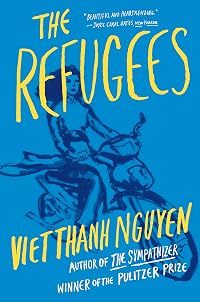
The Refugees
by Viet Thanh Nguyen
On This Page
Description
In The Refugees, Viet Thanh Nguyen gives voice to lives led between two worlds, the adopted homeland and the country of birth. From a young Vietnamese refugee who suffers profound culture shock when he comes to live with two gay men in San Francisco, to a woman whose husband is suffering from dementia and starts to confuse her for a former lover, to a girl living in Ho Chi Minh City whose older half sister comes back from America having seemingly accomplished everything she never will, the show more stories are a captivating testament to the dreams and hardships of immigration. show lessTags
Recommendations
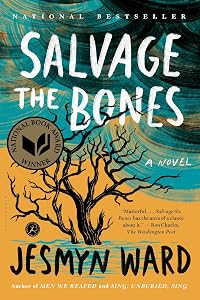
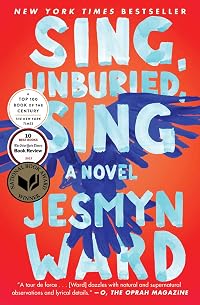
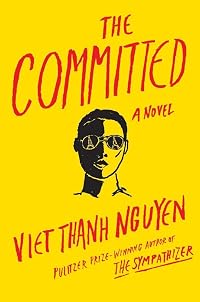
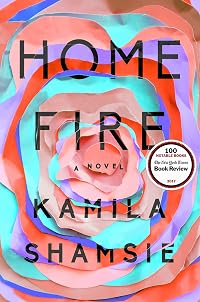
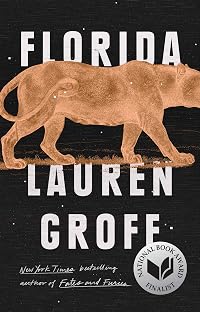
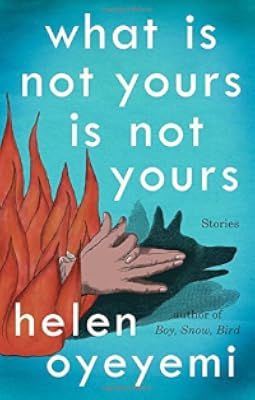
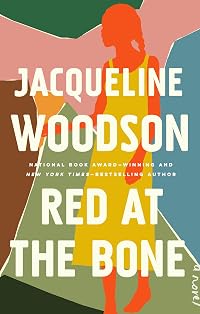
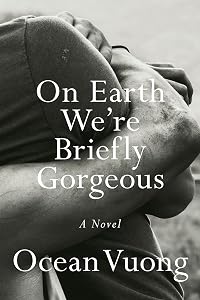
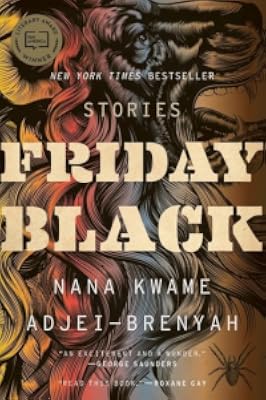
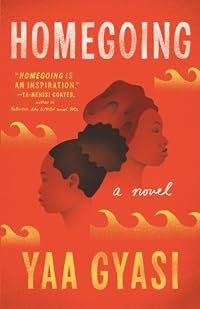

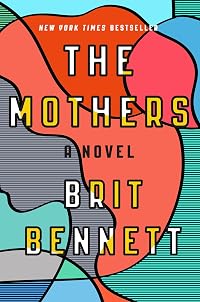
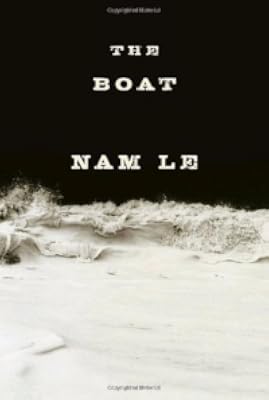
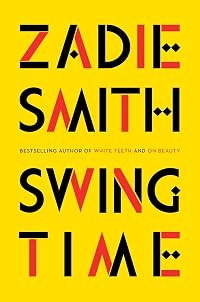
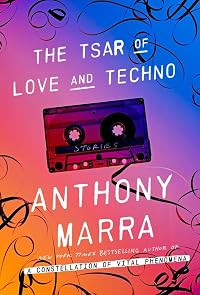

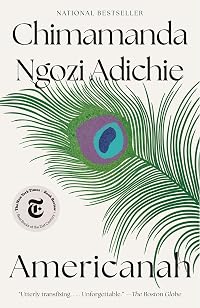
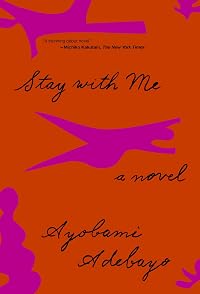
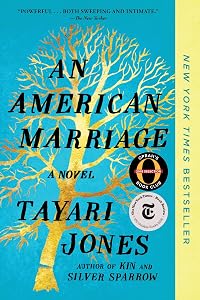
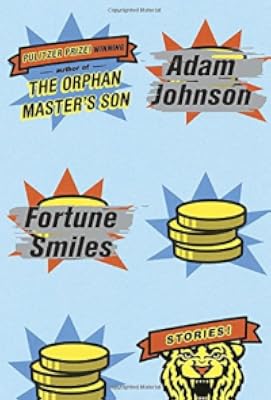
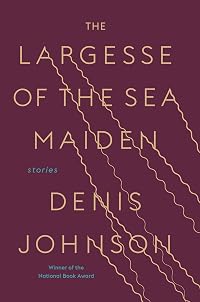
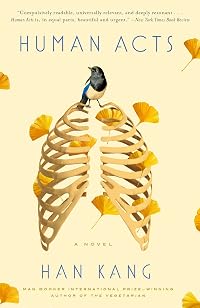
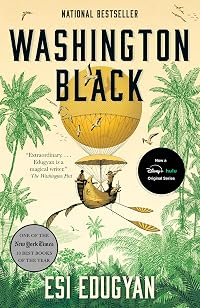
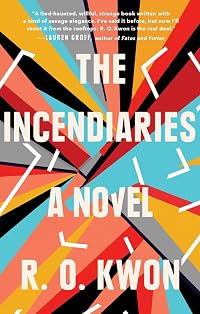
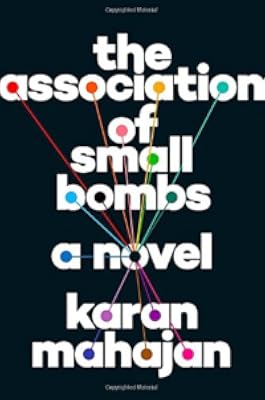
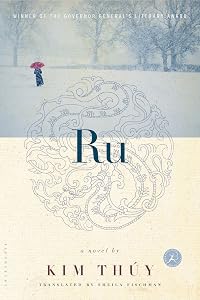
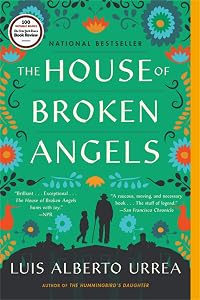
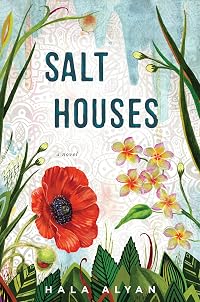
Member Recommendations

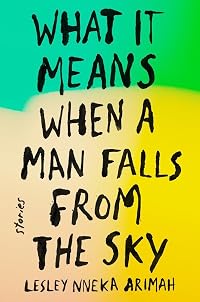
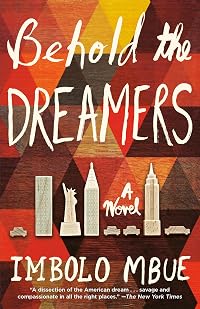
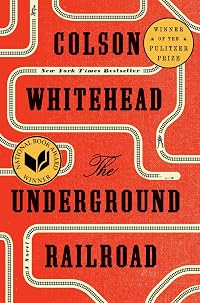
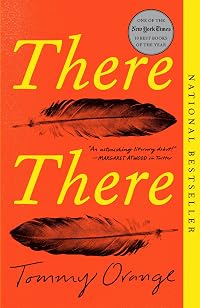
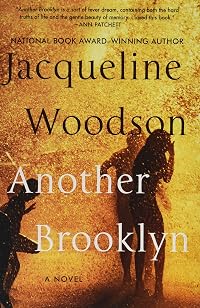
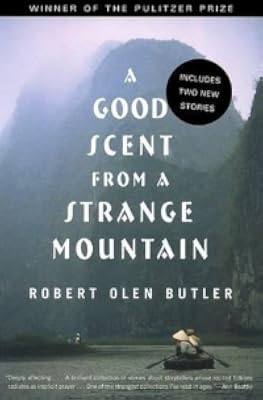
pbirch01 Both are collections of short stories largely focused on the immigrant experience for immigrants from a specific country.
Ayiti by Roxane Gay
Carissa.Green This recommendation comes with a warning: Both of these volumes of short-stories are about immigrants and the traumas they suffer in coming to and making do in the United States. Some of the events and subject matter could be "triggering." But both collections are literary and lyrical, and well worth it for those who venture in.
Member Reviews
I know that short story collections are usually a hard sell, but I'm going out on a limb and saying this one will. Viet Thanh Nguyen's THE REFUGEES is a sterling bunch of stories, eight of them, and not a bad one in the whole barrel. And I'm not surprised, because I've already read Nguyen's novel, THE SYMPATHIZER, which won the Pulitzer. Some of these stories were written ten or more years ago, but they already displayed the writing chops that were so evident in the prize-winning novel. And some of them, like "The War Years," with its widow sewing uniforms in a California barrio for a Vietnamese army that will rise again to defeat the Communists; or the former Vietnamese airborne officer who bullies and dominates his divorced son in show more "Someone Else Besides You," also show the early seeds that became THE SYMPATHIZER.
A favorite of mine is "The Americans," which gives us Carver, a black 69 year-old former B-52 pilot who once bombed North Vietnam, back in Vietnam decades later with his Japanese wife to visit their adult daughter who, Carver feels, will never understand how his life has been. In Carver, "now retired, limping out his sixties," Nguyen captures perfectly the helpless, sometimes bitter feeling of growing old, of accelerating months and years, of "time ruthlessly thinning out the once-dense herd of his memories." But Carver still can remember the wonder of his flying years, how -
"Almost everything looked more beautiful from a distance, the earth becoming ever more perfect as one ascended and came closer to seeing the world from God's eyes ... the peaks and valleys of geography fading to become strokes of a paintbrush on a divine sphere."
Nguyen also artfully conveys the uglier aspects of poverty too, as Carver travels through the Vietnamese countryside and observes -
"... tin-roofed shacks with dirt floors, a man pulling up the leg of his shorts to urinate on a wall... the air thick with blasts of soot from passing trucks, the rot of buffalo dung, the fermentation of the local cuisine that he found briny and nauseating."
This is wonderful writing. And Nguyen understands, I think, that writing itself is a kind of reaching for immortality, an idea he expresses perfectly in the closing lines of his opening story of refugee ghosts and ghost writers, "Black-eyed Women" -
"Stories are just things we fabricate, nothing more. We search for them in a world besides our own, then leave them here to be found, garments shed by ghosts."
These are hauntingly beautiful, wise stories, made to be read and remembered. My highest recommendation.
- Tim Bazzett, author of the memoir, BOOKLOVER show less
A favorite of mine is "The Americans," which gives us Carver, a black 69 year-old former B-52 pilot who once bombed North Vietnam, back in Vietnam decades later with his Japanese wife to visit their adult daughter who, Carver feels, will never understand how his life has been. In Carver, "now retired, limping out his sixties," Nguyen captures perfectly the helpless, sometimes bitter feeling of growing old, of accelerating months and years, of "time ruthlessly thinning out the once-dense herd of his memories." But Carver still can remember the wonder of his flying years, how -
"Almost everything looked more beautiful from a distance, the earth becoming ever more perfect as one ascended and came closer to seeing the world from God's eyes ... the peaks and valleys of geography fading to become strokes of a paintbrush on a divine sphere."
Nguyen also artfully conveys the uglier aspects of poverty too, as Carver travels through the Vietnamese countryside and observes -
"... tin-roofed shacks with dirt floors, a man pulling up the leg of his shorts to urinate on a wall... the air thick with blasts of soot from passing trucks, the rot of buffalo dung, the fermentation of the local cuisine that he found briny and nauseating."
This is wonderful writing. And Nguyen understands, I think, that writing itself is a kind of reaching for immortality, an idea he expresses perfectly in the closing lines of his opening story of refugee ghosts and ghost writers, "Black-eyed Women" -
"Stories are just things we fabricate, nothing more. We search for them in a world besides our own, then leave them here to be found, garments shed by ghosts."
These are hauntingly beautiful, wise stories, made to be read and remembered. My highest recommendation.
- Tim Bazzett, author of the memoir, BOOKLOVER show less
Long-time readers will know I don’t love short stories. I like my books long and complicated, the more description and backstory the better (hello, Charles Dickens!). Yet one cannot ignore the stellar short stories collections out this year. I started the year with Roxanne Gay’s Difficult Women and moved into Viet Thanh Nguyen’s collection of short stories. I am so glad I did.
Each one of Mr. Nguyen’s short stories is a microcosm of what I love about reading. The characters are real and surprisingly well-developed in spite of the brevity of their stories. Their everyday lives are memorable in their mundanity. Their stories are equally unremarkable. Yet, they are captivating in their normalcy.
The Refugees is a collection of show more stories about the people who left behind their lives in a war-torn country to start fresh in a new one, sometimes at great peril, in a country that will provide them more freedoms than they ever could have had should they have stayed. These are the stories of people who represent just one more generation of people seeking refuge on our shores, who remind us all of the original settlers in this country.
Mr. Nguyen’s ability to drive to the heart of each of their stories in a few short sentences embodies each word with significance. His prose makes the entire collection immensely readable. You find yourself drawn into each story, compelled to keep reading, and highly disappointed when it ends. Yet you move on to the next story to find yourself fully engaged once again.
The Refugees puts a human face onto the political hot potato that has become immigration and asylum in recent weeks. It is a reminder that refugees are not looking to infiltrate our country but just looking to escape their own. One cannot recommend this collection highly enough not only because of the storytelling but also because of the poignant reminders for empathy each story gives us. show less
Each one of Mr. Nguyen’s short stories is a microcosm of what I love about reading. The characters are real and surprisingly well-developed in spite of the brevity of their stories. Their everyday lives are memorable in their mundanity. Their stories are equally unremarkable. Yet, they are captivating in their normalcy.
The Refugees is a collection of show more stories about the people who left behind their lives in a war-torn country to start fresh in a new one, sometimes at great peril, in a country that will provide them more freedoms than they ever could have had should they have stayed. These are the stories of people who represent just one more generation of people seeking refuge on our shores, who remind us all of the original settlers in this country.
Mr. Nguyen’s ability to drive to the heart of each of their stories in a few short sentences embodies each word with significance. His prose makes the entire collection immensely readable. You find yourself drawn into each story, compelled to keep reading, and highly disappointed when it ends. Yet you move on to the next story to find yourself fully engaged once again.
The Refugees puts a human face onto the political hot potato that has become immigration and asylum in recent weeks. It is a reminder that refugees are not looking to infiltrate our country but just looking to escape their own. One cannot recommend this collection highly enough not only because of the storytelling but also because of the poignant reminders for empathy each story gives us. show less
Several things strike me about The Refugees.
* It is superior to Nguyen's Pulitzer Prize winning novel, The Sympathizer. Not because of the form of the collection, which is however more accessible than The Sympathizer. But in the detail. The fact is, Nguyen is at his worst when writing about Vietnam; he just does not seem to have a feel for Vietnam or Southeast Asia. It was true of The Sympathizer, especially, where locales (Saigon) were empty, void of people and a sense of place. The same problem exists in the last short story in this collection, "Fatherland," but the rest of the stories mainly take place in Southern California. There, Nguyen is at home and his fiction thrives. Characters are more fully fleshed out and their surrounding show more more vivid, convincing.
* An overarching theme is apparent, at least to me, in the stories that makes the psychology of The Sympathizer thin in comparison. Each of the stories, in one way or another, dwells on self-deception. Not self-deception as a matter of pity or fault but as a matter of survival and an affirmation of life. The best story in this regard is "War Years." Mrs. Hoa gains a psychological depth at a distance that is quite remarkable. This is an exceptional story. Even if the others stories may disappoint (which they don't, by the way), "War Years" alone would make The Refugees a worthwhile read. The story following it, "The Transplant" is almost of the same quality, with "The Americans" coming after that.
* The only white male American in the novel is the sole negative figure, a fat, balding overweight rude bully--who is sucker punched and kneed in the groin by an ex-Vietnamese commando. Each of the other characters in the stories reflect some redeeming quality, a Mexican-American small businessman, an African-American Vietnam War veteran, a gay Englishman and his Chinese partner.
As a collection, this is a fairly good overall experience. It shows much more promise than the novel. show less
* It is superior to Nguyen's Pulitzer Prize winning novel, The Sympathizer. Not because of the form of the collection, which is however more accessible than The Sympathizer. But in the detail. The fact is, Nguyen is at his worst when writing about Vietnam; he just does not seem to have a feel for Vietnam or Southeast Asia. It was true of The Sympathizer, especially, where locales (Saigon) were empty, void of people and a sense of place. The same problem exists in the last short story in this collection, "Fatherland," but the rest of the stories mainly take place in Southern California. There, Nguyen is at home and his fiction thrives. Characters are more fully fleshed out and their surrounding show more more vivid, convincing.
* An overarching theme is apparent, at least to me, in the stories that makes the psychology of The Sympathizer thin in comparison. Each of the stories, in one way or another, dwells on self-deception. Not self-deception as a matter of pity or fault but as a matter of survival and an affirmation of life. The best story in this regard is "War Years." Mrs. Hoa gains a psychological depth at a distance that is quite remarkable. This is an exceptional story. Even if the others stories may disappoint (which they don't, by the way), "War Years" alone would make The Refugees a worthwhile read. The story following it, "The Transplant" is almost of the same quality, with "The Americans" coming after that.
* The only white male American in the novel is the sole negative figure, a fat, balding overweight rude bully--who is sucker punched and kneed in the groin by an ex-Vietnamese commando. Each of the other characters in the stories reflect some redeeming quality, a Mexican-American small businessman, an African-American Vietnam War veteran, a gay Englishman and his Chinese partner.
As a collection, this is a fairly good overall experience. It shows much more promise than the novel. show less
In a series of short stories, Nguyen conjures vivid and very real people. Their three-dimensionality reminds me of how I felt the first time I read Steinbeck — each one breathes, moves, and sees the world in a way that, while perhaps not sympathetic, is unexpected while still believable.
I came into this collection expecting to read some moving stories of refugees; the reasons why a person might leave their country and the impact of those memories as they forge a new life. This collection does contain those stories and I did find them exceedingly moving with several turns of phrase and images staying with me on completion of the book.
However Nguyen has created something significantly more layered than my initial expectations. The relationships he has created between his characters are deep and complex and effectively present not only a different lens to view the challenges facing his characters as they create a new sense of identify which reflects both Vietnamese and American experiences. The distance and tension show more between generations is also a reoccurring theme. In “the Other Man” a newly arrived refugee , grappling with a cavalcade of new experiences in 1970s San Francisco struggles to write to his father, in “Someone else besides you” the narrator struggles to build a relationship with his newly widowed father.
Whilst not my favourite stories I particularly valued the inclusion of “The Americans” and “Fatherland”. In the former we hear about the story of a young American woman who is teaching English in Vietnam, who struggles to explain to her father her connection to the country and her recognition of his involvement there during the war. In the latter a Vietnamese family are visited by the patriarch’s daughter from his first marriage who has grown up in the States. Both offer a different perspective of being a stranger in another country and I think add an extra depth to the collection.
My absolute favourite however was “I’d love you to want me” which is a heartbreaking story of a woman whose faith in her marriage is rocked as her husband’s dementia worsens and he starts to refer to her by another woman’s name.
I will certainly be looking for more of Viet Thanh Nguyen’s work in the future. show less
However Nguyen has created something significantly more layered than my initial expectations. The relationships he has created between his characters are deep and complex and effectively present not only a different lens to view the challenges facing his characters as they create a new sense of identify which reflects both Vietnamese and American experiences. The distance and tension show more between generations is also a reoccurring theme. In “the Other Man” a newly arrived refugee , grappling with a cavalcade of new experiences in 1970s San Francisco struggles to write to his father, in “Someone else besides you” the narrator struggles to build a relationship with his newly widowed father.
Whilst not my favourite stories I particularly valued the inclusion of “The Americans” and “Fatherland”. In the former we hear about the story of a young American woman who is teaching English in Vietnam, who struggles to explain to her father her connection to the country and her recognition of his involvement there during the war. In the latter a Vietnamese family are visited by the patriarch’s daughter from his first marriage who has grown up in the States. Both offer a different perspective of being a stranger in another country and I think add an extra depth to the collection.
My absolute favourite however was “I’d love you to want me” which is a heartbreaking story of a woman whose faith in her marriage is rocked as her husband’s dementia worsens and he starts to refer to her by another woman’s name.
I will certainly be looking for more of Viet Thanh Nguyen’s work in the future. show less
This is such an exciting time in American literature that we can enjoy the gorgeous language and careful craftsmanship of really very fine short stories and novels in English in the American tradition but from traditionally silent participants in our nation’s pageant: immigrants and people of color. These voices began speaking up some time ago, but if you looked at the award lists until recently, people of color weren’t often on them. That has changed, and right now, before cultures become indistinguishable from one another in the wealth churn, the special character and individual voice of different groups is our bounty to reap.
Nguyen just wows me with his capture of the immigrant experience from so many different directions in this show more collection of stories. Not only is his language clear and expressive and to the point, his stories are rounded and fulfilling. They tell us something, like dispatches from a new world.
A section called “The War Years” has a story that is not actually about the war we usually think of. We’re in L.A., in Little Saigon, in a grocery store where we breathe in the smell the dried cuttlefish and star anise in the crowded aisles. Father (Ba), mother (Ma), and Long (do I need to say?), a thirteen-year-old for whom school, even summer school, felt like a vacation, worked at the store every day, even Sundays after Mass.
Ma is the real deal: waking everyone up in the mornings, keeping house, making meals, counting cash. She owns seven pastel outfits, and with makeup and a squirt of scent (gardenia), she is ready to man the cash register. We hear the scratch of her nylons as she rubs one ankle against the other. She knows the margins on every item in the store, even the 50-lb bags of rice in the loft above kitchenware.
Mrs. Hao visits the store regularly to ask for contributions to “fight the Communists,” but Ma thinks that fight is over. She follows Mrs. Hao home one day to confront her and discovers a fight that is all too real.
The story is so richly told, its depths just keep churning up new insights. And yet it is not alone. “The Transplant” introduces us to Arthur Arellano, a man with several overlapping and reflexive problems—problems which influence each other. Despite “transplant” bringing to mind “immigrant,” in this story the word has a more literal meaning.
The characters in all these stories have complex problems, complex attachments, complex lives. In “Someone Else Besides You,” a thirty-three-year-old man lives with his father after his own divorce, but his widower father, despite his own proclivities for mistresses, is constantly urging his son to pursue the former wife. See what I mean? Complex.
One story, “The Americans,” depicts a twenty-six-year-old woman who has been teaching English in Vietnam for two years already, living in a town that also hosts a nonprofit engaged in demining. She invites her parents to visit, to meet her boyfriend, to see her housing, her life. The email inviting them is addressed to Mom and Dad, but James Carver, recently retired as a commercial airline pilot, knows it is mostly meant for her mother, who dreams about Vietnam's “bucolic” countryside. “He knew next to nothing about Vietnam except what it looked like at forty thousand feet.”
Nguyen conveys the silent, withheld anger and confusion that men can often exhibit: an inarticulateness that keeps them angry without them even knowing exactly why. James was so proud when his son graduated from Air Force Academy, but he marks his own decline from that moment: he felt he was growing stupider rather than wiser as he aged. That was just the moment that the torch passed, and it is a new world, not his own. If he could but speak his fears, he’d find he was not alone: the world could still be his, he’d just be sharing it.
His daughter Claire is just like daughters anywhere, thinking they know more than they do, speaking and acting so carelessly, so casually hurtful.
“Although she empathized with vast masses of people she had never met, total strangers who regarded her as a stranger and would kill her without hesitation given the chance, she did not extend any such feeling to him.”
Being a parent is tough stuff. One has to have the hide of a rhinoceros.
The technical skill manifest in this story is breathtaking. We are never explicitly told the man is black, married to a Japanese woman while stationed on Okinawa. Their children have grown up loved by their parents, but confused about their identities and disparaged by their schoolmates. James has endured a lifetime of confusion, including his job flying a bomber jet. Unspoken, unresolved resentment is the minefield.
Nguyen’s stories are feasts of insight, generously shared. We’re lucky folk, to have such a talent writing for us. The Sympathizer, Nguyen’s Pulitzer-winning novel out last year, was a big novel is every sense. He shows us here he can write engaging, enduring short fiction, and his nonfiction, Nothing Ever Dies: Vietnam and the Memory of War, has likewise garnered critical attention. Nguyen is the Aerol Arnold Chair of English and Professor of American Studies and Ethnicity at the University of Southern California. He has received residencies, fellowships, honors, awards, and grants from a wide range of admiring and grateful organizations. show less
Nguyen just wows me with his capture of the immigrant experience from so many different directions in this show more collection of stories. Not only is his language clear and expressive and to the point, his stories are rounded and fulfilling. They tell us something, like dispatches from a new world.
A section called “The War Years” has a story that is not actually about the war we usually think of. We’re in L.A., in Little Saigon, in a grocery store where we breathe in the smell the dried cuttlefish and star anise in the crowded aisles. Father (Ba), mother (Ma), and Long (do I need to say?), a thirteen-year-old for whom school, even summer school, felt like a vacation, worked at the store every day, even Sundays after Mass.
Ma is the real deal: waking everyone up in the mornings, keeping house, making meals, counting cash. She owns seven pastel outfits, and with makeup and a squirt of scent (gardenia), she is ready to man the cash register. We hear the scratch of her nylons as she rubs one ankle against the other. She knows the margins on every item in the store, even the 50-lb bags of rice in the loft above kitchenware.
Mrs. Hao visits the store regularly to ask for contributions to “fight the Communists,” but Ma thinks that fight is over. She follows Mrs. Hao home one day to confront her and discovers a fight that is all too real.
The story is so richly told, its depths just keep churning up new insights. And yet it is not alone. “The Transplant” introduces us to Arthur Arellano, a man with several overlapping and reflexive problems—problems which influence each other. Despite “transplant” bringing to mind “immigrant,” in this story the word has a more literal meaning.
The characters in all these stories have complex problems, complex attachments, complex lives. In “Someone Else Besides You,” a thirty-three-year-old man lives with his father after his own divorce, but his widower father, despite his own proclivities for mistresses, is constantly urging his son to pursue the former wife. See what I mean? Complex.
One story, “The Americans,” depicts a twenty-six-year-old woman who has been teaching English in Vietnam for two years already, living in a town that also hosts a nonprofit engaged in demining. She invites her parents to visit, to meet her boyfriend, to see her housing, her life. The email inviting them is addressed to Mom and Dad, but James Carver, recently retired as a commercial airline pilot, knows it is mostly meant for her mother, who dreams about Vietnam's “bucolic” countryside. “He knew next to nothing about Vietnam except what it looked like at forty thousand feet.”
Nguyen conveys the silent, withheld anger and confusion that men can often exhibit: an inarticulateness that keeps them angry without them even knowing exactly why. James was so proud when his son graduated from Air Force Academy, but he marks his own decline from that moment: he felt he was growing stupider rather than wiser as he aged. That was just the moment that the torch passed, and it is a new world, not his own. If he could but speak his fears, he’d find he was not alone: the world could still be his, he’d just be sharing it.
His daughter Claire is just like daughters anywhere, thinking they know more than they do, speaking and acting so carelessly, so casually hurtful.
“Although she empathized with vast masses of people she had never met, total strangers who regarded her as a stranger and would kill her without hesitation given the chance, she did not extend any such feeling to him.”
Being a parent is tough stuff. One has to have the hide of a rhinoceros.
The technical skill manifest in this story is breathtaking. We are never explicitly told the man is black, married to a Japanese woman while stationed on Okinawa. Their children have grown up loved by their parents, but confused about their identities and disparaged by their schoolmates. James has endured a lifetime of confusion, including his job flying a bomber jet. Unspoken, unresolved resentment is the minefield.
Nguyen’s stories are feasts of insight, generously shared. We’re lucky folk, to have such a talent writing for us. The Sympathizer, Nguyen’s Pulitzer-winning novel out last year, was a big novel is every sense. He shows us here he can write engaging, enduring short fiction, and his nonfiction, Nothing Ever Dies: Vietnam and the Memory of War, has likewise garnered critical attention. Nguyen is the Aerol Arnold Chair of English and Professor of American Studies and Ethnicity at the University of Southern California. He has received residencies, fellowships, honors, awards, and grants from a wide range of admiring and grateful organizations. show less
“In a country where possessions counted for everything, we had no belongings except our stories.”
“Stories are just things we fabricate, nothing more. We search for them in a world besides our own, then leave them here to be found, garments shed by ghosts.”
“I came to understand that in the United States, land of the fabled dream, it is un-American to be a refugee.”
This is an excellent story collection, that deals with the Vietnamese refugee experience, loosely based on the author's own life. It also focuses on parent-child relationships. I read and enjoyed his Pulitzer-Prize winning novel, The Sympathizer and I am glad to see, he is equally adept at short fiction.
“Stories are just things we fabricate, nothing more. We search for them in a world besides our own, then leave them here to be found, garments shed by ghosts.”
“I came to understand that in the United States, land of the fabled dream, it is un-American to be a refugee.”
This is an excellent story collection, that deals with the Vietnamese refugee experience, loosely based on the author's own life. It also focuses on parent-child relationships. I read and enjoyed his Pulitzer-Prize winning novel, The Sympathizer and I am glad to see, he is equally adept at short fiction.
Members
- Recently Added By
Published Reviews
added by rodneyvc
Lists

Favorite Short Fiction
228 works; 99 members

Kirkus Starred Fiction Reviews of Books Published in 2017
412 works; 7 members

To Read
617 works; 7 members

Goodreads Choice Awards 2017
20 works; 2 members

Global Reads: Books Set in East Asia
139 works; 12 members

BookTok Adult
115 works; 2 members

Books recommended by Calgary Public Library staff
1,588 works; 4 members

Library List - Pulitzer Adjacent
40 works; 1 member
Author Information

18+ Works 7,855 Members
Viet Thanh Nguyen was born in Ban Me Thuot, Viet Nam. In 1975, he came to the United States as a refugee with his family. He received degrees in English and ethnic studies from the University of California Berkeley. After receiving a Ph.D. in English from Berkeley, he began teaching at the University of Southern California and has been there ever show more since. He is an associate professor of English and American studies and ethnicity. He is the author of Race and Resistance: Literature and Politics in Asian America and Nothing Ever Dies: Vietnam and the Memory of War. The novel The Sympathizer won the First Novel Prize from the Center for Fiction, the 2016 Andrew Carnegie Medal for Excellence in Fiction, the Asian/Pacific American Award for Literature in Fiction, and the 2016 Pulitzer Prize for fiction. His latsest novel is The Refugees. He co-edited Transpacific Studies: Framing an Emerging Field with Janet Hoskins. (Bowker Author Biography) show less
Some Editions
Awards and Honors
Awards
Distinctions
Notable Lists
Series
Belongs to Publisher Series
Bibliothèques 10/18 (5571)
Work Relationships
Is contained in
Contains
Common Knowledge
- Canonical title*
- Les réfugiés
- Original title
- The Refugees {stories}
- Original publication date
- 2017-02-07
- Epigraph
- I wrote this book for the ghosts, who, because they're outside of time, are the only ones with time.
Roberto Bolaño, Antwerp
It is not your memories which haunt you.
It is not what you have written down.
It is what you have forgotten, what you must forget.
What you must go on forgetting all your life.
James Fenton, "A German Requiem... (show all)" - Dedication
- For all refugees, everywhere
- First words
- Fame would strike someone, usually the kind that healthy-minded people would not wish upon themselves, such as being kidnapped and kept prisoner for years, suffering humiliation in a sex scandal, or surviving something typica... (show all)lly fatal.
- Blurbers
- Oates, Joyce Carol
- Original language
- English
*Some information comes from Common Knowledge in other languages. Click "Edit" for more information.
Classifications
Statistics
- Members
- 1,157
- Popularity
- 21,728
- Reviews
- 53
- Rating
- (3.91)
- Languages
- 8 — Chinese, English, French, German, Portuguese, Swedish, Turkish, Vietnamese
- Media
- Paper, Audiobook, Ebook
- ISBNs
- 25
- ASINs
- 5