On This Page
Description
Bo Mason, his wife, and his two boys live a transient life of poverty and despair. Drifting from town to town and from state to state, the violent, ruthless Bo seeks his fortune in the hotel business, in new farmland, and, eventually, in illegal rum-running throughout the treacherous back roads of the American Northwest. Based largely on his own childhood, Stegner has created a masterful, harrowing saga of a family trying to survive during the lean years of the early twentieth century. It is show more the conflict between the hardscrabble existence and Bo's pursuit of the frontier myth and of the American dream that gives the book such resonance and power. show lessTags
Recommendations
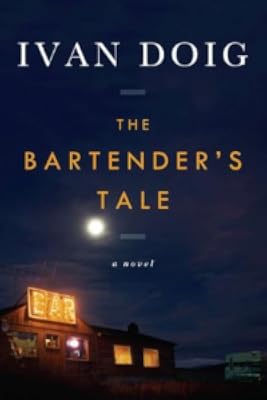
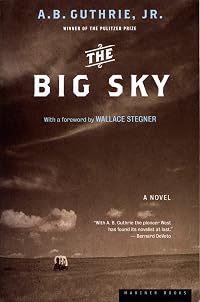
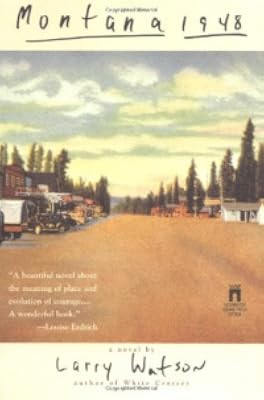
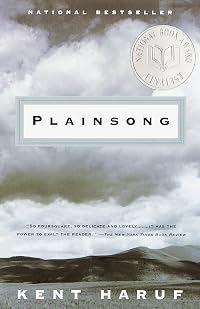

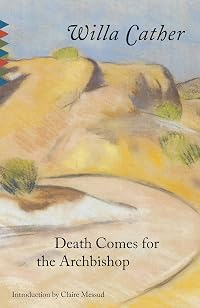
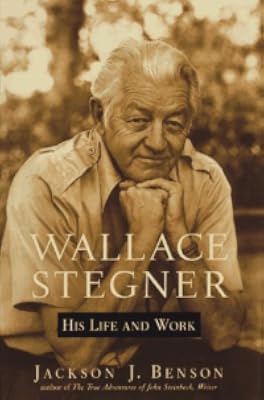
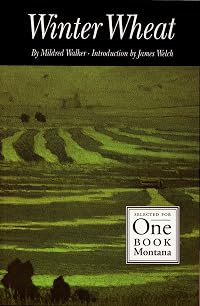
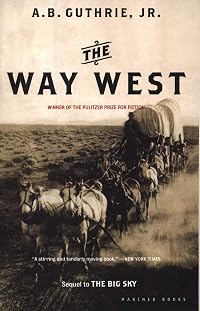

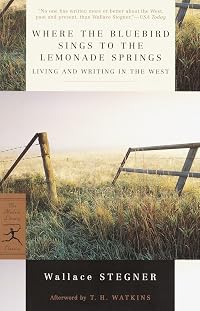

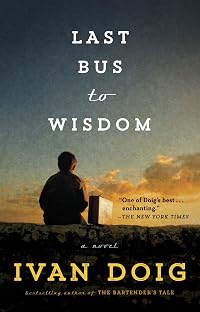
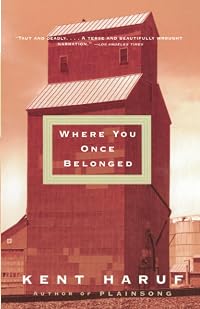
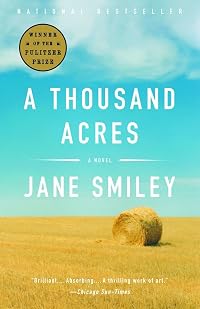
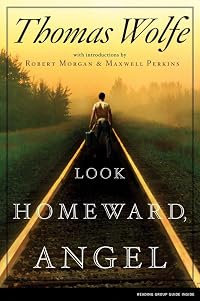
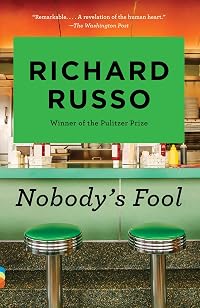
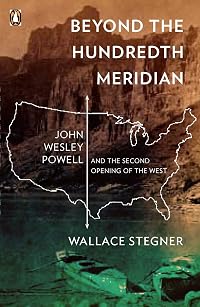
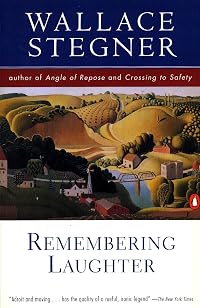

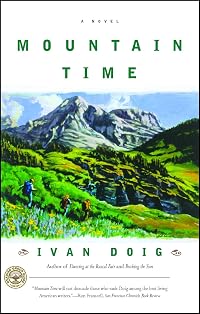
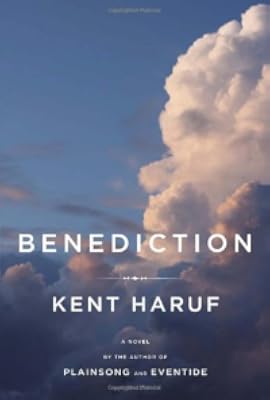

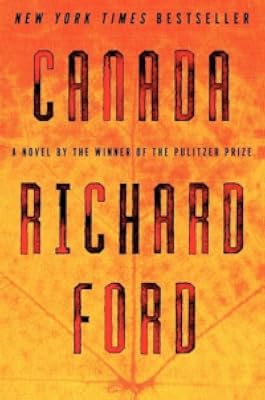
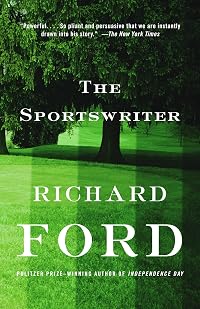

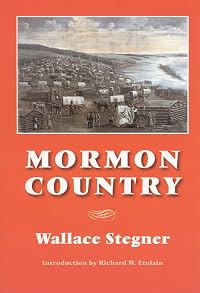
Member Recommendations
charlie68 Touches on the same themes.
Member Reviews
A capital N Novel. The pace builds slowly and steadily but it culminates into a quintessential American story. Stegner writes so well of a particular masculinity that is born of trauma, ignites in youthful vigor, but ends in humiliation. It's a sad story and one that many people know better than they'd like. Never satisfied, jumping from one scheme to the next looking for that final Big Rock Candy Mountain that does not exist, of course, but even if it did it would not satisfy these restless, damaged souls. A tremendous book. I loved Angle of Repose and didn't think I could love another as well....but Elsa and Bo will stay with me for a good while.
In the Big Rock Candy Mountains,
There's a land that's fair and bright,
Where the handouts grow on bushes
And you sleep out every night
Where the boxcars all are empty
And the sun shines every day
On the birds and the bees
And the cigarette trees
The lemonade springs
Where the bluebird sings
In the Big Rock Candy Mountains
Bo Mason is a dreamer. He isn’t lazy, or unskilled, or really even criminal, but he wants everything and he wants it now, and nothing is ever enough. He wears out the people around him, his wife and his children, with his inability to settle down and just live in peace. He flirts with danger and justifies anything he does that he believes will help him hit the big time.
It would be easy to hate Bo Mason, especially when it is show more so easy to respect and love his wife, the beleaguered Elsa. But there is much to admire at the heart of Bo and what you feel along with the disgust and dislike is kind of grudging pity and understanding. He is like a trapped animal and his cruelty rises from a place he cannot control and mostly fails to recognize.
The book poses interesting questions. Are we destined to be a certain kind of person, a person who is seeded in us during childhood? Can a drifter, who yearns for new horizons and new challenges, force himself to settle down? Should a man bury all his dreams once he assumes the responsibility of family? Can we forget being abused in our childhood and overcome our urge to withdraw or retaliate? When we have built a life on running from adversity, can we learn to stay and fight through the bad times? Can we ever, in fact, overcome who we are? And, does love conquer anything, let alone conquer all?
What is your husband a slave to, Mrs. Mason? To himself, Mrs. Webb, to himself. To his notion that he has to make a pile, be a big shot, have a hundred thousand dollars in negotiable securities in his safe deposit box, drive a Cadillac car...He doesn’t know, he wouldn’t know, what to do with money when he has it. Would he ever think of going to the theater, or reading a good book, or taking a trip somewhere just for the trip?
That is the saddest thing about Bo Mason, to me, he is wishing for all the wrong things when all the right things might be right at his elbow. I couldn’t help thinking that I have met far too many men like him in my lifetime, people who think everything can be solved with money. But, money beyond a certain level of need, cannot really purchase happiness; only things.
Love is a strange thing, it will make us hold on to someone when we know we ought to let go. It makes us turn down the respectable and kind suitor, who would adore us, take care of us, and love our children, and opt for the wild, unpredictable, sometimes cruel man, who excites our heart and soul. Love shows itself in different ways, and sometimes even though felt is hard to express. Hate is its mirror, so closely aligned with it that I dare say you can only truly hate someone that you truly love. For is it not love that leaves you vulnerable to the hurts and stings that you would never accept from someone to whom you were indifferent?
If I had any complaint about this novel it would be that it might be shortened without losing its impact. It is autobiographical, I understand, and it is easy to believe, because it feels very personal in places. There are no black and white characters here, all are shades of grey, and if we are fair isn’t that primarily the truth--the truly evil are rare and saints are virtually non-existent. show less
There's a land that's fair and bright,
Where the handouts grow on bushes
And you sleep out every night
Where the boxcars all are empty
And the sun shines every day
On the birds and the bees
And the cigarette trees
The lemonade springs
Where the bluebird sings
In the Big Rock Candy Mountains
Bo Mason is a dreamer. He isn’t lazy, or unskilled, or really even criminal, but he wants everything and he wants it now, and nothing is ever enough. He wears out the people around him, his wife and his children, with his inability to settle down and just live in peace. He flirts with danger and justifies anything he does that he believes will help him hit the big time.
It would be easy to hate Bo Mason, especially when it is show more so easy to respect and love his wife, the beleaguered Elsa. But there is much to admire at the heart of Bo and what you feel along with the disgust and dislike is kind of grudging pity and understanding. He is like a trapped animal and his cruelty rises from a place he cannot control and mostly fails to recognize.
The book poses interesting questions. Are we destined to be a certain kind of person, a person who is seeded in us during childhood? Can a drifter, who yearns for new horizons and new challenges, force himself to settle down? Should a man bury all his dreams once he assumes the responsibility of family? Can we forget being abused in our childhood and overcome our urge to withdraw or retaliate? When we have built a life on running from adversity, can we learn to stay and fight through the bad times? Can we ever, in fact, overcome who we are? And, does love conquer anything, let alone conquer all?
What is your husband a slave to, Mrs. Mason? To himself, Mrs. Webb, to himself. To his notion that he has to make a pile, be a big shot, have a hundred thousand dollars in negotiable securities in his safe deposit box, drive a Cadillac car...He doesn’t know, he wouldn’t know, what to do with money when he has it. Would he ever think of going to the theater, or reading a good book, or taking a trip somewhere just for the trip?
That is the saddest thing about Bo Mason, to me, he is wishing for all the wrong things when all the right things might be right at his elbow. I couldn’t help thinking that I have met far too many men like him in my lifetime, people who think everything can be solved with money. But, money beyond a certain level of need, cannot really purchase happiness; only things.
Love is a strange thing, it will make us hold on to someone when we know we ought to let go. It makes us turn down the respectable and kind suitor, who would adore us, take care of us, and love our children, and opt for the wild, unpredictable, sometimes cruel man, who excites our heart and soul. Love shows itself in different ways, and sometimes even though felt is hard to express. Hate is its mirror, so closely aligned with it that I dare say you can only truly hate someone that you truly love. For is it not love that leaves you vulnerable to the hurts and stings that you would never accept from someone to whom you were indifferent?
If I had any complaint about this novel it would be that it might be shortened without losing its impact. It is autobiographical, I understand, and it is easy to believe, because it feels very personal in places. There are no black and white characters here, all are shades of grey, and if we are fair isn’t that primarily the truth--the truly evil are rare and saints are virtually non-existent. show less
The Big Rock Candy Mountain is a reminder of what fiction was immediately before postmodernism. It is the saga of one family, the Masons, told in straight-forward narrative, the events of which hew to an overarching authorial theme. The type of story Steinbeck told in The Grapes of Wrath and East of Eden.
Although the book opens with Elsa Norgaard, a proper young lady of nineteen, fleeing her Minnesota home and her father's recent marriage to her best friend, its true protagonist is the man Elsa marries, Harry "Bo" Mason. Bo is the archetype of the American spirit, a handsome, athletic, brash man with big dreams who is willing to cut corners to achieve them. Their thirty-year story is a tale of struggle and failure, a long downward slide show more from the respectability and idealism of youth that wears you down along with them. At first, it angers you that Bo can never get a break, that he is his own worst enemy as he endlessly uproots his family in search of the big money. In the end, you lose all sympathy for him, you become his sons who despise him. But simultaneously you are his wife who understands him, who loves the best part of him. You have seen the disaster coming for years, and when it finally arrives you are like Bruce, his youngest son, wanting to be rid of Bo forever but unable to break cleanly away. It is Bruce who enunciates Stegner's perspective, writing in his journal that "the understanding of any person is an exercise in genealogy," an elegant restatement of the adage about walking a mile in a man's shoes.
There's an article on bookforum.com touting Don DeLillo's Nobel worthiness. I would argue that Stegner was as (if not more) deserving. As in his other works that I've read (Angle of Repose, Crossing to Safety and The Spectator Bird), his writing is both accessible and intelligent, replete with references and allusions to other well- and lesser-known works (in this instance "The Charge of the Light Brigade" and You Know Me, Al, for example). The details that flesh out his characters and their culture are provided without explanation; they assume a familiarity with the times on the part of his readership that distances him from the narrative as an author as though you were in an art gallery without the curator's descriptions of the paintings and sculptures, interpreting them on your own without recognizing his role in presenting them to you. show less
Although the book opens with Elsa Norgaard, a proper young lady of nineteen, fleeing her Minnesota home and her father's recent marriage to her best friend, its true protagonist is the man Elsa marries, Harry "Bo" Mason. Bo is the archetype of the American spirit, a handsome, athletic, brash man with big dreams who is willing to cut corners to achieve them. Their thirty-year story is a tale of struggle and failure, a long downward slide show more from the respectability and idealism of youth that wears you down along with them. At first, it angers you that Bo can never get a break, that he is his own worst enemy as he endlessly uproots his family in search of the big money. In the end, you lose all sympathy for him, you become his sons who despise him. But simultaneously you are his wife who understands him, who loves the best part of him. You have seen the disaster coming for years, and when it finally arrives you are like Bruce, his youngest son, wanting to be rid of Bo forever but unable to break cleanly away. It is Bruce who enunciates Stegner's perspective, writing in his journal that "the understanding of any person is an exercise in genealogy," an elegant restatement of the adage about walking a mile in a man's shoes.
There's an article on bookforum.com touting Don DeLillo's Nobel worthiness. I would argue that Stegner was as (if not more) deserving. As in his other works that I've read (Angle of Repose, Crossing to Safety and The Spectator Bird), his writing is both accessible and intelligent, replete with references and allusions to other well- and lesser-known works (in this instance "The Charge of the Light Brigade" and You Know Me, Al, for example). The details that flesh out his characters and their culture are provided without explanation; they assume a familiarity with the times on the part of his readership that distances him from the narrative as an author as though you were in an art gallery without the curator's descriptions of the paintings and sculptures, interpreting them on your own without recognizing his role in presenting them to you. show less
“There was somewhere, if you knew where to find it, some place where money could be made like drawing water from a well, some Big Rock Candy Mountain where life was effortless and rich and unrestricted and full of adventure and action, where something could be had for nothing.”
I loved this semi-autobiographical novel. It matches the song referenced in the title; sweet and hard, full of hope and despair. There is a strong sense of place, and also of rootlessness, as the family moves from community to community, in search of the never-quite-realizable American dream. The descriptions of landscape and nature are beautiful. The characters are fully realized, and even Bo, the thoughtless husband and abusive father, seems like someone you show more might run into, maybe on a road trip, when you stopped at a bar in some small town looking for a cold drink. And he's awful, on the one hand, but you might actually like him, or at least feel sorry for him. show less
I loved this semi-autobiographical novel. It matches the song referenced in the title; sweet and hard, full of hope and despair. There is a strong sense of place, and also of rootlessness, as the family moves from community to community, in search of the never-quite-realizable American dream. The descriptions of landscape and nature are beautiful. The characters are fully realized, and even Bo, the thoughtless husband and abusive father, seems like someone you show more might run into, maybe on a road trip, when you stopped at a bar in some small town looking for a cold drink. And he's awful, on the one hand, but you might actually like him, or at least feel sorry for him. show less
“the reflection of ecstasy and the shadow of tears.”
This is the story of the Mason family. Bo, Elsa and their two sons, Chet and Bruce. We follow them over thirty years, from Minnesota, North Dakota, Canada, Montana, Utah and a few other places in between. Bo is a restless, hot-tempered man, always searching for the “next best thing”, even if that includes breaking the law and continuously putting his family in danger. His sons grow to fear and hate him. Elsa tries to tolerate and support her husband but is slowly ground down, by his excessive and reckless pursuit.
This sweeping narrative, is filled with breath-taking descriptions of the West. Timber camps, Klondike mines, bootlegging, farming and running several “blind show more pigs”, (speakeasies). It is also filled with tension and apprehension, as this hapless family follows Bo, through one misadventure after another.
Stegner is a masterful storyteller and has quickly become one of my favorite writers.
“There was somewhere, if you knew where to find it, some place where money could be made like drawing water from a well, some Big Rock Candy Mountain where life was effortless and rich and unrestricted and full of adventure and action, where something could be had for nothing.” show less
This is the story of the Mason family. Bo, Elsa and their two sons, Chet and Bruce. We follow them over thirty years, from Minnesota, North Dakota, Canada, Montana, Utah and a few other places in between. Bo is a restless, hot-tempered man, always searching for the “next best thing”, even if that includes breaking the law and continuously putting his family in danger. His sons grow to fear and hate him. Elsa tries to tolerate and support her husband but is slowly ground down, by his excessive and reckless pursuit.
This sweeping narrative, is filled with breath-taking descriptions of the West. Timber camps, Klondike mines, bootlegging, farming and running several “blind show more pigs”, (speakeasies). It is also filled with tension and apprehension, as this hapless family follows Bo, through one misadventure after another.
Stegner is a masterful storyteller and has quickly become one of my favorite writers.
“There was somewhere, if you knew where to find it, some place where money could be made like drawing water from a well, some Big Rock Candy Mountain where life was effortless and rich and unrestricted and full of adventure and action, where something could be had for nothing.” show less
Long afterward, Bruce looked back on the life of his family with half-amused wonder at its rootlessness. The people who lived a lifetime in one place, cutting down the overgrown lilac hedge and substituting barberry, changing the shape of the lily pool from square to round, digging out old bulbs and putting in new, watching their trees grow from saplings to giants that shaded the house, by contrast seemed to walk a dubious line between contentment and boredom. What they had must be comfortable, pleasant, worn smooth by long use; they did not feel the edge of change. (p. 374)
The Big Rock Candy Mountain tells the story of the Mason family, who lived in the western United States in the first half of the 20th century. It opens with Elsa show more leaving her home in Minnesota after her widowed father marries her best friend. Elsa meets and marries Harry "Bo" Mason, a restless idealist with a continuous stream of ideas for making big money. Whenever Bo lost interest in his current business venture, they pulled up stakes and moved on to the next opportunity, the "Big Rock Candy Mountain where life was effortless and rich and unrestricted and full of adventure and action, where something could be had for nothing." As you might imagine, things never panned out as expected, and their life was a hard one filled with dashed hopes and unrealized expectations. Bo and Elsa had two sons, Chet and Bruce, who experienced not only Bo's whims, but also his strict parenting style and volatile temper. By the end of the story, the boys have grown up and the family is deeply scarred.
It sounds like a real downer, doesn't it? Well, yes, it is. For several days nagging, low-grade feelings of anger and sadness infiltrated my heart and mind. I was angry at the way Bo jerked them around, and the ways he emotionally manipulated his wife and children. But Stegner was a very skilful storyteller. Each time Bo lit on a new scheme, I hoped it would work out for them. I celebrated small victories, and mourned losses. When the influenza epidemic hit their rural town, I felt both desperation and hope. As Bruce comes of age he plays a larger part in the story, and I was right there with him as he tried to make sense of the man he has become:
"I suppose," he wrote, "that the understanding of any person is an exercise in genealogy. A man is not a static organism to be taken apart and analyzed and classified. A man is movement, motion, a continuum. There is no beginning to him. he runs through his ancestors, and the only beginning is the primal beginning of the single cell in the slime. The proper study of mankind is man, but man is an endless curve on the eternal graph paper, and who can see the whole curve?" (p. 436)
In the novel's last pages, the adult Bruce reflects on life with his father, how the experience shaped him and what it means for his future. It was a very moving scene that I won't soon forget.
Readers should be ready to feel uncomfortable, sad, and angry. But it's worth it for the reading experience. show less
The Big Rock Candy Mountain tells the story of the Mason family, who lived in the western United States in the first half of the 20th century. It opens with Elsa show more leaving her home in Minnesota after her widowed father marries her best friend. Elsa meets and marries Harry "Bo" Mason, a restless idealist with a continuous stream of ideas for making big money. Whenever Bo lost interest in his current business venture, they pulled up stakes and moved on to the next opportunity, the "Big Rock Candy Mountain where life was effortless and rich and unrestricted and full of adventure and action, where something could be had for nothing." As you might imagine, things never panned out as expected, and their life was a hard one filled with dashed hopes and unrealized expectations. Bo and Elsa had two sons, Chet and Bruce, who experienced not only Bo's whims, but also his strict parenting style and volatile temper. By the end of the story, the boys have grown up and the family is deeply scarred.
It sounds like a real downer, doesn't it? Well, yes, it is. For several days nagging, low-grade feelings of anger and sadness infiltrated my heart and mind. I was angry at the way Bo jerked them around, and the ways he emotionally manipulated his wife and children. But Stegner was a very skilful storyteller. Each time Bo lit on a new scheme, I hoped it would work out for them. I celebrated small victories, and mourned losses. When the influenza epidemic hit their rural town, I felt both desperation and hope. As Bruce comes of age he plays a larger part in the story, and I was right there with him as he tried to make sense of the man he has become:
"I suppose," he wrote, "that the understanding of any person is an exercise in genealogy. A man is not a static organism to be taken apart and analyzed and classified. A man is movement, motion, a continuum. There is no beginning to him. he runs through his ancestors, and the only beginning is the primal beginning of the single cell in the slime. The proper study of mankind is man, but man is an endless curve on the eternal graph paper, and who can see the whole curve?" (p. 436)
In the novel's last pages, the adult Bruce reflects on life with his father, how the experience shaped him and what it means for his future. It was a very moving scene that I won't soon forget.
Readers should be ready to feel uncomfortable, sad, and angry. But it's worth it for the reading experience. show less
Published in 1943, this classic family saga tells the story of the Masons – Harry (called Bo), Elsa, Chet, and Bruce – over the course of approximately thirty years. It begins in 1905, when Elsa leaves her home in Minnesota and travels to North Dakota, where she meets Bo. They fall in love, marry, and two sons are born. The family frequently moves in search of Bo’s latest get-rich-quick scheme. Bo’s schemes sometimes rely on illegal activities, such as rumrunning during Prohibition, much to the dismay of the rest of the family.
It is traditional in structure and sweeping in scope, covering a wide swath of the Northwestern US and Canada – California, Nevada, Oregon, Montana, Saskatchewan, Idaho, Utah, and the Dakotas. Stegner show more writes of mountains, prairies, droughts, floods, blizzards, and other natural elements faced by people living on the frontier. The plot is episodic in nature. The prose is stellar, immersing the reader into a time and place. There is no single protagonist. The plot is driven forward by Bo’s restless wanderings. Each family member is featured in several chapters.
The characters are convincing. I am sure many of us are familiar with a person like Bo, who constantly seeks the golden opportunity that lies just over the next hill. Bo is charismatic and temperamental. His temper flares when things do not go his way, which leads to conflicts with Chet and Bruce. In contrast, Elsa yearns for stability, a place to call home, and the peaceful routines of family life. She could easily live without riches. Elsa suffers in silence and tries her best to provide a stable, loving environment for her sons.
Bo pursues his dreams and does not consider the impact on his family. His actions lead his family members to both love and loathe him. He seems born out of sync with frontier expansion and has just missed the biggest boom times. Bo’s time (and the plot) includes the WWI, 1918 Influenza, Prohibition, and the Great Depression.
“Harry Mason was a child and a man. Whatever he did, any time, he was a completely masculine being…In an earlier time, under other circumstances, he might have become something the nation would have elected to honor, but he would have been no different. He would always have been an undeveloped human being, an immature social animal, and the further the nation goes the less room there is for that kind of man.”
This book requires a significant commitment of time – it is long and densely written. It is a book I am likely to remember for a long time. show less
It is traditional in structure and sweeping in scope, covering a wide swath of the Northwestern US and Canada – California, Nevada, Oregon, Montana, Saskatchewan, Idaho, Utah, and the Dakotas. Stegner show more writes of mountains, prairies, droughts, floods, blizzards, and other natural elements faced by people living on the frontier. The plot is episodic in nature. The prose is stellar, immersing the reader into a time and place. There is no single protagonist. The plot is driven forward by Bo’s restless wanderings. Each family member is featured in several chapters.
The characters are convincing. I am sure many of us are familiar with a person like Bo, who constantly seeks the golden opportunity that lies just over the next hill. Bo is charismatic and temperamental. His temper flares when things do not go his way, which leads to conflicts with Chet and Bruce. In contrast, Elsa yearns for stability, a place to call home, and the peaceful routines of family life. She could easily live without riches. Elsa suffers in silence and tries her best to provide a stable, loving environment for her sons.
Bo pursues his dreams and does not consider the impact on his family. His actions lead his family members to both love and loathe him. He seems born out of sync with frontier expansion and has just missed the biggest boom times. Bo’s time (and the plot) includes the WWI, 1918 Influenza, Prohibition, and the Great Depression.
“Harry Mason was a child and a man. Whatever he did, any time, he was a completely masculine being…In an earlier time, under other circumstances, he might have become something the nation would have elected to honor, but he would have been no different. He would always have been an undeveloped human being, an immature social animal, and the further the nation goes the less room there is for that kind of man.”
This book requires a significant commitment of time – it is long and densely written. It is a book I am likely to remember for a long time. show less
Members
- Recently Added By
Lists

Novels from The Guardian's Great American Novelist Tournament
148 works; 24 members

Five star books
1,767 works; 110 members

Books Read in 2017
4,249 works; 130 members
Author Information

94+ Works 20,903 Members
In 1972, Wallace Earle Stegner won a Pulitzer Prize for Angle of Repose (1971), a novel about a wheelchair-bound man's recreation of his New England grandmother's experience in a late nineteenth-century frontier town. Stegner was born on February 18, 1909 in Lake Mills, Iowa. He was an American novelist, short story writer, environmentalist, and show more historian; he has been called "The Dean of Western Writers". He also won the US National Book Award in 1977 for The Spectator Bird. Stegner grew up in Great Falls, Montana; Salt Lake City, Utah; and in the village of Eastend, Saskatchewan, which he wrote about in his autobiography Wolf Willow. Stegner taught at the University of Wisconsin and Harvard University. Eventually he settled at Stanford University, where he initiated the creative writing program. His students included Wendell Berry, and Sandra Day O'Connor. The Stegner Fellowship program at Stanford University is a two-year creative writing fellowship. The house Stegner lived in from age 7 to 12 in Eastend, Saskatchewan, Canada, was restored by the Eastend Arts Council in 1990 and established as a Residence for Artists; the Wallace Stegner Grant For The Arts offers a grant of $500 and free residency at the house for the month of October for published Canadian writers. Stegner died in Santa Fe, New Mexico, on April 13, 1993, from a car accident on March 28, 1993. (Bowker Author Biography) show less
Some Editions
Awards and Honors
Notable Lists
Series

Work Relationships
Common Knowledge
- Canonical title
- The Big Rock Candy Mountain
- Original publication date
- 1943
- People/Characters
- Bo Mason; Elsa Mason; Bruce Mason; Chet Mason
- Important places
- Montana, USA; Canada; Salt Lake City, Utah, USA; Utah, USA
- Important events
- World War I (1914 | 1918); Influenza pandemic (1918); Great Depression
- First words
- The light was slanting strongly through the windows when Elsa awoke.
- Last words
- (Click to show. Warning: May contain spoilers.)He was the only one left to fulfill that contract and try to justify the labor and the harshness and the mistakes of his parents' lives, and that responsibility was so clearly his, was so great an obligation, that it made unimportant and unreal the sight of the motley collection of pall-bearers staggering under the weight of his father's body, and the back door of the hearse closing quietly upon the casket and the flowers.
Classifications
Statistics
- Members
- 1,274
- Popularity
- 19,289
- Reviews
- 45
- Rating
- (4.19)
- Languages
- English, French
- Media
- Paper, Audiobook, Ebook
- ISBNs
- 26
- ASINs
- 24