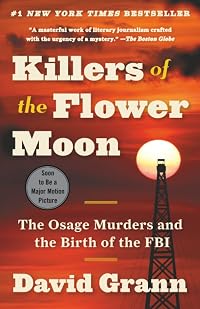
Killers of the Flower Moon: The Osage Murders and the Birth of the FBI
by David Grann
On This Page
Description
Presents a true account of the early twentieth-century murders of dozens of wealthy Osage and law-enforcement officials, citing the contributions and missteps of a fledgling FBI that eventually uncovered one of the most chilling conspiracies in American history.Tags
Recommendations









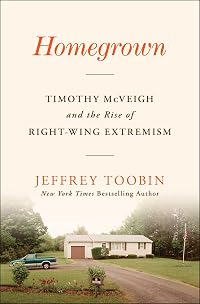
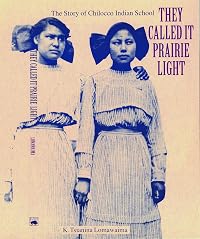
Member Recommendations

by anonymous user

by anonymous user

Member Reviews
Imagine your neighbor is John Wayne Gacy and your husband is Scott Peterson and your “guardian” is Ted Bundy (seems like a nice guy but wants to kill you). The Osage Indians of the 1920s did not have to imagine this, they lived it. There were great reserves of oil on the Osage reservation in Oklahoma and the law said you had to pay a headright to the Indians to drill there. This made the Indians rich overnight and because the system run by the white men in the area was so corrupt, Indians were declared unable to handle their own money and guardians were appointed. The situation was ripe for abuse, and the bottom feeders did not hesitate to take advantage in the cruelest ways imaginable.
I do not think this could have happened in any show more other situation. It required almost the entire white population to be complicit, and that was apparently pretty easy for most as long as the dead bodies belonged to Osage Indians. When Anna Brown is killed, then her mother, then her sister Rita and brother-in-law, Bill Smith, this leaves only her sister Mollie Burkhart alive, and she now holds all the headrights of all of these individuals. You don’t have to be a genius to figure out that her life is not worth a sack of salt. She has been seeking help outside the local and state officials since the death of Anna, and the FBI is finally called in to investigate. This family is not the only one affected, but it is the most severely affected. The number of murders is, in fact, astounding.
We meet the FBI investigators, and particularly Tom White, who assumes the investigation and finally brings it to some resolution. What is clear is that the scope of the murders extends beyond the group punished and that the punishment is sorely insufficient to the crime. If you think we have corruption in our political and legal system today (and God knows we do), it pales in the face of the corruption we see here. It makes you want to scream and stomp. This killing spree on the Osage Reservation reverberates through the century since it occurred and affects the lives of descendants into the fourth generation. That anyone would ever trust a family member, a legal representative or a doctor in this place again is inconceivable.
Read this, but be prepared to feel a bit sickened by your fellow man. show less
I do not think this could have happened in any show more other situation. It required almost the entire white population to be complicit, and that was apparently pretty easy for most as long as the dead bodies belonged to Osage Indians. When Anna Brown is killed, then her mother, then her sister Rita and brother-in-law, Bill Smith, this leaves only her sister Mollie Burkhart alive, and she now holds all the headrights of all of these individuals. You don’t have to be a genius to figure out that her life is not worth a sack of salt. She has been seeking help outside the local and state officials since the death of Anna, and the FBI is finally called in to investigate. This family is not the only one affected, but it is the most severely affected. The number of murders is, in fact, astounding.
We meet the FBI investigators, and particularly Tom White, who assumes the investigation and finally brings it to some resolution. What is clear is that the scope of the murders extends beyond the group punished and that the punishment is sorely insufficient to the crime. If you think we have corruption in our political and legal system today (and God knows we do), it pales in the face of the corruption we see here. It makes you want to scream and stomp. This killing spree on the Osage Reservation reverberates through the century since it occurred and affects the lives of descendants into the fourth generation. That anyone would ever trust a family member, a legal representative or a doctor in this place again is inconceivable.
Read this, but be prepared to feel a bit sickened by your fellow man. show less
Author David Grann spent years doing research and uncovering new evidence in writing Killers of the Flower Moon. Since I was a fan of his from reading The Lost City of Z, I expected this latest book to be the sort of non-fiction I love: the kind that reads like the best fiction. I was not disappointed. What I did not expect was just how infuriated I would become by reading it.
Having been a huge horse racing fan when I was a teenager, I knew about the wealth of the Osage Nation in the 1920s. One of the Osage owned a winner of the Kentucky Derby. But that knowledge was just cursory. I had no idea how rich the Osage really were, and I certainly didn't have a clue that the government didn't trust them with all that money. I should not have show more been so naive. It had to madden many whites that, although they'd shoved the Osage onto a piece of land they deemed unfit for themselves, oil would be discovered and the Osage would turn out to be the wealthiest people in the world. The one way they had of trying to horn in on this wealth was by declaring that the Osage were not fit to use their own money wisely. In many cases whites were put in charge of the families' money, and they gave their wards allowances (and themselves large fees for their business knowledge).
Why on earth should I be so surprised that this greed would escalate to murder? It is the natural progression after all. To this day, the Osage have trust issues, and who can blame them? They tried to get dozens of murders investigated, but instead the killings were covered up. What Grann did in Killers of the Flower Moon was to dig deeper and deeper and expose just how huge the problem actually was. As I read, words like horrifying, unspeakable, and several others flashed through my mind.
This is an uncomfortable read for anyone with a conscience; nevertheless, it is a fascinating and important one. I highly recommend it. Although Killers of the Flower Moon won't be available until April 2017, I wanted to give you all a heads up about one of the best books I read in 2016. It's a mesmerizing true historical mystery that grabs you and won't let you go. show less
Having been a huge horse racing fan when I was a teenager, I knew about the wealth of the Osage Nation in the 1920s. One of the Osage owned a winner of the Kentucky Derby. But that knowledge was just cursory. I had no idea how rich the Osage really were, and I certainly didn't have a clue that the government didn't trust them with all that money. I should not have show more been so naive. It had to madden many whites that, although they'd shoved the Osage onto a piece of land they deemed unfit for themselves, oil would be discovered and the Osage would turn out to be the wealthiest people in the world. The one way they had of trying to horn in on this wealth was by declaring that the Osage were not fit to use their own money wisely. In many cases whites were put in charge of the families' money, and they gave their wards allowances (and themselves large fees for their business knowledge).
Why on earth should I be so surprised that this greed would escalate to murder? It is the natural progression after all. To this day, the Osage have trust issues, and who can blame them? They tried to get dozens of murders investigated, but instead the killings were covered up. What Grann did in Killers of the Flower Moon was to dig deeper and deeper and expose just how huge the problem actually was. As I read, words like horrifying, unspeakable, and several others flashed through my mind.
This is an uncomfortable read for anyone with a conscience; nevertheless, it is a fascinating and important one. I highly recommend it. Although Killers of the Flower Moon won't be available until April 2017, I wanted to give you all a heads up about one of the best books I read in 2016. It's a mesmerizing true historical mystery that grabs you and won't let you go. show less
The historical events chronicled here, like the Tulsa Massacre, are ones I never learned in school - but should have. The horrifying injustice inflicted on the Osage by the US government, which facilitated the murders of hundreds of Osage so whites could take control of their wealth, is stomach turning and infuriating. Easily five stars for shining a light on this horror. This book made me angry, very very angry. Unfortunately, this book is also a tedious slog to get through which diminishes the impact, and my rating.
Like all Native Americans, the Osage were forced onto reservation land unwanted by white citizens. Except in this case, oil reserves were found under that land. The government stepped in to "help" the Osage manage their show more wealth via a system of white guardianship for Osage found to be incompetent. Naturally, very few Osage were found to be competent. Twenty-four Osage were murdered within a few years in what came to be known as a Reign of Terror. The birth of the FBI is tied into this, as solving the case gave credibility and respect to the bureau. Only, they didn't bother to actually solve, or even invwstigate, all the murders, which far exceeded 24.
Sadly, this book is poorly written and dry as tinder for such an inflammatory subject. The author spends entire chapters detailing the childhood and background of agents, such as the lead Tom White, or other principals of the case, like Hale. Every chapter gets bogged down in unimportant minutia, while little is given to the Osage themselves and the "solving" case and trial is ramshod through in just a few chapters.
The most important aspects of the story are left to the last quarter of the book, and written almost like an epilogue. The criminal conspiracy of Hale to steal the oil headrights of Lizzie's family was just the tip of the iceberg. The FBI simply stopped investigating after Hale, but the murder of Osage was systemic. Hundreds had been murdered, so their fortunes came under control of white guardians. Between 1907 and 1923, six-hundred and five Osage from the original roll of headrights died. This didn't count those who were descendants with headrights, and not actually listed. This material should have been first, or better yet, interwoven throughout the narrative. Instead, the atrocities done to the Osage take a backseat to the "birth of the FBI", and the white male agents who gloried in solving a case while the greater injustice continued unabated. show less
Like all Native Americans, the Osage were forced onto reservation land unwanted by white citizens. Except in this case, oil reserves were found under that land. The government stepped in to "help" the Osage manage their show more wealth via a system of white guardianship for Osage found to be incompetent. Naturally, very few Osage were found to be competent. Twenty-four Osage were murdered within a few years in what came to be known as a Reign of Terror. The birth of the FBI is tied into this, as solving the case gave credibility and respect to the bureau. Only, they didn't bother to actually solve, or even invwstigate, all the murders, which far exceeded 24.
Sadly, this book is poorly written and dry as tinder for such an inflammatory subject. The author spends entire chapters detailing the childhood and background of agents, such as the lead Tom White, or other principals of the case, like Hale. Every chapter gets bogged down in unimportant minutia, while little is given to the Osage themselves and the "solving" case and trial is ramshod through in just a few chapters.
The most important aspects of the story are left to the last quarter of the book, and written almost like an epilogue. The criminal conspiracy of Hale to steal the oil headrights of Lizzie's family was just the tip of the iceberg. The FBI simply stopped investigating after Hale, but the murder of Osage was systemic. Hundreds had been murdered, so their fortunes came under control of white guardians. Between 1907 and 1923, six-hundred and five Osage from the original roll of headrights died. This didn't count those who were descendants with headrights, and not actually listed. This material should have been first, or better yet, interwoven throughout the narrative. Instead, the atrocities done to the Osage take a backseat to the "birth of the FBI", and the white male agents who gloried in solving a case while the greater injustice continued unabated. show less
This is a horrific account of the deaths, investigations, trials, and oversights of murders of the oil-rich Osage headright holders in the early 1920s. And of how J. Edgar Hoover used a curtailed investigation to establish himself securely in the federal hierarchy.
The murderous conspiracy, or multiple conspiracies, were carried out by men masquerading as friends and helpers of the Osage—just the sort of men who have again come to power in the USA. Let us all carefully and as securely as possible record what they will not want to survive their ascendancy, whether it is 2 years, 4 years, or the rest of our lifetimes.
The murderous conspiracy, or multiple conspiracies, were carried out by men masquerading as friends and helpers of the Osage—just the sort of men who have again come to power in the USA. Let us all carefully and as securely as possible record what they will not want to survive their ascendancy, whether it is 2 years, 4 years, or the rest of our lifetimes.
An excellent book about the Osage Native American Tribe and the reign of terror they endured in the early 1900s. Woven into this narrative is some of the origin story of the FBI.
This is dark, dark stuff. What's worse, it's all true. It's one of those, "is there no depth to which humans will sink in their treatment of each other" books. You'd be hard pressed to fabricate a more horrifying horror story, yet here it is.
There are some glimmers of light--Tom White in particular--but this is definitely not a feelgood book. Read this in between fluff books, or risk flirting with depression.
This is dark, dark stuff. What's worse, it's all true. It's one of those, "is there no depth to which humans will sink in their treatment of each other" books. You'd be hard pressed to fabricate a more horrifying horror story, yet here it is.
There are some glimmers of light--Tom White in particular--but this is definitely not a feelgood book. Read this in between fluff books, or risk flirting with depression.
The many murders of the Osage people is a part of history I'd never heard before. The Osage had been relegated to a useless piece of land in Oklahoma, land nobody else wanted. Well, up until huge reservoirs of oil were found there in the 1920s and then everyone wanted the land, or at least the oil beneath it, and the murders began.
As with other chapters of our treatment of Native American nations, we did our best to cheat and steal and even kill. We treated the Osage like children, incapable of taking care of themselves and given guardians who did not have their best interests at heart.
It seems a common practice was for a “white” man to marry an Osage, and kill her or have her killed either quickly or slowly so the money would come show more to the white person. And the white leaders of the community were behind it and benefiting greatly from it.
The book is well researched, and the author has uncovered new information, or tied together some old bits and pieces that make for a sinister whole. However, many of the murders were never solved, and it seems, many never investigated at all, not even sham investigations.
For me, this was an eye-opening book, and in a way I wish I hadn't read it because once again, it's a tale of those in power abusing those not in power because of greed and because they could or thought they could get away with it. But we cannot change history by closing our eyes to it, and I recommend this book to anyone interested in the country's history. show less
As with other chapters of our treatment of Native American nations, we did our best to cheat and steal and even kill. We treated the Osage like children, incapable of taking care of themselves and given guardians who did not have their best interests at heart.
It seems a common practice was for a “white” man to marry an Osage, and kill her or have her killed either quickly or slowly so the money would come show more to the white person. And the white leaders of the community were behind it and benefiting greatly from it.
The book is well researched, and the author has uncovered new information, or tied together some old bits and pieces that make for a sinister whole. However, many of the murders were never solved, and it seems, many never investigated at all, not even sham investigations.
For me, this was an eye-opening book, and in a way I wish I hadn't read it because once again, it's a tale of those in power abusing those not in power because of greed and because they could or thought they could get away with it. But we cannot change history by closing our eyes to it, and I recommend this book to anyone interested in the country's history. show less
Deeply researched, well written account of a decade of murders of wealthy Osage Native Americans. A series of horrific crimes, conspiracies and cover-ups that is not well know - but should be! The author dove deep into official and unofficial documents to research his work. His findings went beyond accepted facts about the case (such as the number of killings and the length of time they occurred over). The book does not read like a recounting of facts, it reads more like a thriller - just as officials think they have the killer(s) there are twists and turns, leaving local and federal - the newly formed Hoover FBI- starting over from scratch. We meet the victims, the lawmen (my favorite was Tom White - a character who deserves his own show more movie!) and the perpetrators, then we also meet the descendants of the victims.
The crimes were sinister and the cover-ups evil brilliance. The Osage, who had been forced to barren Oklahoma lands were the recipients of mining/mineral rights and then oil was discovered. They become the richest per capita people in the world at the time, and yet the Federal Government deemed it necessary to appoint guardians to each of them and deny them the right to manage their own funds. Their neighbors were extremely jealous of their wealth, their guardians largely scammed them, and these factors led to the evil plot to gain their wealth. To add insult to injury further "scamming" may be taking place now in the present time. Shameful.
Note -About 2/3 thru the book it feels like the story is pretty much wrapped up, but keep reading because there is much more! show less
The crimes were sinister and the cover-ups evil brilliance. The Osage, who had been forced to barren Oklahoma lands were the recipients of mining/mineral rights and then oil was discovered. They become the richest per capita people in the world at the time, and yet the Federal Government deemed it necessary to appoint guardians to each of them and deny them the right to manage their own funds. Their neighbors were extremely jealous of their wealth, their guardians largely scammed them, and these factors led to the evil plot to gain their wealth. To add insult to injury further "scamming" may be taking place now in the present time. Shameful.
Note -About 2/3 thru the book it feels like the story is pretty much wrapped up, but keep reading because there is much more! show less
Members
- Recently Added By
Published Reviews
ThingScore 100
De maand van de bloemendoder is een fascinerend en tegelijkertijd gruwelijk boek over de moordpartijen, discriminatie en uitbuiting van Osage indianen aan het begin van de 20e eeuw in Oklahoma. Nadat de Osage, zoals zoveel indianen in de Verenigde Staten, waren verjaagd naar een reservaat in Oklahoma, bleek hier olie gevonden te worden. Hierdoor werden de Osage opeens rijk. Echter dit show more betekende ook uitbuiting, discriminatie en vele moordpartijen. David Grann is jarenlang bezig geweest met onderzoek naar misstanden die plaatsvonden en De maand van de bloemendoder is het zeer boeiende eindresultaat hiervan...lees verder > show less
added by Jordaan
Lists

Native American / Indigenous Literature
172 works; 100 members

Top Five Books of 2018
802 works; 264 members
Top Five Books of 2017
757 works; 231 members

Non-Fiction Worth Reading
1,015 works; 254 members

Top Five Books of 2020
982 works; 350 members

Top Five Books of 2022
736 works; 272 members

Recommend the 20 best books you've read in the last five years
2,168 works; 606 members

2018 Notable Books for Adults
26 works; 4 members

True Crime
156 works; 1 member
The Hive Recommends
62 works; 2 members

Top Five Books of 2023
767 works; 317 members

Unhinged History
14 works; 1 member
Governerds Insider
32 works; 1 member

Non-Fiction
68 works; 1 member

Thriller Authors to read
59 works; 1 member

Weirdo Nonfiction
138 works; 3 members

2023 Challenge
15 works; 1 member

To Read
617 works; 7 members

Book Club suggestions
20 works; 1 member

NYT Readers best of 21st C
100 works; 8 members

In and About the 1920s
181 works; 31 members

Spooky United States: The Scariest Books Set in Each State
50 works; 3 members

Best 21st Century Books (So Far)
670 works; 86 members

Books Read in 2023
5,547 works; 145 members

Books Read in 2018
4,360 works; 110 members

Books Read in 2022
5,168 works; 114 members

Books Read in 2017
4,249 works; 130 members

Edgar Award
418 works; 15 members

Best Family Stories
241 works; 22 members

infjsarah's wishlist
408 works; 2 members

Indigenous America Reader
145 works; 12 members

Books Read in 2020
4,379 works; 124 members

Brooklyn Public Library Literary Prize 2017
16 works; 1 member
Author Information

13+ Works 21,042 Members
David Grann is a staff writer at The New Yorker. He graduated from Connecticut College in 1989, and earned a master's degree in international relations from the Fletcher School of Law & Diplomacy and a master's degree from Boston College in creative writing. He has written for The New York Times Magazine, The Atlantic, The Washington Post, The show more Wall Street Journal, and The New Republic. His stories have been published in numerous anthologies of American writing. His books include The Devil and Sherlock Holmes, The Lost City of Z: A Tale of Deadly Obsession in the Amazon which won the Indies Choice award for the best nonfiction book of 2009, and Killers of the Flower Moon: The Osage Murders and the Birth of the FBI. (Bowker Author Biography) show less
Some Editions
Awards and Honors
Awards
Distinctions
Amazon.com Best Books (Top 20 – 2017)
The Guardian Book of the Day (2017-08-03)
The Guardian Book of the Day (2017-05-01)
Notable Lists
Work Relationships
Has the adaptation
Has as a student's study guide
Common Knowledge
- Canonical title
- Killers of the Flower Moon: The Osage Murders and the Birth of the FBI
- Original title
- Killers of the Flower Moon: The Osage Murders and the Birth of the FBI
- Original publication date
- 2017-04-18
- People/Characters
- Mollie Burkhart, née Kyle, later Cobb; Ernest Burkhart; Lizzie Kyle; Anna Brown, née Kyle; Bryan Burkhart; Rita Smith, née Kyle (show all 20); Bill Smith; William Hale aka Bill Hale aka King of the Osage Hills; Henry Roan Horse; George Bigheart; William Watkins Vaughan, "W.W."; John Ramsey; Kelsie Morrison aka Lloyd Miller; James Monroe Pyle; Charles Whitehorn aka Charles Williamson; Tom White; J. Edgar Hoover; David Shoun; James Shoun; Herb "H. G." Burt
- Important places
- Oklahoma, USA; Fairfax, Oklahoma, USA; Pawhuska, Oklahoma, USA; Gray Horse, Oklahoma, USA
- Important events
- Osage murders (1918-1931)
- Related movies
- Killers of the Flower Moon (2023 | IMDb)
- Epigraph
- There had been no evil to mar that propitious night, because she had listened; there had been no voice of evil; no screech owl had quaveringly disturbed the stillness. She knew this because she had listened all night.
—J... (show all)ohn Joseph Mathews, Sundown
A conspiracy is everything that ordinary life is not. It's the inside game, cold, sure, undistracted, forever closed off to us. We are the flawed ones, the innocents, trying to make some rough sense of the daily jostle. Consp... (show all)irators have a logic and a daring beyond our reach. All conspiracies are the same taut story of men who find coherence in some criminal act. —Don DeLillo, Libra
We have a few mouth-to-mouth tales; we exhume from old trunks and boxes and drawers letters without salutation or signature, in which men and women who once lived and breathed are now merely initials or nicknames out of some ... (show all)now incomprehensible affection which sound to us like Sanskrit or Chocktaw; we see dimly people, the people in whose living blood and seed we ourselves lay dormant and waiting, in this shadowy attenuation of time possessing now heroic proportions performing their acts of simple passion and simple violence, impervious to time and inexplicable. —William Faulker, Absalom, Absalom! - Dedication
- For my mom and dad
- First words
- In April, millions of tiny flowers spread over the blackjack hills and vast prairies in the Osage territory of Oklahoma.
- Quotations
- Page 141
Perhaps because he witnessed this—and other executions—or perhaps because he had seen the effect of the ordeal on his father, or perhaps because he feared the system could doom an innocent man, Tom grew to opp... (show all)ose what was then sometimes called “judicial homicide.” And he came to see the law as a struggle to subdue the violent passions not only in others but also in oneself.
Lizzie instantly recognized it. Anna was dead. As with all Osage, the birth of her children had been the greatest blessing of Wah'Kon-Tah, the mysterious life force that pervades the sun and the moon and the earth and the sta... (show all)rs; the force around which the Osage had structured their lives for centuries, hoping to bring some order out of the chaos and confusion on earth; the force that was there but not there—invisible, remote, giving, awesome, unanswering.
...impatient settlers massacred several of the Osage, mutilating their bodies and scalping them. An Indian Affairs agent said, “The question will suggest itself, which of these people are the savages?”
A growing number of white Americans expressed alarm over the Osage's wealth—outrage that was stoked by the press. Journalists told stories, often wildly embroidered, of Osage who discarded grand pianos on their lawns or rep... (show all)laced old cars with new ones after getting a flat tire. Travel magazine wrote, “The Osage Indian is today the prince of spendthrifts. Judged by his improvidence, the Prodigal Son was simply a frugal person with an inherent fondness for husks.” A letter to the editor in the Independent, a weekly magazine, echoed the sentiment, referring to the typical Osage as a good-for-nothing who had attained wealth “merely because the Government unfortunately located him upon oil land which we white folks have developed for him.” John Joseph Mathews bitterly recalled reporters “enjoying the bizarre impact of wealth on the Neolithic men, with the usual smugness and wisdom of the unlearned.”
A few details in the files seemed telling. Repeat killers tend to rigidly adhere to a routine, yet the Osage murders were carried out in a bewildering array of methods. There was no signature. This, along with the fact that b... (show all)odies turned up in different parts of the state and country, suggested that this was not the work of a single killer. Instead, whoever was behind the crimes must have employed henchmen. The nature of the murders also gave some insight into the mastermind: the person was not an impulsive killer but a connoisseur of plots who was intelligent enough to understand toxic substances and calculating enough to carry out his diabolical vision over years.
Tom grew to oppose what was then sometimes called “judicial homicide.” And he came to see the law as a struggle to subdue the violent passions not only in others but also in oneself.
One government study estimated that before 1925 guardians had pilfered at least $8 million directly from the restricted accounts of their Osage wards. “The blackest chapter in the history of this State will be the Indian gu... (show all)ardianship over these estates,” an Osage leader said, adding, “There has been millions—not thousands—but millions of dollars of many of the Osages dissipated and spent by the guardians themselves.”
...an ugliness often lurked beneath the reformist zeal of Progressivism. Many Progressives—who tended to be middle-class white Protestants—held deep prejudices against immigrants and blacks and were so convinced of their ... (show all)own virtuous authority that they disdained democratic procedures. This part of Progressivism mirrored Hoover's darkest impulses.
White observed the way Ramsey kept saying “the Indian,” rather than Roan's name. As if to justify his crime, Ramsey said that even now “white people in Oklahoma thought no more of killing an Indian than they did in 1724... (show all).”
White knew that America's judicial institutions, like its policing agencies, were permeated with corruption. Many lawyers and judges were on the take. Witnesses were coerced, juries tampered with. Even Clarence Darrow, the gr... (show all)eat defender of the downtrodden, had been charged with trying to bribe prospective jurors. A Los Angeles Times editor recalled Darrow once telling him, “When you're up against a bunch of crooks you will have to play their game. Why shouldn't I?” - Last words
- (Click to show. Warning: May contain spoilers.)Then she repeated what God told Cain after he killed Abel: "The blood cries out from the ground."
- Blurbers
- Grisham, John; Krakauer, Jon; Millard, Candice; Larson, Erik; Atkinson, Kate; Erdrich, Louise (show all 7); Gwynne, S. C.
- Original language
- English US
- Canonical DDC/MDS
- 976.6004975254
- Canonical LCC
- E99.O8
- Disambiguation notice
- Book
Classifications
Statistics
- Members
- 8,831
- Popularity
- 1,224
- Reviews
- 360
- Rating
- (4.08)
- Languages
- 14 — Czech, Dutch, English, Finnish, French, German, Hungarian, Italian, Norwegian, Polish, Portuguese, Spanish, Swedish, Turkish
- Media
- Paper, Audiobook, Ebook
- ISBNs
- 62
- ASINs
- 23