

Charity Girl
by Georgette Heyer
On This Page
Description
Bestselling queen of Regency Romance, Georgette Heyer, in her inimitable style, explores the lengths to which a gentleman must go to avoid scandal when confronted by a very young runaway lady.A young and lovely runaway alone on the road to London
Miss Charity Steane is running away from the drudgery of her aunt's household to find her grandfather. Not expecting her visit, the old gentleman is not in London but is away in the country.
A scandal broth in the making
When Viscount Desford show more encounters a lovely waif searching for her grandfather, he feels honor bound to assist her; but dashing about the countryside together, the Viscount must prevent his exasperating charge from bringing him ruin upon herself...and him.
In the end, his best idea is to bring Charity to his lifelong best friend, Henrietta, which is when the fun and surprises really begin...
Praise for Georgette Heyer:
"It all begins when a chivalrous and rich young gallant takes pity on a pathetic poor relation in a neighboring family. Before long he is so entangled in his efforts to help her that every step he takes leads to some hilarious new confusion. The romantic conclusions are not what you may expect, but that adds to the fun."—Publishers Weekly
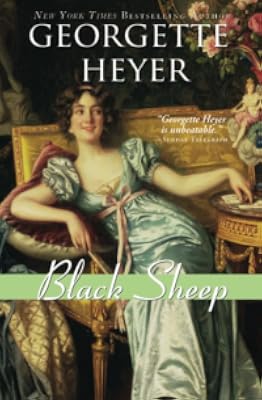
"Georgette Heyer is unbeatable."—Sunday Telegraph
"My favourite historical novelist—stylish, romantic, sharp, and witty. Her sense of period is superb, her heroines are enterprising, and her heroes dashing. I owe her many happy hours."—Margaret Drabble
. show less
Tags
Recommendations




















Member Reviews
Ashley Carrington, the Viscount Desford, was in no hurry to get married, whatever his irritable father, the Earl of Wroxton, had to say about it. But when he came to the aid of an unhappy young runaway by the name of Cherry Steane on the road to London, he soon found himself embroiled in an adventure that demonstrated how little he knew his own heart...
As noted in my review of Heyer's Lady of Quality, the author's later novels are heavily indebted to her earlier work - one might almost say that they were inferior copies of more entertaining fare. Such is certainly the case with Charity Girl, published in 1970, and bearing a striking resemblance to Sprig Muslin. Both feature eligible gentlemen (Viscount Desford and Sir Gareth Ludlow) who show more come to the aid of taking young runaways ("Cherry" Steane and Amanda "Smith"), whom they place in the home of a trustworthy "older" female friend (Miss Henrietta Silverdale and Lady Hester Theale). Both also feature the hero's realization that he is actually in love with said "friend," and while neither could be described as terribly involving, Sprig Muslin has at least the benefit of coming first, and being (as much as is possible in a Georgette Heyer novel), original. As one of my online friends remarked in another review, couldn't Georgette Heyer have done better than this? show less
As noted in my review of Heyer's Lady of Quality, the author's later novels are heavily indebted to her earlier work - one might almost say that they were inferior copies of more entertaining fare. Such is certainly the case with Charity Girl, published in 1970, and bearing a striking resemblance to Sprig Muslin. Both feature eligible gentlemen (Viscount Desford and Sir Gareth Ludlow) who show more come to the aid of taking young runaways ("Cherry" Steane and Amanda "Smith"), whom they place in the home of a trustworthy "older" female friend (Miss Henrietta Silverdale and Lady Hester Theale). Both also feature the hero's realization that he is actually in love with said "friend," and while neither could be described as terribly involving, Sprig Muslin has at least the benefit of coming first, and being (as much as is possible in a Georgette Heyer novel), original. As one of my online friends remarked in another review, couldn't Georgette Heyer have done better than this? show less
Another fun read. Desborough is an eligible Viscount who is the perfect gentleman. He comes across young Cherry Steane at a local party hosted by her aunt, she's not at the party, but is peering down the stairs trying to see the ball goers. Her cousin is the beauty and Cherry is downtrodden in order to let Lucasta shine.
Next day, Desborough finds Cherry having run away from her aunt's and takes her up in his carriage. The tale of woe she tells means that he ends up taking her under his wing. From here on in, his well ordered life sort of falls apart. Cherry's relations are most unsuitable and don't want to have her on their hands (well not unless they can make something out of her) and Desborough disapproves. He ends up lodging her show more with Hetta, a friend from childhood who, it was once mooted, he should marry. There are a fair few twists and turns and highly unlikely events, but it's all good fun. Maybe it's the season, but I was put a little in mind of Cinderella in the fate of Cherry, it even resolves itself and you are sure they will live happily ever after. Lovely. show less
Next day, Desborough finds Cherry having run away from her aunt's and takes her up in his carriage. The tale of woe she tells means that he ends up taking her under his wing. From here on in, his well ordered life sort of falls apart. Cherry's relations are most unsuitable and don't want to have her on their hands (well not unless they can make something out of her) and Desborough disapproves. He ends up lodging her show more with Hetta, a friend from childhood who, it was once mooted, he should marry. There are a fair few twists and turns and highly unlikely events, but it's all good fun. Maybe it's the season, but I was put a little in mind of Cinderella in the fate of Cherry, it even resolves itself and you are sure they will live happily ever after. Lovely. show less
What I like in most books by this talented author is her character interaction and use of witty dialogue – elements sadly in short supply in this lacklustre tale.
The character Charity – aka Cherry – was my favourite cast member, but her appearances are too few.
Lots of extended third-person narrative slows the pace down. The info these passages offer would’ve been better dramatized.
Similar to Ms Heyer’s “My Lord John”, this tome features many slang or archaic words and phrases that are not likely to be known to the average reader from the time this book was first published and onwards. For example, “shuttlehead”, “lobcock”, and “rabbit-sucker” are a few among many terms that mean nothing to me. It’s all well show more and good for an author to be authentic to the period that they’re writing for, but they should consider that the average reader does not wish to pause every few sentences to spend time wondering/looking up the meaning of defunct words or phrases.
As much as I like this author’s works in general, this one falls flat. The story has little to offer and certain information is repeated too often. Would’ve rated this one star had it not been for the occasional flash of humorous dialogue that Ms Heyer was an expert at creating. show less
The character Charity – aka Cherry – was my favourite cast member, but her appearances are too few.
Lots of extended third-person narrative slows the pace down. The info these passages offer would’ve been better dramatized.
Similar to Ms Heyer’s “My Lord John”, this tome features many slang or archaic words and phrases that are not likely to be known to the average reader from the time this book was first published and onwards. For example, “shuttlehead”, “lobcock”, and “rabbit-sucker” are a few among many terms that mean nothing to me. It’s all well show more and good for an author to be authentic to the period that they’re writing for, but they should consider that the average reader does not wish to pause every few sentences to spend time wondering/looking up the meaning of defunct words or phrases.
As much as I like this author’s works in general, this one falls flat. The story has little to offer and certain information is repeated too often. Would’ve rated this one star had it not been for the occasional flash of humorous dialogue that Ms Heyer was an expert at creating. show less
When one has a headcold, there is no more delightful cure than to curl up with a pot of tea and a Georgette Heyer book.
In Charity Girl, young Cherry runs away from her awful aunt, who is only looking after her because she provides free labour around the house. And she runs smack bang into the charming rake Lord Desford. His chivalrous nature means that he's not keen to return her to her aunt, and so begins a rather tangled plot of running around, trying to find someone to take care of young, silly, Cherry, without ruining her - or Lord Desford's - reputation.
I always love Heyer's attention to detail with all the Georgian slang (I wonder if there's a dictionary of Georgian slang out there; I can get the meaning from the context, but I'd show more love to know where it all comes from) and the fashions. I've wasted many an hour Googling "Petersham Trousers" since reading this book. And always slightly-unpredictable plots, which adds to the amusement value - I never quite get it right from the opening chapters, unlike other romances. But they're not really romances, are they?
There was the occasional almost over-long dialogue in Charity Girl, but that was because she wrote a very nasty character and I wasn't happy to be spending time with him. But I had to, because he was driving the plot at one stage!
And the question that I can't help but ponder right now: why doesn't the BBC do some Heyer adaptations? It'd be a nice change from Jane Austen or Miss Marple. show less
In Charity Girl, young Cherry runs away from her awful aunt, who is only looking after her because she provides free labour around the house. And she runs smack bang into the charming rake Lord Desford. His chivalrous nature means that he's not keen to return her to her aunt, and so begins a rather tangled plot of running around, trying to find someone to take care of young, silly, Cherry, without ruining her - or Lord Desford's - reputation.
I always love Heyer's attention to detail with all the Georgian slang (I wonder if there's a dictionary of Georgian slang out there; I can get the meaning from the context, but I'd show more love to know where it all comes from) and the fashions. I've wasted many an hour Googling "Petersham Trousers" since reading this book. And always slightly-unpredictable plots, which adds to the amusement value - I never quite get it right from the opening chapters, unlike other romances. But they're not really romances, are they?
There was the occasional almost over-long dialogue in Charity Girl, but that was because she wrote a very nasty character and I wasn't happy to be spending time with him. But I had to, because he was driving the plot at one stage!
And the question that I can't help but ponder right now: why doesn't the BBC do some Heyer adaptations? It'd be a nice change from Jane Austen or Miss Marple. show less
Charity Girl is not one of Heyer's worst efforts, but still far from being her best. There was little evident chemistry between the main pairing, and as they spent very little time together over the course of the book, Heyer's best attribute—her dialogue—wasn't allowed to shine. Very low on Awful Aunts and other horrible relations, too; very much a Heyer-by-numbers.
I had the strongest feeling of déjà vu while reading Charity Girl by Georgette Heyer. I realized quite quickly that this was because this book is remarkably similar to Sprig Muslim which I read about five years ago. Since I read and enjoyed that book first, this one weighs in as the lesser read of the two. Charity Girl was originally published in 1970, while Sprig Muslin debuted in 1956. Why Ms. Heyer chose to repeat one of her plots I don’t know, but I was definitely disappointed.
The plot is of a young runaway girl coming under the protection of Viscount Desford. In order to protect her reputation, he takes her to his lifelong friend, Henrietta Silverdale who takes the young girl under her wing. In the confusion and entanglements, show more Desford finds he is looking at Henrietta in a new way. As for the young runaway, she too, finds a happy ending.
I have always found Georgette Heyer books to be clever, witty, stylish and romantic, I just wasn’t expecting this one to be recycled from an earlier story. show less
The plot is of a young runaway girl coming under the protection of Viscount Desford. In order to protect her reputation, he takes her to his lifelong friend, Henrietta Silverdale who takes the young girl under her wing. In the confusion and entanglements, show more Desford finds he is looking at Henrietta in a new way. As for the young runaway, she too, finds a happy ending.
I have always found Georgette Heyer books to be clever, witty, stylish and romantic, I just wasn’t expecting this one to be recycled from an earlier story. show less
While this book may start off slow and shaky, by the end Heyer has her footing again and the plot and characters sparkle. In Charity Girl a Viscount named Desford meets a young woman named Charity, “Cherry” for short, hiding away upstairs at a ball. She was foisted off on these relatives by an absent father and is treated more like glorified help then a poor relation in need. Naturally she ends up running away to London in a search for her grandfather. Desford finds her on the road to London and, after hearing her story, decides she would be better off with her grandfather and so gives her a lift. Unfortunately they arrive in London just to discover that her grandfather is out in the country and no one knows where or when he will be show more back.
Now things look really bad. Desford is now in a position where he has an unattended young girl who has run away in his carriage and no family for her to go to. That's when he hits upon the idea of taking her to his best friend Henrietta out in the country to have her watch the girl in respectability while he tries to track down her grandfather. That's when the story really takes off and all sorts of twists and turns follow as Charity settles in caring for Henrietta's shrewish mother and Desford sets off going from town to town searching for the missing grandfather.
I thought the beginning of this novel started off a little shakily. I guess I'm picky in my romances, I like to know who the couple is that I'm rooting for up front, but that turned out to be impossible as you don't know for sure until about half way through the book. Once that is cleared up the story picks up nicely from there. There are all of Heyer's hallmarks, last minute plot twists, snappy and amusing dialog, sparkling female characters, and trouble makers that make your blood boil.
After a beginning that has Charity sparkling about half way through the author suddenly reduces her to a silly chit with more beauty than sense. Along with that she is portrayed as loving, wait for it, regency romance novels. The moment that was revealed was the moment that the plot started to turn and I thought it was half hilarious, half outrageous. Charity chatters on with Henrietta's mother, and anyone that will listen, about the plot twisty romance novels that she loves to read and makes herself ridiculous by so doing. A writer of regency romance makes fun of a reader of regency romance in a regency romance? I think only Heyer could pull that off. I heard before that she never thought much of the readers that enjoyed her work and after reading scenes like that I do start to wonder!
The book still finishes wonderfully even after all of that. I loved the wit shown by the Desford and Henrietta. I liked the barbs and jokes that were scattered throughout, even the ones pointed squarely at me. But, most of all, I really did like Charity even if she ended up being reduced to a silly girl by the end. I still loved her character from the opening pages. If you don't mind unexpected pairings and a surprising romance that twists and turns, or being considered a silly wigeon for enjoying such, then you will love Charity Girl. show less
Now things look really bad. Desford is now in a position where he has an unattended young girl who has run away in his carriage and no family for her to go to. That's when he hits upon the idea of taking her to his best friend Henrietta out in the country to have her watch the girl in respectability while he tries to track down her grandfather. That's when the story really takes off and all sorts of twists and turns follow as Charity settles in caring for Henrietta's shrewish mother and Desford sets off going from town to town searching for the missing grandfather.
I thought the beginning of this novel started off a little shakily. I guess I'm picky in my romances, I like to know who the couple is that I'm rooting for up front, but that turned out to be impossible as you don't know for sure until about half way through the book. Once that is cleared up the story picks up nicely from there. There are all of Heyer's hallmarks, last minute plot twists, snappy and amusing dialog, sparkling female characters, and trouble makers that make your blood boil.
After a beginning that has Charity sparkling about half way through the author suddenly reduces her to a silly chit with more beauty than sense. Along with that she is portrayed as loving, wait for it, regency romance novels. The moment that was revealed was the moment that the plot started to turn and I thought it was half hilarious, half outrageous. Charity chatters on with Henrietta's mother, and anyone that will listen, about the plot twisty romance novels that she loves to read and makes herself ridiculous by so doing. A writer of regency romance makes fun of a reader of regency romance in a regency romance? I think only Heyer could pull that off. I heard before that she never thought much of the readers that enjoyed her work and after reading scenes like that I do start to wonder!
The book still finishes wonderfully even after all of that. I loved the wit shown by the Desford and Henrietta. I liked the barbs and jokes that were scattered throughout, even the ones pointed squarely at me. But, most of all, I really did like Charity even if she ended up being reduced to a silly girl by the end. I still loved her character from the opening pages. If you don't mind unexpected pairings and a surprising romance that twists and turns, or being considered a silly wigeon for enjoying such, then you will love Charity Girl. show less
Members
- Recently Added By
Lists

Favorite Georgette Heyer Novels, Ranked
49 works; 29 members

Female Author
1,235 works; 67 members

Books Read in 2025
4,091 works; 97 members
Author Information

128+ Works 78,008 Members
Georgette Heyer was born on August 16, 1902 at Wimbledon, London. She wrote The Black Moth as a story for her brother Boris. Her father, impressed with his daughter's imagination, suggested that she prepare it to be published, which it was by Constable in 1921. Having scored an instant success with The Black Moth at the age of nineteen under her show more own name, Georgette Heyer, she experimented with a pseudonym, Stella Martin, for her third book, published by Mills & Boon. She continued writing and in 1925 she married Ronald Rougier, a mining engineer. After reasonable but not spectacular sales from her first few books the instant success of These Old Shades in 1926 brought her a solid source of income which was very necessary at the time since the family relied to a large extent on the income from Georgette Heyer's writing. She wrote over fifty books during her lifetime and created the Regency England genre of romance novels. She died on July 4, 1974 at the age of 71. (Bowker Author Biography) show less
Some Editions
Series
Belongs to Publisher Series
rororo (1727)
Work Relationships
Is contained in
Common Knowledge
- Canonical title
- Charity Girl
- Original publication date
- 1970
- People/Characters
- Ashley Carrington, Viscount Desford; Lady Henrietta Silverdale; Charity Steane 'Cherry'; Cary Nethercott; Simon Carrington; Lord Wroxton (show all 11); Lady Wroxton; Lord Nettlecombe; Mr. Wilfred Steane; Lady Silverdale; Stebbing
- Important places
- England
- First words
- As far as it was possible for an elderly gentleman suffering from dyspepsia and a particularly violent attack of gout to take pleasure in anything but the alleviation of his various pains the Earl of Wroxton was enjoying hims... (show all)elf.
- Last words
- (Click to show. Warning: May contain spoilers.)'But if you should get into any more scrapes, Des, just send the word, and I'll post straight back to rescue you!'
- Original language
- English
Classifications
- Genres
- Romance, Fiction and Literature, Historical Fiction
- DDC/MDS
- 823.912 — Literature & rhetoric English & Old English literatures English fiction 1900- 1901-1999 1901-1945
- LCC
- PZ3 .H514 — Language and Literature Fiction and juvenile belles lettres Fiction and juvenile belles lettres Fiction in English
- BISAC
Statistics
- Members
- 1,384
- Popularity
- 17,090
- Reviews
- 32
- Rating
- (3.57)
- Languages
- 5 — English, German, Italian, Portuguese, Spanish
- Media
- Paper, Audiobook, Ebook
- ISBNs
- 40
- UPCs
- 1
- ASINs
- 31