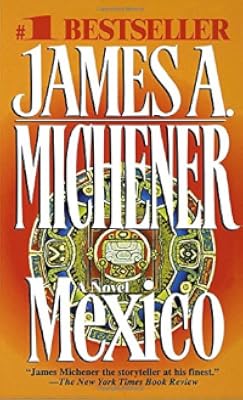
Mexico
by James A. Michener
On This Page
Description
Fiction. Literature. Thriller. Historical Fiction. HTML:Pulitzer Prize–winning author James A. Michener, whose novels hurtle from the far reaches of history to the dark corners of the world, paints an intoxicating portrait of a land whose past and present are as turbulent, fascinating, and colorful as any other on Earth. When an American journalist travels to report on the upcoming duel between two great matadors, he is ultimately swept up in the dramatic story of his own Mexican show more ancestry—from the brilliance and brutality of the ancients, to the iron fist of the invading Spaniards, to modern Mexico, fighting through dust and bloodshed to build a nation upon the ashes of revolution. Architectural splendors, frenzied bullfights, horrific human sacrifice: Michener weaves them all into an epic human story that ranks with the best of his beloved bestselling novels.Praise for Mexico
“Michener the storyteller at his finest . . . There are splendid and authentic scenes in the plaza de toros that are as dramatic as any written by Ernest Hemingway or Barnaby Conrad.”—The New York Times Book Review
“Astounding . . . fast-moving, intriguing . . . Michener is back in huge, familiar form with Mexico.”—Los Angeles Daily News
“An enthralling story . . . Michener artfully combines the history of Mexico with the art of bullfighting, teaching the reader about both and telling a grand story at the same time.”—St. Louis Post-Dispatch
“A novel of epic proportions, abounding in visual and historical detail.”—Richmond Times-Dispatch. show less
Tags
Recommendations






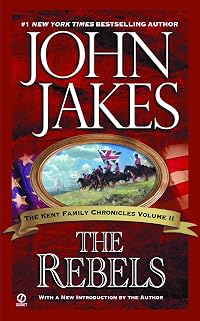

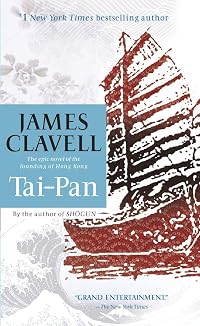
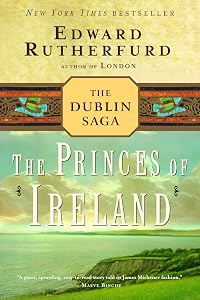

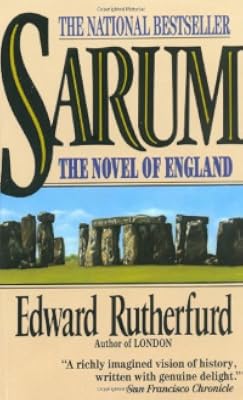
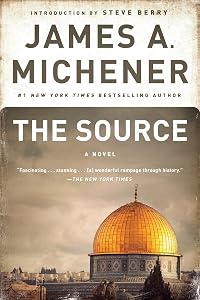
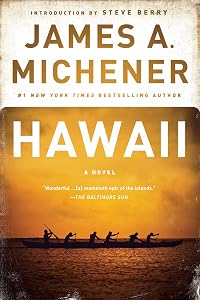


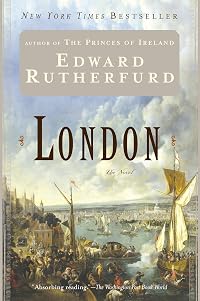


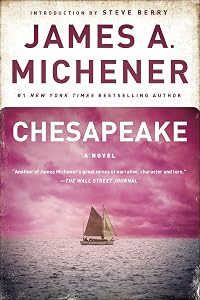

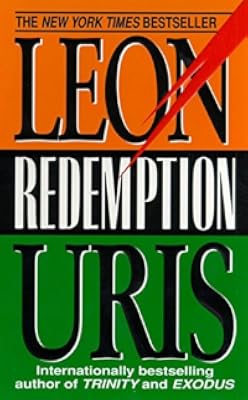


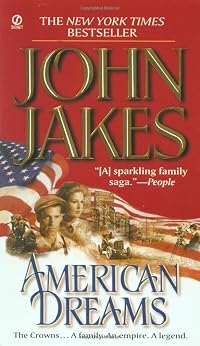

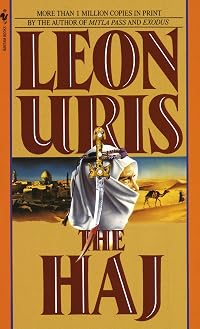
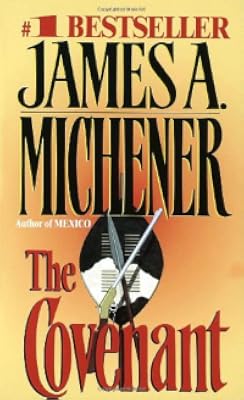
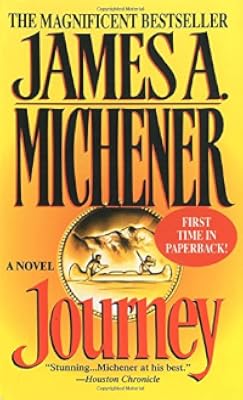
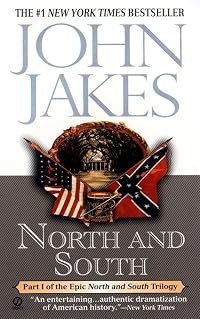

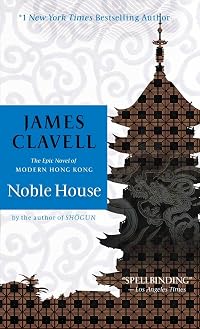


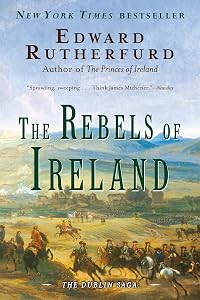


Member Recommendations
Cecrow "My Lost Mexico" is Michener's non-fiction recounting of the writing of his novel "Mexico".
Member Reviews
This one was a real slog for me. I was determined to finish it. I learned a lot about Mexican history and the influence of Spain there, but it was distressing to read so much about the horrors of war and the violence in the bullfighting ring. There was lots more about the practice of cutting human hearts out of live sacrifices than I really wanted to know. I would hate to witness a bullfight, a bear baiting, dog fights, etc. I’m a gentle hippie woman who doesn’t even like pesticides.
It was good but not among the best books that Michener has written. Unlike some other reviewers, I thought that the bull fighting worked pretty well, if only because it was a visually and culturally-dense spectacle that acquires additional meaning as the retrospective storylines cross back into the Indian, Spanish, and American ancestors. Those ancestor storylines show cultural influences that layer meaning onto the two principal toreros, onto the bulls and the associated ranching, to the town and is architecture, and even to the religious (I thought!) significance of the bulls themselves. That said, I have read enough about bull fighting for a long time.
The part that did not work as well for me was the narrator: Norman Clay. I show more disliked that the vehicle for getting the ancestor stories was his reportage (I guess for the book he starts at the end of the novel). The consequence is that the story does more "telling" history than "showing" history through the words and actions of the characters. Readers are never carried along with the characters and allowed to see the cumulative influence of history. Instead, Norman tells us, hits us over the head with the significance. The approach just felt less artful than in other Michener books, even if the research is just as detailed. show less
The part that did not work as well for me was the narrator: Norman Clay. I show more disliked that the vehicle for getting the ancestor stories was his reportage (I guess for the book he starts at the end of the novel). The consequence is that the story does more "telling" history than "showing" history through the words and actions of the characters. Readers are never carried along with the characters and allowed to see the cumulative influence of history. Instead, Norman tells us, hits us over the head with the significance. The approach just felt less artful than in other Michener books, even if the research is just as detailed. show less
I read most of this book during my first week in Mexico. It explains the unique culture of Mexico through the combined histories of its native and Spanish peoples. It relies heavily on the art of bullfighting as a metaphor. It's more captivating than others of his works I've read. I especially appreciate that, for once, the moral that always comes in the last 50 pages was more personal (involving the narrator, who resembles Michener, acting on his own inspiration). Now I just need to catch myself before referencing his city of Toledo and other fictional elements as historical realities.
Great book, especially the way Michener describes the bullfights. He uses the festival of Ixmiq as the thread of the story, to give a historical view of Mexico (the first inhabitants, the colonization by Spain, the wars with America) and a vivid account of the current bullfights. Fantastic!
I have read quite a few of Michener's books and learned a lot from them. Sometimes they can be a little dry but you learn a lot. This book read differently for me. The novel was about an epic bullfight, along with a lot of information about the rules and traditions. Interspersed in the book came the more usual Michener style of history told through realistic people that helped me understand the complex history of Mexico and the origins of many of its people. I almost thought at the end of the book (over 600 pages) that this really could have been 2 separate books.I really wanted the emphasis to be one or the other.
I would call this one a historical epic! This is my first Michener epic, and I am sure I will read others. This novel was very long, but still a great story with great characters. Seems to me you need to have a decent amount of patience and time to devote to a book like this. It is centered on Mexico, specifically, the narrator’s family history from ancient times to present. It shows a grand view of Mexico and its people and gives you many sides to the story of this very intriguing place. The narrator, Norman Clay, comes from a Mexican family with very important ancestry. Indeed this story could not be told from an average person’s viewpoint. Norman’s family line goes all the way back to important Indians who lived and worked to show more build the giant pyramid and on the other side, the Spanish settlers who came to bring Christianity and to see what they could take. Norman is an important journalist, back in Mexico after many years away to cover an important bullfight, mano y mano—two matadors (one Spanish, one Indian) who are going to fight it out. Mexico is an amazing history of bullfighting, a well constructed novel with subplots that are all tied together. An epic, definitely a learning experience. show less
This is about generations of the Clay/Palafox family extending back to the Altomec indians and beyond.
The nucleus of the story revolves around bullfighting, and I learned more about bullfighting than I ever wanted to know, but the descriptiveness of the author drew me in, and I was captivated by the history; especially the ancient history.
The nucleus of the story revolves around bullfighting, and I learned more about bullfighting than I ever wanted to know, but the descriptiveness of the author drew me in, and I was captivated by the history; especially the ancient history.
Members
- Recently Added By
Lists

Historical Fiction
889 works; 91 members

Time-Sweep Novels
28 works; 3 members
Author Information

210+ Works 49,399 Members
James A. Michener, 1907 - 1997 James Albert Michener was born on February 3, 1907 in Doylestown, Pa. He earned an A.B. from Swarthmore College, an A.M. from Colorado State College of Education, and an M.A. from Harvard University. He taught for many years and was an editor for Macmillan Publishing Company. His first book, "Tales of the South show more Pacific," derived from Michener's service in the Pacific in World War II, won the 1947 Pulitzer Prize for Fiction and was the basis for the Rodgers and Hammerstein Broadway musical South Pacific, which won the 1950 Pulitzer Prize for Drama. Michener completed close to 40 novels. Some other epic works include "Hawaii," "Centennial," "Space," and "Caribbean." He also wrote a significant amount of nonfiction including his autobiography "The World Is My Home." Among his many other honors, James Michener received the Presidential Medal of Freedom in 1977. He was married to Patti Koon in 1935; they divorced in 1948. He married Vange Nord in 1948 (divorced 1955) and Mari Yoriko Sabusawa in 1955 (deceased 1994). He died in 1997 in Austin, Texas. (Bowker Author Biography) show less
Awards and Honors
Distinctions
Work Relationships
Is contained in
Has as a supplement
Common Knowledge
- Canonical title
- Mexico
- Original title
- Mexico
- Original publication date
- 1992
- Important places
- Mexico
- Dedication
- This book is dedicated to Conchita Cintron La Superba
- First words
- I had been sent to Mexico to cover a murder, one of a remarkable kind.
- Last words
- (Click to show. Warning: May contain spoilers.)They made a most favorable impression, especially the girl who fought our cow with such style. Your admiring Uncle Eduardo
- Original language
- English
Classifications
- Genres
- Fiction and Literature, General Fiction, Historical Fiction
- DDC/MDS
- 813.54 — Literature & rhetoric American literature in English American fiction in English 1900-1999 1945-1999
- LCC
- PS3525 .I19 .M48 — Language and Literature American literature American literature Individual authors 1900-1960
- BISAC
Statistics
- Members
- 1,753
- Popularity
- 12,608
- Reviews
- 15
- Rating
- (3.52)
- Languages
- 6 — Dutch, English, French, German, Korean, Spanish
- Media
- Paper, Audiobook, Ebook
- ISBNs
- 29
- ASINs
- 16