On This Page
Description
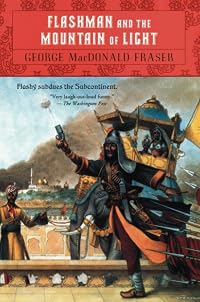
This ninth volume of The Flashman Papers, faithfully edited and transcribed by Fraser, finds that Sir Harry Flashman is back in India, where his saga began. This time, our hero is sent by Her Majesty's Secret Service to spy on the corrupt court of Lahore, on India's Northwest Frontier. Flashy's most challenging exploit yet is as politically shrewd and thoroughly lewd as ever.Tags
Recommendations
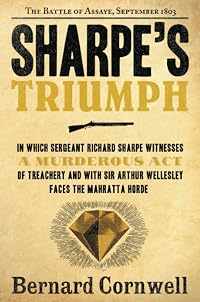

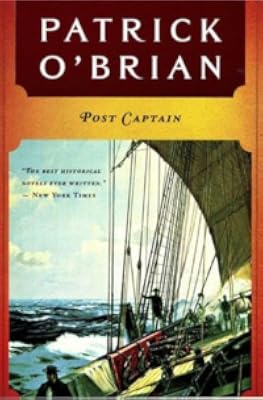

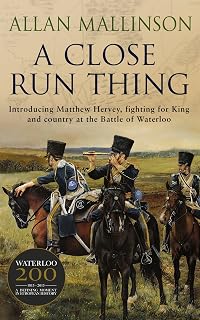
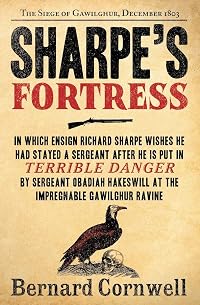
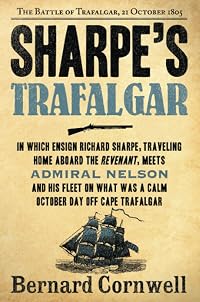
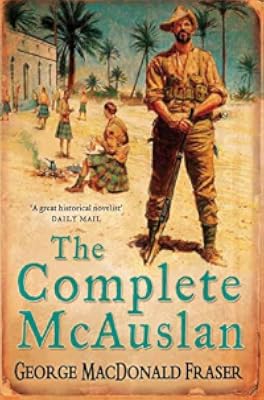

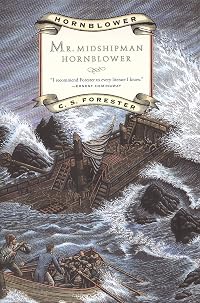

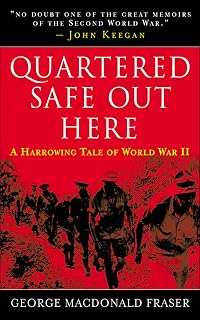

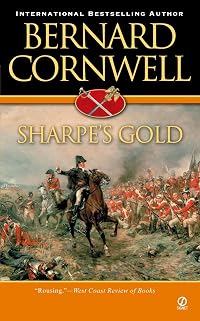
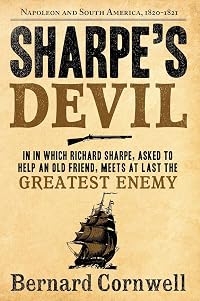
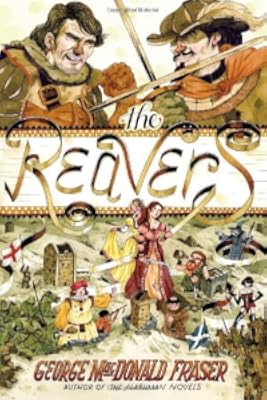
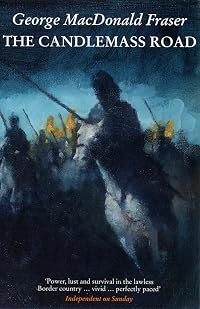

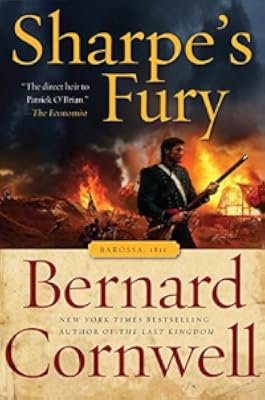
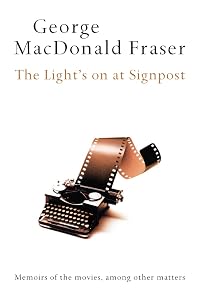

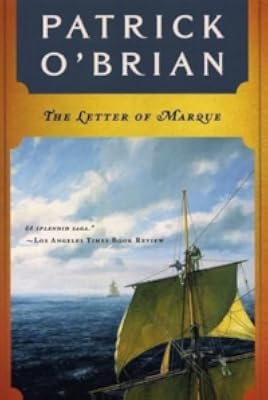

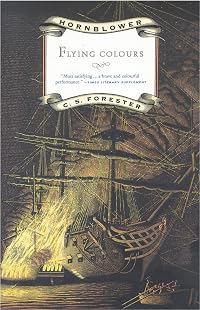

Member Recommendations
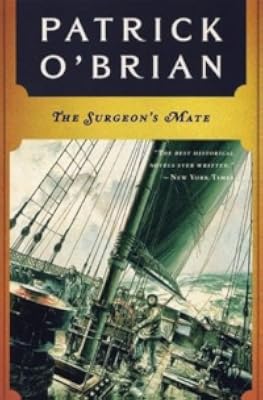
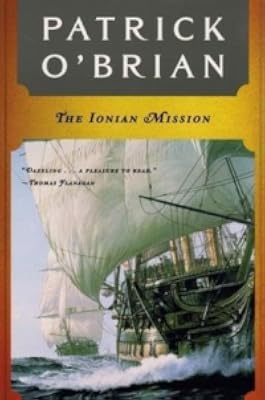
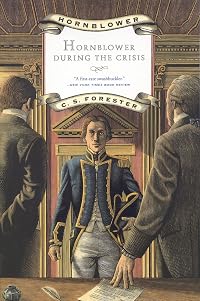
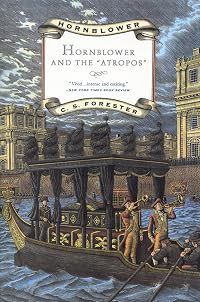
Cecrow The original novel from which the character Flashman is borrowed.
31
Member Reviews
I won't pretend that I've ever needed leave to bolt. I hadn't been given the precious gift of life to cast it away in back alleys, brawling on behalf of fat rajas and randy widows, and I was going like a startled fawn and rejoicing in my youth…" (pg. 180).
Another great Flashman adventure – one of the best. We've had Flashman the scoundrel before, Flashman the lecherous, Flashman the lucky, Flashman the hilarious. This was all of those things and yet it was also something new: it was Flashman doing his duty. Of course, it helps that doing his duty demands, on this occasion, lechery, guile and other damned underhand things besides, including conspiring with a Sikh general to think of ways to lose a battle on purpose...
As ever, show more Mountain of Light displays all the great qualities that I've come to expect from the Flashman books. It involves a return to India, scene of Flashman's greatest adventures (in my opinion), and that country's uniquely indefinable spirit of exotic adventure acquits itself well here too. It even has as a fairly prominent character the real historical figure of Josiah Harlan, who was inspiration for Kipling's 'The Man Who Would Be King' and consequently for the 1975 film adaptation starring Michael Caine and Sean Connery – one of the best adventure films of all time (I'd put money on it being a favourite of Fraser's, too). There's a lot more espionage and intrigue than in previous books, as Flashman is serving as a diplomatic agent for British interests in the Punjab and doing it as only he can (hint: it involves bedding a voluptuous Indian queen).
It's also, as ever, cracking historical fiction. Fraser's Flashman books are exceptional at introducing us to events and campaigns of the Victorian era which don't figure prominently in the history books, and Mountain of Light is no exception. It gives a gripping account of the First Anglo-Sikh War, a peculiar and yet extremely violent war with all the trimmings: bloodthirsty enemies, incompetent commanders and stirring cavalry charges. And with the future of British India at stake, b'gad. Great ending too: Catch! It's ripping storytelling and a great experience. To appropriate and rejig the words of the Duke of Wellington (who knew Flashman for a scoundrel): By God! I don't think it would have done if I had not been there!
" show less
Another great Flashman adventure – one of the best. We've had Flashman the scoundrel before, Flashman the lecherous, Flashman the lucky, Flashman the hilarious. This was all of those things and yet it was also something new: it was Flashman doing his duty. Of course, it helps that doing his duty demands, on this occasion, lechery, guile and other damned underhand things besides, including conspiring with a Sikh general to think of ways to lose a battle on purpose...
As ever, show more Mountain of Light displays all the great qualities that I've come to expect from the Flashman books. It involves a return to India, scene of Flashman's greatest adventures (in my opinion), and that country's uniquely indefinable spirit of exotic adventure acquits itself well here too. It even has as a fairly prominent character the real historical figure of Josiah Harlan, who was inspiration for Kipling's 'The Man Who Would Be King' and consequently for the 1975 film adaptation starring Michael Caine and Sean Connery – one of the best adventure films of all time (I'd put money on it being a favourite of Fraser's, too). There's a lot more espionage and intrigue than in previous books, as Flashman is serving as a diplomatic agent for British interests in the Punjab and doing it as only he can (hint: it involves bedding a voluptuous Indian queen).
It's also, as ever, cracking historical fiction. Fraser's Flashman books are exceptional at introducing us to events and campaigns of the Victorian era which don't figure prominently in the history books, and Mountain of Light is no exception. It gives a gripping account of the First Anglo-Sikh War, a peculiar and yet extremely violent war with all the trimmings: bloodthirsty enemies, incompetent commanders and stirring cavalry charges. And with the future of British India at stake, b'gad. Great ending too: Catch! It's ripping storytelling and a great experience. To appropriate and rejig the words of the Duke of Wellington (who knew Flashman for a scoundrel): By God! I don't think it would have done if I had not been there!
" show less
The recent death of George McDonald Fraser has brought a close (maybe permanent, maybe not?) to this delightful series of books. I have had the pleasure of following this series every since the release of the first book back in the sixties. The Flashman novels combine history (including substantial endnotes) with sex, action, adventure and the secret pleasure of enjoying the exploits of one of the most notoriously popular non-politically correct characters of 20th Century literature. Flashman is a womanizer, a coward, a scoundrel and a cheat, but in the novels, which are all narrated by Flashman himself, he is utterly honest with his readers. He is a man not proud of his faults, but certainly unabashed about them.
The Flashman novels show more could be dismissed as sensationalized light reading , but Fraser cleverly tied his character into most of the major events of the last sixty years of the nineteenth century, a Victorian Zelig or Forrest Gump. Flashman casually mentions this minor detail or that simple observation, then Fraser in his assumed role as editor of the Flashman papers meticulously explains in the endnotes how these mentions by Flashman confirm the truth of his narrative, since only if Flashman was there could he have known about this fact or that. Fraser's endnotes also round out the historic details of the narrative, giving background and elaboration to the history-as-I-lived-it tales told by Flashman. It all works wonderfully, even if you somewhat suspect that some details are being outrageously fabricated.
I very strongly recommend these books to anyone who has an interest in history and is willing to keep an open mind towards the womanizing and the language (the n-word appears quite a bit, but completely in character for Flashman). I would suggest the best way to read them is in order of publication. This doesn't follow Flashman's own life chronology, but the books published later often make reference to previous editions of the "Flashman Papers" and so is more fun for the reader to follow. show less
The Flashman novels show more could be dismissed as sensationalized light reading , but Fraser cleverly tied his character into most of the major events of the last sixty years of the nineteenth century, a Victorian Zelig or Forrest Gump. Flashman casually mentions this minor detail or that simple observation, then Fraser in his assumed role as editor of the Flashman papers meticulously explains in the endnotes how these mentions by Flashman confirm the truth of his narrative, since only if Flashman was there could he have known about this fact or that. Fraser's endnotes also round out the historic details of the narrative, giving background and elaboration to the history-as-I-lived-it tales told by Flashman. It all works wonderfully, even if you somewhat suspect that some details are being outrageously fabricated.
I very strongly recommend these books to anyone who has an interest in history and is willing to keep an open mind towards the womanizing and the language (the n-word appears quite a bit, but completely in character for Flashman). I would suggest the best way to read them is in order of publication. This doesn't follow Flashman's own life chronology, but the books published later often make reference to previous editions of the "Flashman Papers" and so is more fun for the reader to follow. show less
The author George R. R. Martin recommended this series via his internet site. I'm glad he did, as it's a wonderful find. In this outing, Flashman finds himself at the verge of the First Sikh War in India, sent as delegate into the Punjab and later as unwilling messenger to the front lines. He's a coward at heart and makes no bones about it, but he's always in the right place at the right time to witness military history in the making. This is the only novel in the series I've tripped across so far. Reading the others wasn't necessary at all to enjoy it, though it comes fourth chronologically. I'll be watching for more, if they're all this smooth a blend of factual history and ribald fiction.
The author's grasp of time, place and language show more feels very authentic. My one quibble is that his two American characters sound very British, but that could be passed off as an effect of their working with the British for so long. I've read quite a bit of historical fiction, and this is among the most impressive in terms of careful distinguishing between fiction and fact via footnotes, appendices and sources cited. Rather than coming away with only a hazy sense of what portions were made up, this one left me pretty clear on that account. I had a lot of consequent fun with scouting all over Wikipedia, learning more of the background behind these people and their circumstances (Flashman himself being the obvious fictional exception.) Surely there's a way to make educational entertainment like this part of highschool curricula? I would have enjoyed that. show less
The author's grasp of time, place and language show more feels very authentic. My one quibble is that his two American characters sound very British, but that could be passed off as an effect of their working with the British for so long. I've read quite a bit of historical fiction, and this is among the most impressive in terms of careful distinguishing between fiction and fact via footnotes, appendices and sources cited. Rather than coming away with only a hazy sense of what portions were made up, this one left me pretty clear on that account. I had a lot of consequent fun with scouting all over Wikipedia, learning more of the background behind these people and their circumstances (Flashman himself being the obvious fictional exception.) Surely there's a way to make educational entertainment like this part of highschool curricula? I would have enjoyed that. show less
In George MacDonald Fraser's 'Flashman and the Mountain of Light', our man Flashy sees Queen Vicky holding the Koh-I-Noor diamond and flashes back to India - more precisely, the Punjab where he arrives just in time for the first Anglo Sikh War (1845-46), not to suggest that Flashman had a hand in the war or anything.
The reader meets some of the most colorful figures ever to occupy the historical stage - as Flashman says "there were some damned odd fellows about in the earlies" - many of whom have just about slipped into the obscuring mists of time before Frasser rescued them. There's the White Mughal Alexander Haughton Campbell Gardner, the Queen Mother Maharani Jeendan (ohh, what a mother!), British 'agent' George Broadfoot and more. show more Flashman even meets up with a couple of fellows who are bigger cowards than he - Lal Singh and Tej Singh.
Fraser also takes the reader through the war in some detail, especially the battles at Ferozeshah and Sobraon. If anything the battle scenes last too long, but that will be a matter of taste for the individual reader.
Along the way, Harry engages in some rather disturbing behavior, which other reviewers have suggested indicate a degree of bravery heretofore undetected. Bosh! While Flashy isn't always the quivering mass of jelly we have come to expect, any actions suggestive of courage are simply acts of self-preservation. And anyway, Flashy gets his just reward for such behavior in the end.
Highest Flashman recommendation show less
The reader meets some of the most colorful figures ever to occupy the historical stage - as Flashman says "there were some damned odd fellows about in the earlies" - many of whom have just about slipped into the obscuring mists of time before Frasser rescued them. There's the White Mughal Alexander Haughton Campbell Gardner, the Queen Mother Maharani Jeendan (ohh, what a mother!), British 'agent' George Broadfoot and more. show more Flashman even meets up with a couple of fellows who are bigger cowards than he - Lal Singh and Tej Singh.
Fraser also takes the reader through the war in some detail, especially the battles at Ferozeshah and Sobraon. If anything the battle scenes last too long, but that will be a matter of taste for the individual reader.
Along the way, Harry engages in some rather disturbing behavior, which other reviewers have suggested indicate a degree of bravery heretofore undetected. Bosh! While Flashy isn't always the quivering mass of jelly we have come to expect, any actions suggestive of courage are simply acts of self-preservation. And anyway, Flashy gets his just reward for such behavior in the end.
Highest Flashman recommendation show less
Our intrepid hero, Harry Flashman, is back for volume nine of the Flashman Papers, a narrative of the life and times of one of the most ne’er-do-well wastrels to ever grace the pages of a published autobiography.
The first five Flashman novels were presented in chronological order. This “packet”, like its three immediate predecessors, acts to fill in a previous “gap” in the Flashman timeline. From a chronological standpoint, the adventures of this novel immediately follow those contained in Flashman’s Lady, wherein we left Flashman on the heels of his escape from Ranavalona, the mad queen of Madagascar, that following his rescue of his wife, Elspeth, from South Sea pirates. Believing himself to be returning to merry, old show more England, Flashy is diverted instead to India, where the services of the Afghan hero are desperately needed to quell the restless natives.
As in the previous Flashman novels, our Harry is revealed as the premier coward and opportunist of his era; faults which he quite willingly admits and even boasts of. Much as a prior day Forrest Gump, he has a way of finding himself among the most powerful and famous personages of his era, as he takes part in the great events of the period, in this case, quelling the Sikh Rebellion of 1845-46 and securing the Koh-i-Noor, the greatest jewel then in existence.
Aside from uproarious fun and games, the Flashman series is set against historical events and actually serves as an educational experience. On to volume ten of the Flashman Papers. show less
The first five Flashman novels were presented in chronological order. This “packet”, like its three immediate predecessors, acts to fill in a previous “gap” in the Flashman timeline. From a chronological standpoint, the adventures of this novel immediately follow those contained in Flashman’s Lady, wherein we left Flashman on the heels of his escape from Ranavalona, the mad queen of Madagascar, that following his rescue of his wife, Elspeth, from South Sea pirates. Believing himself to be returning to merry, old show more England, Flashy is diverted instead to India, where the services of the Afghan hero are desperately needed to quell the restless natives.
As in the previous Flashman novels, our Harry is revealed as the premier coward and opportunist of his era; faults which he quite willingly admits and even boasts of. Much as a prior day Forrest Gump, he has a way of finding himself among the most powerful and famous personages of his era, as he takes part in the great events of the period, in this case, quelling the Sikh Rebellion of 1845-46 and securing the Koh-i-Noor, the greatest jewel then in existence.
Aside from uproarious fun and games, the Flashman series is set against historical events and actually serves as an educational experience. On to volume ten of the Flashman Papers. show less
Harry Flashman is back again! It almost seems like he won't go away. The year is 1845 and this time Flashy is a spy for Her Majesty's Secret Service! When we last left Flashy he was in Singapore. I have to admit, the start to Flashman and the Mountain of Light was a little slow this time around. It took me two chapters before I really got into it. If you are looking for Fraser's trademark sex and violence, Flashman and the Mountain of Light does not disappoint. It just takes a little longer to get to. For the historians out there, Fraser covers the Sutlej Crisis and of course, the Mountain of Light or Koh-i-Noor, one of the largest diamonds in the world.
Discovering Flashman has been my highlight for 2010.
Fraser’s skills as a novelist and historian is such that he created a character who remains ultimately likeable, despite his treatment of women. There have been many such men in life – why not in art?
In a particularly saucy edition of the Flashman papers, Flashy near single-handedly saves the British cause in India, by virtue of his manly virility, stamina and performance.
Fraser’s skills as a novelist and historian is such that he created a character who remains ultimately likeable, despite his treatment of women. There have been many such men in life – why not in art?
In a particularly saucy edition of the Flashman papers, Flashy near single-handedly saves the British cause in India, by virtue of his manly virility, stamina and performance.
Members
- Recently Added By
Published Reviews
ThingScore 100
Three essential ingredients go to make up a Flashman plot. These are: a ravenous and fascinating heroine, a spine-chillingly sadistic villain and a historically based exotic or legendary figure... This mixture, enriched with lechery and treachery, makes a galloping read and culminates in the fourth great Fraser quality: a full-dress pitched battle. In this case two battles: the great show more engagements at Ferozeshah and Sobraon by which Britain became master of the Punjab. How Flashman or Fraser find time for the libido and its exercise among all this is more than I can fathom, but Victorian values have been overdue for revision and satire these many years. show less
added by SnootyBaronet
Lists

All Things India
95 works; 21 members

Historical Fiction
889 works; 91 members

Best Antiheroes and Antiheroines
119 works; 7 members
Author Information

48+ Works 19,703 Members
Author George MacDonald Fraser was born April 2, 1925 in Carlisle. He was refused entrance to the medical faculty of Glasgow University, so he joined the army in 1943. He served as an infantryman with the 17th Indian Division of the XIVth Army in Burma, a lance corporal and was commissioned in the Gordon Highlanders. After the war, he became a show more sports reporter with the Carlisle Journal; and during this time, he met and married Kathleen Hetherington, a reporter from another paper. He worked as a reporter and sub-editor on the Cumberland News and then moved to Glasgow, in 1953, where he worked at the Glasgow Herald as a features editor and deputy editor. Fraser's first novel was "Flashman" (1969), which was followed by nine sequels, so far, that deal with different venues of the 19th century ranging from Russia, Borneo and China to the Great Plains of the America West. Some of the other titles in the Flashman Papers are "Royal Flash" (1970), "Flashman in the Great Game" (1975), "Flashman and the Redskins" (1982), and "Flashman and the Angel of the Lord" (1994). Some of his non-fiction work includes "The Steel Bonnets" (1971), which is a factual study of the Anglo-Scottish border thieves in the seventeenth century, and "Quartered Safe Out Here" (1992). Fraser has also written a number of screenplays that include "The Three Musketeers" (1973), "Royal Flash" (1975), "Octopussy" (1983), and "Return of the Musketeers" (1989). He has also written a series of short stories about Private McAuslan whose titles include "The General Danced at Dawn" (1970), "McAuslan in the Rough" (1974), and "The Sheik and the Dustbin and other McAuslan Stories" (1988). He died of cancer on January 2, 2008. (Bowker Author Biography) show less
Some Editions
Series

Work Relationships
Common Knowledge
- Canonical title
- Flashman and the Mountain of Light
- Original publication date
- 1990
- People/Characters
- Harry Paget Flashman (fictitious); Jeendan Singh; George Broadfoot; Colonel Alexander Gardner; Josiah Harlan; Sir Hugh Gough
- Important places
- Lahore, India; Punjab, India; India
- Important events
- First Anglo-Sikh War (1845 | 1846); Sutlej Crisis
- Dedication
- For Kath, as always, and with salaams to Shadman Khan and Sardul Singh, wherever they are.
- First words
- "Now my dear Sir Harry, I must tell you," says her majesty, with that stubborn little duck of her head that always made Palmerston think she was going to butt him in the guts, "I am quite determined to learn Hindoostanee."
- Quotations
- You’ll have heard it said that the British Empire was acquired in a fit of absence of mind – one of those smart Oscarish squibs that sounds well but is thoroughly fat-headed. Presence of mind, if you like – and countles... (show all)s other things, such as greed and Christianity, decency and villainy, policy and lunacy, deep design and blind chance, pride and trade, blunder and curiosity, passion, ignorance, chivalry and expediency, honest pursuit of right, and determination to keep the bloody Frogs out.
- Last words
- (Click to show. Warning: May contain spoilers.)"... Here, catch!"
- Original language
- English UK
Classifications
Statistics
- Members
- 1,059
- Popularity
- 24,245
- Reviews
- 11
- Rating
- (4.00)
- Languages
- English, German, Spanish
- Media
- Paper, Audiobook, Ebook
- ISBNs
- 23
- ASINs
- 9