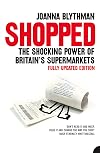
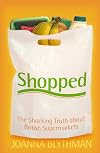
Shopped: The Shocking Power of British Supermarkets
by Joanna Blythman
On This Page
Description
An elegant demolition of the supermarket miracle, this book charts the impact that supermarkets have had on every aspect of our lives and culture. Did you know...; Almost 50% of supermarket fruit and vegetables contain pesticide residues?* UK supermarkets make 40p on every GBP1 spent on bananas while plantations workers are paid just 1p?* Supermarkets operate a climate of fear amongst their suppliers?* Every time a supermarket opens the local community loses on average 276 jobs?In the 1970s, show more British supermarkets had only 10% of the UK's grocery spend. Now they swallow up 80%, influencing how we shop, what we eat, how we spend our leisure time, how much rubbish we generate, even the very look of our physical environment. Award-winning food writer Joanna Blythman investigates the enormous impact that these big box retailers are having on our lives. need to survive, the wholesalers who have been eliminated from the supply chain, travels to suburban retail parks to meet the teenagers and part-timers who stack our shelves and reveals the hoops third world suppliers must jump through to earn supermarket contracts. This thought-provoking, witty and sometimes chilling voyage of discovery is sure to make you think twice before you reach for that supermarket trolley quite so enthusiastically ever again. show lessTags
Recommendations


















Member Recommendations
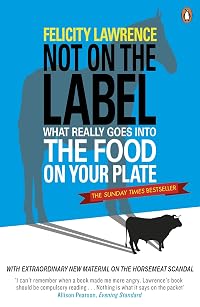
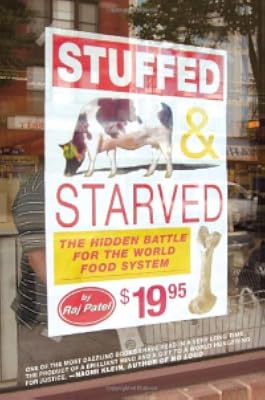
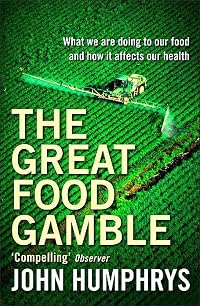
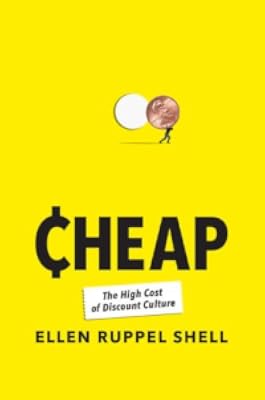
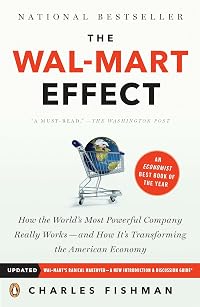
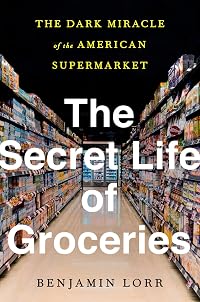
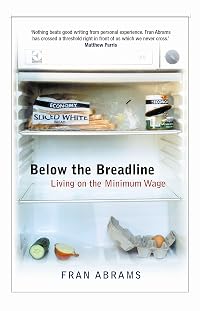
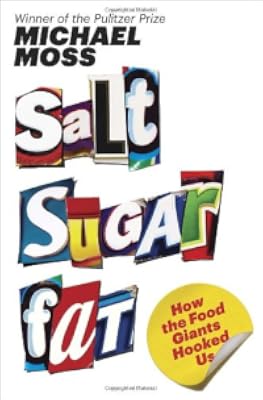
gaidheal01 Both books study globalisation and its affects, and practices of British supermarkets. Not on the Label focuses more on different foods, whereas Shopped goes into greater detail about individual practices of the supermarkets.
Member Reviews
'Shopped' takes the reader on a lively, thought-provoking and incredibly interesting journey through the world of the modern British supermarket, revealing every secret trick and behind-the-scenes truths that they really wouldn't want the public to think about. From screwed-over suppliers to exhausted assistants, corner-cutting to own-label quality, obsessive perfection to global domination; it's all here in candid detail. I worked as a shop assistant for one of the 'Big Four' and within a couple of months of employment, I could see the truth in some of the topics covered in Blythman's book.
This book has affected me a lot. After reading this book, why would I want to shop somewhere that has colour charts to determine whether a tomato show more is good enough to sell? Where checkout girls have to put up their hands to go to the loo like naughty school children? Where staff have no idea what their products are or what to do with them? That shamelessly hire and fire suppliers with no thought as to their livelihoods and the amount of work that goes into large-scale production for supermarkets?
Read this book and be inspired. Vote with your feet and refuse to conform to the supermarket-driven one-stop-shop ideal where everything you need in your life comes from them in a neat once-a-week consumer package. This book is a sharp and well-written call to arms, and should be compulsory reading for everyone from teenagers to grandmothers. show less
This book has affected me a lot. After reading this book, why would I want to shop somewhere that has colour charts to determine whether a tomato show more is good enough to sell? Where checkout girls have to put up their hands to go to the loo like naughty school children? Where staff have no idea what their products are or what to do with them? That shamelessly hire and fire suppliers with no thought as to their livelihoods and the amount of work that goes into large-scale production for supermarkets?
Read this book and be inspired. Vote with your feet and refuse to conform to the supermarket-driven one-stop-shop ideal where everything you need in your life comes from them in a neat once-a-week consumer package. This book is a sharp and well-written call to arms, and should be compulsory reading for everyone from teenagers to grandmothers. show less
Originally published in around 2004/2005, in some respects developments in British supermarkets haven't quite gone the way anticipated in this book, with the largest supermarket chains busily abandoning their plans for new out-of-town hypermarkets all over the country, but on the other hand the changes in relative growth of different supermarket chains in the UK over the past years don't really imply that less money over all is being spent in supermarkets. I have mixed feelings about supermarkets, but I suppose I'm of the generation who has never really done anything else, and I'm much more comfortable with the idea of a supermarket computer system being familiar with my shopping patterns than the local independent shop staff show more recognising me and noting the contents of my shopping basket. So all in all, this was a book to make me think but doesn't neatly fit into what I think is a desirable state of affairs. But I suppose it has now given me a push to try to spread out my spending outside of the largest supermarkets, at least a little. show less
An interesting look at the practices of the supermarkets in Britain, and you can see the echoes of these practices in Ireland. Looking at how some of their practices aren't giving us better produce but a homogenity that may look better but often doesn't taste better. She echoes my own concerns about people complaining that small shops are dying who do their regular shopping in big stores.
It may be because I try to stay up to date with consumer matters, but to me Shopped seems like old news. Yes, it's 4 years old, but the path it's travelled has been travelled well by other works before and since.
I admit it covered areas that were new to me, but they were few and far between. I hadn't realised that producers were expected to fund offers on their products - I thought that supermarkets put on offers when they had too much of a bad thing. I knew the supermarkets put a lot of pressure on their producers, but didn't realise so much of it was financial.
If you're suprised by the news that people dislike supermarkets for numerous reasons, this would be a good introduction. Otherwise, it's a bit past it's read-by date.
I admit it covered areas that were new to me, but they were few and far between. I hadn't realised that producers were expected to fund offers on their products - I thought that supermarkets put on offers when they had too much of a bad thing. I knew the supermarkets put a lot of pressure on their producers, but didn't realise so much of it was financial.
If you're suprised by the news that people dislike supermarkets for numerous reasons, this would be a good introduction. Otherwise, it's a bit past it's read-by date.
Absolute "must read" to anyone in any country.
Without reiterating previous reviewers I would just say that if you were pondering over investments, don't hesitate any longer - buy global retailers' shares. Chances are few and little that anyone in the coming years might oppose their expansionist growth, resulting in rising share prices.
Without reiterating previous reviewers I would just say that if you were pondering over investments, don't hesitate any longer - buy global retailers' shares. Chances are few and little that anyone in the coming years might oppose their expansionist growth, resulting in rising share prices.
Ratings
Members
- Recently Added By
Author Information

8 Works 427 Members
Awards and Honors
Common Knowledge
- Original title
- Shopped: The Shocking Power of British Supermarkets
- Original publication date
- 2004
- Dedication
- For Lynda and Nick
- First words
- Leafing through this book you might get the impression that it is written by a longstanding opponent and critic of supermarkets. (Introduction)
In June 2003, when a new Sainsbury's Local, complete with cash machine, sliding doors and eight gleaming tills, opened opposite them, the owners of Belmont Mini Market in Chalk Farm were worried. (Chapter 1) - Last words
- (Click to show. Warning: May contain spoilers.)Those stubborn consumers who still feel the need to retain some sovereignty over their shopping baskets or who just can't hack a celebrity chef on a plasma screen yacking away in their ear will be left with the reassuring nostalgia of the mock farmer's market supplemented by a few carefully stage-managed food-handling opportunities - the retail equivalents of the touchy-feely installations you get in museums to enliven rooms of dusty artefacts.
Classifications
Statistics
- Members
- 195
- Popularity
- 168,614
- Reviews
- 5
- Rating
- (3.63)
- Languages
- English
- Media
- Paper, Ebook
- ISBNs
- 4
- ASINs
- 2