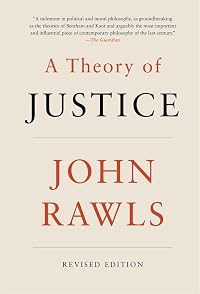
A Theory of Justice
by John Rawls
On This Page
Description
This volume is a widely-read book of political philosophy and ethics. Arguing for a principled reconciliation of liberty and equality, it attempts to solve the problem of distributive justice (this concerns what is considered to be socially just with respect to the allocation of goods in a society). The resultant theory is known as "Justice as Fairness", from which the author derives his two famous principles of justice. The first of these two principles is known as the equal liberty show more principle. The second principle is split into two parts; the first, known as fair equality of opportunity, asserts that justice should not benefit those with advantageous social contingencies; while the second, reflecting the idea that inequality is only justified if it is to the advantage of those who are less well-off, is known as the difference principle. show lessTags
Recommendations





Member Recommendations

gabriel A short and brilliant work by Canada's greatest political philosopher, it critically engages Rawls' classic "A Theory of Justice".
Member Reviews
Den knastertorra politisk-filosofiska prosan kändes som en frisk fläkt i dagens diskussionsklimat som handlar mindre om att förstå världen och diskutera vilka mål vi som samhälle vill uppnå och desto mer om att "äga" motståndaren.
Rawls bok är 1900-talets Bok inom den politiska filosofin, men utanför de humanistiska korridorerna på universiteten får jag för mig att han inte är speciellt känd. Rawls ryktbarhet bygger på två saker från boken. Det ena är hans metodologi och det andra hans slutsats.
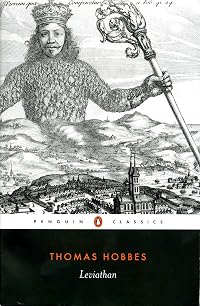
När det gäller hans metodologi bygger han vidare på kontraktsteorin från Hobbes och framåt. Hobbes hävdade att människor i naturtillståndet levde liv som var "ensamt, fattigt, otrevligt, brutalt och kort" och för show more att undvika de ingick de ett kontrakt där personerna underordnade sig en härskare (Leviathan) som fick våldsmonopol och ingrep om någon bröt mot reglerna och därmed bringade ordning och säkerhet till samhället och dess medlemmar. Hobbes lär inte ha tänkt att något faktiskt kontraktskrivande någonsin skedde, utan han använder det som ett tankeexperiment. Rawls bygger vidare och fördjupar den idén. Han tänker sig en ursprungsposition där människor skulle vara bakom en slöja av okunnighet. De skulle inte veta vilket kön de var, ålder, vilken samhällsposition och så vidare. Utifrån antagandet att de alla är rationella egoister frågar sig Rawls vilka slags rättviseprinciper de skulle välja att samhället de sedan ska leva i ska styras av.
Slutsatsen Rawls når är att de bakom okunnighetens slöja skulle välja att ha politiska och medborgerliga rättigheter och att samhället ska vara ordnat på ett sådant sätt att de sämst ställda ska ha det så bra som möjligt. Ekonomisk ojämlikhet är alltså tillåten så länge det gynnar de sämst ställda.
Det finns mycket att ifrågasätta i boken och den är definitivt, som tidigare nämnts, knastertorr på sina ställen. Själv lutar jag mot utilitarismen, som är Rawls huvudmotståndare i boken. Men trots allt är det en mycket välskriven bok som introducerade ett nytt sätt att ta sig an rättvisefrågor och politisk filosofi.
Väl värd att läsa! Men om möjligt, börja med att läsa en introduktionsbok till (modern) politisk filosofi, så blir det enklare att förstå Rawls argumentation. show less
Rawls bok är 1900-talets Bok inom den politiska filosofin, men utanför de humanistiska korridorerna på universiteten får jag för mig att han inte är speciellt känd. Rawls ryktbarhet bygger på två saker från boken. Det ena är hans metodologi och det andra hans slutsats.
När det gäller hans metodologi bygger han vidare på kontraktsteorin från Hobbes och framåt. Hobbes hävdade att människor i naturtillståndet levde liv som var "ensamt, fattigt, otrevligt, brutalt och kort" och för show more att undvika de ingick de ett kontrakt där personerna underordnade sig en härskare (Leviathan) som fick våldsmonopol och ingrep om någon bröt mot reglerna och därmed bringade ordning och säkerhet till samhället och dess medlemmar. Hobbes lär inte ha tänkt att något faktiskt kontraktskrivande någonsin skedde, utan han använder det som ett tankeexperiment. Rawls bygger vidare och fördjupar den idén. Han tänker sig en ursprungsposition där människor skulle vara bakom en slöja av okunnighet. De skulle inte veta vilket kön de var, ålder, vilken samhällsposition och så vidare. Utifrån antagandet att de alla är rationella egoister frågar sig Rawls vilka slags rättviseprinciper de skulle välja att samhället de sedan ska leva i ska styras av.
Slutsatsen Rawls når är att de bakom okunnighetens slöja skulle välja att ha politiska och medborgerliga rättigheter och att samhället ska vara ordnat på ett sådant sätt att de sämst ställda ska ha det så bra som möjligt. Ekonomisk ojämlikhet är alltså tillåten så länge det gynnar de sämst ställda.
Det finns mycket att ifrågasätta i boken och den är definitivt, som tidigare nämnts, knastertorr på sina ställen. Själv lutar jag mot utilitarismen, som är Rawls huvudmotståndare i boken. Men trots allt är det en mycket välskriven bok som introducerade ett nytt sätt att ta sig an rättvisefrågor och politisk filosofi.
Väl värd att läsa! Men om möjligt, börja med att läsa en introduktionsbok till (modern) politisk filosofi, så blir det enklare att förstå Rawls argumentation. show less
The book that I wound up reading most often in college (my major was Ethics, Politics and Economics). It shaped my worldview and politics perhaps more than any other book ever. I am elevating it from 4 stars to 5 stars because of that, in spite of the fact that it can be a bit of a slog. With this book, Rawls reignited political theory after a period during which not much of anything new had been said for decades, but he's not exactly a brilliant prose stylist.
Warmed over social contract theory, neither innovative nor insightful yet highly over-rated because it told decision makers what they Wanted to hear, what they Already believed.
If you want a comforting assurance that the myths of American democracy are true and just and that all live in the best possible world,
well, don't be surprised if the facts bite you in the backside. Fentanyl heroin diabetes obesity heart disease declining life expectancy endless wars. I haven't even played the race card, the bad outcomes are significant even among the vast swathes of deindustrialized white murrica.
This book will ultimately prove entirely uninfluential due to failing to even recognize let alone address the real problems facing the USA and will as show more a consequence attract no or nearly no foreign support replication or emulation.
HIs ideas are full of good intentions, but are incorrect and thus inapt. A truly disappointing book. Yo ought to read it since everyone else will cite it with liberal praise (see what i did there?)
But it's wrong on the facts, which is what we can no longer Afford to be. show less
If you want a comforting assurance that the myths of American democracy are true and just and that all live in the best possible world,
well, don't be surprised if the facts bite you in the backside. Fentanyl heroin diabetes obesity heart disease declining life expectancy endless wars. I haven't even played the race card, the bad outcomes are significant even among the vast swathes of deindustrialized white murrica.
This book will ultimately prove entirely uninfluential due to failing to even recognize let alone address the real problems facing the USA and will as show more a consequence attract no or nearly no foreign support replication or emulation.
HIs ideas are full of good intentions, but are incorrect and thus inapt. A truly disappointing book. Yo ought to read it since everyone else will cite it with liberal praise (see what i did there?)
But it's wrong on the facts, which is what we can no longer Afford to be. show less
The argument seems sound enough until you reach the third part of the book on moral psychology, at which point the cracks begin to overwhelm the rest of the piece, and it collapses into little more than an intellectual exercise.
I discovered this book through a real "apology of Rawls" that was contained within a book from a former speechwriter for President Reagan.
You may agree or disagree with it, but, in organizational design, I used its concepts often not as a guideline for design (different organizations have different concepts of "fairness" and distribution of power and resources), but as a framework to ask questions.
As often what matters is not that you share the answers, but that you can position yourself and your choices vs. the questions coming from sources that do not necessarily concur with your choices.
Having said that, I think that, politically, there are still some parts of the book that are relevant today, moreover when you consider that in our show more modern society where everybody is constantly switching status and roles, often we demand fairness in some venues (or "ecosystems", to use today's trendy lingo), while fail to give it in others show less
You may agree or disagree with it, but, in organizational design, I used its concepts often not as a guideline for design (different organizations have different concepts of "fairness" and distribution of power and resources), but as a framework to ask questions.
As often what matters is not that you share the answers, but that you can position yourself and your choices vs. the questions coming from sources that do not necessarily concur with your choices.
Having said that, I think that, politically, there are still some parts of the book that are relevant today, moreover when you consider that in our show more modern society where everybody is constantly switching status and roles, often we demand fairness in some venues (or "ecosystems", to use today's trendy lingo), while fail to give it in others show less
This book is a) the single most important work of political theory published in the English-speaking world in the last (at least) fifty years, and b) a stuningly constructed intellectual edifice. This book has spawned many critics, with justification, but it has, as most of those critics themselves acknowledge, created the space within which those critical thoughts could be born.
The book has three sections: Theory, Institutions, Ends. Theory and Institutions deserve five stars, Ends 3 (or less, I want to be generous.)
Rawls' goal when he wrote the first edition (published in 1971) was to explicate a coherent alternative, based on social-contract theory, to the then-prevalent utilitarian understanding of justice. He must have succeeded--everyone seems now to nod a head in his direction when discussing justice whether they agree with him or not. Not being an academic I could be missing some water-cooler gossip that he failed utterly, but I don't think so.
In the first two sections he builds a theory and then some institutions implementing that theory based on a thought-experiment he calls "the original condition" show more (among other terms), which is an imaginary situation where a group of people who are going to live within a society make up the principles and then the institutions for the society without knowing what their role in the society will be and what their status relative to the others' will be.
That lack of knowledge he calls the "veil of ignorance" and although it's a fine tool for refining the theory without having to deal with the complexities of lived-life, it also gives notice that he is going to be concerned throughout only with disembodied theory with only an occaisional hand-wave to real situations, and that can get frustrating, fast. I suppose if you're a theorist keeping things tidy is more important than keeping things real, but most of us aren't theorists.
The last section, in which he tests his theory with respect to real world situations just falls apart for me. My marginal notes say things like "when you're being interviewed on Oprah", and "maybe in an alternative universe." It could be that the real life-experience of a tenured professor is enough different from my more (ahem) worldy experiences, but it seemed like he was describing situations in bizarro-world, not mine.
But still, after a careful reading of this seminal work, I have an increased confidance in my background understanding of the issues surrounding a theory of justice and am launching myself into some of the more recent treatises on the subject. show less
Rawls' goal when he wrote the first edition (published in 1971) was to explicate a coherent alternative, based on social-contract theory, to the then-prevalent utilitarian understanding of justice. He must have succeeded--everyone seems now to nod a head in his direction when discussing justice whether they agree with him or not. Not being an academic I could be missing some water-cooler gossip that he failed utterly, but I don't think so.
In the first two sections he builds a theory and then some institutions implementing that theory based on a thought-experiment he calls "the original condition" show more (among other terms), which is an imaginary situation where a group of people who are going to live within a society make up the principles and then the institutions for the society without knowing what their role in the society will be and what their status relative to the others' will be.
That lack of knowledge he calls the "veil of ignorance" and although it's a fine tool for refining the theory without having to deal with the complexities of lived-life, it also gives notice that he is going to be concerned throughout only with disembodied theory with only an occaisional hand-wave to real situations, and that can get frustrating, fast. I suppose if you're a theorist keeping things tidy is more important than keeping things real, but most of us aren't theorists.
The last section, in which he tests his theory with respect to real world situations just falls apart for me. My marginal notes say things like "when you're being interviewed on Oprah", and "maybe in an alternative universe." It could be that the real life-experience of a tenured professor is enough different from my more (ahem) worldy experiences, but it seemed like he was describing situations in bizarro-world, not mine.
But still, after a careful reading of this seminal work, I have an increased confidance in my background understanding of the issues surrounding a theory of justice and am launching myself into some of the more recent treatises on the subject. show less
Members
- Recently Added By
Lists

LT picks: Blue Books
197 works; 39 members

Modern Library 100 Best Nonfiction Books
100 works; 8 members

Ancap Part 6 - Refutations
17 works; 1 member

Filosofía - Clásicos
217 works; 1 member

The Enlightened Economist
107 works; 1 member

Política - Clásicos
164 works; 2 members

Works referenced in Capital in the Twenty-First Century by Thomas Piketty
62 works; 2 members

Blue Pyramid 1,276 Best Books of All Time
1,248 works; 32 members

Maybe This Year? Books to Look Forward To
414 works; 9 members

In Our Time books
4,934 works; 2 members

Books Cited in Blueprint by Nicholas Christakis
261 works; 1 member
Author Information

18+ Works 6,521 Members
John Rawls, professor of philosophy at Harvard University, had published a number of articles on the concept of justice as fairness before the appearance of his magnum opus, A Theory of Justice (1971). While the articles had won for Rawls considerable prestige, the reception of his book thrust him into the front ranks of contemporary moral show more philosophy. Presenting a Kantian alternative to conventional utilitarianism and intuitionism, Rawls offers a theory of justice that is contractual and that rests on principles that he alleges would be accepted by free, rational persons in a state of nature, that is, of equality. The chorus of praise was loud and clear. Stuart Hampshire acclaimed the book as "the most substantial and interesting contribution to moral philosophy since the war."H. A. Bedau declared: "As a work of close and original scholarship in the service of the dominant moral and political ideology of our civilization, Rawls's treatise is simply without a rival." Rawls historically achieved two important things: (1) He articulated a coherent moral philosophy for the welfare state, and (2) he demonstrated that analytic philosophy was most capable of doing constructive work in moral philosophy. A Theory of Justice has become the most influential work in political, legal, and social philosophy by an American author in the twentieth century. (Bowker Author Biography) show less
Some Editions
Awards and Honors
Awards
Distinctions
Notable Lists
Series
Belongs to Publisher Series
Work Relationships
Is abridged in
Has as a student's study guide
Common Knowledge
- Canonical title*
- Oikeudenmukaisuusteoria
- Original title
- The Theory of Justice
- Original publication date
- 1971; 1999 (revised ed.) (revised ed.)
- Canonical DDC/MDS
- 320.011
- Canonical LCC
- JC578
*Some information comes from Common Knowledge in other languages. Click "Edit" for more information.
Classifications
- Genres
- Philosophy, Politics and Government, Nonfiction, General Nonfiction
- DDC/MDS
- 320.011 — Society, government, & culture Political science Types of Government Political Science Philosophy and Theory Systems
- LCC
- JC578 — Political Science Political theory Political theory. The state. Theories of the state Purpose, functions, and relations of the state
- BISAC
Statistics
- Members
- 3,554
- Popularity
- 4,656
- Reviews
- 28
- Rating
- (3.86)
- Languages
- 16 — Catalan, Danish, Dutch, English, Finnish, French, German, Greek, Hungarian, Italian, Japanese, Polish, Portuguese, Spanish, Swedish, Turkish
- Media
- Paper, Ebook
- ISBNs
- 56
- ASINs
- 17