On This Page
Description
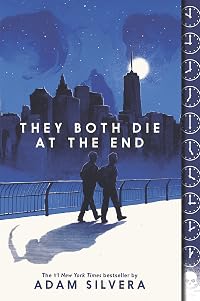
In a near-future New York City where a service alerts people on the day they will die, teenagers Mateo Torrez and Rufus Emeterio meet using the Last Friend app and are faced with the challenge of living a lifetime on their End Day.Tags
Recommendations




Member Recommendations
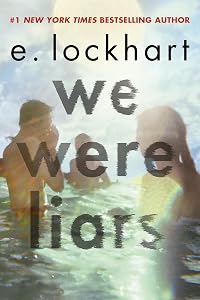
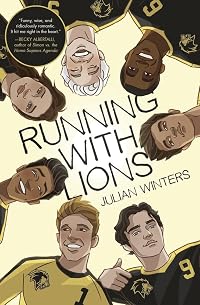
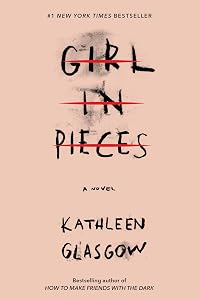
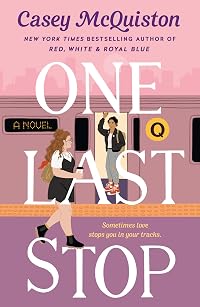
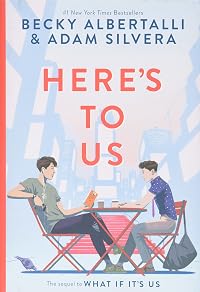
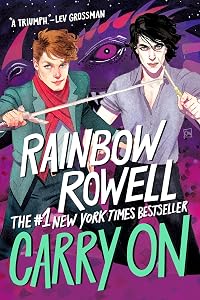
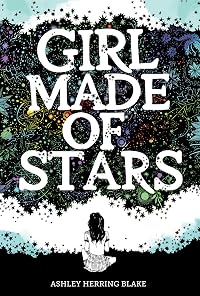
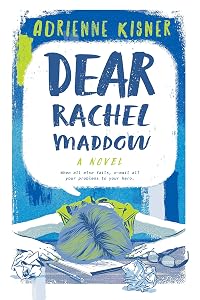
norabelle414 YA books that take place in a world where our relationship with death has fundamentally changed
Member Reviews
Shy and cautious Mateo and rough-around-the-edges Rufus are very different teenage boys, but they have one thing in common. They each got a phone call this morning between midnight and 1am from DeathCast, a service that lets people know that they are going to die today. Fate (in this case, an app algorithm) brings the two of them together, and they spend their last day on earth pushing each other to do the things they never thought they could. This is their last chance.
I was really expecting to love this book, because everyone else seems to, but I did not enjoy it at all. The general concept - two boys know they are going to die today and become friends (and maybe more) - is a great idea, but the framework built to support it is a show more nonsensical Swiss cheese world. My problems are endless:
- On a character level, Mateo doesn't want to tell his best friend Lidia that he is going to die because her fiance died last year and she didn't get to say goodbye to him. So Mateo won't let her say goodbye to him either?
- More generally, If everyone who gets called is going to die before midnight, how do timezones work? If you get the call on the west coast of the US and then fly west across the international date line, do you drop dead immediately?
- Police officers spend a significant amount of time trying to prevent Deckers from killing themselves by doing crazy stunts ... why?? If they're going to die anyway why not let them die on their own terms?
- A minor character decides to commit suicide, despite knowing that she did not get a call this morning (what??) but then changes her mind when she sees the main characters laughing and having fun.
- It's mentioned that the government briefly considered lowering the drinking age to 18yo for Deckers, but decided against it because they might get alcohol poisoning or get in a car accident. What???
- All of the Deckers, from main characters to unnamed, spend tons of time trying not to die. To the point where they refuse to get on an elevator because they might die (don't get me started on how you're actually much more likely to die taking the stairs).
- And the biggest problem - the whole concept of the book is that knowing you are going to die would change your behavior. That seems like a good idea when it's just the main characters, but how could that possibly work when every single person knows they're going to die and thus changes their behavior? For example, if a person was going to die in a car crash on their way to work (a very common death), and they found out they were going to die, they probably would not go to work that day, which means they would not be on the highway at morning rush hour and would not get in a car accident.
None of this makes any sense. It was very hard for me to focus on Rufus and Mateo's relationship and character growth when everything around them is so stupid. What kept me going through most of the book was the hope that the boys would rise up and expose their half-baked dystopia, but no such luck.
I did like that the book was told from dozens of points of view, some of them very minor characters. However, there were 3 completely unrelated minor characters named Delilah, Deirdre, and Dahlia and I had to go back and re-read almost half the book to figure out if they were the same person or not.
Everyone else seems to love this book, and I'm just very confused. show less
I was really expecting to love this book, because everyone else seems to, but I did not enjoy it at all. The general concept - two boys know they are going to die today and become friends (and maybe more) - is a great idea, but the framework built to support it is a show more nonsensical Swiss cheese world. My problems are endless:
- On a character level, Mateo doesn't want to tell his best friend Lidia that he is going to die because her fiance died last year and she didn't get to say goodbye to him. So Mateo won't let her say goodbye to him either?
- More generally, If everyone who gets called is going to die before midnight, how do timezones work? If you get the call on the west coast of the US and then fly west across the international date line, do you drop dead immediately?
- Police officers spend a significant amount of time trying to prevent Deckers from killing themselves by doing crazy stunts ... why?? If they're going to die anyway why not let them die on their own terms?
- A minor character decides to commit suicide, despite knowing that she did not get a call this morning (what??) but then changes her mind when she sees the main characters laughing and having fun.
- It's mentioned that the government briefly considered lowering the drinking age to 18yo for Deckers, but decided against it because they might get alcohol poisoning or get in a car accident. What???
- All of the Deckers, from main characters to unnamed, spend tons of time trying not to die. To the point where they refuse to get on an elevator because they might die (don't get me started on how you're actually much more likely to die taking the stairs).
- And the biggest problem - the whole concept of the book is that knowing you are going to die would change your behavior. That seems like a good idea when it's just the main characters, but how could that possibly work when every single person knows they're going to die and thus changes their behavior? For example, if a person was going to die in a car crash on their way to work (a very common death), and they found out they were going to die, they probably would not go to work that day, which means they would not be on the highway at morning rush hour and would not get in a car accident.
None of this makes any sense. It was very hard for me to focus on Rufus and Mateo's relationship and character growth when everything around them is so stupid. What kept me going through most of the book was the hope that the boys would rise up and expose their half-baked dystopia, but no such luck.
I did like that the book was told from dozens of points of view, some of them very minor characters. However, there were 3 completely unrelated minor characters named Delilah, Deirdre, and Dahlia and I had to go back and re-read almost half the book to figure out if they were the same person or not.
Everyone else seems to love this book, and I'm just very confused. show less
Okay. I'm calm enough to write a short review.
I really love it. I love the premise and if it were possible, I would like to know when I'm going to die. I love the main characters. I even like the minor characters and their little stories. Two POVs were a right call and I just love Mateo and Rufus so much. I was hoping that they won't die, but Ive cried so much when Mateo did. Even though Rufus' fate is left as a cliffhanger, you just know that he got run over by a car. It's so fucking sad and unfair.
Now I really want a movie.
I really love it. I love the premise and if it were possible, I would like to know when I'm going to die. I love the main characters. I even like the minor characters and their little stories. Two POVs were a right call and I just love Mateo and Rufus so much. I was hoping that they won't die, but Ive cried so much when Mateo did. Even though Rufus' fate is left as a cliffhanger, you just know that he got run over by a car. It's so fucking sad and unfair.
Now I really want a movie.
Man, that was emotionally devastating. Used to read it on the train to and from work, but decided to read the rest at home when I got closer to the end cuz I just knew it would make me cry my eyes out. Was right. Beautiful story about living life to it's fullest on very limited time and budget.
I finished They Both Die at the End a week ago, and I still do not know how to adequately put my thoughts and feelings about it into words. It tore my heart in two and stomped all over it. At the same time, it made me so happy to be alive and inspired me to live. I am still overwhelmed by the plethora of emotions Mr. Silvera’s words created in me. Plus, I am in awe of his ability to capture the human experience so well. I have only read one of his other books, but if the rest of his works are as impressive as this one, consider me a life-long fan.
The funny thing is that Mr. Silvera does not hide how the story ends; it is in the title after all. You should be prepared for a sad ending before you start reading the first page. What he show more does however is make you forget the ending or at least valiantly hope that Mateo and Rufus can beat the prediction. He does this by making you care about the characters to such an extent that you forget they are fictional. He does this through cadences and word choices that are authentic to the age group. Plus, he does not just write about these characters; he becomes them. You get the feeling that he is writing about his own experiences and relationships, and it makes his characters richer and deeper than almost any other characters you will discover.
In a book like They Both Die at the End, it would be so easy to drift into a philosophical discussion of the pros and cons of the existence of Death-Cast. After all, its existence begs the question of whether these deaths would occur if the people did not have advanced warning of them. It is a different take on the chicken versus the egg conundrum and is something Mr. Silvera almost completely avoids. There is a part of you that wishes Mateo and Rufus would discuss this if only because it is something that seems to be staring you in the face. Instead, Mr. Silvera keeps his heroes on task with living their last day, and after a few chapters, you see the wisdom in that. In a novel that is about living, philosophical discussions have no place, and debating the what-if possibilities surrounding Death-Cast does nothing but waste time when time is precious. This is a lesson we can and should extract for our own lives.
They Both Die at the End will go down as one of the best books I have read all year. It is so simple a story but so profound with lessons worth learning no matter what age you are when reading it. Mateo and Rufus are every reader who has ever felt misunderstood, afraid, angry, anxious, lost, and lonely. Plus, their burgeoning friendship is a simple joy to watch unfold. They Both Die at the End is not an easy read, knowing how it ends, but in reality that is life. We all die at the end. As Mateo and Rufus discover, what matters is how we spend the time while we are alive. Reading Mr. Silvera’s latest novel is an excellent way to spend some of that time. show less
The funny thing is that Mr. Silvera does not hide how the story ends; it is in the title after all. You should be prepared for a sad ending before you start reading the first page. What he show more does however is make you forget the ending or at least valiantly hope that Mateo and Rufus can beat the prediction. He does this by making you care about the characters to such an extent that you forget they are fictional. He does this through cadences and word choices that are authentic to the age group. Plus, he does not just write about these characters; he becomes them. You get the feeling that he is writing about his own experiences and relationships, and it makes his characters richer and deeper than almost any other characters you will discover.
In a book like They Both Die at the End, it would be so easy to drift into a philosophical discussion of the pros and cons of the existence of Death-Cast. After all, its existence begs the question of whether these deaths would occur if the people did not have advanced warning of them. It is a different take on the chicken versus the egg conundrum and is something Mr. Silvera almost completely avoids. There is a part of you that wishes Mateo and Rufus would discuss this if only because it is something that seems to be staring you in the face. Instead, Mr. Silvera keeps his heroes on task with living their last day, and after a few chapters, you see the wisdom in that. In a novel that is about living, philosophical discussions have no place, and debating the what-if possibilities surrounding Death-Cast does nothing but waste time when time is precious. This is a lesson we can and should extract for our own lives.
They Both Die at the End will go down as one of the best books I have read all year. It is so simple a story but so profound with lessons worth learning no matter what age you are when reading it. Mateo and Rufus are every reader who has ever felt misunderstood, afraid, angry, anxious, lost, and lonely. Plus, their burgeoning friendship is a simple joy to watch unfold. They Both Die at the End is not an easy read, knowing how it ends, but in reality that is life. We all die at the end. As Mateo and Rufus discover, what matters is how we spend the time while we are alive. Reading Mr. Silvera’s latest novel is an excellent way to spend some of that time. show less
How would you live your life differently if you knew the day you were going to die? Would you want to know that it's your last day or would you prefer to stay in the dark? We all have a date out there in the future that will be our last and countless people, songs, movies, and books exhort us to live each day as if this day is it. And we should, because we truly never know. In Adam Silvera's YA novel, They Both Die at the End, the world has the technology to warn people that it is their last day, a scary but also freeing prospect, one that allows the dying to craft the sort of final day they want.
Just after midnight, eighteen year old Mateo gets his phone call from Death-Cast informing him that he's going to die today. Mateo lives with show more his father, his mother having died when he was born. But his father isn't around to help the introverted and fearful Mateo face his end because his father is in the hospital in a coma. So he'll have to be brave enough on his own. Seventeen year old, foster child Rufus also gets his phone call from Death-Cast. He's in the middle of beating his ex-girlfriend's new boyfriend to a pulp when the call comes in so it's a surprise that he gets the call rather than the bleeding and battered boyfriend. He intends to celebrate the imminent end of his life with his close friends, fellow fosters called the Plutos, until circumstances send him fleeing the foster home away from his friends. It is at this point that Mateo and Rufus each turn to an app called Last Friend, where Deckers (those slated to die that day) can reach out to make one last friend and have the experiences they've always wanted. And so these two doomed teenagers spend their day together learning to live.
The chapters go back and forth between Mateo and Rufus with occasional chapters from others interjected. Each of these interjected chapters starts with the information that the main focus of the chapter did not get a call from Death-Cast today because s/he is not going to die today. Mateo and Rufus' chapters are sad enough, as they worry about their deaths and how to get through their day as safely as they can until the end inevitably comes, but the other chapters serve to remind the reader, over and over again, that the boys they're so invested in have no future. It's effective as a reminder and also moves the plot along so that it's not simply two boys having adventures, becoming friends, and learning to trust and love in their last hours. It adds to the plot. The story is heartbreaking but it is leavened by the sweet, if fairly sudden and slightly unbelievable, romance and the honest and open way that the boys are living their final day. The reader will be immediately sympathetic to Mateo but will have to grow to feel that way towards Rufus. They are very different characters, both with agonizing back stories, who come to understand their own value to themselves and to each other. Silvera has done a fantastic job of making connections between his cast of characters, weaving each life through the others, showing how we are all connected, all human. It's the butterfly effect in novel form.
The mechanism behind Death-Cast isn't explained in the story, but I'm not certain that it needs to be. The only thing that matters is that the boys are going to die and they know it. They are necessarily given a very long final day but that sometimes means that the plot drags in places. The you only live once message is often repeated as the story goes on, especially as Mateo and Rufus remind themselves that the clock is ticking and a little more subtlety in that would perhaps have not been amiss. The concept is a fascinating one and although it didn't leave me as emotional as I'd have expected, Silvera has written an engaging and interesting novel. If you're like me, in the end, rather than this being a tear-jerker, it'll leave your heart feeling bruised. And when you close the book the final time, you will understand the comment made to the boys again and again, "Sorry to lose you" because you'll be sorry to lose these characters too. show less
Just after midnight, eighteen year old Mateo gets his phone call from Death-Cast informing him that he's going to die today. Mateo lives with show more his father, his mother having died when he was born. But his father isn't around to help the introverted and fearful Mateo face his end because his father is in the hospital in a coma. So he'll have to be brave enough on his own. Seventeen year old, foster child Rufus also gets his phone call from Death-Cast. He's in the middle of beating his ex-girlfriend's new boyfriend to a pulp when the call comes in so it's a surprise that he gets the call rather than the bleeding and battered boyfriend. He intends to celebrate the imminent end of his life with his close friends, fellow fosters called the Plutos, until circumstances send him fleeing the foster home away from his friends. It is at this point that Mateo and Rufus each turn to an app called Last Friend, where Deckers (those slated to die that day) can reach out to make one last friend and have the experiences they've always wanted. And so these two doomed teenagers spend their day together learning to live.
The chapters go back and forth between Mateo and Rufus with occasional chapters from others interjected. Each of these interjected chapters starts with the information that the main focus of the chapter did not get a call from Death-Cast today because s/he is not going to die today. Mateo and Rufus' chapters are sad enough, as they worry about their deaths and how to get through their day as safely as they can until the end inevitably comes, but the other chapters serve to remind the reader, over and over again, that the boys they're so invested in have no future. It's effective as a reminder and also moves the plot along so that it's not simply two boys having adventures, becoming friends, and learning to trust and love in their last hours. It adds to the plot. The story is heartbreaking but it is leavened by the sweet, if fairly sudden and slightly unbelievable, romance and the honest and open way that the boys are living their final day. The reader will be immediately sympathetic to Mateo but will have to grow to feel that way towards Rufus. They are very different characters, both with agonizing back stories, who come to understand their own value to themselves and to each other. Silvera has done a fantastic job of making connections between his cast of characters, weaving each life through the others, showing how we are all connected, all human. It's the butterfly effect in novel form.
The mechanism behind Death-Cast isn't explained in the story, but I'm not certain that it needs to be. The only thing that matters is that the boys are going to die and they know it. They are necessarily given a very long final day but that sometimes means that the plot drags in places. The you only live once message is often repeated as the story goes on, especially as Mateo and Rufus remind themselves that the clock is ticking and a little more subtlety in that would perhaps have not been amiss. The concept is a fascinating one and although it didn't leave me as emotional as I'd have expected, Silvera has written an engaging and interesting novel. If you're like me, in the end, rather than this being a tear-jerker, it'll leave your heart feeling bruised. And when you close the book the final time, you will understand the comment made to the boys again and again, "Sorry to lose you" because you'll be sorry to lose these characters too. show less
4 Sad Stars
There’s nothing like this kind of story to really put things into perspective - that we all know we should live life to the fullest, to not sweat the small things, and to never take anything for granted. It’s cliche but oh so true.
Definitely morbid in the set up, Mateo and Rufus live in a world where you’re notified of your death approximately 24 hours before it happens, and both these boys get the dreaded late night call that they won’t live to see another day. What unravels is the eternal question of whether or not knowing really is the best thing or really the worst thing ever and the desperate struggle between denying and accepting the truth. It’s quite the mind boggling, anxiety inducing premise and horribly show more tragic all at the same time.
So despite the spoilery title, this was still a poignant tale of Mateo and Rufus trying to live their last few hours on earth to the best of their ability, to fulfill some wishes and dreams, and to die knowing they made a special connection.
Bittersweet as this comes full circle with a crazy self-fulfilling prophesized destiny, the storytelling was impressive and had me at the edge of my seat, fretting over how this would end for our dear protagonists, hoping against hope that these two would subvert the inevitable.
Painful but worth it.
There’s nothing like this kind of story to really put things into perspective - that we all know we should live life to the fullest, to not sweat the small things, and to never take anything for granted. It’s cliche but oh so true.
Definitely morbid in the set up, Mateo and Rufus live in a world where you’re notified of your death approximately 24 hours before it happens, and both these boys get the dreaded late night call that they won’t live to see another day. What unravels is the eternal question of whether or not knowing really is the best thing or really the worst thing ever and the desperate struggle between denying and accepting the truth. It’s quite the mind boggling, anxiety inducing premise and horribly show more tragic all at the same time.
So despite the spoilery title, this was still a poignant tale of Mateo and Rufus trying to live their last few hours on earth to the best of their ability, to fulfill some wishes and dreams, and to die knowing they made a special connection.
Bittersweet as this comes full circle with a crazy self-fulfilling prophesized destiny, the storytelling was impressive and had me at the edge of my seat, fretting over how this would end for our dear protagonists, hoping against hope that these two would subvert the inevitable.
Painful but worth it.
Every new minute we’re alive is a miracleshow less
3.5 rounded up to 5 (yep, I know that's bad math).
I'm torn on this review. As for overall story, it's solid, but nothing special. Characterization? Top notch. The novel also has a cool hook, that people find out when they're going to die.
>
The storytelling in this is good, but it becomes overly long in the middle. This is partly because in order to make a "two strangers fall in love" story work, you need enough time for it to be believable. Or you need better writing that progresses time faster with fewer words in a believable manner. I think the relationship between Mateo and Rufus is believable, but at the cost of pacing mid-novel.
The biggest reason for the five stars? It's a believable YA love story between two young men and I think show more more people need to read this kind of story so that more people will stop caring who someone loves. Love is love. show less
I'm torn on this review. As for overall story, it's solid, but nothing special. Characterization? Top notch. The novel also has a cool hook, that people find out when they're going to die.
>
The storytelling in this is good, but it becomes overly long in the middle. This is partly because in order to make a "two strangers fall in love" story work, you need enough time for it to be believable. Or you need better writing that progresses time faster with fewer words in a believable manner. I think the relationship between Mateo and Rufus is believable, but at the cost of pacing mid-novel.
The biggest reason for the five stars? It's a believable YA love story between two young men and I think show more more people need to read this kind of story so that more people will stop caring who someone loves. Love is love. show less
Members
- Recently Added By
Lists

LGBTQ+ Speculative Fiction
821 works; 51 members

BookTok Teen
123 works; 2 members

Booktok Books
69 works; 8 members

HarperCollins Publishers
144 works; 3 members

Top Five Books of 2017
757 works; 231 members

READ IN 2021
239 works; 4 members

sad girl books
41 works; 2 members

School library books removed after TX state legislator inquiry
429 works; 6 members

ELED 460 Book List
61 works; 1 member

Books Mentioned in the A+ Autostraddle Pop Up Discords Nov 2022 & Dec 2022
223 works; 3 members

Books Read in 2023
5,547 works; 145 members

Books recommended by Calgary Public Library staff
1,588 works; 4 members

Books Read in 2024
4,623 works; 126 members

One Day
27 works; 2 members
Author Information

17+ Works 18,988 Members
Some Editions
Awards and Honors
Awards
Distinctions
Notable Lists
Series

Work Relationships
Common Knowledge
- Canonical title*
- Et ils meurent tous les deux à la fin
- Original title
- They Both Die at the End
- Original publication date
- 2017-09-05
- People/Characters
- Mateo Torrez; Rufus Emeterio; Andrea Donahue
- Important places
- New York, New York, USA
- Epigraph
- To live is the rarest thing in the world.
Most people exist, that’s all.
—Oscar Wilde - Dedication
- For those who need a reminder to make every day count.
Shout-out to Mom for all the love and
Cecilia for all the tough love. I’ve always needed both. - First words
- Death-Cast is calling with the warning of a lifetime—I’m going to die today.
- Last words
- (Click to show. Warning: May contain spoilers.)I cross the street without an arm to hold me back.
- Publisher's editor
- Harwell, Andrew
- Original language
- English
- Canonical DDC/MDS
- 813.6
- Canonical LCC
- PZ7.1.S54Th 2017
*Some information comes from Common Knowledge in other languages. Click "Edit" for more information.
Classifications
Statistics
- Members
- 8,869
- Popularity
- 1,217
- Reviews
- 175
- Rating
- (3.95)
- Languages
- 14 — Catalan, Danish, Dutch, English, Finnish, French, German, Hungarian, Italian, Polish, Portuguese, Romanian, Russian, Spanish
- Media
- Paper, Audiobook, Ebook
- ISBNs
- 69
- ASINs
- 16