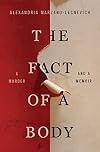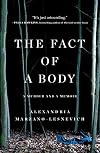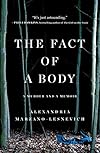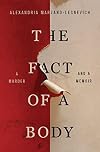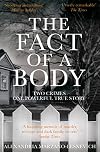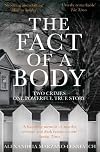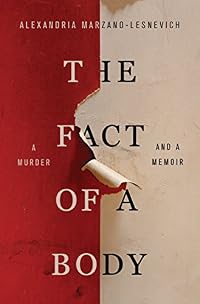
The Fact of a Body: A Murder and a Memoir
by Alexandria Marzano-Lesnevich
On This Page
Description
"This book is a marvel. The Fact of a Body is equal parts gripping and haunting and will leave you questioning whether any one story can hold the full truth." — Celeste Ng, author of the New York Times bestselling Everything I Never Told YouBefore Alex Marzano-Lesnevich begins a summer job at a law firm in Louisiana, working to help defend men accused of murder, they think their position is clear. The child of two lawyers, Alex is staunchly anti-death penalty. But the moment convicted show more murderer Ricky Langley's face flashes on the screen as Alex reviews old tapes—the moment they hear him speak of his crimes—they are overcome with the feeling of wanting him to die. Shocked by their reaction, Alex digs deeper and deeper into the case. Despite their vastly different circumstances, something in Langley's story is unsettlingly, uncannily familiar.
Crime, even the darkest and most unsayable acts, can happen to any one of us. As Alex pores over the facts of the murder, they find themself thrust into the complicated narrative of Ricky's childhood. And by examining the details of Ricky's case, Alex is forced to face their own story, to unearth long-buried family secrets, and reckon with a past that colors their view of Ricky's crime.
But another surprise awaits: Alex wasn't the only one who saw their life in Ricky's.
An intellectual and emotional thriller that is also a different kind of murder mystery, THE FACT OF A BODY is an audiobook not only about how the story of one crime was constructed — but about how we grapple with our own personal histories. Along the way it tackles questions about the nature of forgiveness, and if a single narrative can ever really contain something as definitive as the truth. This groundbreaking, heart-stopping work, ten years in the making, shows how the law is more personal than we would like to believe — and the truth more complicated, and powerful, than we could ever imagine.
This program is read by the author.
. show less
Tags
Recommendations




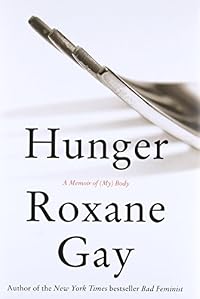
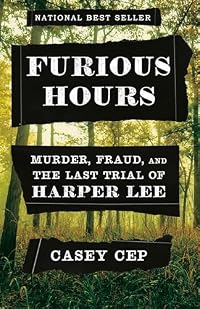
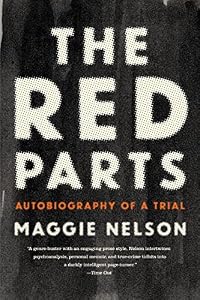


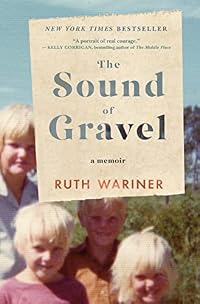




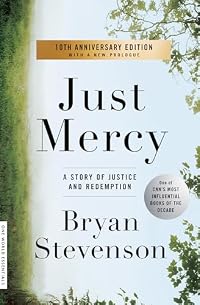

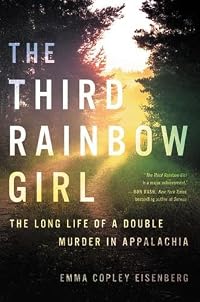
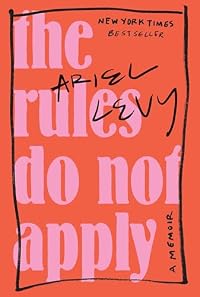





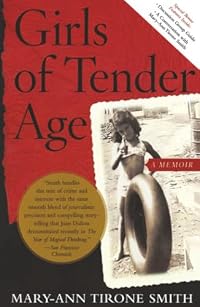
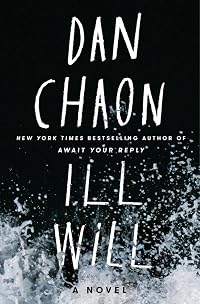


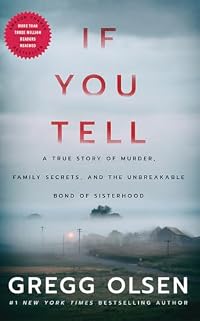
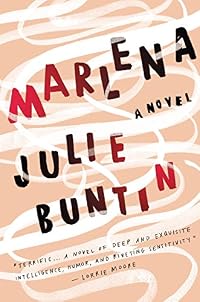
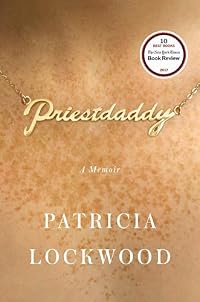

Member Recommendations
schmootc This book is a melding of true crime and memoir that is very readable. The catalyst is a crime, but how the author is affected by the crime/reacts to it is where the focus lies.
Member Reviews
I'd never really given much thought to the death penalty, and while this book doesn't provide any easy answers, it certainly provokes plenty of thinking not just on the death penalty but also on the criminal justice and mental health systems in the US. In this memoir, the author intersperses her own family story with that of a murder case she dealt with as lawyer. The murder victim was a young boy and the murderer was a known child molester. The author, who had been sexually abused as a child, struggles with her own past and her growing empathy for the murderer as she explores this story, detailing the times when a killer sought help before he become a killer and his desire to understand himself. No easy answers come out of this book, show more but it certainly makes one think. show less
I thought this was a really excellent book. Beautifully written at times, with a beguiling mix of evocative descriptions and the thriller writer's knack of keeping you turning the pages. It's also often painfully honest and revealing and the subject matter makes it very hard to read at times, but the very human insights that the author pulls from the horrible events she describes are fascinating and resonant.
There's so much in here to admire, the book takes a simple starting point and spins it out into something really meaningful and rather wonderful.
I actually listened to the audiobook, which is narrated by the author, and found that heightened the emotional impact.
There's so much in here to admire, the book takes a simple starting point and spins it out into something really meaningful and rather wonderful.
I actually listened to the audiobook, which is narrated by the author, and found that heightened the emotional impact.
In The Fact of a Body, Alexandria Marzano-Lesnevich recounts the story of the death of six-year-old Jeremy Guillory at the hands of a paedophile in the early 1990s, while also exploring the sexual abuse inflicted on her by her own grandfather. Marzano-Lesnevich discovered the Guillory case while working as an intern at a Louisiana law firm that defends death row inmates, and found herself obsessed with the killer and his psychology, trying to find in it something that explains her own childhood experiences.
I'm deeply conflicted by this book, and have wavered for ages over what rating to give it. On the one hand, this is a beautifully written and unflinching engagement with a harrowing and nauseating topic. Marzano-Lesnevich's grapplings show more with issues of what some might call cause and effect, others destiny, are often thought-provoking. But on the other, well...
Marzano-Lesnevich's decision to fictionalise swathes of what happened during the murder of Jeremy Guillory and its aftermath—to layer her own imaginings of dress and dialogue and demeanour and "must have felts" over court transcripts and newspaper articles—is a deeply uncomfortable for me. Yes, writing true crime demands some degree of imaginative recovery, if only to connect one piece of evidence with another, and reading in the genre pretty much always involves some degree of voyeurism: here you are, gazing at someone else's horror.
But Marzano-Lesnevich chooses to foreground another family's suffering—to conjure up vivid images which may or may not be actually true, but which linger in the mind because, well, that's how the human brain works—while comparatively holding back on her own. Yes, she documents very precisely what her grandfather did to her, but gives her siblings pseudonyms and gives us little sense of how their relationships have been shaped by a knowledge of what went on during their childhood. There's no such restraint with the Guillorys or with the murderer's family. Marzano-Lesnevich spoke with none of them directly. (Right at the end of the book she tells us she spoke with the murderer once, but then discloses nothing of their conversation.)
I was left therefore with the very hinky feeling that here was an Ivy League-educated individual from a middle-class family in New Jersey using two poor families with far less social capital as abstract paper dolls through which she could process her own feelings. Here is someone's private therapy session in print form. For all that Marzano-Lesnevich spends a long time ruminating on the line between truth and fiction, many passages of The Fact of a Body are overwritten, the author straining for connections and profundity that aren't there—just horror, and pain, and, yes, the fact of a child's body. show less
I'm deeply conflicted by this book, and have wavered for ages over what rating to give it. On the one hand, this is a beautifully written and unflinching engagement with a harrowing and nauseating topic. Marzano-Lesnevich's grapplings show more with issues of what some might call cause and effect, others destiny, are often thought-provoking. But on the other, well...
Marzano-Lesnevich's decision to fictionalise swathes of what happened during the murder of Jeremy Guillory and its aftermath—to layer her own imaginings of dress and dialogue and demeanour and "must have felts" over court transcripts and newspaper articles—is a deeply uncomfortable for me. Yes, writing true crime demands some degree of imaginative recovery, if only to connect one piece of evidence with another, and reading in the genre pretty much always involves some degree of voyeurism: here you are, gazing at someone else's horror.
But Marzano-Lesnevich chooses to foreground another family's suffering—to conjure up vivid images which may or may not be actually true, but which linger in the mind because, well, that's how the human brain works—while comparatively holding back on her own. Yes, she documents very precisely what her grandfather did to her, but gives her siblings pseudonyms and gives us little sense of how their relationships have been shaped by a knowledge of what went on during their childhood. There's no such restraint with the Guillorys or with the murderer's family. Marzano-Lesnevich spoke with none of them directly. (Right at the end of the book she tells us she spoke with the murderer once, but then discloses nothing of their conversation.)
I was left therefore with the very hinky feeling that here was an Ivy League-educated individual from a middle-class family in New Jersey using two poor families with far less social capital as abstract paper dolls through which she could process her own feelings. Here is someone's private therapy session in print form. For all that Marzano-Lesnevich spends a long time ruminating on the line between truth and fiction, many passages of The Fact of a Body are overwritten, the author straining for connections and profundity that aren't there—just horror, and pain, and, yes, the fact of a child's body. show less
The author tells the story of convicted murderer and pedophile Ricky Langley against the backdrop of her own story of molestation at the hands of her grandfather. When the author finds out that Langley has murdered six year old Jeremy Guillory after possibly molesting him she is filled with feelings of wanting him to die even though she is against the death penalty. Her feelings of revulsion are tied to the fact that she was a sexual abuse victim. As she lays out Langley's history and her own she comes to the conclusion that things are not always black and white. Langley is a murderer but he is also a son, brother, and a person who suffers from a mental illness. The more she learns about Langley the more she wants to know about the show more person who was the architect of her own abuse. He was not just her molester, he was a grandfather, husband, and father. Both Langley and the author's grandfather were defined by the worst things they had done but the reality is that isn't as simple as that. The more the author learns the more she becomes convinced that events are not just black and white and the people involved in them can have many feelings some of which are conflicting.
This book was extremely well written. The author is a Harvard graduate and lawyer and she has a gift for writing. The story is an interesting one even though the subject matter is uncomfortable. The story takes so many twists and turns that when you think it can't get any more bizarre the author uncovers a yearbook or a motorcycle slams into a train. I am sure this book will be on many best of lists at the end of year and it will be well deserved. show less
This book was extremely well written. The author is a Harvard graduate and lawyer and she has a gift for writing. The story is an interesting one even though the subject matter is uncomfortable. The story takes so many twists and turns that when you think it can't get any more bizarre the author uncovers a yearbook or a motorcycle slams into a train. I am sure this book will be on many best of lists at the end of year and it will be well deserved. show less
This is a memoir driven by obsession: the author's obsession with her parents' silence about her and her sister's childhood sexual abuse by a close family member, as well as her intense fixation on a 1992 criminal case in which a twenty-six-year-old pedophile murdered a six-year-old boy. Marzano-Lesnevich’s personal story—the memoir part—I could accept. It’s the murder part of the book that I had trouble with. The author appears to want the reader to consider the perpetrator sympathetically; the child victim of the crime essentially disappears under the weight of detail about the murderer--much of it apparently imagined and presented in a "novelistic” manner.
This book is grim and oppressive reading; I also thought it was far show more too long, unnecessarily repetitive, and, at times, a bit too forcedly poetic. I initially rated the book a three, but that rating did not sit well with me. On thinking it over, I really had to rate it lower.
The author states that in her mind people remain “persons” no matter what they do. I am less certain. Canadians are well acquainted with the case of 1990s school-girl killers, Karla Homolka and Paul Bernardo, who committed heinous sexual crimes against 3 young teens (one of them Karla's sister) that they recorded on video. Bernardo has dangerous offender status and remains incarcerated for life. In spite of her active role in the crimes, Bernardo’s ex-wife served only 12 years in a federal penitentiary-- because of a plea bargain. Since her release from prison, Homolka has married and had children. Some say she is a changed person. I’m doubtful.
A more recent case in Ontario, Canada involved a third-grade child, Victoria Stafford, who was lured from her school at lunch by a young woman and her boyfriend. They sexually assaulted her, murdered her, and then dumped her body in a wooded area miles from where she was abducted.
When animals turn violent, they are “humanely euthanized”. However, it is considered inhumane and barbaric to euthanize psychopathic, compulsive, sexually violent humans. Humans are, it is thought, above animals. But are they?
According to Mariano-Lesnevich’s book, before Ricky Langley was born, doctors wanted to abort the fetus. His mother had been in a body cast for months after a car accident that killed two of her children. She was impregnated while in this cast. Ricky had been exposed in utero to innumerable x-rays and a multitude of likely neurotoxic drugs. His mother had also abused alcohol. I cannot help but think how much better it would have been for all if this child had never been born.
In light of the Canadian criminal cases I’ve cited above, I was not well-disposed to going over and over the details of a crime the author of this book was plainly obsessed with. The Fact of a Body is competently written. It is also sensational. The author's decision to meld the story of her own abuse by a pedophilic relative with a criminal case that she took certain liberties with—embroidering and fictionalizing aspects of it for psychological and dramatic effect--is questionable. Strangely, although she concludes her book by describing her arrival at Angola--the prison where Ricky Langley is incarcerated--only her greeting of him is described. She tells nothing about how her meeting with him went. A cop out. She also sheds little light on how her understanding of the death penalty may have evolved as a result of her personal investigation into his crime. (In childhood, she says, she was vehemently opposed to capital punishment, yet when she first learned of Ricky Langley’s crime, she did not want him to live.) All we know at the end is that she finds his being sentenced to life imprisonment for second-degree murder an “elegant” solution that somehow addresses the complexity of the situation.
Marzano-Lesnevich, who trained as a lawyer but decided against going into practice (it would have been interesting to know why), says she "fell in love with law" years before because it allowed the making of a story, “a neat narrative of events,” that “finds a beginning, and therefore cause.” “But,” she says, “I didn't understand then that the law doesn't find the beginning any more than it finds the truth. It creates a story. That story has a beginning. That story simplifies, and we call it truth.” I would say this is a fair bit of fancy intellectualizing. Many of us are under no illusion that the law is linked with or leads to the truth. It's an intellectual game in which attorneys have been known to quibble over the meaning of the word “is”.
What is clear is that Jeremy Guillory, a six-year-old child, died because he was strangled--asphyxiated. Ricky Langley could lead the police to the child’s body and explain exactly how the child died. Ricky’s semen was found on the boy’s shirt. That is the truth. What to do with the humans who do these things, many of them remorseless, simply unable to be rehabilitated, statistically certain to re-offend, is the bigger question. Is warehousing them for life the answer? show less
This book is grim and oppressive reading; I also thought it was far show more too long, unnecessarily repetitive, and, at times, a bit too forcedly poetic. I initially rated the book a three, but that rating did not sit well with me. On thinking it over, I really had to rate it lower.
The author states that in her mind people remain “persons” no matter what they do. I am less certain. Canadians are well acquainted with the case of 1990s school-girl killers, Karla Homolka and Paul Bernardo, who committed heinous sexual crimes against 3 young teens (one of them Karla's sister) that they recorded on video. Bernardo has dangerous offender status and remains incarcerated for life. In spite of her active role in the crimes, Bernardo’s ex-wife served only 12 years in a federal penitentiary-- because of a plea bargain. Since her release from prison, Homolka has married and had children. Some say she is a changed person. I’m doubtful.
A more recent case in Ontario, Canada involved a third-grade child, Victoria Stafford, who was lured from her school at lunch by a young woman and her boyfriend. They sexually assaulted her, murdered her, and then dumped her body in a wooded area miles from where she was abducted.
When animals turn violent, they are “humanely euthanized”. However, it is considered inhumane and barbaric to euthanize psychopathic, compulsive, sexually violent humans. Humans are, it is thought, above animals. But are they?
According to Mariano-Lesnevich’s book, before Ricky Langley was born, doctors wanted to abort the fetus. His mother had been in a body cast for months after a car accident that killed two of her children. She was impregnated while in this cast. Ricky had been exposed in utero to innumerable x-rays and a multitude of likely neurotoxic drugs. His mother had also abused alcohol. I cannot help but think how much better it would have been for all if this child had never been born.
In light of the Canadian criminal cases I’ve cited above, I was not well-disposed to going over and over the details of a crime the author of this book was plainly obsessed with. The Fact of a Body is competently written. It is also sensational. The author's decision to meld the story of her own abuse by a pedophilic relative with a criminal case that she took certain liberties with—embroidering and fictionalizing aspects of it for psychological and dramatic effect--is questionable. Strangely, although she concludes her book by describing her arrival at Angola--the prison where Ricky Langley is incarcerated--only her greeting of him is described. She tells nothing about how her meeting with him went. A cop out. She also sheds little light on how her understanding of the death penalty may have evolved as a result of her personal investigation into his crime. (In childhood, she says, she was vehemently opposed to capital punishment, yet when she first learned of Ricky Langley’s crime, she did not want him to live.) All we know at the end is that she finds his being sentenced to life imprisonment for second-degree murder an “elegant” solution that somehow addresses the complexity of the situation.
Marzano-Lesnevich, who trained as a lawyer but decided against going into practice (it would have been interesting to know why), says she "fell in love with law" years before because it allowed the making of a story, “a neat narrative of events,” that “finds a beginning, and therefore cause.” “But,” she says, “I didn't understand then that the law doesn't find the beginning any more than it finds the truth. It creates a story. That story has a beginning. That story simplifies, and we call it truth.” I would say this is a fair bit of fancy intellectualizing. Many of us are under no illusion that the law is linked with or leads to the truth. It's an intellectual game in which attorneys have been known to quibble over the meaning of the word “is”.
What is clear is that Jeremy Guillory, a six-year-old child, died because he was strangled--asphyxiated. Ricky Langley could lead the police to the child’s body and explain exactly how the child died. Ricky’s semen was found on the boy’s shirt. That is the truth. What to do with the humans who do these things, many of them remorseless, simply unable to be rehabilitated, statistically certain to re-offend, is the bigger question. Is warehousing them for life the answer? show less
In this unique and intimate memoir, the author explores her family's complex web of secrets and silences. Secrets like the death in infancy of her triplet sister which was only revealed years later. Her whole life, she had been taught she was a twin. Secrets like the chronic sexual abuse of herself and her sisters by their grandfather, once uncovered by her parents, immediately buried again and never openly discussed. Her grandfather continued to visit them every weekend, though he no longer spent the night. Secrets like her father's petty rages and deep depressions. Her entire childhood was spent - it seemed - in unilateral silence.
When she grew up, she was drawn to the law because of it's penchant to bring up the bodies and air all show more the secrets. She loved the idea that the law would give answers and reasons to all questions. But on one of her early experiences, she came face to face with Ricky Langley, a man accused of molesting and then murdering a six year old boy. All her life, the author believed she was against the death penalty, but now she was faced with it's first great challenge. Could she defend a man like her grandfather?
This book elegantly weaves together the author's story with the story of Ricky Langley and the child he killed. She has become obsessed with this case as she feels it holds some keys to her own twisted narrative. In going over it, she hopes to gain new clarity and insight into her family. What do people truly deserve? And where should one begin a story when seeking to assign guilt? A deep, dark, thoughtful tale that will suck you in on the first pages and alter your dreams. Not for the faint of heart. show less
When she grew up, she was drawn to the law because of it's penchant to bring up the bodies and air all show more the secrets. She loved the idea that the law would give answers and reasons to all questions. But on one of her early experiences, she came face to face with Ricky Langley, a man accused of molesting and then murdering a six year old boy. All her life, the author believed she was against the death penalty, but now she was faced with it's first great challenge. Could she defend a man like her grandfather?
This book elegantly weaves together the author's story with the story of Ricky Langley and the child he killed. She has become obsessed with this case as she feels it holds some keys to her own twisted narrative. In going over it, she hopes to gain new clarity and insight into her family. What do people truly deserve? And where should one begin a story when seeking to assign guilt? A deep, dark, thoughtful tale that will suck you in on the first pages and alter your dreams. Not for the faint of heart. show less
Digital audiobook read by the author.
From the book jacket: Before Alexandria Marzano-Lesnevich begins a summer internship in Louisiana, working to help defend men accused of murder, she thinks her position is clear. The child of two lawyers, Alexandria is staunchly anti-death penalty. But the moment convicted murderer Ricky Langley’s face flashes on the screen as she reviews an old tape – the moment she hears him speak of his crimes – she is overcome with the feeling of wanting him to die. Shocked by her reaction, after she graduates from law school she begins digging deeper into the case. Despite their vastly different circumstances, something in his story is unsettlingly, uncannily familiar.
My reactions:
Wow. I was completely show more mesmerized by this memoir / true crime work. Marzano-Lesnevich puts me right into the narrative and I feel invested in both her story and that of convicted murderer, and pedophile, Ricky Langley. I totally understand her compulsion to research Langley’s case, and marvel at the strength of character shown by the author and by Langley. Yes, by Langley.
Here is a man who knew he had a problem and begged – repeatedly – for help. And here is evidence that was overlooked or flatly ignored. Questions that remained unanswered. And a jury’s decision that was perplexing. And here is an author who faced her own history, peeled back the layers of secrecy and denial to confront her own past.
Marzano-Lesnevich narrated the audiobook herself. I cannot imagine anyone else doing a better job. show less
From the book jacket: Before Alexandria Marzano-Lesnevich begins a summer internship in Louisiana, working to help defend men accused of murder, she thinks her position is clear. The child of two lawyers, Alexandria is staunchly anti-death penalty. But the moment convicted murderer Ricky Langley’s face flashes on the screen as she reviews an old tape – the moment she hears him speak of his crimes – she is overcome with the feeling of wanting him to die. Shocked by her reaction, after she graduates from law school she begins digging deeper into the case. Despite their vastly different circumstances, something in his story is unsettlingly, uncannily familiar.
My reactions:
Wow. I was completely show more mesmerized by this memoir / true crime work. Marzano-Lesnevich puts me right into the narrative and I feel invested in both her story and that of convicted murderer, and pedophile, Ricky Langley. I totally understand her compulsion to research Langley’s case, and marvel at the strength of character shown by the author and by Langley. Yes, by Langley.
Here is a man who knew he had a problem and begged – repeatedly – for help. And here is evidence that was overlooked or flatly ignored. Questions that remained unanswered. And a jury’s decision that was perplexing. And here is an author who faced her own history, peeled back the layers of secrecy and denial to confront her own past.
Marzano-Lesnevich narrated the audiobook herself. I cannot imagine anyone else doing a better job. show less
Members
- Recently Added By
Lists

Best Feminist Literature
188 works; 26 members

Top Five Books of 2018
802 works; 265 members

Books Read in 2019
4,052 works; 110 members

Reading Glasses Podcast
410 works; 3 members
Author Information

1+ Work 991 Members
Awards and Honors
Awards
Distinctions
Common Knowledge
- Canonical title*
- L'empreinte
- Original publication date
- 2017-05-16
- People/Characters
- Ricky Langley
- Important places
- Louisiana, USA
- Epigraph
- [I]t is always possible that the solution to one mystery will solve another.
—TRUMAN CAPOTE,
IN COLD BLOOD - Dedication
- for my parents
- First words
- Prologue: There is a principle in the law called proximate cause, taught to first-year law students through the case Palsgraf v. Long Island Railroad Co.
Chapter One: The boy wears sweatpants the color of a Louisiana lake. - Last words
- (Click to show. Warning: May contain spoilers.)"Hello Ricky," I say.
- Blurbers
- Perrotta, Tom; Nelson, Maggie; Ng, Celeste; St. Germain, Justin; Greenwell, Garth
- Original language
- English US
- Canonical DDC/MDS
- 364.1523092
- Canonical LCC
- HV6533.L8
*Some information comes from Common Knowledge in other languages. Click "Edit" for more information.
Classifications
- Genres
- Biography & Memoir, General Nonfiction, Nonfiction
- DDC/MDS
- 364.1523092 — Social sciences Social problems and social services Criminology Criminal offenses Offenses against the person Homicide Murder History, geographic treatment, biography Biography
- LCC
- HV6533 .L8 — Social sciences Social pathology. Social and public welfare. Criminology Social pathology. Social and public welfare. Criminology Crimes and offenses
- BISAC
Statistics
- Members
- 991
- Popularity
- 26,276
- Reviews
- 61
- Rating
- (3.87)
- Languages
- 6 — Dutch, English, French, Italian, Polish, Spanish
- Media
- Paper, Audiobook, Ebook
- ISBNs
- 22
- ASINs
- 6