
2016 on Goodreads
by Various Various
On This Page
Tags
Recommendations





















Member Reviews
The first words that come to mind to describe my 2016 reading year: annus horribilis. How did I get here, I've been wondering all day, as I tried to gather my thoughts to review the year.
I realize that I tend to view the world melodramatically at times, so perhaps a more apt assessment would be annus mediocris. I was all over the place, like a drunken sailor. In fact, I wondered, What Do You Do With A Drunken Sailor. The answer was rather sad.
This seems to have been the year where I didn't have a mind of my own, and I blame only myself and last's year Reading Resolution: try to be more open, more accepting of other people's suggestions. So, in an effort to do a little bookish Kumbaya, I accepted far too many books outside my comfort show more zone. What was I thinking?!
This led me to the most disastrous of encounters: Eileen, for one, -- she of the potty training issues -- I could have done without, and Hot Milk should have been left to simmer on someone else's stove. The Fault in Our Stars left me completely lost, without compass direction. I saw only bleak, dark night with not a twinkle in the heavens. I have completely forgotten why The Book of Memory didn't appeal, but then that's just as well, because I note I gave it only 1 star, and didn't even finish it. Neither did I finish following that old guy who crawled out the window, or something. He lost me when he crawled out the window. Like Rhett, I just didn't give a damn, my dear.
It was a sad, sad sea of choices, made only the worse by The North Water, which I heaved my way through while holding a hanky to my nose against the odours emanating from it. (McGuire really should get together with Eileen, the other one who seems to have potty training issues.)
I could go on, but it's making me rather too sad. It was a very mediocre year, given that my average rating was a paltry 3.2
BUT ...
where there is a breath of life, there is always some inspiration to be found
Thanks to Hannah, a kindred spirit from Eire, I was introduced to Fred Vargas. I devoured the series, and even as I write this, I'm hanging on to the very last of the Vargas books, fearing to let go. The entire canon in fact was a breath of spine-tingling fresh air and made my reading year much brighter. Thank you, Hannah! I'll stand you for a pint, or two, or more, when I hop over the pond.
Once my spirits picked up, having dragged myself out of the reading hell I had enlisted in last year, I found some incredible gems that continue to shine brightly for me, some that were read months ago.
Outstanding Reads for 2016.
1. [b: The Orenda|17661831|The Orenda|Joseph Boyden|https://images.gr-assets.com/books/1363710334s/17661831.jpg|24652514] by Joseph Boyden
2. [b: The Secret Scripture|3419808|The Secret Scripture|Sebastian Barry|https://images.gr-assets.com/books/1325714117s/3419808.jpg|3460278] by Sebastian Barry
3. [b: To The Bright Edge of The World|27917957|To The Bright Edge of the World|Eowyn Ivey|https://images.gr-assets.com/books/1465576791s/27917957.jpg|24336678] by Eowyn Ivey
4. [b: The Sellout|22237161|The Sellout|Paul Beatty|https://images.gr-assets.com/books/1403430899s/22237161.jpg|41610676] by Paul Beatty
An outstanding read means I will chase down these authors' books to the ends of the earth for they have changed me, affected me in some elemental way. They have shifted my thinking; they have opened my eyes to a new world; they have torn my heart; they have healed my heart. They are the voices I continue to hear, and carry, in my mind and heart, when I close my eyes and wonder ... how can this world be healed ...? These are the voices that bring me closer to that answer.
A few of the other types of gems that stand out in my Goodreads year: previously-unknown literary friends who gave me many hours of immense joy -- and made me snort hot coffee through my nose, so hard was I laughing at times. (I'll send you the ENT surgeon's bill, Kevin, for you are the main culprit, but certainly Lisa must share some of this blame, especially in relation to the newly-minted LitNobs, among other gems.) Lizzy reminded me of the girl who used to read poetry and loved it ... and nudged me back towards forgotten reading treasures, through her outstanding reviews.
In my mind, I am still strolling through the streets of Florence following Fionnuala, for her mesmerizing review of [b: The Autobiography of Benvenuto Cellini|880378|The Autobiography Of Benvenuto Cellini|Benvenuto Cellini|https://images.gr-assets.com/books/1348647462s/880378.jpg|865672]. I can't imagine reading that book anywhere else now, so that will have to be a pleasure deferred until I get back there.
Anne, my Canadian compatriot, who is always pushing the needle to make me re-evaluate my thoughts.
So, while it has been a rather lacklustre reading year, it has been far from that, given all the knowledge, wisdom and humour that I have gained through all my GR friends. I'm a wallflower at the best of times, and while I may not comment often, I've read everyone of my friends' reviews and have learned more than I ever imagined possible, in a virtual community.
So, ... this is now starting to sound like those speeches that are given at Awards ceremonies. The credits are running and the fool is still talking.
On that note, ...
Thanks to all GR friends for making a 3.2 reading year into a 5.0. show less
I realize that I tend to view the world melodramatically at times, so perhaps a more apt assessment would be annus mediocris. I was all over the place, like a drunken sailor. In fact, I wondered, What Do You Do With A Drunken Sailor. The answer was rather sad.
This seems to have been the year where I didn't have a mind of my own, and I blame only myself and last's year Reading Resolution: try to be more open, more accepting of other people's suggestions. So, in an effort to do a little bookish Kumbaya, I accepted far too many books outside my comfort show more zone. What was I thinking?!
This led me to the most disastrous of encounters: Eileen, for one, -- she of the potty training issues -- I could have done without, and Hot Milk should have been left to simmer on someone else's stove. The Fault in Our Stars left me completely lost, without compass direction. I saw only bleak, dark night with not a twinkle in the heavens. I have completely forgotten why The Book of Memory didn't appeal, but then that's just as well, because I note I gave it only 1 star, and didn't even finish it. Neither did I finish following that old guy who crawled out the window, or something. He lost me when he crawled out the window. Like Rhett, I just didn't give a damn, my dear.
It was a sad, sad sea of choices, made only the worse by The North Water, which I heaved my way through while holding a hanky to my nose against the odours emanating from it. (McGuire really should get together with Eileen, the other one who seems to have potty training issues.)
I could go on, but it's making me rather too sad. It was a very mediocre year, given that my average rating was a paltry 3.2
BUT ...
where there is a breath of life, there is always some inspiration to be found
Thanks to Hannah, a kindred spirit from Eire, I was introduced to Fred Vargas. I devoured the series, and even as I write this, I'm hanging on to the very last of the Vargas books, fearing to let go. The entire canon in fact was a breath of spine-tingling fresh air and made my reading year much brighter. Thank you, Hannah! I'll stand you for a pint, or two, or more, when I hop over the pond.
Once my spirits picked up, having dragged myself out of the reading hell I had enlisted in last year, I found some incredible gems that continue to shine brightly for me, some that were read months ago.
Outstanding Reads for 2016.
1. [b: The Orenda|17661831|The Orenda|Joseph Boyden|https://images.gr-assets.com/books/1363710334s/17661831.jpg|24652514] by Joseph Boyden
2. [b: The Secret Scripture|3419808|The Secret Scripture|Sebastian Barry|https://images.gr-assets.com/books/1325714117s/3419808.jpg|3460278] by Sebastian Barry
3. [b: To The Bright Edge of The World|27917957|To The Bright Edge of the World|Eowyn Ivey|https://images.gr-assets.com/books/1465576791s/27917957.jpg|24336678] by Eowyn Ivey
4. [b: The Sellout|22237161|The Sellout|Paul Beatty|https://images.gr-assets.com/books/1403430899s/22237161.jpg|41610676] by Paul Beatty
An outstanding read means I will chase down these authors' books to the ends of the earth for they have changed me, affected me in some elemental way. They have shifted my thinking; they have opened my eyes to a new world; they have torn my heart; they have healed my heart. They are the voices I continue to hear, and carry, in my mind and heart, when I close my eyes and wonder ... how can this world be healed ...? These are the voices that bring me closer to that answer.
A few of the other types of gems that stand out in my Goodreads year: previously-unknown literary friends who gave me many hours of immense joy -- and made me snort hot coffee through my nose, so hard was I laughing at times. (I'll send you the ENT surgeon's bill, Kevin, for you are the main culprit, but certainly Lisa must share some of this blame, especially in relation to the newly-minted LitNobs, among other gems.) Lizzy reminded me of the girl who used to read poetry and loved it ... and nudged me back towards forgotten reading treasures, through her outstanding reviews.
In my mind, I am still strolling through the streets of Florence following Fionnuala, for her mesmerizing review of [b: The Autobiography of Benvenuto Cellini|880378|The Autobiography Of Benvenuto Cellini|Benvenuto Cellini|https://images.gr-assets.com/books/1348647462s/880378.jpg|865672]. I can't imagine reading that book anywhere else now, so that will have to be a pleasure deferred until I get back there.
Anne, my Canadian compatriot, who is always pushing the needle to make me re-evaluate my thoughts.
So, while it has been a rather lacklustre reading year, it has been far from that, given all the knowledge, wisdom and humour that I have gained through all my GR friends. I'm a wallflower at the best of times, and while I may not comment often, I've read everyone of my friends' reviews and have learned more than I ever imagined possible, in a virtual community.
So, ... this is now starting to sound like those speeches that are given at Awards ceremonies. The credits are running and the fool is still talking.
On that note, ...
Thanks to all GR friends for making a 3.2 reading year into a 5.0. show less
It was a struggle to get in a mere 35 books this year, mostly in a peri-election slump. I actually did a good job reviewing and adding books this year, keeping pace through August (usually I only keep pace through March or so) and actually reviewing them. And I read at a good clip, up until October, when I read barely anything. Nonetheless, books of the year:
Best Book of the Year/Best Non-Fiction
The Riddle of the Labyrinth: The Quest to Crack an Ancient Code (Margalit Fox) -- Like all good amateur cryptographers, I know the story of Linear B backwards and forwards, but Fox tells it with such beauty and power that it was like I was hearing it for the first time. The idea of being able to figure out what ancient people were writing about show more with no parallel language source (such as the Rosetta Stone) borders on magical. Fox's tale of the linguists who did add a nice & feminist touch to the story as well.
Best Fiction
Tie:
The Trespasser (Tana French) -- At some point in time, I became obsessed with Tana French, and honestly, her work has just kept getting better. The Trespasser changed my worldview with its deep exploration of imposter syndrome and negative self-narratives. It deserves a place next to French's other Greats, like the Likeness and the Secret Place.
The Martian (Andy Weir) -- who thought a book about a solitary potato farmer could be quite so charming? I loved the ingenuity of the book. I also really liked the team of humans v. environment conflict as a nice reprieve from interpersonal conflict.
Also goods!
The Goblin Emperor
The Girl with All the Gifts
T. Rex and the Crater of Doom
Jackalope Wives
100 Sideways Miles
Worst Book of the Year
A Guide for the Perplexed -- Yup, a book I got for free was the worst book of the year. And it's not for lack of competition, either, this book was just pure awful. It's basically pandering to the audience who reads Books For Jews! Look, it's about Jews! The main character's name is Ashkenazi, so you know she's Jewish. Read it if you're Jewish (only don't, because it's a really boring retelling of the Joseph/Judah story, with Josephine and Judith standing in for Joseph and Judah.)
More Comments
Man, I special ordered/bought new/borrowed new a ton of books this year, anticipating new works from much loved authors. This doesn't usually work out well in my life, I'm finding (Tana French being a notable exception.)
I read very little nonfiction this year, starting strong, but then trailing off. I partially read at least three nonfiction books that I subsequently misplaced. I think I'm just a slower nonfiction reader and the barrier for me finishing books is remembering where I put them. Maybe I should work on that.
I seem to be reading a lot more genre fiction again, after a long period of lit fic. I think I'm over the beautiful prose/speaks to the human condition/while nothing happens for a bit. Genre fiction, I missed you. Friends, I've been out of touch -- what's good?
Most Anticipated Books Planned for 2017
The Lie Tree -- I have heard so many good things about this gothic/feminist/fantasy/science-y/mystery novel that it's hard to believe it's all contained in one book.
Talking Hands: What Sign Language Reveals about the Mind -- Perhaps I have already forgotten 2016's lesson to not be overeager for additional books by loved authors, but I need to read everything Margalit Fox has ever written and this book about a sign language that evolves in a Bedouin community with endemic deafness sounds amazing. show less
Best Book of the Year/Best Non-Fiction
The Riddle of the Labyrinth: The Quest to Crack an Ancient Code (Margalit Fox) -- Like all good amateur cryptographers, I know the story of Linear B backwards and forwards, but Fox tells it with such beauty and power that it was like I was hearing it for the first time. The idea of being able to figure out what ancient people were writing about show more with no parallel language source (such as the Rosetta Stone) borders on magical. Fox's tale of the linguists who did add a nice & feminist touch to the story as well.
Best Fiction
Tie:
The Trespasser (Tana French) -- At some point in time, I became obsessed with Tana French, and honestly, her work has just kept getting better. The Trespasser changed my worldview with its deep exploration of imposter syndrome and negative self-narratives. It deserves a place next to French's other Greats, like the Likeness and the Secret Place.
The Martian (Andy Weir) -- who thought a book about a solitary potato farmer could be quite so charming? I loved the ingenuity of the book. I also really liked the team of humans v. environment conflict as a nice reprieve from interpersonal conflict.
Also goods!
The Goblin Emperor
The Girl with All the Gifts
T. Rex and the Crater of Doom
Jackalope Wives
100 Sideways Miles
Worst Book of the Year
A Guide for the Perplexed -- Yup, a book I got for free was the worst book of the year. And it's not for lack of competition, either, this book was just pure awful. It's basically pandering to the audience who reads Books For Jews! Look, it's about Jews! The main character's name is Ashkenazi, so you know she's Jewish. Read it if you're Jewish (only don't, because it's a really boring retelling of the Joseph/Judah story, with Josephine and Judith standing in for Joseph and Judah.)
More Comments
Man, I special ordered/bought new/borrowed new a ton of books this year, anticipating new works from much loved authors. This doesn't usually work out well in my life, I'm finding (Tana French being a notable exception.)
I read very little nonfiction this year, starting strong, but then trailing off. I partially read at least three nonfiction books that I subsequently misplaced. I think I'm just a slower nonfiction reader and the barrier for me finishing books is remembering where I put them. Maybe I should work on that.
I seem to be reading a lot more genre fiction again, after a long period of lit fic. I think I'm over the beautiful prose/speaks to the human condition/while nothing happens for a bit. Genre fiction, I missed you. Friends, I've been out of touch -- what's good?
Most Anticipated Books Planned for 2017
The Lie Tree -- I have heard so many good things about this gothic/feminist/fantasy/science-y/mystery novel that it's hard to believe it's all contained in one book.
Talking Hands: What Sign Language Reveals about the Mind -- Perhaps I have already forgotten 2016's lesson to not be overeager for additional books by loved authors, but I need to read everything Margalit Fox has ever written and this book about a sign language that evolves in a Bedouin community with endemic deafness sounds amazing. show less
I didn't previously realise that you could do one of these review things! In 2016 I read 147 books, the same number as in 2014. Fewer pages than two years ago, but more than in 2013 and 2015. My favourites follow in no particular order.
Top 6 fiction
[b:The Chimes|23523012|The Chimes|Anna Smaill|https://images.gr-assets.com/books/1415612559s/23523012.jpg|43126095] by Anna Smaill
An unexpectedly witty, original, charming, and generally delightful novel set in a London where music wipes everyone’s memories daily. The world-building is fascinating, the protagonist very sympathetic, and the settings vivid and atmospheric. The plot is quite a simple one, yet beautifully told. I was also very pleased by a development that I won’t spoil, show more because the surprise made me so happy. It’s not often I find an intellectually appealing dystopia that leaves me with a smile of contentment at the end.
[b:Inferno|15645|Inferno (The Divine Comedy #1)|Dante Alighieri|https://images.gr-assets.com/books/1333579470s/15645.jpg|2377563] by Dante
It’s such a pity that no-one recommended me the Inferno when I was a teenager, as I would have absolutely loved it! (I was studying the Aeneid (which fascinated me), and my favourite books included The Amber Spyglass and Mike Carey’s Lucifer graphic novels, both of which borrow extensively from Dante.) Never mind, I greatly enjoyed reading it in 2016. What a stunning, horrifying, powerful poem.
[b:The Power|29751398|The Power|Naomi Alderman|https://images.gr-assets.com/books/1462814013s/29751398.jpg|50108451] by Naomi Alderman
To summarise: teenage girls become human tasers; teach older woman to be same; physical dominance of one sex over another is up-ended; mayhem ensues; story is re-told centuries later. Enjoyable on many levels, especially if you’ve ever wished you could electrocute manspreaders and/or despaired to see 21st century cultural assumptions unthinkingly applied to disparate historical settings.
[b:The Post-Office Girl|2376087|The Post-Office Girl|Stefan Zweig|https://images.gr-assets.com/books/1347760549s/2376087.jpg|2382997] by Stefan Zweig
I discovered Zweig this year after finding out that his work inspired The Grand Budapest Hotel (I love that film). I’ve also read several of his novellas and short stories, but this novel really stood out. It’s absolutely magnificent writing, with an intensity of feeling that I’ve rarely seen matched. The titular character scrapes a living until she is taken on holiday by rich relatives. The scenes that Zweig describes capture the indignity and suffering of poverty better than the vast majority of writers can manage. The main character, Christine, is a wonderfully nuanced, sympathetic creation. She’s also viscerally angry about her life, which I found especially refreshing in a novel written by a man. This is one of those books I’ve been recommending to anyone that will listen and have given copies of to several people. It’s truly a gem that deserves to be widely read.
[b:My Brilliant Friend|13586707|My Brilliant Friend (The Neapolitan Novels #1)|Elena Ferrante|https://images.gr-assets.com/books/1483301593s/13586707.jpg|19174054] and sequels by Elena Ferrante
Since I read all four of them in 2016 and they form one contiguous narrative, I’m treating the Neapolitan novels as a single book of approximately 2,000 pages. This epic records the friendship of two women who grow up together in Naples during the 1950s and 60s. Although the background changes in Italian politics and society are woven skilfully into the narrative, the intense appeal of this series is its forensic, intense depiction of a lifelong friendship between two women. There is no other novel I’ve read that gives similar weight and consideration to such a relationship. The two main characters, Elena and Lila, periodically fall out, lose touch, and/or dislike each other, but they are always vitally important to one another. The four novels follow them over decades and immerse the reader in their family lives, careers, and dramas. Ferrante is an incredible writer and I think the four novels are more than the sum of their parts; it was only once I’d finished the last that I truly appreciated how impressive the whole series was.
[b:The Wallcreeper|22237292|The Wallcreeper|Nell Zink|https://images.gr-assets.com/books/1400625481s/22237292.jpg|41610859] by Nell Zink
A short, sharp, hilarious novel about that most tedious of topics, Modern Marriage. Zink gets away with rehashing this because she has a very distinctive voice (I’d call it clipped, ironic sincerity), which I found extremely funny and quotable. Examples:
2016 was a strong year for novels. I read some brilliant ones that narrowly missed out on the top 6. The above handful were the ones that really moved me.
Top 5 non-fiction
[b:Crazy Like Us: The Globalization of the American Psyche|6402564|Crazy Like Us The Globalization of the American Psyche|Ethan Watters|https://images.gr-assets.com/books/1263266351s/6402564.jpg|6591364] by Ethan Watters
The most interesting book I’ve ever read on mental health. Watters’ thesis is that Western notions of mental illness are being exported to Africa and Asia, for intertwined reasons of profit and philanthropy, and this is changing the very nature of mental illness in the countries concerned. The book provides convincing evidence to support this thesis through four in-depth case studies. Watters summarises his argument with this powerful statement:
[b:Fossil Capital: The Rise of Steam Power and the Roots of Global Warming|25614450|Fossil Capital The Rise of Steam Power and the Roots of Global Warming|Andreas Malm|https://images.gr-assets.com/books/1449996772s/25614450.jpg|44301257] by Andreas Malm
My favourite book of the year, hands down. Malm wrote it from his PhD research, a Marxist (or possibly Marxisant?) analysis of the shift from water to coal as the main fuel used by industrialising Britain. I found the results riveting and it made me see both climate change and the Industrial Revolution in a new light. A more depressing one, but also a very helpful supplement to my simplistic understanding of the economic dynamics involved. As Malm puts it:
The analysis in ‘Fossil Capital’ also has considerable implications for climate change mitigation in the 21st century, which are explored so well as to be quite devastating. It’s an absolutely brilliant book and I wish I could write something like it.
[b:All That Is Solid Melts Into Air: The Experience of Modernity|126985|All That Is Solid Melts Into Air The Experience of Modernity|Marshall Berman|https://images.gr-assets.com/books/1313824693s/126985.jpg|253324] by Marshall Berman
This book looked like it would be hard work to read, but turned out to be quite the opposite. It was a joyous journey around St Petersburg, Baudelaire’s Paris, and 1970s New York, among other fascinating places. Berman examines modernity from many angles and comes up with insights that remain important today, 34 years after its publication. I both enjoyed the experience of reading this book and found that it left me with many new and intriguing questions. Mainly about what, if anything, comes after Modernism and how the shift beyond modernity could be identified.
[b:Debt: The First 5,000 Years|6617037|Debt The First 5,000 Years|David Graeber|https://images.gr-assets.com/books/1390408633s/6617037.jpg|6811142] by David Graeber
Like the preceding three books, this one gave me welcome new insights into old ideas. My favourite non-fiction of 2015 also included Graeber; he is one of the very rare theorists who combines originality with clarity. In this book, he argues that the notion of money began with debt and slavery, effortlessly demolishing free market economic theory through adroit use of anthropology. It’s also full of great factoids, such as: The Wonderful Wizard of Oz was originally intended as a propaganda parable about monetary policy, in support of a new gold and silver standard to allow for greater money creation!
[b:Alexander Hamilton|16130|Alexander Hamilton|Ron Chernow|https://images.gr-assets.com/books/1436131915s/16130.jpg|1205304] by Ron Chernow
Last but not least, a book that taught me a great deal about the US War of Independence, while also being just plain fun. Chernow combines strategic insight and gossipy anecdote very well and the eight hundred pages never drag at all. Hamilton comes across as a talented, driven, compelling, and deeply aggravating man. Spotting lyric references from the musical is also a part of its charm. After reading this biography, I could well imagine Hamilton’s ghost pointing at Trump and yelling, “I TOLD you this would happen!!” And that is even more true now than when I first wrote it in March.
In 2016 I moved from England to Scotland, sadly losing borrowing rights to a legal deposit library but gaining access to a much larger public library catalogue. That means I'll be able to find plenty from my to-read list in 2017. Can't wait! show less
Top 6 fiction
[b:The Chimes|23523012|The Chimes|Anna Smaill|https://images.gr-assets.com/books/1415612559s/23523012.jpg|43126095] by Anna Smaill
An unexpectedly witty, original, charming, and generally delightful novel set in a London where music wipes everyone’s memories daily. The world-building is fascinating, the protagonist very sympathetic, and the settings vivid and atmospheric. The plot is quite a simple one, yet beautifully told. I was also very pleased by a development that I won’t spoil, show more because the surprise made me so happy. It’s not often I find an intellectually appealing dystopia that leaves me with a smile of contentment at the end.
[b:Inferno|15645|Inferno (The Divine Comedy #1)|Dante Alighieri|https://images.gr-assets.com/books/1333579470s/15645.jpg|2377563] by Dante
It’s such a pity that no-one recommended me the Inferno when I was a teenager, as I would have absolutely loved it! (I was studying the Aeneid (which fascinated me), and my favourite books included The Amber Spyglass and Mike Carey’s Lucifer graphic novels, both of which borrow extensively from Dante.) Never mind, I greatly enjoyed reading it in 2016. What a stunning, horrifying, powerful poem.
[b:The Power|29751398|The Power|Naomi Alderman|https://images.gr-assets.com/books/1462814013s/29751398.jpg|50108451] by Naomi Alderman
To summarise: teenage girls become human tasers; teach older woman to be same; physical dominance of one sex over another is up-ended; mayhem ensues; story is re-told centuries later. Enjoyable on many levels, especially if you’ve ever wished you could electrocute manspreaders and/or despaired to see 21st century cultural assumptions unthinkingly applied to disparate historical settings.
[b:The Post-Office Girl|2376087|The Post-Office Girl|Stefan Zweig|https://images.gr-assets.com/books/1347760549s/2376087.jpg|2382997] by Stefan Zweig
I discovered Zweig this year after finding out that his work inspired The Grand Budapest Hotel (I love that film). I’ve also read several of his novellas and short stories, but this novel really stood out. It’s absolutely magnificent writing, with an intensity of feeling that I’ve rarely seen matched. The titular character scrapes a living until she is taken on holiday by rich relatives. The scenes that Zweig describes capture the indignity and suffering of poverty better than the vast majority of writers can manage. The main character, Christine, is a wonderfully nuanced, sympathetic creation. She’s also viscerally angry about her life, which I found especially refreshing in a novel written by a man. This is one of those books I’ve been recommending to anyone that will listen and have given copies of to several people. It’s truly a gem that deserves to be widely read.
[b:My Brilliant Friend|13586707|My Brilliant Friend (The Neapolitan Novels #1)|Elena Ferrante|https://images.gr-assets.com/books/1483301593s/13586707.jpg|19174054] and sequels by Elena Ferrante
Since I read all four of them in 2016 and they form one contiguous narrative, I’m treating the Neapolitan novels as a single book of approximately 2,000 pages. This epic records the friendship of two women who grow up together in Naples during the 1950s and 60s. Although the background changes in Italian politics and society are woven skilfully into the narrative, the intense appeal of this series is its forensic, intense depiction of a lifelong friendship between two women. There is no other novel I’ve read that gives similar weight and consideration to such a relationship. The two main characters, Elena and Lila, periodically fall out, lose touch, and/or dislike each other, but they are always vitally important to one another. The four novels follow them over decades and immerse the reader in their family lives, careers, and dramas. Ferrante is an incredible writer and I think the four novels are more than the sum of their parts; it was only once I’d finished the last that I truly appreciated how impressive the whole series was.
[b:The Wallcreeper|22237292|The Wallcreeper|Nell Zink|https://images.gr-assets.com/books/1400625481s/22237292.jpg|41610859] by Nell Zink
A short, sharp, hilarious novel about that most tedious of topics, Modern Marriage. Zink gets away with rehashing this because she has a very distinctive voice (I’d call it clipped, ironic sincerity), which I found extremely funny and quotable. Examples:
“Once I moved out of my parents’ house, I calmed down a lot. I just didn’t like having people breathing down my neck.”
That made sense. It would be a reason to marry someone too shy to ask personal questions. It was also a way of saying: I wasn’t doing drugs when we met and I’m not doing drugs now, but if you breathe down my neck, I’ll do drugs.
[…]
“A life laid waste before it begins,” I said, quoting Stephen’s frequent references to the profoundly discouraging climax of the classic Icelandic novel Independent People by Halldor Laxness.
“I wouldn’t go that far.”
[…]
The sordidness of my reflections was dragging my mood through the cocoa powder, as the Germans say, and I recalled that the author of Philosophy in the Boudoir did not come to a good end, so I joined in the conversation. “I like birds,” I said.
2016 was a strong year for novels. I read some brilliant ones that narrowly missed out on the top 6. The above handful were the ones that really moved me.
Top 5 non-fiction
[b:Crazy Like Us: The Globalization of the American Psyche|6402564|Crazy Like Us The Globalization of the American Psyche|Ethan Watters|https://images.gr-assets.com/books/1263266351s/6402564.jpg|6591364] by Ethan Watters
The most interesting book I’ve ever read on mental health. Watters’ thesis is that Western notions of mental illness are being exported to Africa and Asia, for intertwined reasons of profit and philanthropy, and this is changing the very nature of mental illness in the countries concerned. The book provides convincing evidence to support this thesis through four in-depth case studies. Watters summarises his argument with this powerful statement:
If the irony isn’t already obvious, let me make it clear: offering the latest Western mental health theories in an attempt to ameliorate the psychological distress caused by globalisation is not a solution; it is a part of the problem. By undermining both local beliefs about healing and culturally created conceptions of the self, we are speeding along the disorientating changes that are at the very heart of much of the world’s mental distress. […] I have tried to avoid making the cliched argument that other, more traditional cultures have it right when it comes to treating mental illness. All cultures struggle with these intractable diseases with varying degrees of compassion and cruelty, equanimity and fear. My point is not that they necessarily have it right - only that they have it different.
[b:Fossil Capital: The Rise of Steam Power and the Roots of Global Warming|25614450|Fossil Capital The Rise of Steam Power and the Roots of Global Warming|Andreas Malm|https://images.gr-assets.com/books/1449996772s/25614450.jpg|44301257] by Andreas Malm
My favourite book of the year, hands down. Malm wrote it from his PhD research, a Marxist (or possibly Marxisant?) analysis of the shift from water to coal as the main fuel used by industrialising Britain. I found the results riveting and it made me see both climate change and the Industrial Revolution in a new light. A more depressing one, but also a very helpful supplement to my simplistic understanding of the economic dynamics involved. As Malm puts it:
Capitalist growth, then, did not become welded to fossil fuels because it is a linear, neutral, incremental addition of wealth, output or productive forces: it is no such thing, and no such thing exists. That growth is a set of relations just as much as process, whose limitless expansion advances by ordering humans and the rest of nature in abstract space and time because that is where most surplus-value can be produced.
The analysis in ‘Fossil Capital’ also has considerable implications for climate change mitigation in the 21st century, which are explored so well as to be quite devastating. It’s an absolutely brilliant book and I wish I could write something like it.
[b:All That Is Solid Melts Into Air: The Experience of Modernity|126985|All That Is Solid Melts Into Air The Experience of Modernity|Marshall Berman|https://images.gr-assets.com/books/1313824693s/126985.jpg|253324] by Marshall Berman
This book looked like it would be hard work to read, but turned out to be quite the opposite. It was a joyous journey around St Petersburg, Baudelaire’s Paris, and 1970s New York, among other fascinating places. Berman examines modernity from many angles and comes up with insights that remain important today, 34 years after its publication. I both enjoyed the experience of reading this book and found that it left me with many new and intriguing questions. Mainly about what, if anything, comes after Modernism and how the shift beyond modernity could be identified.
[b:Debt: The First 5,000 Years|6617037|Debt The First 5,000 Years|David Graeber|https://images.gr-assets.com/books/1390408633s/6617037.jpg|6811142] by David Graeber
Like the preceding three books, this one gave me welcome new insights into old ideas. My favourite non-fiction of 2015 also included Graeber; he is one of the very rare theorists who combines originality with clarity. In this book, he argues that the notion of money began with debt and slavery, effortlessly demolishing free market economic theory through adroit use of anthropology. It’s also full of great factoids, such as: The Wonderful Wizard of Oz was originally intended as a propaganda parable about monetary policy, in support of a new gold and silver standard to allow for greater money creation!
[b:Alexander Hamilton|16130|Alexander Hamilton|Ron Chernow|https://images.gr-assets.com/books/1436131915s/16130.jpg|1205304] by Ron Chernow
Last but not least, a book that taught me a great deal about the US War of Independence, while also being just plain fun. Chernow combines strategic insight and gossipy anecdote very well and the eight hundred pages never drag at all. Hamilton comes across as a talented, driven, compelling, and deeply aggravating man. Spotting lyric references from the musical is also a part of its charm. After reading this biography, I could well imagine Hamilton’s ghost pointing at Trump and yelling, “I TOLD you this would happen!!” And that is even more true now than when I first wrote it in March.
In 2016 I moved from England to Scotland, sadly losing borrowing rights to a legal deposit library but gaining access to a much larger public library catalogue. That means I'll be able to find plenty from my to-read list in 2017. Can't wait! show less
Oh the tumult of 2016, all the reveries and arabesques, what scars will I bear? The first book I finished in 2016 was from the year's Nobel Laureate [b:Chronicles, Vol. 1|14318|Chronicles, Vol. 1|Bob Dylan|https://images.gr-assets.com/books/1348218030s/14318.jpg|20014]. I didn't care about its appropriation. It was a year for that. Think LeicesterCity or the Brexit. Maybe baseball or the Electoral College, no scratch that. I had many pledges before 2016 and have failed most of them. I did read more poetry than I have in any other year of my life. Ezra Pound led that parade, much in step with Dylan, I suppose. I also turned again to philosophy and particularly Derrida. That last sentence sort of tugs at me. I should note that I found show more traction and fleeting rapture in Roberto Calasso, particularly [b:La Folie Baudelaire|17332349|La Folie Baudelaire|Roberto Calasso|https://images.gr-assets.com/books/1363435076s/17332349.jpg|6473260]. His approach is hybrid, again with Pound and Derrida in the ranks. Drifting on the margins of with a Dylan bootleg to keep my sprits dazzled. Barthes and Bataille were appreciated in the their nonconformist mode. Then again the essays of Umberto Eco.
Most of the history I read in 2016 was either medieval or Balkan - or both. I feel enriched by further congress with Braudel [b:A History of Civilizations|168445|A History of Civilizations|Fernand Braudel|https://images.gr-assets.com/books/1348264519s/168445.jpg|162664] and hope to continue that.
The year was a strange one in terms of fiction. I read a good deal of Arno Schmidt and loved some things [b:The Collected Stories of Arno Schmidt|311438|The Collected Stories of Arno Schmidt (Schmidt, Arno, Selections. V. 3.)|Arno Schmidt|https://images.gr-assets.com/books/1347519734s/311438.jpg|302365] but have yet to make much purchase in the Dream. I cultivated a frenzied time with Sam Delany, one which ultimately fell a bit flat.[b:Dhalgren|85867|Dhalgren|Samuel R. Delany|https://images.gr-assets.com/books/1320531180s/85867.jpg|873021] was the Dune of 2016 and that isn't complimentary. I felt that way about much of the sci-fi I encountered.
The zenith of novel-reading was this pair: [b:Eyeless in Gaza|261004|Eyeless in Gaza|Aldous Huxley|https://images.gr-assets.com/books/1433092475s/261004.jpg|1392161] and [b:Satantango|11455485|Satantango|László Krasznahorkai|https://images.gr-assets.com/books/1327903441s/11455485.jpg|115067].
So dare I think about 2017? Balzac and Habermas come to mind. show less
Most of the history I read in 2016 was either medieval or Balkan - or both. I feel enriched by further congress with Braudel [b:A History of Civilizations|168445|A History of Civilizations|Fernand Braudel|https://images.gr-assets.com/books/1348264519s/168445.jpg|162664] and hope to continue that.
The year was a strange one in terms of fiction. I read a good deal of Arno Schmidt and loved some things [b:The Collected Stories of Arno Schmidt|311438|The Collected Stories of Arno Schmidt (Schmidt, Arno, Selections. V. 3.)|Arno Schmidt|https://images.gr-assets.com/books/1347519734s/311438.jpg|302365] but have yet to make much purchase in the Dream. I cultivated a frenzied time with Sam Delany, one which ultimately fell a bit flat.[b:Dhalgren|85867|Dhalgren|Samuel R. Delany|https://images.gr-assets.com/books/1320531180s/85867.jpg|873021] was the Dune of 2016 and that isn't complimentary. I felt that way about much of the sci-fi I encountered.
The zenith of novel-reading was this pair: [b:Eyeless in Gaza|261004|Eyeless in Gaza|Aldous Huxley|https://images.gr-assets.com/books/1433092475s/261004.jpg|1392161] and [b:Satantango|11455485|Satantango|László Krasznahorkai|https://images.gr-assets.com/books/1327903441s/11455485.jpg|115067].
So dare I think about 2017? Balzac and Habermas come to mind. show less
In 2016, I fell in love. First with DH Lawrence (The Rainbow). Then with Jón Kalman Stefánsson (Heaven and Hell trio). I travelled far and ended up almost where I started, but a changed person.
As 2014 crossed into 2015, I was reading Stoner for the first - and then second - time. Sublime. As 2015 crossed into 2016, I was reading Lawrence for the first time in so long it might have been the first time. Utterly different, but equally, achingly, wonderful styles of writing. I read Lawrence again in the middle and end of 2016, with patchier results. And in between, I’ve encountered many wonders. I need something magisterial for the start of 2017.
Go With The Flow
I take little notice of numbers or lists, and don’t set myself targets. show more Quirky quality, not quantity matter to me, along with being able to change direction on a whim - usually prompted by what friends are reading and reviewing. This approach has served me well, thanks to my many valued friends here. If I notice a pattern, I might seek more in a similar vein, or deliberately pick something in contrast.
Highs and Lows
Lawrence was a high - but also a low. Not the lowest rating, but a low of disappointment. From more than 5* (The Rainbow, plus 4* for Women in Love and some short stories) to barely 3* (Sons and Lovers). I will read more of him, but am now wary.
The undoubted high was Jón Kalman Stefánsson’s trio (really a single story): Heaven and Hell, The Sorrow of Angels, and The Heart of Man.
The lows are few and minor (a single 2*, and no 1* reads).
Recurring Themes
In the spring, as I read Heaven and Hell, I realised I’d read several books relating to the sea and islands (The Old Man and the Sea, The Man Who Loved Islands, The Sea), so I kept an eye out for others and scattered them across the rest of the year, including The Sorrow of Angels, The Heart of Man, The Story of Lucy Gault, Kinnara, and Captain Corelli’s Mandolin.
Related to that, I’ve read more Irish authors than previously - and will continue with all of them. My first taste of William Trevor, Colm Tóibín, and Billy O'Callaghan, and a second of John Banville.
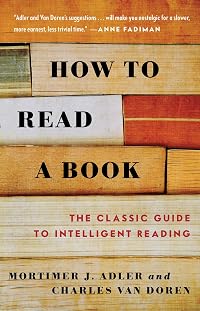
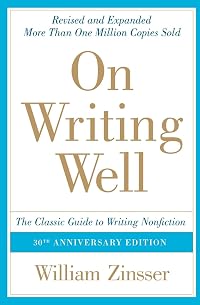
I’ve also found myself musing on art in a variety of sometimes tangential and satirical ways (Why Your Five-Year Old Could Not Have Done That, We Go to the Gallery, and the tragi-comic play, Art) as well as how (not) to read and write (How to Read a Book, How To Not SUCK At Writing Your First Book, and Stephen King's famous On Writing).
Authors New To Me
My clear favourite, in a strong field, was Jón Kalman Stefánsson. I also read and enjoyed my first encounters with - in no particular order - Billy O'Callaghan, William Trevor, DH Lawrence, Stefan Zweig, Colm Tóibín, Kevin Ansbro, Neil Gaiman, Ted Chiang, Octavia Butler, and Willa Cather. Many of those choices were inspired by GR friends. Two of them are GR friends.
Emerging Authors to Watch - and Read!
Billy O'Callaghan sees with an artist's eye, analyses with a philosopher's mind, and writes with a poet's pen. I’ve loved reading two of his three short story collections, especially The Things We Lose, The Things We Leave Behind, will read the third (the first that he published), and eagerly await his first novel.
Kevin Ansbro’s first novel, Kinnara, was highly original and very enjoyable, too. He’s working on a new novel, and I look forward to reading that.
Both are generous, self-effacing, erudite, and witty presences on GR. They are here primarily as fellow readers, and never push their own works.
In a thoroughly different vein, I commend Malala Yousafzai’s autobiography, I am Malala. Not the best-written book (despite a co-author), and writing will probably not be her most significant mark on the world, but she’s an important and inspiring figure to follow.
Pairings and Contrasts
When I read Jeanette Winterson’s modern novelisation of The Winter’s Tale, The Gap of Time, I went back to the Bard’s original, The Winter’s Tale, which made me appreciate JW’s version more than I had at first.
Michel Faber’s The Book of Strange New Things was a good counterpoint to Barbara Kingsolver’s The Poisonwood Bible, both involving missionaries in very unfamiliar settings (a distant planet, and 1960s Congo, respectively).
Pairing Arthur Schnitzler’s Dream Story with Stanley Kubrick’s adaptation, Eyes Wide Shut, was essential for appreciation of both.
To maintain general contrast and variety in my reading diet, my delightful Whovian friend Apatt keeps me on my toes. He writes witty reviews of classics and serious reviews of sci-fi, and makes sure I pepper my reading with well-chosen dystopias and mind-boggling space yarns. He also makes me me laugh. A lot.
Creative Writing?
In 2016, I made some progress in my attempts to write reviews that were more personal and original, and less like book reports. But I utterly failed in my attempt to be more succinct. The ones I most enjoyed writing, and where I think I came closest to something worthy of the time of others are listed below. What I find most striking is how varied the sources are in genre, style, and every other respect:
o The Rainbow, DH Lawrence
o The History of Love, Nicole Krauss
o The Testament of Mary, Colm Tóibín
o Why Your Five-Year Old Could Not Have Done That, Susie Hodge
o The Old Man and the Sea, Ernest Hemingway
o Good Omens, Pratchett and Gaiman
o The Sorrow of Angels, Jón Kalman Stefánsson
o The Story of Lucy Gault, William Trevor
o The Mezzanine, Nicholson Baker
o Dream Story, Arthur Schnitzler
o Art, Yasmina Reza
o Letters From Father Christmas, JRR Tolkien
Complete Chronological List of 2016 Reads and Reviews
All links are to my reviews of the books listed.
o The Rainbow, DH Lawrence, 5* - review
o The Rainbow, DH Lawrence, 5* - notes, themes, and quotes
o Women in Love, DH Lawrence, 4*
o Three Moments of an Explosion, China Mieville - DNF (partial review)
o The History of Love, Nicole Krauss, 5* - review
o The History of Love, Nicole Krauss, 5* - notes on links and themes
o How to Read a Book, Adler and van Doren, 2*
o The Gap of Time, Jeanette Winterson, 3*
o The Winter’s Tale, Shakespeare, 4*
o The Book of Strange New Things, Michel Faber, 4*
o I am Malala, Malala Yousafzai, 4*
o The Testament of Mary, Colm Tóibín, 5*
o How To Not SUCK At Writing Your First Book, Chandler Bolt - DNF
o House of Suns, Alastair Reynolds, 4*
o The Wife of Martin Guerre, Janet Lewis, 3*
o The Things We Lose, The Things We Leave Behind, Billy O’Callaghan, 5*
o All the Light We Cannot See, Anthony Doerr, 3*
o Why Your Five-Year Old Could Not Have Done That, Susie Hodge, 3*
o Escape from Camp 14, Blaine Harden, 3*
o The Old Man and the Sea, Ernest Hemingway, 4*
o Selected Short Stories, DH Lawrence, 4*, including:
• Sun, 5*
• Things, 4*
• Love Among the Haystacks, 4*
• The Rocking Horse Winner, 5*
• The Man Who Loved Islands, 4*
o The Sea, John Banville, 4*
o Good Omens, Pratchett and Gaiman, 5*
o Heaven and Hell, Jón Kalman Stefánsson, 5*
o In Too Deep, Billy O’Callaghan, 4*
o The Sorrow of Angels, Jón Kalman Stefánsson, 5*
o The Heart of Man, Jón Kalman Stefánsson, 5*
o Heaven and Hell trio, Jón Kalman Stefánsson, 5*- overview review
o The Children Act, Ian McEwan, 3*
o The History of Love, Nicole Krauss, 5* - REread (see above)
o Kindred, Octavia Butler, 4*
o The Poisonwood Bible, Barbara Kingsolver, 5*
o The Invisible Collection, Stefan Zweig, 4*, including:
• Wondrak, 4*
• The Miracles of Life, 4*
• Amok, 3*
• Leporella, 3*
o O Pioneers!, Willa Cather, 4*
o Fish Have No Feet, Jón Kalman Stefánsson, 4*
o The Story of Your Life (aka Arrival), Ted Chiang, 5*
o The Mezzanine, Nicholson Baker, 4*
o The Story of Lucy Gault, William Trevor, 4*
o Kinnara, Kevin Ansbro, 3*
o We Go to the Gallery, Miriam Elia, 4*
o On Writing, Stephen King, 3*
o Coraline, Neil Gaiman, 5*
o Captain Corelli’s Mandolin, Louis De Bernieres, 3*
o Our Souls at Night, Kent Haruf, 4*
o Dream Story, Arthur Schnitzler, 4*
o Eyes Wide Shut, Stanley Kubrick, 3*
o Sons and Lovers, DH Lawrence, 3*
o Art, Yasmina Reza, 5*
o Letters From Father Christmas, JRR Tolkien, 4*
o Christmas Days, Jeanette Winterson, 3*
Thank You, My Friends
2016 has been a dramatic year in the real world, in the public and private spheres, which makes me all the more grateful for the opportunity to retreat between the covers of a book, in the company of friends, new and old.
Thank you for reading this far, for sharing your reading journeys and mine. I wish you wonderful and surprising books in 2017, along with peace, health, and happiness in quotidian life.
Image Sources
Pages like a heart:
http://cdn2.spectator.co.uk/files/2016/12/bookheart.jpg
Bar chart of most read books:
http://3.bp.blogspot.com/-hybIWMorYr0/T6iggIv9L2I/AAAAAAAABr8/LzwK4sUQq50/s1600/....
Island of Herm:
http://herm.com/images/main_bg.jpg show less
As 2014 crossed into 2015, I was reading Stoner for the first - and then second - time. Sublime. As 2015 crossed into 2016, I was reading Lawrence for the first time in so long it might have been the first time. Utterly different, but equally, achingly, wonderful styles of writing. I read Lawrence again in the middle and end of 2016, with patchier results. And in between, I’ve encountered many wonders. I need something magisterial for the start of 2017.
Go With The Flow
I take little notice of numbers or lists, and don’t set myself targets. show more Quirky quality, not quantity matter to me, along with being able to change direction on a whim - usually prompted by what friends are reading and reviewing. This approach has served me well, thanks to my many valued friends here. If I notice a pattern, I might seek more in a similar vein, or deliberately pick something in contrast.
Highs and Lows
Lawrence was a high - but also a low. Not the lowest rating, but a low of disappointment. From more than 5* (The Rainbow, plus 4* for Women in Love and some short stories) to barely 3* (Sons and Lovers). I will read more of him, but am now wary.
The undoubted high was Jón Kalman Stefánsson’s trio (really a single story): Heaven and Hell, The Sorrow of Angels, and The Heart of Man.
The lows are few and minor (a single 2*, and no 1* reads).
Recurring Themes
In the spring, as I read Heaven and Hell, I realised I’d read several books relating to the sea and islands (The Old Man and the Sea, The Man Who Loved Islands, The Sea), so I kept an eye out for others and scattered them across the rest of the year, including The Sorrow of Angels, The Heart of Man, The Story of Lucy Gault, Kinnara, and Captain Corelli’s Mandolin.
Related to that, I’ve read more Irish authors than previously - and will continue with all of them. My first taste of William Trevor, Colm Tóibín, and Billy O'Callaghan, and a second of John Banville.
I’ve also found myself musing on art in a variety of sometimes tangential and satirical ways (Why Your Five-Year Old Could Not Have Done That, We Go to the Gallery, and the tragi-comic play, Art) as well as how (not) to read and write (How to Read a Book, How To Not SUCK At Writing Your First Book, and Stephen King's famous On Writing).
Authors New To Me
My clear favourite, in a strong field, was Jón Kalman Stefánsson. I also read and enjoyed my first encounters with - in no particular order - Billy O'Callaghan, William Trevor, DH Lawrence, Stefan Zweig, Colm Tóibín, Kevin Ansbro, Neil Gaiman, Ted Chiang, Octavia Butler, and Willa Cather. Many of those choices were inspired by GR friends. Two of them are GR friends.
Emerging Authors to Watch - and Read!
Billy O'Callaghan sees with an artist's eye, analyses with a philosopher's mind, and writes with a poet's pen. I’ve loved reading two of his three short story collections, especially The Things We Lose, The Things We Leave Behind, will read the third (the first that he published), and eagerly await his first novel.
Kevin Ansbro’s first novel, Kinnara, was highly original and very enjoyable, too. He’s working on a new novel, and I look forward to reading that.
Both are generous, self-effacing, erudite, and witty presences on GR. They are here primarily as fellow readers, and never push their own works.
In a thoroughly different vein, I commend Malala Yousafzai’s autobiography, I am Malala. Not the best-written book (despite a co-author), and writing will probably not be her most significant mark on the world, but she’s an important and inspiring figure to follow.
Pairings and Contrasts
When I read Jeanette Winterson’s modern novelisation of The Winter’s Tale, The Gap of Time, I went back to the Bard’s original, The Winter’s Tale, which made me appreciate JW’s version more than I had at first.
Michel Faber’s The Book of Strange New Things was a good counterpoint to Barbara Kingsolver’s The Poisonwood Bible, both involving missionaries in very unfamiliar settings (a distant planet, and 1960s Congo, respectively).
Pairing Arthur Schnitzler’s Dream Story with Stanley Kubrick’s adaptation, Eyes Wide Shut, was essential for appreciation of both.
To maintain general contrast and variety in my reading diet, my delightful Whovian friend Apatt keeps me on my toes. He writes witty reviews of classics and serious reviews of sci-fi, and makes sure I pepper my reading with well-chosen dystopias and mind-boggling space yarns. He also makes me me laugh. A lot.
Creative Writing?
In 2016, I made some progress in my attempts to write reviews that were more personal and original, and less like book reports. But I utterly failed in my attempt to be more succinct. The ones I most enjoyed writing, and where I think I came closest to something worthy of the time of others are listed below. What I find most striking is how varied the sources are in genre, style, and every other respect:
o The Rainbow, DH Lawrence
o The History of Love, Nicole Krauss
o The Testament of Mary, Colm Tóibín
o Why Your Five-Year Old Could Not Have Done That, Susie Hodge
o The Old Man and the Sea, Ernest Hemingway
o Good Omens, Pratchett and Gaiman
o The Sorrow of Angels, Jón Kalman Stefánsson
o The Story of Lucy Gault, William Trevor
o The Mezzanine, Nicholson Baker
o Dream Story, Arthur Schnitzler
o Art, Yasmina Reza
o Letters From Father Christmas, JRR Tolkien
Complete Chronological List of 2016 Reads and Reviews
All links are to my reviews of the books listed.
o The Rainbow, DH Lawrence, 5* - review
o The Rainbow, DH Lawrence, 5* - notes, themes, and quotes
o Women in Love, DH Lawrence, 4*
o Three Moments of an Explosion, China Mieville - DNF (partial review)
o The History of Love, Nicole Krauss, 5* - review
o The History of Love, Nicole Krauss, 5* - notes on links and themes
o How to Read a Book, Adler and van Doren, 2*
o The Gap of Time, Jeanette Winterson, 3*
o The Winter’s Tale, Shakespeare, 4*
o The Book of Strange New Things, Michel Faber, 4*
o I am Malala, Malala Yousafzai, 4*
o The Testament of Mary, Colm Tóibín, 5*
o How To Not SUCK At Writing Your First Book, Chandler Bolt - DNF
o House of Suns, Alastair Reynolds, 4*
o The Wife of Martin Guerre, Janet Lewis, 3*
o The Things We Lose, The Things We Leave Behind, Billy O’Callaghan, 5*
o All the Light We Cannot See, Anthony Doerr, 3*
o Why Your Five-Year Old Could Not Have Done That, Susie Hodge, 3*
o Escape from Camp 14, Blaine Harden, 3*
o The Old Man and the Sea, Ernest Hemingway, 4*
o Selected Short Stories, DH Lawrence, 4*, including:
• Sun, 5*
• Things, 4*
• Love Among the Haystacks, 4*
• The Rocking Horse Winner, 5*
• The Man Who Loved Islands, 4*
o The Sea, John Banville, 4*
o Good Omens, Pratchett and Gaiman, 5*
o Heaven and Hell, Jón Kalman Stefánsson, 5*
o In Too Deep, Billy O’Callaghan, 4*
o The Sorrow of Angels, Jón Kalman Stefánsson, 5*
o The Heart of Man, Jón Kalman Stefánsson, 5*
o Heaven and Hell trio, Jón Kalman Stefánsson, 5*- overview review
o The Children Act, Ian McEwan, 3*
o The History of Love, Nicole Krauss, 5* - REread (see above)
o Kindred, Octavia Butler, 4*
o The Poisonwood Bible, Barbara Kingsolver, 5*
o The Invisible Collection, Stefan Zweig, 4*, including:
• Wondrak, 4*
• The Miracles of Life, 4*
• Amok, 3*
• Leporella, 3*
o O Pioneers!, Willa Cather, 4*
o Fish Have No Feet, Jón Kalman Stefánsson, 4*
o The Story of Your Life (aka Arrival), Ted Chiang, 5*
o The Mezzanine, Nicholson Baker, 4*
o The Story of Lucy Gault, William Trevor, 4*
o Kinnara, Kevin Ansbro, 3*
o We Go to the Gallery, Miriam Elia, 4*
o On Writing, Stephen King, 3*
o Coraline, Neil Gaiman, 5*
o Captain Corelli’s Mandolin, Louis De Bernieres, 3*
o Our Souls at Night, Kent Haruf, 4*
o Dream Story, Arthur Schnitzler, 4*
o Eyes Wide Shut, Stanley Kubrick, 3*
o Sons and Lovers, DH Lawrence, 3*
o Art, Yasmina Reza, 5*
o Letters From Father Christmas, JRR Tolkien, 4*
o Christmas Days, Jeanette Winterson, 3*
Thank You, My Friends
2016 has been a dramatic year in the real world, in the public and private spheres, which makes me all the more grateful for the opportunity to retreat between the covers of a book, in the company of friends, new and old.
Thank you for reading this far, for sharing your reading journeys and mine. I wish you wonderful and surprising books in 2017, along with peace, health, and happiness in quotidian life.
Image Sources
Pages like a heart:
http://cdn2.spectator.co.uk/files/2016/12/bookheart.jpg
Bar chart of most read books:
http://3.bp.blogspot.com/-hybIWMorYr0/T6iggIv9L2I/AAAAAAAABr8/LzwK4sUQq50/s1600/....
Island of Herm:
http://herm.com/images/main_bg.jpg show less
Goodreads says the average of my ratings for this year is three stars and a bit, so three stars it is. A mixed bag as always. I continue to be let down by the newest wave of authors. I abandoned more books this year than I have in previous years (it keeps getting easier) and almost all of them were from relative newcomers. I know standards are always getting lower but still I struggle to explain this phenomena. Writers don't seem to want to take the time to learn their craft any more, and the publishers are enabling them. I read, or tried to read, so many books this year that I was astounded made it past the first submissions editor. They all seem to want that big break, that book that can easily be turned into a movie or TV series, and show more the literary world is suffering for it. I also wonder if we are seeing the product of a society where everyone gets an award for participating, and no one is told their writing isn't good enough yet or that it needs more work.
However, it wasn't all bad. [a:Alex White|69059|Alex White|https://s.gr-assets.com/assets/nophoto/user/m_50x66-82093808bca726cb3249a493fbd3bd0f.png], [a:David Edison|3409966|David Edison|https://images.gr-assets.com/authors/1388276499p2/3409966.jpg], [a:Dan Vyleta|1058268|Dan Vyleta|https://images.gr-assets.com/authors/1452695804p2/1058268.jpg] and [a:Dana I. Wolff|14220721|Dana I. Wolff|https://images.gr-assets.com/authors/1460482259p2/14220721.jpg] all gave decent reads and show promise. Might keep an eye on them.
So I've been going back to older fiction more and more, and picked up far too many old paperbacks at used book and thrift stores. (Just kidding, it can never be too many.) I've made some happy discoveries in the process of what I've dubbed "Whelan Quest." I've finally ventured into Robert A. Heinlein and liked what I've gotten so far. And then there's Jo Clayton, an author I was somewhat aware of before. Her light-SF-on-the-border-of-fantasy has a fun quality that lacks the self-consciousness of much of today's fantastic fiction, which tries too hard to dance around the sensibilities of today's readers for fear of offending someone. I've been enjoying her "Diadem" series so much I read the first three books all this year. That's unusual because I often let years go by between installments, not because I don't want to return to them but because I am always wanting to read something completely new.
With DAW's ongoing reissues of a chunk of Tanith Lee's work, I've been rereading her Flat Earth books, and the first of those, [b:Night's Master|29358527|Night's Master|Tanith Lee|https://images.gr-assets.com/books/1461533403s/29358527.jpg|457123], was my favorite read of the year.
As I've been doing the past few years, I've picked up a few kids' novels for nostalgia and a refresher between heavier stuff. Some are re-reads, others are titles I didn't pick up when I was younger for whatever reason. I still have mixed feelings about Madeleine L'Engle, a great writer and lover of science with a curious religious streak that is often intrusive. However, I am pleased to find that Judy Blume can still make me laugh out loud.
On the comics front, I've been exploring the Bronze Age (my favorite era, my personal "Golden Age"). I read a collection of the earliest Swamp Thing stories, which was excellent. I also read the not-so-great first Master of Kung Fu omnibus, which did vastly improve near the end. But even mediocre Bronze Age Marvel is still pretty good to me, because I just enjoy the style. Marvel's and DC's current output might be terrible, but the wealth of reprint volumes make it a great time to be an old comics fan. I also finally finished my box set of Neil Gaiman's Sandman. I had intended to read the volumes closer together but it just didn't happen (see above). It's still a great series, and, while my interest started to wane towards the end when they were originally published, I enjoyed the later volumes more this time round. show less
However, it wasn't all bad. [a:Alex White|69059|Alex White|https://s.gr-assets.com/assets/nophoto/user/m_50x66-82093808bca726cb3249a493fbd3bd0f.png], [a:David Edison|3409966|David Edison|https://images.gr-assets.com/authors/1388276499p2/3409966.jpg], [a:Dan Vyleta|1058268|Dan Vyleta|https://images.gr-assets.com/authors/1452695804p2/1058268.jpg] and [a:Dana I. Wolff|14220721|Dana I. Wolff|https://images.gr-assets.com/authors/1460482259p2/14220721.jpg] all gave decent reads and show promise. Might keep an eye on them.
So I've been going back to older fiction more and more, and picked up far too many old paperbacks at used book and thrift stores. (Just kidding, it can never be too many.) I've made some happy discoveries in the process of what I've dubbed "Whelan Quest." I've finally ventured into Robert A. Heinlein and liked what I've gotten so far. And then there's Jo Clayton, an author I was somewhat aware of before. Her light-SF-on-the-border-of-fantasy has a fun quality that lacks the self-consciousness of much of today's fantastic fiction, which tries too hard to dance around the sensibilities of today's readers for fear of offending someone. I've been enjoying her "Diadem" series so much I read the first three books all this year. That's unusual because I often let years go by between installments, not because I don't want to return to them but because I am always wanting to read something completely new.
With DAW's ongoing reissues of a chunk of Tanith Lee's work, I've been rereading her Flat Earth books, and the first of those, [b:Night's Master|29358527|Night's Master|Tanith Lee|https://images.gr-assets.com/books/1461533403s/29358527.jpg|457123], was my favorite read of the year.
As I've been doing the past few years, I've picked up a few kids' novels for nostalgia and a refresher between heavier stuff. Some are re-reads, others are titles I didn't pick up when I was younger for whatever reason. I still have mixed feelings about Madeleine L'Engle, a great writer and lover of science with a curious religious streak that is often intrusive. However, I am pleased to find that Judy Blume can still make me laugh out loud.
On the comics front, I've been exploring the Bronze Age (my favorite era, my personal "Golden Age"). I read a collection of the earliest Swamp Thing stories, which was excellent. I also read the not-so-great first Master of Kung Fu omnibus, which did vastly improve near the end. But even mediocre Bronze Age Marvel is still pretty good to me, because I just enjoy the style. Marvel's and DC's current output might be terrible, but the wealth of reprint volumes make it a great time to be an old comics fan. I also finally finished my box set of Neil Gaiman's Sandman. I had intended to read the volumes closer together but it just didn't happen (see above). It's still a great series, and, while my interest started to wane towards the end when they were originally published, I enjoyed the later volumes more this time round. show less
A big year of changes.
In 2016 I was freed from the confines of moronic corporate douchebags and their bizarre denial of reality. I was later rewarded with the spectacle of watching my former industry take a major bitchslap (ooooops, looks like you guys were WRONG) but stopped paying attention when the butt-hurt whining began............. As a result I was productive and wrote three books.
2016 also marks the year that horror stopped being my favorite genre. The current trends don't suit my tastes; I can imagine far more frightening things than human killers but it seems that the majority of current horror genre readers cannot. As a result I have been discovering many wonderful sub genres within the genre of fantasy and the amazing show more creative minds of the authors who build entire new worlds. Much heartfelt appreciation for these writers; hats off and thank you! Thanks also for the collaborative efforts of the Datlow/Winding team who publish very fine short story anthologies; I have gotten a great deal of enjoyment from reading them.
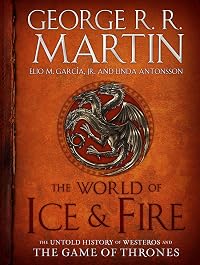
Another year has passed with no new volume in the Song of Ice and Fire series.........but that's okay. If GRRM doesn't finish the series I get to make up my own ending; my faves will get to live happily ever after, but Cersei Lannister is probably going to wish that the writer who brought her into this world had also taken her out..........
I'm looking forward to a better year in 2017 and finally getting my hands on some of the books I have been wanting to read that have eluded me.
Also I know better than to ask for changes; what I specifically want to see is an overall improvement. Who's with me in this? Happy 2017! show less
In 2016 I was freed from the confines of moronic corporate douchebags and their bizarre denial of reality. I was later rewarded with the spectacle of watching my former industry take a major bitchslap (ooooops, looks like you guys were WRONG) but stopped paying attention when the butt-hurt whining began............. As a result I was productive and wrote three books.
2016 also marks the year that horror stopped being my favorite genre. The current trends don't suit my tastes; I can imagine far more frightening things than human killers but it seems that the majority of current horror genre readers cannot. As a result I have been discovering many wonderful sub genres within the genre of fantasy and the amazing show more creative minds of the authors who build entire new worlds. Much heartfelt appreciation for these writers; hats off and thank you! Thanks also for the collaborative efforts of the Datlow/Winding team who publish very fine short story anthologies; I have gotten a great deal of enjoyment from reading them.
Another year has passed with no new volume in the Song of Ice and Fire series.........but that's okay. If GRRM doesn't finish the series I get to make up my own ending; my faves will get to live happily ever after, but Cersei Lannister is probably going to wish that the writer who brought her into this world had also taken her out..........
I'm looking forward to a better year in 2017 and finally getting my hands on some of the books I have been wanting to read that have eluded me.
Also I know better than to ask for changes; what I specifically want to see is an overall improvement. Who's with me in this? Happy 2017! show less
Members
- Recently Added By
Lists

Things we wish were not catalog(u)ed on LT
90 works; 20 members
Author Information
54,103 Works 93,335 Members
Statistics
- Members
- 43
- Popularity
- 689,326
- Reviews
- 35
- Rating
- (4.07)
