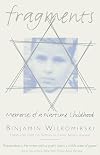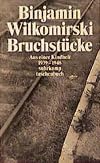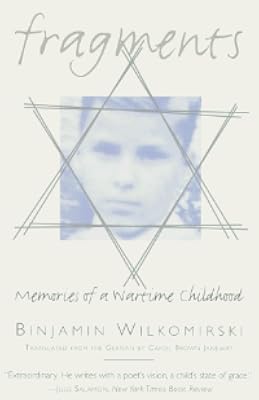
Fragments: Memories of a Wartime Childhood
by Binjamin Wilkomirski
On This Page
Description
Winner of the National Jewish Book Award An extraordinary memoir of a small boy who spent his childhood in the Nazi death camps. Binjamin Wilkomirski was a child when the round-ups of Jews in Latvia began. His father was killed in front of him, he was separated from his family, and, perhaps three or four years old, he found himself in Majdanek death camp, surrounded by strangers. In piercingly simple scenes Wilkomirski gives us the "fragments" of his recollections, so that we too become show more small again and see this bewildering, horrifying world at child's eye-height. No adult interpretations intervene. From inside the mind of a little boy we too experience love and loss, terror and friendship, and the final arduous return to the "real" world. Beautifully written, with an indelible impact that makes this a book that is not read but experienced, Fragments is "a masterpiece" (Kirkus Reviews). Translated form the German by Carol Brown Janeway. "This sunning and austerely written work is so profoundly moving, so morally important, and so free from literary artifice of any kind at all that I wonder if I even have the right to try to offer praise."--Jonathan Kozol, The Nation From the Trade Paperback edition. show lessTags
Recommendations

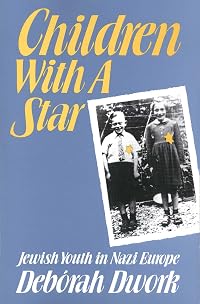
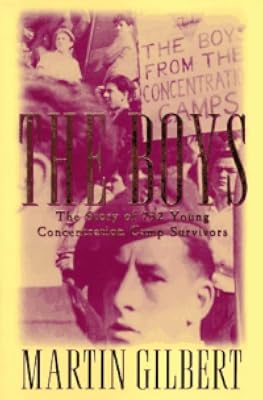


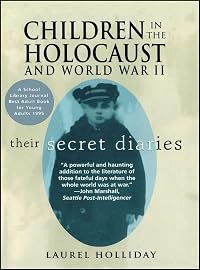
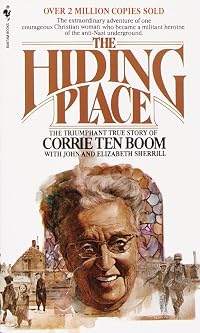
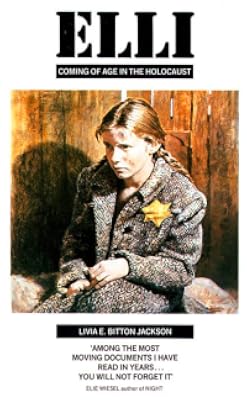


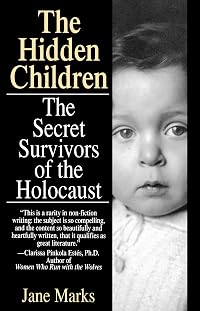



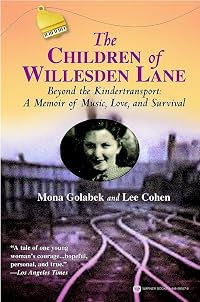


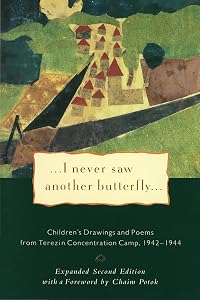
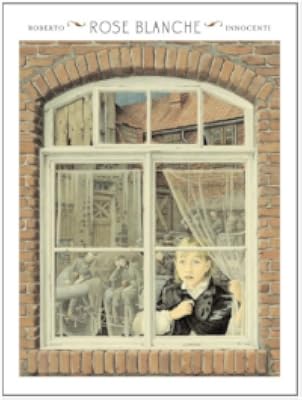

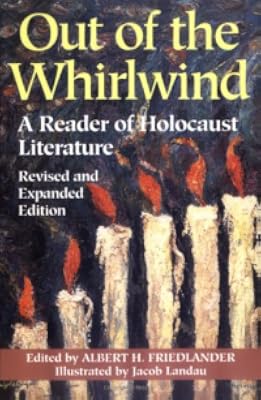

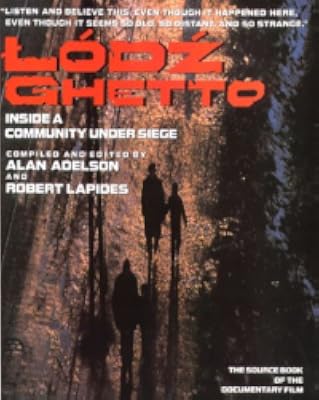





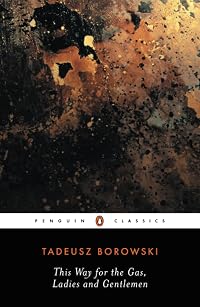
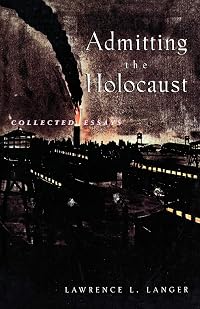
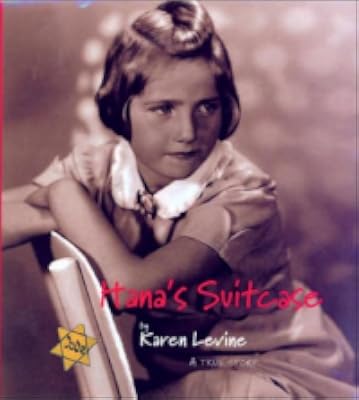
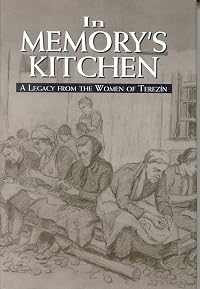
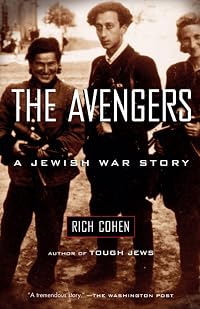

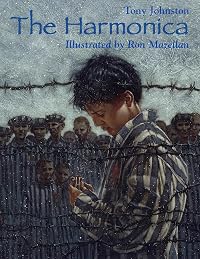
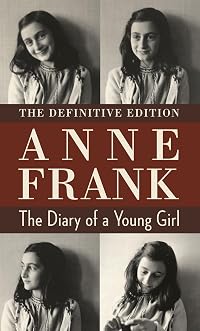
Member Recommendations
SqueakyChu Both are a child's eye view of the Holocaust
Member Reviews
Note: This review and most others will be spoilers. To get the full impact of this book, read it first, and, only afterward, read the reviews.
This is probably the most devastating account of the Holocaust I have ever read. I think that whatever I say about this book probably will not give it enough justice.
Fragments is the account, in bits and pieces, of a child survivor of the Majdanek death camp during World War II. It has taken the author many years to piece through the truth of that time, but he tells his story through the eyes of a child. He was only three or four years old when he was thrust by himself into this world of horror. The ideas and thoughts that he formed from seeing incredible brutality affected his psyche even after show more his so-called “liberation” from Nazi persecution. The most heartrending part of this book for me, oddly enough, was the part about young Binjamin’s re-entry into the world outside of the concentration camp.
As the granddaughter of maternal grandparents who died in the ovens of Auschwitz, I grew up in an atmosphere in which my parents never told me anything disturbing about their family related to the Holocaust. How doubly sad, then, it must have been for young Binjamin, who actually endured this fiendish world, to never have been allowed to or felt free enough to talk about his enduring fears even after his “liberation”.
This is a troubling book. Beware, if you choose to read it, that it contains unbearable cruelty. Yet know in your hearts that this is not fiction.
Addendum: It was only after I finished reading this book that I remembered why I got it in the first place. The book was found out to be, not the biography of the author, but a hoax. Truthfully, I'm glad I didn't remember this at the time I read it. In other words, I had the full impact of the story from a personal point of view. As in shades of James Frey's book, A Milllion Little Pieces, the public's outrage has come to the forefront to decry the success of this book. Oddly enough, even though Wilkomirski's story is fiction, I'm pretty certain that the feelings of the victims of the Holocaust, had they been children or adults, were not far from those of young Binjamin in this story. show less
This is probably the most devastating account of the Holocaust I have ever read. I think that whatever I say about this book probably will not give it enough justice.
Fragments is the account, in bits and pieces, of a child survivor of the Majdanek death camp during World War II. It has taken the author many years to piece through the truth of that time, but he tells his story through the eyes of a child. He was only three or four years old when he was thrust by himself into this world of horror. The ideas and thoughts that he formed from seeing incredible brutality affected his psyche even after show more his so-called “liberation” from Nazi persecution. The most heartrending part of this book for me, oddly enough, was the part about young Binjamin’s re-entry into the world outside of the concentration camp.
As the granddaughter of maternal grandparents who died in the ovens of Auschwitz, I grew up in an atmosphere in which my parents never told me anything disturbing about their family related to the Holocaust. How doubly sad, then, it must have been for young Binjamin, who actually endured this fiendish world, to never have been allowed to or felt free enough to talk about his enduring fears even after his “liberation”.
This is a troubling book. Beware, if you choose to read it, that it contains unbearable cruelty. Yet know in your hearts that this is not fiction.
Addendum: It was only after I finished reading this book that I remembered why I got it in the first place. The book was found out to be, not the biography of the author, but a hoax. Truthfully, I'm glad I didn't remember this at the time I read it. In other words, I had the full impact of the story from a personal point of view. As in shades of James Frey's book, A Milllion Little Pieces, the public's outrage has come to the forefront to decry the success of this book. Oddly enough, even though Wilkomirski's story is fiction, I'm pretty certain that the feelings of the victims of the Holocaust, had they been children or adults, were not far from those of young Binjamin in this story. show less
I was completely taken in when I read this when it came out in 1997, and I thought it was a masterpiece. Does a book count as a fraud or hoax if the author seems to really believe it is true? This would have been great as a novel.
Binjamin Wilkomirski was a tiny child when the round-ups in Poland began. His father was killed in front of him, he was separated from his family, and found himself completely alone, three or four years old, in Majdanek death camp. Moved from camp to camp as the years went on, in 1945 he was half-kidnapped, half-rescued from an orphanage in Kracow and hidden in a group of children going for adoption in Switzerland. Once there, his new family never allowed him to talk about his previous life. Overshadowed by terror, he saw everything unfamiliar as a potential instrument of death, like the ski-lift on a school skiing trip. Only in adulthood did he find a way to recover his memories
Binjamin was a very young child when he was sent to a concentration camp. Despite his youth and his inexperience, he was able to survive the atrocities and horrors of World War II.
I have read the reviews, and the articles about this being a fictionalized story. However, I must say that it is well written, engaging and intriguing. Many scholarly articles suggest that Binjamin himself truly believes the fiction he has created. As such, I am not outraged about this story. Many horrible things happened during World War II. If his memories are not reality then he is a troubled individual, one who perhaps survived different horrors, and does not deserve scorn but rather compassion.
I have read the reviews, and the articles about this being a fictionalized story. However, I must say that it is well written, engaging and intriguing. Many scholarly articles suggest that Binjamin himself truly believes the fiction he has created. As such, I am not outraged about this story. Many horrible things happened during World War II. If his memories are not reality then he is a troubled individual, one who perhaps survived different horrors, and does not deserve scorn but rather compassion.
published in 1995 as a supposed child survivor memoir of life in majdanek & birkenau; exposed as fraudulent some time later. at the same time i got the book debunking the "facts" of wilkomirski (aka bruno grosjean)'s life -- fascinating to read them together.
Another book on the holocaust but from the eyes of a boy who lived in a death camp. A simple book I picked up in Cape Town but beautifully written although translated from German.
Antimuzak's review below was done in ignorance of the fact that the book was in fact a literary hoax, if an oddly sincere one. Wilkomirski was in fact Bruno Dössekker, a poor soul who apparently deluded himself into believing he was a child survivor of Auchwitz, when he was in fact a Swiss child adopted from an orphanage.
There's a article on the story from the British paper, the Guardian, here:
http://www.guardian.co.uk/theguardian/1999/oct/15/features11.g24
There's a article on the story from the British paper, the Guardian, here:
http://www.guardian.co.uk/theguardian/1999/oct/15/features11.g24
Members
- Recently Added By
Lists

Top Five Books of 2023
767 works; 317 members
Author Information

1 Work 288 Members
Some Editions
Awards and Honors
Awards
Distinctions
Work Relationships
Has as a study
Common Knowledge
- Canonical title*
- Fragments. Une enfance, 1939-1948
- Original title
- Bruchstücke. Aus einer Kindheit, 1939-1948
- Original publication date
- 1995 (1e édition originale suisse en allemand ∙ Suhrkamp) (1e édition originale suisse en allemand ∙ Suhrkamp); 1997 (1e traduction et édition française, Calmann Levy) (1e traduction et édition française, Calmann Levy); 1999-12 (Retiré de la vente pour cause de faux témoignage et donc roman) (Retiré de la vente pour cause de faux témoignage et donc roman)
- People/Characters
- Binjamin Wilkomirski
- Important places
- Lublin, Lublin, Poland; Majdanek concentration camp, Lublin, Lublin, Poland
- Important events
- Holocaust
- First words
- I have no mother tongue, nor a father tongue either.
- Last words
- (Click to show. Warning: May contain spoilers.)He understood what I was really saying.
- Blurbers
- Kozol, Jonathan
- Original language*
- Allemand
*Some information comes from Common Knowledge in other languages. Click "Edit" for more information.
Classifications
- Genres
- Biography & Memoir, Fiction and Literature, Teen
- DDC/MDS
- 833.914 — Literature & rhetoric German & related literatures German fiction 1900- 1900-1990 1945-1990
- LCC
- PT2685 .I383 .B7813 — Language and Literature German, Dutch and Scandinavian literatures German literature Individual authors or works 1961-2000
- BISAC
Statistics
- Members
- 287
- Popularity
- 112,625
- Reviews
- 7
- Rating
- (3.56)
- Languages
- 7 — Dutch, English, French, German, Italian, Portuguese, Spanish
- Media
- Paper
- ISBNs
- 16
- ASINs
- 1