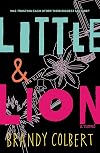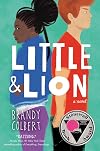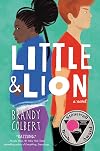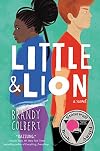
Little & Lion
by Brandy Colbert
On This Page
Description
A stunning novel on love, identity, loss, and redemption.When Suzette comes home to Los Angeles from her boarding school in New England, she's isn't sure if she'll ever want to go back. L.A. is where her friends and family are (as well as her crush, Emil). And her stepbrother, Lionel, who has been diagnosed with bipolar disorder, needs her emotional support.
But as she settles into her old life, Suzette finds herself falling for someone new...the same girl her brother is in love with. When show more Lionel's disorder spirals out of control, Suzette is forced to confront her past mistakes and find a way to help her brother before he hurts himself—or worse.
"Little and Lion is beautifully insightful, honest, and compassionate. Brandy's ability to find larger meaning in small moments is nothing short of dazzling." — Nicola Yoon, #1 New York Times bestselling author of Everything, Everything. show less
Tags
Recommendations
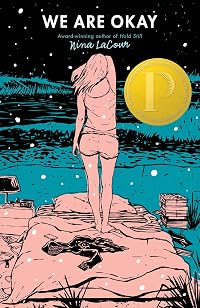
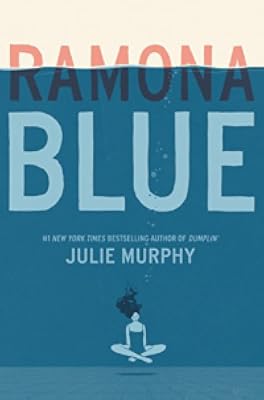
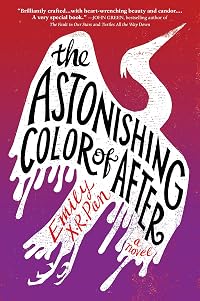

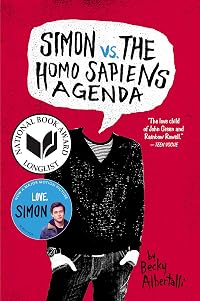







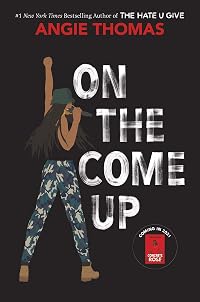


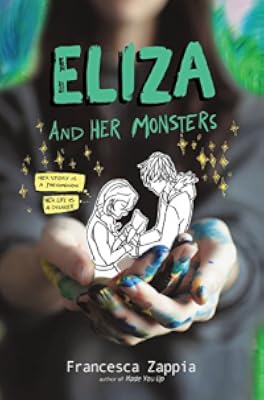
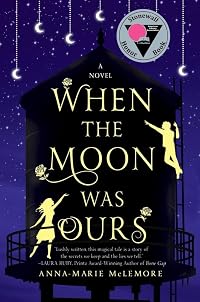
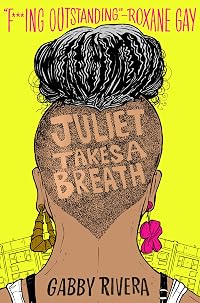









Member Reviews
This book really surprised me. I thought it would be much lighter than it was. Colbert is subtly serious - she tackles feminism, sexuality, mental illness, racism, and the intersectionality of all of the above. I loved that the characters were actually people and not stereotypes. And that they showed the reality of intersectionalism. Suzette is black AND Jewish AND bisexual, for example. Also, I loved how close Suzette and her brother Lionel are.
I really enjoyed this one. And I was still plumbing it for depths days later.
I really enjoyed this one. And I was still plumbing it for depths days later.
Suzette returns home from boarding school in Massachusetts with a secret: she had a relationship with her roommate, Iris, but thinks they might have broken up when their behind closed doors relationship was discovered by the other girls on their hall. Meanwhile, at home, her brother Lionel tells her a secret: he's going off his meds for bipolar disorder. Suzette is afraid of keeping his dangerous secret, but feels like she has to in order to regain his trust.
Suzette is also trying to figure out her own sexual identity - does she like girls, guys, both? She still has feelings for Iris, but also her longtime family friend Emil, and also a new friend, Rafaela - who Lionel falls for also. It's a tangle.
Little & Lion is practically a show more textbook on intersectionality and identity, but it doesn't read like a textbook at all; it's a great work of realistic YA fiction, featuring a protagonist who is trying to do her best by everyone as she figures out who she is.
Quotes
"That's the part that sucks. When you feel bad for telling someone they were wrong." (Suzette to Emil, after someone made a racist comment to them in the pool, 113)
I don't want her to think I'm judging her, because I'm not. It's easy to think you know what you'd do if you were in a certain position until you find yourself there, feeling completely lost. (190)
"But I feel like I should know what to call myself."
"Why? Bi, queer...it doesn't really matter, as long as you're happy. Just make sure you don't let anyone tell you what you are. People can be real assholes about labels." (Rafaela to Suzette, 193)
...so many of the same people who are quick to empathize with physical disabilities don't understand why someone with depression can't just get up and get on with their day like the rest of the world. It's like they need a receipt that proves someone is actually going through some shit before they finally care about them. (Suzette and Lionel, 205)
The flip side of loyalty is betrayal. (232) show less
Suzette is also trying to figure out her own sexual identity - does she like girls, guys, both? She still has feelings for Iris, but also her longtime family friend Emil, and also a new friend, Rafaela - who Lionel falls for also. It's a tangle.
Little & Lion is practically a show more textbook on intersectionality and identity, but it doesn't read like a textbook at all; it's a great work of realistic YA fiction, featuring a protagonist who is trying to do her best by everyone as she figures out who she is.
Quotes
"That's the part that sucks. When you feel bad for telling someone they were wrong." (Suzette to Emil, after someone made a racist comment to them in the pool, 113)
I don't want her to think I'm judging her, because I'm not. It's easy to think you know what you'd do if you were in a certain position until you find yourself there, feeling completely lost. (190)
"But I feel like I should know what to call myself."
"Why? Bi, queer...it doesn't really matter, as long as you're happy. Just make sure you don't let anyone tell you what you are. People can be real assholes about labels." (Rafaela to Suzette, 193)
...so many of the same people who are quick to empathize with physical disabilities don't understand why someone with depression can't just get up and get on with their day like the rest of the world. It's like they need a receipt that proves someone is actually going through some shit before they finally care about them. (Suzette and Lionel, 205)
The flip side of loyalty is betrayal. (232) show less
https://iwriteinbooks.wordpress.com/2018/06/25/little-lion-brandy-colbert/
Have you ever read a book so outstanding that you need to physically catch your breath when you finish reading?
I just did.
Brandy Colbert’s Little & Lion was that book, for me.
In the simplest description, the book can be summed up in the usual YA buzzwords of the day.
“Teenager struggles to define her sexuality while also dealing with her brother’s mental illness.”
It seems like every other book I read has orientation or mental health or a whole lot of both mixed in.
There is something so dramatically different about Little & Lion, though. I’ll see if I can try to do those differences justice without rehashing the entire book.
The story begins as Suzette show more (known affectionately by her older stepbrother as “Little”) returns home to Los Angeles from her first year of boarding school in Massachusetts. Lion (Suzette’s term of endearment for her brother, Lionelle) has had a full school year, back on the west coast, to begin managing his newly diagnoses Bipolar Disorder. The reunion is a little tense, partly due to the distance and time apart, partly due to the heaviness that is families learning to cope with mental health hurdles, and partly due to Suzette’s less than perfect departure from school, mostly involving a disastrous break-up with her former roommate and girlfriend, Iris.
Yes, right off the bat, you get the sense that there is a lot weighing on the siblings, in addition to the normal burdens of existing as teenagers.
The summer unfolds in swirls of reunions with old friends (and crushes), tense but fond family dynamics, hormones run amok, and the disastrous potential for things to spiral out of control on several fronts.
While I can speak to the awkward awakening that is being a queer (especially bisexual, more on that in a minute) kid, the specific challenges of bipolar are not my story to tell. In that way, I related strongly with Suzette, as my younger sibling does, in fact, get to tell that story from the perspective of someone living with the disorder.
Colbert does a spectacular job of creating empathy for the kiddo struggling with bipolar while also getting at the harshness of being on the other side. It’s a difficult dance to weave in both, especially in adolescence and especially in the first few months and year of figuring out meds and therapy and managing the illness.
In so many ways, both parties are fumbling around in the dark, navigating through the murky waters. The medication trials and side effects, the stigma attached to bipolar, self-medicating (with risky impulses, overspending, substance use, etc.), warning signs, and the reality that mental illness is the one illness that tries to convince the sufferer that they are not sick.
From the perspective of the family surrounding the member with bipolar, Colbert tackles the dangerous dance of protective codependency disguised as “loyalty”, as well as understanding when to ask for help. There has been a great deal of media conversation around peers reaching out to their friends who are struggling which I wholeheartedly support (hey, therapist, here) but only with open channels for adult communication as backup. Not specifically with family, but I have, several times, been in the position of weighing when to disclose secrets and when to let someone ride out the wave.
Woven in under the mental health umbrella, Little & Lion creates this enormously intricate and accurate portrayal of modern life. There are smaller threads like how we identify independence and adulthood. There is also an underlying current of how we define our faith in connection to ourselves, our families, and our communities.
And, of course, there is the bisexual piece of the puzzle. That part is my story to tell. Colbert just nails the stereotypes bi kids are up against, while gently painting this picture of blooming into one’s own identity. Being a teenager is confusing, enough without the world shouting that we have to “pick” one half of the world to be attracted to and dismiss the rest.
Phew! I knew this was going to be a lengthy, detailed review but I didn’t mean for it to get quite this long. If you haven’t picked up on it, by now, I will just be super blunt and say “everyone needs to read this book”. It’s stunning and beautiful and so well done that I was genuinely distraught that it was over.
Thank you Brandy, for writing a gorgeously relatable story. If I could somehow find a time machine, my fifteen-year-old self would be incredibly grateful for its existence. show less
Have you ever read a book so outstanding that you need to physically catch your breath when you finish reading?
I just did.
Brandy Colbert’s Little & Lion was that book, for me.
In the simplest description, the book can be summed up in the usual YA buzzwords of the day.
“Teenager struggles to define her sexuality while also dealing with her brother’s mental illness.”
It seems like every other book I read has orientation or mental health or a whole lot of both mixed in.
There is something so dramatically different about Little & Lion, though. I’ll see if I can try to do those differences justice without rehashing the entire book.
The story begins as Suzette show more (known affectionately by her older stepbrother as “Little”) returns home to Los Angeles from her first year of boarding school in Massachusetts. Lion (Suzette’s term of endearment for her brother, Lionelle) has had a full school year, back on the west coast, to begin managing his newly diagnoses Bipolar Disorder. The reunion is a little tense, partly due to the distance and time apart, partly due to the heaviness that is families learning to cope with mental health hurdles, and partly due to Suzette’s less than perfect departure from school, mostly involving a disastrous break-up with her former roommate and girlfriend, Iris.
Yes, right off the bat, you get the sense that there is a lot weighing on the siblings, in addition to the normal burdens of existing as teenagers.
The summer unfolds in swirls of reunions with old friends (and crushes), tense but fond family dynamics, hormones run amok, and the disastrous potential for things to spiral out of control on several fronts.
While I can speak to the awkward awakening that is being a queer (especially bisexual, more on that in a minute) kid, the specific challenges of bipolar are not my story to tell. In that way, I related strongly with Suzette, as my younger sibling does, in fact, get to tell that story from the perspective of someone living with the disorder.
Colbert does a spectacular job of creating empathy for the kiddo struggling with bipolar while also getting at the harshness of being on the other side. It’s a difficult dance to weave in both, especially in adolescence and especially in the first few months and year of figuring out meds and therapy and managing the illness.
In so many ways, both parties are fumbling around in the dark, navigating through the murky waters. The medication trials and side effects, the stigma attached to bipolar, self-medicating (with risky impulses, overspending, substance use, etc.), warning signs, and the reality that mental illness is the one illness that tries to convince the sufferer that they are not sick.
From the perspective of the family surrounding the member with bipolar, Colbert tackles the dangerous dance of protective codependency disguised as “loyalty”, as well as understanding when to ask for help. There has been a great deal of media conversation around peers reaching out to their friends who are struggling which I wholeheartedly support (hey, therapist, here) but only with open channels for adult communication as backup. Not specifically with family, but I have, several times, been in the position of weighing when to disclose secrets and when to let someone ride out the wave.
Woven in under the mental health umbrella, Little & Lion creates this enormously intricate and accurate portrayal of modern life. There are smaller threads like how we identify independence and adulthood. There is also an underlying current of how we define our faith in connection to ourselves, our families, and our communities.
And, of course, there is the bisexual piece of the puzzle. That part is my story to tell. Colbert just nails the stereotypes bi kids are up against, while gently painting this picture of blooming into one’s own identity. Being a teenager is confusing, enough without the world shouting that we have to “pick” one half of the world to be attracted to and dismiss the rest.
Phew! I knew this was going to be a lengthy, detailed review but I didn’t mean for it to get quite this long. If you haven’t picked up on it, by now, I will just be super blunt and say “everyone needs to read this book”. It’s stunning and beautiful and so well done that I was genuinely distraught that it was over.
Thank you Brandy, for writing a gorgeously relatable story. If I could somehow find a time machine, my fifteen-year-old self would be incredibly grateful for its existence. show less
I know how easy it is to believe you're doing the right thing if you say it to yourself often enough.
I think I’m predisposed to like sibling-centric stories, and Little & Lion did not break that trend. We follow Suzette, as she returns home from boarding school and looks to help support her stepbrother Lionel, who is dealing with his bipolar II diagnosis.
Things I Liked
I really loved all the family feels I got from this story! I liked seeing an interracial Jewish family. I liked seeing a family represented without the ties of marriage - and they’re still seen as a valid family. I LOVED seeing Suzette and Lionel’s sibling relationship. As you know, I’m a sucker for sibling relationships, and theirs was my favorite part of the show more story. Plus their nicknames were adorable.
There is such a fantastic and wide range of diverse representations in this story! As mentioned above, we have a practicing Jewish family, Suzette is black and comes to identify as bisexual, Lionel has bipolar II disorder, Emil Choi, a childhood friend and potential crush of Suz’ is Black and Asian and has Meniere’s disease and uses hearing aids, Rafaela identifies as pansexual. DeeDee, Suz’ bff is a lesbian. I liked that we got explicit conversations about Suz discovering her sexual identity and what it meant to her.
I always appreciate when a story addressing micro and macro -isms that marginalized people face. We see Suz and Emil deal with racist comments and how the burden for confronting racist remarks falls on them, we see Suz thinking about her and her mom being followed around a store, she also talks about the double standard that bisexual people face and how they’re seen as greedy, or they can’t makeup their mind. We also get to see Lionel talk about people’s judgements of mental disorders and how they aren't as readily accepted as physical disabilities. We just get a lot of great conversations going in this book.
Things I Didn’t Like
I felt like some of the side characters were really lacking. I wanted more from from Rafaela and DeeDee. I felt like they weren’t really their own people, they mostly only seemed relevant in relation to Suzette. I get that she’s the focus, but I would have liked more from them.
There’s this weird is their emotional cheating or is there not going on in this story, and it wasn’t my favorite. The entire situation with Emil, Suzette, Rafaela and Lionel was this big mess and there was a lot going on.
Little & Lion is very much a character driven story about family and finding yourself. I loved seeing Suzette and Lionel’s relationship, and I really appreciated the many forms of representation that Brandy Colbert incorporated into the story. While some characters fell a little flat for me, the pure love and connection between the family won me over completely. show less
The story was very readable and tackled subjects for teens such as microaggressions, gender, and mental health. But maybe, too many for one book?
Some issues are treated with respect but then others are completely glossed over. The job does a good job of dealing with bipolar symptoms. There is talk of suicide but it is handled well and again informative. And I appreciated a scene where microaggressions are called out--that was completely informative. But then others--six kinds of tequila can appear at a party and jello shots are passed around with no consequences or questions. The teens are sexually active, but they seem to be going through the motions. The main character is working out her own gender/sexuality, but she felt a bit jaded show more already by the whole thing.
I read this because this book was tagged for banning in Texas schools. I decided to read a number of books on the list because I hate the idea of banning any books and loathe the idea that librarians and educators are not qualified to know which books should be available for teens. show less
Some issues are treated with respect but then others are completely glossed over. The job does a good job of dealing with bipolar symptoms. There is talk of suicide but it is handled well and again informative. And I appreciated a scene where microaggressions are called out--that was completely informative. But then others--six kinds of tequila can appear at a party and jello shots are passed around with no consequences or questions. The teens are sexually active, but they seem to be going through the motions. The main character is working out her own gender/sexuality, but she felt a bit jaded show more already by the whole thing.
I read this because this book was tagged for banning in Texas schools. I decided to read a number of books on the list because I hate the idea of banning any books and loathe the idea that librarians and educators are not qualified to know which books should be available for teens. show less
The title of Brandy Colbert’s award-winning book Little and Lion comes from the names of the two main characters, Suzette and Lionel, two stepsiblings in a biracial family who have a close and trusting relationship where “Little” is Lionel’s nickname for his “little sister” and “Lion” is short for Lionel and is a special name given to him by her. The story is told from the perspective of Suzette, who has come home to stay with her family in Los Angeles for the summer after her first year at a boarding school in New England. As the story unfolds, we discover she was sent away for school this year because Lionel has been diagnosed with bipolar disorder and her parents felt it would be easier for teens to not be a show more distraction for one another while he struggles through treatment and medication adjustment. The story ultimately is about friendship, family, trust, and how mental illness, religion, identity, and race are aspects challenging or strengthening many families, blended or not. The story content is mature (some recreational drug and under-age alcohol use, profanity, some sexual content described although not graphically) and presented by the author in ways that show consequences and reflection, so that the plot’s tension and the story’s lighter moments feel genuine. The writing is simple and while the story sounds complicated, it’s just as messy as many real families can become and resolves with questions remaining, some solutions that didn’t quite work, but also with a clean sense of discovery, hope, and honesty that’s refreshingly relatable. show less
Suzette and Lionel are step-siblings that have a very close relationship, until Lion begins struggling with a mental illness and Suzette is sent off to boarding school on the other side of the country. This was a great book that incorporated blended families, exploring one's sexuality, and the pain of dealing with a family member with bipolar disorder.
Members
- Recently Added By
Lists

Best Young Adult
399 works; 101 members

Banned or Challenged Books
400 works; 37 members

School library books removed after TX state legislator inquiry
429 works; 6 members

Florida's Book Bans and Challenges
311 works; 4 members

Books recommended by Calgary Public Library staff
1,588 works; 4 members
Author Information

13+ Works 2,338 Members
Awards and Honors
Awards
Distinctions
Classifications
- Genres
- Teen, LGBTQ+, Fiction and Literature, Young Adult
- DDC/MDS
- 813.6 — Literature & rhetoric American literature in English American fiction in English 2000-
- LCC
- PZ7 .C66998 .L — Language and Literature Fiction and juvenile belles lettres Fiction and juvenile belles lettres Juvenile belles lettres
- BISAC
Statistics
- Members
- 696
- Popularity
- 41,135
- Reviews
- 32
- Rating
- (3.95)
- Languages
- English
- Media
- Paper, Audiobook, Ebook
- ISBNs
- 15
- ASINs
- 4