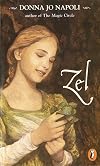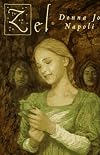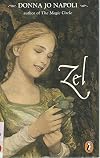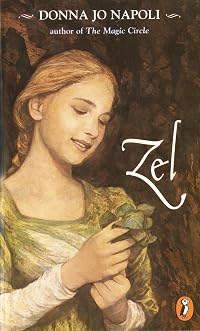
Zel
by Donna Jo Napoli
On This Page
Description
Based on the fairy tale Rapunzel, the story is told in alternating chapters from the point of view of Zel, her mother, and the nobleman who pursues her, and delves into the psychological motivations of each of the characters.Tags
Recommendations



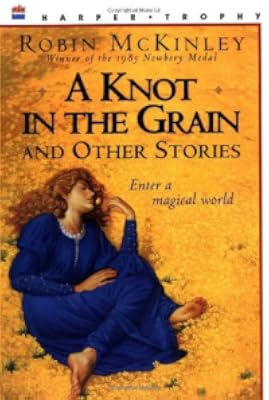
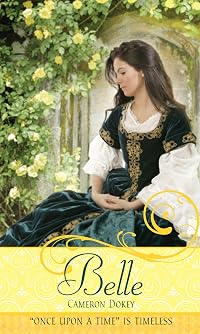
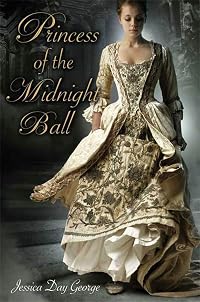
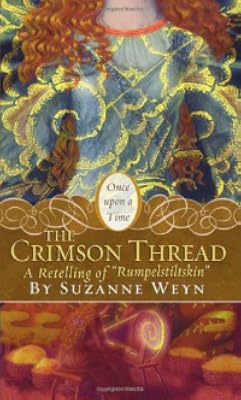
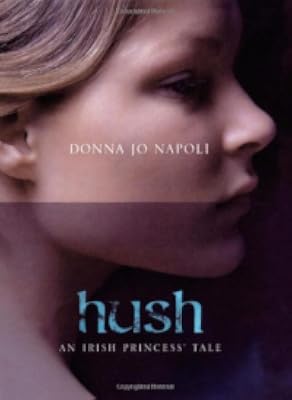
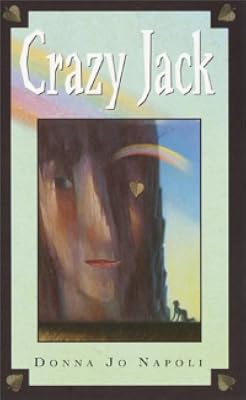

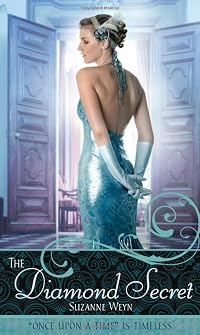

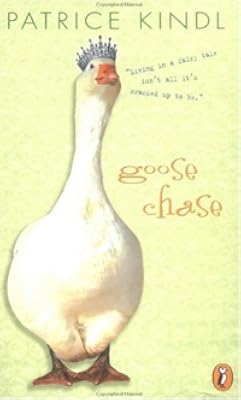
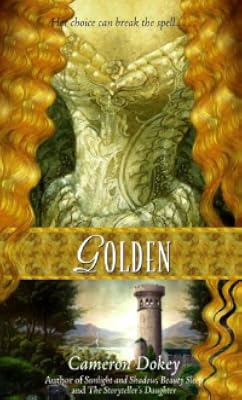
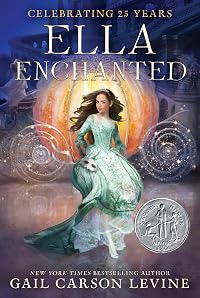
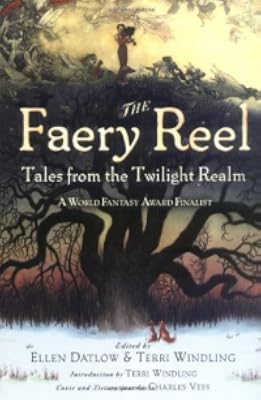
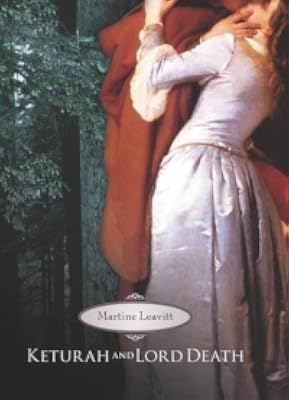
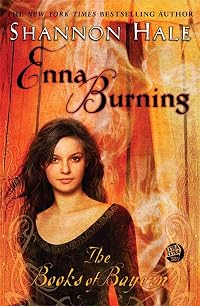
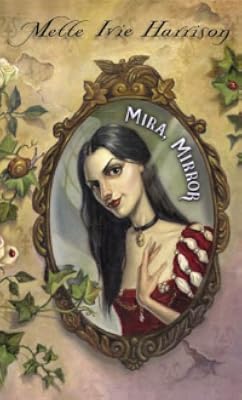
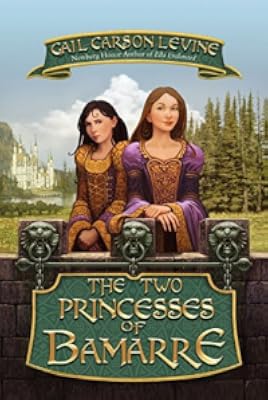
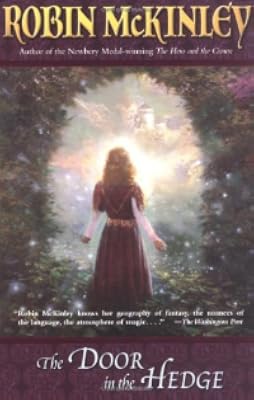
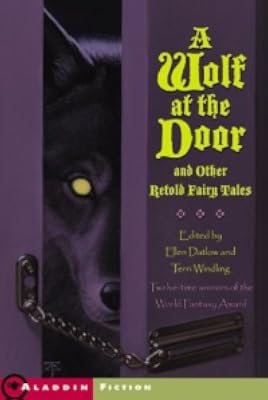
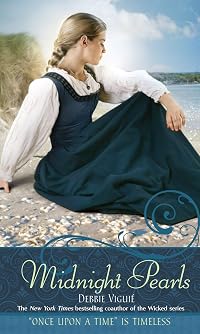
Member Recommendations
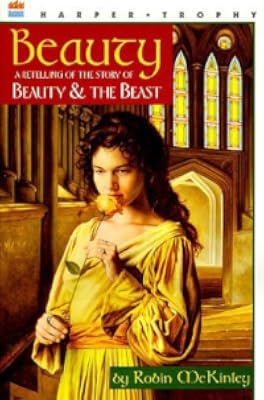
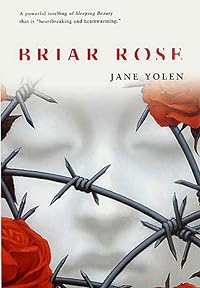
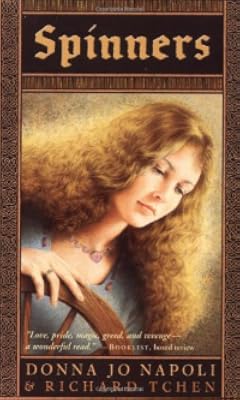
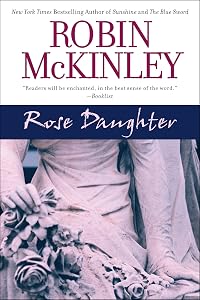
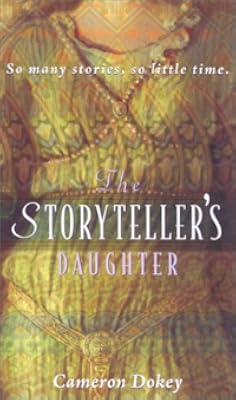
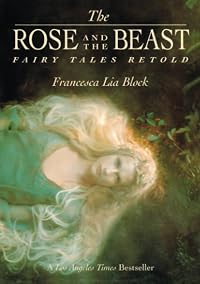
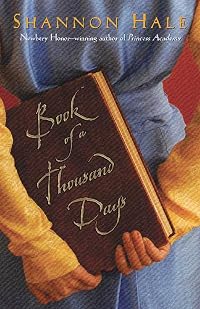
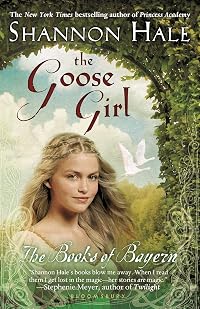
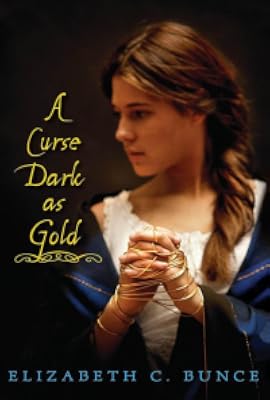
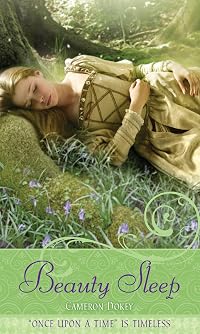
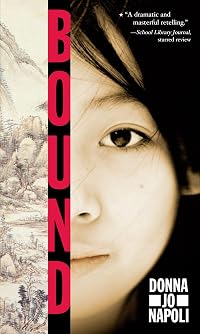
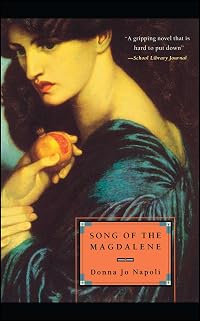
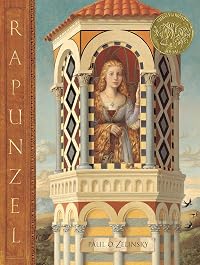
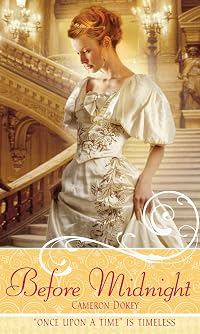
HollyMS Both works are adaptations of Rapunzel.
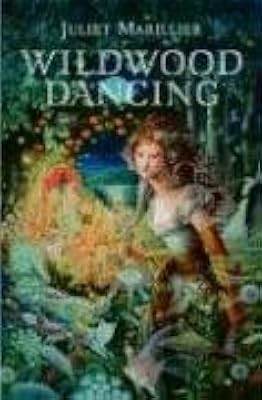
flying_monkeys For adults, told through parallel narratives, switching back and forth between history and folklore, this retelling is based on the true story of Charlotte-Rose de la Force, the writer behind the most popular version of Rapunzel.
Member Reviews
Zel is the very creative retelling of the fairy tale classic, 'Rapunzel." In Napoli's version Zel and her mother live in isolation in the Swiss countryside, far away from human contact. Mother does her very best to give Zel everything she needs in the hopes of binding Zel to her forever. As her daughter reaches maturity mother realizes Zel will have an important decision to make, marry and raise a traditional family, or follow in her mother's footsteps and sell her soul to become a witch. Afraid Zel will make the "wrong" decision Zel's mother locks Zel in the tower everyone knows from the traditional story. Napoli does a clever job at including small details from the original story including the obsession with lamb's lettuce.
The very show more first thing I noticed about this book was its voice structure. Zel is told from the point of view of three different characters: Zel (in third person present), Konrad (in third person present), and Zel's mother (oddly enough, in first person present). In the beginning I wanted to complain about it, but by the end of the third chapter I found it ingenious. Through Zel's mother's thoughts you get the incredibly twisted psychology of love and obsession. The story wouldn't have been as dark and dangerous if all voices were the same. We needed to see mother's reasoning for locking Zel away in the tower. This psychological insight allowed us see the story from a different angle and not lean on the original story of Rapunzel. show less
The very show more first thing I noticed about this book was its voice structure. Zel is told from the point of view of three different characters: Zel (in third person present), Konrad (in third person present), and Zel's mother (oddly enough, in first person present). In the beginning I wanted to complain about it, but by the end of the third chapter I found it ingenious. Through Zel's mother's thoughts you get the incredibly twisted psychology of love and obsession. The story wouldn't have been as dark and dangerous if all voices were the same. We needed to see mother's reasoning for locking Zel away in the tower. This psychological insight allowed us see the story from a different angle and not lean on the original story of Rapunzel. show less
I picked this up because it was on the "recommended" list at the back of one of Terri Windling and Ellen Datlow's anthologies - and I'm very glad I did!
It's a retelling of the story of Rapunzel, set in the 1500's in Switzerland. While Napoli does not take out the more fantastic/magical elements of the story, she very much emphasizes the psychological elements of the story: the witch who demands a baby girl in return for the theft of her lettuce is not simply evil, but clings to her "adopted" daughter, Rapunzel, with a fierce and possessive "love," which over the years grows more and more obsessively twisted, till it leads to her imprisoning her in an isolated tower, with terrible consequences for Zel's sanity... The dynamic, as it is show more portrayed, is far too close to the reality of how many parents cling to their children (finding it hard to let them grow up, become independent, and find love on their own) to be comfortable reading. Although the book was marketed toward young teens, I found it to be one of the most disturbing (but also most romantic!) works I've read in quite a while.
Highly recommended for fans of Patricia McKillip. show less
It's a retelling of the story of Rapunzel, set in the 1500's in Switzerland. While Napoli does not take out the more fantastic/magical elements of the story, she very much emphasizes the psychological elements of the story: the witch who demands a baby girl in return for the theft of her lettuce is not simply evil, but clings to her "adopted" daughter, Rapunzel, with a fierce and possessive "love," which over the years grows more and more obsessively twisted, till it leads to her imprisoning her in an isolated tower, with terrible consequences for Zel's sanity... The dynamic, as it is show more portrayed, is far too close to the reality of how many parents cling to their children (finding it hard to let them grow up, become independent, and find love on their own) to be comfortable reading. Although the book was marketed toward young teens, I found it to be one of the most disturbing (but also most romantic!) works I've read in quite a while.
Highly recommended for fans of Patricia McKillip. show less
When I was a teenager, ages 14 through 17, I lived a half-mile from a library branch. Nearly every weekend and once or twice a week during summers, I rode my bike down and grabbed as many books as would fit in my basket. There was a set of bookcases adjoining the adult genre fiction that was marked "YA", and during those three years, I started at the A's on one end and worked my way to Jane Yolen at the other end - I was especially interested in historical fiction and fairy tale retellings, and I must have read every single one at least twice even as I worked my way through all the books available there.
Donna Jo Napoli was an interesting author - she wrote a few fairy tales that were interesting, but didn't quite appeal in the way some show more other authors' did, but I kept finding myself picking her books off the shelf anyway. I always thought of her as a favorite, then wondered why I thought that when I finished the books. I'm not sure I can pinpoint why I disliked them as a teenager, but a decade and a half on, I found myself doing the same thing. At a library book sale, I stuck Zel into my $10 sack, and planned to keep it for my nostalgic rereading phases. It took me a while to get around to it, but eventually I did, and I think I can say why this book seems like it would be right amongst my favorites, yet isn't.
The story of Zel is a fairly faithful retelling of the Grimms' "Rapunzel" tale. There's a witch who bargains with a neighbor - leafy rapunzel greens for the pregnant wife, and the baby will be the witch's. When the baby grows up, she's stuck in a tower all alone, until a young prince happens to ride by and discovers the secret of how the witch goes up. He does the same, impregnates the young woman, and when the witch finds out, he's thrown into thorns and blinded, while meanwhile the young woman gives birth to twins, and when he finds her, her tears cure his blindness.
Where Napoli makes this story unique is in placing it in Calvinist Switzerland in the mid-1500s and by putting half the book in the witch's point of view. The setting is not particularly relevant, except that it adds flavor to the story and gives the witch and the prince a little context behind their choices. The witch's point of view, however, is what makes this story. Zel and the prince aren't particularly interesting (Zel is a sweet-natured peasant girl who loves her mother and loves animals; the prince is privileged and obsessed with the blonde girl who calmed his horse), and as children with limited knowledge, they mostly serve to illustrate the consequences of the witch's actions. The witch has never wanted anything more than to be Mother, and her life revolves around playing that role towards Zel and raising Zel - just the two of them, alone. Through her POV, we explore selfish love and sacrifice, and outright jealousy over Zel belonging to anyone else once she grows up.
Mother has no name except that, and she is a witch because she bargained with the devil for supernatural powers in order to become a mother - which she did through the usual Rapunzel way. This bargaining plays into her reasons for locking Zel into a tower, but it was never satisfactory for me. It was somehow secondary to other plot elements and never quite explained, rather like Napoli knew she had to hit certain marks in the Rapunzel tale and used the demons as the excuse. It's much more interesting to see the psychological changes in Mother as she realizes Zel is growing up and may leave her one day, and likewise Zel's own growth into a young woman. Unfortunately, Zel's growing up is also a bit perfunctory and odd, and the insanity induced by solitary confinement in the tower doesn't help it make any more sense when she's suddenly attracted to the prince and interested in sex, despite never having had prolonged contact with another other than her Mother before.
Which, speaking of: there is a sex scene in the tower towards the end of the book, to match up with the one in the Grimms' tale, and it was one of the most awkward and uncomfortable and also disturbing scenes I have read in a YA book. It isn't explicit, but at this point, Zel is only 14 years old and has been in a tower since she was 12 - and she only met the prince once before, shortly before her 12th birthday. The prince, who shares a birthday with her, is 15 or 16 years old. I suppose the young ages can be explained by it being mid-16th century, and also young people do have sex after all, but it still felt very wrong to me. Even when I was 16 or 17 myself, I didn't like that part of the book.
On the whole, I was dissatisfied with Zel because it wants to explore the darker nature of the witch, but otherwise gives short shrift to the rest of the story, and has a few elements that just didn't work at all for me. I think that for a retelling of a story, I want more depth to all the characters, not just the one, or else more attention paid to how the setting affects the tale. There wasn't really a resolution to the conflict with Mother and her devil bargain, which also left me frustrated after so much lead-in. I did like the way the narrative takes turns with different points of view for each of the three main characters, and the descriptions of the natural places, and food, and tower, and so on. show less
Donna Jo Napoli was an interesting author - she wrote a few fairy tales that were interesting, but didn't quite appeal in the way some show more other authors' did, but I kept finding myself picking her books off the shelf anyway. I always thought of her as a favorite, then wondered why I thought that when I finished the books. I'm not sure I can pinpoint why I disliked them as a teenager, but a decade and a half on, I found myself doing the same thing. At a library book sale, I stuck Zel into my $10 sack, and planned to keep it for my nostalgic rereading phases. It took me a while to get around to it, but eventually I did, and I think I can say why this book seems like it would be right amongst my favorites, yet isn't.
The story of Zel is a fairly faithful retelling of the Grimms' "Rapunzel" tale. There's a witch who bargains with a neighbor - leafy rapunzel greens for the pregnant wife, and the baby will be the witch's. When the baby grows up, she's stuck in a tower all alone, until a young prince happens to ride by and discovers the secret of how the witch goes up. He does the same, impregnates the young woman, and when the witch finds out, he's thrown into thorns and blinded, while meanwhile the young woman gives birth to twins, and when he finds her, her tears cure his blindness.
Where Napoli makes this story unique is in placing it in Calvinist Switzerland in the mid-1500s and by putting half the book in the witch's point of view. The setting is not particularly relevant, except that it adds flavor to the story and gives the witch and the prince a little context behind their choices. The witch's point of view, however, is what makes this story. Zel and the prince aren't particularly interesting (Zel is a sweet-natured peasant girl who loves her mother and loves animals; the prince is privileged and obsessed with the blonde girl who calmed his horse), and as children with limited knowledge, they mostly serve to illustrate the consequences of the witch's actions. The witch has never wanted anything more than to be Mother, and her life revolves around playing that role towards Zel and raising Zel - just the two of them, alone. Through her POV, we explore selfish love and sacrifice, and outright jealousy over Zel belonging to anyone else once she grows up.
Mother has no name except that, and she is a witch because she bargained with the devil for supernatural powers in order to become a mother - which she did through the usual Rapunzel way. This bargaining plays into her reasons for locking Zel into a tower, but it was never satisfactory for me. It was somehow secondary to other plot elements and never quite explained, rather like Napoli knew she had to hit certain marks in the Rapunzel tale and used the demons as the excuse. It's much more interesting to see the psychological changes in Mother as she realizes Zel is growing up and may leave her one day, and likewise Zel's own growth into a young woman. Unfortunately, Zel's growing up is also a bit perfunctory and odd, and the insanity induced by solitary confinement in the tower doesn't help it make any more sense when she's suddenly attracted to the prince and interested in sex, despite never having had prolonged contact with another other than her Mother before.
Which, speaking of: there is a sex scene in the tower towards the end of the book, to match up with the one in the Grimms' tale, and it was one of the most awkward and uncomfortable and also disturbing scenes I have read in a YA book. It isn't explicit, but at this point, Zel is only 14 years old and has been in a tower since she was 12 - and she only met the prince once before, shortly before her 12th birthday. The prince, who shares a birthday with her, is 15 or 16 years old. I suppose the young ages can be explained by it being mid-16th century, and also young people do have sex after all, but it still felt very wrong to me. Even when I was 16 or 17 myself, I didn't like that part of the book.
On the whole, I was dissatisfied with Zel because it wants to explore the darker nature of the witch, but otherwise gives short shrift to the rest of the story, and has a few elements that just didn't work at all for me. I think that for a retelling of a story, I want more depth to all the characters, not just the one, or else more attention paid to how the setting affects the tale. There wasn't really a resolution to the conflict with Mother and her devil bargain, which also left me frustrated after so much lead-in. I did like the way the narrative takes turns with different points of view for each of the three main characters, and the descriptions of the natural places, and food, and tower, and so on. show less
Zel is the retelling of the class fairy tale Rapunzel but this book isn't for kids. It's a deep look at what can happen when natural human longings become evil. Set in 16th-century Switzerland, the book alternates between prince Konrad, Zel, and Zel's mother's point of view. The book answers all the questions that the original Grimm's story never answered for us. Why did that witch want Rapunzel in the first place? How did she get her up in the tower if there was no door? Why didn't Rapunzel hate her mother for causing her to become a lonely prisoner? The book expounds upon the utter isolation and realistically portrays the dismal effects on Zel's spirit from being locked away in a tower. This book will cause you to think on a deeper show more level than you ever have before about an old, familiar tale. It's truly romantic but at times dark. show less
(oops, I should have taken advantage of the "reread" feature--that is a feature now, right?)
I remember reading this back in high school/middle school and absolutely adoring it. What I remembered about it was a beautiful love story, lots of enchantment, and a well-told story. Obviously, my memory is/was a little misleading, haha!
Book content warnings:
child abuse
Zel is a much, much darker tale than I remembered. It's a story of manipulative, abusive, and obsessive love and a girl who was once happy and innocent becoming bruised by it. Rapunzel is a lovely girl living with Mother in a reclusive alm, almost smothered by her love, but still happy in it, until her mother begins to fear she could be taken away by a youth who catches her eye show more when they visit the market. Frenzied with this fear, her mother hides her away in that famous tower until she's sure Rapunzel will choose to live with her forever. Unfortunately, it backfires.
Mother and Rapunzel are wonderfully crafted characters in such a short novel. They have such exposed flaws and feel very raw, which is nice to see in a young adult novel. Every character has flaws, and every character grows past them.
But still, some things made me uncomfortable reading the book. Count Konrad (our male love interest here) becomes obsessive in his search for Rapunzel after meeting her by chance just once at the market, and begins to eat the lettuce she's named after every single day. He searches for her day after day, and instead of being endearing like when I was younger, it makes me uncomfortable.
But even for that, it's still a very well-told book, and it does exactly what it sets out to do. show less
I remember reading this back in high school/middle school and absolutely adoring it. What I remembered about it was a beautiful love story, lots of enchantment, and a well-told story. Obviously, my memory is/was a little misleading, haha!
Book content warnings:
child abuse
Zel is a much, much darker tale than I remembered. It's a story of manipulative, abusive, and obsessive love and a girl who was once happy and innocent becoming bruised by it. Rapunzel is a lovely girl living with Mother in a reclusive alm, almost smothered by her love, but still happy in it, until her mother begins to fear she could be taken away by a youth who catches her eye show more when they visit the market. Frenzied with this fear, her mother hides her away in that famous tower until she's sure Rapunzel will choose to live with her forever. Unfortunately, it backfires.
Mother and Rapunzel are wonderfully crafted characters in such a short novel. They have such exposed flaws and feel very raw, which is nice to see in a young adult novel. Every character has flaws, and every character grows past them.
But still, some things made me uncomfortable reading the book. Count Konrad (our male love interest here) becomes obsessive in his search for Rapunzel after meeting her by chance just once at the market, and begins to eat the lettuce she's named after every single day. He searches for her day after day, and instead of being endearing like when I was younger, it makes me uncomfortable.
But even for that, it's still a very well-told book, and it does exactly what it sets out to do. show less
I really loved how personal this story is. It basically just deals with the three characters, Rapunzel, Mother, and Konrad. The changes in perspective throughout the story were nice. And the evolution of the relationship between Zel and her mother was very interesting to read. I also enjoyed the depiction of Zel's feelings while she was in the tower, it was very realistic.
Rapunzel is a fairy-tale known to many children throughout the world. It is a story of a beautiful young girl with long golden braids who is locked away in a tower by an evil witch. Only because of a dashing young prince is she freed from her confinement and finds her true love. In this telling, Napoli keeps many of the magical elements of the traditional fairy-tale, but develops plot intricacies that provide the reader with a deeper understanding of the evils that can result from human longings.
Being familiar with this fairy-tale from my childhood, I was interested as to whether this story could be told to young adults without coming across as babyish. I was pleasantly surprised with the path that the author took in her version of the show more story. The story is told from varying points of view so that the actions of all the major characters are revealed to the reader. While the story is about what happens to Zel, the author chooses to really focuses on the motivations of Zel's mother, the "witch" in the Disney-fied fairy-tale, who imprisons her daughter and is torn between the love she has for her daughter and the decision she must make to lock her away. The liberties that the author takes with the story makes it more realistic and humanizes the characters. For example, in the fairy tale version the reader isn't prompted to think about the effects long-term solitary confinement has on a person or what the living conditions were like in the tower. In this story Zel's struggle with her confinement is told quite honestly as the reader sees her deteriorate to the point of depression, hallucinations, and thoughts of suicide. The reader is also privy to the horrors of Zel's living conditions -- the straw mattress, slop bucket, and cold stone of the tower. And while, yes, the romance is present in the story and does a good job of pulling at the heart-strings, the unraveling of the mother's secret is way more interesting and thought-provoking. show less
Being familiar with this fairy-tale from my childhood, I was interested as to whether this story could be told to young adults without coming across as babyish. I was pleasantly surprised with the path that the author took in her version of the show more story. The story is told from varying points of view so that the actions of all the major characters are revealed to the reader. While the story is about what happens to Zel, the author chooses to really focuses on the motivations of Zel's mother, the "witch" in the Disney-fied fairy-tale, who imprisons her daughter and is torn between the love she has for her daughter and the decision she must make to lock her away. The liberties that the author takes with the story makes it more realistic and humanizes the characters. For example, in the fairy tale version the reader isn't prompted to think about the effects long-term solitary confinement has on a person or what the living conditions were like in the tower. In this story Zel's struggle with her confinement is told quite honestly as the reader sees her deteriorate to the point of depression, hallucinations, and thoughts of suicide. The reader is also privy to the horrors of Zel's living conditions -- the straw mattress, slop bucket, and cold stone of the tower. And while, yes, the romance is present in the story and does a good job of pulling at the heart-strings, the unraveling of the mother's secret is way more interesting and thought-provoking. show less
Members
- Recently Added By
Published Reviews
ThingScore 90
Fans of the earlier fairy-tale retellings will find this book satisfying.
added by Katya0133
Teens may not fully understand the childless woman's yearning. What will move them profoundly is the pull of possessive love, the coming-of-age drama from the parent's point of view.
added by Katya0133
This version, with its Faustian overtones, will challenge readers to think about this old story on a deeper level.
added by Katya0133
Lists

Favorite Fairy Tale Retellings
210 works; 62 members

Fairy Tales..retellings
44 works; 2 members

Myth (Reuse and Retelling)
188 works; 24 members

Main Character is aged 10-19
361 works; 6 members

Mothers and Daughters
114 works; 11 members
Author Information

116+ Works 14,428 Members
Donna Jo Napoli was born on February 28, 1948. She received a B.A. in mathematics, an M.A. in Italian literature, and a Ph.D. in general and romance linguistics from Harvard University. She has taught on the university level since 1970, is widely published in scholarly journals, and has received numerous grants and fellowships in the area of show more linguistics. In the area of linguistics, she has authored five books, co-authored six books, edited one book, and co-edited five books. She is also a published poet and co-editor of four volumes of poetry. Her first middle grade novel, Soccer Shock, was published in 1991. Her other novels include the Zel, Beast, The Wager, Lights on the Nile, Skin, Storm, Hidden, and Dark Shimmer. She is also the author of several picture books including Flamingo Dream, The Wishing Club: A Story About Fractions, Corkscrew Counts: A Story About Multiplication, The Crossing, A Single Pearl, and Hands and Hearts. She has received several awards including the New Jersey Reading Association's M. Jerry Weiss Book Award for The Prince of the Pond and the Golden Kite Award for Stones in Water. (Bowker Author Biography) show less
Some Editions
Awards and Honors
Awards
Distinctions
Work Relationships
Is a retelling of
Common Knowledge
- Original publication date
- 1996
- People/Characters
- Zel; Mother; Konrad
- Dedication
- For Mamma and Marie and Elena and Eva
- First words
- "Oh, mother, the goose is on her nest again."
- Last words
- (Click to show. Warning: May contain spoilers.)And they see each other and, yes, oh yes, we are happy.
Classifications
- Genres
- Fiction and Literature, Kids, Tween, Fantasy, Teen, Young Adult
- DDC/MDS
- 813.54 — Literature & rhetoric American literature in English American fiction in English 1900-1999 1945-1999
- LCC
- PZ8 .N127 .Z — Language and Literature Fiction and juvenile belles lettres Fiction and juvenile belles lettres Juvenile belles lettres
- BISAC
Statistics
- Members
- 838
- Popularity
- 32,640
- Reviews
- 31
- Rating
- (3.72)
- Languages
- Danish, English, German
- Media
- Paper, Audiobook, Ebook
- ISBNs
- 14
- ASINs
- 5