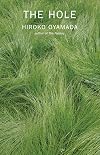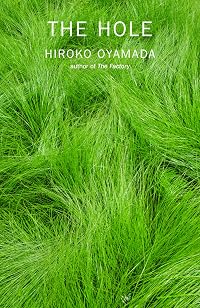
The Hole
by Hiroko Oyamada
On This Page
Description
"Asa's husband is transferring jobs, and his new office is located near his family's home in the countryside. During an exceptionally hot summer, the young married couple move in, and Asa does her best to quickly adjust to their new rural lives, to their remoteness, to the constant presence of her in-laws and the incessant buzz of cicadas. While her husband is consumed with his job, Asa is left to explore her surroundings on her own: she makes trips to the supermarket, halfheartedly looks show more for work, and tries to find interesting ways of killing time. One day, while running an errand for her mother-in-law, she comes across a strange creature, follows it to the embankment of a river, and ends up falling into a hole-a hole that seems to have been made specifically for her. This is the first in a series of bizarre experiences that drive Asa deeper into the mysteries of this rural landscape filled with eccentric characters and unidentifiable creatures, leading her to question her role in this world, and eventually, her sanity"-- show lessTags
Recommendations
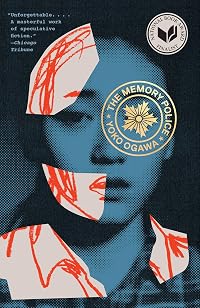
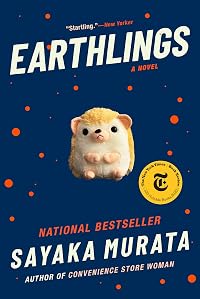

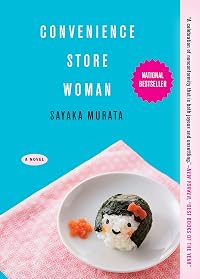
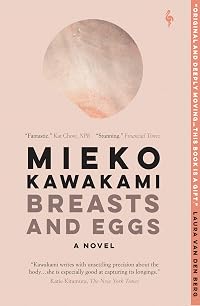

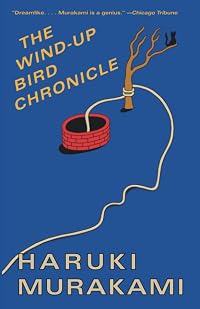


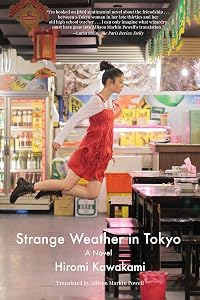
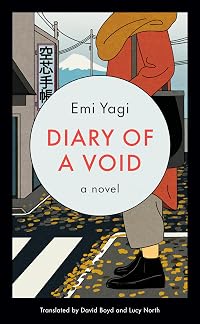
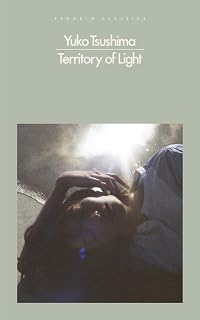
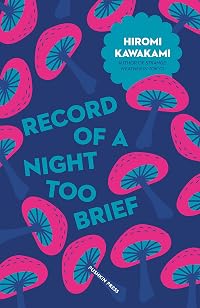
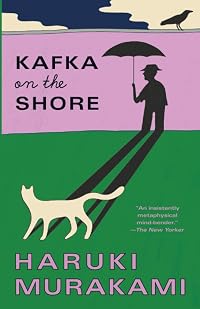
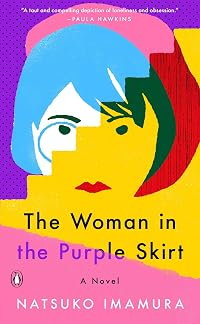
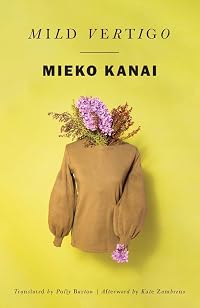
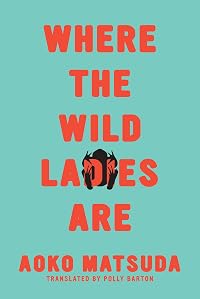
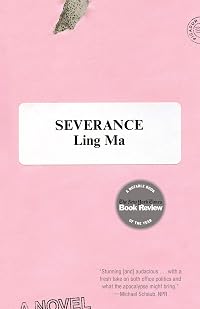
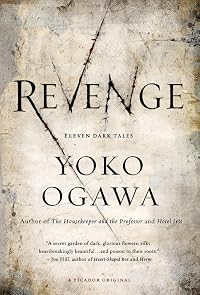
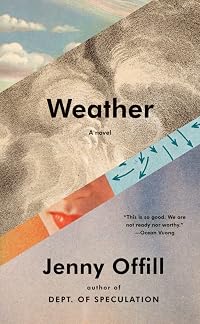
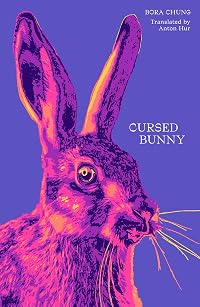
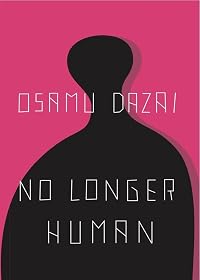
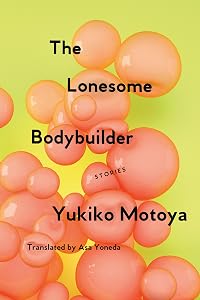
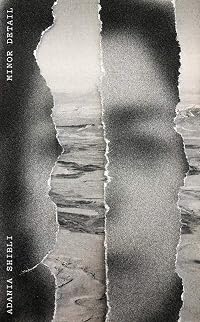

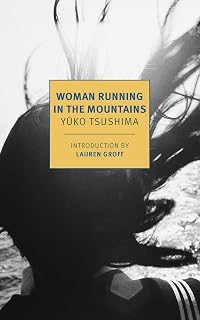
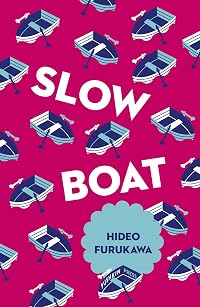
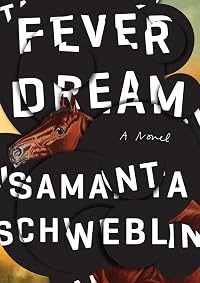
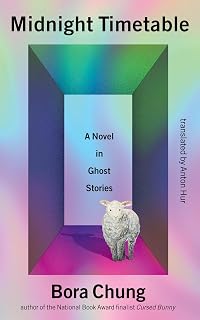
Member Recommendations
Aug3Zimm Both have a dream-like narrative that is somewhat confusing but also creates an interesting feeling while reading
Member Reviews
In The Hole, Asa's husband transfers jobs to a location near where his parents live. His parents just so happen to have an empty house on their lot that the couple can move into rent free. Asa quits her job and during a downpour on an otherwise hot summer, the young couple moves in. Asa does her best in her new role as housewife, but with no children, no car, and a husband who is rarely there, she quickly stops looking at the calendar as her days are largely empty.
One day, while running an errand for her mother-in-law, she sees a strange creature, and since she's in no hurry whatsoever, follows it to the river and ends up falling, feet first, into a hole that seems like it's made just for her. After that, a series of strange and bizarre show more experiences happen to Asa that make her question herself more and more.
When I first finished this book, I sat it down and had the thought of, "I missed something." It wasn't until I read a few reviews that I actually started to understand--I didn't really miss anything, I just hadn't fully turned the key to make things click. Hiroko Oyamada's writing is often described as strange, some reviews have even said "Kafkaesque." I love Kafka and once I read that, it seemed to open that door in my mind a little wider and I was able to understand it a bit more.
Oyamada sets the story in a fairly normal setting, a family in a small town. There's no serious crisis in the story; Asa runs errands, lightly looks for a job, makes dinner for her husband, and meets a few neighbors. And yet, there is a feeling of blurred lines and things being just a tad bit off and you're never really able to put your finger on it.
It's not until Asa falls in the hole, a hole that seemed to fit her perfectly, that the metaphors really begin...
“It was probably four or five feet deep, but I’d managed to land on my feet … Trying to move, I realized how narrow the hole really was. It almost felt as though the hole was exactly my size—a trap made just for me.”
The Hole looks at the "hole" society creates, especially for women, that is narrow and restrictive, and that before you know it, you've fallen into and you can't get out of it. Oyamada displays a study of the pressures and expectations placed on women by Japanese society. For example, the neighbors refer to Asa only as "the bride," reducing her to her marital status and husband, and make pretty rude assumptions when they find out she doesn't have children. Her husband, when he is home and semi-attentive, complains about her cooking. Her mother-in-law, though friendly and caring, asserts her dominance over Asa even before she moves in.
Overall, I will say you may need a bit of an understanding of Japanese society, but even without, you can still pick up on what Oyamada is writing. This book just creeps you out in the slightest way and it sticks with you... did it all even happen? show less
One day, while running an errand for her mother-in-law, she sees a strange creature, and since she's in no hurry whatsoever, follows it to the river and ends up falling, feet first, into a hole that seems like it's made just for her. After that, a series of strange and bizarre show more experiences happen to Asa that make her question herself more and more.
When I first finished this book, I sat it down and had the thought of, "I missed something." It wasn't until I read a few reviews that I actually started to understand--I didn't really miss anything, I just hadn't fully turned the key to make things click. Hiroko Oyamada's writing is often described as strange, some reviews have even said "Kafkaesque." I love Kafka and once I read that, it seemed to open that door in my mind a little wider and I was able to understand it a bit more.
Oyamada sets the story in a fairly normal setting, a family in a small town. There's no serious crisis in the story; Asa runs errands, lightly looks for a job, makes dinner for her husband, and meets a few neighbors. And yet, there is a feeling of blurred lines and things being just a tad bit off and you're never really able to put your finger on it.
It's not until Asa falls in the hole, a hole that seemed to fit her perfectly, that the metaphors really begin...
“It was probably four or five feet deep, but I’d managed to land on my feet … Trying to move, I realized how narrow the hole really was. It almost felt as though the hole was exactly my size—a trap made just for me.”
The Hole looks at the "hole" society creates, especially for women, that is narrow and restrictive, and that before you know it, you've fallen into and you can't get out of it. Oyamada displays a study of the pressures and expectations placed on women by Japanese society. For example, the neighbors refer to Asa only as "the bride," reducing her to her marital status and husband, and make pretty rude assumptions when they find out she doesn't have children. Her husband, when he is home and semi-attentive, complains about her cooking. Her mother-in-law, though friendly and caring, asserts her dominance over Asa even before she moves in.
Overall, I will say you may need a bit of an understanding of Japanese society, but even without, you can still pick up on what Oyamada is writing. This book just creeps you out in the slightest way and it sticks with you... did it all even happen? show less
I bought this book based on some strong recommendations, then when I got my copy I worried that it would be too much horror for me, but it’s just right. There’s no serious gore but it’s plenty creepy, with an unease borne of looking a little too long at everyday things and situations: a new house out in the country, near the in-laws; a walk to the 7-Eleven; a garden shed; a weird animal. Not many writers capture the Cruel Summer vibe of blinding sunshine and relentless heat the way Oyamada does. David Boyd’s excellent translation takes it up above four stars.
Most of Oyamada’s works are very short—100 pages or less. The Hole reads smoothly and easily and much of it is straightforward narrative. But there are mysteries: what was the animal she saw? Did she really see something at all? Does the brother-in-law even exist? Or the gang of kids at the convenience store? The family (the story is told by the young wife) has just moved to the countryside because the husband has transferred to a new job. The uninvolved/self-involved husband is a minor character and the wife tries to adjust to their new remoteness, exploring the area by herself. Everything speaks to isolation, both literal and figurative. She has far too much free time, one reason she is so intent on discovering what’s nearby. A show more series of bizarre experiences—inexplicable mysteries that are never solved or explained—raise far more questions than she can handle, leading her to question everything from her marriage to her family to her society. Fantasy-ish, magic realism-ish. Unsettling might be the best word. Not exceptional in my humble estimation but I should also point out that it won the Akutagawa Prize, so what do I know? In any case, I am intrigued enough to invest the time in another book or two of hers. I suspect that this will grow on me as time passes and I will recognize that despite the (intentionally) flat narrative voice, there is more going on here than I realize as I sit here today. show less
I have no idea what was really going on during this book but I loved every moment of it. The mood created in this is amazing - surreal and hazy, I could feel the oppressive stillness of deep summer and hear the screaming of the cicadas. I love the hottest days summer so it’s really no wonder I loved a book that is so focused on it.
This is a very eerie and sort of sad book. The atmosphere is sort of muggy and everything feels slightly off during the entire book. It's very dreamlike. I'm not sure I understood every metaphor here, but overall I would say it conveyed a feeling of being trapped very well.
When the main character moves to the countryside with her husband, she has to quit her job and lives basically in the middle of nowhere basically with nothing to do. She doesn't have a car and so she spends her days wandering around in a sort of haze. Everything she does is for her husband or husband's family who mostly aren't even at home. Her identity is sort of muddled and she lacks motivation.
All of the characters are sort of mysterious and I enjoyed the way show more dialogue was written with no spaces or differentiation between the speakers. It was still clear who was talking, but added to the sort of mistyness of the whole book.
Some of the symbols here were of course the holes, including the one that Asa falls into which seems like it was "made" for her. There are children running around that may or may not exist. I assume possibly because she's trapped in the role of housewife and that comes with the presumption of future children? There's also the brother in law and the neighbor who I'm not really sure what to think of. I guess the brother in law just further shows how much she really doesn't know and isn't connected to her husband. Whether the brother actually exists or not doesn't matter. Her husband is always texting and never at home. They are barely together even though so many characters only refer to her as his "bride". There's also the grandfather character which is one of the most mysterious elements for me. Maybe he's supposed to represent what she will become if she stays here for long enough. He also falls into a hole and dies soon after, so they are definitely connected.
Anyways, I liked this book a lot. It was quite short and easy to read. I wouldn't call it a horror novel necessarily, but it has the same sort of tension. In a lot of ways it feels like a haunted house novel. It's sort of sad, but not too depressing. It feels sort of meditative. show less
When the main character moves to the countryside with her husband, she has to quit her job and lives basically in the middle of nowhere basically with nothing to do. She doesn't have a car and so she spends her days wandering around in a sort of haze. Everything she does is for her husband or husband's family who mostly aren't even at home. Her identity is sort of muddled and she lacks motivation.
All of the characters are sort of mysterious and I enjoyed the way show more dialogue was written with no spaces or differentiation between the speakers. It was still clear who was talking, but added to the sort of mistyness of the whole book.
Some of the symbols here were of course the holes, including the one that Asa falls into which seems like it was "made" for her. There are children running around that may or may not exist. I assume possibly because she's trapped in the role of housewife and that comes with the presumption of future children? There's also the brother in law and the neighbor who I'm not really sure what to think of. I guess the brother in law just further shows how much she really doesn't know and isn't connected to her husband. Whether the brother actually exists or not doesn't matter. Her husband is always texting and never at home. They are barely together even though so many characters only refer to her as his "bride". There's also the grandfather character which is one of the most mysterious elements for me. Maybe he's supposed to represent what she will become if she stays here for long enough. He also falls into a hole and dies soon after, so they are definitely connected.
Anyways, I liked this book a lot. It was quite short and easy to read. I wouldn't call it a horror novel necessarily, but it has the same sort of tension. In a lot of ways it feels like a haunted house novel. It's sort of sad, but not too depressing. It feels sort of meditative. show less
I don't get it.
There's some unsettling pod people like themes in this with people who shouldn't be, doing bizarre actions, which for some reasons seems to be a recurring theme in Japanese horror. It doesn't seem to be a horror novel though and isn't categorized as one. So maybe it's more in the vein of Piranesi, but much less successful? Or maybe there are some giant cultural gaps here that don't translate well. It held my attention despite the inconclusive final pitch, so two stars.
There's some unsettling pod people like themes in this with people who shouldn't be, doing bizarre actions, which for some reasons seems to be a recurring theme in Japanese horror. It doesn't seem to be a horror novel though and isn't categorized as one. So maybe it's more in the vein of Piranesi, but much less successful? Or maybe there are some giant cultural gaps here that don't translate well. It held my attention despite the inconclusive final pitch, so two stars.
I am not a fan of magic realism. The hole by the Japanese novelist Hiroko Oyamada has some characteristics of magic realism or absurdism. However, it is also possible that some weirdness of the novel stems from translation.
I was disappointed by this novel through my expectations, but is must me said that my expectations were very much based on the western literary tradition. Oyamada defies those traditions. It seems much more likely that the story does not make much sense to me, because, in spite of an (presumed) accurate translation, the readers needs a Japanese focus to understand the situation of the novel.
While animation movies are quite clear, western audiences often dislike the visual output as the conventions of such movies are show more all based on Japanese culture. Likewise, it seems The hole cannot be really understood without a deep sense of Japanese culture. show less
I was disappointed by this novel through my expectations, but is must me said that my expectations were very much based on the western literary tradition. Oyamada defies those traditions. It seems much more likely that the story does not make much sense to me, because, in spite of an (presumed) accurate translation, the readers needs a Japanese focus to understand the situation of the novel.
While animation movies are quite clear, western audiences often dislike the visual output as the conventions of such movies are show more all based on Japanese culture. Likewise, it seems The hole cannot be really understood without a deep sense of Japanese culture. show less
Members
- Recently Added By
Lists

Japanese Literature
230 works; 40 members

Top Five Books of 2020
982 works; 350 members

Best Japanese Fiction
41 works; 10 members

Speculative Fiction from around the World
610 works; 18 members
Author Information

6+ Works 1,332 Members
Some Editions
Awards and Honors
Series
Belongs to Publisher Series
Impedimenta (228)
Common Knowledge
- Original title
- 穴; Ana
- Original publication date
- 2014
- People/Characters
- Asahi; Schoonmoeder Matsuura; Muneaki Matsuura; Zwager Matsuura; Grootvader Matsuura; Het dier
- First words
- I moved out here with my husband.
- Last words
- (Click to show. Warning: May contain spoilers.)When I got home and put on my uniform in front of the mirror, I couldn't help but see Tomiko staring back at me.
- Original language
- Japanese
- Canonical DDC/MDS
- 895.60
Classifications
- Genres
- General Fiction, Fiction and Literature
- DDC/MDS
- 895.60 — Literature & rhetoric Literatures of other languages Literatures of East and Southeast Asia Japanese Japanese literature
- LCC
- PL874 .Y36 .A6513 — Language and Literature Languages and literatures of Eastern Asia, Africa, Oceania Languages of Eastern Asia, Africa, Oceania Japanese language and literature Japanese literature
- BISAC
Statistics
- Members
- 519
- Popularity
- 57,756
- Reviews
- 29
- Rating
- (3.50)
- Languages
- 8 — Dutch, English, French, German, Italian, Japanese, Spanish, Turkish
- Media
- Paper, Audiobook, Ebook
- ISBNs
- 15
- ASINs
- 6