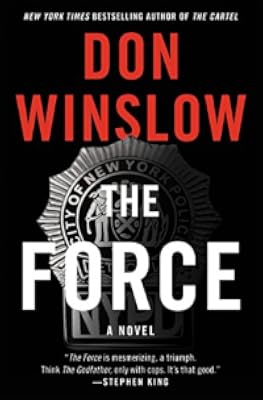
The Force
by Don Winslow 
On This Page
Description
All Denny Malone wants is to be a good cop.He's the king of Manhattan North, a highly decorated NYPD detective sergeant and the real leader of "Da Force." Malone and his crew are the smartest, the toughest, the quickest, the bravest, and the baddest, an elite unit given unrestricted authority to wage war on gangs, drugs, and guns. Every day and every night for the eighteen years he's spent on the Job, Malone has served on the front lines, witnessing the hurt, the dead, the victims, the show more perps. He's done whatever it takes to serve and protect in a city built by ambition and corruption, where no one is clean-including Malone himself.
What only a few know is that Denny Malone is dirty: he and his partners have stolen millions of dollars in drugs and cash in the wake of the biggest heroin bust in the city's history. Now Malone is caught in a trap and being squeezed by the feds, and he must walk the thin line between betraying his brothers and partners, the Job, his family, and the woman he loves, trying to survive, body and soul, while the city teeters on the brink of a racial conflagration that could destroy them all.
The Force is a haunting story of greed and violence, inequality and race, crime and injustice, retribution and redemption that reveals the seemingly insurmountable tensions between the police and the diverse citizens they serve. A searing portrait of a city and a courageous, heroic, and deeply flawed man who stands at the edge of its abyss, it is a masterpiece of urban realism full of shocking twists, leavened by flashes of dark humor, a morally complex and utterly riveting dissection of modern American society and the controversial issues confronting us today.
. show less
Tags
Recommendations

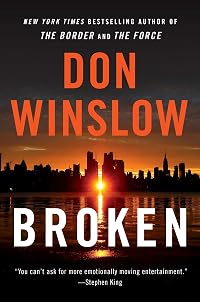
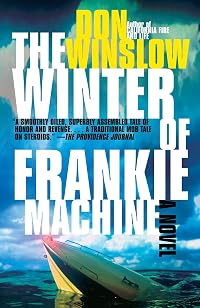


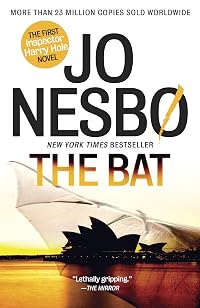
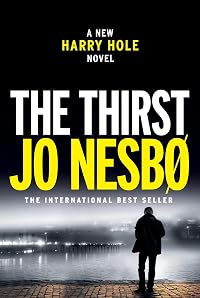
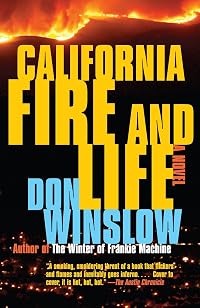
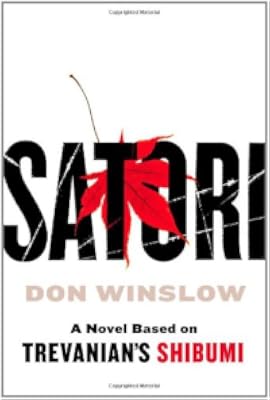
Member Recommendations
Member Reviews
This book kept me up at night, reading it, feeling Malone's frustration with the cards he is dealt and the problems he makes for himself. And there are many problems he makes for himself. This is a very honest look at the situation of the police and their relationship to the minorities they serve. Both sides are represented, but the police are more represented.
Denny Malone, the King of Manhattan North. What kind of guy is he? Denny Malone happens upon a young black boy in a tenement hallway in his precinct. He talks to the kid a little bit and happens to notice that the kid has welts and belt-marks on his back. After some prompting the boy tells him it was his mother's boyfriend. Malone asks the kid where he lives and takes him home show more where the boy's mother and her boyfriend are sitting at the table, eating. Malone proceeds to beat the boyfriend, break his wrist and tell him that if he is ever seen in Manhattan North again, he will face Malone. He throws out the boyfriend. The mother, who has been quiet throughout the ordeal, says, "Don't I deserve love, too?" Malone says, "Love your kid..."
And he's also the kind of guy who will execute a drug dealer and then take his drugs and money and split it between him and his partner and close friends. The drug dealer had ordered the execution of a family (including two kids) because the dad was a dealer who did something to anger his employer.
In Manhattan North the cops work with the mob, the Latino gangs and the black gangs to control them and make a buck or two within strict codes. Malone and Da Force (hated "Da" in that-too cutesy) will be the go-betweens when one gang wants to sell to another gang but hates them because of their color. That way everyone makes money.
Winslow expertly navigates a very fine line between realism and racism. Example-there is a black gang called the Spades and it's capitalized every time so it took me a minute to realize that Malone wasn't just calling African-Americans "spades", but referring to gang-members who belong to a gang that call themselves the Spades. These cops tease each other about their various ethnicities and no one gets angry, which I found authentic. Malone doesn't care what color anyone is, even though the racial epithets run rampant in this tour de force.These are the blue-collar guys I've known all my life. Except that they have power. Malone isn't more complicated than the average guy, but as a cop he has a lot more power over a lot more people. Malone has the intelligence and the ability to strategize, but he is still surprised when everything goes south and all his men are in jeopardy.
Writer nerd mechanics: This is told from Malone's point of view in a very readable, very authentic 3rd person voice. Winslow pulls off the present tense admirably. There are info-dumps, where it seems that the author dumped in paragraphs of quotes from cops in real life. It's obvious that Winslow did his research on this. show less
Denny Malone, the King of Manhattan North. What kind of guy is he? Denny Malone happens upon a young black boy in a tenement hallway in his precinct. He talks to the kid a little bit and happens to notice that the kid has welts and belt-marks on his back. After some prompting the boy tells him it was his mother's boyfriend. Malone asks the kid where he lives and takes him home show more where the boy's mother and her boyfriend are sitting at the table, eating. Malone proceeds to beat the boyfriend, break his wrist and tell him that if he is ever seen in Manhattan North again, he will face Malone. He throws out the boyfriend. The mother, who has been quiet throughout the ordeal, says, "Don't I deserve love, too?" Malone says, "Love your kid..."
And he's also the kind of guy who will execute a drug dealer and then take his drugs and money and split it between him and his partner and close friends. The drug dealer had ordered the execution of a family (including two kids) because the dad was a dealer who did something to anger his employer.
In Manhattan North the cops work with the mob, the Latino gangs and the black gangs to control them and make a buck or two within strict codes. Malone and Da Force (hated "Da" in that-too cutesy) will be the go-betweens when one gang wants to sell to another gang but hates them because of their color. That way everyone makes money.
Winslow expertly navigates a very fine line between realism and racism. Example-there is a black gang called the Spades and it's capitalized every time so it took me a minute to realize that Malone wasn't just calling African-Americans "spades", but referring to gang-members who belong to a gang that call themselves the Spades. These cops tease each other about their various ethnicities and no one gets angry, which I found authentic. Malone doesn't care what color anyone is, even though the racial epithets run rampant in this tour de force.These are the blue-collar guys I've known all my life. Except that they have power. Malone isn't more complicated than the average guy, but as a cop he has a lot more power over a lot more people. Malone has the intelligence and the ability to strategize, but he is still surprised when everything goes south and all his men are in jeopardy.
Writer nerd mechanics: This is told from Malone's point of view in a very readable, very authentic 3rd person voice. Winslow pulls off the present tense admirably. There are info-dumps, where it seems that the author dumped in paragraphs of quotes from cops in real life. It's obvious that Winslow did his research on this. show less
The Force is as meticulously researched as The Power of the Dog. Winslow had conversations with cops and their families for years, and his working knowledge as a PI and a trial consultant also helped to infuse this book with a reality that remains hidden for most.
It’s less sprawling than The Power of the Dog however, and less violent too. While the canvas might be smaller, it packs an punch that’s as affective. It also allows for a more focused examination of its subject matter: at the heart of this novel are nuanced questions about utilitarian ethics and justice. Winslow shows how corruption slowly establishes itself, against a backdrop of imperfect systems and systemic racism.
The Force was published in 2017, five years after the show more death of Trevor Martin, and three years before the death of George Floyd, and contemporary racial relations in the USA is the secondary theme running through its pages – illustrating the biological reality of in- and out-group dynamics that hinder the realization of utopian ideals.
Let’s try to unpack the moral subtext Winslow provides in the remainder of this review.
(...)
Full review on Weighing A Pig Doesn't Fatten It show less
It’s less sprawling than The Power of the Dog however, and less violent too. While the canvas might be smaller, it packs an punch that’s as affective. It also allows for a more focused examination of its subject matter: at the heart of this novel are nuanced questions about utilitarian ethics and justice. Winslow shows how corruption slowly establishes itself, against a backdrop of imperfect systems and systemic racism.
The Force was published in 2017, five years after the show more death of Trevor Martin, and three years before the death of George Floyd, and contemporary racial relations in the USA is the secondary theme running through its pages – illustrating the biological reality of in- and out-group dynamics that hinder the realization of utopian ideals.
Let’s try to unpack the moral subtext Winslow provides in the remainder of this review.
(...)
Full review on Weighing A Pig Doesn't Fatten It show less
If I was challenged to write a story about a dirty cop, but give him enough positive traits so as to make him a sympathetic character and somewhat likeable, I'd fail. Yet this is what Don Winslow managed to do in his book "The Force". Sgt. Malone, a street smart policeman in New York's Manhattan North division, leads his men on many dangerous raids against drug dealers, gun dealers, and other criminals, but has a little of a "Robin Hood" in him as well. He's been known to pocket a little of the ill-gotten gains from drug dealers, sometimes to give back to the community, but more often to put a little away for himself and his partners. When confronted with evidence of his misdeeds by Federal Prosecutors, he's forced to gather show more evidence against officers of the Court, and against other policemen and his partners as well. The author kept me wondering if Sgt. Malone would end up doing time for violating the public trust, or if he'd find a way to make a deal to make amends for what he'd done. show less
Denny Malone is an awesome cop, a cool sleek law-enforcement machine, King of North Manhattan. He's also crooked as hell and sitting on a small mountain of drugs ripped off from a dealer at the cost of the life of a member of his team. It's a long hot summer and racial tensions are close to boiling point in the city. Denny is being squeezed by the Feds but he's playing them and won't sell out his fellow cops. However he can't stop his world from slowly crumbling into chaos and betrayal, just as the city itself is on the brink of a race war.
Winslow's hypnotic, hard-boiled staccato prose propels the reader through this intense portrayal of personal and public corruption at a ferocious clip, vividly bringing the city and the cops and the show more criminals to life with ferocious energy and righteous anger. Riveting. show less
Winslow's hypnotic, hard-boiled staccato prose propels the reader through this intense portrayal of personal and public corruption at a ferocious clip, vividly bringing the city and the cops and the show more criminals to life with ferocious energy and righteous anger. Riveting. show less
How do lines get crossed? One step at a time.
The definitive cop novel has now been written. The Force by Don Winslow is it. Winslow has always had a knack for no holds barred, in your face narratives that don’t pull any punches. That style has reached new heights with The Force.
Denny Malone is a hero cop. Malone rules Manhattan North. He and his squad are “Da Force” and they will do whatever it takes to keep order in his part of the city. That might mean bending some laws. Bending leads to breaking and soon it becomes harder to spot the differences between you and what you are fighting. When the Feds catch Malone breaking the law, Malone’s options start to shrink until they completely disappear.
Winslow does a masterful job of show more bringing you inside the mind of a cop. What it is to walk in their shoes, to see what they see and to know what they know. What it’s like to have people calling you a hero one day and calling for your head the next. He gives you a front row view of a system that’s corrupt from the street all the way to the top of city hall and beyond. He shows you how each indiscretion is justified, until morals are compromised and lines have been crossed that can’t be uncrossed. Winslow shows you how a corrupt system that seems rigged against justice leads to unorthodox methods in the name of justice.
The narrative structure here is brilliant. The story starts with Malone in federal custody. It then jumps back in time with the long buildup to how he wound up there. Along the way Winslow takes you through twists and turns and manages to surprise you at every step. He conveys mood and attitude through sentences and language that alternately massage you and punch you in the face. The story grabs you on page one and holds onto you until the last, gut-wrenching sentence. They don’t get any better than this. Highly recommended.
I was fortunate to receive an advance copy of this book. show less
The definitive cop novel has now been written. The Force by Don Winslow is it. Winslow has always had a knack for no holds barred, in your face narratives that don’t pull any punches. That style has reached new heights with The Force.
Denny Malone is a hero cop. Malone rules Manhattan North. He and his squad are “Da Force” and they will do whatever it takes to keep order in his part of the city. That might mean bending some laws. Bending leads to breaking and soon it becomes harder to spot the differences between you and what you are fighting. When the Feds catch Malone breaking the law, Malone’s options start to shrink until they completely disappear.
Winslow does a masterful job of show more bringing you inside the mind of a cop. What it is to walk in their shoes, to see what they see and to know what they know. What it’s like to have people calling you a hero one day and calling for your head the next. He gives you a front row view of a system that’s corrupt from the street all the way to the top of city hall and beyond. He shows you how each indiscretion is justified, until morals are compromised and lines have been crossed that can’t be uncrossed. Winslow shows you how a corrupt system that seems rigged against justice leads to unorthodox methods in the name of justice.
The narrative structure here is brilliant. The story starts with Malone in federal custody. It then jumps back in time with the long buildup to how he wound up there. Along the way Winslow takes you through twists and turns and manages to surprise you at every step. He conveys mood and attitude through sentences and language that alternately massage you and punch you in the face. The story grabs you on page one and holds onto you until the last, gut-wrenching sentence. They don’t get any better than this. Highly recommended.
I was fortunate to receive an advance copy of this book. show less
I'm not sure I've ever had a novel recommended to me more highly, more insistently, by more people, than The Force by Don Winslow.
More than one person has told me it's the best book of the year. More than one has told me it's the best cop novel ever written. Promo materials claim it's nothing less than The Godfather of cop novels.
I've never been interested in gritty cop novels but I was eager to read this one. My conclusion, in a nutshell:
Yeah, it's that good.
Denny Malone is the King of Manhattan North, a hero cop responsible for one of the biggest heroin busts in the city's history, and the unofficial leader in the Manhattan North Task Force division of the New York City Police Department, affectionately known as "Da Force". Members of show more "da Force" are respected and feared throughout the city, known to every dealer and drug kingpin, on a first name basis with the most important members of the mob, as likely to work with criminals as against them. They conduct drug and weapons busts, roust neighborhoods, pay off their informants, take bribes, fix trials, live large. They eat at the best restaurants for free, do the best drugs, keep girlfriends separate from their wives, and sleep with the best whores.
But they have a code, their own brand of honor, and they keep the criminals at bay as best they can. They hold the line between the criminal world and the world the rest of us live in.
These are the corrupt men and women tasked with protecting the law abiding citizens of the city.
Rarely have I read a book that involves me so deeply in the characters, that embeds me so completely in their world. Rarely have I read a book that makes me care about them, not despite their flaws but because of them, that shows me so well how human beings are a potent mixture of good and bad, admirable and reprehensible, giving and selfish, caring and cruel, loyal and liars.
This is a book that dwells in the misty gray area between idealized extremes, where such concepts are a myth, and reality demands compromise at every turn.
Winslow spent years researching this book: interviewing New York City police officers, riding along with them, learning their reality. At this point in time, he may very well be a leading expert on the culture, values, and day-to-day life of the NYPD.
All of that expertise comes together in these pages. The world rendered here, and the people who live in it—cops and criminals and citizens alike—are utterly, easily believable. This is a world you can smell, hear, touch, and feel in every gory detail.
This is a brutal and shockingly violent world. Winslow never flinches from any of it.
This is a world of deep corruption, every man for himself, where even good cops get twisted. Winslow shines a light into every nook of it.
But it's a world of day-to-day routine, too. A world where corruption sneaks in step-by-step, without any grand moments of arrival, and lines get crossed without anyone noticing. A world where cops can't make enough money or difference to justify what's asked of them, and criminals make far too much of both. A world where the difference between cop and criminal is blurred beyond recognition. Cops and criminals share the same streets and the streets shape them both.
What elevates this novel, what makes it important, is the recognition of how this immersive, distorting world fits into our larger social and cultural reality: racism, economic inequality, cultural inertia, a justice system bought and paid for, Black Lives Matter, the militarization of police forces, the toxic relationship between the police and the people they're supposed to protect and serve. The hypocrisy of the people in power who expect police to crack down on crime but don't want to see what it really takes to be effective.
This is resonant social analysis disguised as a thriller novel.
And it is thrilling. Winslow achieves an impressive balancing act: on the one hand, he wants the book to a thriller. On the other hand, he wants it to be a deep-dive character study. These two goals require different pacing, different tone, different storytelling structure.
He marries the two using one of the oldest tricks in the writer's arsenal: the flashback. The way he deploys it feels like a classic, rather than a cliché.
He starts the story with the main character in jail. The rest of the novel is a flashback to show us how he got there. This structure is so simple, but it gives Winslow the freedom to indulge in all the character development he wants, all the detailed exploration of this world, without sacrificing suspense. The reader is left wondering when and how Denny is going to get caught. There are several moments throughout when you think, "This is it, this is when he gets taken down," only to see him dodge his way out.
The thrill comes from the way Winslow teases us as the danger to Denny mounts, as his paranoia grows.
Once Denny does get caught, then it becomes a question of what happens next: how will he get out of it this time?
It's at this point that the book stumbles.
The problem for me—the single thing that detracts from the complete success of this novel—is the ending, from the last major plot twist through the last page. Everything about this book feels real, brutal and believable, but the end reads like fiction.
Winslow lays the groundwork earlier in the book for the final plot twist but it still comes off too much like a deus ex machina for me to buy it. There's one scene which, as far as I can tell, only exists to provide an excuse for Denny to deliver a page-long, moralizing speech—and while everything he says is correct and just, it also feels out of character. This speech is clearly the author talking, and not the character, stating all the hard truths that he feels need to be said.
It's a triumphant and powerful speech. But it doesn't belong there.
My biggest complaint about the ending is that it resolves things too neatly. For a book grounded so deeply in realism, this rings false. The real world doesn't wrap things up like this.
I understand that people want wrapped up endings, endings which offer some form of redemption and closure. This isn't a book to read if you're looking for wish-fulfillment. It's far too unflinching for that.
But the ending flinches. It's too much like a fantasy of how someone would want it to end. I think the work would have been better served if it had left things unresolved and unsatisfied. That would have been more believable.
That being said, the final section of the novel contains the most powerful writing in the entire work. The language and imagery of it are stunning. These last several pages are a breathtaking joy to read.
It's a profound tonal shift from the rest of the book. As wondrous as the writing is at the end, it feels disconnected from the writing that precedes it. Gorgeous, but another way the ending doesn't fit.
The Force is a masterpiece. Aside from the flawed ending—which is substantially redeemed by the magnificent writing—it's nearly perfect.
More importantly, it's an essential work which provides critical perspective on one of the most pressing issues of our time: the spiraling relationship between the police and citizens. show less
More than one person has told me it's the best book of the year. More than one has told me it's the best cop novel ever written. Promo materials claim it's nothing less than The Godfather of cop novels.
I've never been interested in gritty cop novels but I was eager to read this one. My conclusion, in a nutshell:
Yeah, it's that good.
Denny Malone is the King of Manhattan North, a hero cop responsible for one of the biggest heroin busts in the city's history, and the unofficial leader in the Manhattan North Task Force division of the New York City Police Department, affectionately known as "Da Force". Members of show more "da Force" are respected and feared throughout the city, known to every dealer and drug kingpin, on a first name basis with the most important members of the mob, as likely to work with criminals as against them. They conduct drug and weapons busts, roust neighborhoods, pay off their informants, take bribes, fix trials, live large. They eat at the best restaurants for free, do the best drugs, keep girlfriends separate from their wives, and sleep with the best whores.
But they have a code, their own brand of honor, and they keep the criminals at bay as best they can. They hold the line between the criminal world and the world the rest of us live in.
These are the corrupt men and women tasked with protecting the law abiding citizens of the city.
Rarely have I read a book that involves me so deeply in the characters, that embeds me so completely in their world. Rarely have I read a book that makes me care about them, not despite their flaws but because of them, that shows me so well how human beings are a potent mixture of good and bad, admirable and reprehensible, giving and selfish, caring and cruel, loyal and liars.
This is a book that dwells in the misty gray area between idealized extremes, where such concepts are a myth, and reality demands compromise at every turn.
Winslow spent years researching this book: interviewing New York City police officers, riding along with them, learning their reality. At this point in time, he may very well be a leading expert on the culture, values, and day-to-day life of the NYPD.
All of that expertise comes together in these pages. The world rendered here, and the people who live in it—cops and criminals and citizens alike—are utterly, easily believable. This is a world you can smell, hear, touch, and feel in every gory detail.
This is a brutal and shockingly violent world. Winslow never flinches from any of it.
This is a world of deep corruption, every man for himself, where even good cops get twisted. Winslow shines a light into every nook of it.
But it's a world of day-to-day routine, too. A world where corruption sneaks in step-by-step, without any grand moments of arrival, and lines get crossed without anyone noticing. A world where cops can't make enough money or difference to justify what's asked of them, and criminals make far too much of both. A world where the difference between cop and criminal is blurred beyond recognition. Cops and criminals share the same streets and the streets shape them both.
What elevates this novel, what makes it important, is the recognition of how this immersive, distorting world fits into our larger social and cultural reality: racism, economic inequality, cultural inertia, a justice system bought and paid for, Black Lives Matter, the militarization of police forces, the toxic relationship between the police and the people they're supposed to protect and serve. The hypocrisy of the people in power who expect police to crack down on crime but don't want to see what it really takes to be effective.
This is resonant social analysis disguised as a thriller novel.
And it is thrilling. Winslow achieves an impressive balancing act: on the one hand, he wants the book to a thriller. On the other hand, he wants it to be a deep-dive character study. These two goals require different pacing, different tone, different storytelling structure.
He marries the two using one of the oldest tricks in the writer's arsenal: the flashback. The way he deploys it feels like a classic, rather than a cliché.
He starts the story with the main character in jail. The rest of the novel is a flashback to show us how he got there. This structure is so simple, but it gives Winslow the freedom to indulge in all the character development he wants, all the detailed exploration of this world, without sacrificing suspense. The reader is left wondering when and how Denny is going to get caught. There are several moments throughout when you think, "This is it, this is when he gets taken down," only to see him dodge his way out.
The thrill comes from the way Winslow teases us as the danger to Denny mounts, as his paranoia grows.
Once Denny does get caught, then it becomes a question of what happens next: how will he get out of it this time?
It's at this point that the book stumbles.
The problem for me—the single thing that detracts from the complete success of this novel—is the ending, from the last major plot twist through the last page. Everything about this book feels real, brutal and believable, but the end reads like fiction.
Winslow lays the groundwork earlier in the book for the final plot twist but it still comes off too much like a deus ex machina for me to buy it. There's one scene which, as far as I can tell, only exists to provide an excuse for Denny to deliver a page-long, moralizing speech—and while everything he says is correct and just, it also feels out of character. This speech is clearly the author talking, and not the character, stating all the hard truths that he feels need to be said.
It's a triumphant and powerful speech. But it doesn't belong there.
My biggest complaint about the ending is that it resolves things too neatly. For a book grounded so deeply in realism, this rings false. The real world doesn't wrap things up like this.
I understand that people want wrapped up endings, endings which offer some form of redemption and closure. This isn't a book to read if you're looking for wish-fulfillment. It's far too unflinching for that.
But the ending flinches. It's too much like a fantasy of how someone would want it to end. I think the work would have been better served if it had left things unresolved and unsatisfied. That would have been more believable.
That being said, the final section of the novel contains the most powerful writing in the entire work. The language and imagery of it are stunning. These last several pages are a breathtaking joy to read.
It's a profound tonal shift from the rest of the book. As wondrous as the writing is at the end, it feels disconnected from the writing that precedes it. Gorgeous, but another way the ending doesn't fit.
The Force is a masterpiece. Aside from the flawed ending—which is substantially redeemed by the magnificent writing—it's nearly perfect.
More importantly, it's an essential work which provides critical perspective on one of the most pressing issues of our time: the spiraling relationship between the police and citizens. show less
The narrative tone left me feeling more distanced from the story than even the NYC setting, which is one of the toughest settings for me to get excited about.
Very gritty. An interesting psychological look at how the best intentions often lead one on a road to hell. Up until the 3/4 mark, it looks like a standard bad-cop protagonist. The twist is around the 3/4 mark when more backstory is revealed.
Readers are allowed to regain hope for the main character as his history is revealed and actions in the latter portion of the book seem to shift. But don’t get too excited, as the dark tone that starts the novel carries through to the very end.
Very gritty. An interesting psychological look at how the best intentions often lead one on a road to hell. Up until the 3/4 mark, it looks like a standard bad-cop protagonist. The twist is around the 3/4 mark when more backstory is revealed.
Readers are allowed to regain hope for the main character as his history is revealed and actions in the latter portion of the book seem to shift. But don’t get too excited, as the dark tone that starts the novel carries through to the very end.
Members
- Recently Added By
Lists

2017 Mysteries, Thrillers & Suspense Books I'm Looking Forward to.
26 works; 5 members

Top Five Books of 2017
757 works; 231 members

ALA The Reading List
490 works; 28 members
The Hive Recommends
62 works; 2 members

Books Read in 2023
5,547 works; 145 members
Author Information

42+ Works 12,995 Members
Don Winslow was born in New York City on October 31, 1953. He received a degree in African history from the University of Nebraska. Before becoming a full-time writer, he worked as a movie theater manager, private investigator, safari guide, actor, theater director and consultant. His works include A Cool Breeze on the Underground, The Death and show more Life of Bobby Z, The Winter of Frankie Machine, Savages, The Kings of Cool, The Cartel, and the Neal Carey Mysteries series. His novel California Fire and Life won the Shamus Award. In 2016, he won the Ian Fleming Steel Dagger for best crime thriller of the year for The Cartel. He has also written for film and television. (Bowker Author Biography) show less
Don Winslow is a LibraryThing Author, an author who lists their personal library on LibraryThing.
Some Editions
Awards and Honors
Awards
Distinctions
Notable Lists
Common Knowledge
- Canonical title
- The Force
- Original title
- The Force
- Original publication date
- 2017-06-13
- People/Characters*
- Denny Malone; Bill "Big Monty" Montague; Phil Russo; Sykes; Bill McGivern; Dave Levin (show all 15); Rafael Torres; Claudette; Isobel Paz; Stan Weintraub; O’Dell; Lou Savino; Ned Chandler; Bryce Anderson; Carlos Castillo
- Important places
- New York, New York, USA
- Epigraph*
- « Les flics sont des gens comme les autres », dit-elle, sans raison.
« Oui, au début, à ce qu'il paraît ».
Raymond Chandler, Adieu, ma jolie - First words*
- Denny Malone était bien le dernier homme au monde que l'on pouvait s'attendre à voir finir dans une cellule du Metropolitan Correctional Center, sur Park Row.
- Last words*
- (Click to show. Warning: May contain spoilers.)Denny Malone n'a toujours voulu qu'une seule chose : être un bon flic.
- Original language*
- Anglais (Etats-Unis) (Etats-Unis)
*Some information comes from Common Knowledge in other languages. Click "Edit" for more information.
Classifications
Statistics
- Members
- 1,159
- Popularity
- 21,642
- Reviews
- 60
- Rating
- (3.88)
- Languages
- 8 — Danish, Dutch, English, French, German, Italian, Spanish, Swedish
- Media
- Paper, Audiobook, Ebook
- ISBNs
- 51
- ASINs
- 14