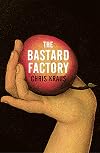
The Bastard Factory
by Chris Kraus
On This Page
Description
A bestseller in Europe, The Bastard Factory tells the story of an entire epoch: an epic drama of betrayal and self-delusion spanning the years 1905 to 1975, taking us from Riga and Moscow, Berlin and Munich, all the way to Tel Aviv. Hubert and Konstantin Solm are brothers, born in Riga at the beginning of the twentieth century. They will find themselves, along with their Jewish adopted sister Ev Solm, caught up in in the maelstrom of their changing times. As the two brothers climb the rungs show more of society - working first for the government in Nazi Germany, then as agents for the Allied forces, and eventually becoming spies for the young West Germany - Ev will be their constant companion, and eventually a lover to them both. The passionate love triangle that emerges will propel the characters to terrifying moral and political depths. The story of the Solms is also the story of twentieth-century Germany: the decline of an old world and the rise of a new one, under new auspices but with the same familiar protagonists. Translated from the German by Dr. Ruth Martin. show lessTags
Recommendations



















Member Reviews
Neither the Dutch ('Fabriek van Klootzakken) nor the French title ('La fabrique des Salauds') correctly reflect the orginal German title 'Das Kalte Bult' in which Chris Kraus tells the the story of the german-latvian Solm family throughout the major part of the 20th century. We get know a number of lesser-known episodes such as the history of the Baltic states on the eve of WWII and the formation of the secret service (BND) after WWII in West Germany. The difficult relationship between West Germany and the young state of Israel is also very fascinating to read. But apart from history, this virtuosoly written novel is above all a book about the human psyche in times of war and violence. The great thing about Kraus is that one continues show more to feel sympathy with both brothers although they are 'klootzakken'. Kraus lets you understand how they are recruited by the Nazis, why they start behaving like Nazis and even how they come to do commit heineous crimes. Although the book has excellent descriptions, it's main character (Koja Solm) does not come into its own. He often does things, sometimes out of fear, but more often it seems, because one has to do something. This is also the case with his love for Ev. Shaky is this love, sometimes driven by fear, but more often by indecision. All in all this huge book is an insane novel close to - but some way off- Jonathan Littel's 'Les Bienviellantes'. Every time you think: now it can't get any crazier, Chris Kraus comes up with new experiences that are even more absurd than the ones he has already described. Yet the novel is based on both the life of one of the author's grandfathers, and on German history of the 20th century, and he knows how to tell it in such a way that you go along with the story, no matter how bizarre and shocking all the events are. show less
**** : Compliqué, touffu mais passionnant. Sur l'apres guerre en Allemagne, le rôle de la CIA, des anciens nazis et des services secrets. Mais la question essentielle est quand et comment devient on un salaud de la pire espèce.
Interesante novela que cubre la historia alemana durante casi todo el siglo XX (hasta los 70).
Mais les souvenirs de sont pas la vie, ils sont la mort de tout ce qui est présentement (p159)
"Enfant j'étais persuadé que nous avions tous besoin d'une quête pour justifier notre existence. Je ne pense même pas à Schliemann ni à toutes es balivernes sir la découverte de Troie. Rien à voir avec la soif d'action. Ni avec le Graal. Mais j'avais le sentiment que chacun, à l'instar de Hänsel et Gretel, avait été abandonné dans une forêt obscure et devait se débrouiller pour rentrer chez soi.
Sauf qu'une fois adulte, j'ai compris que personne ne sortait jamais de la fprêt. les gens ne font que tituber les uns autour des autres, ils restent coincés dans les sous-bois et, au lieu de chercher, ils rêvent d'être retrouver.
Et show more désormais, c'était mon cas.
Mais que faire quand cette maudite forêt brûle ?" (p262)
Le mensonge est souvent le dernier rempart des égoïstes te des nostalgiques. Il préserve ce qui compte vraiment. Si le mensonge n'y était toléré, toutes les familles seraient condamnées. Et tout les Etats aussi. Il n'existe pas de monde sans mensonge, et un monde où le mensonge aurait droit de cité n'est pas possible non plus. (p513)
Les vérités existentielles, ce sont des opinions à la con. On grandit avec ces opinions à la con qui font toujours partie d'une époque déterminée ! Qui sont toujours le produit d'une époque déterminée ! Toutes les opinions à la con se prétendant valable et durables. Alors qu'elles sont tout sauf ça. (p529)
Tout ce que nous entendons nous marque. On entend le bruissement des arbres, et ça nous apaise. (...) Les paroles nous transforment. On ne devrait pas prononcer de mauvaises paroles. (p593)
A quelles illusions l'homme cède t-il ? Comme il est prompt à s'inventer de toutes pièces un équilibre moral, quand ce dernier n'a aucune existence en dehors de sa propre perception ! Comme il lui est aisé de s'abandonner à la chaleur de la vérité, de l'allumer telle une lampe à bronzer, alors même que, non contents d'évoluer dans les ruses les plus glaciales, sous en sommes les instigateurs. (p614)
La peinture n'est pas faites pour décorer les appartements ! C'est un instrument de guerre offensive et défensive contre l'ennemi (Pable Picasso) (p637)
On peut être motivé par la faim, par la soif, par le besoin d'amour. Mais pas par le besoin de justice. A moins d'appeler ce besoin par son vrai nom. Et dans ce cas, on perle de colère (p1089) show less
"Enfant j'étais persuadé que nous avions tous besoin d'une quête pour justifier notre existence. Je ne pense même pas à Schliemann ni à toutes es balivernes sir la découverte de Troie. Rien à voir avec la soif d'action. Ni avec le Graal. Mais j'avais le sentiment que chacun, à l'instar de Hänsel et Gretel, avait été abandonné dans une forêt obscure et devait se débrouiller pour rentrer chez soi.
Sauf qu'une fois adulte, j'ai compris que personne ne sortait jamais de la fprêt. les gens ne font que tituber les uns autour des autres, ils restent coincés dans les sous-bois et, au lieu de chercher, ils rêvent d'être retrouver.
Et show more désormais, c'était mon cas.
Mais que faire quand cette maudite forêt brûle ?" (p262)
Le mensonge est souvent le dernier rempart des égoïstes te des nostalgiques. Il préserve ce qui compte vraiment. Si le mensonge n'y était toléré, toutes les familles seraient condamnées. Et tout les Etats aussi. Il n'existe pas de monde sans mensonge, et un monde où le mensonge aurait droit de cité n'est pas possible non plus. (p513)
Les vérités existentielles, ce sont des opinions à la con. On grandit avec ces opinions à la con qui font toujours partie d'une époque déterminée ! Qui sont toujours le produit d'une époque déterminée ! Toutes les opinions à la con se prétendant valable et durables. Alors qu'elles sont tout sauf ça. (p529)
Tout ce que nous entendons nous marque. On entend le bruissement des arbres, et ça nous apaise. (...) Les paroles nous transforment. On ne devrait pas prononcer de mauvaises paroles. (p593)
A quelles illusions l'homme cède t-il ? Comme il est prompt à s'inventer de toutes pièces un équilibre moral, quand ce dernier n'a aucune existence en dehors de sa propre perception ! Comme il lui est aisé de s'abandonner à la chaleur de la vérité, de l'allumer telle une lampe à bronzer, alors même que, non contents d'évoluer dans les ruses les plus glaciales, sous en sommes les instigateurs. (p614)
La peinture n'est pas faites pour décorer les appartements ! C'est un instrument de guerre offensive et défensive contre l'ennemi (Pable Picasso) (p637)
On peut être motivé par la faim, par la soif, par le besoin d'amour. Mais pas par le besoin de justice. A moins d'appeler ce besoin par son vrai nom. Et dans ce cas, on perle de colère (p1089) show less
Aug 5, 2021French
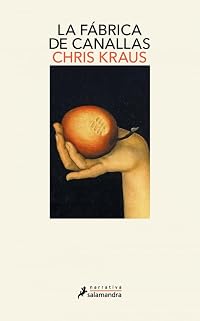
En 1974, en un hospital bávaro, Koja Solm, un anciano con una bala alojada en la cabeza, decide contarle su vida a su compañero de habitación, un joven hippie y pacifista. A través de episodios entrelazados, desde Riga a Tel Aviv, pasando por Auschwitz y París, La fábrica de canallas nos lleva a zonas donde la moral y la integridad son ultrajadas con violencia para contarnos cómo fue todo al final de la Segunda Guerra Mundial.
Oct 21, 2022Spanish
Le Sang froid ,titre allemand;Vaste et ambitieux récit d'un allemand né en Lettonie en 1911
Feb 3, 2020French
Ratings
Members
- Recently Added By
Lists

Unread books
1,063 works; 87 members
Author Information
8 Works 135 Members
Some Editions
Awards and Honors
Common Knowledge
- Canonical title
- The Bastard Factory
- Original title
- Das kalte Blut
- Original publication date
- 2017
- People/Characters
- Konstantin Solm; Hubert Solm; Eva Solm; Walter Schellenberg; Reinhard Gehlen; Isser Harel (show all 7); Otto John
- Important places
- Riga, Latvia; Pullach; Tel Aviv, Israël; Tel Aviv, Israël
Classifications
- Genres
- Fiction and Literature, General Fiction, Historical Fiction
- DDC/MDS
- 833.92 — Literature & rhetoric German & related literatures German fiction 1900- 1990-
- LCC
- PT2671 .R3288 — Language and Literature German, Dutch and Scandinavian literatures German literature Individual authors or works 1961-2000
- BISAC
Statistics
- Members
- 96
- Popularity
- 336,655
- Reviews
- 6
- Rating
- (3.63)
- Languages
- 6 — Dutch, English, French, German, Italian, Spanish
- Media
- Paper, Ebook
- ISBNs
- 15
- ASINs
- 7