Admissions: Life as a Brain Surgeon
by Henry Marsh
On This Page
Description
Traces the author's post-retirement work as a surgeon and teacher in such remote areas as Nepal and Ukraine, illuminating the challenges of working in difficult regions and finding purposeful work after a career.Tags
Recommendations
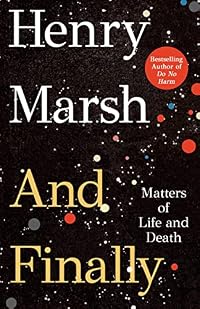
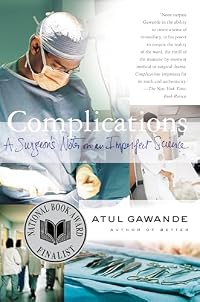
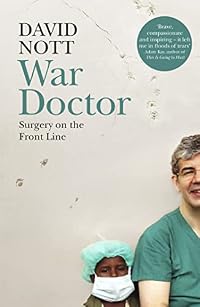
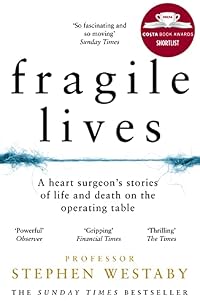



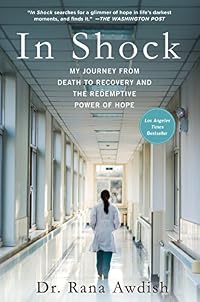
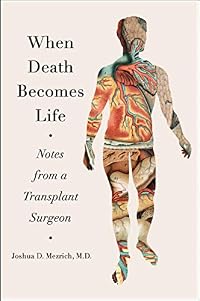
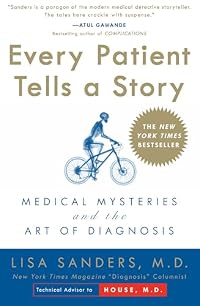
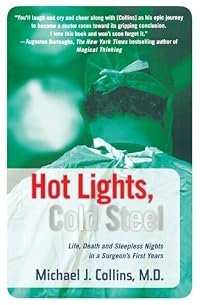
Member Recommendations
Member Reviews
Once again, a highly readable memoir of being a neurosurgeon and also a visiting neurosurgeon in both Nepal and Ukraine. Unflinchingly frank and honest, this is a book that deals with marriage breakdown, depression, regret and also ambition and drive. It looks at a great surgeon, a humanist and also a villain, all of which Henry Marsh is, through the prism of his memory and experiences. Recommended.
It's been some time since I read Henry Marsh's wonderful and compelling memoir of his life in neurosurgery, Do No Harm. I had hoped to re-read it prior to starting his new one, Admissions, but I didn't manage it. I'd ordered the book from Britain-- as it won't appear in Canada until the fall of 2017, and I didn't want to wait. I started it almost immediately. Given the passage of time, I do not know if my recollections of the first book are to be fully trusted, but this new book feels very different. Marsh still (quite harshly and unforgivingly) represents himself as an impatient, irascible, sometimes arrogant surgeon. There is still the rigorous, unflinching honesty, particularly about himself and the medical errors and miscalculations show more he has made. However, his failings and regrets as a person, particularly as a son, a husband, a father, and as a human being are also sharply scrutinized. I don't recall quite so much of this in the first book. I'm also aware that I am a different reader from the one I was a few years back. Maybe that's the difference.
As this second memoir opens, Marsh is on the brink of retirement, eager to be done, and more keenly aware than ever of the anxiety that he has long experienced just before he is about to operate. He feels that perhaps he is losing his nerve--the fearlessness, the boldness, the confidence that seem requisite for cutting into and manipulating the physical substrate of consciousness.
Marsh fears retirement. What is to be done with all that time? He will need to be doing something. Woodworking and building things have long been hobbies, so he decides on a big project, perhaps an impossible one: he purchases a dilapidated cottage along a canal outside Oxford, not far from his idyllic childhood home, with a view to restoring it. Almost all the work he does here, though, is thwarted. Vandals break his beautifully crafted windows. The weeds grow back in almost obscene luxuriance. Still, he continues.
Large sections of Admissions are dedicated to describing Marsh's experiences in Nepal, an astonishingly corrupt, almost lawless country, where he assists his specialist physician friend. In Kathmandu, Dev, who did his neurosurgical training in London years before, now almost singlehandedly runs a private hospital devoted to brain and spinal surgery. A homegrown celebrity of sorts, he has required a bodyguard since thugs invaded his home, kidnapped his daughter, and held her for ransom a few years back.
While Marsh is charmed by the people and beauty of Nepal, and is able to do some surgical work there, he is profoundly frustrated by the language barrier. Both in Nepal and Kiev (where he has long worked with a Ukrainian physician, Igor), he questions the appropriateness of a surgeon (himself) operating on a patient he cannot speak to, cannot appropriately assess (especially cognitively) and "know". Ultimately, he appears to regard his personal project of assisting and sharing knowledge with neurosurgeons in another country as a kind of folly, perhaps even a form of hubris.
Admissions is an aptly nuanced title for this medical memoir. Having performed work that has driven home just how much the intangible (thought and consciousness) depend on the physical (the brain), having seen how a person's very identity can be decimated by pathology, Marsh does not believe in God or an afterlife. Interestingly, though, his book has the feel of a spiritual biography of sorts. It is certainly a book of confessions, of admissions of error, and an account of the terrible human misery he has seen. Perhaps it is even an act of expiation and a request for forgiveness--if not divine, then at least human. Given what the author has seen, it is not surprising that he should fear his own death and spend some pages toward the end advocating for euthanasia. I found it hard to disagree with him.
I learned a tremendous amount from Henry Marsh's book. I respect his knowledge, honesty, and integrity. Admissions gives a fairly rare, painful glimpse into the life of a neurosurgeon and a deeply thoughtful human being, who is well aware of his limitations.
A good little video clip:
https://m.youtube.com/watch?v=HQ1uXSoNNic show less
As this second memoir opens, Marsh is on the brink of retirement, eager to be done, and more keenly aware than ever of the anxiety that he has long experienced just before he is about to operate. He feels that perhaps he is losing his nerve--the fearlessness, the boldness, the confidence that seem requisite for cutting into and manipulating the physical substrate of consciousness.
Marsh fears retirement. What is to be done with all that time? He will need to be doing something. Woodworking and building things have long been hobbies, so he decides on a big project, perhaps an impossible one: he purchases a dilapidated cottage along a canal outside Oxford, not far from his idyllic childhood home, with a view to restoring it. Almost all the work he does here, though, is thwarted. Vandals break his beautifully crafted windows. The weeds grow back in almost obscene luxuriance. Still, he continues.
Large sections of Admissions are dedicated to describing Marsh's experiences in Nepal, an astonishingly corrupt, almost lawless country, where he assists his specialist physician friend. In Kathmandu, Dev, who did his neurosurgical training in London years before, now almost singlehandedly runs a private hospital devoted to brain and spinal surgery. A homegrown celebrity of sorts, he has required a bodyguard since thugs invaded his home, kidnapped his daughter, and held her for ransom a few years back.
While Marsh is charmed by the people and beauty of Nepal, and is able to do some surgical work there, he is profoundly frustrated by the language barrier. Both in Nepal and Kiev (where he has long worked with a Ukrainian physician, Igor), he questions the appropriateness of a surgeon (himself) operating on a patient he cannot speak to, cannot appropriately assess (especially cognitively) and "know". Ultimately, he appears to regard his personal project of assisting and sharing knowledge with neurosurgeons in another country as a kind of folly, perhaps even a form of hubris.
Admissions is an aptly nuanced title for this medical memoir. Having performed work that has driven home just how much the intangible (thought and consciousness) depend on the physical (the brain), having seen how a person's very identity can be decimated by pathology, Marsh does not believe in God or an afterlife. Interestingly, though, his book has the feel of a spiritual biography of sorts. It is certainly a book of confessions, of admissions of error, and an account of the terrible human misery he has seen. Perhaps it is even an act of expiation and a request for forgiveness--if not divine, then at least human. Given what the author has seen, it is not surprising that he should fear his own death and spend some pages toward the end advocating for euthanasia. I found it hard to disagree with him.
I learned a tremendous amount from Henry Marsh's book. I respect his knowledge, honesty, and integrity. Admissions gives a fairly rare, painful glimpse into the life of a neurosurgeon and a deeply thoughtful human being, who is well aware of his limitations.
A good little video clip:
https://m.youtube.com/watch?v=HQ1uXSoNNic show less
I found Marsh's book captivating, though sometimes hard to read. Not just because the stories he tells deal with the harsh reality of life-threatening conditions but because witnessing his flawed actions is, frankly, off-putting. We all want to think of doctors, and surgeons in particular, as being infallible paragons of virtue and perfect decision-making. Yet, recognizing they're as human and flawed as the rest of us is terrifying.
My favourite chapter was the last one, where Marsh described his views on death, end-of-life care, and what it really means to die "a good death." I also appreciated his take on practicing medicine in Nepal. The parts set in Ukraine were more challenging to read - perhaps because I was born in Romania, and show more some of the descriptions hit a little too close to home.
Overall, I found this a complex, interesting, thought-provoking book, one I'm glad to have read. show less
My favourite chapter was the last one, where Marsh described his views on death, end-of-life care, and what it really means to die "a good death." I also appreciated his take on practicing medicine in Nepal. The parts set in Ukraine were more challenging to read - perhaps because I was born in Romania, and show more some of the descriptions hit a little too close to home.
Overall, I found this a complex, interesting, thought-provoking book, one I'm glad to have read. show less
Henry Marsh’s follow-up to his first book, Do No Harm, has Marsh looking back on his career and trying to figure out what to do to feel fulfilled in his retirement. He helps train surgeons in Nepal and Ukraine, and he attempts to restore an old lock-keeper’s cottage beside a canal. He considers how differently medicine is practised in various countries and reflects on memorable (often in terrible ways) operations and patients. He also reflects on ageing and the question of a good death.
What I liked best about this second book was Marsh’s gift for similes that helped describe the components of the brain in a way that the general reader would understand. His writing is technical, but at the same time elegant.
Of Marsh’s two books, show more this one is probably better suited for dipping into periodically, because the chapters jump around a bit in time and space; nevertheless, you may find it difficult to put down. show less
What I liked best about this second book was Marsh’s gift for similes that helped describe the components of the brain in a way that the general reader would understand. His writing is technical, but at the same time elegant.
Of Marsh’s two books, show more this one is probably better suited for dipping into periodically, because the chapters jump around a bit in time and space; nevertheless, you may find it difficult to put down. show less
Compared to Do No Harm, this book doesn't dwell on brain surgeries that much. Marsh focuses more on his experiences in Nepal and Ukraine and dwells on subjects such as death and religion. More than once, he explained why he doesn't think there is life after death. I am not sure why this is such a preoccupation with him but at least he wasn't dogmatic. And of course, expect the bashing of NHS. Nevertheless, still a good read as Marsh writes of his fragility, again throwing off the cloak of invincibility of doctors.
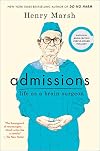
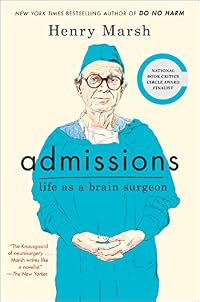
The cover immediately caught my attention. It’s a drawing of Dr. Henry Marsh wearing a surgeon’s hat, mask and gown. I figured the book would be mostly about what it’s like in the operating room. It’s half of the memoir. The rest includes thoughts about his life.
After 40 years of being a brain surgeon, it was time for him to retire in the Oxford area of England. He set a goal to do pro-bono work in Ukraine and Nepal where they desperately needed his help. He talked about some of his experiences with patients and the level of pain in the skull but not the brain. No thanks; I can’t picture being awake to see what my brain would actually look like during a surgery.
I wondered what it must be like to be in control of the outcome of show more patient’s lives. As he said, it’s not easy to tell someone that they would be blind for the rest of their life.
He said he wasn’t the best son. Looking back, he wished he would have visited his father more often. His parents met in 1938 in Germany. He was at a conference and she was studying to be a bookkeeper. She was vocal against the Nazi Party and fortunate that she was just noted as a silly girl and dismissed. Dr. Marsh’s father took her back to London and they got married. Yet, his mother’s sister, admiring the Nazis, was very much involved in Germany.
He had a lot on his mind with aging. I figured from the writing he must be in his mid 70’s. Yet, he was born in 1950 which is a handful of years before me. Was he always thinking about the possibility of dying as a surgeon?
Dr. Marsh said he didn’t believe in the afterlife. “I simply want a good death.” He witnessed many patients struggling and considered the idea of a suicide pill to be a better option if legalized rather than for someone to die “miserably.”
His words left me with a lot to think about. show less
After 40 years of being a brain surgeon, it was time for him to retire in the Oxford area of England. He set a goal to do pro-bono work in Ukraine and Nepal where they desperately needed his help. He talked about some of his experiences with patients and the level of pain in the skull but not the brain. No thanks; I can’t picture being awake to see what my brain would actually look like during a surgery.
I wondered what it must be like to be in control of the outcome of show more patient’s lives. As he said, it’s not easy to tell someone that they would be blind for the rest of their life.
He said he wasn’t the best son. Looking back, he wished he would have visited his father more often. His parents met in 1938 in Germany. He was at a conference and she was studying to be a bookkeeper. She was vocal against the Nazi Party and fortunate that she was just noted as a silly girl and dismissed. Dr. Marsh’s father took her back to London and they got married. Yet, his mother’s sister, admiring the Nazis, was very much involved in Germany.
He had a lot on his mind with aging. I figured from the writing he must be in his mid 70’s. Yet, he was born in 1950 which is a handful of years before me. Was he always thinking about the possibility of dying as a surgeon?
Dr. Marsh said he didn’t believe in the afterlife. “I simply want a good death.” He witnessed many patients struggling and considered the idea of a suicide pill to be a better option if legalized rather than for someone to die “miserably.”
His words left me with a lot to think about. show less
Atul Gawande's Being Mortal is a more thoughtful examination of life and death on those growing older. His manner is more comforting and his writing style more comfortable. That said, Henry Marsh is grumpy, a little crotchety, and, refreshingly, he allows those manners to come through in his writing, taking to task his friends and patients and families and even episodes from his own personal life.
I made a number of passage notes, but these two excerpts come from the final chapter, which was my favorite for their summing up:
Life by its very nature is reluctant to end. It is as though we are hardwired for hope, to always feel that we have a future. (264)
We have to choose between probabilities, not certainties, and that is difficult. How show more probable is it that we will gain how many extra years of life, and what might the quality of those years be, if we bust ourselves to the pain and unpleasantness of treatment? And what is the probability that the treatment will cause severe side effects that outweigh any possible benefits? … And yet it has been estimated that in the developed world, 75% of our lifetime medical costs are incurred in the last six months of our lives. This is the price of hope, hope which, by the laws of probability, is so often unrealistic. And thus we often end up inflicting both great suffering on ourselves and unsustainable expense on society. (265-266) show less
I made a number of passage notes, but these two excerpts come from the final chapter, which was my favorite for their summing up:
Life by its very nature is reluctant to end. It is as though we are hardwired for hope, to always feel that we have a future. (264)
We have to choose between probabilities, not certainties, and that is difficult. How show more probable is it that we will gain how many extra years of life, and what might the quality of those years be, if we bust ourselves to the pain and unpleasantness of treatment? And what is the probability that the treatment will cause severe side effects that outweigh any possible benefits? … And yet it has been estimated that in the developed world, 75% of our lifetime medical costs are incurred in the last six months of our lives. This is the price of hope, hope which, by the laws of probability, is so often unrealistic. And thus we often end up inflicting both great suffering on ourselves and unsustainable expense on society. (265-266) show less
Members
- Recently Added By
Lists

Best Medical Nonfiction
79 works; 29 members
Author Information

3 Works 1,827 Members
Henry Marsh is a neurosurgeon who authored the memoir Do No Harm: Stories of Life, Death and Brain Surgery which won the PEN/Ackerley Prize 2015. The prize in the amout of £3000 (A$6115) is awarded to the author of a notable work of memoir or autobiography. (Bowker Author Biography)
Some Editions
Awards and Honors
Awards
Distinctions
The Guardian Book of the Day (2017-05-08)
Common Knowledge
- Canonical title*
- Bekännelser : en neurokirurg berättar om liv och död
- People/Characters
- Henry Marsh
- Important places
- Nepal
*Some information comes from Common Knowledge in other languages. Click "Edit" for more information.
Classifications
Statistics
- Members
- 362
- Popularity
- 86,583
- Reviews
- 18
- Rating
- (3.77)
- Languages
- 7 — Danish, Dutch, English, Portuguese, Spanish, Swedish, Turkish
- Media
- Paper, Audiobook, Ebook
- ISBNs
- 17
- ASINs
- 6