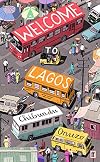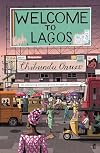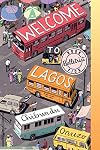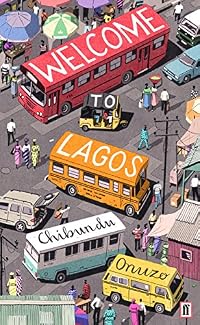
Welcome to Lagos
by Chibundu Onuzo
On This Page
Description
"When the army officer Chike Ameobi is ordered to kill innocent civilians, he knows it is time to desert his post. As he travels toward Lagos with Yemi, his junior officer, and into the heart of a political scandel involving Nigeria's education minister, Chike becomes the leader of a new platoon, a band of runaways who share his desire for a different kind of life. Among them are Fineboy, a fighter with a rebel group, desperate to pursue his dream of becoming a radio DJ; Isoken, a show more sixteen-year-old girl whose father is thought to have been killed by rebels; and the beautiful Oma, escaping a wealthy, abusive husband. Welcome to Lagos is a high-spirited novel about aspirations and escape, innocence and corruption. Full of humor and heart, it offers a provocative portrait of contemporary Nigeria that marks the arrival in the United States of an extraordinary young writer."--Jacket. show lessTags
Recommendations
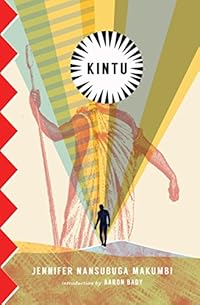
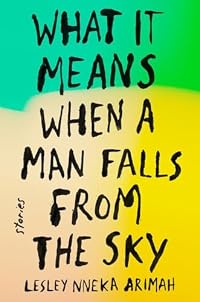
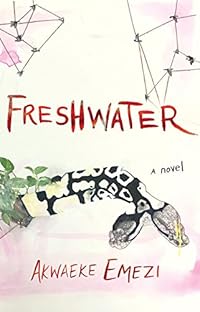
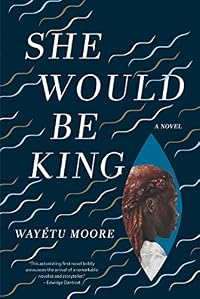

Member Reviews
Welcome to Lagos from its first paragraphs is engaging and beautifully paced. There is an enjoyable weave of characters and story. I am curious as to the how and why of Nigeria producing so many gifted writers considering the turmoil they and their country had to face. Though the politics and its consequences of dictatorship are central, one does not have to be politically inclined to enjoy this story. The well modulated mix-up of personalities, races, creeds, and religions is also masterfully done. The ending though maybe not predictable has an inevitability about it.
Quotes: (page 51) “He turned off his torch and put the Bible away. How long till Lagos? It was like London, they said, everything was new and expensive. Big cars, models show more you would never see anywhere else in Nigeria. Large houses. Money everywhere. And under these fantastic stories of riches, always a layer of unease: of daylight robberies and mysterious disappearances.”
(page 163) “He had spent his thirties driving to the remotest parts of the southwest, living the national pledge, serving with all his strength so a few could learn to read and write. And to what end? This was a country that could not be dragged out of the mud. Mud became Nigeria. Filth was her natural covering. And if people like Chike did not know this, it was out of willful ignorance, a delusion dangerous for these children. What would these new chairs do? Or the computers? Or the textbooks? The statistics did not lie. If these children could read, it was only to learn that their country was not made to work for them.”
(page 206) “Yet in many ways he was now a local. After a year in Lagos, he knew how to offer a bribe: never to speak of it directly, looking away when it changed hands, smiling when it was done. Who to offer a bribe: the higher-level officials feigned injury but their staff who granted access were more amenable. When to be familiar and jovial, aping the accents of those around him, breaking into the local patois. When to retreat into his skin and Western training: at a press conference, at checkpoints at night.”
(page 225) “'In your country, the descendants of the biggest thieves, are they not the ones making the decisions? Your House of Lords. Who made them so? Was it not by oppressing the poor, by swallowing all the land? Today, we are calling them 'My Lord,' calling them 'Honorable.' Your banks built on the slave trade, Lloyds, have they returned any compensation?'” show less
Quotes: (page 51) “He turned off his torch and put the Bible away. How long till Lagos? It was like London, they said, everything was new and expensive. Big cars, models show more you would never see anywhere else in Nigeria. Large houses. Money everywhere. And under these fantastic stories of riches, always a layer of unease: of daylight robberies and mysterious disappearances.”
(page 163) “He had spent his thirties driving to the remotest parts of the southwest, living the national pledge, serving with all his strength so a few could learn to read and write. And to what end? This was a country that could not be dragged out of the mud. Mud became Nigeria. Filth was her natural covering. And if people like Chike did not know this, it was out of willful ignorance, a delusion dangerous for these children. What would these new chairs do? Or the computers? Or the textbooks? The statistics did not lie. If these children could read, it was only to learn that their country was not made to work for them.”
(page 206) “Yet in many ways he was now a local. After a year in Lagos, he knew how to offer a bribe: never to speak of it directly, looking away when it changed hands, smiling when it was done. Who to offer a bribe: the higher-level officials feigned injury but their staff who granted access were more amenable. When to be familiar and jovial, aping the accents of those around him, breaking into the local patois. When to retreat into his skin and Western training: at a press conference, at checkpoints at night.”
(page 225) “'In your country, the descendants of the biggest thieves, are they not the ones making the decisions? Your House of Lords. Who made them so? Was it not by oppressing the poor, by swallowing all the land? Today, we are calling them 'My Lord,' calling them 'Honorable.' Your banks built on the slave trade, Lloyds, have they returned any compensation?'” show less
This turned out to be a surprisingly light-hearted story about a bunch of ill-assorted characters brought together by a common need to run away to the big city. The sort of thing that would probably make a good film, but feels a little bit flimsy as a novel, especially as it still seems to be locked somewhere in the moral universe of A Christmas carol, where all it takes for the wealthy to redeem themselves from decades of corruption and exploiting the poor is a quixotic act of charity. It's postmodern enough to accept that the quixotic act of charity doesn't actually change the world, but that doesn't seem to matter. Needle-eyes seem to be opening up wherever we look.
On the other hand, there's lots to enjoy in this book - some show more fascinating and amusing observation of the colourful life of Lagos, some very sharp bits of dialogue, and a nice send-up of the business of broadcast news as practised in the 21st century. Onuzo is certainly someone to watch. show less
On the other hand, there's lots to enjoy in this book - some show more fascinating and amusing observation of the colourful life of Lagos, some very sharp bits of dialogue, and a nice send-up of the business of broadcast news as practised in the 21st century. Onuzo is certainly someone to watch. show less
What a jarring, enlightening, humane story, read in the audiobook version with great empathy by Robin Miles. It's the story of modern Nigeria. It's the story of regular people trying to do the right thing at a time when "doing the right thing" can end your life. Onuzo adds exactly enough background and scenic detail to make the story come alive and to keep even those unfamiliar with current events in Nigeria feel like they can follow and learn. I felt like I understood more about the world at the end than I had before I began, which is exactly the reason I read novels. Highly recommended.
This was an intriguing premise with a lot of small subplots and not a lot of payoff in the end. It's a fast read and not bad at all, but I kept comparing it less favorably to The White Tiger (which I really enjoyed).
A jarring, enlightening, humane story, read in the audiobook version with great empathy by Robin Miles. It's the story of modern Nigeria. It's the story of regular people trying to do the right thing at a time when "doing the right thing" can end your life. Onuzo adds exactly enough background and scenic detail to make the story come alive and to keep even those unfamiliar with current events in Nigeria feel like they can follow and understand. I was not able to follow the book with just the audiobook however--with some books I need to review and supplement the audio with the printed page and that was the case here. This is not on account of the writing being particularly complicated--it is very clear writing as a matter of fact--but show more there are several threads of stories here, and many characters, and it became more enjoyable when I had both audio and written forms to alternate between. show less
 This review was written for LibraryThing Early Reviewers.
I read Onuzo's first book The Spider King's Daughter earlier this year, and while I didn't find it an amazing read, I saw a lot of potential in the writing. While Welcome to Lagos is a more solid novel, there were still a lot of issues in the writing.
It's the story of a disparate group of people who wind up banding together. My trouble was that Onuzo didn't show this process well. One minute the were strangers who disliked each other and the next they were living in semi-harmony. It wasn't a believable transition and this impacted my enjoyment of the entire book.
The strength is in showing us Lagos and a few slices of Nigerian life. I greatly enjoyed aspects of the book but couldn't enjoy it as a whole novel.
It's the story of a disparate group of people who wind up banding together. My trouble was that Onuzo didn't show this process well. One minute the were strangers who disliked each other and the next they were living in semi-harmony. It wasn't a believable transition and this impacted my enjoyment of the entire book.
The strength is in showing us Lagos and a few slices of Nigerian life. I greatly enjoyed aspects of the book but couldn't enjoy it as a whole novel.
This review was written for LibraryThing Early Reviewers.Five people are brought together through violent circumstances and embark on a journey to Lagos. Chike and Yemi are deserters from the army. They left after being ordered to massacre women and children during a suppression of protests. Fineboy is a militant from the other side who cannot handle the carnage and wants to become a radio broadcaster. Isoken is a teen separated from her family who suffers trauma from attempted rape by the militants. Oma is a wife who has left her abusive husband. They meet a corrupt politician, a news publisher, and a few British journalists. The plot follows these characters getting in and out of trouble, eventually deciding on a common goal, and in the process becoming an alternate family.
This book show more introduces the reader to the culture of Lagos and the mix of issues facing modern Nigeria. It starts slowly, as each character is introduced. Each represents a part of Nigerian life that the author wishes to highlight. Many chapters lead with media excerpts from local publications, which help set the tone, tie the storylines together, and provide information for readers who may not be familiar with Nigeria. Toward the end, it expands to include the manner in which news is reported. The author does not shy away from social commentary, embedded in the narrative. It will appeal to those who enjoy stories of ordinary people doing their best under difficult circumstances, and along the way, the reader will learn a bit about Nigeria from an author who was born there. show less
This book show more introduces the reader to the culture of Lagos and the mix of issues facing modern Nigeria. It starts slowly, as each character is introduced. Each represents a part of Nigerian life that the author wishes to highlight. Many chapters lead with media excerpts from local publications, which help set the tone, tie the storylines together, and provide information for readers who may not be familiar with Nigeria. Toward the end, it expands to include the manner in which news is reported. The author does not shy away from social commentary, embedded in the narrative. It will appeal to those who enjoy stories of ordinary people doing their best under difficult circumstances, and along the way, the reader will learn a bit about Nigeria from an author who was born there. show less
Members
- Recently Added By
Author Information

4+ Works 934 Members
Some Editions
Awards and Honors
Awards
Distinctions
Notable Lists
Common Knowledge
- Original title
- Welcome to Lagos
- Original publication date
- 2017-01-07
- People/Characters
- Chike Ameobi; Yemi Oke
- Important places
- Lagos, Nigeria; Bayelsa, Nigeria; Abuja, Nigeria
- Dedication*
- To God be the glory
- First words
- Evening swept through the Delta: half an hour of mauve before the sky bruised to black.
- Last words*
- (Click to show. Warning: May contain spoilers.)'You're asking me over the phone?'
- Blurbers
- Dennis-Benn, Nicole; Greenidge, Kaitlyn; Sexton, Margaret Wilkerson
- Original language
- English
- Canonical DDC/MDS
- 823.92
*Some information comes from Common Knowledge in other languages. Click "Edit" for more information.
Classifications
Statistics
- Members
- 363
- Popularity
- 85,404
- Reviews
- 25
- Rating
- (3.59)
- Languages
- English
- Media
- Paper, Audiobook, Ebook
- ISBNs
- 9
- ASINs
- 4